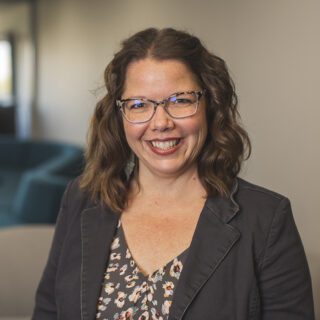
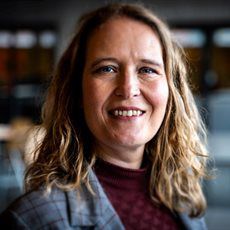
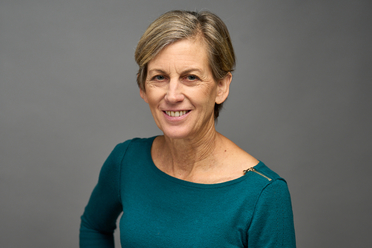
Dr. Laura St. John is an Azrieli Accelerator Assistant Professor at the University of Calgary's Faculty of Kinesiology. Her research focuses on exercise and health outcomes for neurodiverse women and girls, particularly examining physical activity's role in health and well-being across menstruation and menopause phases in neurodevelopmental disability populations. She holds a PhD in Exercise Science from the University of Toronto and completed a postdoctoral fellowship at the Centre for Addiction and Mental Health (CAMH). Her research integrates a biopsychosocial lens to address health disparities, with strategic participation in initiatives like Brain and Mental Health and Child Health and Wellness. Publications highlight pandemic-related mental health interventions for neurodiverse adults and caregivers, longitudinal studies in physical education, and exercise's impact on individuals with intellectual disabilities. Education: PhD in Exercise Science, University of Toronto Postdoc: Centre for Addiction and Mental Health Community Engagement: Special Olympics coaching, volleyball coaching Dr. St. John advocates for inclusive health practices through research, advocacy, and community partnerships, aiming to improve quality of life for neurodiverse populations.
Sigmund Østgård Gismervik is an Associate Professor and researcher at the Department of Public Health and Nursing at NTNU’s Faculty of Medicine and Health Sciences. He leads the R&D Unit of Work and Health in Central Norway and is affiliated with ISM (Institute of Health and Society). His primary roles include academic research, clinical advisory work for the Norwegian Labour and Welfare Service (NAV), and leadership in health technology innovation. Education: MD (2003), Cognitive Behavioral Therapist (2007), Consultant Specialist in Physical Medicine and Rehabilitation (2012), and PhD candidate in Work and Health Research since 2012. His research focuses on occupational rehabilitation, musculoskeletal disorders, eHealth solutions, and the intersection of work health policies. Key research interests include the efficacy of AI-driven self-management apps for musculoskeletal pain, inpatient vs outpatient rehabilitation models, and the impact of insomnia on work participation. His work integrates behavioral therapies like Acceptance and Commitment Therapy (ACT) with multidisciplinary approaches. Recent studies highlight long-term outcomes of occupational rehabilitation programs (7-year follow-ups), usability of electronic health records, and cost-benefit analyses of rehabilitation interventions. He collaborates extensively on national and international trials evaluating digital health tools and workplace health strategies. Labs/Teams: Active in the Work and Health Research Group at NTNU and the R&D Unit of Work and Health in Central Norway, focusing on translational research to improve workplace health policies and clinical practices.
Rebecca Schreib serves as an Assistant Teaching Professor and Director of Undergraduate Studies in Rice University's Department of Computer Science. She holds a Ph.D., M.S., and B.S. in Computer Science from Rice University (2019, 2015, 2014 respectively). Her research focuses on computer science education, virtualization, and embedded runtime systems. Her educational background includes a doctoral emphasis on designing personalized interactive learning tools for large introductory courses. Key research contributions include MemStep (2024), collaborative computational thinking courses (2020), and automated assessment systems (2016–2017). Her work spans both educational technology and embedded systems, with a focus on bridging theory-practice gaps in programming education while advancing runtime system reliability for constrained environments. She has developed tools that enhance student engagement and automated systems for testing and memory management. While no scientific awards are listed, her publications reflect sustained innovation in educational technology and embedded computing since 2012. Her advising and grant activities are not explicitly documented here. She contributes to Rice's undergraduate program infrastructure through her directorship role.
Bridget Lee is an Assistant Professor in the Department of Health & Human Development at the University of Pittsburgh's School of Education. Her research focuses on drama-based pedagogies, literacy education, and cognitive development across K-12 settings. She employs meta-analytic and interdisciplinary approaches to investigate how theatrical and performative methods enhance student motivation, social understanding, and academic outcomes. Her work also addresses teacher training, special education, and community-driven educational practices, such as those developed in response to crises like Hurricane Katrina. Lee’s research emphasizes the integration of drama into curricula to foster creativity, critical thinking, and inclusivity. She has collaborated with teaching artists and schools to design professional development programs that empower educators to adopt innovative teaching strategies. Her studies often highlight the transformative potential of arts-based interventions in both traditional and non-traditional learning environments. Her publications span topics from the cognitive benefits of theory of mind exercises to the motivational impacts of Shakespearean rehearsal practices. She advocates for incremental yet systemic changes in classroom practices through evidence-based pedagogy. Lee holds a strong commitment to bridging research and practice, particularly in underserved educational contexts.
Dr. Whitney L. Mills is an Associate Professor of Health Services, Policy and Practice at Brown University's School of Public Health and an Investigator at Providence VA Medical Center's Transformative Health Systems Research Center. She holds a PhD in Aging Studies from the University of South Florida and completed a VA Postdoctoral Fellowship in Health Services Research at the Michael E. DeBakey VA Medical Center. Her research focuses on improving quality of life for older adults through implementation science and qualitative methods, emphasizing nursing home quality, care transitions, and decision-making capacity assessment. Education: PhD in Aging Studies, University of South Florida (2010) Postdoctoral Training: VA Health Services Research Fellowship (2011–2014) Her work spans aging populations, veterans' health, and long-term care innovation. Key interests include home-based services, capacity assessment tools, and reducing healthcare disparities. Dr. Mills has authored over 30 peer-reviewed articles and received accolades such as the Hartford Change AGEnts Initiative Scholarship and Outstanding Reviewer recognition from Annals of Internal Medicine . Her research explores interventions to enhance nursing home culture, improve transitions from institutional to community care, and address barriers to equitable healthcare access for aging veterans. Recent projects include pilot trials on home-delivered meals for dementia patients and Montessori-based staff training in dementia care settings.
Dr. Tara Mehta is an Associate Professor of Clinical Psychology and Director of Psychology Training at the Institute for Juvenile Research, affiliated with the Department of Psychiatry at the University of Illinois Chicago (UIC). She leads the ACCESS for Mental Health research lab, focusing on reducing ethnic minority disparities in child mental health access through community-based collaborative research and workforce development. Her work emphasizes leveraging natural resources in schools and after-school settings, activating paraprofessionals, and enhancing organizational factors to sustain effective practices. She collaborates with Chicago Public Schools, Chicago Park District, and community mental health centers. Associate Professor of Clinical Psychology, UIC Director of Psychology Training, Institute for Juvenile Research Core faculty, UIC Center for Clinical and Translational Science Her research interests center on ecological public health models, mental health services research, and Asian American mental health. She has secured significant grants, including a 5-year NIMH R01, and leads projects like Building multi-level support for recreational staff and Patient Navigators for Children's Mental Health . Key themes in her recent publications include implementation science, ADHD intervention through physical activity, and trauma-informed care in hospitals. Her awards include Fellow status in APA and SCCAP. She is actively recruiting doctoral students for Fall 2024 admissions. Community-Based Research Dissemination & Implementation Science Workforce Development Paraprofessional-Led Services Scientific awards include: Fellow, American Psychological Association (2024) Fellow, Society of Clinical Child and Adolescent Psychology (SCCAP) (2024) Dr. Mehta’s lab, ACCESS for Mental Health, partners with Urban Initiatives, Chicago Park District, and social service agencies to implement programs like Leaders @ Play and Project BUILT. Her grants focus on NIMH-funded studies examining mental health navigation and virtual professional learning communities.
Luca Eva Gazdag is a researcher in the Department of Mathematics at the University of Oslo, affiliated with the Faculty of Mathematics and Natural Sciences. Her academic work spans computability theory, operator algebras, and artificial intelligence. She has held research stays at the University of Cambridge (2021–2022) and the University of Victoria (2018). She has been a board member of the Department of Mathematics (2021–present), deputy board member of the Faculty of Mathematics and Natural Sciences (2020), and active in student councils (2015–2018). Education: Bachelor in Mathematics, Informatics, and Technology (University of Oslo, 2014–2017); Master in Mathematics (University of Oslo, 2017–2019) Her research interests focus on applying computability theory to real-world problems and exploring operator algebras, particularly in the context of KMS states and product systems over monoids. She also investigates computational boundaries in AI training algorithms, leveraging her background in deep learning and neural networks. Her recent publications address theoretical frameworks in operator algebras and the SCI hierarchy's implications for machine learning. Awards: Robert and Ella Wenzin scholarship (2020), Niels Henrik Abel Memorial Fund (2020), Abel stipend (2018) Gazdag has taught extensively, including calculus, linear algebra, and programming courses at the University of Oslo. She has held teaching roles such as lecturer, teaching assistant, and exercise session leader since 2015. Her contributions to education include curriculum development and student mentorship through her council memberships. Her research stays and collaborations, particularly at the University of Cambridge, reflect her engagement with international academic networks. She actively participates in departmental governance, contributing to policy decisions and academic strategy.
Professor Cecilie Thøgersen-Ntoumani holds a 125th Anniversary Chair as Professor of Health Behaviour Change at the University of Birmingham (on a fractional appointment since December 2024) and concurrently serves as Professor of Physical Activity and Health Behaviour at the University of Southern Denmark (SDU), where she co-directs the Danish Centre for Motivation and Behaviour Science (DRIVEN). She earned her PhD in Exercise and Health Sciences from the University of Bristol in 2003 and has held academic positions at the University of Birmingham, Curtin University (Australia), and SDU. Her research focuses on motivational science applied to health behavior change, emphasizing interventions for physical activity, body image, and climate adaptation. She is a top 2% global researcher (Ioannidis, 2023), an editorial board member for journals like Psychology of Sport and Exercise , and advises the Danish Heart Foundation on nationwide walking campaigns. Education: PhD in Exercise and Health Sciences, University of Bristol (2003) Research Interests: Motivational interventions for physical activity and weight management Vigorous Intermittent Lifestyle Physical Activity (VILPA) Peer-led initiatives and community engagement Body image and health behavior interactions Professional Roles: Editorial Board Member: Psychology of Sport and Exercise , Sport, Exercise and Performance Psychology Advisory Board Member: Danish Heart Foundation Co-Director: Danish Centre for Motivation and Behaviour Science (DRIVEN) Grants & Funding: Secured large interdisciplinary research funding, details of which are not specified in the text. Labs/Teams: Leads research at DRIVEN, focusing on motivation and behavior science applications.
Susan Kohl Malone is an Assistant Professor at the College of Nursing, New York University (NYU), where she conducts research on chronic disease prevention, with a focus on sleep, circadian rhythms, and cardio-metabolic health. She is actively involved in funded intervention studies, including those addressing metabolic syndrome and prediabetes, and accepts PhD students into her research program. PhD, University of Pennsylvania MSN, University of Pennsylvania BSN, Georgetown University Postdoctoral Fellowship, Center for Sleep and Circadian Neurobiology, University of Pennsylvania Her research centers on how timing and rhythmicity of lifestyle behaviors—such as sleep, eating, and physical activity—affect health outcomes. She investigates circadian disruption, social jet lag, and sleep variability in diverse populations, from adolescents to older adults, using both actigraphy and population-level data. Her work bridges nursing science, public health, and behavioral medicine, with applications in diabetes, obesity, and cardiovascular disease prevention. Her recent publications (2023–2024) show a strong trend in examining the interplay between sleep timing, metabolic health, and social determinants. Themes include the impact of automated insulin delivery on sleep, the role of social isolation in insomnia, and how variability in sleep and eating patterns contributes to subclinical atherosclerosis. Her research increasingly integrates real-world, free-living data and emphasizes health equity. Marion R. Gregory Award (2015) Heilbrunn Nurse Scholar Award (2014) Research Poster Winner, National Association of School Nurses (2013) Leadership Identification Scholarship (1985) Susan Kohl Award, Georgetown University Susan Malone has been principal investigator on multiple NIH-funded projects, including NYU’s P20 Exploratory Center for Precision Health in Diverse Populations. She leads a randomized controlled trial on sleep and glycemic control in prediabetes and has developed culturally appropriate recruitment strategies for diverse research populations. Her work is supported by grants from the National Institute of Nursing Research and other federal agencies. She is a member of several professional societies, including the American Academy of Nursing, Sleep Research Society, and Society for Research in Biological Rhythms. She leads a research team focused on behavioral interventions that incorporate circadian principles to improve chronic disease outcomes. Her lab uses actigraphy, continuous glucose monitoring, and mixed-methods approaches to study sleep, metabolism, and behavior in real-world settings.
Karla G Rodriguez is a Clinical Assistant Professor in the Department of Nursing at the College of Nursing, New York University (NYU). She holds a DNP from Quinnipiac University and is deeply engaged in nursing education, holistic health, and lifestyle medicine. Her professional network includes leadership roles in the American College of Lifestyle Medicine, Sigma Theta Tau, and the National Association of Hispanic Nurses. DNP, Quinnipiac University MSN in Nursing Education, Phoenix University BSN, Long Island University Her research and teaching focus on nursing education innovation , oral-systemic health , menopause care , and holistic approaches to patient well-being. She is especially committed to improving care for underserved populations and advancing integrative health practices within nursing curricula. Rodriguez promotes plant-based lifestyles and founded the student group Plant-Based Lifestyle for Nurses . Her recent publications span topics such as menopause education, innovative teaching strategies, and the integration of ethnographic research with quality improvement. These works reflect a strong commitment to interdisciplinary methodologies , patient-centered care , and educational transformation in nursing. Key themes include lifestyle interventions, cultural competency, and mental health support in clinical settings. Fellow, New York Academy of Medicine (2022) Diplomate, American College of Lifestyle Medicine (2021) Rodriguez actively mentors students and colleagues through formal programs with the ANA, Sigma Theta Tau, and the National Association of Hispanic Nurses. She has contributed to interprofessional honors education and emphasized mentorship as a cornerstone of academic success. While no specific grants are listed, her work in curriculum innovation and quality improvement suggests engagement in academic and clinical advancement initiatives. She is a founding faculty advisor for the Plant-Based Lifestyle for Nurses student group, promoting wellness and preventive care. Her interdisciplinary collaborations, especially with Theresa Bucco, highlight a team-based approach to advancing nursing practice and public health awareness.
Professor Jackie Curtis (MBBS (Hons), FRANZCP) serves as the inaugural Executive Director of the Mindgardens Neuroscience Network , a collaborative initiative involving UNSW Sydney , Black Dog Institute , NeuRA , and South Eastern Sydney Local Health District (SESLHD) . Her career spans decades of pioneering work in youth mental health and early psychosis , with a focus on improving cardiometabolic outcomes for individuals with severe mental disorders like schizophrenia. She developed the internationally recognized Keeping the Body in Mind program, demonstrating that antipsychotic-induced weight gain can be prevented through lifestyle interventions, and co-founded the iphYs International Working Group advocating for physical health improvements in youth psychosis. Professor Curtis also contributes to global health as a committee member for the WHO International Guidelines on physical health management in severe mental disorders. Her research focuses on: Early intervention in psychosis Integrated mental-physical healthcare delivery Cardiometabolic risk mitigation in psychiatric patients Youth mental health service innovation Peer worker integration in clinical settings Physical activity and nutrition interventions Recent publications highlight her leadership in Global pandemic mental health impacts Implementation of lifestyle programs Nurse-led physical health interventions Transdiagnostic psychosocial models Peer support worker strategies Professor Curtis supervises research in psychotic disorders, youth mental health, and cardiometabolic risk reduction. Her affiliations include the Discipline of Psychiatry and Mental Health at UNSW, and she operates across multiple academic-industry partnerships. The Mindgardens Neuroscience Network serves as her primary research hub, facilitating interdisciplinary collaboration between clinical and academic institutions.
Dr. Kate Edwards is an Associate Professor at the University of Sydney, affiliated with the Sydney School of Health Sciences' Exercise and Sport Science Discipline. She previously held roles at UC San Diego and the University of Birmingham. Her research focuses on exercise's impact on immune function, vaccination efficacy, and cancer treatment. Notable contributions include studies on exercise as an adjuvant to vaccines and intra-infusion exercise during chemotherapy. She leads projects on vaccine pain reduction and women's post-miscarriage physical activity. Education: Ph.D. in Behavioural Medicine, University of Birmingham, UK BSc (HONS) Cardiff University, UK Research Interests: Exercise Immunology, Vaccine Adjuvancy, Cancer Exercise Oncology, Behavioral Medicine, Dog-Human Interactions, and Stress Physiology. Her work bridges exercise physiology with clinical outcomes, emphasizing translational research. Teaching & Awards: Recognized for teaching excellence with the 2017 Vice Chancellor's Award and 2014 Early Career Teaching Award. She mentors in the Sydney Fellows program and is a Course Accreditation Reviewer for ESSA. Current roles include Head of Exercise and Sport Science Discipline. Grants & Funding: Over $8 million in grants from entities like the Bill & Melinda Gates Foundation, Australian Sports Council, and Animal Medicines Australia. Recent projects include studies on exercise during chemotherapy infusion and dog ownership's health impacts. Labs & Teams: Leads the Exercise Physiology and Nutrition Research Team. Collaborates internationally on projects spanning immunology, oncology, and public health.
Joshua Grant is a Researcher at the Max Planck Institute for Human Cognitive and Brain Sciences in Leipzig, Germany. As part of his role, he serves as a Scientific Editor and Advisor for Grant Applications, specializing in research coordination and postdoctoral affairs. His work bridges neuroscientific research with clinical applications, particularly in pain management, mindfulness, and psychosocial stress mechanisms. His research focuses on interdisciplinary topics such as the biopsychosocial model of disease, meditation’s effects on pain perception, and the physiological correlates of stress. He has contributed to studies on chronic conditions like fibromyalgia and schizophrenia, emphasizing neuroimaging and clinical trial methodologies. Education: PhD (specific discipline unspecified but implied from research focus) Grant’s publications (2005–2020) consistently highlight neuroplasticity, mindfulness-based interventions, and the integration of psychological and physiological data in clinical contexts. He has collaborated on groundbreaking work linking meditation to cortical thickness changes and stress reduction via thermal imaging. No scientific awards are explicitly mentioned in the provided texts. As a researcher, he advises on grant applications and oversees postdoctoral programs, contributing to institutional research governance. Labs/Teams: His research is embedded within the Institute’s cognitive neuroscience and clinical research teams, though specific lab names are not specified.
Patricia De Vriendt is a Professor at Vrije Universiteit Brussel (VUB), affiliated with the Faculty of Medicine and Pharmacy's Department of Gerontology. Her research focuses on gerontology, dementia care, frailty management, and occupational therapy innovations. She leads major projects like the ACTIVE-AGE@home initiative addressing community-based frailty intervention. With an h-index of 19 and 1,224 citations, her work spans over 155 publications since 2008. Key research interests include Activities of Daily Living assessment, cognitive dysfunction in elderly populations, and nursing home quality improvement. Her international collaborations emphasize cross-cultural studies, such as evaluating dementia screening tools for Sub-Saharan African migrants in Belgium. Awarded prizes include the 2013 Prijs Beste Poster and 2003 Faculty Dean's Prize, reflecting her contributions to psychogeriatrics and geriatric research. She advises doctoral projects at VUB, UAntwerpen, and UGent, collaborating with institutions like Radboud University (NL). Her work integrates clinical practice and policy, exemplified by contributions to the Primary Care Academy and studies on caregiver-patient dynamics in nursing homes. She maintains active roles in academic organizations and has supervised seven research projects, emphasizing translational geriatric care solutions.
Dr. Linda Jimenez serves as a Teaching Professor in the Division of Kinesiology, Health and Sport Studies within Wayne State University's College of Education. With 27 years of higher education experience, she has taught over 2,000 students across 120+ courses while leading institutional projects focused on diversity, equity, and inclusion. Her work significantly enhances student-centered processes through resource optimization and inclusive strategies. Ph.D. in Learning Design and Technology, Wayne State University M.Ed. in Learning Design and Technology, Wayne State University M.Ed. in Kinesiology/Exercise and Sport Science, Wayne State University B.S. in Health and Physical Education/Exercise Science, Wayne State University Her research centers on Universal Design for Learning (UDL) implementation, inclusive pedagogy, and language practices that address diverse learner needs. She pioneers multimedia web accessibility frameworks and strategic alignment methodologies in higher education, translating theoretical concepts into practical classroom applications that serve both traditional students and adult learners. Recent publications (2020-2025) reveal a decisive shift from early exercise science research toward educational equity, with dominant themes in antiracist language practices, UDL integration, and DEI implementation. The 2023-2025 works demonstrate collaborative, interdisciplinary approaches to transforming language pedagogy, while her foundational 2003-2005 studies established evidence-based community health interventions. Global Learning Academy Fellowship (2023) Quality Matters Certified Peer Reviewer Faculty Award (2020) Favorite Professor Award (2011-2020) Learning Community Coordinator of the Year (2016-2017) Michigan Fitness Foundation President’s Award (2009) As a federal grant reviewer for the U.S. Department of Education, she has secured over $3 million for community initiatives including Get Active Detroit and Detroit After-School All-Stars. Her service encompasses university-wide DEI leadership, Latinx Faculty Association roles, and Henry Ford Health System governance, demonstrating sustained commitment to institutional transformation. She directs the Antiracist Language and Literacy Practices research team that develops evidence-based pedagogical frameworks, while co-facilitating university-wide initiatives like the Teaching Circle on Representation, Equity, Accessibility, and Justice to advance inclusive educational ecosystems.