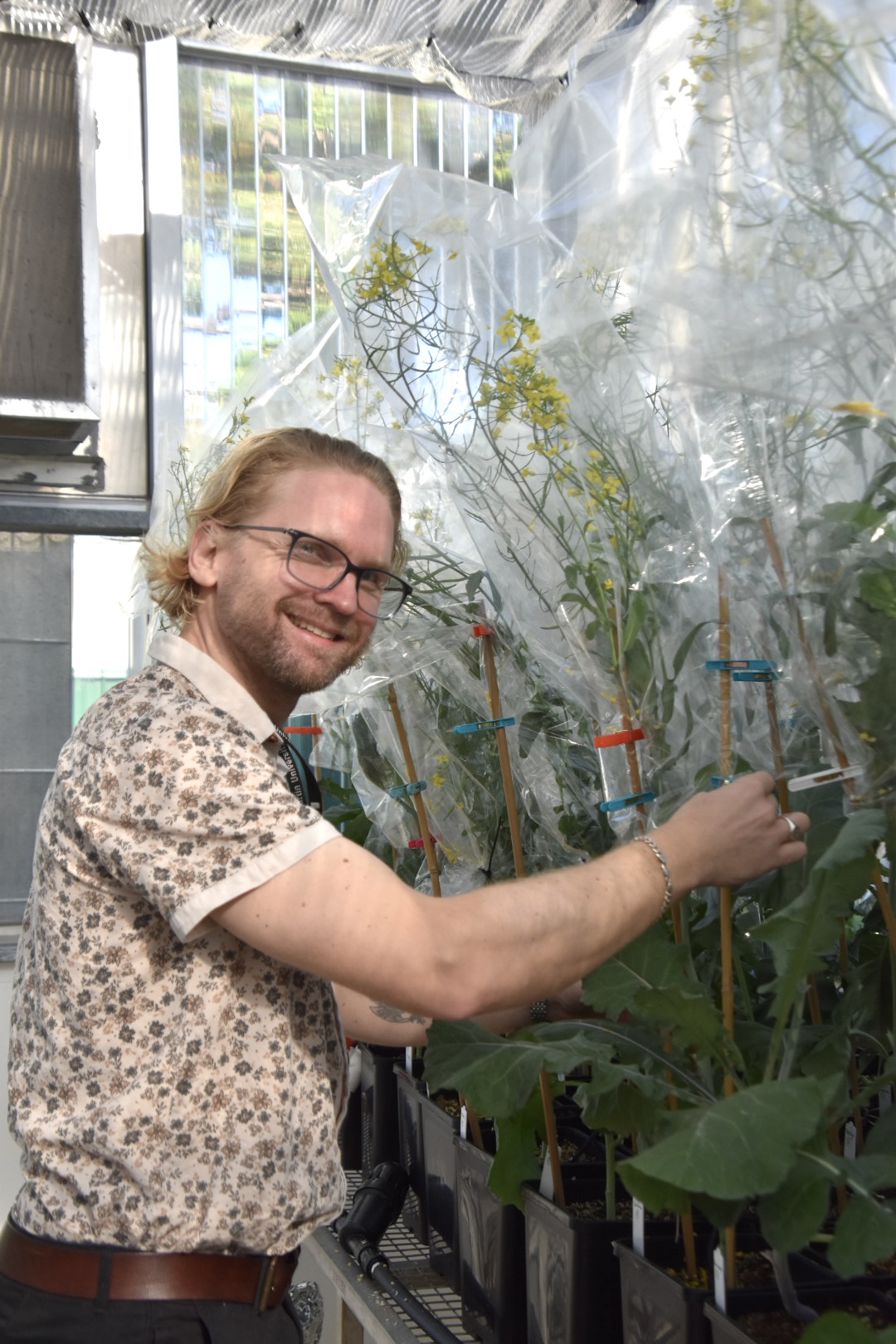
Dr. Mark Derbyshire is a Senior Research Fellow at Curtin University's School of Molecular and Life Sciences, affiliated with the Centre for Crop and Disease Management (CCDM). He holds a BSc and PhD in molecular biology from the University of Bristol. His research focuses on plant-pathogen interactions, particularly the necrotrophic fungus Sclerotinia sclerotiorum and its impact on canola. He leads a multidisciplinary team using genomics, bioinformatics, and molecular ecology to improve crop disease resistance and understand cross-kingdom RNA transfer mechanisms. Teaching roles include coordinating the 'agriculture stream' of the Applied Genetics course, lecturing on plant immunity and molecular biology techniques in Advanced Molecular Biology and Plant Molecular Biology units. His research spans genomic prediction models for disease resistance, fungal effector proteins, and co-evolutionary dynamics between plants and pathogens. Notable achievements include pioneering studies on small RNA-mediated cross-kingdom regulation and advancing genomic selection techniques. His work bridges fundamental biology with applied agricultural solutions, addressing global crop disease challenges through cutting-edge interdisciplinary approaches.
Karin Pelka is a Principal Investigator at the University of California San Francisco (UCSF), focusing on the cellular interactions that shape immune responses in human tumors. Her research integrates large-scale genomic analyses and tissue imaging to characterize tumor-immune hubs and their gene networks, aiming to develop novel cancer immunotherapies.
Gianfranco Matrone is a Chancellor's Fellow at the University of Edinburgh's Centre for Cardiovascular Science within the Deanery of Clinical Sciences. His research focuses on cardiovascular regeneration mechanisms, particularly using zebrafish models to understand heart repair processes and apply these findings to human cardiovascular disease. Dr. Matrone's research interests span multiple interconnected areas of cardiovascular science. His primary focus is on understanding the molecular mechanisms of heart regeneration, with particular emphasis on cardiomyocyte proliferation, angiogenesis, and the role of various signaling pathways. His work investigates how macrophages trigger cardiomyocyte proliferation through epicardial vegfaa expression, how S-nitrosylation of nuclear proteins impacts tissue regeneration, and how transcription factors like LMO2 and TBX20 regulate vascular development. He also studies disease models including Hutchinson-Gilford progeria syndrome to understand vascular aging and senescence. Analysis of his recent publications reveals a strong focus on molecular mechanisms of cardiac regeneration (particularly through S-nitrosylation pathways), vascular biology, and the application of zebrafish models to human cardiovascular disease. His work bridges basic science with potential therapeutic applications, especially in the areas of heart regeneration and vascular repair. The research demonstrates a progression from understanding fundamental mechanisms to exploring potential interventions for cardiovascular diseases. Dr. Matrone currently leads two research projects: 'Role of S-nitrosylation of nuclear proteins in cardiac regeneration' (funded by the British Heart Foundation, 2024-2029) and 'Role of S-Nitrosylation of epigenetic modifiers in vascular regeneration' (previously funded by EU government bodies, 2019-2020). His work demonstrates significant collaboration with researchers including Denvir, Cooke, Baker, and Tucker across multiple institutions.
Ana Carneiro is an Associate Professor and Senior Physician affiliated with Lund University Cancer Center (LUCC) at Lund University. She holds an MD and PhD, and her clinical expertise lies in Oncology , particularly focusing on Melanoma and Soft Tissue Sarcoma . Academic Rank: Associate Professor University: Lund University Research Affiliation: Lund University Cancer Center (LUCC) Her research spans Immune Checkpoint Blockade , Molecular Resistance Mechanisms , and Translational Oncology , with a strong emphasis on clinical trials and tumor microenvironment dynamics. She leads projects such as MyTrial.Finder and BioMEL , which aim to improve cancer treatments through biobanking and personalized therapy platforms. Her work aligns with the UN Sustainable Development Goals for Cancer and Oncology and Immunology in the Medical Field . Recent publications highlight her contributions to understanding Pharmacodynamics in Immunotherapy , Clinical Trial Outcomes , and Tumor Immune Infiltration in melanoma and sarcomas. Ana Carneiro organizes workshops and conferences on Immunotherapy and Clinical Trial Innovation , such as the LUCC - SUHCCC: International Clinical Trial Day (2024) and LITENING: Theme Immunotherapy (2025). She serves as Principal Investigator (PI) for grants funded by Iris, Stig och Gerry Castenbäcks stiftelse and Fru Berta Kamprads stiftelse .
Maria (MariVi) Tejada-Simon is an Associate Professor of Pharmacology at the University of Houston College of Pharmacy , with joint appointments in Psychology and Biology . She serves as the Director of Faculty Development and focuses on hippocampus-dependent learning, memory, and Fragile X syndrome. B.S. in Biology, Universidad Complutense de Madrid (Spain) M.S., Michigan State University M.Ed., University of Houston Ph.D., Michigan State University Postdoctoral Fellowship, Baylor College of Medicine Her research explores: Hippocampus-dependent learning and memory Cognitive disabilities in Fragile X syndrome Neuronal morphology regulation Mechanisms of seizure induction and death Actin remodeling in neurodevelopmental disorders Drug repurposing for mitochondrial and neurological diseases Her publications highlight advancements in Fragile X syndrome therapies, mitochondrial disease interventions, and educational methodologies in pharmacy and physiology instruction, with a focus on AI integration and cognitive enhancement. Scientific honors include: Fulbright Specialist Program (2025) Outstanding Faculty Leadership Award (2024) Outstanding Advisor Award (2023) Multiple Teaching Excellence Awards (2016-2022) LeJeune International Award Finalist (2010) She has mentored undergraduate research and advised the Hispanic Pharmacy Student Association since 2018, emphasizing faculty development and educational outreach.
Dr. Morgan Fullerton is a Professor in the Department of Biochemistry, Microbiology and Immunology at the University of Ottawa 's Faculty of Medicine . As Director of the Flow Cytometry and Virometry Core and Director of the Centre for Infection, Immunity and Inflammation (CI3) , their research program integrates systemic immunometabolism and cellular metabolic regulation in chronic disease contexts. Education: BSc (2004), PhD (2009) from University of Guelph Postdoctoral Fellowship: McMaster University (2009-2014) Research programs focus on AMP-activated protein kinase (AMPK) signaling in: Energy/nutrient sensing pathways in obesity and atherosclerosis Choline metabolism regulation of immune cell function Immunometabolic mapping in fatty liver disease progression Cell death mechanisms in diabetes pathogenesis Current work utilizes targeted knock-in mouse models and flow cytometry metabolic profiling of immune subsets in metabolic diseases. Collaborations with Dr. Andrew Pepper (University of Alberta), Dr. Erin Mulvihill (uOttawa), and Dr. Jenny Bruin (Carleton) investigate pancreatic cell death pathways. Contact: morgan.fullerton@uOttawa.ca
Seungil Ro, Ph.D., is Associate Professor in the Department of Physiology & Cell Biology at the University of Nevada, Reno School of Medicine and serves as Director of the Cellular and Molecular Pharmacology and Physiology Graduate Program since 2019. His laboratory investigates microRNA-mediated control of metabolic and gastrointestinal diseases, translating findings into therapeutic strategies through the biotech startup RosVivo Therapeutics Inc. Education Ph.D., Cell & Molecular Biology, University of Nevada, Reno, 2002 M.S., Biological Sciences, California State University, Sacramento, 1999 M.S., Molecular Biology, Wonkwang University, Korea, 1994 B.S., Molecular Biology, Wonkwang University, Korea, 1992 Research Interests Dr. Ro’s research is centered on elucidating the roles of microRNAs (miRNAs) in diabetes, obesity, non-alcoholic fatty liver disease, gut neuromuscular disorders, and COVID-19. His team has identified anti-diabetic miRNAs that restore β-cell function, improve insulin sensitivity, and reverse obesity and hepatic steatosis in animal models. Parallel work has uncovered anti-coronavirus miRNAs that inhibit replication of SARS-CoV-2 and related viruses while dampening pro-inflammatory cytokine storms. These discoveries are progressing toward clinical translation through pre-clinical studies and industry partnerships. Scientific Awards & Honors $2 million grant (2018) for breakthrough diabetes research – Nevada Governor’s Office of Economic Development U.S. Patent 6,340,748 – Promoter of the tomato expansion gene LeExp-1 (issued 2002) U.S. Provisional Patent – MiR-10 mimic and targets for diabetes and GI motility disorders (2019) PCT International Patent WO/2020/219872 – Anti-diabetic miRNAs (with Rajan Singh & Se Eun Ha) Advising & Funding Dr. Ro has mentored numerous graduate students and post-doctoral fellows and holds continuous NIH and state funding. His 2018 $2 million award supports pre-clinical development of miRNA therapeutics, and RosVivo Therapeutics has secured Series A financing for clinical translation. Laboratory & Team The Ro laboratory is located in the Center for Molecular Medicine (CMM L-207 E) on the Reno campus. Core team includes Research Assistant Professor Se Eun Ha, post-doctoral fellows Rajan Singh, Lai (Lisa) Wei, and Brian Jorgensen, graduate students, a lab manager, and undergraduate researchers. The lab maintains three public UCSC genome browsers—Smooth Muscle Genome, Transcriptome, and Methylome Browsers—serving as global resources for the smooth-muscle research community.
Salih TUNCAY is an Assistant Professor in the Food Technology Program at Uskudar University , with a focus on medicinal chemistry, biochemistry, and neuropharmacology. He holds a PhD in Organic Chemistry from Yildiz Technical University (2018) and an MSc from Atatürk University (2013). His academic career includes leadership roles such as Head of the Food Processing Department (2016–present) and Deputy Head of the Vocational Health School (2020–2023).
Dong Yan is an Associate Professor at Duke University, affiliated with the Duke School of Medicine , Duke Regeneration Center , and Duke Institute for Brain Sciences . His research focuses on molecular mechanisms in neural circuit formation , neurodegeneration , and gap junction dynamics using Caenorhabditis elegans as a model organism. Education : Ph.D., Chinese Academy of Sciences, Shanghai Institute for Biological Sciences (2006) Research interests include investigating conserved molecular pathways in C. elegans that govern neuronal development, synaptic maintenance, and aging-related neurodegeneration. His work bridges developmental neurobiology and aging research, emphasizing protein signaling and cellular interactions. Article trends highlight mechanisms in neuron-glia communication during aging, synaptic signaling , genetic regulation of neural connectivity , and evolutionarily conserved pathways like DLK-1 and UNC-44/ankyrin. His publications span journals such as Nature Neuroscience , Science Advances , and Cell Reports . Grants include the Neurobiology Training Program (2024-2029) , Developmental and Stem Cell Biology Training Grant (2001-2027) , and Genetic study of gap junction formation (2018-2024) . He teaches courses like MGM 593: Research Independent Study and CMB 710F: Cell & Molecular Biology Module VI .
Benjamin Goldman-Israelow is an Assistant Professor of Medicine in the Department of Internal Medicine at Yale School of Medicine, specializing in Infectious Diseases. He is a practicing infectious disease physician and conducts biomedical research at the intersection of immunology and virology. Dr. Goldman-Israelow earned his AB in Biology from Washington University in St. Louis, followed by MD and PhD degrees from The Icahn School of Medicine at Mount Sinai. He completed residency and Infectious Diseases fellowship training at Yale through the ABIM Short Track Pathway. His postdoctoral research was conducted in Dr. Akiko Iwasaki's laboratory at Yale. His research focuses on mucosal immune memory to respiratory pathogens, with particular emphasis on SARS-CoV-2. His laboratory investigates correlates of protection and transmission of pandemic-associated pathogens to develop next-generation mucosal vaccines and therapeutics. His work has led to the development of mouse models for SARS-CoV-2, identification of immunologic factors in COVID-19 pathogenesis, and novel mucosal vaccine strategies. His publications from 2021-2022 demonstrate expertise across immunology, virology, and vaccine development, with a focus on mucosal immunity, SARS-CoV-2 pathogenesis, and therapeutic interventions. His research spans basic immunological mechanisms to translational applications. Young Physician-Scientist Award (2023) from American Society for Clinical Investigation Iva Dostanic Physician-Scientist Trainee Award (2022) from Yale Department of Internal Medicine Ruth L. Kirschstein National Research Service Award (2012) from NIAID Dr. Goldman-Israelow is actively engaged in research through multiple institutional affiliations including the Center for Infection and Immunity, Immunology, Microbiology, Virology Laboratories, and the Yale Combined Program in Biological and Biomedical Sciences. His work represents a significant contribution to understanding and combating emerging infectious diseases, particularly through the development of mucosal vaccine strategies that could prevent both disease and transmission.
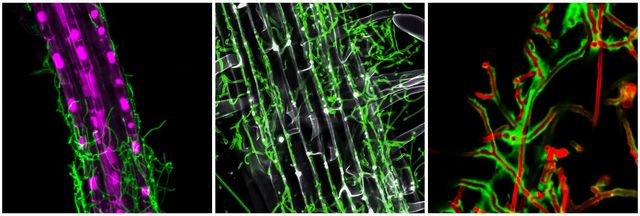
Professor Alga Zuccaro leads fungal symbiosis research at the University of Cologne, focusing on mechanisms enabling symbiotic fungi to colonize plant roots while balancing biotrophic and saprotrophic lifestyles. Her work integrates functional genomics, transcriptomics, and biochemical approaches to study Serendipita indica and Serendipita vermifera interactions with Arabidopsis thaliana and Hordeum vulgare . Key research areas include: Effector-like molecules in host manipulation ER stress-triggered cell death in symbiosis Plant immune evasion via glycan modifications Metabolic signaling in host-microbe interactions Recent publications highlight nucleoside signaling (2024), β-glucan binding proteins (2024), and diterpenoid phytoalexin dynamics (2024). Her 2023 work in Nature Aging demonstrated plant-based neurodegenerative disease modeling. She contributes to the iHEAD initiative on immunometabolism, funded by North Rhine-Westphalia's Profilbildungsinitiative. Collaborations span University of Cologne's Faculty of Medicine/Natural Sciences, Max Planck Institutes for Plant Breeding Research and Biology of Ageing. Research employs interdisciplinary tools including comparative transcriptomics, glycan receptor characterization, and metabolic signaling analysis in both beneficial and pathogenic interactions.
Rashmi Sasidharan is Professor of Plant Stress Resilience at Utrecht University's Institute of Environmental Biology within the Faculty of Science. She leads the Plant Stress Resilience research group which investigates how plants sense, respond to, and tolerate water stresses such as flooding and drought in the context of climate change. Her work sits at the intersection of plant biology, climate science, and food security research. Her educational background includes a PhD from the University of Calgary (2009), an MSc from the Indian Institute of Technology, Bombay (2003), and a BSc from Delhi University (2001). She progressed from Postdoc (2009-2010) to Assistant Professor (2010-2018) and Associate Professor (2018-2023) before achieving her current position as full Professor. Sasidharan's research focuses on understanding plant survival strategies in response to flooding events, which are becoming increasingly frequent due to climate change. She employs a unique combination of biochemical, molecular, genomic, and computational approaches to identify molecular processes and genes associated with plant survival strategies. Her work has significant implications for developing flood-resistant crops to ensure future food security. Her research spans natural variation in plant responses, abiotic stress mechanisms, plant-environmental interactions, and responses to flooding and hypoxia. Analysis of her most recent publications reveals a strong focus on ethylene signaling pathways in plant stress responses, with particular attention to flooding and hypoxia tolerance mechanisms. Her work increasingly examines multiple and sequential stress interactions, reflecting the complex reality of climate change impacts on plants. There's a clear trajectory toward applied research with implications for crop improvement, particularly in rice. NWO-VENI grant NWO-VIDI grant NWO Open Competitie grant TTW-OTP grant EU-Horizon funding Professor Sasidharan leads her own research group at Utrecht University and has secured substantial research funding from multiple prestigious sources. She teaches the 'Plant, Development and Environment' course to biology students and the 'Food Forward' course to third-year students. Her research group is part of the Institute of Environmental Biology and contributes to Utrecht University's Pathways to Sustainability initiatives, particularly in Future Food and Water, Climate and Future Deltas.
Anne Druilhe is a researcher at Inserm U1248 Laboratory (P&T Laboratory) affiliated with the University of Limoges' Faculty of Medicine and Pharmacy. Her work focuses on pharmacomicrobiomics , investigating bidirectional interactions between immunosuppressive drugs and gut microbiota in transplant patients, alongside digestive immunology mechanisms involving immunoglobulin A. Teaching : Coordinates animal research ethics training programs across multiple French institutions Leadership : Served as Director of Research Animal Facility (2017-2021) Her research combines experimental human sample analysis with rodent models to elucidate drug-microbiota interactions. Scientific activities include ethics committee service in Nouvelle-Aquitaine and leading Inserm's AnimalPharm project for standardized animal research protocols. Key scientific contributions appear in journals like Nature Communications , PLoS Genetics , and Blood , with recent work (2024) addressing microbiota modulation of transplant outcomes .
Tammy T. Chang, MD, PhD is a Professor in the Department of Surgery at the University of California, San Francisco (UCSF) School of Medicine. Her work focuses on advancing regenerative surgical therapies for liver diseases through tissue engineering and mechanobiology research. Professor of Surgery, UCSF Director, The Chang Laboratory for Liver Tissue Engineering Education: 1990-1992: California State University, Los Angeles (Early Entrance Program) 1992-1994: University of California, Los Angeles (Bachelor of Science in Biology) 1994-2003: Harvard Medical School and Harvard Graduate School of Arts and Sciences (MD/PhD combined degree) 2003-2004: UCSF Surgical Intern 2004-2009: UCSF Surgical Residency 2009-2010: UCSF Chief Surgical Resident Research Interests center on liver tissue engineering, hepatocyte mechanotransduction, and surgical strategies for organ regeneration. Her lab investigates: Physical environment's role in hepatocyte function Dimensionality in liver organoid generation Orthotopic engraftment techniques Her publications and grants highlight interdisciplinary work spanning biotechnology, stem cell research, and microgravity studies . Recent articles focus on organoid transplantation, extracellular matrix engineering, and mechano-signaling in liver disease. Scientific Awards & Funding NIH R01DK114311 (2017-2022): Matrix Rigidity and Hepatocyte Mechanotransduction in Fibrotic Liver Disease American College of Surgeons Clowes Award (2017-2022) NSF/CASIS Grant (2018-2021): Liver Tissue Engineering in Space NASA Grant (2018-2020): Organoid Gravity Effects Open Philanthropy Project (2017-2020): In Situ Decellularization and Organoid Engraftment Clinical Expertise includes hernia repair, complex abdominal surgery, gastrointestinal cancer, and laparoscopic techniques. She is board-certified by the American Board of Surgery and affiliated with the UCSF Liver Center and Acute Care Surgery Program. The Chang Laboratory for Liver Tissue Engineering collaborates with experts in stem cell biology, bioengineering, and immunology to develop therapeutic solutions for end-stage liver disease. Current work explores non-thermal irreversible electroporation as a platform for cell delivery and space-based tissue engineering.
Xiaoying Wang is a Professor of Neurosurgery and Neurology at Tulane University School of Medicine, where she also serves as Program Director, Brain Injury Research at the Clinical Neuroscience Research Center. Previously, she held positions at Massachusetts General Hospital/Harvard Medical School , rising to Associate Professor in 2012. Education: PhD in Biophysics, Peking University Health Science Center MD, Henan Medical University Her research focuses on molecular pathophysiology of cerebrovascular diseases and traumatic brain injury , with particular emphasis on aging-related vascular dysfunction , neurovascular uncoupling , and vascular dementia . Over her career, she has developed translational therapeutic strategies targeting BBB integrity and inflammation in stroke and TBI. Recent studies show a surge in aging and Alzheimer's disease research , combining single-nucleus transcriptomics and spatial proteomics to map cellular responses in the prefrontal cortex. Parallel work explores neuroinflammatory modulation via BTK inhibition and mitochondrial bioenergetics in diabetic stroke models. Collaborative publications highlight her expertise in neurovascular unit dynamics and translational stroke research . She actively serves on NIH and American Heart Association grant review panels and contributes to editorial boards of journals like Stroke and Frontiers Neurology . Her lab has secured two active NIH RO1 grants and previously held a NIH UO1 translational grant , supporting innovative approaches to stroke and TBI treatment. Collaborative networks include partnerships with Harvard Medical School , Massachusetts General Hospital , and Tulane Center for Aging .