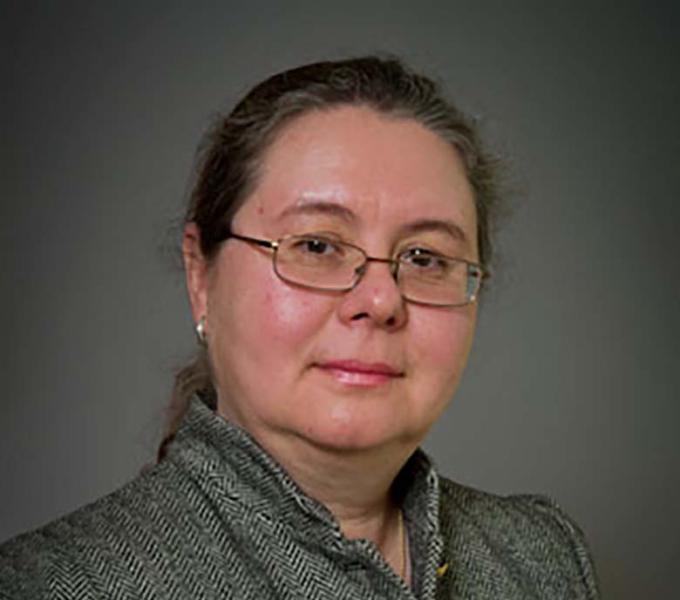
Professor Sabine Eming is a Principal Investigator at the Department of Dermatology & FMNS at the University of Cologne, affiliated with the CMMC and collaborating with CECAD. Her research focuses on the molecular basis of age-related skin pathologies and regenerative responses. Investigates tissue regeneration, immunometabolism, and TOR signaling Develops therapeutic strategies for injured/aging tissues Uses cross-species models (mice, zebrafish, Drosophila, humans) Her work bridges basic science and clinical expertise to translate findings into therapeutic approaches, particularly examining: Metabolic reprogramming in wound healing Immune system's role in regeneration vs. scarring Lipid synthesis and filaggrin processing in skin barrier formation Scarless repair mechanisms in zebrafish vs. mammals She leads research into molecular control systems including: Cell death regulation (FADD-RIPK3 pathways) Nutrient-sensing TOR pathway in skin aging Glutamine metabolism in stem cell maintenance Her group develops genetically modified mouse models and collaborates on clinical trials for impaired healing conditions.
Federica Sallusto is a Full Professor in Medical Immunology at ETH Zurich and Università della Svizzera italiana (USI), and a Group Leader in the Cellular Immunology department at the Institute for Research in Biomedicine (IRB), Bellinzona, Switzerland. She leads a prominent research group focused on human T cell biology, immunological memory, and immune responses in infection and autoimmunity. Doctor in Biology, University of Rome, 1988 Postdoctoral work: Istituto Superiore di Sanità, Rome; Basel Institute for Immunology Group Leader, IRB, since 2000 Full Professor, ETH Zurich and USI, since 2017 Her research centers on the heterogeneity and function of human CD4+ T cell subsets, particularly Th17 and T follicular helper cells, and their roles in protective immunity and inflammatory diseases. She investigates immune responses to pathogens such as Mycobacterium tuberculosis, influenza, SARS-CoV-2, and HIV, using cutting-edge techniques in cellular immunology and systems immunology. Her work integrates human immunology with translational applications in vaccinology and autoimmune disorders. The recent publications reflect a strong focus on human immune responses to infectious agents, mechanisms of T and B cell immunity, and the intersection of immunology with neurology and autoimmunity. Key themes include antigen-specific T cell activation, antibody cross-reactivity, regulation of inflammatory pathways, and the impact of vaccines and infections on immune memory and disease outcomes. Pharmacia Allergy Research Foundation Prize Behring Lecture Member, German Academy of Sciences Leopoldina (2009) Member, EMBO (2011) International Member, U.S. National Academy of Sciences (2022) Doctor honoris causa, University of Fribourg (2022) Federica Sallusto has mentored numerous students and postdoctoral researchers, many of whom are co-authors on her high-impact publications. Her group has received significant funding from the European Research Council (ERC), Marie Curie Actions, and the Swiss National Science Foundation (SNSF), where she served on the National Research Council from 2018 to 2024. She has held leadership roles including President of the Swiss Society for Allergology and Immunology (2013–2015) and President of the European Federation of Immunological Societies (2022–2024). Her laboratory is embedded within the IRB, a leading biomedical research institute affiliated with USI, and collaborates extensively with clinical and research teams across Europe. The group is part of broader scientific networks in antibody discovery, infectious disease immunology, and neuroimmunology.
Dr. Athma A Pai is an Associate Professor at UMass Chan Medical School, holding primary appointments in the RNA Therapeutics Institute and the T.H. Chan School of Medicine. She maintains extensive secondary appointments across multiple departments including Genomics and Computational Biology, Systems Biology, and several graduate programs at the Morningside Graduate School of Biomedical Sciences, reflecting the highly interdisciplinary nature of her work. Education: BS in Biochemistry/Anthropology from University of Pennsylvania PhD in Human Genetics from University of Chicago Postdoctoral training in RNA Genomics from MIT Dr. Pai's research program centers on RNA biology with particular emphasis on RNA processing, splicing mechanisms, and the regulation of gene expression. Her work investigates how environmental factors influence RNA processing through biochemical, molecular, and genetic mechanisms. She employs cutting-edge genomic and transcriptomic approaches to study alternative polyadenylation, mRNA transcript initiation and termination, and the spatial organization of RNA processing events within cells. Her research has significant implications for understanding fundamental gene regulation mechanisms and their roles in disease processes. Analysis of Dr. Pai's recent publications reveals a strong focus on developing high-resolution profiling methods for understanding transcriptional and translational regulation. Her work increasingly integrates computational approaches with experimental biology to investigate how RNA processing events are coordinated across the transcriptome. A notable trend is her exploration of how RNA processing contributes to inflammatory responses and cellular defense mechanisms, with implications for therapeutic development. Dr. Pai actively mentors students through multiple graduate programs at UMass Chan Medical School, including Biochemistry and Molecular Biotechnology, Biophysical Chemical and Computational Biology, Interdisciplinary Graduate Program, MD/PhD Program, RNA Therapeutics and Biology Program, and Systems Computational and Quantitative Biology. She maintains an active laboratory (Pai Lab) that welcomes postdoctoral researchers interested in RNA biology. Her laboratory website provides additional information about ongoing research projects and opportunities for collaboration and training, and she maintains a professional presence through her Twitter account (@athmapai).
Professor Erez Raz serves as Director of the Institute of Cell Biology at the University of Münster and is affiliated with the Center for Molecular Biology of Inflammation (ZMBE). He is a prominent member of the Cluster of Excellence "Cells in Motion" and serves on the board of the CiM-IMPRS graduate program. His research group "AG Raz: Cell biology in vivo - Germ-cell development" investigates fundamental mechanisms of cell migration in living organisms. Professor Raz's research focuses on cell migration, cell-fate maintenance, and organogenesis within live vertebrate embryos. His laboratory primarily employs zebrafish as a model organism due to its transparent embryos that develop externally, enabling high-resolution live imaging of cellular processes. His work has revealed critical mechanisms of how cells navigate within developing organisms, with significant implications for understanding pathological conditions like cancer metastasis and inflammatory processes where cell migration becomes dysregulated. His recent publications demonstrate a sustained focus on molecular mechanisms controlling germ cell migration, including the roles of RNA-binding proteins like Dnd1, bleb formation dynamics, mitochondrial regulation of germ cell fitness, and tissue microenvironment influences on cell protrusion types. His research uniquely integrates approaches from cell biology, biophysics, genetics, and mathematical modeling to gain comprehensive insights into cellular migration dynamics. Over 100 publications spanning two decades Extensive collaborations across disciplines Methodological innovations in cell imaging and manipulation Professor Raz has successfully mentored numerous doctoral students and postdoctoral researchers, fostering interdisciplinary collaborations between biologists, physicists, mathematicians, and clinicians. His laboratory has developed innovative techniques for cell ablation, mRNA labeling, and in vivo manipulations using optical tweezers, contributing significantly to methodological advances in the field. His laboratory participates in the Multiscale Imaging Centre and the "Cells in Motion" research network, providing access to state-of-the-art imaging capabilities for studying cellular dynamics at multiple scales, from molecular interactions to whole-organism development.
Dr. Anand Krishnan serves as Assistant Professor in the Department of Anatomy, Physiology and Pharmacology at the University of Saskatchewan's College of Medicine, where he leads research on nerve-tumor interfaces and neural macrophage biology. His work bridges neuroscience and oncology to identify therapeutic targets for cancer and neurodegenerative disorders. Education: Postdoctoral Fellow, Division of Neurology, University of Alberta, Canada Postdoctoral Fellow, Clinical Neurosciences, University of Calgary, Canada PhD in Biotechnology (Cancer Biology), Rajiv Gandhi Centre for Biotechnology, India Master of Pharmacy (Pharmacology), Manipal University, India Pharma R&D Experience: Orchid Chemicals and Pharmaceuticals Limited; Alembic Pharmaceuticals Limited Dr. Krishnan's research program investigates two core areas: molecular mapping of tumor-nerve interfaces to uncover novel therapeutic targets, and defining the roles of self-renewing resident macrophages in nervous system homeostasis and disease. His lab employs proteomics, murine models, and in vitro neuronal cultures to explore how tumors and nerves mutually support growth through neural invasion and autonomic signaling. Analysis of his 2020-2024 publications reveals consistent focus on neuro-oncology mechanisms, particularly peripheral nerve regeneration pathways (Myc interactome, growth-primed DRG), tumor-nerve crosstalk (sympathetic signaling in prostate cancer), and neurodegenerative targets (MANF). Key methodologies include comparative proteomics, molecular mapping, and drug repurposing screens. Research Funding: Natural Sciences and Engineering Research Council (NSERC) Cancer Research Society (CRS) CIHR Institute of Cancer Research Breast Cancer Society of Canada (BCSC) Prostate Cancer Fight Foundation (PCFF) & Ride for Dad Saskatchewan Health Research Foundation (SHRF) College of Medicine Research Award (CoMRAD) CoMBRIDGE Fund Start-up Research Fund Based at Saskatoon City Hospital within the Cameco MS Neuroscience Research Centre, the Krishnan Lab trains students supported by NSERC USRA, Dean's project fellowships, OVDR Biomedical research fellowships, and Mitacs awards. The lab's strategic location adjacent to the Meewasin Valley provides collaborative opportunities for translational neuroscience research focused on nerve regeneration and cancer therapeutics.
Martin Müller serves as Associate Professor at the Department of Molecular Life Sciences, University of Zurich, where he leads the Müller Lab investigating synaptic mechanisms since 2013. His research focuses on molecular underpinnings of neural circuit stability through homeostatic compensation. His academic trajectory includes: Master Program in Neural and Behavioral Sciences, University of Tübingen (2001-2004) PhD research on short-term synaptic plasticity at Max Planck Institute for Biophysical Chemistry (Göttingen) and EPFL (Lausanne) (2004-2008) Postdoctoral fellowship on homeostatic plasticity with Grae Davis at UCSF (2008-2013) Müller's work centers on presynaptic mechanisms in homeostatic plasticity, utilizing Drosophila and mammalian models to dissect molecular pathways governing neurotransmitter release. His lab employs electrophysiology, genetics, and imaging to study active zone organization, vesicle dynamics, and transsynaptic signaling. Key contributions include identifying roles for RIM-binding proteins, E3 ligases, and ion channels in synaptic stabilization. Analysis of his 2011-2022 publications reveals progressive molecular dissection of homeostatic plasticity, evolving from foundational mechanisms to human-relevant mutations like CORD7. His work consistently bridges synaptic physiology with neurodegenerative implications , demonstrating how proteasome function, vesicle pools, and nanodomain organization maintain neural circuit function. His scientific recognition includes: SNSF Professorship (2013-2022) Müller's independent research program, established through SNSF funding, directs the Müller Lab's investigations into synaptic homeostasis. His group trains graduate students and postdocs in molecular neuroscience techniques while securing competitive grants for ongoing studies of presynaptic function. Current work explores nanoscale synaptic architecture and its relevance to cognitive disorders. The Müller Lab operates within the University of Zurich's Department of Molecular Life Sciences, maintaining active collaborations with international neuroscience groups. The team combines in vivo and in vitro approaches to investigate how synapses achieve functional stability through molecular compensation mechanisms.
Brad Schwartz is a Professor at the University of Wisconsin–Madison, affiliated with the Department of Medicine and Biomolecular Chemistry. He serves as the Chief Executive Officer of the Morgridge Institute for Research, a private, nonprofit institute dedicated to interdisciplinary biomedical research in partnership with UW–Madison. As a physician-scientist, his research focuses on protease cascades governing physiological processes like blood clotting and cell death. Education: BS in Chemistry, University of Illinois at Urbana-Champaign (1972); MD, Rush University (1977); Postdoctoral Fellowship, Scripps Clinic (1979–1981); Residency, Loyola University Medical Center and UW–Madison. His research expertise spans hemostasis, protease cascades, and biomedical science, with clinical training in hematology. He has held leadership roles including Vice Chair of the Department of Medicine, director of the MD/PhD program, and Dean of the University of Illinois College of Medicine at Urbana-Champaign (1999–2011). He later led the Institute for Clinical and Translational Research at UW–Madison before becoming Morgridge’s CEO.
Namrata Singh, Ph.D. (Indian Institute of Science), is an Assistant Professor in the Department of Chemistry at Indian Institute of Technology Kanpur. Her research integrates material chemistry and biology to develop therapeutic nanomaterials for high-mortality diseases and resilient infections, alongside innovative diagnostic tools. Education and Training: Ph.D. in Chemistry, Indian Institute of Science Postdoctoral Fellow, Karolinska Institute, Stockholm (2022-2023) Postdoctoral Fellow, Imperial College London (2020-2022) Scientist, CSIR-Central Drug Research Institute, Lucknow (2023-2024) Research Interests: Dr. Singh’s laboratory focuses on therapeutic nanomaterials targeting drug-resistant bacterial infections and precise cancer therapy . Her group designs bioinspired, stimuli-responsive nanomaterials that act as antibiotic carriers and standalone bactericidal agents against biofilms and multidrug-resistant pathogens. In oncology, she develops nanomedicines that modulate the tumor microenvironment and control programmed cell death pathways (ferroptosis, apoptosis) to enhance therapeutic selectivity and minimize off-target toxicity. Scientific Awards & Fellowships: Karolinska Institute Research Foundation Grant (2023) MSCA Vinnova Postdoctoral Fellowship, Swedish Innovation Agency (2022) IUPAC-Solvay International Award for Young Chemists (2020) Alexander von Humboldt & ETH Zürich Postdoctoral Fellowships (2020, not availed) Metrohm Young Chemist Award (2019) Indian Academy of Sciences Summer Research Fellowship (2011) Contact: Office FB 437, Faculty Building, Department of Chemistry, IIT Kanpur, Kanpur 208016 Phone: +91-512-259-2527 | Email: namrata@iitk.ac.in
Michelle Tate is an Adjunct Associate Professor (Research) at the Hudson Institute of Medical Research, where she leads the Viral Immunity and Immunopathology research group and serves as Deputy Centre Head at the Centre for Innate Immunity and Infectious Disease. She earned her PhD in Microbiology and Immunology from the University of Melbourne in 2010 and has since established herself as a leading researcher in viral immunology and pathogenesis. Institution: Hudson Institute of Medical Research School: Centre for Innate Immunity and Infectious Disease Academic Rank: Adjunct Associate Professor Email: michelle.tate@hudson.org.au Education: PhD in Microbiology and Immunology, University of Melbourne (2010) Dr. Tate's research centers on the molecular mechanisms driving hyperinflammation and severe disease during viral infections, particularly influenza A virus. Her work investigates how the host immune response—specifically inflammasome signaling, pyroptosis, and interferon pathways—contributes to immunopathology. She aims to develop host-directed therapies that modulate inflammation to reduce lung damage and improve outcomes in respiratory viral diseases. Her research integrates animal models, molecular immunology, and translational approaches to bridge basic science with clinical applications. Analysis of her recent publications reveals a strong focus on inflammasome biology (especially NLRP3 and gasdermin-mediated pyroptosis), host-pathogen interactions in influenza, and immune protection in non-traditional sites such as the male reproductive tract. Her work spans immunology, virology, pulmonary disease, and therapeutic development, with an emphasis on targeting innate immune pathways for treatment. Australian Institute of Policy and Science (AIPS) Young Tall Poppy Science Award (2018) Christina Fleischmann Memorial Award (2016) Victorian Infection and Immunity Network Career Development Award (2016) Commendation, Victorian Premier’s Award for Health & Medical Research (2011) Chancellor's and Dean's Prize for PhD Excellence (2011) Bridging Postdoctoral Fellowship (2011) Dr. Tate actively contributes to the scientific community through NHMRC and MRFF grant review panels, editorial roles in journals such as Journal of Virology and Pathogens, and leadership in the Australasian Virology Society. She mentors students and collaborates with clinical and commercial partners to translate her findings into novel therapies. Her lab is engaged in multiple funded projects focused on silicosis, influenza immunopathology, and host-directed antiviral strategies, reflecting her commitment to impactful, interdisciplinary research.
John H. Richburg, Ph.D. serves as Associate Dean for Research and Graduate Studies and Professor of Pharmacology & Toxicology at The University of Texas at Austin College of Pharmacy. He holds the distinguished Gustavus and Louise Pfeiffer Professorship in Toxicology, reflecting his significant contributions to the field. Dr. Richburg's research program has been continuously funded by the NIH for over 28 years, focusing on molecular and cellular mechanisms by which environmental toxicants (particularly phthalates) and chemotherapeutic agents (like cisplatin) disrupt male reproduction. His work specifically investigates paracrine cellular signaling mechanisms between cells in the testis that regulate the balance between survival and death of germ cells. The Richburg Laboratory recently received a 5-year NIH/NIEHS R01 grant to study the functional contribution of innate immune cells in testicular responses to environmental toxicants. Analysis of Dr. Richburg's publications reveals a consistent focus on testicular toxicology, with particular emphasis on phthalate exposure effects and cisplatin-induced male infertility. His work bridges immunology, reproductive biology, and toxicology, demonstrating how environmental and clinical agents disrupt spermatogenesis through complex cellular mechanisms. Recent publications increasingly incorporate transcriptomics and detailed immune cell analysis, showing evolution toward more sophisticated molecular approaches. Best Paper of 2021 in Toxicological Sciences by the Society of Toxicology's Reproductive and Developmental Toxicology Specialty Section As Associate Dean, Dr. Richburg oversees research and graduate programs, enhancing outside research funding and recruiting qualified graduate students. His laboratory has trained numerous doctoral students, postdoctoral fellows, and research scientists, with alumni occupying prominent positions in academia, industry, and government. The Richburg Lab maintains active research projects on MEHP-induced testicular inflammation and cisplatin-induced male infertility, supported by continuous NIH funding. Dr. Richburg leads a vibrant research team comprising postdoctoral scholars, graduate students, and undergraduate researchers, fostering the next generation of toxicologists while advancing understanding of environmental and clinical impacts on male reproductive health.
Prof. Dr. Andreas Pichlmair is an Associate Professor at the Technical University of Munich (TUM) since 2017, leading the Immunopathology of Viral Infections group within the TUM School of Medicine and Health . His research focuses on understanding virus-host interactions, particularly the innate immune response to viral pathogens. He earned his DVM (2004) from the University of Freiburg and PhD (2008) from Cancer Research UK, followed by postdoctoral work at the Center for Molecular Medicine in Vienna (2008-2011) and a Max Planck Free Floater Program (2011-2017). Research Interests : His lab investigates viral sensing mechanisms, antiviral immunity, and systems-level proteomic approaches to dissect host-pathogen dynamics. Key areas include RIG-I signaling, IFIT protein function, and novel cell death pathways like oxeiptosis. His work integrates mass spectrometry, functional genomics, and in vivo models to identify host factors critical for viral replication and immune evasion. Awards : Loefler Frosch Prize (2013) Pontecorvo Prize (2008) Golden Badge of Honor (2006) Lab Team : Includes PhD students (e.g., Valter Bergant, Yiqi Huang) and postdocs (e.g., Pietro Scaturro, Alexey Stukalov). The group collaborates extensively on SARS-CoV-2 research and antiviral drug discovery.
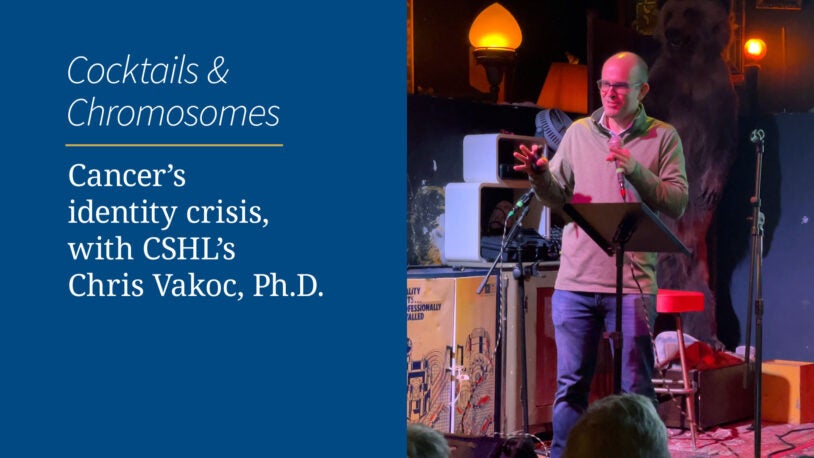
Christopher Vakoc is a Professor at Cold Spring Harbor Laboratory (CSHL), holding the Alan and Edith Seligson Professorship of Cancer Research and serving as Deputy Director of the Cancer Center. His work focuses on understanding how epigenetic dysregulation contributes to cancer pathogenesis, with particular emphasis on epigenetic dependencies and lineage plasticity. Dr. Vakoc's research investigates how transcription factors and chromatin regulators control gene expression in cancer cells. His lab employs high-throughput CRISPR-based genetic screens to identify critical epigenetic regulators in specific cancers. A significant finding from his work demonstrated that blood cancers are often vulnerable to targeting transcriptional coactivators like BRD4 and the SWI/SNF chromatin remodeling complex. His team showed that BRD4 inhibition has therapeutic effects in leukemia mouse models, leading to ongoing clinical trials. Analysis of Vakoc's recent publications reveals a strong focus on pancreatic cancer mechanisms, particularly basal-like identity and lineage plasticity. His work on the MED12-ΔNp63 interaction in pancreatic cancer represents a major breakthrough in understanding how cancer cells lose their original identity. Additionally, his research spans acute myeloid leukemia, sarcoma, lung cancer, and glioma, with consistent themes of epigenetic regulation and identification of novel therapeutic targets. Scientific awards recognizing his contributions include: Paul Marks Prize for Cancer Research AACR Outstanding Achievement in Cancer Research Award Pershing Square Sohn Prize Long Island Excellence in Healthcare Award (2023) Burroughs Welcome Fund Career Award for Medical Scientists Dr. Vakoc actively mentors numerous graduate students and postdoctoral fellows, with several former trainees now holding prominent positions in academia and industry. His research is supported by multiple grants including funding from the National Cancer Institute, Pershing Square Sohn Cancer Research Alliance, and National Institutes of Health. The Vakoc Laboratory serves as a hub for innovative cancer epigenetics research, employing cutting-edge CRISPR screening technologies to reveal new therapeutic opportunities across multiple cancer types.
Yulia Y Tyurina serves as a Research Professor in the Department of Environmental and Occupational Health at the University of Pittsburgh. Her research focuses on the fundamental role of phospholipids and their oxygenated species in cell death pathways including apoptosis, necroptosis, ferroptosis, and mitophagy. She discovered that cardiolipin oxygenated species are essential for apoptotic execution and serve as an 'eat-me' signal for mitochondrial quality control via mitophagy. Dr. Tyurina's educational background includes: 1988: Master of Biochemistry from Saint Petersburg State University, Saint Petersburg, Russia 1995: PhD in Biochemistry from the Institute of Evolutionary Physiology and Biochemistry, Russian Academy of Science, Saint Petersburg, Russia Her research program centers on redox lipid signaling mechanisms in cell death. She has demonstrated that phospholipid peroxidation drives ferroptosis through complex oxidation signatures and identified key roles for 15-lipoxygenase products. This work bridges basic biochemistry with translational applications in cancer, neurodegeneration, and inflammatory diseases, revealing how lipid oxidation products function as death signals across diverse biological contexts. Analysis of her 15 most recent publications (2020-2022) shows consistent focus on lipid peroxidation in ferroptosis across multiple disease models. Her work spans from cyanobacterial cell death to human pathologies including lung injury, SARS-CoV-2 complications, and cancer, with recurring mechanistic themes involving 15-lipoxygenase, cardiolipin oxidation, and mitochondrial dysfunction. Methodologies include advanced lipidomics, molecular imaging, and genetic models. Scientific awards were not mentioned in the provided information. Details about student advising and grant funding were not provided in the available text. Dr. Tyurina operates within a prominent redox biology research group led by Dr. Valerian E. Kagan at the University of Pittsburgh, maintaining extensive collaborations across departments and institutions as evidenced by her co-authorship network spanning immunology, oncology, and infectious disease research.
Nathanael S. Gray , Krishnan-Shah Family Professor at Stanford University , holds concurrent appointments in the Stanford Cancer Institute , Chem-H , and Innovative Medicines Accelerator . His research integrates synthetic chemistry, protein biochemistry, and cancer biology to develop novel therapeutic strategies. PhD in Organic Chemistry (1999) and BS with Highest Honor (1995) from UC Berkeley Director of Biological Chemistry at GNF (2000-2006) Faculty at Dana-Farber/Harvard (2006-2021) Research focuses on kinase inhibitors (BCR-ABL, ALK, EGFR mutants), molecular glue degraders (CDK12/13, BRD4, CK1α), and epigenetic rewiring (KAT-TCIPs for BCL6-driven cancers). Recent work explores antimalarial kinase inhibitors and immunomodulatory degraders for solid and hematologic malignancies. Publication trends show expertise in targeted protein degradation (15/15 articles), kinase pharmacology (12/15), oncogenic driver targeting (9/15), and parasitic disease (4/15). Scientific awards include National Science Foundation Career (2007) Paul Marks Prize (2019) Hope Funds for Cancer Research (2023) Advises 30+ doctoral students and postdocs, with grants spanning oncology , infectious disease , and immunology . Leads drug development programs for KRAS, HER3, and BCL6 targets.
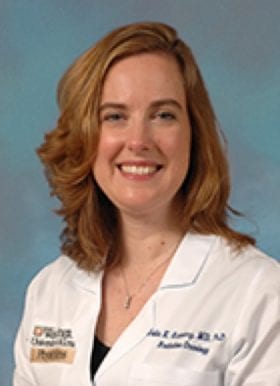
Julie K. Schwarz, MD, PhD, FASTRO is a tenured Professor of Radiation Oncology at Washington University School of Medicine, where she serves as Vice-Chair of Research and Director of the Cancer Biology Division. She also holds appointments as Professor of Cell Biology and Physiology and is affiliated with the Roy and Diana Vagelos Division of Biology & Biomedical Sciences, specifically within the Cancer Biology and Molecular Cell Biology programs. Dr. Schwarz is a key member of the Siteman Cancer Center and co-leads one of only five centers comprising the NIH's Radiation Oncology-Biology Integration Network (ROBIN). Dr. Schwarz completed her BS in Biology at Duke University (1995) followed by an MD/PhD in Cell and Molecular Biology at Washington University School of Medicine (2004) through the Medical Scientist Training Program. She completed her Internal Medicine internship (2005) and Radiation Oncology residency (2009) at Barnes-Jewish Hospital, becoming board-certified by the American Board of Radiology in Radiation Oncology (2010). Her research program focuses on translational studies of gynecologic cancers, particularly cervical cancer, with emphasis on tumor metabolism, biomarker discovery, and treatment resistance mechanisms. Dr. Schwarz's laboratory maintains one of the largest tumor repositories for cervical cancer, which includes specimens collected before and during chemoradiation treatment. Her work has demonstrated the critical role of pretreatment and post-treatment FDG-PET scanning for cervical cancer patients and has identified alterations in PI3K/Akt pathway genes associated with treatment response. Recent research directions include studying obesity's paradoxical favorable impact on cervical cancer outcomes, glucose and glutamine metabolism as targets for cancer therapy, and the role of tumor immunology in therapy resistance. Analysis of Dr. Schwarz's most recent publications reveals a strong focus on cervical cancer biology, tumor metabolism, and novel therapeutic approaches. Her work integrates clinical data with laboratory research to identify biomarkers and develop improved treatment strategies. Current research emphasizes the interface between tumor metabolism, the microenvironment, and response to therapy, with particular attention to HPV-related cancers, tumor imaging, and metabolic targets for radiosensitization. Fellow of American Society for Radiation Oncology (ASTRO) (2024) Danforth WashU Physician-Scientist Scholar Award (2024) Elected into American Society for Clinical Investigation (2022) Michael Fry Research Award for Outstanding Junior Investigator: Radiation Research Society (2012) Fellow: National Cancer Care Network (2008) RSNA Roentgen Resident/Fellow Research Award (2008) As a dedicated mentor, Dr. Schwarz has guided numerous trainees across all levels including undergraduates, graduate students, medical students, residents, fellows, and postdoctoral researchers. Her Schwarz Lab is highly collaborative and actively recruits students and researchers, with recent successes including Leahan Castillo receiving an Honorable Mention at AACR and Brett Tortelli developing significant research on the vaginal microbiome's relationship to cervical cancer treatment response. Dr. Schwarz is R01-funded and leads multiple research projects, including work on the TARGET Center which focuses on understanding the biologic effects of radiation therapy in cancer treatment. She actively participates in national organizations including the ASTRO/NCI Radiobiology Consensus Workshop, AACR Radiation Oncology Think Tank, and the ASTRO Community of Radiation Oncology Physician Scientists. Dr. Schwarz directs the Schwarz Lab, which is growing and actively recruiting postdocs, staff scientists, and graduate students. The lab employs a multidisciplinary approach combining well-annotated clinical databases, prospectively collected patient tumor banks, and state-of-the-art sequencing technologies. Current research directions include single-cell sequencing approaches to study treatment effects on tumor cells and immune cells within the tumor microenvironment, glucose and glutamine metabolism as targets for cancer therapy, and targeting myeloid-derived cells to improve anti-tumor immunity. The lab is highly collaborative and studies multiple tumor types including cervical, pancreatic, and ovarian cancers.