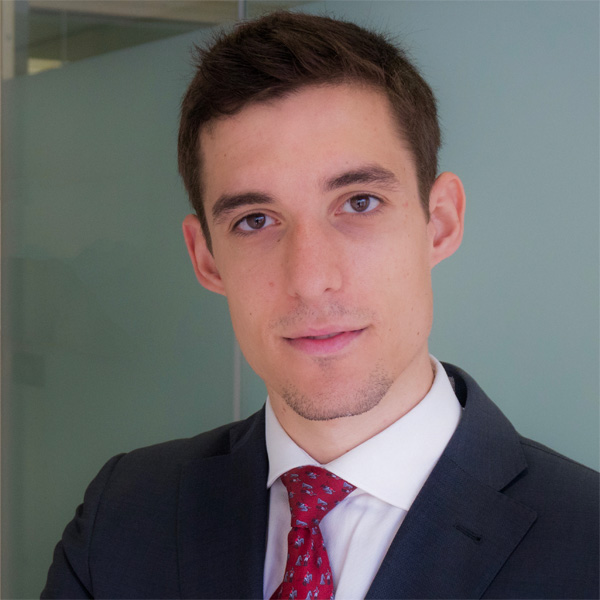
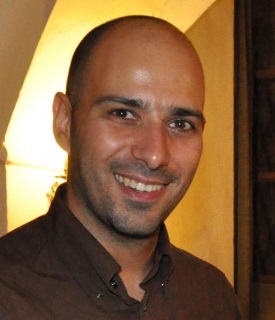
Kam Chana is an Associate Professor of Engineering Science at the University of Oxford , where he serves as the Commercial and Technical Director of the Oxford Turbine Test Facility . He is a Fellow of St Anne’s College and leads interdisciplinary research bridging aerospace engineering and biomedical innovation. His career spans 22 years at the MoD and QinetiQ, where he held leadership roles including Head of Instrumentation & Experimental Programmes and QinetiQ Fellow. Current Roles: Associate Professor, Department of Engineering Science Commercial & Technical Director, Oxford Turbine Test Facility Fellow, St Anne’s College Research Overview: Specializes in turbine heat transfer, gas turbine instrumentation, and machine learning diagnostics Developed Thermal Product Sensor (TPS) for biomedical applications Focus on non-invasive diagnostics and cross-sector technology transfer Recent Publication Trends: 2025: Thermal biosensors for tissue analysis 2024: Machine learning in skin lesion classification 2023-2022: Gas turbine aerodynamics and biomedical sensor validation
Leonardo De Rossi serves as a Lecturer in the Leadership, Organization and Digital Technologies Knowledge Area at SDA Bocconi School of Management (Bocconi University). He directs the 'Blockchain for Business Programme' and operates the 'Fintech for Executive' course while coordinating blockchain research at the DEVO Lab. His institutional affiliations include the LIFT Lab (Life Science and Biotech Lab) since 2020 and the CERGAS Digital Transformation Hub since 2024. His academic credentials include: Ph.D. from Copenhagen Business School (thesis on Bitcoin) M.Sc. in Economics and Management of Innovation and Technology (with honors) from Università Bocconi B.Sc. in Economics and Management from Università Ca’ Foscari, Venice Executive Certificate in Blockchain Strategy (Oxford Saïd Business School) Executive Certificate in AI Strategy (MIT Sloan School of Management) De Rossi's research bridges blockchain, AI, and digital health with strong practical business focus. His work examines technology implementation beyond hype cycles, particularly in fintech applications (blockchain/cryptoassets) and healthcare innovation (digital therapeutics, digital twins). Current projects analyze emerging platforms like the metaverse for business transformation and evidence-based digital health solutions. His 2022-2024 publications reveal growing interdisciplinary convergence between finance, healthcare, and enterprise technology. Key trends include blockchain's role in healthcare data security, AI management frameworks for business adoption, and critical assessment of digital therapeutics' clinical promise. His scientific recognition includes: Move the Field Forward Best Paper Award (2019) for corporate blockchain applications Teaching Award for 'The Blockchain Journey' course (2019) De Rossi has secured research funding from international and national clients for blockchain implementation studies, particularly in financial services. He mentors through master's programs and custom executive courses, with teaching focusing on practical technology deployment rather than theoretical frameworks. He actively contributes to three research ecosystems: as blockchain coordinator at DEVO Lab, core analyst at LIFT Lab examining digital health impacts, and strategic advisor within CERGAS Digital Transformation Hub addressing enterprise-wide technology adoption challenges.
Riccardo Lazzeretti serves as Associate Professor at Sapienza University of Rome since September 2022, following progression from Assistant Professor roles (RTD-A/B) at the same institution from 2017-2022. His academic trajectory includes post-doctoral research at the University of Siena's VIPP group, a research grant at the University of Padua, and industry experience at Italian startup Cynny s.p.a. His educational foundation comprises: MSc in Computer Science Engineering, University of Siena (2007) PhD in Information Engineering, University of Siena (2012) Lazzeretti's research centers on privacy-preserving technologies with emphasis on Secure Multi-Party Computation for encrypted signal processing. His work spans biometric security (including multi-biometric authentication), IoT security protocols, blockchain applications in healthcare, and social network misinformation detection. Recent publications demonstrate deep integration of cryptographic techniques with machine learning for resource-constrained devices and critical infrastructure protection. Analysis of his 15 most recent publications reveals dominant trends in IoT/drone security (32% of works), browser/API vulnerabilities (13%), and privacy-preserving architectures (27%). His research consistently bridges theoretical cryptography with practical system implementations, particularly for emerging technologies like NDN and programmable data planes. His scholarly recognition includes: SIGMM Test of Time Paper Honourable Mention (2021) for Multimedia Security contributions IET Biometrics Premium Best Paper Award (2021) Lazzeretti has supervised graduate students at the University of Siena and secured research funding through collaborations with NATO's CMRE, Digital Catapult (UK), and IMT Lucca. Current projects include privacy-preserving consensus algorithms for IoT and blockchain-based health applications. He maintains active partnerships with European research entities including Centre for Maritime Research and Experimentation and Digital Catapult. His laboratory affiliations encompass the VIPP research group at University of Siena and ongoing collaborations with Sapienza's cybersecurity initiatives, focusing on cross-disciplinary teams integrating signal processing, cryptography, and machine learning expertise.
Isabel Maria Pinto Ramos is an Associate Professor with Habilitation at the Department of Information Systems, School of Engineering, University of Minho , where she leads the ISTTOS R&D Lab and contributes to the Algoritmi Research Centre . She has held leadership roles including Head of Department of Information Systems and President of the Portuguese Association for Information Systems . Her career spans academic, research, and international collaboration roles, including a Visiting International Professor position at the University of Münster, Germany. Academic Leadership : Doctoral Programme Director (2014-2019), IFIP TC8 Chair (2019-2023), Vice President for Membership Services at Association for Information Systems (2022-2025) Research Themes : Innovation management, knowledge systems, digital transformation, crowdsourcing, organizational memory, gender in STEM, and technology's socio-cultural impacts International Engagement : Collaborations with Carnegie-Mellon, University of Agder, Georgia State, and Federal University of Santa Catarina through research projects and mobilities Scientific Recognition : IFIP Outstanding Service Award (2009) IFIP Silver Core Award (2013) IIAKM Lifetime Academic Achievement (2021) Editorial Contributions : Associate Editor for Communications of the AIS (since 2020), editorial board member for Enterprise Information Systems , International Journal of Knowledge Engineering , and Revista de Administração Mackenzie Project Involvement : ERASMUS+, Horizon 2020, FP7 programs with focus on digital workplaces, knowledge management, and organizational resilience Her scientific output demonstrates consistent exploration at the intersection of Information Systems and Organizational Innovation , with recent works focusing on Digital Transformation (2021-2025), Crowdsourcing Platforms (2009-2016), and Organizational Memory (2005-2014). The 2023-2025 publications particularly emphasize Smart City Resilience , Multigenerational Workforce Challenges , and AI Development Democratization .
Professor Susan Davis is a leading clinician researcher at Monash University , focusing on the role of sex hormones in women's health across the lifespan. She leads the Women’s Health Research Program and holds a Level 3 NHMRC Investigator Grant. Additionally, she serves as a Consultant Endocrinologist at Alfred Hospital Melbourne and Cabrini Medical Centre, with leadership roles in academic societies like the Australian Academy of Health and Medical Sciences. PhD in Molecular Biology, Monash University MBBS and FRACP in Endocrinology Her research spans from basic science to clinical trials, emphasizing non-reproductive effects of sex hormones in the brain (cognition, mood, sexual function), cardiovascular system , and bone/cartilage . She advocates for international best practices via co-authored guidelines and collaborations with regulatory bodies (FDA, EMA). Her work aligns with UN SDGs, particularly Education and Health . Recent publications highlight trends in menopause symptom management, hormone-cognition links, and testosterone's role in osteoarthritis. She has over 435 peer-reviewed articles and 475 total outputs. Scientific Awards : Novartis Award (1997) Glaxo Welcome International Diabetes Education Award (2000) Robert Greenblatt Award (2001) NAMS/Procter & Gamble Androgen Research Award (2002) ESA Mayne Pharma Bryan Hudson Clinical Endocrinology Award (2004) Medal of the Royal Australasian College of Physicians (2022) She contributes to national and international policy via advisory roles for the NHS Menopause Improvement Programme and Australian National Women’s Health Strategy. Her clinical advocacy includes hormone therapy guidelines and industry partnerships. Professor Davis actively supervises PhD students and leads major projects like the ETHEL Study (testosterone therapy for heart failure) and MenoPROMPT (menopause care programs), with funding from the NHMRC, MRFF, and Heart Foundation.
Agneta Hörnell is Professor of Food and Nutrition at Umeå University , Sweden, within the Department of Food, Nutrition and Culinary Science . Since 2011 she holds the rank of Professor and currently serves as Assistant Head of Department . A registered dietitian with a licentiate and a doctorate in medicine, she leads multiple research groups focused on dietary assessment, school and hospital meals, child and maternal nutrition, and gastronomy. Education and Qualifications Licentiate in Medicine Doctorate in Medicine Docent qualification (Associate Professorship) Registered Dietitian Research Interests Professor Hörnell’s work centres on public-health nutrition , dietary assessment methodology , and the interplay between food culture and health . She investigates how school-meal programmes can foster healthy eating among children, explores challenges faced by business travellers in maintaining nutritious diets, and evaluates patient satisfaction with hospital foodservice. Her projects in East African drylands examine livelihood dynamics and nutrition security, while Nordic collaborations address infant feeding guidelines and sustainable gastronomy. Her extensive publication record (2013-2025) reveals four dominant themes: (1) school meals & child nutrition , (2) maternal & infant feeding in low-resource settings , (3) dietary surveillance & methodological innovation , and (4) gastronomy as a driver of sustainable food systems . These studies combine quantitative epidemiology, qualitative grounded theory, and mixed-method evaluations, ensuring robust evidence for policy and practice. Research Leadership & Funding She heads six active research groups: Dietary and nutritional treatment Health Learning Meals within school and health care Measurement and evaluation of dietary intake and dietary data The Individual and Society Major funded projects include Drylands Transform (2020-2024), investigating SDG pathways in East African drylands; the ProMeal study (2013-ongoing) on Nordic school meals; and Gastronomy as a link between Swedish food production and consumption (2018). Contact Email: agneta.hornell@umu.se Phone: +46 90 786 95 68 Location: Lärarutbildningshuset, Plan 4, Umeå University, 901 87 Umeå, Sweden
Stephan Brunner is a Maître d'enseignement et de recherche (Senior Lecturer) at École polytechnique fédérale de Lausanne (EPFL), affiliated with the School of Basic Sciences (SB), the Center for Plasma Physics Research – Theory (SPC-TH), and education units EDPY-ENS and SPH-ENS. He is based at the PPB 312 building on EPFL's Lausanne campus and is actively involved in teaching and research in plasma physics and fusion energy. His research interests focus on plasma physics , particularly gyrokinetic simulations of turbulence in magnetic confinement fusion devices . He investigates microinstabilities such as ion temperature gradient (ITG) modes and trapped electron modes (TEM), zonal flows, wave-particle interactions, and non-adiabatic electron dynamics. His work bridges theory, simulation, and experiment, often using synthetic diagnostics to validate models against data from tokamaks like TCV and JT-60SA. The most recent articles highlight a strong trend in advanced computational modeling and diagnostic validation . His publications emphasize the development and verification of gyrokinetic codes (e.g., ORB5, PICLS), the analysis of turbulence in realistic plasma geometries, and the integration of experimental measurements with simulation outputs. Key themes include flux-tube and global simulations, collisional effects, magnetic shear, and the role of zonal flows in transport regulation. Stephan Brunner has advised numerous PhD students, including Emmanuel Lanti, Xavier Lapillonne, and Julien Dominski, and has contributed to major collaborative projects in fusion research. He has not received any explicitly mentioned scientific awards in the provided text. He leads or contributes to research on plasma turbulence, computational methods, and fusion energy science, working within teams at EPFL’s CRPP and collaborating with international fusion facilities. His work is foundational to improving predictive capabilities for next-generation fusion reactors.
Dr Linda Renton is a Senior Lecturer in the Division of Occupational Therapy and Arts Therapies at Queen Margaret University. With over 30 years of experience at QMU since joining in 1989, she has served as Programme Leader for the MSc in Occupational Therapy for 9 years, taught across undergraduate and postgraduate programmes, and participated in 8 occupational therapy programme validations. Her educational background includes a BSc(Hons), MSc in Counselling Studies, Dip COT, and she is currently pursuing her Doctoral studies. Her clinical experience spans 8 years in mental health before transitioning to academia. Linda's research focuses on preretirement counselling within occupational therapy. She is currently conducting research on Pre Retirement as part of her Professional Doctorate Project. Her past research includes "Counselling Skills in Occupational Therapy" completed for her MSc Dissertation. She brings expertise in curriculum design, programme validation, and e-learning to her academic role. Linda serves as an External Examiner at two English universities and is a reviewer for the British Journal of Occupational Therapy and various occupational therapy conferences. She also coordinates ERASMUS+ Student/Teacher Exchanges with Norway, Portugal, Germany, and Denmark, and serves as Academic Link for international collaborations with Physis Psychotherapy Training Institute and Athens Metropolitan College. British Association of Occupational Therapists' Merit Award for "outstanding contribution to occupational therapy" College of Occupational Therapists' Discretionary Award for Education; Research and Continuing Professional Development Within the university community, Linda serves on the Senate, Recognition of Prior Learning Committee, Academic Links Committee, and the Collaborations Forum. She is also a Personal Academic Tutor, Dissertation Supervisor, and Distance Learning Supervisor for students across undergraduate and postgraduate programmes. Linda is affiliated with the Health and Care Professions Council and the European Network of Occupational Therapy in Higher Education.
Ingrid Randen is an Associate Professor at the Department of Immunology and Transfusion Medicine, University of Oslo. Her academic work bridges immunology and genetics, focusing on genotype-phenotype relationships. She earned a Dr. philos in Medicine (1994) and a Master of Science in Physics and Mathematics (1986). Researcher at OUS Ullevål (2000) Group leader at Dynal (1994–1999) Randen’s research spans transfusion medicine and immune-related genetic mechanisms . Key areas include Rh phenotyping , fetal genotyping via maternal blood , and novel HPA screening methods . Her 2012 study on GSK-3 inhibition in leukemic cells highlights intersections with oncology. She has participated in EU Framework Programmes METOXIA (hypoxic tumor microenvironments) and EUROXY . Scientific awards include the Director's reward for outstanding research (2004) and Professor Dr. Erik Kåss’ prize for young rheumatology researchers (1993) .
Rahim Rahmani is a full Professor at Stockholm University's Department of Computer and Systems Sciences, where he leads the laboratory for Distributed Immersive Participation . His work bridges Distributed Systems , Internet of Things (IoT) , and Healthcare Technology , with a focus on security, edge computing, and immersive systems for societal challenges. Research Interests : Distributed Intelligence, Edge Computing, Blockchain, Extended Reality (XR), Adversarial Machine Learning, and Cognitive Controllers for 5G/6G networks. Teaching : Program Director for the Master's Programme in Computer and Systems Sciences, teaching courses on IoT, Network Security, and Computer Architecture. Publication Trends : His recent work emphasizes secure data sharing in IoV using Blockchain, Federated Learning for healthcare diagnostics (e.g., sepsis and COVID-19 detection), and XR platforms for autism support. Key subfields include Context-Aware Systems , Decentralized Identity Management , and Edge-Cloud Collaboration .
Christopher Berry is an Associate Professor of Psychology at the University of Plymouth and Programme Lead for the MSc Research Methods in Psychology and MPsych (Hons) Psychology programs. His research focuses on human memory, particularly using formal models to test single-system and dual-system theories of explicit and implicit memory. PhD in Psychology (University College London) Postgraduate Certificate of Academic Practice (University of Plymouth) ESRC Research Fellow (University College London) Research Interests: Dr. Berry investigates memory mechanisms through computational modeling, signal detection theory, and cognitive experiments. His work spans topics like repetition priming , recognition memory , source memory , and age-related memory decline . He has also explored metacognitive aspects of memory and deception. Recent Research Trends: His 15 most recent articles (2013-2025) emphasize single-system models , unequal variance signal detection , and unconscious memory processes . Collaborative work includes studies on synaesthesia , amnesia , and deception detection , often involving cross-institutional partnerships. Grants & Teaching: He secured an ESRC Research Grant (£264,974, 2016-2020) and a Wellcome Trust Award . As an educator, he specializes in cognitive psychology , research methods , and statistics , supervising BSc/MSc dissertations and mentoring PhD students like Rory Spanton and Joel Solomons.
David J. Hughes is Professor of Personality and Organisational Psychology at Manchester Business School, University of Manchester. He serves as Programme Director for both the M.Sc. Organisational Psychology and M.Sc. Business Psychology programs. With a career spanning academia and practical application, Hughes has established himself as a leading expert in personality and organizational psychology. Dr. Hughes completed his PhD at the University of Manchester, where his research identified personality traits that influence consumers' use of credit (loans, credit cards) and insurance (genuine and fraudulent claims). Prior to joining Manchester Business School in January 2015, he developed and directed the MSc. Business Psychology program at Coventry University. Professor Hughes' research centers on individual differences, encompassing personality, emotions, and motives, with three primary focus areas: (i) the theoretical nature and measurement of individual differences, (ii) the role of individual differences in workplace contexts, and (iii) individual differences in unethical, impulsive, and deviant behavior. His work on the "three Cs" of personality—content, causes, and consequences—has led to significant contributions in personality assessment, including the development of the Personality Facet MAP, the most comprehensive model and measure of personality traits to date. His recent publications demonstrate a strong focus on personality structure, emotion regulation, and the impact of personality traits in educational and organizational settings. Hughes' work bridges theoretical foundations with practical applications, particularly in understanding how personality influences workplace behavior, student performance, and leadership effectiveness. Excellence in Practice Gold Award for executive education University-wide award for best research-led teacher University-wide award for best research supervisor Prestigious Distinguished Teacher Award (2022) Ranked within Stanford-Elsevier top 2% most impactful scientists Professor Hughes has supervised 11 PhD students to completion, with research topics spanning adaptive personality regulation, emotional intelligence, innovative work behavior, team creativity, personality facet modeling, work breaks, leadership differentiation, dark personality traits, job-specific personality profiles, and interpersonal emotion regulation. His supervision approach emphasizes both theoretical rigor and practical relevance, preparing students for impactful careers in both academia and industry. As an expert in psychometric tool development, Hughes has created numerous research instruments, developed the Accuracy and Appropriateness model of validation, co-edited the two-volume Wiley Handbook of Psychometric Testing, and developed psychometrics for high-stakes nuclear and legal sectors. His work with the Thomas Ashton Institute connects his research to broader societal implications and practical applications.
Professor Dilum Fernando serves as Chair in Structural Engineering within the School of Engineering at the University of Edinburgh, specializing in Civil and Environmental Engineering. His research focuses on developing innovative hybrid/composite structural systems through fundamental material behavior theories and geometric concepts. His educational background includes a Doctor of Philosophy (PhD) from The Hong Kong Polytechnic University (2010) on CFRP-strengthened steel members, and a Bachelor of Engineering from Monash University (2005). Fernando's research centers on four key thematic areas: Manufacturing Technologies for Composites in Civil Infrastructure – advancing fabrication processes for FRP materials Construction Techniques for Composites – integrating architectural and construction challenges Optimized Materials for Composites – developing efficient hybrid material systems Advanced Composite Structural Systems – creating novel infrastructure solutions His work spans FRP-strengthened structures, timber-FRP hybrids, and recycled material applications. Analysis of his recent publications reveals dominant trends in hybrid composite systems (particularly FRP-timber and FRP-concrete-steel), structural retrofitting techniques, and sustainable material innovation using waste/recycled components. Key subfields include buckling analysis of thin-walled sections, interfacial debonding mechanics, and thermal performance of novel wall systems. His notable scientific achievements include: Australia's Most Innovative Engineers Award (2019) BERD-FEUP Prize for World Innovation in Bridge Engineering (2019) University of Queensland Award for Excellence in Innovation (2019) Fernando actively supervises PhD students and leads significant research projects including: Active Projects Mobile platform for thermochemical assessment of FRP structures (Aberdeen, 2023-2026) CoTide tidal energy project (Oxford, 2023-2028) Novel recycled plastic products for structural applications (RMIT, 2023-2024) Completed Projects Value-added products from waste plastics (EPSRC, 2022-2023) His research group operates at the intersection of structural engineering and advanced materials science, developing experimental and computational methodologies for next-generation infrastructure systems with emphasis on sustainable composites and hybrid structural solutions.
Dr. Joseph Rafferty is a Senior Lecturer at Ulster University's School of Computing, Belfast campus (Room BC-04-104B, 2-24 York Street, Belfast, BT15 1AP). His research bridges Internet of Things technology with healthcare applications, specializing in dementia care solutions and circadian lighting systems. He maintains an active research profile with 80 documented research outputs and an h-index of 12 according to Scopus metrics. His research interests focus on practical technology applications for vulnerable populations: Internet of Things for healthcare monitoring Activity recognition systems for elderly care Smart lighting environments supporting circadian rhythms Dementia care technology implementations Secure IoT architectures and network defense Analysis of his recent publications (2023-2025) reveals a consistent trajectory toward real-world healthcare technology deployments, particularly in care home settings. His work demonstrates strong interdisciplinary collaboration between computing researchers and healthcare professionals, with a notable emphasis on validating technical solutions through direct engagement with dementia cohorts. The research successfully translates theoretical IoT concepts into practical wellbeing interventions. Dr. Rafferty's scientific recognition includes: Best Interdisciplinary Research Award (2021) for circadian lighting solutions in dementia care Best PhD Project Award (2023) for IoT lighting research Christopher Mills Award (2020) Digital Innovation of the year (highly commended, 2020) Digital Innovation Project of the Year shortlist (2023) He serves as Principal or Co-Investigator on multiple significant research projects including SMART Rural Innovation Driven Empowerment Programme (2025-2029), BTIIC Phase 2 (2024-2028), and Protein-I: Shared Island Sustainable Healthy Nutrition (2021-2026). His KTP Programme collaboration with BT Group (2021-2023) demonstrates strong industry engagement. His research group has successfully deployed sensor-enabled lighting systems in care homes to support sleep cycles for dementia patients, combining technical innovation with measurable quality-of-life improvements.
Dr Daniel Preece is a Lecturer in Forensic Science and Programme Director at Hull York Medical School, University of Hull. Holding a PhD in Tribology of contaminated gloves from the University of Sheffield and designated as a Senior Fellow of the Higher Education Academy (SFHEA), his academic career spans forensic education, clinical equipment analysis, and pedagogical innovation. BSc (Hons) Forensic and Analytical Science, Sheffield Hallam University PhD in Tribological Properties of Contaminated Gloves, University of Sheffield His research focuses on: Tribological properties of polymer materials Glove membrane interactions affecting forensic mark identification Innovative teaching methodologies in forensic science Ergonomic evaluation of medical gloves Recent publications demonstrate expertise in: Forensic science communication strategies Academic performance metrics in forensic education Medical glove efficiency under environmental stressors CSI effect's influence on forensic program enrollment Scientific recognitions include: Best Paper Award 2020 (International Journal of Ergonomics) Foster and Freeman Award for Undergraduate Excellence NPIF Innovation Placement Funding (2019) As an educational researcher, he supervises: 40-credit undergraduate forensic research projects 60-credit postgraduate analytical forensic science projects Pharmaceutical education initiatives