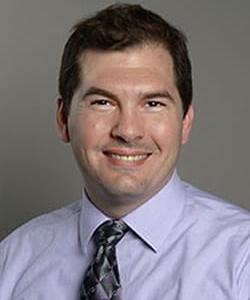
Louis Manfra is an Assistant Professor in the Department of Human Development & Family Science at the University of Missouri’s College of Arts and Science. He is affiliated with the Truman School of Government and Public Affairs. His research focuses on early childhood development, school readiness, and the impact of socioeconomic factors on educational outcomes. Manfra’s work emphasizes policy analysis, particularly in low-income and ethnically diverse populations, and explores interventions such as mHealth tools and garden-based education to enhance child development. Key research interests include school readiness predictors, effects of homelessness on academic achievement, and behavioral and language development in preschoolers. He has conducted systematic reviews on topics like childcare quality and Latino child outcomes. Manfra’s methodologies span qualitative studies, longitudinal tracking, and program evaluation, with a focus on policy implications for vulnerable populations. His publications highlight trends in early education disparities, technology-driven interventions, and the long-term effects of preschool experiences. Despite no listed awards, his work contributes significantly to understanding how socioeconomic conditions and policy shape child development trajectories. Advising and grant details are not provided in the text, but his research often involves collaborations with policymakers and community organizations. Manfra’s work is anchored in multidisciplinary approaches, bridging education, public health, and developmental psychology to address systemic inequities in early childhood systems.
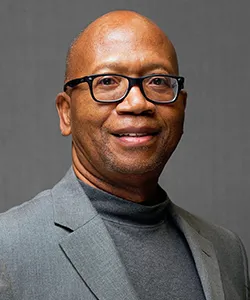
Oliver Edwards, Ph.D., is a Professor in the Department of Counselor Education and School Psychology at the University of Central Florida (UCF), part of the College of Community Innovation and Education. He coordinates the school psychology program and has held administrative roles in the School Board of Broward County, supervising over 65 school psychologists and social workers. His expertise spans School Psychology, Differential Psychology, Cognitive Science, and Education. Education: Ph.D. in School Psychology, University of Florida Ed.D. in Educational Administration, Florida International University Undergraduate Psychology degree, Florida International University Research Interests: Dr. Edwards focuses on social support networks, health disparities in ethnic minority children, psychosocial development of children raised by grandparents, and intelligence testing methodologies. His work bridges theory and practice to address systemic inequities in education and mental health. Key areas include grandfamily dynamics, bullying prevention, and food insecurity impacts on youth. Research Highlights: His publications address topics like stereotype threat mitigation, family structure effects on child well-being, and translational research frameworks. His work emphasizes culturally responsive interventions and policy development. Awards: McKnight Doctoral Fellow (during Ph.D. studies) Grants & Advising: Though specific grants are not detailed, his administrative experience reflects extensive program coordination. He has advised on practicum supervision models and clinical interventions for at-risk youth. His work with grandfamilies has led to initiatives like the Grandfamily School Support Network. Labs/Teams: Involved in interdisciplinary teams addressing child welfare and educational equity, particularly through UCF's counseling and school psychology programs.
Dr. Sandra Bosacki is a Professor in the Department of Educational Studies at Brock University's Faculty of Education. She specializes in emotional and sociocognitive development, theory of mind, school bullying, gendered self-concept, media literacy, and spiritual development in children and adolescents. She teaches courses including EDUC 5P37 (Developmental and Educational Issues) and EDUC 5P80 (Introduction to Educational Inquiry). Her research focuses on understanding children’s social-emotional worlds, peer relationships, and the role of companion animals in human relationships. She leads the Theory of Mind in Education Lab and has collaborated on studies involving animal-assisted educational programs. Her research interests span topics like bullying, media influence, and humor in youth, with a particular emphasis on how psychological language shapes cognitive development. She has advised students such as Megan Jones (Mitacs scholar) on projects like parent-child relationships and loneliness. Her work has been presented at conferences including the Jean Piaget Society and the Society for Research in Child Development. Awarded no specific scientific prizes are listed, but her contributions to educational research are highlighted through her extensive publication record. She actively engages in transdisciplinary research and global collaborations, hosting visiting scholars through Brock’s Global Scholars Office.
Joseph Ibrahim is an Alumni Distinguished Professor in the Department of Biostatistics at the Gillings School of Global Public Health, University of North Carolina at Chapel Hill, where he has served since 2002. He currently holds dual leadership roles as Director of Graduate Studies for the Department of Biostatistics and Director of the Biostatistics for Research in Genomics and Training Grant. His methodological innovations in Bayesian survival analysis and missing data methodologies have significantly advanced public health research, particularly in cancer genomics applications. Professor Ibrahim's research program centers on developing statistical frameworks for complex clinical and genomic data. His seminal contributions include Bayesian cure rate models, prior elicitation techniques, and diagnostic tools for high-dimensional survival analysis. Current work focuses on integrating multi-omics data with longitudinal tumor burden metrics and refining adaptive clinical trial designs for biomarker-driven populations. These methodologies directly address critical challenges in precision oncology and pharmacovigilance, enabling more robust inference from real-world evidence. His 2025 publications reveal three dominant trends: (1) Advancements in cure rate modeling for joint longitudinal-survival data with change points, (2) Computational innovations for high-dimensional penalized models using autoencoders and R packages like hdbayes, and (3) Methodological refinements for Bayesian trial design incorporating historical controls. These works consistently bridge theoretical statistics with cancer research applications, particularly in tumor phylogeny inference and signal detection for adverse events. Scientific awards include: Samuel S. Wilks Memorial Award (2024) from the American Statistical Association for distinguished contributions to biostatistics Professor Ibrahim has mentored 48 pre-doctoral students and 8 postdoctoral fellows, with exceptional thesis publication records in top statistical journals. As principal investigator of the T32 Cancer Genomics Training Grant since 2004, he has secured funding for 35 doctoral students. His curriculum leadership includes modernizing eight graduate courses and establishing new data science computing sequences since 2015. Current advising focuses on Bayesian methodology development for cancer genomics applications. He directs the department's Biostatistics for Research in Genomics initiative and leads the T32 Cancer Genomics Training Grant team, which integrates statistical methodology development with translational cancer research across UNC's Lineberger Comprehensive Cancer Center and clinical partners.
Ian Matheson is an Associate Professor in the Faculty of Education at Queen's University, specializing in Special Education. He holds a PhD in Education (Cognitive Studies) from Queen's University (2018), an MEd in Cognitive Studies (2013), a BEd in Primary/Junior Division (2011), and a BSc in Psychology (2010) from Trent University. His research focuses on inclusive education practices, supporting students with exceptionalities, and addressing the needs of early career teachers. Specific interests include reading comprehension strategies, teacher self-efficacy, and motivation in educational settings. He previously served as faculty in Inclusive Education at the University of Regina before joining Queen's. Matheson is affiliated with the Canadian Research Centre for Inclusive Education and holds executive roles in the Canadian Association for Educational Psychology. His publications (2017) explore teacher induction programs, early career challenges, and parental collaboration in special education contexts.
Lutz Prechelt is Professor of Informatics at Freie Universität Berlin where he heads the Software Engineering research group (AG SE). His academic journey spans theoretical foundations, industry experience, and extensive empirical research in software engineering. He has held significant administrative positions including Executive Director of the Institute of Informatics and member of various academic senates. Prechelt's research interests have evolved from artificial intelligence and neural networks to empirical software engineering, with a recent focus on qualitative approaches to Agile processes and Pair Programming. His work has consistently emphasized methodological rigor, having conducted pioneering controlled experiments on topics like type-checking, inheritance depth, design patterns, and the Personal Software Process. His research has also ventured into plagiarism detection (JPlag), melody recognition, and qualitative studies of pair programming dynamics. His publication record shows a clear transition from quantitative to qualitative approaches in empirical software engineering. Early work featured controlled experiments on specific technical aspects of software development, while more recent publications focus on qualitative analysis of team dynamics, agile methodologies, and research methodology itself. A notable thread throughout his career has been platform comparison studies (Plat_Forms) examining how different technologies affect development outcomes. Ernst Denert Software Engineering Award 2020 Prechelt has served extensively as reviewer for major funding agencies including DFG, EU, ERC, and BMBF, and as editor for journals like Journal of Universal Computer Science and Transactions on Pattern Languages of Programming. He founded the Forum for Negative Results (FNR) to address publication bias in scientific research. His research group has developed several notable software tools including Saros for distributed pair programming, JPlag for plagiarism detection, and tools for maintainable lecture videos.
Dr. Andrew M. Lowy is a Professor of Surgery at the University of California San Diego School of Medicine, specializing in surgical oncology with a primary focus on pancreatic, liver, and gastrointestinal cancers. As a leading expert in pancreatic cancer treatment, he has pioneered the use of heated intraperitoneal chemotherapy (HIPEC) or 'chemo bath' for advanced abdominal cancers. Dr. Lowy serves on editorial boards of the Journal of Clinical Oncology and Annals of Surgical Oncology, and co-chairs the National Cancer Institute's Pancreatic Cancer Task Force. His research centers on pancreatic carcinogenesis and therapy, with particular emphasis on the RON receptor tyrosine kinase and its role as a potential therapeutic target. His laboratory develops models for testing novel therapeutics, focusing on translational applications for pancreatic cancer treatment. His work spans molecular biology, cancer signaling pathways, and innovative therapeutic approaches including targeted therapies and immunotherapies. Analysis of Dr. Lowy's recent publications reveals a strong emphasis on molecular mechanisms driving pancreatic cancer progression, with particular focus on tumor microenvironment interactions, metastasis mechanisms, and therapeutic resistance. His work increasingly incorporates advanced genomic and transcriptomic approaches while maintaining strong clinical relevance through participation in major cooperative group trials like SWOG. Dr. Lowy has secured significant research funding as Principal Investigator on multiple NIH grants, including several R01 awards from the National Cancer Institute, demonstrating the importance and impact of his research program. His extensive involvement in clinical trials reflects his commitment to translating laboratory findings into improved patient care. His laboratory and clinical team focus on advancing pancreatic cancer treatment through innovative surgical approaches, novel therapeutic targets, and biomarker development to guide personalized treatment strategies. The integration of basic science with clinical practice characterizes his comprehensive approach to improving outcomes for patients with gastrointestinal malignancies.
Peter A. Wyman, PhD is a Professor at the University of Rochester School of Medicine and Dentistry, Department of Psychiatry, Child and Adolescent Services. He serves as Director of the Network Health and Prevention Program and Co-Director of the Center for Study and Prevention of Suicide. Dr. Wyman's research focuses on using natural social networks to deliver interventions for suicide, depression, and substance use prevention. His Connect Program suite of interventions has been implemented in diverse settings including the US Air Force (Wingman-Connect), police departments (Police-Connect), and predominantly Black churches (HAVEN-Connect). Columbia University - A.B. in Psychology, 1982 University of Rochester - M.A. in Clinical Psychology, 1984 University of Rochester - Ph.D. in Clinical Psychology, 1987 University of Rochester - Postdoctoral Fellowship, University Health Service, 1986-1988 Dr. Wyman's research centers on developing and implementing network-based suicide prevention interventions. His work examines how natural social networks can be leveraged to build social bonds and shared healthy norms to sustain intervention impacts. His research spans multiple settings including schools, military contexts, workplaces, and community organizations. He investigates how peer leadership, social integration, and network structure influence mental health outcomes, particularly among adolescents and high-risk populations. His work integrates implementation science, social network analysis, and prevention research to develop scalable, evidence-based interventions. His recent publications demonstrate a consistent focus on suicide prevention through social networks, with increasing emphasis on digital health approaches, implementation science methodology, and attention to equity in suicide risk screening. His work spans multiple disciplines including psychiatry, public health, social network analysis, and implementation science, reflecting the interdisciplinary nature of modern prevention research. Action Partner Award, National Association of School Psychologists (NASP). 2016 Excellence in Suicide Prevention Award, Suicide Prevention Center of New York State. 2012 Distinction for Ph.D. Comprehensive Examinations, University of Rochester. 1985 NIMH Research Fellowship (merit-based). 1982 - 1983 Magna Cum Laude, Columbia College, Columbia University, New York, NY. 1982 Cleveland Foundation Research Award (merit based). 1979 Dr. Wyman's research has been funded by major national agencies including the National Institutes of Health, Department of Defense, and Centers for Disease Control and Prevention. He has led significant clinical trials, including a current study testing peer-led network interventions to prevent adolescent vaping. Beyond his research, he has held influential policy positions, having co-chaired the New York State Governor's Task Force on Suicide (2017-2019) and serving as a member of the Community Prevention Services Task Force, an independent advisory group appointed by the CDC Director. Dr. Wyman leads the Network Health and Prevention Program, which develops and tests network-based interventions across multiple settings. His Connect Program suite represents a significant contribution to suicide prevention, with adaptations for military personnel, police officers, and faith communities. His work bridges research and practice, translating scientific findings into real-world interventions that address critical public health challenges.
Ronald D. Barnes is a Professor in the School of Electrical and Computer Engineering at the University of Oklahoma, where he returned in 2007 after serving as faculty at George Mason University. An OU alumnus, he earned his B.S. in Electrical Engineering from the university in 1998 and completed his Ph.D. in Electrical Engineering at the University of Illinois in 2005, specializing in complexity-effective microarchitecture. His educational background includes: B.S. in Electrical Engineering, University of Oklahoma (1998) Ph.D. in Electrical Engineering, University of Illinois (2005) Dr. Barnes' primary research centers on computer architecture, with emphases on multi-core systems, reduced-complexity architectures, and compiler-architecture co-design to address power, performance, and memory latency challenges. His work integrates static/dynamic compilers with novel hardware, focusing on program analysis, application mapping to accelerators, and runtime optimization. Notably, Google Scholar data indicates additional research in psychology and literary studies , examining fiction's impact on social cognition, moral judgment, and imaginative engagement, though this appears inconsistent with his ECE departmental affiliation. Analysis of his 15 most recent publications reveals a dual trajectory: engineering-focused work in computer systems (2005-2016) and a sharp pivot toward psychological studies of fiction, morality, and narrative comprehension (2022-2024). The recent publications predominantly investigate how fictional content influences theory of mind, empathy development, and moral reasoning, with significant output in mystery fiction literature. His scientific contributions span two distinct domains without overlap in methodology or subject matter, suggesting either interdisciplinary breadth or potential data misattribution in the provided sources.
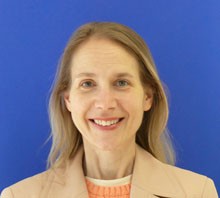
Dr. Ruth Lee is a Senior Lecturer at the School of Education, Language and Psychology at York St John University. She holds a PhD from the University of Toronto (2018) and has held postdoctoral positions at Queen's University Belfast and the University of York. Her research focuses on developmental psychology, cognitive processes, and social relationships in childhood. Key areas include temporal cognition, children's comprehension of fictional narratives, and language processing. She is also an external examiner for Leeds Beckett University's MSc Psychology conversion program. Education: BA in Russian Studies (Sheffield, 1995), MEd in Psychology of Education (Manchester, 2008), PhD in Psychology (Toronto, 2018). Research Interests: Temporal asymmetries in memory and experience valuation Grandparent-grandchild closeness measurement Language processing in children and adults Publications: Over 15 peer-reviewed articles since 2001, including work on time perception, fictional discourse, and corruption in Russian law enforcement. Recent collaborations involve institutions like the University of Warwick, University of Edinburgh, and University of South Dakota. Labs/Teams: Collaborates with interdisciplinary teams on projects involving cognitive development, social psychology, and educational psychology.
Griffin Davis serves as a Research Fellow at the University of Arizona, where she is deeply engaged with the Gilbertson Mycological Herbarium (located in Marley 804). Concurrently, she is advancing his academic career by pursuing a Master of Science in Plant Pathology at the same institution, supported by the prestigious BRIDGES NRT Fellowship which fosters interdisciplinary research training in biological systems. Davis has built a robust educational foundation through a Bachelor of Science in Earth and Space Exploration with a concentration in Geological Sciences and a minor in Astronomy, both completed at Arizona State University. His current graduate trajectory represents a strategic pivot from planetary sciences to biological disciplines, specifically targeting plant-fungal interactions and disease mechanisms. Research Interests: Griffin's scholarly focus centers on Mycology and Plant Pathology, leveraging the extensive specimen collections of the Gilbertson Mycological Herbarium. His unique interdisciplinary perspective—forged through geological sciences and astronomy training—enables innovative approaches to understanding fungal biodiversity, host-pathogen dynamics, and environmental impacts on plant health. This cross-domain expertise positions him to address complex challenges in agricultural sustainability and ecosystem resilience. Awards and Recognition: The BRIDGES NRT Fellowship constitutes his primary scholarly accolade, reflecting NSF's investment in training next-generation researchers capable of bridging biological and physical sciences. This competitive fellowship provides comprehensive support for advanced methodology development and collaborative projects. Professional Activities: As a current graduate researcher and fellowship recipient, Davis is not listed as advising any students. However, his active herbarium involvement and fellowship participation indicate emerging leadership potential in collaborative research networks. The BRIDGES program specifically cultivates mentorship skills through interdisciplinary team projects. Laboratory Affiliation: Davis contributes significantly to the Gilbertson Mycological Herbarium at the University of Arizona—a critical resource for fungal taxonomy, biodiversity documentation, and disease diagnostics. His work supports the herbarium's dual mission of preserving specimen collections and advancing research on economically significant plant pathogens.
Prof. Stefan Berger is a Professor of Internal Medicine and Transplantation Nephrology at the University of Groningen's Faculty of Medical Sciences. He holds leadership roles including Chair of the Department of Internal Medicine and Board Member of the UMCG Comprehensive Transplant Center. His research focuses on kidney and pancreas transplantation, complement immunology, clinical trials, and immunosuppression strategies. Key areas include transplantation outcomes in elderly patients and mechanisms of graft rejection. He leads studies on health-related quality of life in transplant recipients and the impact of lifestyle interventions post-transplantation. Research interests span translational and clinical studies in transplantation immunology, with emphasis on biomarkers (e.g., complement activation, fibrosis markers) and optimizing immunosuppressive protocols. His work also addresses long-term outcomes in kidney transplant recipients, including graft survival, metabolic complications, and infection risks. Recent articles highlight contributions to understanding complement activation in sepsis, cellular mechanisms of antibody-mediated rejection, and the efficacy of exercise/diet interventions on transplant recipient outcomes. Collaborations involve multidisciplinary teams across nephrology, immunology, and clinical epidemiology. Prof. Berger is actively involved in national and international transplant networks, contributing to policy through roles like Chair of the UMCG Transplant Center and leadership in the Dutch Transplant Foundation. His translational research bridges laboratory findings to clinical practice, aiming to improve transplant recipient care and outcomes.
Elsa Devienne is an Assistant Professor at Northumbria University's Faculty of Arts, Design and Social Sciences, where she has been teaching since 2019. Previously, she taught at Princeton University, Université Paris Nanterre, Science Po Paris and the École des Hautes Etudes en Sciences Sociales. Her scholarly expertise focuses on environmental history, urban history, and the history of the body within the context of 20th-century United States, with particular attention to how everyday environments shape human experience and social relations. Education: PhD in History, École des hautes études en sciences sociales MA in History, École normale supérieure de Lyon Devienne's research is unified by her interest in understanding the mundane aspects of everyday life and how seemingly natural environments are socially and materially constructed. Her work demonstrates how spaces like beaches, urban areas, and public spaces have been transformed through historical processes that often reflect broader social inequalities. She approaches environmental history through the lens of environmental justice, consistently examining how environmental changes have benefited certain communities while disadvantaging others, particularly vulnerable populations. Her scholarship bridges historical analysis with contemporary environmental concerns, making historical perspectives directly relevant to current ecological challenges and policy discussions. Her publications reveal a consistent focus on environmental and urban transformations, particularly in coastal settings. Across her work, she explores how human interventions have reshaped natural environments, how these spaces have been regulated and contested, and how they have served as sites for the construction of social identities and cultural practices. Her research spans multiple disciplines, connecting environmental history with urban studies, cultural history, and body studies to provide comprehensive analyses of human-environment relationships throughout the 20th century. Scientific Awards: Willi Paul Adams Award (2021) Doyce B. Nunis, Jr. Award (2019) Finalist of the Prix de la Recherche SAES/AFEA (2021) The Arthur Miller Centre First Book Prize (June 2025) Devienne has secured significant research funding from prestigious organizations including the Fulbright Program, Princeton-Mellon Initiative, British Association of American Studies, FACE Foundation, Historical Society of Southern California, Ahmanson Foundation, and British Academy/Leverhulme Small Grant scheme. She actively contributes to academic discourse through editorial work, including co-editing special issues on 'Beaches: Contested Territories' and 'Places and Cultures of Capitalism.' She serves on the executive committee of the British Association of American Studies, co-leading their sustainability initiative Green BAAS, and represents France in the European Society of Environmental History. Her current research projects include 'The War on Plastics: A History of the Anti-Plastics Movement in the US and the UK' (2025-2026), examining how environmental activism has shaped mainstream discourse on plastics, and a study on pedestrianism and air pollution in cities from the perspective of parents and children. At Northumbria University, Devienne teaches American studies and history modules including 'From Sea to Shining Sea: US History from 1776 to 2008,' 'Affluence & Anxiety: US history 1920-1960,' and 'Red, White and Green: The American Environment through Time,' where she has pioneered efforts to integrate environmental perspectives into historical education. She regularly engages with public audiences through media appearances on radio, podcasts, and television, and has contributed to publications like Time Magazine and The Wall Street Journal, demonstrating her commitment to making historical scholarship accessible and relevant to contemporary environmental challenges.
Dr. Cruz Izu is a Lecturer in the School of Computer and Mathematical Sciences at the University of Adelaide. She holds a BSc (Hons) in Computer Science and a PhD in Computer Architecture from the University of the Basque Country, along with a Graduate Certificate in Online Learning from the University of Adelaide. Her research focuses on two primary areas: interconnection network design for parallel systems and computer science education methodologies. Research Interests: Interconnection networks in parallel systems and Network-on-Chip architectures Computer Science Education, including program comprehension, code quality assessment, and pedagogical strategies for novice programmers Computational thinking and problem-solving in early university education Teaching Contributions: Coordinator for Masters of Computing and Innovation program Lead developer of Systems, Programming, and Problem Solving courses Former coordinator of the Google-funded Educators PD program (2011-2020) Collaborations: International partnerships with institutions in Spain, Italy, and Australia Contributions to the design of the SACE Digital Technologies curriculum Professional Activities: Editor of Informatics in Education (2021 Special Issue on Abstraction) PC member for SIGCE and ITiCSE conferences
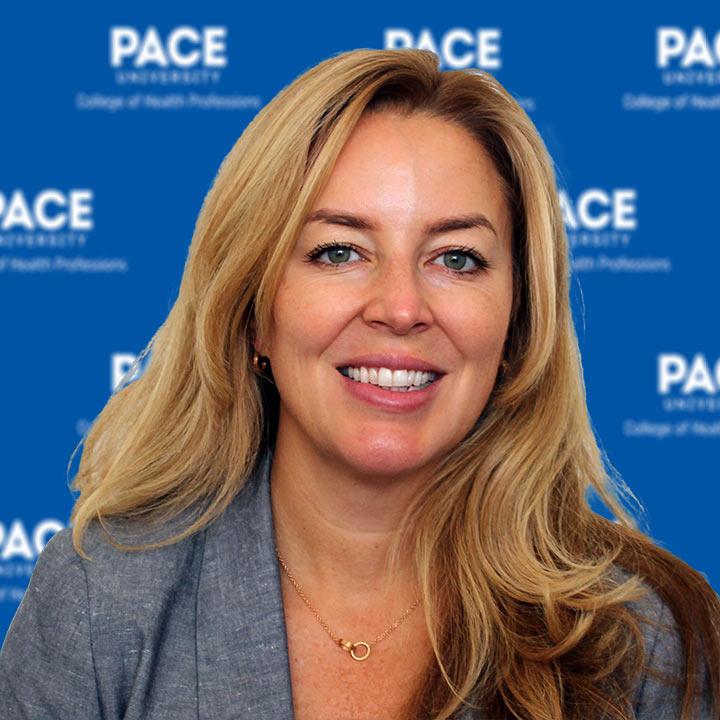
Rhonda D'Agostino is a Clinical Assistant Professor and the Adult-Gerontology Acute Care Nurse Practitioner (AGACNP) Specialty Track Coordinator at the Lienhard School of Nursing (LSN), part of the College of Health Professions at Pace University. She joined LSN in January 2024, bringing over 15 years of clinical and leadership experience from Memorial Sloan Kettering Cancer Center (MSKCC) and prior academic leadership at Mount Saint Mary College. Education: DNP, Pittsburgh State University, Pittsburg, KS MS, Adult-Gerontology Acute Care Nurse Practitioner, New York University, New York, NY BS, Nursing, Pace University, Pleasantville, NY AAS, Nursing, Orange County Community College, Middletown, NY Her research focuses on critical care, simulation, and wellness , with a strong emphasis on integrating advanced practice providers (APPs) into ICU settings, optimizing staffing models, and improving provider well-being. Her work bridges clinical innovation and academic training, aiming to enhance both patient outcomes and provider sustainability in high-acuity environments. The recent publications highlight a consistent trend in healthcare systems improvement, particularly in critical care workforce dynamics, APP integration, and quality metrics . These works reflect a deep engagement with systemic challenges in ICU environments, especially in oncology and comprehensive care centers. Scientific Awards: Pittsburgh State University, 1st Place Research Colloquium (2024) Memorial Sloan Kettering Cancer Center, Rudin Award for Excellence in Nurse Leadership (2015) MSKCC Hospital Performance Improvement Fair, Judges Choice Award (2014) Dr. D'Agostino has held significant advisory and leadership roles in professional organizations. She chaired the Advance Practice Subcommittee and served as Vice Chair of the APP Resource Committee in the Society of Critical Care Medicine (SCCM), contributing to national guidelines and congress planning. While formal student advising is not listed, her role as a graduate program coordinator and track leader implies mentorship and curriculum development. She has not been mentioned as holding specific research grants, but her leadership in performance improvement and systems-based practice suggests involvement in institutional quality initiatives. She is actively involved in professional communities including the Society of Critical Care Medicine (SCCM), National Organization of Nurse Practitioner Faculties (NONPF), and the American Association of Critical Care Nurses (AACN), contributing to national discourse on APP roles and critical care standards.



/prod01/yorksjacuk/media/content-assets/staff-profile-images/ruth_lee_pic_ysj.jpg)