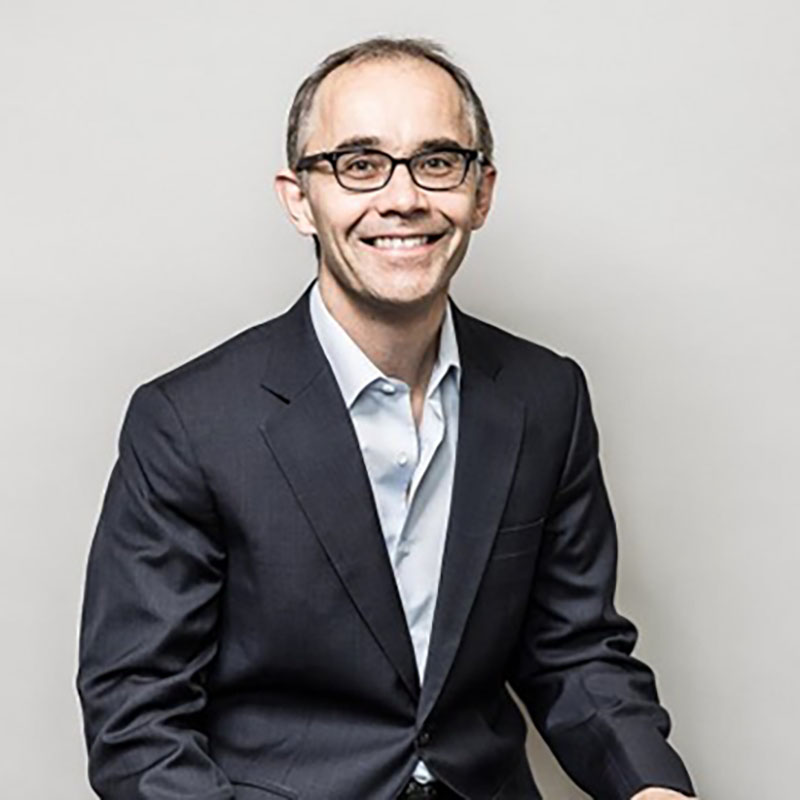
Joel Cubley is an Associate Professor in the Earth Sciences program at Yukon University and an Adjunct Professor in the Department of Geological Sciences at the University of Saskatchewan. His research applies metamorphic petrology, igneous geochemistry, and thermodynamic modeling to study tectonic processes in orogenic belts. His educational background includes: Ph.D. in Geology, University of Calgary (2012) B.A. in Geology, Middlebury College (2005) Dr. Cubley is a licensed professional geoscientist with APEGA. His research integrates field and laboratory methods to understand mountain building processes, with key emphases on: Thermodynamic modeling of metamorphic rocks Accessory phase geochronology and petrogenesis Structural controls on mineral deposit formation Tectonic evolution of orogenic systems Economic geology of northern mineral resources He is affiliated with the Centre for Northern Innovation in Mining at Yukon University, focusing on geoscience applications in northern environments.
Tony Tang is a tenured Associate Professor at the School of Computing and Information Systems , Singapore Management University , leading the RICELab (Rethinking Interaction, Collaboration and Engagement). His research spans Human-Computer Interaction (HCI), Computer Supported Cooperative Work (CSCW), and Ubiquitous Computing. Previously affiliated with the Faculty of Information at the University of Toronto and the Department of Computer Science at the University of Calgary , he has built a career focusing on technologies that enhance human-AI interaction, mixed-reality collaboration, and immersive analytics. Education : PhD in Electrical and Computer Engineering (2010, University of British Columbia), MSc in Computer Science (2005, University of Calgary), BSc in Computer Science and Psychology (2002, Simon Fraser University) His research explores human-AI interaction (user intent expression, AI feedback), mixed reality interfaces for collaborative learning, and digital workrooms with large interactive surfaces. Recent work focuses on embodied AI agents, VR gesture design, and neurodiverse engagement in digital spaces. Key trends in his publications include immersive analytics , haptic feedback systems , and inclusive design for marginalized user groups. His work bridges theoretical insights from HCI with practical implementations in virtual and augmented environments. Grants & Funding : Current: SMU-SUTD Tier 1 Grant (S$100,000), NAVER ($1,250,000 over 5 years), Meta gift ($30,000) Past: SSHRC Partnership Engage Grant, NSERC Discovery Grant, GRAND NCE funding, MITACS Accelerate Program Scientific Awards : NSERC Post-Doctoral Fellow (2011) Eyes High Doctoral Recruitment Award (University of Calgary, 2010) Teaching & Supervision : Supervised 3 postdoctoral fellows, 26 graduate students, and 35 undergraduate students. Served as PhD Director at the University of Toronto. Developed frameworks for graduate student competencies and research proposal writing. Service & Leadership : General Co-chair for CSCW 2022 , Associate Editor for International Journal on Human-Computer Studies and HCI Journal . Held administrative roles including Associate Dean, Research at the University of Toronto (2020-2022). Labs & Teams : Leads the RICELab , which investigates novel interaction paradigms for collaboration and engagement. Collaborated on projects involving drones, 360 video systems, and haptic proxies.
Robert Molday is a distinguished Professor in the Department of Biochemistry and Molecular Biology at the University of British Columbia's Faculty of Medicine. He also holds the position of Professor of Ophthalmology and Visual Sciences, serves as Director of the Centre for Macular Research, and is a Senior Member of the UBC Brain Research Centre. Additionally, he is a Member of the Neuroscience Graduate Program. Dr. Molday was the Canada Research Chair in Vision & Macular Degeneration from 2000 to 2021 and is a Fellow of the Royal Society of Canada. Dr. Molday received his BSc (Honours Chemistry) from the University of Pennsylvania in 1965, followed by an MSc in Chemistry from Georgetown University in 1967. He completed his PhD in Biochemistry at the University of Pennsylvania in 1971 and conducted postdoctoral research at the California Institute of Technology in 1975. Dr. Molday's research is directed toward determining the molecular structure and function of membrane proteins and elucidating their role in cell physiology and disease. His laboratory primarily focuses on vertebrate retinal photoreceptor proteins and their roles in: phototransduction and other signaling pathways; rod and cone photoreceptor cell structure and morphogenesis; lipid transport across membranes; protein and vesicle trafficking; and inherited retinal degenerative diseases which are a significant cause of blindness worldwide. His work has significant implications for understanding and treating conditions such as Stargardt macular degeneration, retinitis pigmentosa, and Leber Congenital Amaurosis. Analysis of Dr. Molday's recent publications reveals a strong focus on ABCA4 protein and its role in Stargardt disease, with numerous studies examining the structure, function, and disease-associated variants of this critical transporter. His work increasingly incorporates advanced structural biology techniques like cryo-EM to understand molecular mechanisms. There's also a growing emphasis on therapeutic approaches, including gene therapy and drug discovery for inherited retinal degenerative diseases. His research spans from fundamental molecular mechanisms to translational applications, demonstrating a comprehensive approach to understanding and treating retinal diseases. Canada Research Chair in Vision & Macular Degeneration (2000-2021) Fellow, Royal Society of Canada Dr. Molday leads an active research laboratory focused on retinal diseases and membrane proteins. His lab employs a wide range of techniques including generation and characterization of monoclonal antibodies, cDNA cloning and sequencing, heterologous protein expression, immunoaffinity purification, and cryo-electron microscopy. His research has been supported by numerous grants focused on understanding the molecular basis of retinal degenerative diseases and developing potential therapeutic interventions. Dr. Molday collaborates extensively with researchers in ophthalmology, neuroscience, and biochemistry to advance understanding of retinal function and disease. Dr. Molday directs the Centre for Macular Research at UBC and oversees a multidisciplinary team of researchers investigating the molecular mechanisms underlying macular degeneration and other retinal diseases. His laboratory is equipped with state-of-the-art facilities for biochemical, biophysical, and cell biological analyses of membrane proteins, particularly those involved in retinal function. The lab maintains specialized animal models, including knockout and transgenic mice, to study disease mechanisms and test potential therapeutic approaches for retinal degenerative conditions.
Alison Shea is an Associate Professor in the Department of Obstetrics and Gynecology at McMaster University's Faculty of Health Sciences. Her research focuses on women's mental health across the reproductive lifespan, with particular expertise in menopause, perinatal mood disorders, and hormonal influences on psychological wellbeing. Her primary research interests include: Menopause and its psychological/physiological impacts Depression in midlife women and perinatal populations Hormone therapy effects on mental health Cannabis use during pregnancy and lactation Primary ovarian insufficiency and multimorbidity Childhood maltreatment as a risk factor for depression Analysis of her 15 most recent publications reveals a strong focus on menopause-related mental health (31.8% of activity), with significant contributions to understanding depression in midlife women, hormone therapy interventions, and the intersection of reproductive health with psychiatric conditions. Her work increasingly incorporates large cohort studies like the Canadian Longitudinal Study on Aging. Dr. Shea has contributed to major clinical guidelines including Guideline No. 454 on Perinatal Mood and Anxiety Disorders and Guideline No. 422c on Menopause: Mood, Sleep, and Cognition. Her research has been widely disseminated through high-impact journals including Menopause, Fertility and Sterility, and the Journal of Obstetrics and Gynaecology Canada. She maintains an active clinical research program investigating: Behavioral interventions for menopausal symptoms Neurobehavioral outcomes of prenatal cannabis exposure Implementation gaps in menopause hormone therapy Association between childhood trauma and midlife depression
Adam Hendricks is an Assistant Professor in the Department of Bioengineering at McGill University. He also holds affiliations as an Affiliate Member of the Quantitative Biology Initiative and a Member of the Integrated Program in Neuroscience. His research focuses on understanding how motor proteins function collectively in the complex cellular environment, with particular emphasis on kinesin and cytoplasmic dynein. Dr. Hendricks' research spans cellular biophysics and bioengineering, investigating how motor proteins convert chemical energy into mechanical work to drive essential cellular functions such as cell division, motility, protein synthesis, and intracellular transport. His lab employs a multi-disciplinary approach combining in vitro experiments, high-resolution tracking in living cells, mathematical modeling, and single-molecule techniques including optical trapping and FRET microscopy. A key focus is understanding how the cellular environment regulates motor protein behavior, particularly in long, polarized cells like neurons where transport defects can lead to neurodegenerative diseases. Analysis of Dr. Hendricks' recent publications reveals a strong focus on the regulation of motor proteins by the microtubule cytoskeleton and associated proteins. His work examines how tubulin post-translational modifications, microtubule bundling, and microtubule-associated proteins (MAPs) like tau and MAP7 influence motor protein motility and cargo transport. A recurring theme is how defects in intracellular transport contribute to neurodegenerative diseases including Alzheimer's, Huntington's, and ALS. His lab has made significant discoveries regarding how tau differentially regulates transport of various organelles and how MAP7 enhances kinesin binding to microtubules. Dr. Hendricks' laboratory actively develops advanced techniques to extend single-molecule methods to living cells. Their research aims to understand how motor proteins function in teams, how they are differentially regulated to achieve targeted trafficking, and how the cytoskeleton tunes its mechanical properties to perform structural and transport roles in the cell. The lab maintains facilities at both McGill University's Macdonald Engineering Building and UQAM's Pavillon des Sciences Biologiques, reflecting its interdisciplinary nature and collaborative approach to neuroscience and bioengineering research.
Elke Winter is a Full Professor of Sociology at the University of Ottawa within the Sociological and Anthropological Studies department. She also holds the prestigious William Lyon Mackenzie King Professor of Sociology position at Harvard University and serves as Research Director at the Centre for Interdisciplinary Research on Citizenship and Minorities (CIRCEM). Her academic background includes a Ph.D. in Sociology from York University, an M.Sc. in Sociology from Université de Montréal, and a B.A. in Sociology, Economics, and Political Science from Frei Universität Berlin. Professor Winter's research program critically examines social inequality, boundary construction, and pluralist inclusion in ethnically diverse societies , with particular focus on nationalism, migration, asylum/refugees, and racial and ethnic diversity. Analysis of her publication record reveals a consistent scholarly trajectory examining how citizenship policies impact minority groups, with recent work focusing on citizenship revocation practices across Western liberal states. Her interdisciplinary approach combines sociological theory with political science and legal analysis to understand how ethno-racial categories are constructed within international status hierarchies. Canadian Sociology Association's John Porter Tradition of Excellence Award Fellowship from the Royal Society of Canada's College of New Scholars, Artists and Scientists Fellowship from the University of Konstanz' Institute for Advanced Study Fellowship from the Alexander von Humboldt Foundation Fellowship from Harvard University Professor Winter actively supervises MA and PhD students in her specialized fields and serves on doctoral committees across Canada, Germany, and the United States. Her current research examines how citizenship revocation policies target specific ethno-racial categories within the international status hierarchy of nation-states, revealing how these policies affect not just individuals but entire minority communities associated with allegations of terrorism, treason, or fraud.
Alexandra Lasczik is an Associate Professor in Arts & Education at Southern Cross University's Faculty of Education. With a background as a Visual Arts teacher and Creative Arts Head Teacher for 25 years, she transitioned to academia in 2011 after completing her PhD in Education from the University of Sydney in 2004. Her research focuses on Arts education and Arts-based Educational Research (ABER) , where she serves as Chair of the ABER special interest group for the American Educational Research Association. She has expanded her work into human geographies , particularly examining migrations and walking modalities, building on her early research in migrant belonging and ethnic identity. Dr. Lasczik's recent research includes the Floods + Me project, which worked with children after the 2022 Lismore floods to understand their recovery needs, and studies on nature play as an effective method for introducing STEM concepts to young children. Her work demonstrates how arts-based approaches can address complex educational challenges from disaster recovery to early childhood science learning. Her research has revealed important insights about children's need for emotional support after disasters, the value of nature-based learning for STEM education, and strategies for improving teacher retention in the profession. Dr. Lasczik has received funding from Southern Cross University's VC Flood Recovery Project Scheme for the Floods + Me project and from the Queensland Government Department of Education Horizon funding scheme for her nature play research. As an experienced educator who transitioned to academia after a substantial teaching career, Dr. Lasczik brings practical insights to her research on teacher education, having published work on supporting new teachers to remain in the profession through effective mentoring and induction programs.
Greg Thompson is a Senior Lecturer at Murdoch University's School of Education, where he has been teaching since 2009. His major teaching areas include the philosophy and history of education, education policy, and secondary English curriculum. Dr. Thompson completed his PhD at Murdoch University in 2009 and has established himself as a prominent researcher in educational assessment and policy. Dr. Thompson's educational background includes a PhD from Murdoch University completed in 2009. While specific undergraduate and master's details aren't provided in the text, his academic journey has clearly focused on educational theory and practice. Dr. Thompson's research primarily focuses on the impact of standardized testing on Australian school communities, particularly examining how NAPLAN (National Assessment Program - Literacy and Numeracy) affects teaching practices, student learning, and school environments. His work critically analyzes the relationship between high-stakes testing, curriculum narrowing, and educational equity. He investigates how accountability measures shape classroom practices and whether they genuinely improve educational outcomes or create unintended negative consequences such as increased student anxiety and reduced instructional time for non-tested subjects. Dr. Thompson's research portfolio demonstrates a consistent focus on educational assessment and policy, with particular attention to the Australian context. His work examines the tension between accountability frameworks and meaningful educational improvement, questioning whether standardized testing regimes like NAPLAN actually enhance student learning or create counterproductive incentives within the education system. His scholarship bridges theoretical perspectives on educational philosophy with practical implications for classroom teaching and national policy. ARC Discovery Early Career Researcher Award (2011) As a Chief Investigator on the ARC DECRA-funded project examining NAPLAN's effects, Dr. Thompson leads research investigating how standardized testing influences school communities across Western Australia and South Australia. His work involves collaboration with educators and school communities to understand the real-world impacts of assessment policies. While specific details about student supervision aren't provided, his role as a Senior Lecturer suggests he likely mentors graduate students in education research. Dr. Thompson maintains an active research presence through his project "The effects of NAPLAN" and appears to collaborate with other education researchers across Australia, as evidenced by his participation in expert panels responding to major education reports and policy initiatives like the Gonski Review.
Matthew Bogard is an Associate Professor in the Department of Biological Sciences at the University of Lethbridge and a core researcher in the Environmental Science Program. His work focuses on biogeochemical processes in aquatic ecosystems, particularly greenhouse gas fluxes, carbon cycling, and nutrient dynamics in wetlands and lakes under climate change and anthropogenic stressors. Environmental Science Aquatic Ecology Biogeochemistry Wetland Ecology Climate Change Impact Carbon Cycling Nitrogen Cycling Recent publications highlight his research on salinization effects on methane emissions, agricultural impacts on wetland carbon budgets, and microbial controls on greenhouse gas fluxes. He contributes to understanding hydrologic connectivity, organic matter cycling, and climate feedbacks in northern lakes and coastal wetlands. Key trends in his 15 most recent articles (2025–2024) include quantifying greenhouse gas fluxes in mineral wetlands, modeling ecosystem metabolism in Canadian lakes, and analyzing inorganic carbon outwelling from mangroves. Studies also address microplastic-metal interactions, palladium toxicity in fish, and bioremediation of contaminated soils.
Amir Akbary-Majdabadno is a Professor in the Department of Mathematics and Computer Science at the University of Lethbridge, where he maintains an active research program in number theory. His office is located in room C564 with contact number (403) 329-2513. His educational background includes a Ph.D. in Mathematics from the University of Toronto (1997) with thesis "Non-vanishing of modular L-functions with large level" under V. K. Murty, and an M.Sc. from the University of Tehran (1991) with thesis "Algebraic curves and Luroth semi-group" under R. Zaare-Nahandi. Professor Akbary's research focuses on advanced topics in number theory, particularly L-functions , analytic problems for elliptic curves , and polynomials over finite fields . His work often explores the intersection of analytic methods with algebraic structures, examining properties like value distribution, moments, and special values of L-functions. He has made significant contributions to understanding the behavior of modular forms, Galois representations, and arithmetic properties of number fields. His recent publication record shows remarkable productivity, with multiple articles published in top-tier journals like Proceedings of the American Mathematical Society and Journal of Number Theory. The research trends in his 15 most recent papers reveal a consistent focus on L-functions (appearing in 12 papers), elliptic curve theory (9 papers), and finite field structures (7 papers), with increasing attention to value distribution phenomena and connections to probability theory in number theory. Professor Akbary has served as editor for significant academic volumes including the Springer Proceedings in Mathematics & Statistics (Volume 251, 2018) and a special issue of the Bulletin of the Iranian Mathematical Society honoring Professor Freydoon Shahidi. He has delivered numerous research talks globally, with recent presentations covering topics like Galois number fields, sums of triangular numbers, and Euler-Kronecker constants. His academic service includes organizing the WAMS Research School in "Topics in Analytic and Transcendental Number Theory" in Zanjan, Iran (2017) and delivering lecture notes on classical analytic theory of L-functions at IPM, Tehran (2006). His research continues to advance fundamental questions in analytic number theory with applications across multiple mathematical disciplines.
Robin Young is an Associate Professor of Teaching in the Department of Biology within the Irving K. Barber Faculty of Science at the University of British Columbia Okanagan campus. With an office in SCI 159, Dr. Young maintains active teaching and research programs focused on plant cellular processes and science education methodology. Dr. Young's educational background includes: B.Sc. from McMaster University M.Sc. from Université de Montréal Ph.D. from UBC Vancouver Post-Doctoral Research at Simon Fraser University Research interests center on Plant Cell Biology, Organelle Morphology, and Plant Cell Wall Synthesis . Dr. Young's work examines cellular mechanisms in Arabidopsis seed coat cells, particularly investigating cellulose synthesis, Golgi apparatus function, and microtubule organization. Their research combines advanced microscopy with molecular techniques to understand plant cell structural development. Publication analysis reveals an evolution from endoplasmic reticulum studies (2002-2009) to specialized plant cell wall research (2008-2015), culminating in innovative science education approaches (2021). The work demonstrates consistent scholarly output across two decades with increasing focus on plant-specific cellular mechanisms. Dr. Young teaches Introductory Biology, Cell Biology, Developmental Biology, and Biochemistry courses. Their 2021 publication on the press release assignment demonstrates commitment to developing effective methods for teaching scientific literacy and communication skills in large undergraduate classes.
Ramin R. Farnood serves as Professor and Chair of the Department of Chemical Engineering & Applied Chemistry at the University of Toronto's Faculty of Applied Science and Engineering, holding the prestigious Michael E. Charles Chair in Chemical Engineering. His research directly addresses global sustainability challenges through innovative engineering solutions. His educational foundation includes a B.A.Sc. and M.A.Sc. from Sharif University of Technology and a Ph.D. from the University of Toronto, establishing his expertise in chemical engineering principles. Professor Farnood's research program spans three interconnected domains with strong practical applications: Water Treatment Innovation : Development of high-rate membrane separation systems, ultraviolet disinfection protocols, and advanced oxidation processes for removing chemical and microbial contaminants to enable water recycling and desalination. Bio-based Resource Valorization : Creation of value-added products and energy from biomass through solar-to-chemical conversion, functional material synthesis, and waste-to-energy technologies. Microstructure-Property Relationships : Advanced characterization techniques and mathematical modeling to understand material behavior at microscale for engineered performance. His 2020 publication portfolio demonstrates exceptional interdisciplinary reach across photocatalysis, membrane science, and sustainable materials, with consistent focus on converting biomass to chemicals and improving water treatment efficiency. The work bridges fundamental chemical engineering with urgent environmental applications. Professional recognition includes the endowed Michael E. Charles Chair position, reflecting leadership in the field. Michael E. Charles Chair in Chemical Engineering Although not currently accepting new graduate students, Professor Farnood actively leads projects in photocatalytic biomass conversion, indicating sustained research funding. His professional engagement spans critical societies including the American Chemical Society, American Institute of Chemical Engineering, and Professional Engineers of Ontario, demonstrating commitment to both academic and practical engineering advancement. His laboratory develops cutting-edge sustainable technologies through collaborative work with industry and government partners, focusing on scalable solutions for water security and renewable resource utilization.
John Lester is a Professor of Astronomy and Astrophysics at the University of Toronto, specializing in stellar atmospheres and computational astrophysics. His work bridges observational astronomy with advanced computer modeling to understand stellar physics. Developed modernized versions of the Kurucz ATLAS code (Atlas_ODF, Atlas_OS, SAtlas_ODF, SAtlas_OS) for modeling stellar atmospheres Focus on applying optical/infrared interferometry to study stellar surfaces Research on mass determination in non-binary stars through surface brightness analysis His recent publications focus on limb-darkening diagnostics for FGK dwarfs and red giants, angular diameter corrections, and mass indicators in spherical atmospheres. Former students include prominent astrophysicists like Dimitar Sasselov (Harvard) and Hilding R. Neilson (University of Toronto). The Model Atmosphere Programs section details code restructuring efforts in Fortran 2008.
John-Tyler Binfet is an Associate Professor at the University of British Columbia's Okanagan School of Education, where he serves as Director of Graduate Programs and Director of the Building Academic Retention through K9's (B.A.R.K.) program. He also directs the Centre for Mindful Engagement, a role he assumed in 2021. His dual research focus centers on children's conceptualizations of kindness in educational settings and the impact of canine-assisted interventions on university student well-being. Binfet earned his Bachelor of Arts in Psychology from the University of Calgary (1987), followed by a Bachelor of Education (1991), Master of Arts in Measurement (1993), and PhD in Educational Psychology (2000), all from the University of British Columbia, Vancouver. His educational background has provided a strong foundation for his interdisciplinary research that bridges psychology, education, and human-animal interaction studies. His research on kindness explores how children and adolescents understand and enact kindness within school contexts, resulting in the development of the School Kindness Scale. His canine-assisted intervention research, particularly through the B.A.R.K. program founded in 2012, investigates how interactions with therapy dogs reduce stress and enhance well-being among university students. This work has expanded to include virtual canine comfort modules and cross-population applications. Binfet's publications reveal a strong trend toward methodological sophistication in animal-assisted intervention research, with increasing attention to diverse student populations, gender considerations, and the mechanisms through which human-animal interactions affect wellbeing. His work spans theoretical frameworks in social psychology, practical applications in educational settings, and rigorous methodological approaches including randomized controlled trials and mixed-methods designs. Outstanding Instructor Award (2024) Multiple SSHRC Partnership Engage Grants Central Okanagan Foundation funding for kindness research TELUS funding for canine therapy initiatives Binfet actively supervises graduate students in M.Ed., M.A., and Ph.D. programs, with expertise in both qualitative and quantitative research methodologies. His leadership extends to the B.A.R.K. program, which routinely brings 60+ therapy dogs to campus, and the Centre for Mindful Engagement. Current research directions include virtual canine comfort interventions, cross-cultural validation of kindness assessment tools, and expanding the application of canine-assisted interventions to diverse populations including veterans and law enforcement personnel.
James Elder is a Professor at York University, holding a joint Lassonde School of Engineering/Faculty of Health Tier I Chair. He is affiliated with the Centre for Vision Research, the VISTA program, and the Centre for AI & Society. Electrical Engineering & Computer Science Psychology His research integrates computer vision and biological vision studies, focusing on developing algorithms through understanding human visual processing. Key areas include computer vision , 3D shape perception , and AI applications in urban mobility . He leads projects like AttentiveVision and Agile AI-Powered Robotics . Recent publications reveal critical differences between human and AI visual processing, including Monocular Depth Estimation and Shape Frequency Analysis studies. His work has been recognized with the Premier’s Research Excellence Award and Young Investigator Award from the Canadian Image Processing and Pattern Recognition Society. York Research Chair CFI Exceptional Opportunities Grant recipient ORF Research Excellence Grant recipient Professor Elder supervises graduate students including Maria Koshkina, Kumar Vaibhav Jha, and Nizwa Javed. His lab collaborates with institutions like Justus Liebig University Giessen and the Vector Institute for AI, with applications in hockey analytics and autonomous systems .