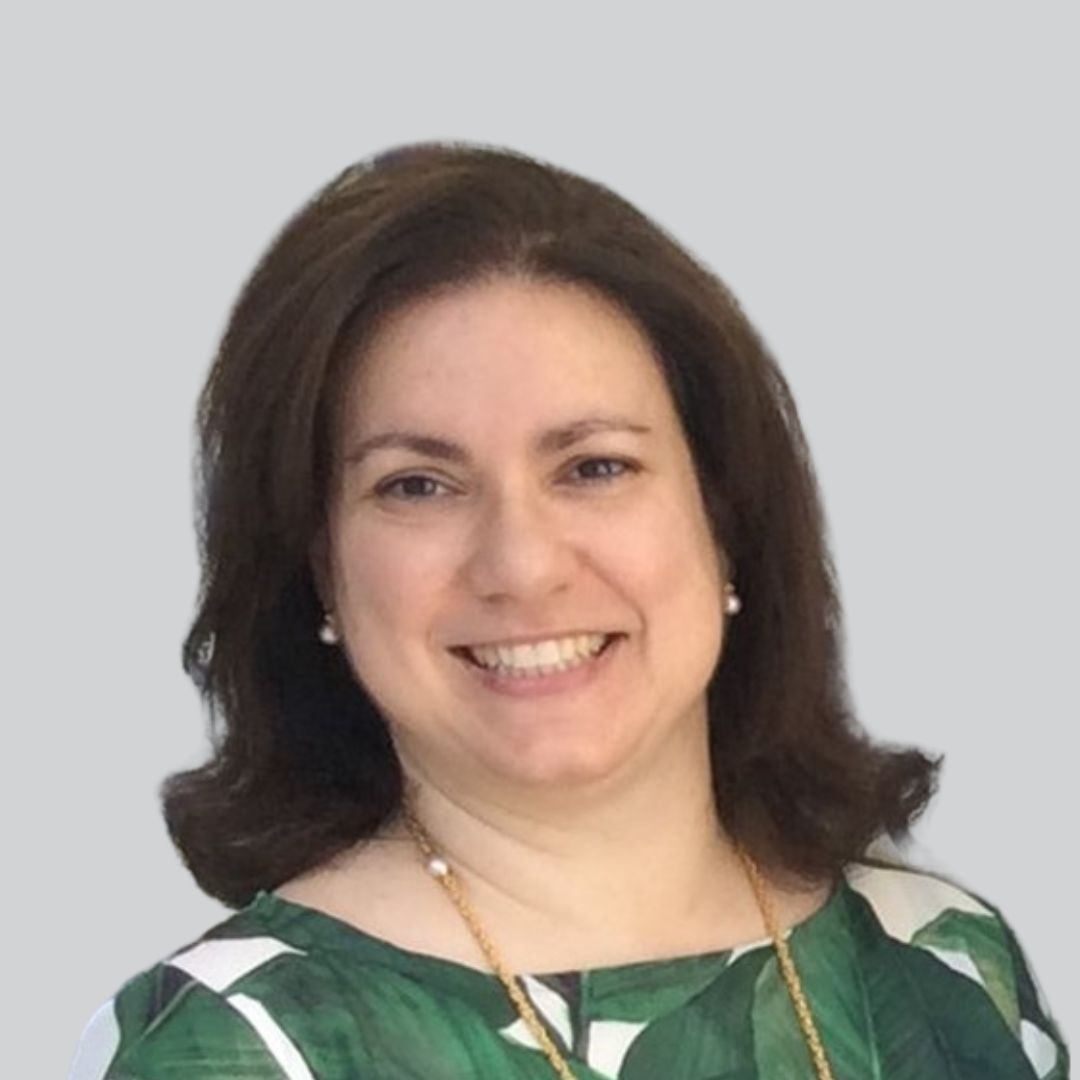
Carla Curado is an Associate Professor with Habilitation in Organizational Behavior and Human Resource Management at ISEG – Lisbon School of Economics and Management, University of Lisbon. She serves as a founding researcher at the ADVANCE research center and holds leadership roles including Master's Program Coordinator for Human Resource Management and Business Sciences. She represents the University of Lisbon at the International Organization for Standardization and is an Associate Editor for the Journal of Organizational Effectiveness: People and Performance . Her research explores: Knowledge Management in healthcare, SMEs, and NGOs Digital leadership and workplace happiness HRM's role in innovation and sustainability Mixed-method approaches to organizational analysis Recent publications (2023-2025) emphasize digital transformation, healthcare efficiency, and methodological innovations in operations management. Key trends include configurational analysis of leadership and knowledge behaviors in hybrid work environments. Awards: Stanford's Top 2% World Scientist (2021, 2022, 2023) She supervises 65+ Master's students with theses on: Knowledge sharing mechanisms Leadership/organizational commitment Healthcare workplace dynamics Sustainability in HR practices At ADVANCE Research Center, she contributes to teams studying management innovation and organizational resilience, with active participation in EU research consortia.
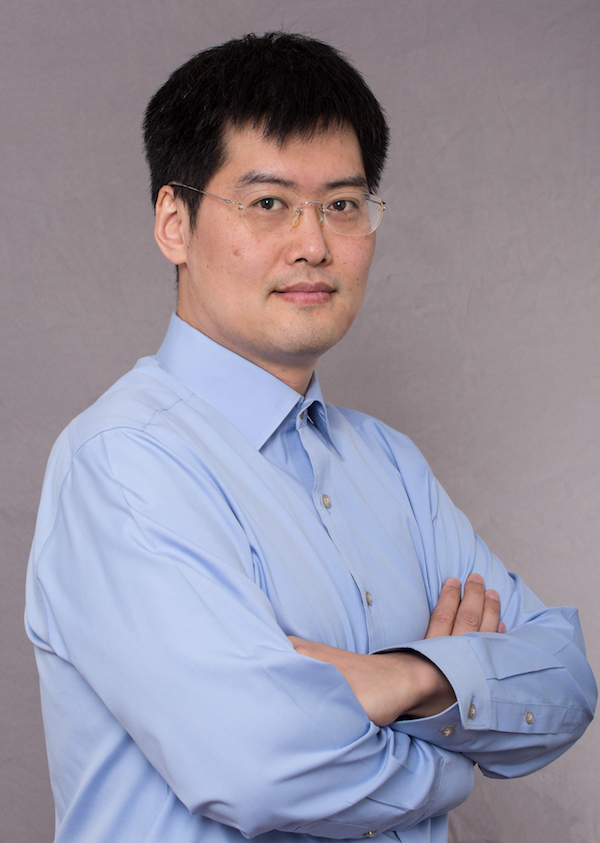
Xuming He is an Associate Professor at the School of Information Science and Technology (SIST), ShanghaiTech University, where he leads the PLUS Lab. His research spans computer vision and machine learning with a focus on developing algorithms that operate effectively under limited supervision and evolving data conditions. His core research interests include weakly-supervised and few-shot learning for scenarios with sparse annotations, continual learning frameworks for knowledge retention during sequential task acquisition, semantic segmentation techniques for scene understanding, and multimodal vision-language representations. He emphasizes interpretable machine learning to build transparent AI systems capable of human-understandable reasoning, addressing critical challenges in model trustworthiness and deployment reliability. Recent publications reveal strong trends toward novel class discovery in long-tailed recognition scenarios, physics-informed generative modeling for scientific applications, and robust segmentation under distribution shifts. His work increasingly integrates large language models for multimodal reasoning while maintaining focus on efficiency in resource-constrained environments like robotic grasping and medical imaging analysis. He actively mentors students, having supervised Qian He to PhD completion and Chuanyang Hu to Master's degree in 2023. He welcomes prospective graduate students through ShanghaiTech's Computer Science & Technology program and offers undergraduate research projects requiring minimum six-month commitments. The PLUS Lab under his direction drives innovation in learning under supervision constraints, with recent work spanning medical tumor analysis, cross-view geolocation, photonic computing, and semiconductor design verification. The lab's research bridges theoretical advances with practical applications across healthcare, robotics, and scientific discovery domains.
Kihong Heo is an Associate Professor in the School of Computing and Graduate School of Information Security at KAIST (Korea Advanced Institute of Science and Technology) in South Korea. His academic career includes serving as an Assistant Professor at KAIST from 2017-2019 before being promoted to Associate Professor in 2020, following his postdoctoral research at the University of Pennsylvania. He earned both his Ph.D. and B.S. in Computer Science & Engineering from Seoul National University. Dr. Heo's research focuses on developing program reasoning systems for safe and reliable software, with specific interests in AI-based program analysis systems for detecting deep semantic software bugs, general-purpose program simplification systems for secure and efficient software, and scalable program synthesis systems for automatic software generation and repair. His work bridges the gap between programming languages, program analysis, and machine learning techniques to create next-generation programming systems. Analysis of his recent publications reveals a strong trend toward integrating machine learning techniques with traditional program analysis methods, with significant contributions in compiler validation, software security, fault localization, and program debloating. His research has practical impact, with some of his work incorporated into Facebook's Infer static analyzer. ACM SIGSOFT Distinguished Paper Award, FSE 2025 Amazon Research Award, 2024 The Soo-Young Lee Teaching Innovation Award, KAIST, 2024 Prize for Excellence in Teaching, KAIST, 2024 Best Artifact Award, ICSE 2022 ACM SIGPLAN Distinguished Paper Award, PLDI 2019 ACM SIGSOFT Distinguished Paper Award, ICSE 2019 Dr. Heo actively mentors graduate students, currently advising several Ph.D. candidates including Yeonhee Ryou, Taeeun Kim, and Sujin Jang, as well as master's students. He has served on program committees for major software engineering and programming language conferences including PLDI, ICSE, POPL, and SPLASH, demonstrating his active role in the academic community. His laboratory, the Programming Systems Laboratory at KAIST, focuses on creating innovative programming systems that leverage both semantic-based program analysis and AI techniques.
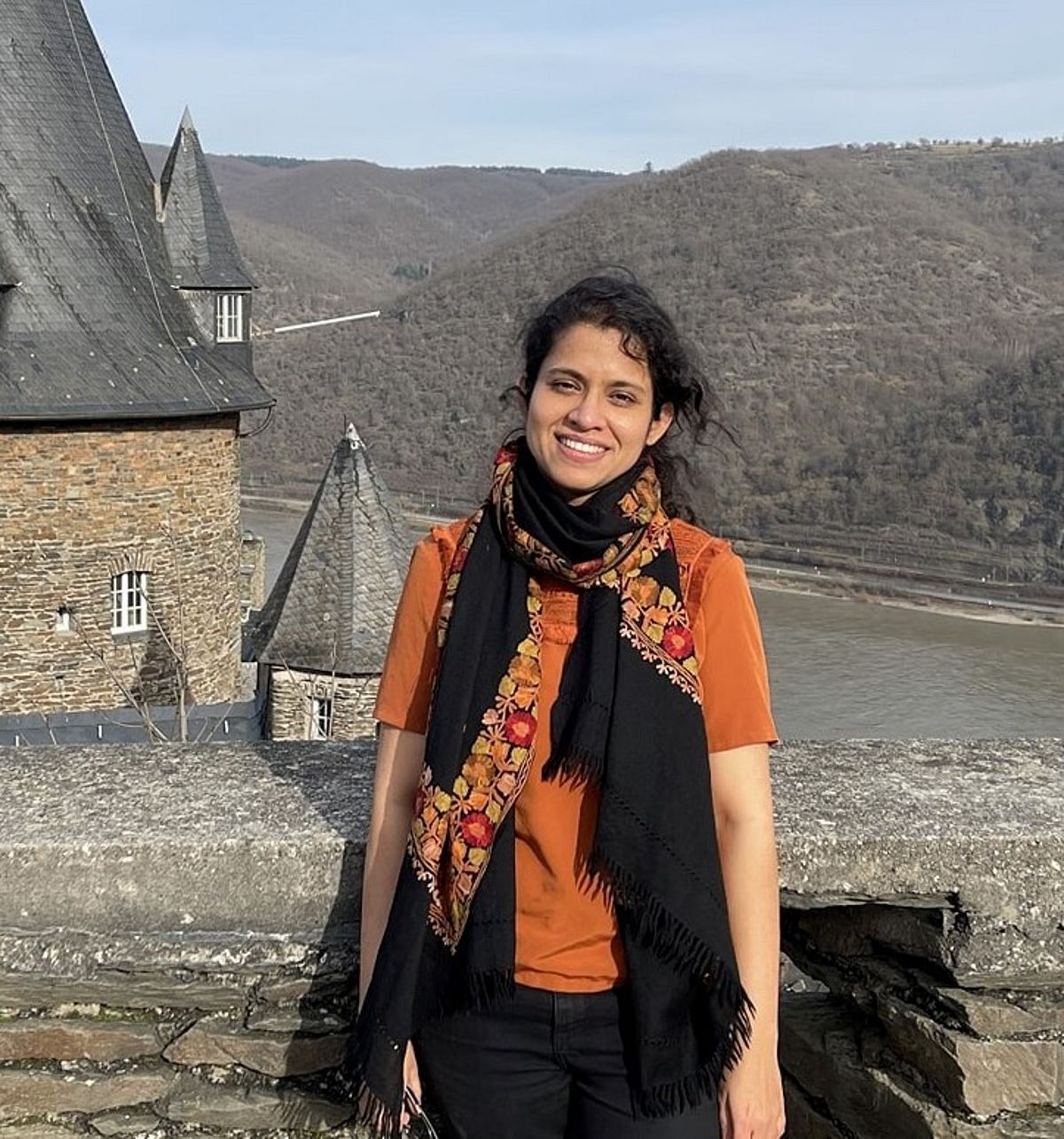
Sonal Khanolkar is a researcher at GEOMAR Helmholtz Center for Ocean Research Kiel, Germany, specializing in paleoceanography and marine biogeochemistry. Her work focuses on reconstructing past climate conditions using geochemical proxies and microfossil analysis from ocean sediment cores. Her research interests encompass: Paleoceanography Marine Biogeochemistry Climate Reconstruction Foraminifera Geochemistry Paleoclimatology Dr. Khanolkar employs advanced techniques including stable isotope analysis (carbon, oxygen, boron), trace element geochemistry, and biomarker studies to investigate climate dynamics during the Paleogene period. Her recent publications reveal a strong emphasis on using foraminiferal proxies to reconstruct atmospheric CO 2 , sea surface temperatures, and ocean chemistry across critical climate transitions such as the Paleocene-Eocene Thermal Maximum and Middle Eocene Climatic Optimum. Her research spans multiple ocean basins, with significant contributions to International Ocean Discovery Program (IODP) Expedition 378 in the South Pacific, where she analyzed sediment cores to understand Paleogene climate-ocean interactions. She actively develops and refines paleoproxy methodologies, including high-precision femtosecond laser ablation ICP-MS for trace element analysis in foraminifera and boron isotope applications for pH reconstruction. Her work integrates field data from ocean drilling expeditions with laboratory analyses to address fundamental questions about Earth's climate system evolution. Contact: skhanolkar@geomar.de
Tracey-Lea Laba is an Adjunct Associate Professor at the Centre for Health Economics Research and Evaluation (CHERE) within the Faculty of Health at the University of Technology Sydney. As an NHMRC Early Career (Sidney Sax) Fellow and registered pharmacist, she brings extensive clinical experience to her academic work. Her research portfolio spans health economics, pharmacoepidemiology, medication utilization, and health policy with a focus on improving health outcomes for disadvantaged populations through better use of high-value medicines for non-communicable diseases. Dr. Laba received her PhD from The University of Sydney in 2014 and was a University Medallist for her Bachelor of Pharmacy (2004). Prior to joining UTS, she held positions as a senior research fellow at The George Institute for Global Health and the Menzies Centre for Health Policy, and completed an honorary postdoctoral fellowship at The University of British Columbia. Her clinical background includes hospital and community pharmacy practice as well as pharmaceutical industry experience. Her research interests focus on health economics, drug utilization and policy, clinical trial translation, and improving medication access for non-communicable diseases. Dr. Laba has secured significant funding for projects including the Centre of Research Excellence in Medicines Intelligence (2020-2025), the ORIENT study on rural access to reproductive health services (2020-2026), and research on medication utilization patterns in cancer care and cardiovascular disease management. An analysis of her recent publications reveals a consistent focus on practical healthcare implementation challenges, with particular attention to medication access, quality improvement in primary care, and health system strengthening. Her work spans both Australian healthcare contexts and global health applications, particularly in low-resource settings in South Asia. Among her notable professional recognitions, Dr. Laba is the first health economist elected to Asthma Australia's Professional Advisory Council and the first person outside the PBAC chair to serve on both the drug utilization and economics subcommittees of the Pharmaceutical Benefits Advisory Committee. Dr. Laba actively supervises Masters and PhD students and has received funding through the NHMRC Early Career Fellowship program. Her research has been supported by multiple grants from the Medical Research Future Fund and NHMRC totaling millions of dollars across various projects focused on medicines intelligence, rural healthcare access, and global health interventions.
Kavita Bala is the 17th Provost of Cornell University and a Professor of Computer Science. She previously served as the inaugural Dean of the Cornell Ann S. Bowers College of Computing and Information Science, leading its transition to a degree-granting college by 2025, and as Chair of Cornell’s Department of Computer Science. Her academic leadership includes expanding faculty, establishing research programs like the Bowers CIS Undergraduate Research Experience (BURE), and securing a new research facility for computing and information science. Education: B.Tech (IIT Bombay), M.S. and Ph.D. (MIT, Computer Science) Bala’s research focuses on computer vision, artificial intelligence, and computer graphics , with groundbreaking work in material and style recognition using deep learning. Her innovations in crowdsourced training data and differentiable rendering have advanced visual search technologies and translucent material modeling, powering her startup GrokStyle. She pioneered AI techniques applied to environmental monitoring through projects like MONITRS and AllClear , addressing Earth observation challenges. Her scientific awards include: American Academy of Arts and Sciences (2025) SIGGRAPH Computer Graphics Achievement Award (2020) IIT Bombay Distinguished Alumnus Award (2021) ACM Fellow (2019) SIGGRAPH Academy Fellow (2020) As Provost, Bala drives strategic initiatives like the Cornell AI Initiative , creating interdisciplinary minors in AI and AI in Society, and establishing the Schmidt AI in Science postdoctoral program. She co-chaired a task force for generative AI guidelines in education.
Robert Falconer serves as Professor of Medicinal Chemistry and Director of the Institute of Cancer Therapeutics (ICT) at the University of Bradford. A registered pharmacist with the General Pharmaceutical Council, he leads a multidisciplinary research team focused on tumor glycocalyx targeting and protease-activated anticancer prodrugs. His academic journey spans from pharmacy training at The School of Pharmacy, University of London to establishing the medicinal chemistry program at ICT in 2005. Pharmacy Degree: The School of Pharmacy, University of London (now UCL School of Pharmacy) PhD in Medicinal Chemistry: London (2000) Professional Registration: General Pharmaceutical Council Professor Falconer's research centers on tumor glycocalyx modulation through polysialyltransferase inhibition and protease-activated drug delivery systems. His work spans osteosarcoma, neuroblastoma, breast, and prostate cancers with emphasis on developing targeted therapies that minimize systemic toxicity. The Falconer group employs computational design, solid-phase synthesis, and advanced biological evaluation techniques to develop novel anticancer agents. His publication portfolio demonstrates consistent focus on tumor-specific activation mechanisms (2023-2025), glycocalyx-targeted metastasis inhibition (2019-2021), and prodrug development (2010-2014). Recent work emphasizes theranostic applications and DNA repair targeting for pediatric cancers. Fellow of the Royal Society of Chemistry Former Honorary Treasurer, RSC Central Yorkshire Local Section Trust (2012-2018) Registered Pharmacist with General Pharmaceutical Council As principal investigator, Falconer has secured substantial funding from Breast Cancer Now, Bone Cancer Research Trust, Worldwide Cancer Research, and Neuroblastoma UK. He leads the £2m ICT Doctoral Training Centre and co-founded spin-out company Incanthera plc, which is advancing the MMP-targeted prodrug ICT2588 to clinical trials. His mentorship includes three PhD students and multiple postdoctoral researchers developing next-generation cancer therapeutics. The Falconer group operates within the ICT's state-of-the-art facilities, collaborating with Stanford University, University of Sheffield, and Ellipses Pharma. Current projects address unmet needs in pediatric oncology while developing platform technologies applicable across multiple cancer types.
Meden F. Isaac-Lam is a Professor of Chemistry in the College of Engineering and Sciences at Purdue University Northwest, where she teaches organic chemistry, biochemistry and general chemistry. Her research spans multiple interdisciplinary fields with significant contributions to cancer therapeutics and molecular imaging. Her primary research interests focus on the development and discovery of drug therapeutics for photodynamic therapy as cancer treatment and for neurodegenerative diseases, the use of MRI/MRS (magnetic resonance imaging and spectroscopy) to study brain diseases and disorders, and understanding the effect of calorie restriction in human health . Additional research areas include plastic degradation, environmental protection, and STEM education innovation. Dr. Isaac-Lam's scholarly work demonstrates a strong trend toward translational research with clinical applications, particularly in cancer treatment. Her publications show expertise in chemical synthesis, molecular imaging, and therapeutic development with a focus on practical applications for human health conditions. Senior Fulbright Scholar United States Patent No. 11,191,835 B2 for Chlorin-Vitamin Conjugates (Therapeutics for Cancer) Dr. Isaac-Lam is deeply committed to mentoring undergraduate students, believing that "mentoring is extremely critical in student success." She emphasizes individualized teaching approaches and has developed well-structured mentoring programs that consider students' career paths and intellectual abilities. Her patent work serves as an inspiration for students, demonstrating the real-world applications of chemistry research and the possibility of becoming an inventor. She leads interdisciplinary research initiatives including a project studying American military veterans afflicted with post-traumatic stress disorder (PTSD), collaborating with statisticians, social workers, psychologists, radiologists, MRI technicians and medical physics students to understand how brain molecules affect feelings and behavior.
Allison J Carroll, PhD is an Assistant Professor at Northwestern University Feinberg School of Medicine with primary appointment in Psychiatry and Behavioral Sciences, and secondary appointments in Medical Social Sciences and Preventive Medicine (Behavioral Medicine). She serves as a core faculty member in the Center for Dissemination and Implementation Science (CDIS) and is affiliated with the Institute for Public Health and Medicine (IPHAM) and the Northwestern University Clinical and Translational Sciences Institute (NUCATS). Dr. Carroll is a clinical health psychologist and implementation scientist whose research focuses on psychological (e.g., depression) and behavioral (e.g., cigarette smoking) contributors to chronic disease (e.g., cardiovascular disease), particularly for disadvantaged and historically underresearched populations. Her current research includes a K23 career development award to inform and pilot test the implementation of a culturally adapted depression intervention for Black adults with hypertension, with training aims in implementation science, community engaged research, and health informatics. Dr. Carroll also serves as an implementation science co-investigator/consultant on externally funded research projects and clinical initiatives in healthcare settings. Her publication record shows a clear focus on implementation science methods applied to cardiovascular disease prevention, depression treatment, and health disparities reduction, with numerous recent publications (2024-2025) in high-impact journals spanning implementation frameworks, community-based interventions, and integrated care models. Scientific Awards: Citation Abstract Award, Society of Behavioral Medicine (2025) Teacher of the Year, Clinical Psychology MA & PhD Programs, Northwestern University Feinberg School of Medicine (2024) Outstanding Abstract Award, Multimorbidities and Multiple Health Behavior Change Special Interest Group, Society of Behavioral Medicine (2022) Early Career Boot Camp, Association of Psychologists in Academic Health Centers 10th National Conference (2021) Fellow, Ten-Day Seminar on the Epidemiology and Prevention of Cardiovascular Disease and Stroke (2019) Dr. Carroll maintains active professional service as Secretary of the Health Research Council for the Society for Health Psychology (2023-present), Research Communication Liaison for the same council (2017-present), and previously served as Membership Coordinator for the Cardiovascular Disease Special Interest Group of the Society of Behavioral Medicine (2022-2024). She is an active member of multiple professional societies including the Association of Psychologists in Academic Health Centers, Society of Behavioral Medicine, American Heart Association, and Society for Health Psychology. Her educational background includes a BA from Monmouth College (2009), MS (2014) and PhD (2018) from Northwestern University, followed by an internship at Medical University of South Carolina in Clinical Psychology/Behavioral Medicine (2018) and a fellowship at Northwestern Medicine in Cardiac Behavioral Medicine (2020).
Jean-Luc Arregle is a Professor in the Strategy & Organization department at emlyon business school , where he has served since 2012. He previously held a professorship at EDHEC Business School (2010-2011) and served as Director of the PhD Program at emlyon (2015-2018). Arregle is also an Associate Dean for Research at emlyon business school. PhD in Management Sciences (1992, IAE Aix-en-Provence) Accreditation to Supervise Research (1998, IAE Nice) His research focuses on semi-globalization strategies , family firm strategic choices , and institutional influences on multinational enterprises . Publications analyze: organizational autonomy dynamics, family firm internationalization patterns, institutional complexity in foreign investment, multilevel strategic analysis, and resource orchestration in mergers. He serves on editorial boards of Journal of International Business Studies , Strategic Organization , and Entrepreneurship Theory & Practice . Notable works include longitudinal studies of Lamborghini's post-acquisition autonomy management and meta-analytic reviews on family firm uniqueness. Recent publications emphasize: Dynamic frameworks for subsidiary autonomy (2024) Family business-international business integration (2024) Host country politics in multinational strategy (2023) Autonomy oscillation mechanisms (2022) Scientific contributions include Editorial board memberships across 5 journals International Teachers Program (EFMD, 1990) Keynote presentations at Academy of International Business and Strategic Management Society conferences Arregle's work combines theoretical rigor with practical insights from automotive industry case studies (Audi-Lamborghini integration), demonstrating how organizational identity preservation and resource orchestration enable sustained competitive advantage in multinational contexts.
Professor Forrest Brewer is a faculty member in the Department of Electrical and Computer Engineering at the University of California, Santa Barbara (UCSB), affiliated with the College of Engineering. His research spans VLSI design, computer-aided design tools, and low-power computing, with a focus on unconventional engineering solutions. Education: PhD in Computer Science, University of Illinois BS in Physics (with honors), California Institute of Technology His work includes CMOS pulse-gate asynchronous logic for high-performance systems, sigma-delta modulation for signal processing, and formal verification strategies for asynchronous circuits. Applications range from radiation-hardened communication links for the Large Hadron Collider (LHC) to spiking neural networks for low-power computing in LIDAR/RADAR systems. Affiliations: California Nanosystems Institute Allosphere Steering Committee (Media Technology) With over 100 publications and 40 years of systems design experience, Brewer has contributed to defense programs, founded UCSB's Computer Engineering program, and served as Intel Faculty Fellow (1997). His lab, the Systems Synthesis Lab, explores collective dynamics and high-resolution, low-latency computation.
Professor Ron Van der Meyden is a faculty member at the School of Computer Science and Engineering at the University of New South Wales, Sydney. His work focuses on the intersection of logic, security, and distributed systems, with particular expertise in blockchain technology and smart contracts. He leads the UNSW Interest Group in Blockchain, Smart Contracts and Cryptocurrency and organizes related seminar series. Professor Van der Meyden's research spans formal methods, computer security, and distributed systems. His work on epistemic logic has been influential in understanding knowledge-based systems and security protocols. He has made significant contributions to the formal verification of blockchain protocols and smart contracts, bringing rigorous mathematical approaches to these emerging technologies. His recent work explores the application of knowledge-based reasoning to consensus protocols and intersection management in autonomous systems. ACM Distinguished Scientist, 2009 As an advisor, Professor Van der Meyden has mentored numerous PhD and Masters students who have gone on to successful careers in academia and industry. His research is supported by grants including Australia's Economic Accelerator Grant for developing a commercial version of a software model checker and an AFOSR/DST Australia grant for verification and synthesis of fault-tolerant autonomous systems. He has received multiple ARC Discovery and Linkage grants over the years. Professor Van der Meyden leads the UNSW Interest Group in Blockchain, Smart Contracts and Cryptocurrency, fostering interdisciplinary research in this area. He has played key roles in major research centers including Smart Internet CRC and National ICT Australia (NICTA), where he established and led the Formal Methods program. His work on the formal verification of the seL4 microkernel and the Goanna static analysis tool has had significant practical impact.
Nan-Yao Su is a Professor at the University of Florida 's Department of Entomology and Nematology, based at the Fort Lauderdale Research and Education Center . Renowned as an authority on termites, his work focuses on termite biology, population ecology, and innovative control strategies. Established the Sentricon baiting system for termite population control, reducing global pesticide use by over 9,000 metric tons. Recipient of the Presidential Green Chemistry Challenge Award for environmentally sustainable pest management. Technical advisor to governments of New Zealand, China, and Vietnam on termite issues. Research Interests span termite foraging behaviors, microbe interactions within colonies, and development of novel termite control tools. His work bridges fundamental biology with practical area-wide management programs, funded by royalty income from the Sentricon system and USDA-ARS grants. Scientific Contributions include over 260 peer-reviewed publications, with key studies on Formosan subterranean termites' economic impact (e.g., $300M annual losses in New Orleans) and drywood termite dispersal mechanisms. His research has led to standardized identification keys for Florida termites and advanced detection methods like termite-sniffing dogs and chemical barriers. Publications reveal a focus on invasive termite species, chitin synthesis inhibitors, and eco-friendly pest management. Awards include: Presidential Green Chemistry Challenge Award (2019) Establishment of the Nan-Yao Su Award for Innovation in Entomology
Vincent Rotello is a University Distinguished Professor of Chemistry at the University of Massachusetts Amherst. He holds multiple affiliations including Faculty in the Graduate Program in Molecular & Cellular Biology, the Center for Bioactive Delivery, the Models to Medicine program, the Center for Personalized Health Monitoring, and the Materials Science and Engineering Interdisciplinary Graduate Program at the Institute for Applied Life Sciences. Dr. Rotello received his B.S. in Chemistry (Honors) from Illinois Institute of Technology in 1985, followed by an M. Phil and Ph.D. in Chemistry from Yale University in 1987 and 1990, respectively. He completed an NSF Postdoctoral Fellowship at the Massachusetts Institute of Technology from 1990-1993 before joining the faculty at UMass Amherst. Professor Rotello's research focuses on supramolecular chemistry, particularly the study and application of non-covalent interactions including hydrogen bonding and aromatic stacking. His work spans nanotechnology, bionanotechnology, bioorthogonal chemistry, drug delivery, and antimicrobial development. His laboratory explores how these molecular recognition concepts can address essential questions in biology, biomedicine, and material chemistry, with particular emphasis on using synthetic organic chemistry to engineer interfaces between synthetic and biological worlds. The group has published over 650 peer-reviewed papers to date. His recent publications reveal a strong trend toward bioorthogonal catalysis, particularly 'nanozymes' and 'polyzymes' - nanomaterial scaffolds incorporating transition metal catalysts for localized drug and imaging agent generation. His research increasingly addresses biomedical applications including cancer treatment, bacterial infection control, and diagnostic development, with significant focus on antimicrobial applications and biofilm eradication. Arthur C. Cope Scholar Award (2023) Highly Cited Researcher by Clarivate (2014, 2015, 2018-2023) Fellow of the American Association for the Advancement of Science Fellow of the Royal Society of Chemistry (UK) NSF CAREER award Cottrell Scholar award Camille Dreyfus Teacher-Scholar Sloan Fellowship Professor Rotello has mentored numerous graduate students and postdoctoral fellows, with recent PhD graduates including Dr. Aarohi Gupta and Dr. Aritra Nath Chattopadhyay. His research group maintains active collaborations across multiple disciplines and has secured significant funding for their work in nanotechnology and bionanotechnology. The group has published over 650 peer-reviewed papers, demonstrating consistent productivity and impact in their field. The Rotello Lab operates within the Lederle Graduate Research Tower at UMass Amherst, with office in room 379 and laboratory space in room 320. The group consists of graduate students, postdoctoral fellows, and visiting scholars from around the world, working collaboratively on projects spanning antimicrobials, bioorthogonal chemistry, drug delivery, and sensing technologies. The lab has documented numerous visiting scholars from institutions across Europe, Asia, and North America, indicating strong international collaborations.
Christoph Benning is a University Distinguished Professor at Michigan State University, holding appointments in the Department of Biochemistry & Molecular Biology , Molecular Plant Sciences Program , Plant Biology , and Genetics & Genome Sciences Program . He leads the MSU-DOE Plant Research Laboratory and contributes to the Cell & Molecular Biology Program and BioMolecular Science Gateway . Ph.D., 1991, Michigan State University M.S., 1986, Albert-Ludwigs Universitaet, Freiburg, Germany Postdoctoral Researcher, 1991-1993, Michigan State University Group Leader, 1993-1997, Institut fuer Genbiologische Forschung Berlin GmbH His research centers on lipid metabolism in photosynthetic organisms , with a focus on chloroplast membrane assembly, lipid remodeling under stress, and biofuel production from algae. His lab uses Arabidopsis and Chlamydomonas to study genetic and biochemical mechanisms governing lipid biosynthesis, stress tolerance, and cellular quiescence in algae. Recent publications highlight advancements in chloroplast nanofactories , ER-chloroplast lipid transport , and WRINKLED1 transcription factor engineering to boost lipid accumulation. These works span synthetic biology , metabolic engineering , and environmental stress responses in plants and algae. Scientific Awards : Fellow of the American Society of Plant Biologists (2025), Member of the National Academy of Sciences (2025), Senior Member of the National Academy of Inventors (2022), and multiple teaching/mentoring awards. Advising : Recognized for mentoring graduate and postdoctoral researchers. Labs & Collaborations : Leads the Benning Lab at MSU, with DOE-funded projects and partnerships in algal biofuel research.