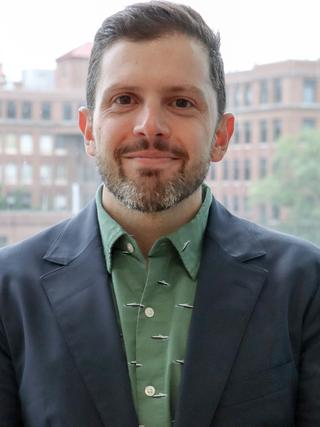
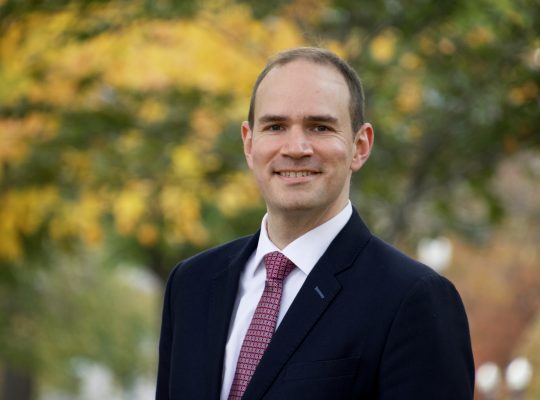
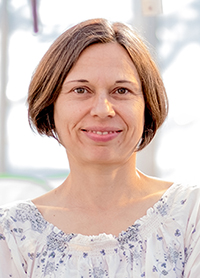
Tyler Johnson, PhD, is an Associate Professor in the Department of Natural Sciences and Mathematics at Dominican University of California's School of Health and Natural Sciences. His expertise lies in Natural Products Chemistry , Bioorganic Chemistry , and Medicinal Chemistry , with a focus on biomedical applications. Johnson's research emphasizes discovering therapeutic lead compounds and molecular probes from marine and terrestrial natural products. His research team investigates chemotypes like mycothiazole , zampanolide , fijianolide , and latrunculin from Indo-Pacific marine sponges. These compounds exhibit potent cytotoxicity (IC50 1~5 nM) against cancer cell lines through mechanisms including microfilament disruption , mitochondrial complex I inhibition , and microtubule stabilization . Current work explores mycothiazole as a molecular probe for mitochondrial aging. Key publications span 2024-2002, covering topics from sponge-derived anticancer agents to inflammation modulation and environmental toxicology. Johnson's laboratory engages in large-scale natural product isolation, spectroscopic validation, and semi-synthetic medicinal chemistry to optimize therapeutic leads. His work integrates undergraduate and graduate students into interdisciplinary biomedical research.
Frank E. Garcea, Ph.D., is a Research Assistant Professor in the Department of Neurosurgery and Neuroscience at the University of Rochester School of Medicine and Dentistry. His research focuses on the cognitive and neural mechanisms underlying tool use, apraxia, and stroke recovery. He employs neuropsychological testing, fMRI, and lesion-symptom mapping to study brain injury effects on functional connectivity and action knowledge. Education: Bachelor of Science in Psychology, St. John Fisher College (2006–2010) PhD in Brain and Cognitive Sciences, University of Rochester (2012–2017) Research Interests: Dr. Garcea investigates how brain regions like the parietal cortex and dorsal/ventral streams mediate object manipulation and tool use. His work explores stroke-related disconnection syndromes, motor speech coordination networks, and translational brain mapping to preserve neural function during surgery. He collaborates on projects involving epilepsy patients undergoing electrocorticography to study action-related neural pathways. Labs & Affiliations: Principal Investigator of the Garcea Lab at URMC, focusing on tool use deficits in brain tumor/stroke survivors. Affiliated with the Del Monte Institute for Neuroscience and the Neurobiology & Anatomy Program. His lab integrates neuroimaging, lesion analysis, and clinical care to advance personalized brain mapping strategies.
Dr. Frederick Li is an Associate Professor in the Department of Computer Science at Durham University, UK. He holds editorial roles as Associate Editor of Frontiers in Education (Digital Education) and Editorial Board Member of Virtual Reality & Intelligent Hardware. His research focuses on Computer Graphics, Machine Learning, Geometric Modelling, Collaborative Virtual Environments, Visual Aesthetics, and Educational Technologies. He earned his B.A. (Hons) and M.Phil. from The Hong Kong Polytechnic University and his Ph.D. in Computer Graphics from City University of Hong Kong. Prior roles include Assistant Professor at HK PolyU and project manager of a Hong Kong Government ITF-funded project. **Education**: B.A. (Computing Studies) and M.Phil. from HK PolyU; Ph.D. in Computer Graphics (CityU Hong Kong). **Research Interests**: His work spans mesh saliency detection, human-object interaction recognition, cloud modeling, face beautification, and educational technology. Recent achievements include awards for papers (e.g., Best Paper at ITiCSE 2014) and recognition such as EPSRC Peer Review College membership. He leads Durham's Undergraduate Board of Examiners and has been an external examiner at Northumbria University. **Awards**: Best Paper (ACM ITiCSE 2014), Outstanding Paper (ICALT 2013), EPSRC Peer Review College (2024), Outstanding BMVC 2024 Reviewer. **Grants & Labs**: His research is supported by grants from EPSRC and others. He collaborates with the Centre for Vision and Visual Cognition, VIViD, and AIHS group at Durham.
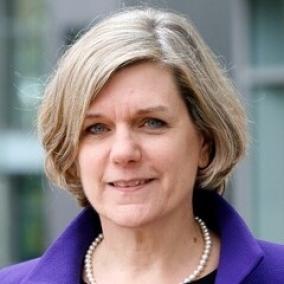
Steff Lewis is a Professor of Medical Statistics at the University of Edinburgh , affiliated with the Usher Institute within the College of Medicine and Veterinary Medicine . She leads the statistics group at the Edinburgh Clinical Trials Unit and holds roles in the Deanery of Molecular, Genetic and Population Health Sciences . Her expertise spans meta-analysis, randomized trial design, and clinical trial governance, with involvement in Cochrane Collaboration and UK Clinical Research Collaboration initiatives. Education: MSc and PhD in Medical Statistics. Research Interests: Focuses on methodological advancements in clinical trial reporting (e.g., CONSORT and SPIRIT guidelines), cardiovascular outcomes (e.g., SCOT-HEART trial), stroke prevention (ASPIRING trial), and ethical data management. She actively contributes to international standards for trial protocols, anonymization practices, and statistical validation. Recent Contributions: Over 200 peer-reviewed articles and 37 ongoing projects, including leadership in trials assessing antiplatelet therapies, Paget’s disease interventions, and pediatric asthma treatments. Collaborates globally on guidelines for randomized trials and data-sharing protocols. Grants & Teams: Principal or co-investigator on projects funded by NIHR, BHF, and ESRC, including trials on iron therapy in critical care (INTACT-2) and cannabinoid treatments for endometriosis pain (ENDO-CAN). Leads multidisciplinary teams integrating statistical rigor with clinical innovation. Labs/Teams: Embedded within the Edinburgh Clinical Trials Unit and the Centre for Population Health Sciences , fostering collaborative research across molecular, genetic, and public health domains.
Nancy L. Rose is the Charles P. Kindleberger Professor of Applied Economics in the Department of Economics at the Massachusetts Institute of Technology (MIT). She previously served as Economics Department Head at MIT from 2017-2020, and as Deputy Assistant Attorney General for Economic Analysis in the Antitrust Division of the U.S. Department of Justice from 2014-2016. She was also director of the National Bureau of Economic Research (NBER) research program in Industrial Organization from 1991 until 2014. Her educational background includes a Ph.D. in Economics from MIT and an A.B. in Economics and Government from Harvard University. Professor Rose's research focuses on industrial organization, competition policy, and the economics of regulation. Her work spans analyses of antitrust law and economics, economic regulation, firm behavior in transportation and energy markets, labor rent-sharing, and determinants of executive pay. She has edited the volume "Economic Regulation and Its Reform: What Have We Learned?" which examines regulatory landscapes across eight industries. Her recent publications demonstrate a continued focus on merger guidelines, antitrust enforcement in digital markets, and competition policy across various sectors including airline markets, energy markets, and labor markets. Fellow of the American Academy of Arts and Sciences (2018) Distinguished Fellow of the Industrial Organization Society (2018) Carolyn Shaw Bell Award from the American Economic Association (2020) Margaret MacVicar Faculty Fellow at MIT (2012) Multiple MIT Undergraduate Economics Association Teaching Awards (2000, 2004, 2011) Professor Rose currently serves as President of the Industrial Organization Society and Vice President of the Western Economics Association International. She has previously served as Vice President of the American Economic Association and has held editorial positions at the American Economic Review and Journal of Industrial Economics. She also serves on advisory boards for the American Antitrust Institute, the Hamilton Project, and the CEPR's Research and Policy Network for Competition Policy. She has served as an independent director for Charles River Associates, Sentinel Investments, and the Whitehead Institute for Biomedical Research, and in those roles has chaired board governance and finance committees.
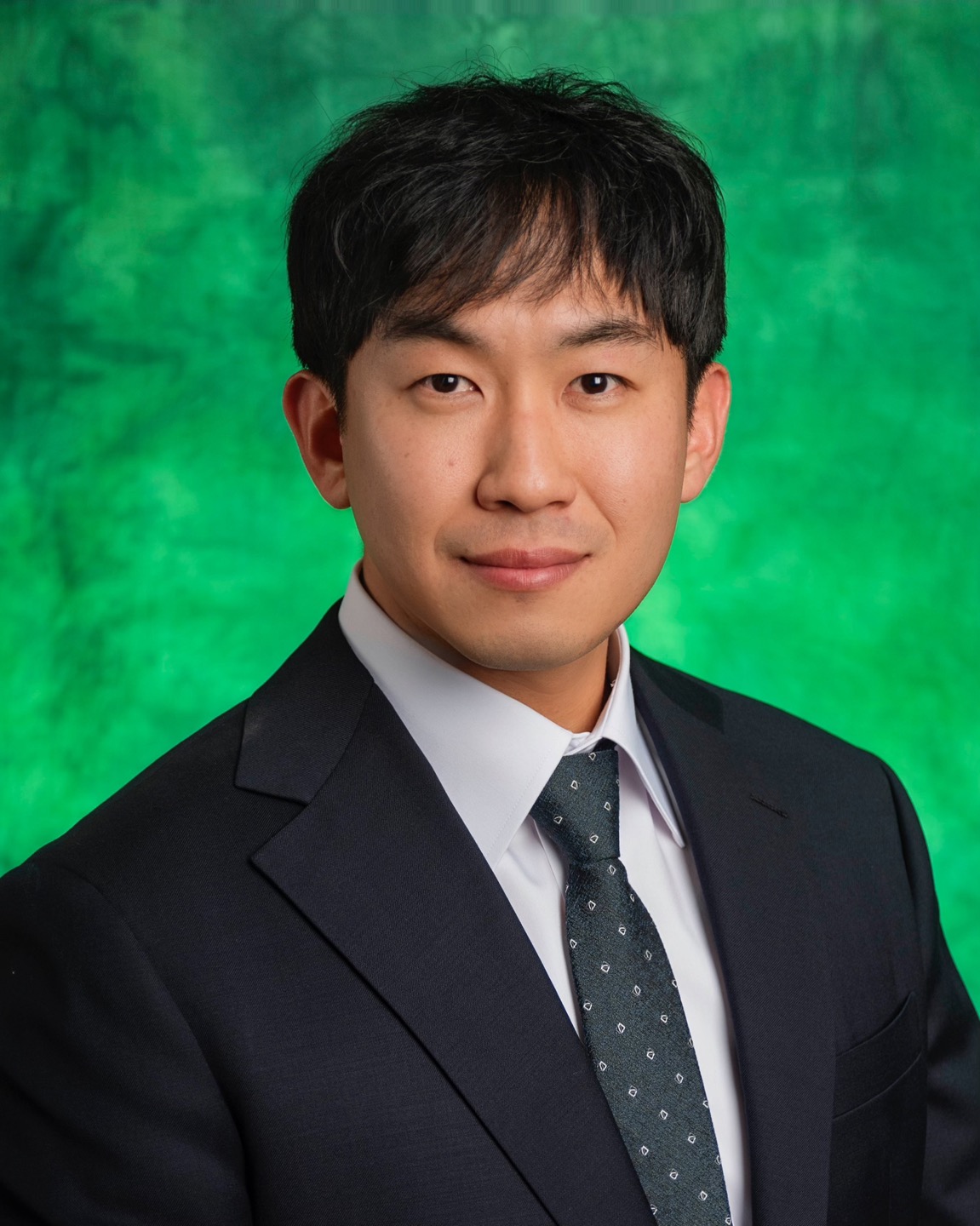
Donguk Lee is an Assistant Professor in the Department of Audiology and Speech Language Pathology at the University of North Texas. He holds a Ph.D. from the University of Tennessee Health Science Center (2023) and previously worked as an audiologist in clinical and hearing aid settings. He also served as a medic in the South Korean Navy, providing medical support in naval and land-based environments. His research focuses on preventing noise-induced hearing loss through studies of auditory efferent systems, leveraging techniques like otoacoustic emissions and auditory evoked potentials. Dr. Lee’s work addresses both clinical and environmental aspects of hearing conservation. His recent studies explore variability in medial olivocochlear reflex responses to noise exposure and the interplay between efferent unmasking and cortical processing. Earlier work assessed noise levels in stadiums, subways, and other public spaces, linking environmental noise to hearing health risks and public attitudes. He was awarded the 2022 Student Research Grant in Audiology from ASHA for his innovative contributions to hearing loss prevention. His articles span from 2014 to 2023, reflecting a trajectory from hearing aid technology development to advanced auditory physiology and environmental noise policy implications.
Craig A. Bond is a Professor at the RAND School of Public Policy, a Senior Economist at RAND Corporation, and Editor-in-Chief of the RAND Journal of Economics. His work bridges military resource allocation and environmental economics through advanced econometric modeling. Current Roles: Research QA Manager (RAND Arroyo Center), Senior Economist Methodological Expertise: Stochastic dynamic programming, discrete choice modeling, non-market valuation Key Research Themes: Military readiness, coastal resilience, green infrastructure, post-disaster recovery Research Interests: Craig Bond specializes in natural resource economics , environmental economics , and applied welfare economics , with recent work focusing on: Risk modeling for defense acquisitions and personnel strategy Resilience dividend valuation frameworks Green infrastructure cost-benefit analysis Climate adaptation in coastal communities Publication Trends: His 15 most recent works (2017-2025) show interdisciplinary focus across: Military Economics: Recruiting optimization, training requirements, economic multipliers Environmental Policy: Coastal land loss, invasive species impact, water management Resilience Modeling: Disaster recovery frameworks, adaptive systems
Bryan Watts is the Director of the Center for Conservation Biology and holds the Mitchell A. Byrd Research Professorship in Conservation Biology at William & Mary. He has a B.S. in Biology from Virginia Tech, an M.A. in Biology from William & Mary, and a Ph.D. in Ecology from the University of Georgia. His research focuses on avian conservation, wetland ecosystems, and the impacts of environmental changes on bird populations, particularly in coastal regions. He leads long-term monitoring programs for species like ospreys, red knots, and black rails, emphasizing habitat conservation and population dynamics. His work integrates citizen science, toxicology assessments, and climate adaptation strategies for vulnerable species. Watts collaborates with federal agencies and NGOs to inform policy decisions and habitat management. His projects include the Virginia Marshbird Survey, Whimbrel migration tracking, and assessments of contaminants in apex predators like peregrine falcons and bald eagles. Key areas of focus include the demographic responses of birds to fluctuating fish stocks, the effects of human activity on nocturnal roosting behaviors, and the development of conservation strategies for coastal wetlands under climate change. His research outputs span over three decades, addressing both applied and theoretical questions in conservation biology. Watts also advises on wildlife management policies, such as landfill use by bald eagles and wind energy siting to minimize bird collisions.
Professor Paul C. Bressloff holds the Chair in Applied Mathematics and Stochastic Processes at Imperial College London's Department of Mathematics within the Faculty of Natural Sciences. His research focuses on stochastic and non-equilibrium processes, particularly in molecular and cell biology, utilizing tools from probability theory, statistical physics, and dynamical systems. He authored a seminal textbook Stochastic Processes in Cell Biology (Springer), with a 2nd edition published in 2022. Previously, he led the graduate program in mathematical biology at the University of Utah from 2001 to 2023. Research interests include stochastic multi-particle systems, active particles, phase separation, and diffusion across semi-permeable interfaces. His work spans applications in neural field theory, cytoneme-mediated morphogenesis, and protein trafficking. He is affiliated with the Biomathematics Group and Mathematical Physics Group at Imperial. Recent articles explore stochastic resetting in search processes, narrow-capture problems, and hybrid models of switching diffusions. His advising includes over 20 graduate students, many now faculty in mathematical biology. His contributions bridge applied mathematics and biological systems, emphasizing interdisciplinary approaches to complex stochastic phenomena.
Dr Jonathan Cook is a Research Fellow at Jesus College, University of Oxford, affiliated with the Medical Sciences division. He holds a primary medical qualification from Queen’s University (Canada, 2021) and a PhD investigating viral immune evasion mechanisms under Prof Jeffrey Lee. His work was supported by the Vanier Canada Graduate Scholarship and recognized with the Stuart Alan Hoffman Memorial Prize. As an incoming Banting Fellow at the Jenner Institute, he focuses on vaccine design for infectious diseases. His research interests include malaria eradication, emerging pathogens, and structure-based vaccine strategies. **Education**: - PhD (Investigation of viral entry glycoproteins), University of Toronto, supervised by Prof Jeffrey Lee - Primary Medical Qualification, Queen’s University, Canada **Research Interests**: - Malaria Eradication : Developing vaccines targeting Plasmodium species. - Emerging Infectious Diseases : Designing rapid-response strategies for pathogens like SARS-CoV-2. - Structure-Based Vaccine Design : Leveraging protein structural data to enhance immunogenicity. **Awards**: - Vanier Canada Graduate Scholarships Programme (2017–2020) - Stuart Alan Hoffman Memorial Prize (2021) - Banting Fellowship (incoming) **Grants/Advising**: Works on Jenner Institute-funded projects. No listed advisees yet. **Labs/Teams**: Collaborates with Prof Lee's lab at the Jenner Institute and the University of Toronto's Medical Microbiology program.
Scott Wolfe is a Professor, Associate Director, and Director of the PhD Program at the School of Criminal Justice, Michigan State University. He also serves as Director of the Michigan Justice Statistics Center and has secured funding from the National Science Foundation, National Institute of Justice, and Bureau of Justice Statistics. PhD in Criminology and Criminal Justice, Arizona State University (2012) MA in Criminal Justice, University of Louisville (2008) BA in Criminal Justice, Ohio Northern University (2006) Scott's research focuses on policing, organizational justice, and criminological theory. He evaluates police training programs for mental health crisis response, disabilities, and driver training, while also studying police supervisor-employee relations, use of force predictors, procedural justice, and the Ferguson Effect. His recent publications address racial disparities in traffic stops, police training effectiveness, de-policing impacts on crime, and procedural justice mechanisms. These works span criminology, public policy, and data analytics, with awards from the American Society of Criminology and Justice Information Resource Network. American Society of Criminology Division of Policing Outstanding Student Article Award (2024) Justice Information Resource Network’s Douglas Yearwood Publication Award (2025, Small SAC division) Scott leads funded projects such as the evaluation of police training programs in Southeast Michigan ($125,000) and the Michigan State Justice Statistics Program ($224,997). His team partners with agencies like the Michigan State Police to analyze disparities and develop training solutions.
Zsofia Szendrei is a Professor in the Department of Entomology at Michigan State University (MSU), affiliated with the College of Agriculture & Natural Resources. Her work spans teaching (10%), research (40%), and extension (50%), focusing on vegetable production entomology. She leads the Szendrei Lab, which explores chemical ecology, biological control, and sustainable pest management. Her research emphasizes reducing reliance on synthetic pesticides through integrated approaches like habitat manipulation and molecular detection of trophic interactions. She collaborates closely with growers and extension educators to implement practical solutions for vegetable pest challenges. Education: M.Sc. in Horticulture (Hungary, 2001), Ph.D. in Entomology (MSU, 2005). Professional roles include Co-Editor-in-Chief of American Entomologist (2021–present) and leadership in MSU's Extension programs. She prioritizes student mentorship, fostering creativity and hands-on research in a collaborative lab environment. Key research themes include agroecology, pest-behavioral interactions, and pollinator conservation. Her extension efforts target reducing insecticide use while maintaining crop profitability. Recent work investigates heatwave impacts on crop-pest dynamics and pollinator protection. She has authored/co-authored over 50 peer-reviewed articles, with a focus on topics like cover crops, pathogen management, and invasive species. Her lab’s findings inform both academic discourse and real-world agricultural practices.
Professor Paul Sellin is a Professor of Physics at the University of Surrey's School of Mathematics and Physics, with visiting roles at UCL and the University of Wollongong. He holds a PhD in Nuclear Physics from the University of Edinburgh (1992) and a BSc (Hons) in Physics from the University of Birmingham (1988). His research focuses on radiation detector materials, including perovskites, semiconductors, and scintillators, with applications in medical imaging, nuclear security, and high-energy physics. Key interests include perovskite semiconductor development, neutron/gamma detection, and radiation-hard materials. His group collaborates internationally on projects like the DTRA Interaction of Ionizing Radiation with Matter (IIRM) University Research Alliance. Publications highlight advancements in X-ray detection using perovskite nanocomposites, Cu-doped crystals, and organic semiconductors. His work emphasizes material synthesis, charge transport optimization, and device fabrication for low-dose imaging and high-sensitivity detection. Professor Sellin has supervised over 30 postgraduate students, many contributing to seminal studies on perovskite detectors, plastic scintillators, and semiconductor characterization. His contributions span academic networks like the Nuclear Threat Reduction Network (NTR-net) and the STFC NuSec program.
Steven R. Caliari is an Associate Professor in the Department of Chemical Engineering with a secondary appointment in Biomedical Engineering at the University of Virginia’s School of Engineering and Applied Science. He serves as the ChE Graduate Program Director and is a SEAS Copenhaver Fellow (2023). His research focuses on designing biomaterials to study cell-microenvironment interactions, addressing challenges in disease and tissue engineering. He holds a B.S. (2007, University of Florida), M.S. (2010), and Ph.D. (2013) in Chemical Engineering from the University of Illinois, followed by an NIH postdoctoral fellowship at the University of Pennsylvania. His research interests include biomaterials, mechanobiology, musculoskeletal tissue engineering, and advanced manufacturing for biological applications. His lab has pioneered viscoelastic hydrogel platforms and conductive collagen scaffolds, supported by NIH, NSF, DoD, and industry grants. Notable awards include the NSF CAREER Award (2021) and NIH MIRA (2020). Grants: NIH (NIGMS), NSF CAREER, V Foundation, UVA-Coulter Partnership Courses: Tissue Engineering (BME/CHE 4417), Transport Processes I (CHE 3321) Labs: Caliari Lab focuses on biomaterial design and mechanobiological studies His work bridges fundamental science and translational applications, emphasizing dynamic material systems for regenerative medicine and disease modeling.
Benjamin F. Hobbs serves as the Theodore M. and Kay W. Schad Professor of Environmental Management at Johns Hopkins University, holding a primary appointment in the Department of Environmental Health and Engineering and a joint appointment in the Department of Applied Mathematics and Statistics. He is co-director of the USEPA Yale-JHU SEARCH Center and director of the NSF-funded Electric Power Innovation for a Carbon-free Society (EPICS) Center, focusing on interdisciplinary research at the intersection of energy systems, environmental management, and public health. Hobbs' educational background includes a BS from South Dakota State University (1976), an MS in Resources Management and Policy from SUNY-Syracuse (1978), and a PhD in Environmental Systems Engineering from Cornell University (1983). Prior to joining Johns Hopkins in 1995, he worked at Brookhaven and Oak Ridge National Laboratories and served as a professor at Case Western Reserve University, with additional visiting appointments at institutions including Cambridge University. His research integrates systems analysis, economics, and optimization to address critical challenges in electric utility planning, renewable energy integration, and environmental resource management. Key focus areas include solar forecasting using AI, green infrastructure for urban water management, health impacts of energy transitions, and grid reliability under high renewable penetration. His work emphasizes practical applications through engineering-economic modeling with rich technological and environmental detail. Analysis of his recent publications reveals a strong trend toward addressing grid reliability in decarbonizing systems, with increasing emphasis on market design innovations, resource adequacy under uncertainty, and storage-transmission tradeoffs. His research consistently bridges theoretical optimization with real-world policy implementation, particularly evident in his leadership of the EPICS Center's 100% renewable grid initiatives. Lifetime Achievement Award by Energy Systems Integration Group (ESIG), 2024 Fellow of the Institute of Electrical and Electronics Engineers (IEEE) Fellow of the Institute for Operations Research and Management Science (INFORMS) Hobbs advises graduate students through Johns Hopkins' interdisciplinary programs, with alumni employed as energy consultants, policy analysts, and researchers. His current grants include leadership of the NSF Global Center EPICS and co-direction of the USEPA SEARCH Center, focusing on energy-air-climate-health interactions. He chairs the Market Surveillance Committee for the California Independent System Operator and serves on editorial boards for Energy Economics and other leading energy journals. He leads the Hobbs Energy & Environment Decisions Research Group, which collaborates with institutions including IBM, National Renewable Energy Laboratory, and University of Texas at Dallas. The group participates in the Global Power Systems Transformation Consortium and Columbia-JHU Future Power Markets Forum, conducting fieldwork initially in California and the central United States.