Ľubica Rumanovská is an Associate Professor and Chief Official at the Institute of European Policies and Public Administration within the Faculty of European Studies and Regional Development at the Slovak University of Agriculture in Nitra. Her research focuses on the intersection of European policy frameworks and Slovak implementation contexts, with particular expertise in: European Union integration processes and educational applications Agricultural policy and Common Agricultural Policy (CAP) mechanisms Land use patterns and sustainable development strategies Public administration reform in Central European contexts Economic impacts of EU funding mechanisms Dr. Rumanovská actively participates in major European research initiatives across multiple funding programs. Her work demonstrates strong connections between theoretical policy frameworks and practical implementation challenges in Slovak agriculture and regional contexts. Notable project leadership includes: Principal investigator for Jean Monnet project on European integration in Slovak schools (2012-2013) Supervisor for research on CAP EU support mechanisms and agricultural land markets (2017-2019) Key researcher in Horizon Europe's EUROPE-LAND project on sustainable land-use strategies (2023-2027) Scientific lead for Slovak Recovery and Resilience Plan projects on land use patterns (2024-2026)
Anna Michálková is an Associate Professor at the Department of Tourism, Faculty of Commerce, Bratislava University of Economics and Business. Her expertise spans regional tourism, destination management, and tourism economics, with a focus on sustainable development and innovation. Education: Study stays at University of St. Gallen (Switzerland), University of Economics in Vienna (Austria), and University Lüneburg (Germany). Her research investigates institutional frameworks for destination management, tourism cluster dynamics, and economic impacts of tourism, particularly in crisis periods. She emphasizes stakeholder cooperation, societal value metrics, and sustainable growth strategies. Key trends in her publications include regional policy integration, gazelle enterprises in tourism, and cross-border collaboration. She has led projects like KEGA 034EU-4/2020 on innovative teaching methods and VEGA grants on competitiveness and innovation. Anna supervises bachelor and master programs in tourism management, teaches case studies in German, and collaborates with institutions across Europe. Her work bridges academia and practice through projects with local governments and tourism organizations.
Assoc. Prof. Hana Vančová, PhD., is a dedicated academic at Trnava University's Faculty of Education, where she has served as an Associate Professor in the Department of English Language and Literature since 2013 (promoted from Assistant Professor following her 2022 habilitation). Currently Deputy Head of Department for Education, she oversees curriculum development and serves as study advisor for single-subject and combined English language teacher education programs at bachelor's, master's, and doctoral levels. Her institutional commitment spans over a decade with full-time employment since 2013. Education: 2004–2009: Master of Arts (Mgr.) in English Language and Literature – Slovak Language and Literature, Faculty of Education, Trnava University 2009–2012: Doctor of Philosophy (PhD.) in Pedagogy, Faculty of Education, Trnava University 2019: Professional Development: "Teaching languages in the digital era: the best apps, web platforms and ICT solutions for learning languages", Institute for Training, Employability and Mobile Learning Hana Vančová's scholarly work centers on English pronunciation pedagogy , with pioneering research in technology-enhanced instruction . Her primary domains include phonetics and phonology , lexicology , and digital language learning tools , investigating how AI, mobile applications, and multimedia resources optimize pronunciation acquisition. She bridges theoretical linguistics with practical classroom applications through ergonomic educational design, emphasizing learner-centered methodologies that address sociolinguistic factors like accent identity and intelligibility. Her habilitation thesis established her as a key innovator in pronunciation technology. Analysis of Vančová's publication trajectory (2014-2024) reveals a decisive shift from foundational studies on Slovak learners' pronunciation errors toward cutting-edge research on AI-driven pronunciation training. Her recent work explores karaoke-based methods and ethical AI implementation in CALL (Computer-Assisted Language Learning), highlighting human-AI interaction dynamics. The consistent thread is her commitment to making pronunciation instruction accessible through technological innovation, with publications increasingly addressing inclusivity, ethical considerations, and ergonomic design in digital language learning environments. While no specific scientific awards are documented beyond her academic promotion, Vančová's habilitation procedure—evaluated by an international committee including scholars from Poland, Czech Republic, and Slovakia—represents significant scholarly recognition. Her work has received 36 citations (14 foreign, 22 domestic) as of 2021. As study advisor for English language teacher training programs, Vančová mentors students across bachelor's, master's, and doctoral studies, guiding curriculum development for profile subjects in phonetics, lexicology, and digital language education. She maintains structured consultation hours (Wednesdays 10:00-11:30, study advising 11:30-13:00 via MS Teams) and demonstrates sustained research productivity through monographs, textbooks, and peer-reviewed articles. Though specific grant funding isn't detailed, her habilitation thesis exemplifies capacity for substantial scholarly projects with practical pedagogical impact. No dedicated laboratories or formal research teams are documented; Vančová's academic activities operate within the Department of English Language and Literature framework, focusing on individual research initiatives and departmental leadership in educational technology integration.
Davide Nicolini is a Professor of Organization Studies and Director of the IKON Organisation and Work Group at Warwick Business School, University of Warwick. He concurrently serves as a Visiting Professor at BI Norwegian Business School in Oslo. His prior affiliations include faculty positions at the University of Trento (Italy) and a senior social scientist role at the Tavistock Institute of Human Relations in London, where he developed extensive experience in action-learning program design and action-research interventions. Professor Nicolini's research centers on practice-based approaches to understanding organizational phenomena through the lens of everyday work practices. He investigates how knowing, learning, and change emerge in complex environments—particularly healthcare systems—with significant contributions to innovation processes, safety management, and ethical decision-making frameworks. His work bridges theoretical rigor with practical application, employing ethnographic methods to uncover the micro-foundations of organizational life while advancing action-based methodologies for systemic change. His recent scholarly output reveals strong thematic continuity across publications spanning ethics, attention dynamics, and evidence mobilization. Articles like 'What is the right thing to do?' and 'Towards a practice-theoretical view of attention' demonstrate his focus on situated ethical sensemaking and cognitive processes in organizational contexts. The recurring healthcare setting in his work highlights practical relevance, while methodological innovations in video-based research and diffraction approaches showcase theoretical advancement. As Director of the IKON Organisation and Work Group, Professor Nicolini leads a research collective dedicated to exploring practice theory applications in organizational transformation. The group actively engages in collaborative projects that translate theoretical insights into practical interventions, particularly for improving complex systems like healthcare organizations through action-research methodologies.
Professor Vanda Lieskovská is a faculty member at the Department of Commercial Entrepreneurship, Faculty of Commerce, University of Economics in Bratislava. She holds the academic rank of Professor and has maintained an active research and teaching career spanning several decades with a focus on marketing applications across various domains. Professor Lieskovská's research interests encompass consumer behavior, retail management, image research, marketing in university practice, green marketing, health policy applications, marketing communication, and sensory marketing. Her scholarly work demonstrates particular expertise in applying marketing principles to healthcare contexts, sustainable development initiatives, and consumer behavior analysis in both traditional and emerging markets. Analysis of Professor Lieskovská's publication record reveals a clear trajectory from foundational marketing and consumer behavior research toward more specialized applications in healthcare marketing, sustainable development, and sensory marketing. Her recent work shows increasing emphasis on interdisciplinary approaches that bridge marketing theory with public health, economic policy, and sustainability science. She has published extensively in both Slovak academic venues and international journals, with publications ranging from theoretical explorations to practical applications of marketing concepts. Throughout her career, Professor Lieskovská has led numerous significant research projects including multiple VEGA projects, KEGA projects, and international collaborations with institutions across Europe. Her work has been supported by substantial research funding, reflecting the academic community's recognition of her contributions to marketing scholarship and practice. Professor Lieskovská has maintained active engagement with the academic community through service on scientific councils, editorial boards, and various professional committees. Her international collaborations and lecture visits across Europe demonstrate her commitment to advancing marketing knowledge through cross-cultural academic exchange and practical application in diverse business environments.
Yvette Orsovics is an Adjunct Professor at the Department of Pre-school and Elementary Education, Faculty of Education, Selye János Egyetem. She holds a PhD in Pedagogy and has extensive experience in music education and comparative textbook research. Her roles include conducting the Cantus Iuventus choir and leading various educational initiatives. Education: Completed studies at Pedagógiai Főiskola (1989-1995), Kodály Zoltán Institute (1996-1998), and Eötvös Lóránd University (2008-2013). She has taught at primary schools and music academies since 1994. Research focuses on textbook analysis, music education methods, and artistic activities. Notable projects include internationalizing teacher education programs and developing creative language teaching methods. Recognition includes multiple awards for pedagogical excellence, including the 2020 Ministerial Award and 2016 Hungarian Teacher Award. She has led over 10 funded projects, including EU-supported initiatives. As a conductor, her choirs have achieved significant national and international success. She is actively involved in cultural initiatives and serves as a jury member at music festivals.
Lenka Sokolová is a Professor at the Faculty of Social and Economic Sciences , Comenius University in Bratislava, with a focus on Educational Psychology and School Psychology . Her career spans teaching, research, and leadership in promoting well-being and inclusive education. PhD in Educational Psychology (2006, Comenius University) doc. (2019) and prof. (2025) degrees in Educational Psychology (Charles University, Czech Republic) Her research bridges educational psychology , mental health , and teacher training , with recent work on neurodiversity, social support systems, and pandemic-era teaching adaptations. She leads the STRAWS project (funded by UK’s Arts and Humanities Research Council) and contributes to European psychology education frameworks. Key article trends include: Adolescent mental health and social inclusion Teacher resilience and classroom dynamics Neurodivergent student support Cross-cultural psychology education Technology integration in psychology teaching Preventive psychological interventions Scientific contributions include: President of the European Federation of Psychology Teachers’ Associations (2019-2022) Board member of EFPA Educational Affairs (2017-2023) International conference leadership (EARLI, Coalition of Schools for Mental Health) She mentors through continuing professional development courses and collaborates globally, including Erasmus+ mobility programs and Monash University’s Visiting Scholar initiative. Her work emphasizes participatory research and qualitative methodologies.
Marina Vazanova is an Associate Professor at the Department of Romance and Slavic Languages, Faculty of Applied Languages, University of Economics in Bratislava, where she has worked since February 2021. Her career spans multiple institutions, including Comenius University in Bratislava (2016–2020), Chuvash State Pedagogical University in Russia (2006–2016), and Johannes Gutenberg University of Mainz (research internship in 2014). Current Position: Associate Professor (University of Economics in Bratislava) Past Roles: Lecturer, Head of Program, Department Chair Her research focuses on linguistic and cultural aspects of Russian language teaching , including componential analysis , political discourse , and cross-cultural communication . She has published extensively on topics such as address forms in political contexts , propaganda in media , and corpus-based linguistic expertise . Key trends in her recent publications (2019–2023) emphasize media linguistics , political communication , and language pedagogy . She has participated in international collaborations and organized conferences on Russian language education and bi/polylingualism. Vazanova has delivered 4 invited lectures at international/national levels and contributed to the Web of Science/Scopus database with 1 registered research output. Her organizational experience includes leadership roles in academic conferences and examination commissions.
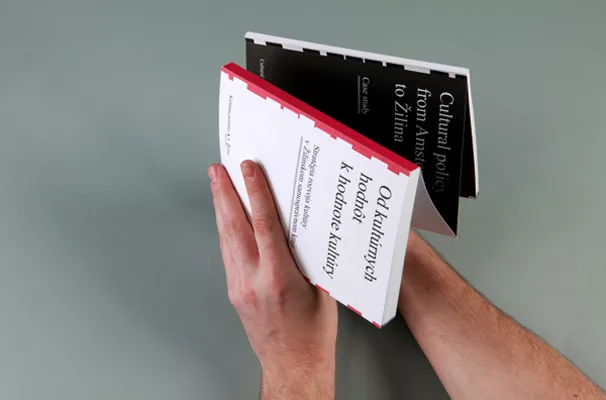
Marcel Benčík serves as Associate Professor and Vice-Rector for International Cooperation at the Academy of Fine Arts and Design in Bratislava, where he heads the Studio Space within the Department of Visual Communication. With over two decades of professional design experience, he bridges academic leadership and creative practice across Central Europe through significant collaborations with cultural institutions including the Slovak National Gallery and architectural studio zerozero. Academic Background ArtD. (Doctorate) from Academy of Fine Arts, Prague (2004-2007) under Assoc. Prof. Pavel Choma Master's Degree from Academy of Fine Arts, Bratislava (2002-2004) Bachelor's Degree from Academy of Fine Arts, Bratislava (1998-2002) Benčík's research focuses on the intersection of communication design with architectural spaces, where he explores how visual systems enhance user experience in cultural institutions. His work demonstrates particular innovation in exhibition design and spatial navigation systems, often integrating traditional graphic elements with digital interfaces to create cohesive visitor journeys that serve both functional and aesthetic purposes. His award-winning projects include the Balustrade on the Parish Stairs in Žilina (2016 National Award winner) and Kasárne/kulturpark Košice's visual communication system. Recent outputs through 2024 show continued exploration of intermedia museum concepts and urban design interventions that respond to contemporary social contexts while maintaining strong visual identities. Selected Honors National Award for Communication Design (Experimental Design Category, 2016) Multiple National Design Awards (2020, 2021) Dušan Jurkovič Award for Architectural Integration Polish Design Award for International Collaboration The Most Beautiful Book of Slovakia recognition As Studio Space manager, Benčík mentors students in thesis development while leading international collaborations through G4 network and Design Weekend Bratislava. His academic service includes jury participation for design competitions across Europe and opposition roles at Polish and Czech institutions, demonstrating significant contribution to regional design education standards.
Eva Miškovičová is an Assistant Professor and Head of the Department of Music Theory and Academic Subjects at the Faculty of Music and Arts, Academy of Performing Arts in Bratislava. She holds a PhD and teaches courses such as Music Theory Practices, Analysis of Works of Art, and Thesis Seminars for bachelor's and diploma programs. Her academic work focuses on music theory, art analysis, and academic pedagogy. Dr. Miškovičová is actively involved in the faculty's administrative roles, contributing to departmental leadership and curriculum development. Her teaching emphasizes practical music analysis and scholarly research methodologies. No publications or awards are explicitly listed in the provided information, but her role suggests ongoing contributions to music education and theoretical studies. She maintains contact via eva.miskovicova@aku.sk for academic inquiries.
Patrik Voštinár is an Assistant Professor at the Department of Computer Science , Faculty of Natural Sciences , Matej Bel University . Holding a PhD in Applied Computer Science from the same university (2014-2017), he teaches courses in Programming , Discrete Mathematics , Web Technologies , and Android Programming . As department head and study advisor, he actively shapes academic programs and student experiences. Matej Bel University (2017-present) Department of Computer Science Faculty of Natural Sciences His research focuses on computer science education and educational technology , with particular emphasis on: VR/AR applications in teaching Game-based learning environments Microcontroller programming pedagogy Mobile application development education Physical computing tools for K-12 Adaptive learning interfaces His work with MakeCode , micro:bit , and EEG-controlled games demonstrates innovative approaches to programming education. He has received multiple eLearning competition awards for educational courseware development. Heart on the palm (Project of the year 2019) 2nd price in eLearning competition (2023) for Discrete Mathematics course Price of České společnosti pro systémovou integraci (2023) for Web Technologies 1st price in eLearning competition (2023) for Geometry Didactics Voštinár actively contributes to academic communities through: Membership in DIDINFO conference program (since 2017) Editorial Board member of Elementary Mathematics Education Journal Organizing workshops for primary/secondary students Popularizing informatics through extracurricular programs
Vladimír Siládi, PhD, serves as Assistant Professor and Head of the Department of Computer Science at Matej Bel University in Banská Bystrica, Slovakia, where he has held academic positions since 1995. His current roles include Project Coordinator for the Virtual University initiative and Registration Authority for SlovakGrid, with prior experience as a part-time Assistant Professor at Slovak University of Technology. Educational Background: PhD in Computer Science, Slovak University of Technology in Bratislava (1997-2007) Master's in Theology, Comenius University in Bratislava (2003-2008) Master's in Secondary Education and Teaching (cum laude) and PaedDr. (EdD), Matej Bel University (1988-1993, 2005) High School Diploma, GMN Banská Štiavnica (1984-1988) His research centers on Grid Computing architectures , parallel processing techniques , and security frameworks for distributed systems . Specialized expertise includes GPU-accelerated algorithms for NP-hard problems, trust models in ad hoc grid environments, and cloud-based educational platforms. His interdisciplinary work bridges computer science with environmental modeling and psychological applications through virtual reality systems. Publication analysis reveals a consistent focus on computational optimization across 12 major works (2006-2014), with recent contributions emphasizing trust intersection models for decentralized grids (2012-2013) and cloud-based educational infrastructure (2013). Earlier works established foundations in GPU-accelerated network topology optimization and genetic algorithms for irregular systems (2006-2010). Scientific Awards: No awards documented in source materials Project leadership includes the Virtual University of Matej Bel University (ITMS 26110230077) coordinating 85 team members across 280 courses, plus TEMPUS-FLACE distance learning development (1998-2000). His registration authority role for SlovakGrid since 2009 supports national research infrastructure. Departmental leadership involves managing the Computer Science team while teaching core courses in algorithms, grid technologies, and GPU programming, maintaining consultation hours for student engagement.
Jana Fortes is a Lecturer at the Faculty of Electrical Engineering and Informatics, Technical University of Košice, Slovakia. She teaches Applied Statistics, Cryptography, and Mathematics courses, including Numerical Mathematics and Probability and Statistics. Her research focuses on signal processing for localization and tracking systems using Ultra-Wideband (UWB) radar and sensor networks. Teaching: Applied Statistics, Cryptography, Mathematics I/II, Numerical Mathematics, Probability and Statistics, Mathematics Tutoring Research: UWB radar signal processing for person localization and tracking, software development (MATLAB, LabVIEW), cluster analysis for movement detection. Publications: Recent work includes studies on 2D/3D localization algorithms, UWB sensor system implementations, and mathematical analyses of graph crossing numbers. Contact: Email: jana.fortes@tuke.sk , Room N32 615, Phone: +421 55 602 3252.
Prof. Peter Adamišin is a Professor and Vice-Rector for Strategy and Marketing at the University of Prešov's Faculty of Management and Business. He holds a Ph.D. in Management and has been a full Professor since 2022. His academic career includes roles as an Associate Professor (2009) and Engineer (1998). He specializes in Environmental Economy and Management, focusing on sustainable development, environmental projects, and regional policy. Education: He earned his engineering degree from the Slovak University of Agriculture in Nitra (1998) and completed pedagogical qualifications there in 2001. His research spans environmental project management, sustainable development metrics, and the economic implications of environmental policies. Research Interests: Adamišin's work centers on environmental management, sustainable development strategies, and the integration of environmental policies with economic frameworks. He has led over 6 domestic and 14 international research grants, emphasizing environmental project funding and regional disparities. Awards: He has received prestigious medals from the University of Prešov (Gold, 2021; Silver, 2016; Bronze, 2015) and Rector's Awards (2012, 1998). His research addresses environmental infrastructure, climate change mitigation, and the economic viability of green energy. Grants and Advising: He has coordinated major grants focusing on environmental project financing, sustainable agriculture, and regional economic analysis. His advising focuses on environmental economics and management practices. Labs/Teams: While no specific labs are named, he collaborates with interdisciplinary teams in environmental policy, sustainable development, and economic modeling across the Faculty of Management and Business.
Prof. Ing. Eva Cihelková, CSc. is a distinguished Professor at the Institute of International Business , Faculty of Economics and Business, Slovak University of Applied Sciences. She serves as Guarantor/co-guarantor of study programs and Chairwoman of the Council for Strategic Management of Study Programs. Her expertise spans world economy dynamics , regional integration , EU external relations , governance frameworks , and comparative methodology . Research Focus: Long-term global economic trends, regionalism, EU governance, and comparative economic analysis. Key Publications: Authored 15+ works on EU-China strategic partnerships, NAFTA impacts, and global governance challenges. Email: cihelkovae@gmail.com