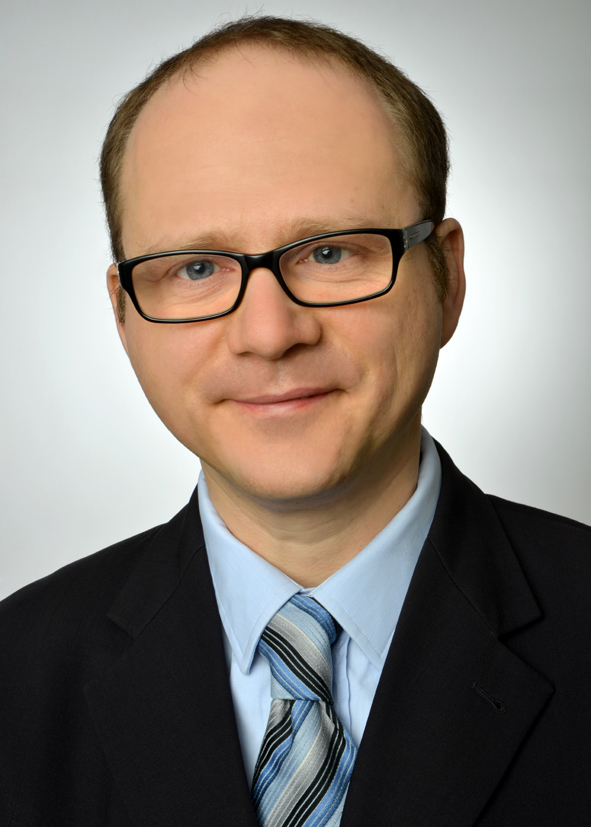
Bahador BahramiView profile
Assistant Professor
Dr. Bahador Bahrami serves as an ERC Group Leader and junior faculty member at the Graduate School of Systemic Neurosciences (GSN), affiliated with the Chair of General and Experimental Psychology within the Faculty of Psychology and Educational Sciences at Ludwig Maximilian University of Munich. Previously associated with the Munich Center for Neurosciences (MCN), his current research integrates psychological, neurobiological, and computational approaches to investigate human interactive behavior. His primary research interests center on the cognitive and neurobiological mechanisms of social decision-making, with emphasis on collective intelligence, confidence calibration, influence dynamics, and consensus formation. Utilizing behavioral experiments, fMRI neuroimaging, and psychopharmacology, his work examines how humans share information and negotiate during joint decisions, particularly investigating biases like equality distortion and vulnerability to disinformation in group contexts. The lab actively explores neural substrates of social influence and human-AI collaborative decision-making. Analysis of his 2015-2021 publications reveals a consistent trajectory examining social influence mechanisms across behavioral, neural, and computational domains. Key themes include the neural basis of strategic advice-giving, cultural universality of decision biases, exploitation vulnerabilities in human-AI systems, and disinformation's impact on social influence competition. His work demonstrates interdisciplinary integration of psychology, neuroscience, and game theory to model collective cognition. Scientific recognition includes: ERC Group Leader award supporting his independent research program Dr. Bahrami supervises graduate researchers including Jamal Esmaily, with his ERC-funded laboratory enabling comprehensive investigation of interactive decision-making. His research program combines theoretical modeling with multimodal empirical approaches, securing significant European funding for exploring the biological foundations of social cognition. Current projects examine neural correlates of influence reciprocity and algorithmic exploitation in human-machine teams. He leads an active research group at LMU Munich investigating crowd cognition dynamics, with laboratory facilities supporting behavioral testing, fMRI studies, and computational modeling of social interactions. The team maintains international collaborations across neuroscience and decision science domains, focusing on translating fundamental research into understanding real-world collective behavior in digital and social environments.