Katrin Meyer serves as an Adjunct Professor and Senior Teaching and Research Assistant in Gender Studies at the University of Zurich, where she concurrently holds the position of Academic Coordinator for the Gender Studies Doctoral Program. She additionally maintains a role as private lecturer in Philosophy at the University of Basel since 2012. Her academic formation includes studies in Philosophy, German Literature, and Church History across Basel, Berlin, and Paris institutions. Key milestones in her educational trajectory: PhD completion in 1997 with dissertation on Friedrich Nietzsche's works Post-doctoral research specializing in power theories from Michel Foucault to Hannah Arendt Dr. Meyer's scholarly focus centers on critical gender and political frameworks, with particular emphasis on: Feminist political theory and social philosophy foundations Democratic theory evolution including republicanism and women's suffrage movements Intersectionality applications across social systems Analysis of power structures, violence mechanisms, and gendered sovereignty concepts Contemporary migration studies intersecting with security paradigms Her professional journey encompasses significant administrative roles including coordinator of the Swiss Gender Studies Network (2005-2017), research positions at the University of St. Gallen (2002-2005), and prior engagement with the Swiss National Foundation.
Dmitry Vetrov serves as a Professor of Computer Science at Constructor University in Bremen, where he founded and leads the Bayesian Methods Research Group. His academic foundation includes graduation from Moscow State University in 2003 and completion of his PhD in 2006, establishing a career centered on advancing probabilistic machine learning methodologies. His educational trajectory features: Undergraduate studies at Moscow State University (2003) Doctoral degree (PhD, 2006) Vetrov's research program critically bridges Bayesian statistics with deep learning architectures, with his group pioneering efficient diffusion model algorithms, loss landscape characterization in neural networks, scalable stochastic optimization tools, tensor decomposition applications for large-scale ML systems, and enhanced conditional text generation frameworks. This work manifests practical implementations across generative AI domains while maintaining theoretical rigor in probabilistic modeling. Analysis of his 2024-2025 publications reveals a concentrated research thrust toward diffusion model innovation, spanning text generation (token embedding smoothing, language model encoding properties), image synthesis (hair transfer, gesture generation), and scientific applications (protein modeling, genetic fine-mapping). Key thematic threads include sampler acceleration, theoretical property analysis of diffusion processes, and robust evaluation frameworks for generative systems. No scientific awards were documented in the source materials. Mentorship outcomes demonstrate significant impact, with three recent PhD students securing research positions at DeepMind. While specific grant details remain undisclosed, the group's prolific output across NeurIPS, ICML, and CVPR indicates sustained research funding. The Bayesian Methods Research Group operates as an integrated innovation hub within Constructor University's academic ecosystem. The research collective he directs maintains active development of Bayesian-deep learning fusion techniques, with current projects emphasizing diffusion model efficiency, theoretical foundations of optimization landscapes, and cross-domain applications in computational biology and multimodal generation.
Dr. Kevin J Liang is a Research Scientist at Meta Platforms, Inc. , specializing in Deep Learning , Computer Vision , and 3D Reconstruction . He earned his PhD in Electrical & Computer Engineering from Duke University in 2020, with a dissertation on Deep Automatic Threat Recognition for Airport X-Ray Baggage Screening . His research focuses include: 3D Computer Vision (ICON, Fast3R) Few-Shot Learning (Sylph, HyperMix) Federated Learning (WAFFLe) Object Detection (EgoTracks, Self-Supervised Methods) Recent publications demonstrate his leadership in Egocentric Vision (Ego-Exo4D) and Transformer Applications (GliTr). He has received numerous awards including the E Bayard Halsted Fellowship (2017) and Summa cum laude (2015), and serves on program committees for major conferences like NeurIPS and CVPR . As an educator, he developed and taught tutorials for Duke University's Machine Learning School and Coursera courses, covering TensorFlow, PyTorch, and foundational ML concepts for over 600 students.
Kerstin Bach is a Professor in Artificial Intelligence at the Norwegian University of Science and Technology (NTNU), where she serves as Director of the Norwegian Open AI Lab and Research Director of the Norwegian Research Center for AI Innovation (NorwAI). She also holds the position of Deputy Head of the Data and Artificial Intelligence group within NTNU's Department of Computer Science. Her leadership extends to multiple national AI initiatives that bridge industry and academia in Norway. Dr. Bach earned her Dr. rer. nat. (summa cum laude) in Computer Science from the University of Hildesheim, Germany in 2012. Prior to joining NTNU in 2015, she worked as a researcher at the German Research Center for AI (DFKI) and as both a research scientist and software engineer at Verdande Technology, an AI startup developing case-based reasoning technology for various industries. Her research focuses on developing AI methods that combine reasoning, context-awareness, and interpretability to support complex, knowledge-intensive decisions. She specializes in case-based reasoning, explainable AI, and human-AI interaction, with particular emphasis on healthcare applications. Her work explores how to build transparent AI systems that work across domains and are grounded in real-world use cases, especially in medical decision support and patient-centered care. Analysis of her recent publications reveals a strong focus on applying AI to healthcare challenges, particularly musculoskeletal pain management through the selfBACK project. Her research spans human activity recognition, explainable AI methods, clinical decision support systems, and reinforcement learning applications. A consistent theme is the development of trustworthy AI systems that maintain interpretability while addressing complex healthcare problems. Dr. Bach actively mentors students and has established FEMAIS, a mentorship program for aspiring female AI students. She serves on the boards of both the Norwegian AI Society and the German AI Society, demonstrating her commitment to advancing the field and promoting diversity in AI. She leads multiple interdisciplinary projects funded by the Norwegian Research Council and NTNU, focusing on AI-driven healthcare services. Her leadership in the Norwegian Open AI Lab involves organizing events, giving talks, and participating in panels to discuss AI research with both professionals and the public.
Michel Besserve is a Full Professor in the Department of Empirical Inference at the Max Planck Institute for Intelligent Systems in Tübingen, Germany. His research bridges artificial intelligence, causal inference, and neuroscience to develop trustworthy and interpretable AI systems for understanding complex phenomena in artificial, physical, and socioeconomic systems. Dr. Besserve completed his PhD dissertation titled Analyse de la dynamique neuronale pour les Interfaces Cerveau-Machine : un retour aux sources at Université Paris-Sud 11 in November 2007. His academic journey has led him to become a leading researcher in causal machine learning, collaborating extensively with Bernhard Schölkopf and other prominent scientists in neuroscience and AI. Professor Besserve's research centers on causal machine learning, with a focus on understanding and anticipating changes in complex systems. He investigates principles like the Independence of Causal Mechanisms (ICM) to improve causal model identifiability and develop more robust AI. His work spans theoretical foundations of causal inference to practical applications in neuroscience, brain function analysis, and socioeconomic systems. He has made significant contributions to understanding brain networks through causal inference and machine learning, with publications in major journals including Nature, PLOS Biology, and Neuron. His publication record reveals a clear trajectory from theoretical causal inference toward developing frameworks for real-world applications. Recent work focuses on building Causal Computational Models (CCMs) that integrate data, domain knowledge, and causal structure to improve robustness and interpretability of complex system models. His research shows increasing integration of causal machine learning with applications to neuroscience and socioeconomic systems, particularly in developing causal AI that can address real-world complexity while producing interpretable outcomes for decision makers. Through his leadership in the Department of Empirical Inference, Professor Besserve has established a research program that bridges theoretical machine learning with practical applications in neuroscience and complex systems. His team develops novel causal machine learning tools that uncover internal structure and transformations of complex systems, with potential applications ranging from brain function analysis to sustainable economic modeling.
Matteo Castiglioni is an assistant professor (RTD-A) at the Department of Electronics, Information and Bioengineering (DEIB) at Politecnico di Milano. He received his PhD in computer science from the same institution under the supervision of Prof. Nicola Gatti. His academic career spans multiple teaching roles across various programs at Politecnico di Milano. Castiglioni's research focuses on the intersection of artificial intelligence, algorithmic game theory, and multi-agent systems. He specializes in combining machine learning techniques with economic paradigms to build strategic agents capable of operating in complex multi-agent environments. His work addresses fundamental challenges in contract theory, mechanism design, and strategic decision-making under uncertainty. His publication record shows a clear trajectory toward increasingly sophisticated models that integrate learning with strategic behavior. Recent papers demonstrate expertise in constrained optimization, regret minimization, and handling both stochastic and adversarial environments. His work bridges theoretical computer science with practical applications in economics and market design. Castiglioni has taught across multiple academic levels including B.Sc., M.Sc., and Ph.D. programs. He has served as both professor and teaching assistant for courses in Game Theory, Online Learning Applications, and Computer Science and Engineering programs.
Vadym Yermolayev serves as a Professor at the Department of Computer Science and Information Technology within the Faculty of Applied Sciences at Ukrainian Catholic University (UCU). He leads UCU's PhD program in Intelligent Systems and holds an Honorary Professorship at Kherson State University. His academic work focuses on semantic technologies, ontology engineering, and knowledge graph construction, with active participation in international research projects and organizations like ACM and ELLIS. Professor of Semantic Technologies Head of PhD Program in Intelligent Systems Honorary Professor at Kherson State University Member of ACM and ELLIS Research Interests span semantic technologies, ontology engineering, and knowledge representation, with applications in education, industrial analytics, and anti-corruption systems. His work integrates machine learning with formal knowledge modeling and develops frameworks for knowledge ecosystem dynamics. Scientific Contributions include leading research groups at Zaporizhia National University and collaborating on European Commission-funded projects. He has published extensively in ICTERI conference proceedings and developed methodologies for terminology saturation analysis and ontology alignment. Honorary Professor at Kherson State University Member of ACM (Association for Computing Machinery) Member of ELLIS (European Laboratory for Learning and Intelligent Systems) Professional Involvement includes external expert roles for European Commission programs (FP6, FP7, H2020) and industrial consulting with Cadence Design Systems GmbH.
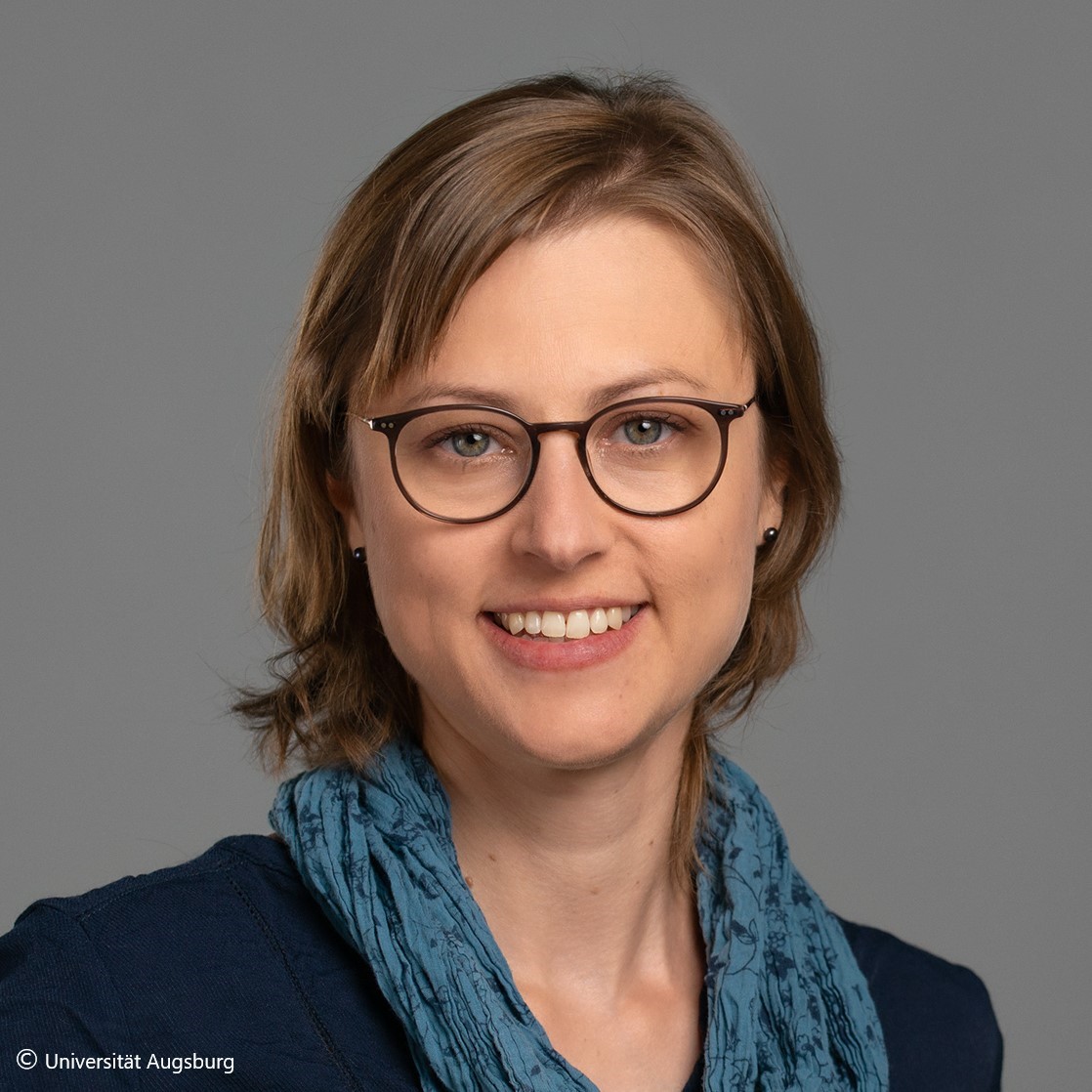
Annemarie Friedrich is a tenured University Professor for Natural Language Understanding (Computational Linguistics) at the Faculty of Applied Computer Science, University of Augsburg. She also holds membership in the Faculty of Philology and History. Previously, she worked as a Senior Expert on Natural Language Processing and Computational Linguistics at the Bosch Center for Artificial Intelligence. Currently, she serves as president of the German Society for Computational Linguistics (GSCL), the primary scientific association for NLP research in German-speaking regions, and is a member of the ACL Special Interest Group for Annotation (ACL SIGANN). University: University of Augsburg School: Faculty of Applied Computer Science Department: Institute of Computer Science Position: University Professor (tenured) for Natural Language Understanding Professor Friedrich's research focuses on computational linguistics and natural language processing with emphasis on semantics and information extraction from text. Her work spans both machine-learning oriented approaches to text mining for scientific text, syntactic and semantic parsing, and uncertainty in deep learning for NLP, as well as corpus-linguistic research on syntax-semantics interface, discourse, pragmatics, aspect, genericity, and modal verbs. She has particular expertise in annotation and corpus creation, recognizing that machine learning models depend fundamentally on underlying data quality. Her research group at Augsburg actively contributes to computational linguistics through numerous publications and datasets. Analysis of Professor Friedrich's recent publications reveals a strong focus on table question answering, patent text processing, uncertainty modeling, and multimodal scientific document understanding. Her work consistently bridges theoretical linguistics with practical NLP applications, with increasing emphasis on robust evaluation methodologies and domain-specific adaptations of language models. Notably, her research group has produced significant resources including the AnnoCTR dataset for cyber threat reports, PAP2PAT for patent generation, and FREB-TQA for evaluating table QA robustness. Professor Friedrich actively mentors multiple PhD students working on diverse topics including document-level patent processing (Valentin Knappich), temporal processing (Timo Schrader), document-level text modeling (Wei Zhou), and topic modeling for digital forensics (Jenny Maria Felser). Her collaborative approach is evident in co-supervision arrangements with researchers from institutions including Bosch Center for Artificial Intelligence, TU Dresden, and Hochschule Mittweida. She has also successfully guided previous PhD students including Sophie Henning (Uncertainty Modeling), Stefan Grünewald (Syntactic Dependencies), and Subhash Pujari Chandra (Neural Patent Classification). Her teaching responsibilities include courses such as Introduction to Natural Language Processing, Introduction to Python Programming, and specialized seminars on Natural Language Understanding for both Bachelor's and Master's students. These courses reflect her commitment to both theoretical foundations and practical implementation skills in computational linguistics.
Giovanni Iacca is an Associate Professor at the Department of Information Engineering and Computer Science (DISI) of the University of Trento, Italy, where he leads the Distributed Intelligence and Optimization Lab (DIOL). He serves as Coordinator of the Master's Degree in Computer Science and Deputy Director of the Information Engineering and Computer Science Doctoral School. Dr. Iacca has over 15 years of industrial experience in mechatronics and optimization applied to engineering, logistics, and scheduling. Dr. Iacca received his PhD in 2011 from the University of Jyväskylä, Finland, and his MSc in 2006 from the Technical University of Bari, Italy. His academic career includes: 2021-present: Associate Professor, University of Trento 2018-2021: Tenure-track Assistant Professor, University of Trento 2017-2018: Postdoc, RWTH Aachen University, Germany 2013-2016: Postdoc, EPFL and University of Lausanne, Switzerland 2012-2016: Postdoc, INCAS³, The Netherlands Dr. Iacca's research bridges fundamental and applied aspects of artificial intelligence with particular emphasis on evolutionary computation and explainable AI. His work spans machine learning, optimization techniques, distributed systems, and their practical implementations. Recent research directions include federated learning, interpretable reinforcement learning, neural architecture search, and optimization for resource-constrained environments. He teaches courses on Computer Architectures, Introduction to Machine Learning, Bio-Inspired Artificial Intelligence, Optimization Techniques, and AI in Medicine. His publication record demonstrates a strong trend toward developing transparent and efficient AI systems. Recent papers focus on making complex AI models more interpretable while maintaining performance across diverse domains from healthcare to supply chain management. His work on evolutionary approaches to explainable AI has gained significant recognition in the computational intelligence community. Scientific Awards and Editorial Roles EvoApplications Best Paper Award (2017) UKCI AWARENESS Best Paper Award (2012) IEEE CIS Outstanding Student-Paper Award (2011) IEEE Senior Member (2023) Associate Editor, Evolutionary Intelligence (2024) Editorial Board Member, Memetic Computing (2024) Associate Editor, IEEE Transactions on Evolutionary Computation (2023) Dr. Iacca has successfully supervised multiple PhD students including Andrea Ferigo, Hyunho Mo, and Leonardo Lucio Custode. His research is supported by various grants and collaborations with industry partners like MyAv. He serves as chair for PPSN 2026 and has organized workshops including the Workshop on Awareness and Consciousness in Artificial Intelligence (ACAI). As leader of the Distributed Intelligence and Optimization Lab (DIOL), Dr. Iacca oversees a research team working at the intersection of evolutionary computation, machine learning, and distributed systems. The lab focuses on developing novel algorithms that balance computational efficiency with interpretability, with applications spanning from embedded systems to large-scale distributed computing environments. Current projects include interpretable reinforcement learning, federated neuroevolution, and optimization for edge computing.
Filip Ilievski serves as an Assistant Professor of Commonsense AI (Sr.) at Vrije Universiteit Amsterdam, where he leads the Learning and Reasoning Group. He holds additional affiliations as an Affiliated Scientist at USC Information Sciences Institute and Amsterdam Sustainability Institute, and serves as Scientific Coordinator of the Digital Sustainability Institute (DiSC). His academic journey includes a PhD from Vrije Universiteit Amsterdam (2015-2019), research positions at USC (2019-2023), and a research visit to Carnegie Mellon University (2017). Dr. Ilievski's research focuses on advancing human-centric AI with common sense for social good applications. His work spans three interconnected areas: commonsense reasoning (including situational awareness, numeracy, and modeling of other agents), analogy and abstraction (studying cognitive generalization mechanisms through narratives and lateral thinking puzzles), and AI for social good (interpreting complex online media like internet memes and developing knowledge-based solutions for sustainable policies). He employs neuro-symbolic methods including prototype-based networks, combining LLMs with deterministic engines, and reasoning with scene knowledge graphs to create robust, interpretable AI systems. His publication record shows a strong trend toward multimodal reasoning and practical applications of commonsense AI, particularly in understanding internet memes, developing sustainable AI solutions, and creating robust evaluation frameworks like the MARVEL benchmark. Recent work increasingly integrates cognitive theories with neural architectures to address limitations in current foundation models, with particular emphasis on explainability and cultural context awareness. Best Student Paper Award at K-CAP for 'Knowledge-enhanced Agents for Interactive Text Games' Best Paper and Best Presentation Award at Workshop on Multimodal Content Analysis for Social Good (MM4SG) Book 'Human-Centric AI with Common Sense' published in Springer Nature Synthesis series Dr. Ilievski actively supervises a growing team of PhD students and postdocs, with current projects focusing on visual commonsense reasoning, meme semantics, analogical abstraction, multimodal alignment, and architectures for human-centric AI. His Digital Sustainability Institute (DiSC) coordinates research on knowledge-driven AI for sustainable policies, while his Situated AI minor program develops next-generation AI education. He maintains active collaborations with institutions including USC, CMU, RPI, University of Lyon, UvA, University of Bielefeld, and industry partners like Bosch Research, NEC Labs, Merit Technologies, and Tencent.
Prof. Dr. Susanne Hadorn is a co-head of the Institute for Nonprofit and Public Management at the University of Applied Sciences and Arts Northwestern Switzerland (FHNW). Her work focuses on policy implementation, evidence-based governance, and network management in public health contexts. Institute: Nonprofit and Public Management (FHNW) Key Research Areas: Policy compliance, collaborative governance, public health program evaluation Notable Projects: Cannabis pilot trials evaluation, smoking prevention policy analysis Contact: susanne.hadorn@fhnw.ch Her recent publications emphasize the complexities of implementing policies across multiple stakeholders, particularly in crisis situations and public health domains. She investigates how network structures, managerial practices, and political engagement influence implementation effectiveness. The article trends reveal a consistent focus on evidence-based policymaking, cross-agency collaboration in health initiatives, and adaptive management strategies. Her work spans qualitative case studies (e.g., Swiss smoking prevention programs) and comparative analyses across European countries.
Prof. Dr. Sebastian Leidel is a Full Professor of RNA Biochemistry at the Department of Chemistry, Biochemistry and Pharmaceutical Sciences (DCBP) at the University of Bern, where he leads a research group focused on RNA modifications and their biological functions. He is also affiliated with the Multidisciplinary Center for Infectious Diseases (MCID) at the University of Bern and is part of the Swiss National Focus in Research on RNA & Disease jointly hosted by the University of Bern and the ETH Zürich. His educational background includes: Undergraduate studies in Protestant Theology (1991-2001) at University of Siegen, University of Marburg, Hebrew University Jerusalem and Heidelberg University Diploma studies in Biology (1996-2001) at Heidelberg University Diploma Thesis with Hans Schöler at the University of Pennsylvania (2000-2001) on "Induced Expression of Oct4 in Embryoid Bodies" PhD Thesis with Pierre Gönczy at the Swiss Institute for Experimental Cancer Research, Lausanne (2001-2005) on "Centrosome duplication in Caenorhabditis elegans: The role of sas genes" Prof. Leidel's research centers on RNA biochemistry, particularly focusing on chemical modifications of RNA nucleotides. His work investigates how these modifications affect cellular processes, development, and disease. His laboratory employs diverse model organisms ranging from yeast to zebrafish and human cell cultures, utilizing advanced techniques such as ribosome profiling and RNA mass spectrometry. His research has significant implications for understanding fundamental biological processes and developing potential therapeutic approaches for diseases including cancer and infectious diseases. Analysis of Prof. Leidel's recent publications reveals a strong focus on tRNA modifications and their roles in various biological processes. His work spans from fundamental enzymology of modification pathways to the physiological consequences of these modifications in development, disease, and pathogen virulence. A notable trend is the exploration of how RNA modifications influence translation dynamics, mRNA stability, and cellular stress responses, with implications for cancer biology and infectious disease mechanisms. His notable scientific achievements include: ERC Starting Grant (2012) James Heineman Research Award for Outstanding Research Achievements (2016) Prof. Leidel has established a productive research program with numerous collaborative projects. His work on RNA modifications has led to significant insights into how these molecular changes affect cellular function, with particular emphasis on the URM1 pathway and tRNA modifications. His research group has developed innovative methodologies for studying RNA modifications and their functional consequences, contributing to both basic science and potential clinical applications. He has secured competitive funding including an ERC Starting Grant, demonstrating the significance and innovation of his research program. Prof. Leidel leads a research group at the University of Bern that is part of the Multidisciplinary Center for Infectious Diseases and the Swiss National Focus in Research on RNA & Disease. His laboratory brings together expertise in biochemistry, molecular biology, and advanced analytical techniques to tackle questions about RNA modifications. The group collaborates extensively with other researchers both within the University of Bern and internationally, forming a dynamic team focused on advancing our understanding of RNA biology.
Prof. Dr. med. Nicola Low, MSc FFPH is a Professor of Epidemiology and Public Health at the University of Bern's Institute of Social and Preventive Medicine (ISPM). She serves as Chair of the Epidemiology Cluster, Co-Lead of the BEready Cohort, and Director of Research at ISPM. Her academic career spans over two decades with previous appointments at the University of Bristol and King's College London. University of Bern: Professor of Epidemiology and Public Health (2010-present) University of Bristol: Consultant Senior Lecturer in Epidemiology and Public Health Medicine (2001-2005) King's College London: Specialist Registrar in Genitourinary Medicine (1993-1998) Prof. Low's research focuses on the epidemiology and prevention of sexually transmitted infections (STIs), HIV, and vaccine preventable diseases. She specializes in evaluating STI screening programs, mathematical modeling of disease transmission, and conducting systematic reviews. Her work extends to pandemic preparedness through the BEready Cohort study involving 1,500 households in the canton of Bern, and she leads significant research on mpox (monkeypox) outbreaks in the Democratic Republic of Congo. She also serves as Deputy Editor of the journal Sexually Transmitted Infections . Her recent publications demonstrate a strong focus on emerging infectious disease threats, particularly mpox outbreaks in Africa and bacterial STIs among high-risk populations. The research shows a clear trend toward investigating transmission dynamics of emerging pathogens, antimicrobial resistance patterns in STIs, and innovative approaches to surveillance and control. Her work spans multiple continents with significant collaborations in Switzerland, South Africa, the Democratic Republic of Congo, and the UK. Prof. Low leads the Sexual and Reproductive Health Research Group at ISPM, which investigates sexually transmitted infections, reproductive tract infections, sexuality, sexual behavior, and contraception. Her team includes several PhD students and postdoctoral researchers working on various aspects of infectious disease epidemiology. BEready Cohort: Large-scale pandemic preparedness study in Bern Zika Open Access Project: Research on Zika virus causality and transmission LUSTRUM Project: Limiting Undetected Sexually Transmitted Infections to Reduce Morbidity WANTAIM Trial: Point-of-care testing for STIs in Papua New Guinea to improve birth outcomes Her research program includes extensive collaborations with institutions worldwide including the Dutch National Institute of Public Health, Kirby Institute (Australia), Swiss Federal Office of Public Health, University College London, University of Melbourne, and the World Health Organization. She has supervised multiple PhD students and leads several major research initiatives focused on improving sexual and reproductive health outcomes globally.
Prof. Dr. Andrew Macpherson is a leading academic at the University of Bern , serving as Head of Research Group at the Department of Biomedical Research (DBMR) and Director of Gastroenterology at Inselspital. His work bridges Multidisciplinary Center for Infectious Diseases (MCID) and One Health initiatives. Dr. Macpherson's research focuses on: Microbiota-Host Interactions Gut Immunology (Th17 cell differentiation, B cell repertoire shaping) Intestinal Epithelial Stress (ER stress, ROS signaling) Recent publications in Nature , Science , and Immunity analyze microbial fitness, sentinel cell technologies, and cross-organ system microbiota effects. His team received multiple scientific awards : Per Brandtzaeg Distinguished Achievement Award SGG Gastroenterology Research Award Johanna Dürmüller-Bol DBMR Award Mentorship highlights include advising Ziad Al Nabhani (ERC grant) and Stephanie Ganal-Vonarburg (Peter Hans Hofschneider Professorship). The lab employs sterile mouse models and transcriptional recording technologies to study microbiota dynamics and therapeutic interventions like fecal transplantation .
Nicole A. Mathys is a Full Professor at the Institute of Economic Research, University of Neuchâtel, specializing in environmental, energy, transport, and territorial development economics. She teaches Environmental Economics at the Master's level and conducts research on economic sustainability, policy evaluation, and spatial dynamics. Her academic background includes: BA in Political Economy from the University of Neuchâtel (with Erasmus exchange at the University of East Anglia, UK) PhD in Economics from the University of Lausanne (2007), dissertation: "Five Essays in Trade and the Environment and Economic Geography" Professor Mathys' research centers on carbon taxation, waste management, transportation behavior, and energy transitions using empirical and spatial analysis methods. Her work connects economic activity with environmental outcomes, emphasizing Swiss policy contexts while contributing to global debates on trade and environment. Recent publications reveal a strong focus on transportation systems and energy transitions, analyzing travel behavior, carbon pricing mechanisms, and long-term scenarios for Swiss decarbonization. Key themes include policy instrument effectiveness, behavioral responses to environmental regulations, and spatial distribution of economic activities. Scientific awards: None mentioned in the provided text. She has led major research initiatives including the "Energy-Economy-Society" program at the Swiss Federal Office of Energy and currently coordinates research and innovation at the Federal Office for Spatial Development, bridging academic research with practical policy application. As head of the Bases section at the Swiss Federal Office for Spatial Development, she leads a team developing spatial development statistics and economic analyses, serving as the office's competence center for economic research and evaluation.