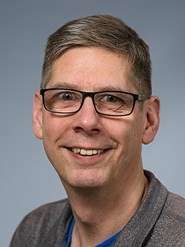
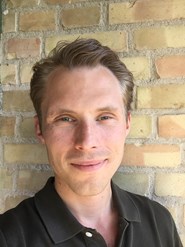
Per Hammarström is an Associate Professor in History at the Department of Humanities and Social Sciences, Mid Sweden University, based on the Sundsvall campus (Room M413). He holds a PhD in History from Uppsala University (2007) and has been affiliated with Mid Sweden University since 2010. Education : PhD in History, Uppsala University (2007) Primary Research Areas : Jewish history, minority integration, nationalism, missionary history, religious encounters, anti-Semitism, Jewish-Christian relations, migration studies His work explores Jewish integration in Sweden (1870–1940), Jewish converts to Christianity (19th–early 20th centuries), anti-Semitic and anti-Judaic discourse in Swedish religious movements (e.g., Swedish Israel Mission, Unitarians, low-church revival), and broader themes like racism, minority history, and religious didactics. Recent publications analyze Jewish communities in Gothenburg, conversion narratives, and theological debates in 19th-century Sweden. Hammarström teaches courses on racism history, minority studies, antisemitism, Islamophobia, antigypsyism, and religious didactics within teacher training programs. He has participated in international conferences including the 17th World Congress of Jewish Studies (2017) and Greifswald University's antisemitism studies symposium (2018).
Patrik Johansson is an Associate Professor in Peace and Conflict Studies at Umeå University's Department of Political Science. He coordinates the Program for International Crisis and Conflict Management and focuses on peacebuilding, forced migration, and UN Security Council dynamics. Research Interests: Causes of peace, resilience in post-conflict settings, UN Security Council's use of Chapter VII. International Experience: Worked in EU and UN observer missions in North Macedonia and Palestine.
Susann Baez Ullberg is an Associate Professor and Senior Lecturer in Cultural Anthropology at Uppsala University's Department of Cultural Anthropology and Ethnology. She holds a PhD in Social Anthropology from Stockholm University and is an affiliated researcher at the CNDS Centre of Natural Hazards and Disaster Science. Her work focuses on environmental and disaster anthropology, with a regional emphasis on Latin America, particularly Argentina and Peru. She currently leads the C-URGE project, a Marie Skłodowska-Curie Actions-funded initiative training climate anthropologists across Europe. Her research explores disaster memoryscapes, crisis temporality, and groundwater politics, combining ethnographic fieldwork with interdisciplinary collaborations. Notable projects include studying water infrastructure in Peru's Majes Siguas Project and analyzing recovery processes after wildfires in Sweden. She coordinates Uppsala University's Water Initiative and directs the undergraduate program in Cultural Anthropology. Awarded for her 2013 thesis on Santa Fe's flood management, she supervises three PhD students and contributes to policy-relevant research on climate resilience. Her publications span environmental governance, megaprojects, and the socio-political dimensions of disasters.
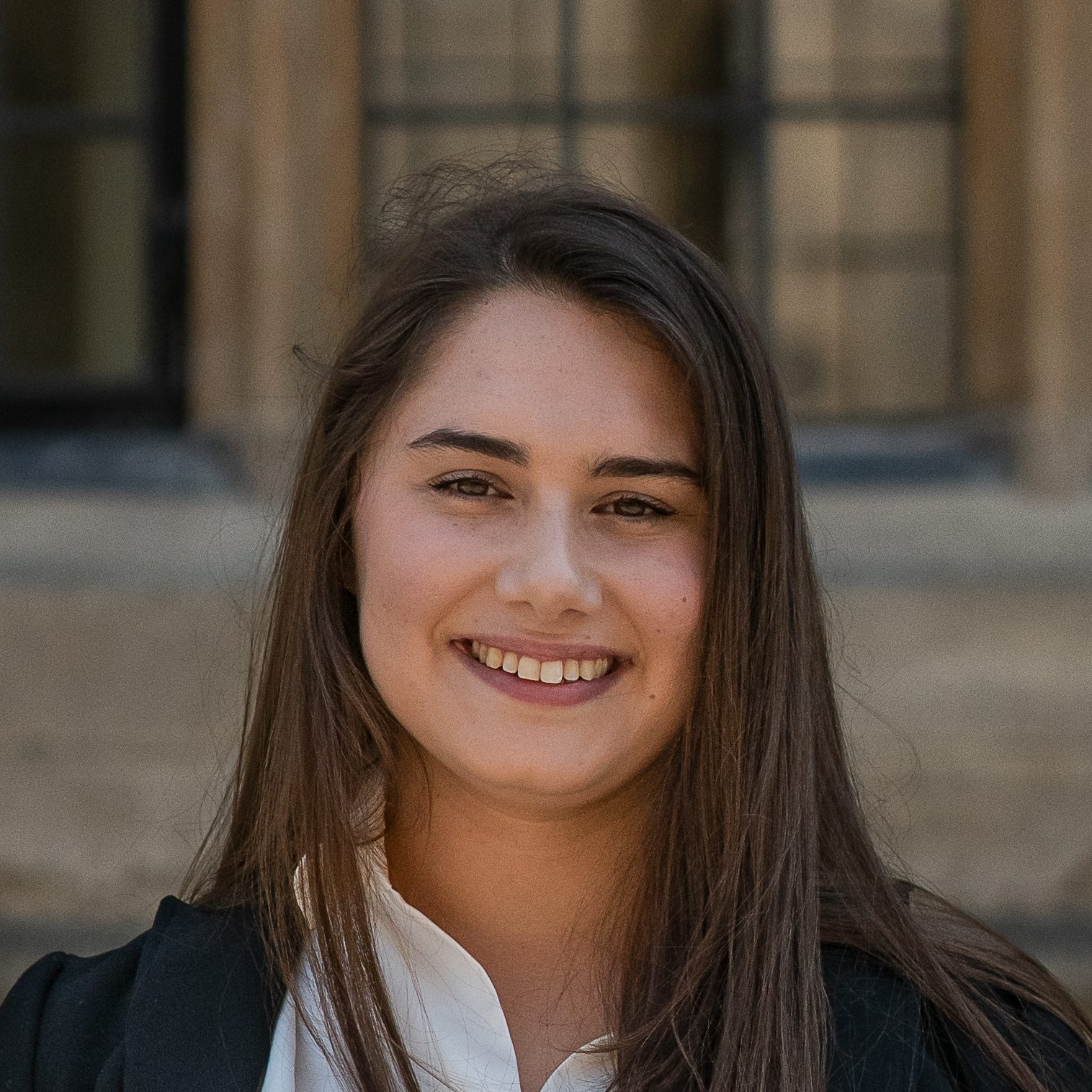
Anna Gautier is an Assistant Professor in the Department of Computer Science at Chalmers University of Technology, affiliated with the Division of Data Science and AI. Previously, she was a Digital Futures Postdoctoral Fellow at KTH Royal Institute of Technology (2023–2025), focusing on mechanism design for multi-robot systems. Her research emphasizes planning under uncertainty, multi-agent systems, and human-robot interaction. She holds a PhD from the University of Oxford (2023), an MSc from the London School of Economics, and dual undergraduate degrees from Washington University in St. Louis. Education Background: PhD in Computer Science, University of Oxford (2023) MSc in Applied Mathematics, London School of Economics BA in Mathematics and BS in Computer Science, Washington University in St. Louis Research Interests: Dr. Gautier explores planning algorithms for multi-agent systems, particularly in uncertain environments. She designs mechanisms to coordinate robots and humans, leveraging game theory and formal methods. Her work addresses challenges like resource allocation, risk-aware decision-making, and trust in autonomous systems. Recent projects include contingency planning for autonomous vehicles and auction-based resource distribution. Professional Activities: She co-chairs the ECAI 2025 Demonstration Track and teaches the course Safe Robot Planning and Control at KTH. Her projects include collaborations with WASP-Nest (PerCorSo) and TECoSA on trustworthy autonomy. She actively publishes in top venues like AAMAS and AAAI. Labs and Teams: Affiliated with Chalmers' Data Science and AI division, she leads research in multi-agent systems and human-AI collaboration.
Sophie Isaksson Hallstedt is a Full Professor at Chalmers University of Technology, conducting research in Sustainable Product Development (SPD) with a focus on strategic sustainability integration in product innovation. She holds appointments at both Chalmers and Blekinge Institute of Technology, and serves on international Design Society committees. Key Research Areas: Strategic socio-ecological sustainability, digital decision support tools, circular value chains, and sustainability in emerging technologies. Notable Projects: SUSTAIN (aerospace sustainability), Circular Design Nexus (user behavior analysis), and Digital Materials Ecosystems. Awards & Recognition: Featured in Royal Swedish Academy of Engineering Sciences (IVA) 100-list (2020, 2023). Publications: Over 80 peer-reviewed works demonstrating methods for sustainability maturity assessment, impact evaluation, and progress visualization. Teaching & Education: Developed master's programs and PhD courses in sustainability-driven product development. Collaborates extensively with industry partners like GKN Aerospace and VINNOVA. Current work examines predictive models for user behavior and sustainability implications of additive manufacturing.
Miroslaw Staron is a Professor of Interaction Design and Software Engineering at Chalmers University of Technology. He maintains a unique 50/50 work arrangement, spending half his time on field research at Ericsson while holding his academic position. His research bridges academic theory with industrial practice through collaborations with major companies including Volvo Car Corporation and Volvo Information Technology. His research spans several key areas in software engineering: Software metrics and measurement systems in industry Model driven software development and empirical studies Defect prediction in software projects Requirements engineering in model-based development Applications of AI and machine learning in software engineering Automotive software development and security Staron's recent work demonstrates a strategic shift toward integrating AI technologies into software engineering processes, with particular focus on automotive applications. His publications from 2024-2025 reveal expertise in generative AI applications for code review automation, testing methodologies, and requirements engineering, showing how these technologies can transform traditional software development practices while addressing domain-specific challenges in automotive systems. Current research projects include: Kvantdatorer för framtidens mobilitetslösningar (2025-2027) Automatiserad och designoptimerad programvarukonstruktion/kodgenerering (2025-2029) Förvandla fordonsarkitektur med hjälp från AI (2021-2023) Arkitektonisk design och verifiering/validering av system med maskininlärning komponenter (2020-2024) With 78 publications documented in Chalmers' research database, Staron has established himself as a significant contributor to evidence-based software engineering research with strong industrial relevance.
Martin Carlsson-Wall is a Full Professor at Stockholm School of Economics (SSE) in the Department of Accounting within the House of Governance and Public Policy. He serves as Center Director for both the Center for Municipality Governance and the Center for Security and Resilience. In 2024, he was named "The Linder Chair in Sports and Business," the first Chair at SSE on Sports and Business topics. Since 2017, he has been Program Director for the MSc in Accounting, Valuation and Financial Management, and in 2015, he founded the Center for Sports and Business, which now includes 40 faculty members and has strategic partnerships with major Swedish sports organizations across football, hockey, golf, and skiing. Martin Carlsson-Wall's research focuses on accounting in sports organizations and accounting in inter-organisational relationships across both private and public sectors. His work extensively examines management control systems , particularly in contexts of innovation , growth companies , and risk management . His research often takes a qualitative approach, investigating how accounting practices function in extreme situations (such as the Swedish migrant crisis), high-intensity organizations (like football clubs), and during organizational change processes. Analysis of Professor Carlsson-Wall's recent publications reveals a strong thematic focus on the intersection of accounting practices with sports management and public sector administration. His work demonstrates how management control systems adapt to different organizational contexts, from football clubs to technology firms and public administration during crises. A recurring theme is how accounting practices mediate tensions between different stakeholder interests and how they evolve in response to organizational challenges. His research methodology typically employs in-depth case studies that examine accounting as a social practice rather than merely a technical function. Professor Carlsson-Wall has received significant recognition through his appointment as "The Linder Chair in Sports and Business" in 2024, establishing the first dedicated research position at SSE focusing on the business aspects of sports. As an educator, Professor Carlsson-Wall serves as Program Director for the MSc in Accounting, Valuation and Financial Management and teaches several key courses including BE901 Hybrid Organizations: Value Creation and Strategy at the bachelor's level, and course 3313 Investments and Value Creation in Global Sports (which he directs) and course 3302 Management Control at the master's level. He also supervises master's theses in Accounting and Financial Management. In Executive Education, he teaches on management control, costing, performance management, transfer pricing, investment management, and financial analysis through both open programs and customized corporate offerings. Professor Carlsson-Wall founded and directs the Center for Sports and Business, which has grown to include 40 faculty members and established partnerships with major Swedish sports organizations. He also leads the Center for Municipality Governance and the Center for Security and Resilience, demonstrating his commitment to applying accounting and management control research to practical governance challenges in both public and private sectors.
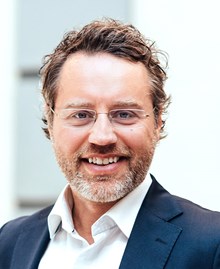
Carl Dalhammar is an Associate Professor at Lund University , affiliated with the International Institute for Industrial Environmental Economics (IIIEE) and the Centre for Environmental and Climate Science (CEC) . He holds degrees of LL.M., M.Sc., and Ph.D., and his work bridges legal, economic, and technological dimensions of environmental policy. As a Senior Lecturer, he teaches environmental law and politics in master's and undergraduate programs and has supervised over 100 master's theses. His research focuses on law and innovation , government-industry interactions , technology transfer , and product-oriented environmental policy , analyzing frameworks like the Ecodesign Directive, “right to repair” policies, eco-labels, and government procurement. He contributes to the UN Sustainable Development Goals with expertise in circular economy and product policy. Current Roles Associate Professor, IIIEE, Lund University Senior Lecturer, Centre for Environmental and Climate Science (CEC) Education LL.M. M.Sc. Ph.D. Research Trends His work emphasizes shifting from traditional regulatory approaches to transformative policies that challenge market structures, particularly in the EU and Sweden. He explores the intersection of circular economy principles with industrial policy, smart grid integration, and transnational policy influence (e.g., Brussels and California Effects). Projects Exnovation for a sufficiency-oriented circular economy (2025–2028) Steering towards environmental benefit: Policy goals for circular economy (2025) Mapping barriers for circular products: Policy context for corporations (2022–2025) Urban Arena (2022–ongoing) Networks JustCE (LEX): Toward a Just Circular Economy (2023) Scientific Awards & Affiliations : Carl serves on the Council for Research Issues at the Swedish Competition Authority and the board of Re:Source, Sweden's national innovation program for circular economy. Collaboration : He collaborates internationally, with networks spanning Europe and the U.S., focusing on policy mixes, legislation, and regulatory strategies for sustainability.
Liane Colonna is an Assistant Professor in Law and Information Technology at the Department of Law, Stockholm University , where she investigates ethical and legal challenges arising from AI-driven practices in higher education. She also engages in methodologically oriented research at the intersection of AI and Law, contributing to the Wallenberg AI, Autonomous Systems and Software Program – Humanities and Society. Additionally, Liane serves as the director of the Swedish Law and Informatics Research Institute (IRI) and is a member of the New York Bar since 2008. Primary Affiliation: Department of Law, Stockholm University Institute Leadership: Director, Swedish Law and Informatics Research Institute (IRI) Professional Status: Member of the New York Bar Research Interests: Ethical and legal challenges of AI in higher education Methodological approaches in AI and Law Data protection and privacy by design Regulatory frameworks for AI and emerging technologies Privacy implications of lifelogging and health IoT International data governance and surveillance law Publications demonstrate expertise in AI regulation, GDPR compliance, and privacy-preserving technologies, particularly for assisted living and educational contexts. Her work bridges technical implementation with legal accountability, emphasizing human oversight and ethical design.
Dr. Frank Thomas Grub is Professor of German and Head of the Department of Modern Languages at Uppsala University. Educated at Universität des Saarlandes (Dr. phil. 2003) and promoted to Associate Professor at Gothenburg University (2012) before joining Uppsala as Professor (2018), he has been recognized as Excellent Teacher (2021). As founder of the Landeskunde Nord network since 2012 and editor of the Peter Lang book series since 2013, his career bridges academic research, educational innovation, and international collaboration. His research focuses on contemporary German-language literature , GDR cultural studies , and transcultural didactics . Key projects explore autobiographical writing, post-Wall literary representations, and the intersection of travel literature with cultural memory. Recent publications (2024-2025) examine media narratives of reunification and cultural stereotypes in language pedagogy. Prof. Grub contributes to German as a foreign language curriculum development Intercultural competence frameworks Editorial leadership in Northern European Germanistics His 2023-2025 works analyze graphic novels in education, migration discourse in literature, and media transitions during the Cold War.
Jimmy Jaldemark is a Professor at the Department of Education, Mid Sweden University, Sundsvall, Sweden. He serves as Research Leader of HEEL (Higher Education and E-Learning) and Head of Subject for the Discipline of Education. His roles include membership in the Faculty Board of Humanities and representation in the university-wide Education Council. He co-founded GRADE, a national graduate school in digital education, and leads the EARLI Centre for Excellence in AI in Learning and Instruction (AILI). His research focuses on AI, digitalization, lifelong learning, and networked learning. He co-edited *Networked Professional Learning* (2019) and guest-edited special issues in the *British Journal of Educational Technology*. He is an editor for that journal and serves on editorial boards for *Educational Research Review*, *Postdigital Science and Education*, and others. He supervises doctoral students and teaches in Behavioral Science and Education programs. Current projects include HEaD (Higher Education and Digitization) and BLAD (Need-based Learning through Adapted Participation). He collaborates internationally, notably in the AILI network exploring AI's educational impacts. His work spans educational development, organizational learning, and policy frameworks for lifelong learning in the digital era.
Mattias Brunström serves as Assistant Professor of Cardiology and Associate Professor of Epidemiology at Umeå University's Faculty of Medicine within the Department of Public Health and Clinical Medicine, Section of Cardiology. He is concurrently a resident physician at Norrlands University Hospital and holds leadership roles as chairman of Sweden's national hypertension working group and scientific secretary of the Swedish Society for Hypertension, Stroke and Vascular Medicine, with active participation in the European and International Societies of Hypertension. His academic foundation includes a 2018 PhD thesis examining blood pressure-lowering treatment effects across different blood pressure levels through systematic reviews and meta-analyses of randomized clinical trials. This doctoral work established his expertise in evidence-based cardiovascular therapeutics and epidemiological methodology. Dr. Brunström's research program centers on cardiovascular disease risk factors, with specialized focus on hypertension pathophysiology and aortic diseases. His group investigates how adolescent blood pressure levels predict future cardiovascular events, examining interactions with obesity, physical fitness, and diabetes to improve risk stratification. They also analyze differential effects of antihypertensive drug classes on cardiovascular outcomes and study risk factors for aortic dissection/rupture to optimize preventive surgical interventions. This work addresses critical gaps in managing the world's leading cause of death, where uncontrolled hypertension contributes to 10 million annual fatalities despite effective treatments. Analysis of his 2024-2025 publications reveals dominant themes in hypertension guideline development, treatment threshold controversies, and cardiovascular risk assessment. His work frequently challenges conventional approaches (e.g., questioning excessive treatment of 'elevated' blood pressure in elderly patients) while advancing evidence for lifestyle interventions and beta-blocker utility. Methodologically, his research leverages large cohort studies (including 1.4 million enlistee data), systematic reviews, and international collaborations through societies like ESH and ISH to translate epidemiological findings into clinical practice. Dr. Brunström leads multiple funded research initiatives including 'Remission of type 2 diabetes through eHealth' (2022-2028) and 'VIPviza' (2013-2027), directing a multidisciplinary team that bridges clinical cardiology, epidemiology, and public health. His advisory role extends to national guideline committees and international hypertension societies where he shapes clinical practice through evidence synthesis and position papers. Based at Norrlands University Hospital's Cardiology Section, his research group operates within Umeå University's strong cardiovascular research ecosystem, maintaining active collaborations with the Swedish National Diabetes Register and international consortia. Their work emphasizes real-world applicability, examining topics like bedtime dosing of antihypertensives and self-report diagnostic tools to overcome barriers in hypertension control where only 25% of affected individuals achieve target blood pressure levels.
Rodrigo Fernandez Gonzalo is a Docent (Associate Professor) in Physiology and Principal Researcher at the Division of Clinical Physiology, Department of Laboratory Medicine, Karolinska Institutet. He leads the Space and Environmental Physiology research group focusing on skeletal muscle adaptation under various conditions including microgravity, aging, disease, and exercise. His research interests span skeletal muscle physiology, space physiology, and environmental physiology, with particular expertise in how skeletal muscle interacts with other physiological systems. His work employs diverse methodologies including human clinical studies, animal models, and cellular models to investigate functional, metabolic, morphological, molecular, and neural adaptations. Analysis of his recent publications reveals a strong focus on space physiology applications, particularly how microgravity affects skeletal muscle and immune systems, along with translational applications for clinical populations like those with cerebral palsy. His research integrates molecular analysis, imaging techniques, and physical performance outcomes to develop countermeasures for spaceflight effects. 4.5 MSEK funding from the Swedish National Space Agency (2020) Member of European Space Agency's Life Science Working Group (2022-2026) Member of Space Researchers Sweden (2021-) Dr. Fernandez Gonzalo serves as course responsible for Anatomy and Physiology in the nursing program (since 2018) and Advanced Human Physiology Research in the Master's programme in Translational Physiology and Pharmacology (since 2023). He also teaches Human Spaceflight at KTH and participates in the Erasmus Mundus Joint Master in Physiology and Medicine of Humans in Space and Extreme Environments. His laboratory utilizes facilities at Karolinska University Hospital and ANA Futura for human, animal, and cellular studies investigating space exposome effects.
Maria Ojala is an Associate Professor and Senior Lecturer in Psychology at Örebro University (20% position until December 2026) and will transition to a Professor role (80%) at the University of Oulu, Finland, in August 2024. Her research focuses on young people’s emotional responses to climate change (2004–2025), examining climate anxiety, hope, coping strategies, and pro-environmental behavior across developmental stages. Current affiliations: Örebro University, University of Oulu (FRONT program) Key research areas: Environmental Psychology, Climate Change Education, Sustainable Development, Youth Mental Health Her work bridges emotional awareness and transformative learning, analyzing how climate-related emotions influence engagement, communication patterns, and educational practices. Recent projects include longitudinal studies on climate distress in Finnish adolescents (Swedish Research Council VR, 2022–2026) and youth trust in climate science (Swedish Research Council Forte, 2022–2025). Earlier, she explored food activism (Formas, 2018–2022) and mobile preschools (RJ, 2018–2022). Publications span empirical and theoretical analyses, with 15 recent articles (2021–2025) addressing climate anxiety, coping strategies, media exposure, and teacher practices. She collaborates with research groups like POCSUS and leads initiatives in the LEADER Center. Grants include SEK 5.95M (VR), SEK 3.94M (Forte), and SEK 3M (Formas). Her work emphasizes critical emotional awareness as a key competence for sustainable futures, integrating moral reasoning and anticipatory emotions into education.
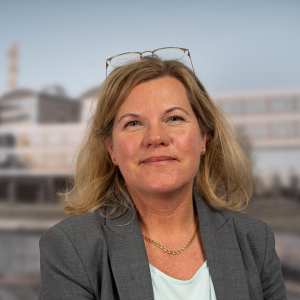
Annika Alexius is a Professor at the Department of Economics at Stockholm University, where she has been working since 2008. Prior to this, she held a research position at Uppsala University and completed her PhD at the Stockholm School of Economics in 1997, having done her internship at the Riksbank during her doctoral studies until 2001. Dr. Alexius earned her PhD from the Stockholm School of Economics in 1997. Her doctoral work included an internship at the Riksbank, Sweden's central bank, which she continued until 2001. She then held a research position at Uppsala University before joining Stockholm University in 2008. Professor Alexius specializes in empirical macroeconomics, monetary policy, and international finance. Her research examines the complex relationships between exchange rates and inflation, the dynamics of stock prices relative to GDP, and the mechanisms of monetary policy transmission. She employs sophisticated econometric techniques, including Bayesian VAR models with time-varying parameters and stochastic volatility, to analyze economic phenomena. Her work often focuses on how financial markets respond to economic shocks and policy interventions, with particular attention to the Swedish economy and its integration into the global financial system. Analysis of Professor Alexius's publication record reveals a consistent focus on the intersection of monetary policy and international finance. Her recent work (2023) examines exchange rate pass-through during periods of high inflation following the Covid-19 pandemic and Ukraine war, using advanced Bayesian VAR techniques. Earlier publications explore long-run relationships between stock prices and GDP (2018), interbank market dynamics during the financial crisis (2014), and the relationship between exchange rates and long-term bonds (2012). A recurring theme throughout her career has been understanding how policy decisions affect economic outcomes in open economies. Professor Alexius has made significant contributions to the field of economics through her rigorous empirical work. While specific awards are not listed on her profile, her publications in reputable journals such as the Review of World Economics, Journal of Applied Finance and Banking, and Journal of International Money and Finance demonstrate recognition of her scholarly contributions. Though specific information about her advising activities is not provided on her profile, Professor Alexius has maintained an active research program spanning over two decades. Her work has addressed evolving economic challenges, from the financial crisis of the late 2000s to the recent inflationary period following the pandemic. Her research has practical implications for central banks and policymakers navigating complex economic environments. While specific laboratory or research team information is not mentioned in the available profile, Professor Alexius appears to collaborate with various researchers across her publication history, including Mikaela Holmberg, Daniel Spång, Helene Birenstam, and Johanna Eklund, among others. Her work bridges theoretical economic models with empirical analysis of real-world data, contributing to both academic discourse and practical policy understanding.