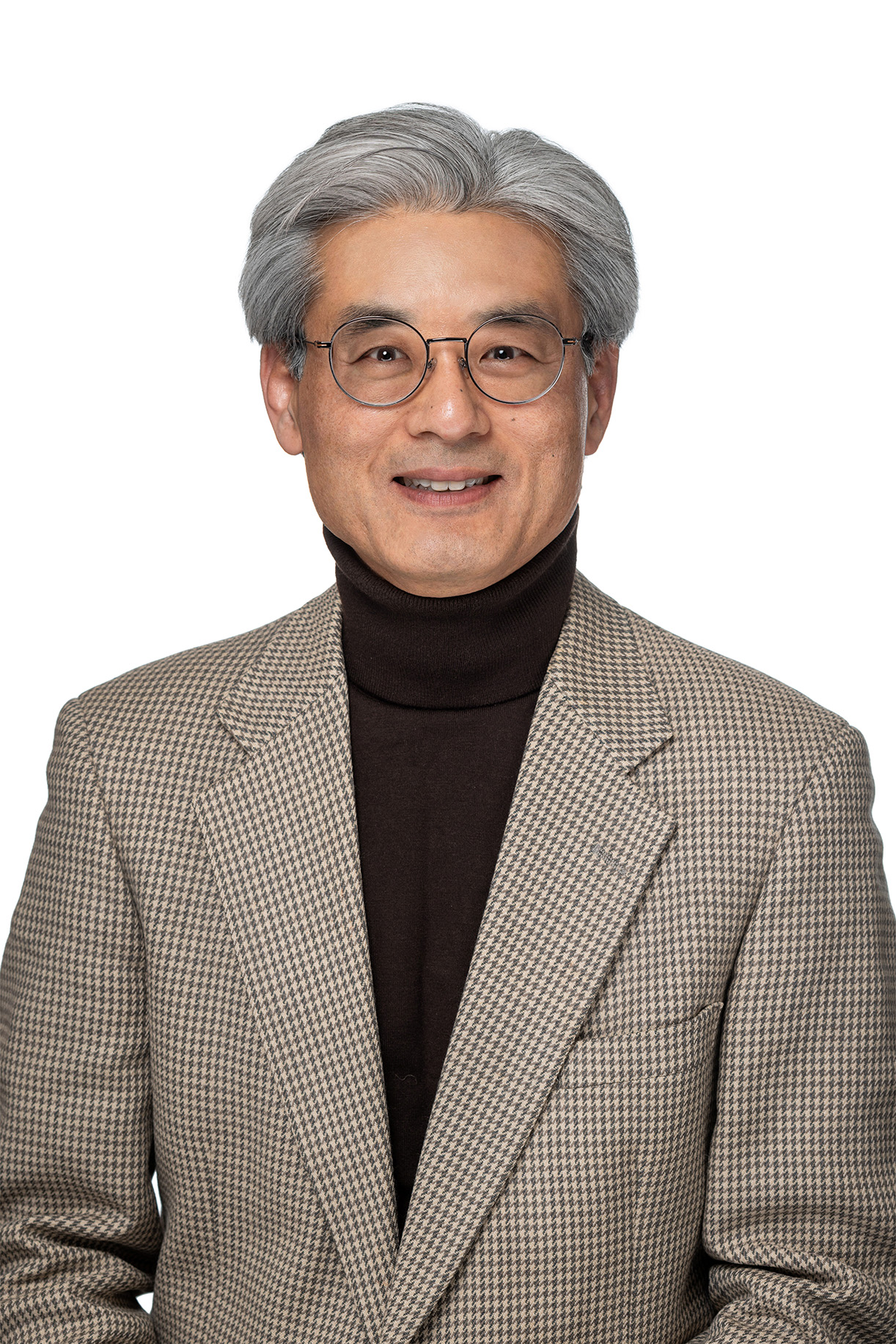
Paulo Mendes Pinto is a Researcher at Lusófona University , where he coordinates the Science of Religions area and leads the REC-XXI project on Religions, Education, and Citizenship. He has directed the Master’s and Bachelor’s programs in Religious Studies and serves as a Director of Advanced Islamic Leadership Training and Editorial Director of Lusófona University’s publications. His work bridges interreligious dialogue , state-religion relations , and cultural heritage projects with institutions like the Presidency of the Republic Museum and Calouste Gulbenkian Foundation . Education: PhD in Cultural Studies (University of Aveiro, 2021), Master’s in Pre-Classical History and Culture (University of Lisbon, 2001), Bachelor’s in History (University of Lisbon, 1997). His research focuses on religious freedom in Portugal, Jewish heritage , Islamic patrimony , and education for sustainability in museums and libraries. Through projects like MUBIESUS and Database of Islamic Heritage in Portugal , he explores intersections of critical pedagogy , environmental justice , and cultural diversity . His recent articles analyze symbolism in religious rituals , urban spirituality , and political uses of religious discourse . He is actively involved in public science initiatives, collaborating with the European Academy of Religions (founded in 2017) and the World Parliament of Religions (Ambassador, 2015–2018). No formal awards are listed, but his leadership in projects like the Mapping of the Neves e Sousa Collection and Community Engagement Against Radicalization underscores his institutional impact.
Dr. Lincoln Brown is an Associate Professor at Southwestern Oklahoma State University (SWOSU), where he serves as the Graduate Director for Business Programs. His academic leadership extends to faculty sponsorship of the Love's Cup Competition and SWOSU Bass Fishing Club. With a diverse professional background, he has founded seven ventures, worked in aerospace engineering, and pursued vocal performance. His academic credentials include a Ph.D. in Entrepreneurship from Oklahoma State University and a B.S. in Business Administration from Southern Nazarene University. These foundations support his interdisciplinary expertise spanning business innovation and organizational dynamics. Dr. Brown's research explores entrepreneurial decision-making processes through cognitive, emotional, and stakeholder-focused lenses. Core investigations include: Stakeholder emergence patterns in new ventures Cognitive mechanisms underlying entrepreneurial choices Impact of affective states on strategic judgment quality Behavioral innovation frameworks He maintains active engagement with the Academy of Management and contributes to community development as a United Way board member.
Dr. Caleb Kim serves as an Associate Professor at Loyola University Chicago's School of Social Work and holds faculty affiliate status with the Center for Immigrant and Refugee Accompaniment and the Center for Human Rights of Children. With over two decades of professional experience, he specializes in developing community-based interventions for vulnerable minority youth, refugees, and immigrant families. Education: Ph.D. from University of Chicago, School of Social Service Administration MSW from Norfolk State University MDiv. from Loyola University Chicago Research Interests: Dr. Kim's work centers on the acculturation dynamics of immigrant youth and families , evidenced by his focus on vulnerable minority youth violence prevention and suicide prevention initiatives . His scholarship bridges global social work education frameworks with practical applications for culturally competent social work practice , particularly in school settings and cross-cultural community programs. Scientific Awards: Fellowship Awards from the Loyola Joan and Bill Hank Center for the Catholic Intellectual Heritage Fellowship from the Center for Children’s Human Rights Inducted into the Phi Alpha Honor Society for Social Work Grants and Service: As principal investigator, Dr. Kim secured over $6 million in competitive funding including SAMHSA’s GLS Campus Suicide Prevention, DHHS’s Minority Youth Violence Prevention, HRSA’s SDS Scholarship, and DOJ’s STOP School Violence grants. He contributes nationally through service on the CSWE Commission on Global Social Work Education and the Council on Global Social Issues.
Katherine A. Sibley is a Professor of History and Co-Director of the Washington Center Internship Program. She holds the Dirk Warren ’50 Sesquicentennial Chair in Social and Health Sciences, focusing on interdisciplinary research at the intersection of political and social history. Her work centers on American history, political culture, and the evolving roles of first ladies and political figures. Education: BA, MA, PhD, University of California, Santa Barbara Her research spans Cold War espionage, Soviet-American relations, and gender dynamics in presidential politics. She has organized significant conferences such as 'One Hundred Years of American Communism' (2018) and 'Southern Belles, Washington Balls' (2018), emphasizing regional and gendered impacts on national governance. Her publications include award-winning monographs and edited volumes that redefine historical narratives around first ladies and interwar diplomacy. Notable awards include the 1997 Phi Alpha Theta Book Award for Best First Book. She has guest-edited special issues of Diplomatic History and co-edits the University Press of Kansas book series 'First Ladies and First Partners.'
Jamie Pleune is a Research Associate Professor at the University of Utah S.J. Quinney College of Law and a member of the Law & Policy Program in the Wallace Stegner Center for Land, Resources and the Environment . Her expertise lies in Environmental Law , with a focus on public lands management , climate change mitigation , and permitting reform . She has served on the Bureau of Land Management Public Lands Rule Advisory Committee and testified before the U.S. House Committee on Natural Resources . Education : JD from University of Utah (2007), LLM from Georgetown University (2013), BA in Political Science from Colorado College (2000) Jamie's research spans NEPA implementation , ecosystem resilience , and mining regulation . Her 13 peer-reviewed publications and congressional testimony emphasize evidence-based permitting reforms and climate-conscious land management . Key collaborators include Professor John Ruple and Professor Robert Keiter . Scientific Awards include: Edith Bramhall Award for Outstanding Scholarship in Political Science Order of the Coif Khazeni Memorial Fellowship Robert W. Swenson Fellowship Stephen Traynor Legal Writing Award She previously served as Associate Clinical Professor (2011-2015) and private practice attorney at Richards, Brandt, Miller, Nelson. After a 2016 sabbatical to earn her commercial helicopter license, she returned to academia. She currently serves on the Kalamazoo Aviation Museum board.
Conan MacDougall, PharmD, MAS, BCPS, BCIDP, FIDSA serves as Professor of Clinical Pharmacy in the Department of Clinical Pharmacy at the University of California, San Francisco (UCSF) School of Pharmacy. He provides clinical service to the Infectious Diseases Consult Service at UCSF Medical Center and is actively involved in teaching pharmacy, medical, and nursing trainees at UCSF. Dr. MacDougall holds leadership positions including Chair of the Specialty Council on Infectious Diseases for the Board of Pharmaceutical Specialties and is a member of the School of Medicine's Academy of Medical Educators. Dr. MacDougall's educational background includes: MAS in Clinical Research from University of California, San Francisco (2008) PharmD from University of California, San Francisco (2002) BS in Chemistry from University of California, Davis (1998) Dr. MacDougall's research focuses on innovative approaches to antimicrobial stewardship, interactive learning methods for appropriate antimicrobial use, and the pharmacoepidemiology of antimicrobial utilization in hospitals. His work bridges clinical practice with educational innovation, particularly in developing effective instructional strategies for infectious diseases education. He has made significant contributions to understanding antibiotic resistance patterns, drug-drug interactions involving rifamycins, and the implementation of antimicrobial stewardship programs across healthcare settings. Analysis of Dr. MacDougall's most recent publications reveals a consistent focus on antimicrobial stewardship, infectious diseases education, and pharmacy practice. His research spans clinical investigations of antibiotic efficacy, educational interventions for healthcare professionals, and systematic reviews of drug interactions. Notably, his 2025 publications include important work on the role of infectious diseases pharmacists in antimicrobial stewardship and explorations of how artificial intelligence can support clinical decision-making in infectious diseases pharmacotherapy. Dr. MacDougall has received numerous prestigious awards recognizing his contributions to pharmacy and medical education: Fellow, Infectious Diseases Society of America (2025) Academic Senate Award for Distinction in Teaching, UCSF (2024) Vincent Pons Award for Clinical Infectious Diseases Education, UCSF School of Medicine (2019) Emerging Teaching Scholar Award, American Association of Colleges of Pharmacy (2018) Albert B. Prescott Pharmacy Leadership Award (2012) Multiple Long Prizes for Excellence in Teaching from UCSF School of Pharmacy (2006-2018) As an educator, Dr. MacDougall has twice received the Academic Senate Campus Award for Distinction in Teaching and has been recognized as an Emerging Teaching Scholar by the American Association of Colleges of Pharmacy. He serves as Antimicrobial Section Editor for Goodman & Gilman's The Pharmacological Basis of Therapeutics and is a chapter author in several major medical references including Principles and Practice of Infectious Diseases. His research has been consistently funded through various grants supporting investigations into antimicrobial utilization, educational interventions, and clinical outcomes related to infectious diseases management. Dr. MacDougall has supervised numerous pharmacy students and residents, contributing significantly to the training of future pharmacists specializing in infectious diseases. Dr. MacDougall is actively involved with the UCSF Infectious Diseases Management Program and collaborates with interdisciplinary teams across UCSF Medical Center. His work with the Infectious Diseases Society of America extends to curriculum development initiatives, including the Core Antimicrobial Stewardship Curriculum for Infectious Diseases Fellows. He also contributes to national efforts through his role on the Specialty Council on Infectious Diseases for the Board of Pharmaceutical Specialties, helping to shape certification standards for infectious diseases pharmacotherapy specialists.
Prof. Dr. Mehmet TAŞDEMİR is a faculty member at Kirsehir Ahi Evran University's Faculty of Education, Department of Educational Sciences, specializing in Curriculum and Instruction. He has been a Full-Time Professor since 2016, following roles as Associate Professor (2011-2016) and Doctor Lecturer (2006-2011). His academic career spans over three decades, including administrative roles such as Department Head and Scientific Projects Coordinator. Education: PhD in Primary Education Curriculum and Instruction from Hacettepe University (1995); Master's in Educational Sciences from Gazi University (1988); Bachelor's in Educational Sciences from Gazi University (1985); Associate Degree in Classroom Teaching from Gazi University (1983). Research Interests: His work focuses on curriculum development, instructional design, educational assessment, and values education. He has extensively studied foreign language teaching, mathematics education, and inclusive practices in primary and secondary schools. Recent Publications: His 2025-2024 articles analyze community-centered curricula, problem-based learning models, and mind games in education. Trends include foreign language motivation, mathematics teaching methods, and values integration in school programs. Scientific Awards: TÜBİTAK Yayın Teşvik Awards (2010-2012) Advising: Mentored 23 theses (Master's and Doctoral) and collaborated with researchers like Figen Taşdemir and Cem Şahin on topics spanning educational psychology, curriculum theory, and instructional practices.
Elizabeth A. Koebele serves as Associate Professor of Political Science and Director of Graduate Studies at the University of Nevada, Reno, where her research centers on environmental policy with emphasis on collaborative governance, western U.S. water management, and disaster policy. Her methodological expertise combines qualitative and mixed approaches to analyze policy processes and outcomes. Her educational background includes: Ph.D. in Environmental Studies, University of Colorado Boulder (2017) M.S. in Environmental Studies, University of Colorado Boulder (2014) B.A. in English Literature, Arizona State University (2010) B.A. in Secondary Education, Arizona State University (2010) Dr. Koebele's research investigates how collaborative policymaking shapes environmental governance, particularly in water resources and disaster contexts. She examines coalition dynamics, narrative power in policy frameworks, and institutional arrangements enabling adaptive responses to climate challenges. Her work bridges political science with environmental studies through rigorous mixed-methods analysis. Analysis of her recent publications reveals consistent focus on polycentric governance systems, especially in western U.S. water basins. Key trends include studying collaborative forums in the Colorado River Basin, urban water management transitions in cities like Miami and Las Vegas, and the interplay between narrative strategies and policy change. Her scholarship increasingly integrates climate adaptation with equity considerations in resource governance. Her notable recognitions include: 2021 NSF CAREER award for Colorado River water governance research 2022 NSHE Board of Regents Rising Researcher award Dr. Koebele has secured significant external funding from the U.S. National Science Foundation and U.S. Department of Agriculture. As Director of Graduate Studies, she oversees the Political Science department's graduate program while maintaining an active research group focused on environmental governance. Her editorial role as co-editor of Policy & Politics further demonstrates her leadership in the field.
Dr. Kerri Thom serves as Professor in the Department of Epidemiology and Public Health and Department of Medicine at the University of Maryland School of Medicine, holding the administrative role of Associate Dean for Student Affairs while directing the Office of Student Research and advising medical students through the Office of Student Affairs. Education: M.D. from University of Florida College of Medicine Internal Medicine Residency and Infectious Disease Fellowship at University of Maryland Medical Center and Baltimore VA Medical Center M.S. in Epidemiology and Clinical Research from University of Maryland School of Medicine Her research concentrates on infection prevention, antimicrobial resistance mechanisms, and transmission dynamics of multidrug-resistant pathogens—especially Acinetobacter baumannii —in healthcare environments. She develops evidence-based interventions for antimicrobial stewardship and infection control, addressing critical gaps in reducing healthcare-associated infections through clinical epidemiology and translational research. Analysis of Dr. Thom's publication record reveals sustained focus on healthcare epidemiology, with methodological diversity spanning clinical trials, observational studies, and mathematical modeling. Her work evaluates interventions across varied clinical contexts—from trauma resuscitation to transplant surgery—emphasizing practical strategies to combat multidrug-resistant organism transmission and antibiotic resistance. Dr. Thom actively mentors medical students through curriculum development and research supervision via the Office of Student Research. She has secured significant competitive funding from NIH, CDC, and AHRQ for projects targeting antibiotic resistance transmission and infection prevention. Selected Grants: CDC: "Transmission of Antibiotic Resistant Bacteria from Patient-to-Patient in Healthcare Setting and the Impact of Contact Precautions" (PI, 9/2018-9/2019) CDC: "Epicenters for the Prevention of Healthcare Associated Infections" (Co-Investigator, 9/2018-9/2020) AHRQ: "Removing barriers to hand hygiene and glove compliance: evaluation of two novel, time-efficient interventions" (PI, 8/2015-5/2019) CDC: "Epicenters for the Prevention of Healthcare Associated Infections (HAI) Cycle II" (Investigator, 9/2015-9/2018) ARLG: "ESBL-producing Enterobacteriaceae in solid organ transplant recipients" (Investigator, 7/2016-7/2018) CDC: "Impact of Post-antibiotic Prescription Review on Antibiotic Use and Resistance" (Co-PI, 9/2013-12/2016) NIH K23: "Epidemiology of Acinetobacter baumannii: An Emerging Nosocomial Pathogen" (9/2010-12/2016) As a key contributor to the CDC Epicenters program, Dr. Thom collaborates with national researchers on healthcare-associated infection prevention while leading student research initiatives that cultivate future clinician-scientists in infectious disease epidemiology.
Jessica A. Mong, PhD , is a Professor in the Department of Pharmacology & Physiology at the University of Maryland School of Medicine , where she also serves as Assistant Dean for Graduate & Post-Doctoral Studies and Director of Graduate Education for the Program in Neuroscience. Her research focuses on the neuroendocrine mechanisms underlying sex differences in sleep circuitry and the estrogenic modulation of sleep-wake cycles. Primary Appointment: Pharmacology & Physiology Administrative Title: Assistant Dean for Graduate & Post-Doctoral Studies Laboratory Director: Program in Neuroscience Research Interests: Dr. Mong's work investigates how ovarian steroids influence sleep-wake behavior through sexually differentiated neuroanatomical substrates. Key areas include: Mechanisms of estrogenic modulation in the median preoptic nucleus (MnPN) Developmental programming of sex differences in sleep sensitivity Translational studies using rodent and nonhuman primate models of menopause Functional significance of hormonal influences on sleep quality and recovery Scientific Trends: Her recent publications (2023-2025) emphasize: Role of KCNMA1 channelopathy in sleep regulation Adenosinergic signaling in MnPN Translational menopause models Estrogen's protective effects against noise-induced hearing loss Sex-dependent responses to kynurenine pathway challenges Awards & Appointments: NIH BIRCWH Scholar (Building Interdisciplinary Research Careers in Women's Health) Co-Chair, Society for Women’s Health Research Interdisciplinary Research Network on Sex-Differences in Sleep Health NIH/NHLBI R01 HL129138 grant recipient Education & Training: B.S., Biology, Gettysburg College (1987-1991) Ph.D., Neuropharmacology, University of Maryland Baltimore (1994-2000) NIH Postdoctoral Fellowship in Endocrinology, Rockefeller University (2000-2003)
Donal Palcic is an Associate Professor in the Department of Economics at the University of Limerick's Kemmy Business School. His research focuses on public sector economics, infrastructure policy, privatisation, and public-private partnerships (PPPs), with a strong emphasis on Ireland and international policy analysis. Key Research Areas: Public-Private Partnerships, Privatisation, Infrastructure Policy, Productivity Analysis, State Capitalism. Teaching: Microeconomics, Public Finance, and International Economics at UL, with prior Visiting Professor roles in France. Leadership: Assistant Dean International (2016–2025) at Kemmy Business School, driving international partnerships. Collaborations: Affiliated with the Privatisation and PPPs Research Group (P4) and the Cornell Program for Infrastructure Policy. Recent publications analyze Ireland's PPP governance, hybrid state capitalism in telecommunications, and global student mobility impacts. His work aligns with UN Sustainable Development Goals related to infrastructure and public policy.
Udo Terstege is a Professor of Industrial Engineering at Georg Agricola University of Applied Sciences (THGA) and serves as the Head of the Industrial Engineering (Bachelor) program. He teaches courses in business administration, accounting, and finance, and his research focuses on corporate finance and investment analysis. His educational background includes: Bachelor's and Master's in Business Administration from the University of Dortmund (1980-1985) Doctorate in Political Science (1994) Habilitation (2000) Terstege's research spans corporate finance, investment analysis, and accounting, with a strong emphasis on practical applications in industry. His work addresses topics such as capital budgeting, financial decision-making, and the role of information in financial markets. He has developed educational materials to simplify complex financial concepts for engineering students. His publication record shows a consistent focus on finance and accounting over the past two decades, with recent works including textbooks on investment accounting and corporate financing. These publications often bridge theoretical finance with practical business needs, particularly in the context of engineering and industrial settings. As Head of the Industrial Engineering program, Terstege oversees the curriculum and likely supervises student projects and theses, though specific advisees are not listed in the available information.
Lena Roxell is a Lecturer at the Department of Criminology, Stockholm University, where she conducts research on prison systems, recidivism, and criminal networks. She is an active member of the Quantitative Criminology Research Group, established in 2022, which focuses on the possibilities and limitations of quantitative methods in criminology. Her primary research interests include prison research, with particular focus on long-term sentenced prisoners, prison networks, and recidivism patterns. Dr. Roxell examines how prison experiences affect reintegration outcomes and studies the structural aspects of co-offending networks. Her work often employs quantitative methods to analyze large datasets related to criminal behavior and prison administration. Analysis of her recent publications reveals a consistent focus on prison governance, recidivism timing, and the social dynamics within correctional facilities. Her research spans comparative studies (particularly between Sweden and other countries), methodological approaches to criminological research, and specialized topics like faith-based units in prisons and hate crime patterns. The publications demonstrate a sophisticated use of quantitative methods and longitudinal data analysis throughout her career. Dr. Roxell teaches thesis work and supervises students in prison research. Her current research project focuses on analyzing reduced recidivism after prison sentences based on client composition, prison services, labor market connections, and substance abuse. She is actively involved in the Quantitative Criminology Research Group at Stockholm University, contributing to methodological developments in the field and applying these approaches to understand complex prison dynamics and criminal behavior patterns.
Professor Trina Myers serves as the Head of School for the School of Information Technology at Deakin University's Faculty of Science Engineering and Built Environment. With extensive experience in academia and research leadership, she plays a pivotal role in shaping IT education and research directions at Deakin. She is also an active member of the Australian Council of Deans of ICT (ACDICT), having served as its immediate past President. Her educational background includes: Doctor of Philosophy in Computer Science from James Cook University Master of Business Administration from James Cook University Master of Information Technology from James Cook University Professor Myers' research focuses on semantic technologies, ontology engineering, Internet of Things, knowledge management, natural language processing, and human-computer interaction . Her work emphasizes interdisciplinary collaboration, bridging technology with fields such as healthcare, marine science, environmental conservation, and business. She has pioneered approaches in academagogy (academic gamification) to enhance online learning engagement, particularly for adult learners. Her IoT research has significant applications in healthcare space optimization, environmental monitoring, and resource management. Her recent publications demonstrate a strong trajectory in applying AI and IoT technologies to solve real-world problems, particularly in healthcare, education, and resource optimization. There's a clear pattern of interdisciplinary work connecting computer science with healthcare, education, and environmental science. Her research increasingly focuses on human-centered technology design, especially for vulnerable populations like adolescents with autism spectrum disorder. Her notable achievements include: Fellow of the Australian Computer Society (2023) Australian Awards for University Teaching (AAUT) Teaching Award (2020) Women in IT Professional Leadership Award Finalist (2020) Asia-Pacific International Triple E Entrepreneurial Educator of the Year Award (1st runner-up, 2020) Australian Computer Society, National Digital Disruptor ICT Educator of the Year (2019) Professor Myers actively supervises doctoral students across diverse research areas including gamification in language learning, brain tumor analysis using deep learning, AI in higher education, AI for refugee resilience, data integrity in edge environments, and quantum-driven satellite networking. She has secured significant research funding, including a recent grant for "Indiginizing ICT Curriculum: A Starter Framework for the Community of Practice" through the Australian Council of Deans of ICT. Her teaching philosophy emphasizes active learning methodologies, Process Oriented Guided Inquiry Learning (POGIL), blended learning, and collective intelligence approaches.
Dr. Travis Dorsch serves as Associate Professor and Graduate Program Director in the Department of Human Development and Family Studies at Utah State University's Emma Eccles Jones College of Education and Human Services, where he founded and directs the Families in Sport Lab. His academic career bridges human development theory with practical applications in youth sport contexts, examining how family systems and social environments shape athletic experiences. His educational foundation includes a PhD in Kinesiology (Psychology of Sport and Exercise) from Purdue University (2013), preceded by an MS (2007) and BA in Psychology (2003). This interdisciplinary training informs his unique perspective on sport socialization processes. Dr. Dorsch's research program centers on the interplay between family dynamics and youth sport participation , employing mixed-methods approaches to investigate: Parental socialization mechanisms in athletic contexts Sibling influences on sport engagement Socioeconomic barriers to sport access Emotional abuse dynamics in competitive environments Systemic optimization of youth sport structures His work demonstrates how contextual factors from household to national policy levels affect athlete development. Analysis of his 50+ publications reveals three dominant research trajectories : pandemic-era sport disruptions (2020-2023), emotional abuse frameworks in collegiate athletics (2021-2024), and family systems theory applications in youth sport (2013-present). These intersect at the critical nexus of developmental appropriateness in sport programming. His distinguished recognition includes: Multiple Graduate Mentor of the Year awards (2021, 2022) Early Career Distinguished Scholar honor (2020) Research Fellow designation (2021) Consistent departmental and college teaching awards Dr. Dorsch has secured funding from major organizations including the NCAA, Aspen Institute, and TeamSnap to support his Families in Sport Lab. His mentorship extends to 11 graduate students, with research translating into practical tools for coaches, parents, and sport administrators featured in major media outlets like The New York Times and TIME Magazine .