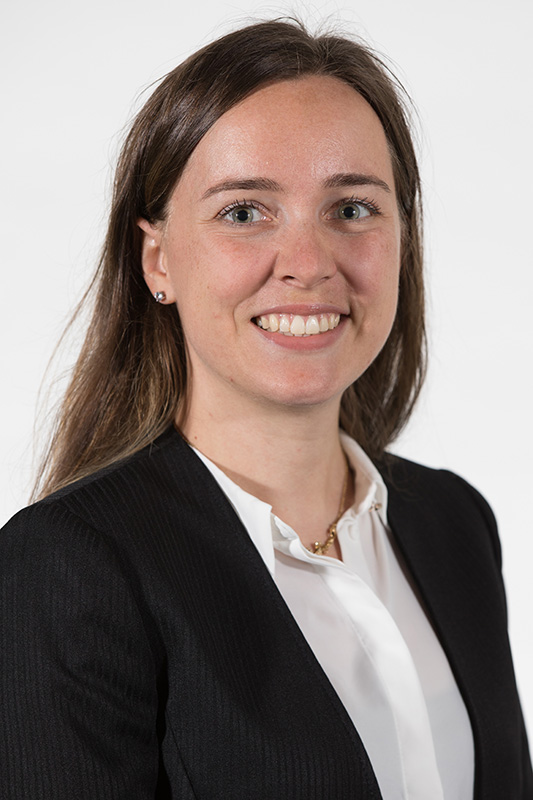
Anna Palmisano is an Associate Professor of Diagnostic Imaging and Radiotherapy at Vita-Salute San Raffaele University , Milan, Italy. She combines clinical expertise in diagnostic radiology with cutting-edge research in advanced imaging techniques for cardiovascular, oncological, and metabolic diseases. Education : Master's in Medicine (2010, summa cum laude), Specialization in Diagnostic Radiology (2016, summa cum laude), PhD in Molecular Medicine (2020). Her research focuses on multimodal imaging (CT/MRI) for tissue characterization, biomarker discovery, and artificial intelligence applications in cardiology and oncology. She has coordinated competitive projects like Trustworthy AI for Coronary Plaque Prediction (Regione Lombardia 2022) and Advanced Cardiac CT for TAVR Prognostication (PRIN-PNRR 2023). Recent publications highlight her work in cardiovascular imaging (e.g., myocarditis diagnostics via T2 mapping, arrhythmogenic risk in mitral valve prolapse), oncological radiomics , and AI-driven imaging platforms . Collaborations span the AI-hub Vita-Salute San Raffaele and the Preclinical Imaging Facility at IRCCS San Raffaele. Scientific Awards 2013 NIH Travel Grant 2018 Best Presentation at ESCR
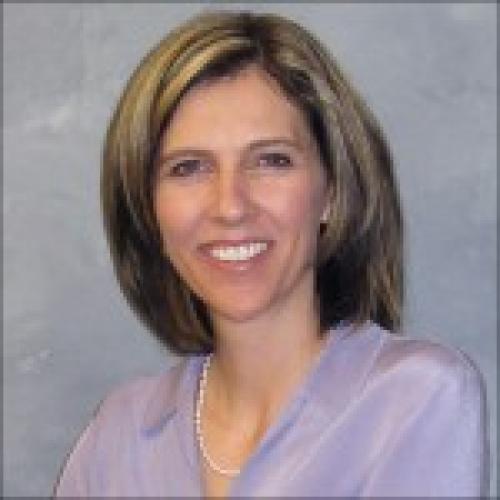
Carla Van Den Berg, Pharm.D. is an Associate Professor of Pharmacology & Toxicology at the University of Colorado Health Sciences Center, where she holds a tenured position in the School of Pharmacy, Department of Clinical Pharmacy. She also serves as Co-Director of the Developmental Therapeutics Lab at the Livestrong Cancer Institute and leads significant research in breast cancer molecular mechanisms. Dr. Van Den Berg earned her Doctor of Pharmacy from the University of Texas Health Science Center at San Antonio & University of Texas-Austin in 1991, following a Bachelor of Science in Pharmacy from the University of Colorado Boulder in 1989. Her post-doctoral training included a Clinical Oncology Residency at Audie Murphy VA Hospital and Oncology Research Fellowships at the Cancer Therapy & Research Center and University of Texas Health Sciences Center. Her laboratory research focuses on receptor tyrosine kinases (RTKs) and their role in breast, colon, lung, and prostate cancer. Specifically, she investigates JNK (c-Jun N-terminal Kinases) proteins and how they influence tumorigenesis, DNA damage, cell migration, and metastasis in breast cancer models. Her team has discovered that JNK proteins have diverse roles beyond cell death signaling, affecting mammary gland development, tumorigenesis, and response to chemotherapy. Using microarray technology, her lab has identified several genes through which JNKs influence cellular response to growth factors. Analysis of Dr. Van Den Berg's publication history reveals a strong focus on IGF-I signaling pathways and their relationship to chemotherapy resistance in breast cancer. Her work demonstrates how IGF-I rescues breast cancer cells from chemotherapy-induced cell death through proliferative and anti-apoptotic effects, and how JNK proteins interact with mTOR and other signaling molecules to regulate cancer cell behavior. Her research spans molecular mechanisms, preclinical models, and potential therapeutic applications. Professional Achievement Award, University of Colorado American College of Clinical Pharmacy-Cetus Oncology Research Award National Cancer Institute T-32 Research Training Grant Pharmacy Research Award, Post-Doctoral Training Programs, The University of Texas American College of Clinical Pharmacy-Rhone-Poulenc Rorer Research Award American Association of Colleges of Pharmacy New Investigator Award Dr. Van Den Berg has successfully secured over $1.8 million in research funding, including a $1 million National Cancer Institute grant for studying JNK in mammary gland development and tumorigenesis, a $206,340 Department of Defense grant on growth factor attenuation of cell death, and multiple awards from the Susan G. Komen Foundation. She has mentored numerous graduate students including Cindy Mamay (as thesis chair), Nancy Stolpman, Patrick Kerzic, Ileana Vargas, and Cathrine Denton, and has advised Pharm.D. students on oncology research projects. As Co-Director of the Developmental Therapeutics Lab at the Livestrong Cancer Institute, Dr. Van Den Berg leads a research team investigating molecular mechanisms of cancer progression and resistance to therapy. Her laboratory has made significant contributions to understanding how JNK proteins regulate breast cancer cell behavior and response to treatment, with potential implications for developing new therapeutic strategies targeting these pathways.
Dr. Christos Kontovounisios is a Visiting Professor in the Department of Surgery & Cancer at Imperial College London, holding dual roles as a Clinical Senior Lecturer and Colorectal Consultant Surgeon. His clinical expertise focuses on colorectal minimal invasive surgery, pelvic floor disorders, and pelvic exenteration for advanced malignancies. Research priorities include biomarker validation for colorectal and anal cancers, 3D modeling for surgical planning, and training innovations in robotic and minimally invasive techniques. Education: Trained at top institutions including Johns Hopkins (Balch Fellowship 2018) Professional Memberships: European Society of Coloproctology, EAES, and multiple national surgical societies Leadership: Key contributor to PelvEx Collaborative guidelines on pelvic exenteration standards Research interests span surgical innovation, including: Diagnostic/prognostic biomarkers for gastrointestinal cancers 3D anatomical modeling for preoperative planning Robotic surgery training curricula development National database analyses of surgical outcomes His award-winning work includes groundbreaking studies on extranodal tumor deposits in rectal cancer (EAES 2020) and sphincter tone simulation (IEEE 2019). He has authored over 100 peer-reviewed articles and contributed to major surgical guidelines. Awards highlight his contributions to both clinical practice and surgical education, including the Charles M.Balch Fellowship and multiple national surgical society recognitions. Active in international collaborations, he co-developed the PelvEx guidelines and pioneered standardized approaches to complex pelvic cancer surgery. His work bridges surgical innovation with evidence-based practice, emphasizing patient-centered outcomes through advanced technologies and training initiatives.
Tieling Zhang is an Associate Professor at the University of Wollongong's School of Mechanical, Materials, Mechatronic and Biomedical Engineering. He holds a PhD from Tokyo University of Marine Science and Technology. His research focuses on system reliability engineering, machine learning applications, energy storage systems, and pipeline integrity management. He has published over 100 peer-reviewed articles and secured over AUD 7 million in research funding. Research Interests: Statistical Data Modelling, Big Data Analytics, Bayesian Inference, System Reliability Modelling, Degradation Modelling, Wind Turbine Maintenance, Battery Management, Smart Grids. Awards: Recipient of three Best Paper Awards from international conferences. He leads the Engineering Asset Management and Systems Engineering Research Group and serves on editorial boards of journals like Information and Machines . Teaching: Contributes to Master's programs in Engineering Asset Management and Engineering Management. Supervises PhD/Master’s students on topics like battery diagnostics, UAV wildfire management, and human-robot collaboration safety. Funding Highlights: Includes grants for battery health estimation, pipeline integrity, and railway asset management. Collaborates with industry partners like the Australasian Centre for Rail Innovation and Energy Pipeline Cooperative Research Centre.
Dr. Suzan Arslanturk is Associate Professor in Computer Science and Industrial & Systems Engineering at Wayne State University's College of Engineering. She directs the Machine Learning and Health Informatics Laboratory, focusing on predictive analytics for healthcare applications. Research domains include: Cancer subtyping through multi-omics data integration Biomarker discovery for prostate cancer using cross-cancer learning Drug repurposing for cancers with DNA-repair deficiencies Neonatal brain anomaly detection via MRI analysis Operational healthcare optimization during medical surges Leads the development of deep learning frameworks for medical imaging segmentation and clinical text analysis. Publications demonstrate innovations in multimodal data fusion, domain adaptation, and unsupervised abnormality detection. Advises PhD candidates in computational healthcare research and directs academic programs in data mining and intelligent systems.
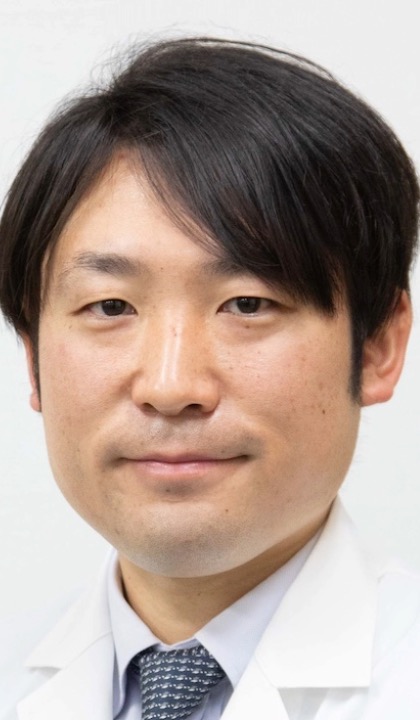
Kiminobu Sato, M.D., Ph.D., is an Assistant Research Professor at Saint Louis University's Doisy College of Health Sciences, Department of Speech, Language and Hearing Sciences. He holds dual doctoral degrees from Kurume University School of Medicine (M.D. 2012, Ph.D. 2019). Previously, he served as an Assistant Professor at Kurume University School of Medicine's Department of Otolaryngology-Head and Neck Surgery (2014–2023). His research focuses on laryngeal diseases and voice disorders, employing pharmacology, cell, and molecular biology techniques. Dr. Sato's work has been supported by grants including the Japan Society for the Promotion of Science (JSPS) Grant-in-Aid for Scientific Research (2022–2023) and the Kurume University Millennium Box Foundation (2021). He is a diplomate of the Japanese Society of Otorhinolaryngology-Head and Neck Surgery and holds certifications in otolaryngology and bronchoesophagology. His research spans laryngeal anatomy, stem cell biology in vocal fold mucosa, and surgical interventions for sinus and laryngeal disorders. He has authored over 60 peer-reviewed articles in English and Japanese, focusing on otolaryngology and head-neck surgical outcomes. His recent publications explore vocal fold stem cell metabolism, laryngeal space development in newborns, and systemic inflammation in oropharyngeal carcinoma prognosis. Dr. Sato's clinical expertise includes otolaryngological diagnostics, endoscopic sinus surgery, and management of voice disorders. He actively participates in professional societies such as the Japanese Society of Logopedics and Phoniatrics, contributing to interdisciplinary research in speech and hearing sciences.
Dr. Peter Nicholls is an Assistant Professor at the University of Bradford's Faculty of Life Sciences, affiliated with the School of Chemistry & Biosciences and the Institute of Cancer Therapeutics. His research focuses on germ cell tumors' development and molecular pathways influencing chemotherapy sensitivity. He holds a PhD from Monash University (2012) and completed postdoctoral work at MIT's Whitehead Institute. Education: Bachelor of Biomedical Sciences (Hons), 2007 PhD in Reproductive Biology, Monash University, 2012 Research Interests: Dr. Nicholls investigates how genetic/environmental factors drive gonadal tumor formation using model organisms. His work explores germ cell commitment failures leading to cancers in children and young adults, emphasizing translational research for biomarker discovery and therapeutic strategies. Awards: New Investigator Award, Society for Reproductive Biology (Australia) NHMRC Postdoctoral Fellowship (Australia) Hope Funds for Cancer Research Fellowship (USA) Teaching & Grants: Teaches modules like Practical Molecular Biology and Molecular Genetics. His lab's projects include analyzing germ cell tumor biomarkers and chemosensitivity mechanisms, supported by international collaborations. Labs/Teams: Active within the Institute of Cancer Therapeutics, focusing on interdisciplinary cancer research and clinical translation.
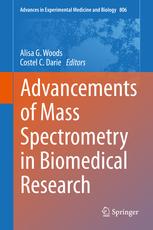
Costel Darie is a Professor at Clarkson University, affiliated with the Coulter School of Engineering & Applied Sciences and the Department of Chemistry & Biochemistry. He holds a Ph.D. in Biochemistry from the University of Freiburg (Germany), an M.S. and B.S. in Biochemistry from Alexandru Ioan Cuza University (Romania), and an R.N. from Vaslui County Hospital. His academic journey includes roles as Associate Professor (2015) and Assistant Professor (2009) at Clarkson University, with prior research positions at Mount Sinai School of Medicine and New York University. His research focuses on analytical biochemistry techniques including mass spectrometry and proteomics, with applications in disease biomarker discovery. Key areas include: Proteomic analysis of bodily fluids for autism spectrum disorder and neurodevelopmental disorders Biomarker identification for depression, PTSD, and breast cancer Protein post-translational modifications and protein-protein interactions Signal transduction pathway analysis using advanced mass spectrometry Recent publications demonstrate a strong emphasis on cancer proteomics, novel diagnostic approaches, and biomaterial applications. His work consistently integrates cutting-edge mass spectrometry techniques with clinical research, particularly in oncology and neurodevelopmental disorders. Professor Darie has received numerous teaching awards including: Million Dollar Club Member (2021) Multiple Influential Professor Awards (2011-2016) from Delta Zeta, Theta Phi Alpha, and minority student associations
Professor Daniel Frings is an academic and practicing psychotherapist affiliated with London South Bank University , where he serves as Associate Dean for Research and Enterprise in the School of Applied Sciences . He earned his PhD in Social Psychology from the University of Kent in 2008, followed by a visiting researcher role at the University of California, Santa Barbara. Education : PhD in Social Psychology (2008), University of Kent. Frings’ research spans social identity processes, addiction, mental health, psychophysiology, and AI-driven healthcare solutions . His work often intersects with commercial mental health product development, including apps and online platforms, and has been funded by entities such as the Economic and Social Research Council and Cancer Research UK . Recent studies focus on AI applications in cardiac care, identity dynamics in addiction recovery, and the psychological impact of dietary identities like veganism. His academic contributions include over 98 research outputs, with recent emphasis on AI-driven appointment systems, problematic social media use, and alcohol/vaping cessation . He also maintains a private psychotherapy practice in Faversham, UK, integrating person-centered therapy and Acceptance Commitment Therapy for clients dealing with anxiety, depression, and trauma.
Heidar A. Malki is a Professor of Engineering Technology and Senior Associate Dean of the Technology Division at the Cullen College of Engineering, University of Houston (UH). He holds a joint appointment in the Electrical and Computer Engineering Department and has over three decades of academic and research experience. He earned his Ph.D. in Electrical Engineering from the University of Wisconsin-Milwaukee (1990). His roles include Department Chair (2009–present) and Associate Dean for Research (2004–2009). He is a Senior Member of IEEE and serves as an Associate Editor for the IEEE Transactions on Fuzzy Systems. Education: Ph.D. in Electrical Engineering, University of Wisconsin-Milwaukee (1990) M.S. in Electrical Engineering, University of Wisconsin-Milwaukee (1985) B.S. in Electrical Engineering, University of Wisconsin-Milwaukee (1983) Research Interests: Dr. Malki specializes in control systems, neural networks, fuzzy logic, and smart grid optimization. His work bridges academic research with industrial applications, particularly in the energy and telecommunications sectors. Notable areas include neuro-fuzzy controllers, power system dynamics, and cyber-security for critical infrastructure. He has collaborated with organizations like Southwestern Bell and the oil/gas industry on neural network applications. Publications & Awards: With over 100 publications, Dr. Malki’s work spans journals like IEEE Transactions on Fuzzy Systems and International Journal of Bifurcation and Chaos . His awards include the Fluor Daniel Outstanding Faculty Award (2001, 2003) and recognition in Who's Who in America . He has authored textbooks on control systems and contributed to academic volumes on fuzzy logic applications. Grants & Leadership: He secured funding for initiatives like the Houston Information Technology Workforce Certification Center and led conferences such as the 1997 IEEE International Conference on Neural Networks. His educational contributions include pioneering web-based control systems laboratories and interdisciplinary graduate programs in technology. Labs & Teams: His research teams focus on advanced wireless sensor networks, mechatronics, and energy system optimization. Collaborations extend to NASA and the U.S. Department of Energy, emphasizing applied engineering solutions for real-world challenges.
Wei Wang is an Associate Professor Educator at the University of Cincinnati's Department of Mechanical Engineering within the College of Engineering. He holds a Ph.D. in Manufacturing Technology and Automation from Shanghai JiaoTong University (2013). With eight years of teaching experience in Mechanical Engineering, his research focuses on error compensation in CNC machinery, wind turbine performance optimization, and prognostics for manufacturing systems. His work integrates statistical models like Gaussian mixtures and neural networks to enhance machine tool accuracy and reliability. Key research contributions include developing smart prognostics for wind turbines, real-time error compensation techniques, and novel similarity metrics for assessing machine performance. He has published extensively in journals like Renewable Energy and Proceedings of the IMechE , with a focus on advancing manufacturing precision and renewable energy systems.
Dr. Shakil Ahmad is a Senior Lecturer at Aston Medical School , Aston University , specializing in Preeclampsia and Vascular Biology research. He is affiliated with the Translational Medicine Research Group (TMRG) and holds an ORCID profile. Education: PG Cert in Higher Education Academy (2017) PhD in Vascular Biology from University of Birmingham (2005) BSc in Biochemistry from University of Kent (1999) Research Focus includes preeclampsia pathophysiology , angiogenesis regulation , and hydrogen sulphide therapeutics , particularly examining soluble Flt-1 mechanisms in maternal hypertension and placental dysfunction. His work spans transgenic models , nanocarrier drug delivery , and mitochondrial protection strategies. Article Trends (2022-2025) show concentration on hydrogen sulphide delivery systems , placental angiogenesis , preeclampsia biomarkers , and mitochondrial dysfunction in neurological disorders . Emerging themes include microneedle patch technology and transdermal therapeutic approaches . Research Outputs include 56 publications, with recent studies in Drug Design, Development and Therapy , Journal of Pharmaceutical Investigation , and Journal of Clinical Medicine . His work has been cited in 2025 metrics. Laboratory Collaborations involve multinational teams, with recent external collaborations in neurological disease models and preeclampsia diagnostics . Key partners include researchers from University of Birmingham and University of Kent networks.
Marcus M. Monroe, MD is an Associate Professor in the Department of Otolaryngology—Head and Neck Surgery at the University of Utah School of Medicine. He serves as a surgeon and investigator at the Huntsman Cancer Institute (HCI), where he holds leadership roles including Division Chief of Head and Neck Surgical Oncology, Leader of the Head and Neck Disease Center, and Physician Lead for the Head and Neck Clinical Trials Program. Education: MD from University of Missouri; Fellowship at MD Anderson Cancer Center; Residency and Internship at Oregon Health and Science University Dr. Monroe specializes in treating advanced head and neck cancers (skin cancers, thyroid/parathyroid tumors, salivary gland tumors, and upper aerodigestive tract malignancies) through a multidisciplinary approach involving medical/radiation oncologists, dermatologists, endocrinologists, pathologists, and radiologists. His research focuses on cancer survivorship , radiation toxicity , prognostic modeling , and multidisciplinary treatment outcomes . His recent publications analyze cardiovascular risks in cancer survivors, AI accuracy in patient education, recurrence patterns of cutaneous carcinoma, and radiation therapy trends. He has contributed to book chapters on Cancer of the Head and Neck and Targeted Therapy in Translational Cancer Research , and participates in public health podcasts on thyroid cancer and HPV-related head and neck diseases.
Georgios D. Kyriakopoulos is an Associate Professor of International Law at the School of Law, National and Kapodistrian University of Athens (NKUA), serving as Vice-Dean since 2009. He holds a BA from NKUA, DEA degrees in International Law and Political Science from Paris 2 University, and a PhD in International Law focusing on aviation security. His roles include Legal Adviser to the Greek Ministry of Defense, Visiting Professorships at McGill University and University of Nice, and membership in prestigious organizations like the European Society of International Law and International Law Association. He represents Greece at ICAO and UNCOPUOS and serves as Rapporteur for the Greek Ministry of Foreign Affairs' Scientific Council. Education: BA (Law, NKUA), DEA (International Law, Paris 2), DEA (Political Science, Paris 2), PhD (International Law, Paris 2). Research focuses on Public International Law, Air Law, Space Law, Telecommunications Law, and Maritime Law. Key interests include international organizations, aviation security, and space governance. He authored 3 monographs, 2 manuals, and numerous articles, including works on airspace regulation, space treaties, and unilateral state acts. Awards: Prix de thèse from French Society of Air and Space Law (1999). Advising and Grants: Supervises students in international law and contributes to policy-making via international bodies. His grants and projects include contributions to ICAO environmental policies and space law frameworks. Labs/Teams: Active in interdisciplinary research on international legal frameworks for emerging technologies, collaborating with institutions like McGill’s Air and Space Law Institute.
Jitka Annen is a Postdoctoral Researcher at the Coma Science Group within the Faculty of Medicine at the University of Liège, Belgium. Her work focuses on multimodal neuroimaging approaches to study brain structure-function relationships in disorders of consciousness and space neuroscience applications. Education: PhD in Biomedical Sciences and Pharmaceutics (Multimodal Neuroimaging in Patients with Disorders of Consciousness), University of Liège, Belgium (2019) MSc in Biomedical Sciences, Neurobiology, University of Amsterdam, The Netherlands (2014) BSc in Psychobiology, Neurobiology, University of Amsterdam, The Netherlands (2012) Her research integrates neuroimaging and neurophysiology across spatio-temporal scales to investigate consciousness mechanisms, brain connectivity in pathological states, and the effects of extreme environments like zero gravity on neural systems. She employs complementary data acquisition techniques to study disorders of consciousness, including coma, unresponsive wakefulness syndrome, minimally conscious state, and locked-in syndrome, with recent work extending to cosmonaut brain adaptations. Analysis of her publication record reveals consistent focus on advancing neuroimaging methodologies for consciousness assessment, developing computational models of brain dynamics in pathological states, and exploring novel therapeutic interventions including neuromodulation and psychedelic compounds. Her work bridges clinical applications with fundamental neuroscience questions about consciousness mechanisms. Research Leadership: Active member of Coma Science Group at GIGA research institute Collaborator on international space neuroscience projects studying brain changes in cosmonauts Contributor to development of standardized assessment protocols for disorders of consciousness