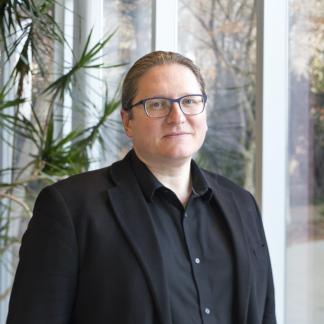
Joseph Kable is the Jean-Marie Kneeley President's Distinguished Professor of Psychology at the University of Pennsylvania's Department of Psychology within the School of Arts and Sciences. His research integrates experimental economics, cognitive neuroscience, and personality psychology to investigate the neural and psychological mechanisms underlying decision-making. He explores how subjective value is represented in the brain, deviations from rational choice theory, and individual differences in decision processes. His lab employs fMRI and interdisciplinary methods to study topics like risk tolerance, impulsivity, and neural plasticity. Education: BS in Chemistry from Emory University (undergraduate), PhD in Neuroscience from the University of Pennsylvania (doctoral). Research focuses on behavioral and cognitive neuroscience mechanisms of choice, including studies on temporal predictions, value signals, and brain structure-function relationships. His recent work examines how neural markers correlate with decision-making variability across individuals. He currently advises graduate students in Psychology and has post-doctoral researchers in his lab. Associated with MindCORE, Penn's hub for integrative mind research. Lab activities include undergraduate research programs and active studies exploring decision neuroscience and neuroeconomics.
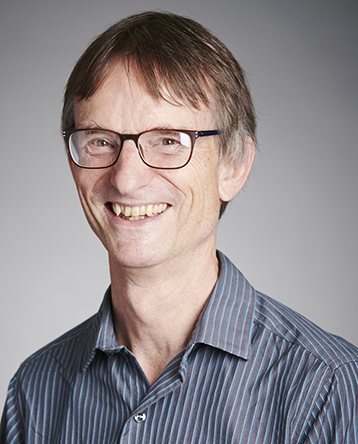
Christopher Turbill is an Associate Professor in Animal Science at Western Sydney University's School of Science, where he maintains an active research program focused on animal physiological ecology. He is affiliated with the Hawkesbury Institute for the Environment and serves as a Principal Investigator on multiple research projects while accepting HDR candidates for supervision. PhD from University of New England (2006) Thesis: Thermoregulatory Ecology of Tree-roosting Bats Supervised by Prof. Fritz Geiser Postdoctoral fellowships from Austrian Science Fund and Australian Research Council (DECRA) Former ecologist with NSW Government Professor Turbill's research integrates thermal and metabolic physiology with behavioral ecology to understand animal-environment interactions. His work has revealed significant ecological consequences of controlled body temperature variation in mammals and birds, linking these processes with metabolic energy expenditure, activity patterns, and life-history strategies. He specializes in bat biology and investigates conflicts between human environmental change and animal conservation requirements. His research keywords include ecophysiology, thermoregulation, energy expenditure, life-history ecology, body temperature, torpor, hibernation, and wildlife conservation. Analysis of Turbill's recent publications reveals a strong focus on thermal biology and conservation physiology, particularly regarding bats and birds. His work examines how animals manage energy through torpor, respond to climate change through thermal regulation, and adapt to anthropogenic disturbances. The research spans field studies of flying-foxes, microbats, and passerine birds across Australian ecosystems, with increasing emphasis on conservation applications related to white-nose syndrome, fire impacts, and wind energy development. Turbill leads significant research projects including the Ecology of the eastern horseshoe bat and its sensitivity to fire impacts (2024-2027), Vulnerability of Australian bats to white-nose syndrome (2021-2026), and Torpor use and burrowing behaviour in an arid zone passerine (2024). His work attracts funding from diverse sources including the Australian Research Council, Department of Planning and Environment, and various conservation organizations. Professor Turbill directs the BatsLab research group, which maintains a virtual hub for bat research at Western Sydney University. His team employs advanced methodologies including thermal imaging, GPS tracking, and physiological monitoring to study animal responses to environmental challenges. Current work focuses on developing conservation interventions for heat-stressed flying-foxes and assessing vulnerabilities of Australian bat species to emerging diseases.
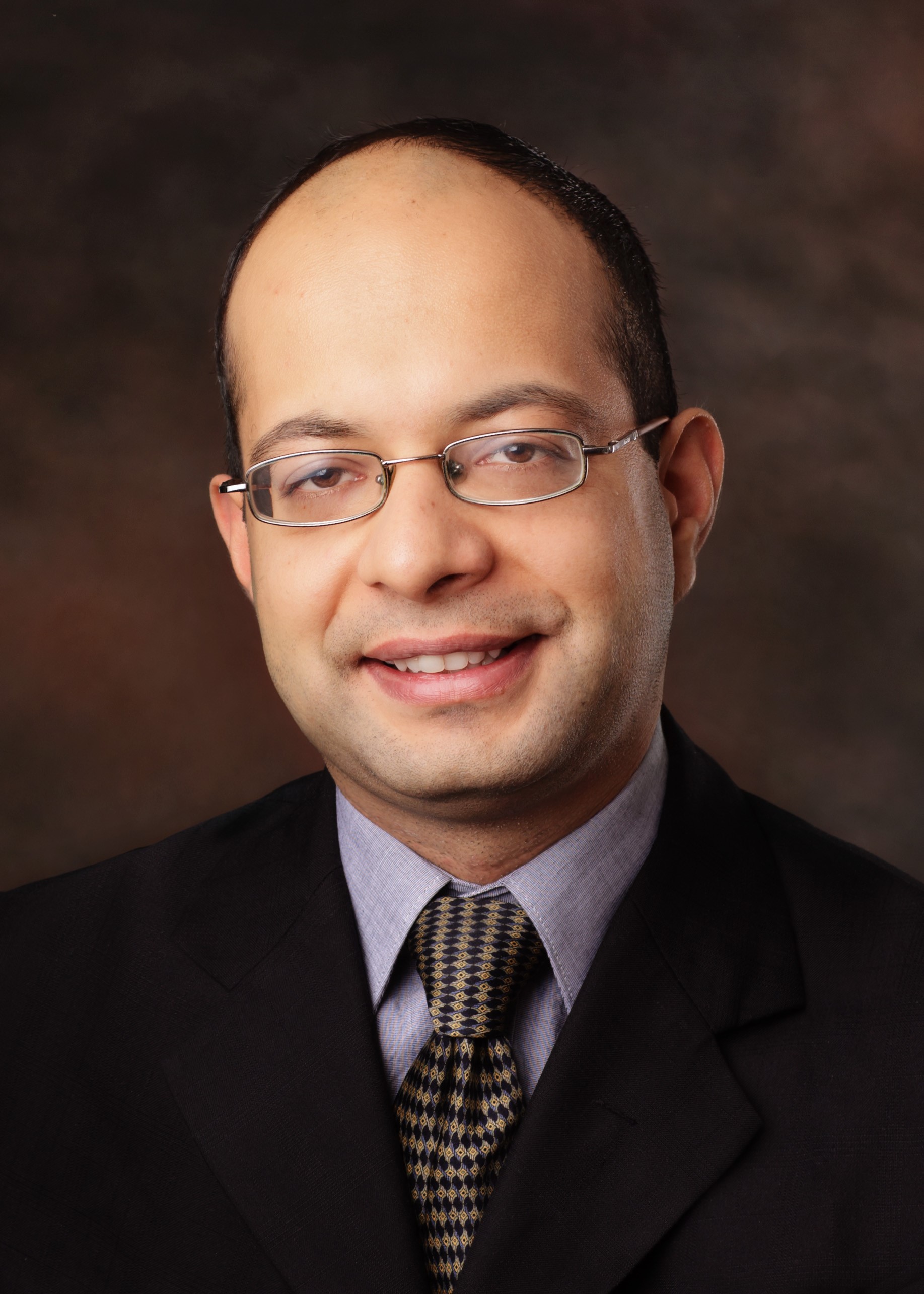
Sumeet Kumar Gupta is an Associate Professor in the Department of Electrical and Computer Engineering at Purdue University. His academic career spans from his current role to a prior Assistant Professorship at Pennsylvania State University (2014-2017) and an engineering position at Qualcomm Inc. (2012-2014). He holds a PhD in Electrical and Computer Engineering from Purdue University (2012), an M.S. from the same institution (2008), and a B.Tech in Electrical Engineering from IIT Delhi (2006). B.Tech, Electrical Engineering, IIT Delhi (2006) M.S., Electrical and Computer Engineering, Purdue University (2008) PhD, Electrical and Computer Engineering, Purdue University (2012) Dr. Gupta's research focuses on neuromorphic computing, low power variation-aware VLSI design in emerging nanotechnologies, device-circuit co-design, and nano-scale device modeling/simulations. His work addresses challenges in ferroelectric materials, crossbar arrays for deep neural networks, and energy-efficient AI hardware. Recent publications (2025-2024) highlight trends in: Ferroelectric HfO2/HZO thin films Compute-in-memory architectures Variability/stochasticity analysis Machine learning for device optimization Interconnect resistance/temperature effects AI hardware fault tolerance Scientific Awards & Recognitions: DARPA Young Faculty Award (2016) Early Career Professorship, Penn State (2014) 6th TSMC Outstanding Student Research Bronze Award (2012) Magoon Award (Purdue) Outstanding Teaching Assistant Award (Purdue, 2007) Intel PhD Fellowship (2009) His professional journey includes academic appointments at Purdue University (2020-present, Associate Professor) and Pennsylvania State University (2014-2017, Assistant Professor) after industry experience at Qualcomm Inc. (2012-2014). He maintains IEEE and EDS membership while publishing over 100 refereed works.
Anthony Rollett is a Professor in the Department of Materials Science and Engineering at Carnegie Mellon University , where he has been a faculty member since 1995. He serves as the Principal Investigator and Co-Director of the NASA-supported Institute for Model-Based Qualification & Certification of Additive Manufacturing (IMQCAM) and co-director of the Next Manufacturing Center . Prior to CMU, he held leadership roles at Los Alamos National Laboratory (1991-1995). Education: Ph.D., Materials Engineering, Drexel University (1987) MA, Metallurgy and Materials Science, Cambridge University (1977) Research Interests: Rollett’s work focuses on microstructural evolution and microstructure-property relationships in 3D using experiments and simulations. His expertise spans additive manufacturing , metal 3D printing , materials for energy systems , grain growth , recrystallization , and stereology , with techniques like high-energy diffraction microscopy (HEDM) and dynamic x-ray radiography (DXR) . Scientific Contributions: He has over 320 peer-reviewed publications and an h-index >80 . His recent articles highlight machine learning for laser processing , fatigue analysis of additively manufactured alloys, and design optimization for heat exchangers in supercritical CO2 and solar thermal applications . Scientific Awards: Fellow of ASM International (1996) Fellow of the Institute of Physics (UK) (2004) Fellow of The Minerals, Metals & Materials Society (TMS) (2011) Cyril Stanley Smith Award (TMS, 2014) Member of Honor, French Metallurgical Society (2015) US Steel Professor (2017) Francqui International Professor (2020-2021) International FAME Award (2023) Leadership & Impact: Rollett co-led the development of a NASA Space Technology Research Institute for additive manufacturing and established a new master’s program in additive manufacturing (2018). His research group is funded by industry , federal agencies , and Pennsylvania state grants . He also serves on the Basic Energy Science Advisory Committee and Defense Programs Advisory Committee for the Department of Energy.
Assoc Prof Ying Chen is an Associate Professor at the National University of Singapore , affiliated with the Department of Mathematics, Asian Institute of Digital Finance (as Academic Director of PhD Program in Digital FinTech 2022–2024), Risk Management Institute (2019–2023), Department of Statistics and Data Science (2019–2023), and Department of Economics (2018–2023). She also contributes to NUS Graduate School for Integrative Sciences and Engineering since 2016. Research Interests include: AI forecasting and quantum computing for finance Nonstationary time series and functional data analysis Energy data analytics and precision medicine Network autoregression and spatial-temporal modeling Explainable AI and citation metrics Portfolio liquidation and market-making algorithms Article Trends demonstrate expertise in: Adaptive forecasting for gas flows and electricity prices Blockchain network influence detection Quantum computing applications in finance Functional autoregression with mixed predictors Credit rating fairness and explainability High-resolution implied volatility modeling Scientific Awards include: ISI Elected Member (2016–) International Statistical Institute Council (2023–2027) IASC Scientific Secretary (2017–2019, 2023–2025) Advisory roles for EU FIN-TECH and xAIM projects
Alfred O. Hero, III is the John H. Holland Distinguished University Professor of Electrical Engineering and Computer Science and the R. Jamison and Betty Williams Professor of Engineering at the University of Michigan, Ann Arbor. He is currently on leave from the University of Michigan as a Program Director in the CISE Directorate at the National Science Foundation. His primary appointment is in the Department of Electrical Engineering and Computer Science (EECS), with secondary appointments in the Department of Biomedical Engineering and the Department of Statistics. He is also affiliated with the UM Center for Computational Medicine and Bioinformatics (CCMB), the UM Graduate Program in Applied and Interdisciplinary Mathematics (AIM), the UM Applied Physics Program, and the Michigan Institute for Data Science (MIDAS), which he co-founded from 2015-2018. Hero's research focuses on data science, developing theory and algorithms for multimodality data collection, fusion, analysis and visualization that use statistical machine learning and distributed optimization. His work has applications in wearable technologies for personalized health and predictive medicine, spatio-temporal networks in biology, climate, and social discourse, anomaly detection, and data analysis for international security. His recent research interests include high dimensional spatio-temporal data analysis, multimodal data integration, statistical signal processing, and machine learning, with particular emphasis on predictive mathematical models for biological and physical sciences, social networks, network security and forensics, and personalized health and disease. His recent publications demonstrate a strong focus on high-dimensional statistical methods, contrastive learning, neural network optimization, change detection in temporal graphs, and applications in microbiome analysis and epidemic modeling. The research spans theoretical foundations in information theory and statistical learning while addressing practical applications across multiple domains. Scientific Awards: IEEE Signal Processing Society Best Paper Award (1998) Best Original Paper Award from Journal of Flow Cytometry (2008) Best Magazine Paper Award from IEEE Signal Processing Society (2010) SPIE Best Student Paper Award (2011) IEEE ICASSP Best Student Paper Award (2011) IEEE Signal Processing Society Technical Achievement Award (2014) IEEE Signal Processing Society Society Award (2015) IEEE Fourier Award (2020) University of Michigan Distinguished Faculty Achievement Award (2011) Hero has advised over 60 PhD students and 30 postdocs in areas including modeling, computation, and inference for large scale time varying data in the biosciences. He has received significant research funding from the Department of Energy, Army Research Office, Air Force Office of Scientific Research, and National Science Foundation. He has held leadership positions including President of the IEEE Signal Processing Society (2006-2007), Director of Division IX (Signals and Applications) on the IEEE Board of Directors (2009-2011), and Chair of the Committee on Applied and Theoretical Statistics of the US National Academies (2018-2020).
Dr. Jing Li is an Associate Professor and Eduardo D. Glandt Faculty Fellow at the University of Pennsylvania , holding dual appointments in the Electrical and Systems Engineering and Computer and Information Science departments. As co-director of the CyberSavvy nationwide security research center and director of the Penn Computational Intelligence Lab (PennCIL) , she pioneers innovations in non-von Neumann computing paradigms. Her research spans post-CMOS technologies, in-memory computing, and hardware-software co-design for security and AI applications. PhD in Computer Engineering, Purdue University (2009) BSc in Electrical Engineering, Shanghai Jiaotong University (2004) Research Focus: Dr. Li's work addresses fundamental challenges in computer systems across the stack. Key areas include: In-Memory Computing: Liquid Silicon architecture combining RRAM with silicon CMOS through monolithic 3D integration Security Engineering: Transforming computer security from "Art" to formal "Engineering" discipline within CyberSavvy Virtualization: Cloud FPGA abstraction layers decoupling compilation from runtime resource management Graph Analytics: Degree-aware optimization techniques for massive-scale graph processing Deep Learning Systems: Roofline model extensions for FPGA-based CNN acceleration Scientific Impact: Awarded DARPA Young Faculty Award , NSF CAREER Award , and IBM CEO Milestone Award , her team has achieved world records in energy-efficient computing (ENIAD supercomputer). With 46 U.S. patents and over 80 publications, she leads ecosystem development for emerging computing architectures through initiatives like the open-source MEG simulation platform . Community Leadership: Dr. Li serves on program committees for flagship conferences ( ISCA , FPGA Symposium ), chairs the International Memory Workshop , and contributes to the MLsys conference's inaugural committee. She actively mentors through multiple PhD openings and industry collaborations.
Prof. Dr. Tobias Gemmeke is a University Professor at RWTH Aachen University's Faculty of Electrical Engineering and Information Technology, leading the Chair of Integrated Digital Systems and Circuit Design. His work focuses on neuromorphic computing, hardware accelerators, and energy-efficient electronics. He has pioneered advancements in FPGA-based computational neuroscience simulators, neuromorphic processor architectures, and sensor integration for industrial and medical applications. Research interests include time-domain computing, ReRAM reliability, and co-optimization of neural networks with hardware. Notable contributions include the neuroAIx framework for accelerated neuroscience simulations and energy-efficient ASIC designs for post-quantum cryptography. He actively explores memristive devices and domain generalization techniques for edge computing. Recent publications highlight innovations in spiking neural networks, sensor systems for plain bearings, and time-domain compute-in-memory engines. His work bridges theoretical neuroscience with practical hardware implementations, emphasizing scalability and real-time performance.
Professor Oula Ghannoum is a renowned plant scientist and academic leader at the Hawkesbury Institute for the Environment (HIE), Western Sydney University. She serves as Director of the ARC Training Centre for Smart and Sustainable Horticulture and holds leadership roles, including Biological Sciences Discipline Lead and Associate Editor at Functional Plant Biology . Her research focuses on photosynthesis, global change biology, and protected cropping, aiming to enhance food security and climate resilience through crop improvement and sustainable agricultural practices. Education: BSc (Honours) in Plant Biochemistry, University of NSW (1993) PhD in Plant Physiology, Western Sydney University (1998) Research Interests: Professor Ghannoum’s work addresses global challenges like food security and climate change by exploring plant responses to environmental stress. Her lab uses advanced technologies like smart glasshouses and hyperspectral imaging to optimize crop yield and quality. Key areas include sugar signaling pathways in C3/C4 plants, water use efficiency, and heat tolerance in cereal crops. Grants & Funding: She has secured over $25M in research funding, leading projects on C4 photosynthesis, automated crop monitoring, and protected cropping systems. Notable collaborations include the ARC Centre of Excellence for Translational Photosynthesis and Future Food Systems CRC. Awards: 2024 Vice-Chancellor’s Excellence in Research Award 2023 Education and Outreach Award (Australian Society of Plant Scientists) 2001 ARC Postdoctoral Fellowship Labs & Teams: Her team develops innovative frameworks for sustainable horticulture, combining biology with AI and smart technologies. Ongoing work includes imaging-based crop monitoring and phenotyping for climate-resilient crops.
Eugene Tang is an Assistant Professor in the Department of Mathematics and Physics at Northeastern University. His research focuses on quantum information theory and the theoretical limitations of quantum computing, particularly quantum error correction and efficient protocols using high-rate codes. He received his PhD from the California Institute of Technology in 2021. Dr. Tang's research interests include quantum error correction, the development of efficient quantum protocols surpassing conventional schemes, and the study of quantum algorithms such as QAOA. He explores the theoretical boundaries of quantum computing, with a focus on optimizing error detection and decoding methods for quantum LDPC codes and subsystem codes. His work also intersects with quantum gravity, particularly in the context of black hole interiors and bulk geometry construction through tensor methods. His recent publications highlight advancements in quantum error correction, including optimal locality in subsystem codes and efficient decoding strategies for quantum LDPC codes. His work on variational quantum optimization addresses challenges in scalability, such as QAOA's performance at large qubit scales and symmetry-related obstacles. Earlier contributions include research on superoscillations and hybrid quantum-classical algorithms for graph coloring. No scientific awards or grants are explicitly mentioned in the provided information. No specific labs or teams are associated with his work in the given data.
Luca Sebastiani is a Full Professor in Horticultural Sciences (AGR/03) at Scuola Superiore Sant'Anna in Pisa, Italy, since 2014. He currently coordinates the PhD Course in AgroBioSciences and has previously served as Director of the Institute of Life Sciences (2016-2021). His academic career includes roles as Associate Professor (2002-2014) and Assistant Professor (1998-2002) at the same institution. PhD in Plant Biology from Scuola Superiore Sant'Anna (1996) MSc in Agricultural Sciences from University of Pisa (cum laude, 1991) Postdoctoral research in agricultural biotechnology (1996-1998) Research Interests: Focus on plant-environment interactions, particularly abiotic and biotic stress responses in crops. Key areas include: Physiological and molecular responses to climate change stressors Nutraceutical enhancement of food crops Plant germplasm conservation using molecular markers Agriculture 4.0 integrating AI, IoT, and robotics Phytoremediation using poplar and Brassica species Scientific Contributions: His work bridges molecular mechanisms (aquaporin function, heavy metal transport) with ecosystem-level applications (precision irrigation, contaminant phytoremediation). Recent publications emphasize genome sequencing, stress tolerance modeling, and nutraceutical food development. ISHS Medal for SapFlow Workshop organization (2011) Giovanni Spitali Foundation Award for PhD dissertation (1998) Collaborations: Extensive international collaborations with institutions like Beijing Forestry University, Comenius University, and Purdue University. Currently supervises projects in plant phenotyping, omics technologies, and sustainable crop management.
Simone D. Castellarin is a Professor in the Department of Applied Biology at the University of British Columbia's Faculty of Land and Food Systems, and holds the Canada Research Chair Tier 2 in Viticulture. His research focuses on the molecular and physiological mechanisms governing berry ripening and composition in grapes, blueberries, and raspberries, with emphasis on genomic regulation under environmental stressors like heatwaves and drought. PhD in Plant Biology from the University of Udine (2007) Postdoctoral training at Hochschule Geisenheim University and University of California Davis Research areas include terpene biosynthesis, jasmonate signaling, cuticular wax dynamics, and agronomic strategies for climate change mitigation. Key projects involve remote sensing for vineyard zoning , hormone application effects , and genetic studies of berry quality traits . His work spans collaborations with industry bodies like the BC Wine and Grape Council and academic partners including the Cantu Lab at UC Davis. Recent publications highlight genomic analyses of terpene synthases, water deficit impacts on metabolites, and postharvest quality assessments. Awards include the 2009 Rudolf Hermanns Prize for viticultural research. He supervises numerous PhD and Master's students, and leads the Castellarin Lab at UBC's Wine Research Centre.
Aviral Shrivastava is a Professor at the School of Computing and Augmented Intelligence, Arizona State University, leading the Make Programming Simple Lab. He holds a Ph.D. and M.S. from the University of California-Irvine (2006, 2002) and a Bachelor’s from IIT Delhi (1999). His research focuses on making programming simple for embedded and cyber-physical systems, with a particular interest in manycore and accelerated computing, software for CPS, and resilient/fault-tolerant computing. He has co-authored over 120 publications in top venues like DAC, ESWEEK, and ACM TECS, with more than 3000 citations and 5 granted patents. His work has been recognized with multiple awards, including the 2010 NSF CAREER award and best paper nominations. Research Areas: Embedded and Cyber-Physical Systems Compiler Design for Modern Architectures Resilient and Fault-Tolerant Computing Scientific Awards: 2010 NSF CAREER award DAC 2017 Best Paper Award Candidate VLSI 2016 Best Student Paper Award LCTES 2010 Second Highest Ranked Paper ASPDAC 2008 Best Paper Candidate Advising & Grants: He has mentored 9 Ph.D. and over 20 Masters students. His research has been funded by NSF, DOE, NIST, SFAZ, and industry partners, totaling $3.5M. He teaches courses on computer organization, architecture, and embedded systems, with student evaluations averaging over 4/5. He also serves as General Chair of Embedded Systems Week (ESWEEK) and holds editorial roles in IEEE ESL, ACM TCPS, and ACM TECS.
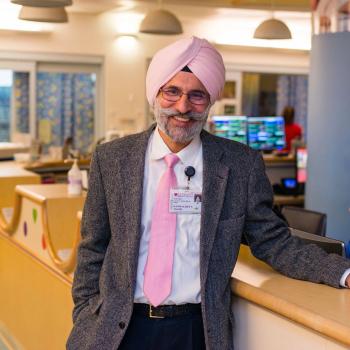
Dr. Kanwaljeet S. Anand is a dual-appointed Professor of Pediatrics (Pediatric Critical Care) and Anesthesiology, Perioperative & Pain Medicine at Stanford University School of Medicine. As director of the Pain/Stress Neurobiology Lab and Jackson Vaughan Critical Care Research Fund, he serves as Editor-in-Chief of Pediatric Research and maintains active membership in Bio-X, MCHRI, and Wu Tsai Neurosciences Institute. Rhodes Scholar with D.Phil from University of Oxford Harvard postdoctoral fellowship and Boston Children's Hospital residency Founded Harmony Health Clinic - Arkansas' largest charitable medical-dental facility A translational researcher with 30+ years of impact, Dr. Anand established the first scientific framework for infant pain perception and developed novel pain assessment methodologies. Current research focuses on: Hair biomarker analysis for stress and social affiliation (cortisol/oxytocin) Machine learning systems for objective pain detection in non-verbal infants Biopsychosocial interventions for stress reduction in disadvantaged youth Neurotoxicity mechanisms of sedatives in developing brains Global NICU opioid usage patterns through the NeoOpioid Consortium His work has yielded over 260 publications and significant advances in: Pediatric pain management protocols Neonatal stress biomarker development Critical care neurobiology insights Community health initiatives AI-driven clinical decision support systems Scientific Recognition 9th Annual 'In Praise of Medicine' Public Address, Erasmus University (2014) Nightingale Excellence Award (2016) Honorary Doctorate from University of Örebro (2019) NIH SBIB-H82 Study Section Chair (2018) Multiple IASP and American Pain Society awards Swedish Academy of Medicine's Nils Rosén von Rosenstein Award (2009) St. Jude Endowed Chairholder (2010) As mentor to Med Scholar Anjali Gupta and advisor to numerous professional bodies, Dr. Anand maintains active clinical leadership in Pediatric Intensive Care while advancing computational approaches to pain detection through collaborations with Stanford's AI researchers.
Ferran Garcia-Pichel is a Regents Professor and Center Director at Arizona State University’s School of Life Sciences, affiliated with the Biodesign Center for Fundamental & Applied Microbiomics, Center for Biodiversity Outcomes, Water Institute, and Global Drylands Center. He holds a PhD in Microbiology from the University of Oregon (1999) and has been a faculty member at ASU since 1999. His research focuses on microbial adaptations in arid environments, including biogeochemical cycling, soil crust formation, and sustainable land restoration. Key interests include cyanobacterial sunscreen compounds (scytonemin), carbonate dissolution mechanisms, and hydrogen production. Teaching responsibilities include advanced microbiology, microbial ecology, and geomicrobiology courses such as MBB 495 Undergraduate Research and BIO 493 Honors Thesis. Awards span from the 2021 Regents Professor distinction to the 2023 Sperry Award for restoration science. His lab explores interdisciplinary approaches to study microbial communities in desert soils, marine intertidals, and atmospheric dust, with applications in climate resilience and biomedicine. Research highlights include biocrust restoration strategies, microbial nitrogen fixation networks, and the role of GABA/Glu signaling in spatial organization. Collaborations address global challenges like fugitive dust mitigation and carbon sequestration. The lab is based at the Biodesign Building B on ASU’s Tempe campus.