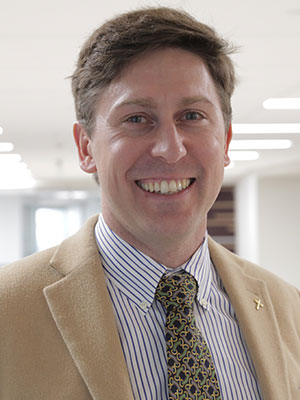
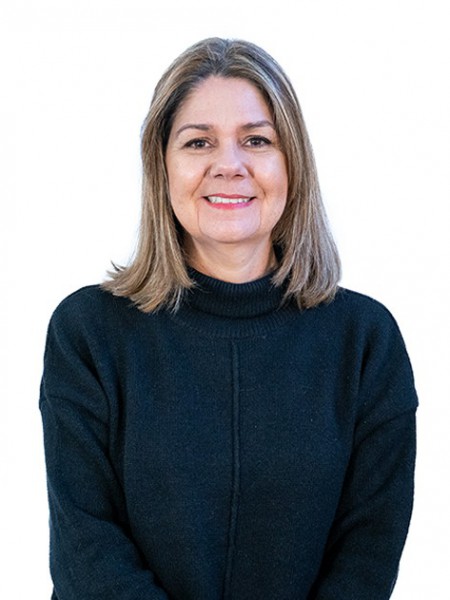
Timothy Jacobs is Professor and Head of Multidisciplinary Engineering at Texas A&M University, with joint appointment in Mechanical Engineering. His research advances combustion science, emission control, and alternative fuel applications. Education: Ph.D. Mechanical Engineering, University of Michigan (2005) M.S. Mechanical Engineering, University of Michigan (2002) B.S.E. Mechanical Engineering, University of Michigan (1999) Research focuses on fundamental combustion processes in natural gas engines, developing low-temperature combustion strategies and aftertreatment integration. Recent work optimizes prechamber ignition systems for large-bore engines and hydrogen production via piston reactors. Experimental diagnostics characterize cycle variability, unburned emissions, and flame dynamics. Publications demonstrate expertise in combustion modeling, engine control algorithms, and emission formation mechanisms. Applied research supports decarbonization of power generation and marine propulsion. Awards recognize teaching excellence and research leadership, including ASME Fellowship and university professorships. Secures funding for engine technology development from federal agencies and industry partners.
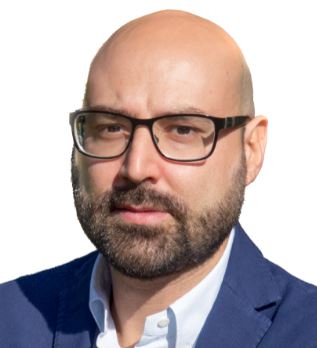
Simone Fatichi is a Full Professor at the Department of Civil and Environmental Engineering, National University of Singapore (NUS), since July 2024. Previously, he held roles as Associate Professor at NUS (2020–2024), Research Associate/Lecturer at ETH Zurich (2011–2020), and postdoctoral fellow at the University of Firenze (2010–2011). He earned an International PhD in Civil and Environmental Engineering (2010) and MSc/BSc degrees in Environmental Engineering from the University of Firenze (Italy). His research focuses on hydrology, biogeosciences, and climate change impacts, addressing vegetation functioning, water/soil resources, carbon cycle dynamics, and urban ecohydrology. He leads developments of models like AWE-GEN (weather generator), Tethys-Chloris (ecohydrological model), and Urban Tethys-Chloris (urban model). His work spans global change effects in natural and urban environments, with emphasis on mechanistic process understanding. Key awards include the 2023 NUS Young Researcher Award, 2020 AGU Hydrologic Sciences Early Career Award, and the prestigious 2019 Antonio Feltrinelli Prize. He serves as an editor for Water Resources Research and reviewer for over 50 journals. His recent articles highlight urban climate impacts, soil carbon dynamics, and ecohydrological modeling advancements. His contributions bridge environmental engineering, climate science, and ecological processes, with applications to sustainable urban planning and natural resource management. Current projects include modeling crop yields under climate change and quantifying vegetation cooling benefits in cities.
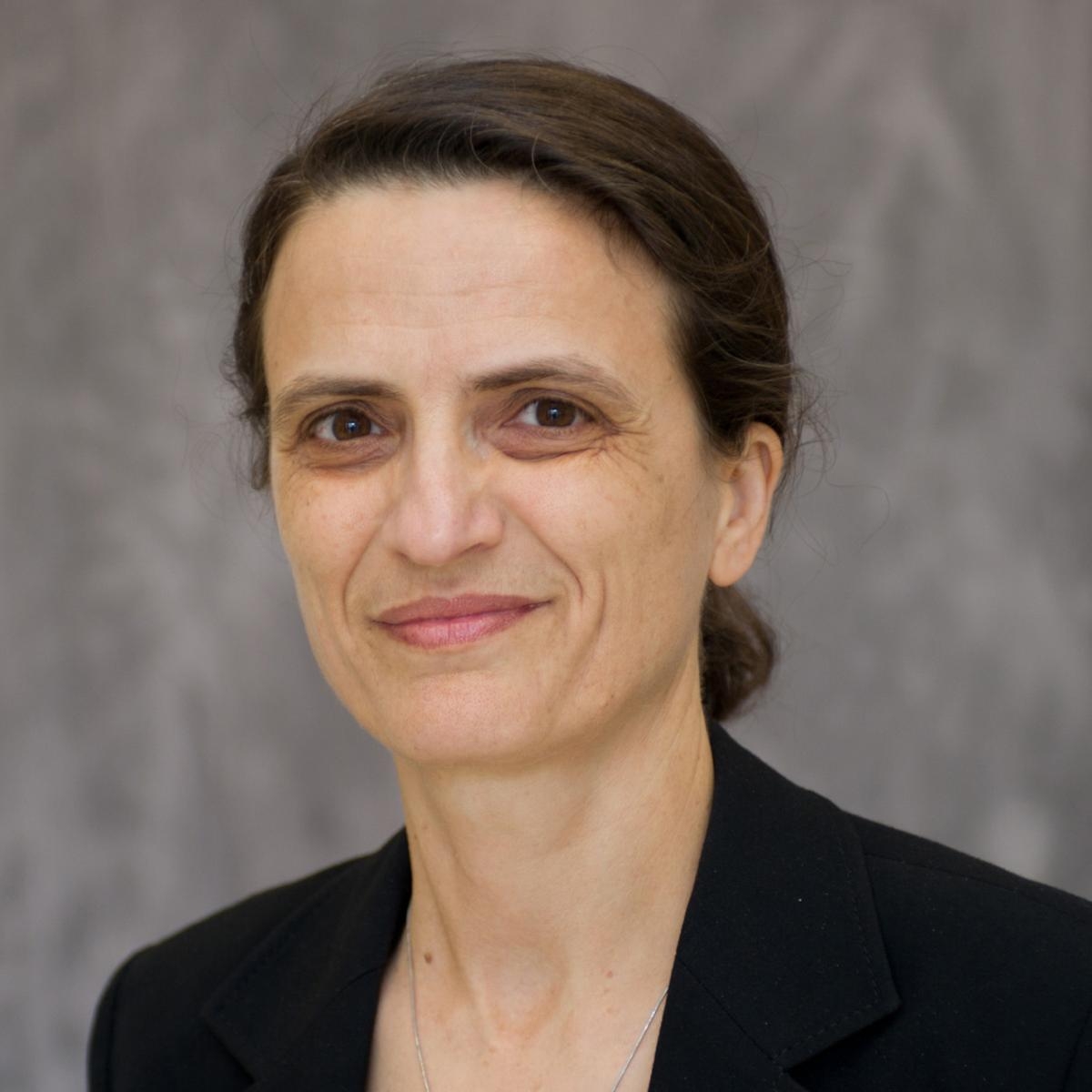
Dr. Sotira Yiacoumi serves as a Professor in the School of Civil and Environmental Engineering at the Georgia Institute of Technology, where she leads research at the intersection of colloidal science, environmental systems, and nuclear applications. Her work bridges fundamental interfacial phenomena with critical challenges in nuclear waste treatment and carbon capture, positioning her as a key contributor to sustainable environmental engineering solutions with global implications. Education Diploma of Engineering, Aristotle University, Greece (1985) M.S. in Engineering, Syracuse University (1987) Ph.D. in Engineering, Syracuse University (1992) Research Focus Professor Yiacoumi's research centers on colloidal and interfacial phenomena within environmental and energy systems, with dual emphasis on nuclear waste remediation and carbon capture technologies. She investigates sorption mechanisms of metal ions and organic compounds, particle interactions in aquatic environments, and bubble dynamics in reactive systems. Her experimental and modeling approaches reveal how sorption kinetics influence colloidal stability and flocculation behavior, providing foundational insights for developing novel environmental processes. Publication Trends Her recent publications (2023-2025) demonstrate a strategic pivot toward climate mitigation and nuclear safety, with 60% focused on CO 2 capture (particularly direct air capture using amino acid solvents and phase-changing compounds) and 40% on nuclear applications (radioactive iodine capture and uranium recovery). This dual focus reveals an integrated approach where colloidal science principles are leveraged across energy and environmental domains, with recurring themes of solvent optimization, magnetic separation techniques, and atmospheric particle dynamics. Scientific Recognition National Science Foundation Career Award (1997) for research on sorption rates and particle flocculation kinetics Top Teacher Award at Georgia Tech (2021) recognizing excellence in engineering education Organizing Chair for the 77th American Chemical Society Colloid and Surface Science Symposium (2003) Academic Leadership Professor Yiacoumi has secured sustained research funding including her foundational NSF Career Award, directing projects that translate fundamental colloidal science into practical environmental solutions. Her teaching excellence is evidenced by the 2021 Top Teacher Award, while her leadership in organizing major scientific symposia demonstrates commitment to advancing her field. She actively mentors graduate students in experimental techniques spanning adsorption modeling, magnetic separation, and atmospheric particle analysis.
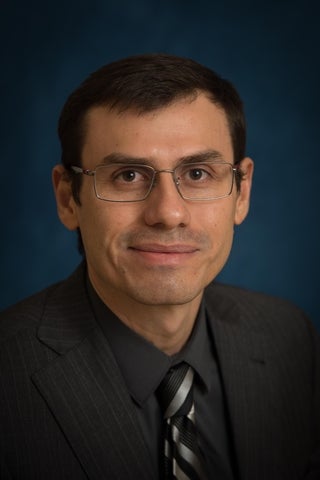
Luis A. Ricardez-Sandoval is an Associate Professor in the Department of Chemical Engineering at the University of Waterloo and holds a Tier II Canada Research Chair in Multiscale Modelling and Process Systems. His research group develops advanced computational tools for optimizing chemical processes across multiple scales. Doctorate: Chemical Engineering, University of Waterloo (2008) MASc: Chemical Engineering, Instituto Tecnologico de Celaya (2000) BASc: Chemical Engineering, Instituto Tecnologico de Orizaba (1997) The research group focuses on multiscale modelling and process systems engineering , particularly for CO2 capture , energy systems , and heterogeneous catalysis . Their work combines advanced mathematics, machine learning , and uncertainty analysis to optimize chemical processes before physical implementation. Recent publications emphasize dynamic system optimization under uncertainty, multiscale simulation , and CO2 conversion technologies . Key methodologies include probabilistic uncertainty quantification and economic predictive control . Scientific Awards : 1997: First Place, XII National Creativity Contest 1998: Best Student Award, Instituto Tecnologico de Orizaba 1999: Third Place, XIV National Creativity Contest 2000: J.M. Smith Award for Best MASc Student He has collaborated with international institutions like CONACyT-Mexico, China Scholarship Council, and Universidad de Los Andes. His teaching includes graduate courses in process control, optimization, and computer-aided design.
Professor Jim Harris is a leading academic in Environmental Technology at Cranfield Environment Centre, Cranfield University. He holds the Chair in Environmental Technology, a position he has held since 2002. His work spans microbial ecology, ecological restoration, soil health, and sustainable land systems, with significant contributions to policy, industry, and international standards. First degree in Applied Biology, North East London Polytechnic Doctoral work on microbiology of stored topsoil on opencast mine sites His research interests are centered on microbial ecology and its role in ecosystem processes, particularly in disturbed landscapes. He investigates soil formation, organic matter dynamics, waste treatment (e.g., landfill leachate), and the quantitative assessment of ecosystem services. He applies systems ecology to urban planning, water treatment, and land restoration. His work bridges science and practice, influencing government policy and industrial applications. The recent publications reflect a strong focus on soil health quantification , microbial community dynamics , nutrient cycling in waste-amended soils , and urban ecosystem services . There is a clear trend toward integrating Bayesian modelling , resilience metrics , and decision-support tools for environmental management. His team frequently collaborates on interdisciplinary studies involving carbon, nitrogen, and phosphorus cycling in agricultural and urban systems. Jim Harris has secured funding from major UK research councils including BBSRC, NERC, and EPSRC, as well as from government agencies (Defra, Environment Agency, Natural England), industry (Syngenta, AECOM, SITA), and international bodies (European Union, Royal Society). His research has informed national and international guidance on ecological restoration and land use. He is actively involved in professional societies such as the Society for Ecological Restoration, British Society of Soil Science, British Ecological Society, and Institution of Agricultural Engineers. He has contributed to major book publications and editorial roles in high-impact journals. His laboratory and research group focus on soil microbial communities , ecosystem resilience , and bioremediation . Projects like RestREco (Restoring Resilient Ecosystems) and Urban BESS (Biodiversity and Ecosystem Service Sustainability) highlight his team’s focus on reconnecting green-blue infrastructure and enhancing urban sustainability. He also leads work on food and nutrition security in the context of global disruptions like the COVID-19 pandemic.
Ling Tao is a Researcher at the National Renewable Energy Laboratory (NREL) , focusing on Techno-economic Analysis , Process Integration , and Sustainable Aviation Fuels . Their work spans Bioenergy , Lignocellulosic Biomass , and Energy System Optimization . Education : Bachelor in Chemical Engineering (Tsinghua University), PhD in Chemical Engineering (University of Massachusetts Amherst) Research interests include Catalytic Processes , Life Cycle Assessment , and Supply Chain Simulation for biofuels. Recent publications emphasize Biomass-to-Aviation Fuels and Climate Change Impact on Renewable Energy . 2025 publications highlight Dynamic Process Computation for sustainable aviation fuels and Process Optimization for bioconversion systems. Collaborations involve experts in Catalysis and Green Energy . Awards : NREL Distinguished Member of Research Staff (2021)
Steven Greybush is an Associate Professor in the Department of Meteorology and Atmospheric Science at Pennsylvania State University, College of Earth and Mineral Sciences. He is based in University Park, PA, and his research bridges atmospheric science, climate modeling, and interdisciplinary applications. He leads and contributes to major research initiatives involving AI-enhanced weather forecasting, planetary meteorology, and climate impacts on water and health systems. His research interests include Atmospheric Science , Climate Modeling , Data Assimilation , Planetary Meteorology (especially Mars) , Lake-Effect Snowbands , Tropical Cyclones , and Climate-Health Interactions . His work applies advanced techniques such as the Ensemble Kalman Filter (EnKF), Local Ensemble Transform Kalman Filter (LETKF), and AI-driven models to improve predictions of weather and climate phenomena. His recent publications (2021–2025) reveal a strong trend in integrating satellite and radar data into numerical models, enhancing forecasts of convection, hurricanes, and snowstorms. He also explores Martian atmospheric dynamics and the impact of climate variability on public health in Africa. His work is supported by major grants from NASA and NSF, including a $1.23 million NASA grant to improve AI satellite weather forecasting and an NSF grant for AI-powered weather pattern understanding. $1.23 million NASA grant for AI satellite weather forecasting NSF grant for AI-powered weather pattern understanding Penn State part of $6.6M consortium to improve weather forecasting Reducing Uncertainty in River System Forecasts to Maximize Nuclear and Hydro Generation Greybush collaborates with interdisciplinary teams and participates in field campaigns such as IMPACTS (Investigation of Microphysics and Precipitation for Atlantic Coast-Threatening Snowstorms). He advises or co-advises graduate students and researchers, though specific advisees are not listed. His work is published in top journals including Journal of Geophysical Research , Monthly Weather Review , JAMA Network Open , and PNAS .
Ehsan Modiri is a researcher at the Department of Hydrosystem Modelling , Helmholtz Centre for Environmental Research (UFZ), Germany. His work focuses on climate change impacts on hydrological systems, drought monitoring, and environmental modeling using advanced computational frameworks. Affiliation: UFZ - Helmholtz Centre for Environmental Research Department: Hydrosystem Modelling Research Themes: Climate Change, Droughts, Hydrological Forecasting, Water Resource Management Research Interests: Modiri specializes in understanding hydrological responses to climate change, particularly in drought dynamics and soil moisture variability. His work bridges observational data with sophisticated modeling frameworks to improve predictability of water balance components under warming scenarios. Scientific Contributions: Recent publications highlight his role in developing high-resolution drought simulations, evaluating hydrological model performance, and analyzing groundwater responses to global warming. He participates in large-scale European hydrological projects and collaborates on climate-hydrology integration initiatives.
Dr. Emmanuel C. Omondi is an Assistant Professor in the Department of Agricultural Sciences and Engineering at Tennessee State University's College of Agriculture. His research focuses on industrial hemp agronomy, sustainable agriculture, and conservation practices. He holds a Ph.D. and M.Sc. in Agronomy from the University of Wyoming and a B.Sc. in General Agriculture from the University of Nairobi. His research explores industrial hemp’s role in crop rotations, reduced tillage systems, and economic viability in Tennessee. Key projects include USDA-funded studies on organic farming impacts, soil health, and hemp production economics. He has led over $6.8 million in grants, including a USDA NIFA project on organic hemp assessment and a William Penn Foundation initiative on soil health and water quality. Awarded the Gamma Sigma Delta Honor Society and multiple fellowships, Dr. Omondi’s work spans international development, including conservation agriculture projects in Kenya and Uganda. He has authored 20+ peer-reviewed articles on topics like soil carbon dynamics, organic farming profitability, and phytoremediation potential of hemp. Education: Ph.D. (Agronomy, University of Wyoming), M.Sc. (Agronomy, University of Wyoming), B.Sc. (General Agriculture, University of Nairobi) Grants: Over $6.8 million in funding for projects on hemp agronomy, soil health, and sustainable farming systems. His honors include the A.K. Dobrenz Student Paper Competition First Prize (2011) and recognition for international academic excellence. Current initiatives focus on bridging agricultural innovation with environmental stewardship through collaborative research.
Vishnu S Nair serves as Assistant Professor (Grade I) in the School of Earth, Environmental and Sustainability Sciences at IISER Thiruvananthapuram since January 2024, following postdoctoral positions at IRD-France (2022-2023) and UC Berkeley (2019-2021). His research bridges tropical meteorology and climate science with practical applications for monsoon forecasting and climate adaptation. Education PhD in Meteorology & Oceanography, ESSO-INCOIS/Andhra University (2011-2017) Dr. Nair's research centers on monsoon low-pressure systems, investigating their historical variability, climate change impacts, and connections to extreme rainfall events. He develops advanced tracking algorithms and dynamical downscaling techniques to improve climate projections for vulnerable regions like South Asia and Pacific Islands. His work integrates observational analysis, climate modeling, and real-time forecasting systems to address critical questions about monsoon dynamics under global warming. His 14 publications (2014-2023) reveal consistent focus on monsoon system behavior, with recent work emphasizing future projections of low-pressure systems and observed increases in extreme rainfall rates. Key methodologies include high-resolution modeling, global dataset creation, and teleconnection analysis between monsoons and phenomena like ENSO and IOD. Scientific Recognition Gold Medal for Best PhD Thesis, Andhra University (2018) Junior Research Fellowship with Lectureship, CSIR-UGC (2011) CLIPSSA Postdoctoral Fellowship at IRD-France (2022-2023) Monsoon Mission Postdoctoral Fellowship at UC Berkeley (2019-2021) Dr. Nair actively recruits PhD candidates (requiring CSIR-JRF/GATE fellowships) and offers winter/summer internships in tropical meteorology. His research is supported by international projects including CLIPSSA for Pacific Island climate adaptation and India's Monsoon Mission for forecasting improvements. He contributes to global monsoon datasets used by meteorologists worldwide and serves as referee for leading journals like Geophysical Research Letters . He leads the Monsoon Dynamics Research Group at IISER-TVM, collaborating with institutions including Météo-France, UC Berkeley, and Indian climate research centers. Current initiatives focus on dynamical downscaling for island-scale climate projections and real-time tracking systems for monsoon low-pressure systems.
Bano Mehdi-Schulz is an Assistant Professor at the University of Natural Resources and Life Sciences, Vienna (BOKU), leading the 'Eco-hydrological and Land Use Modelling' group at the Institute of Hydrology and Water Management. She is a Substitute Member of the Ethics Committee. Her research focuses on ecohydrology, integrating hydrological and agricultural sciences to address water quality impacts from anthropogenic changes and future climate scenarios. Education: B.Sc. in Soil Science, M.Sc. in Agricultural Engineering, and Ph.D. from McGill University's Department of Geography. Awards include the Alexander Graham Bell Canada Graduate Scholarship (2009) and FWF Elise Richter Fellowship (2019). Her work bridges natural and social sciences, employing models to assess land use change and water resource management. Research Interests: Quantifying impacts of land use and climate change on water quality, ecohydrological modeling uncertainty, sustainable intensification strategies, and nitrate transport dynamics. Her team explores how farming practices and climate interact to influence water systems, with projects like ALUCSI (FWF-funded) and NitroClimAT (ACRP). Grants & Projects: Recent projects include ALUCSI (2019-2023), NitroClimAT (2018-2022), and UnLoadC3 (2014-2017). Current student advisees include researchers studying SWAT model uncertainty, sustainable intensification pathways, and water quality in East African basins. Labs/Teams: Leads the Eco-hydrological and Land Use Modelling group, collaborating with institutions like IIASA and SEC. Research emphasizes model coupling (e.g., SECLAND-SWAT) and satellite data integration for data-scarce regions.
Ana Paula Mora Tavares is an Assistant Researcher at CICECO-Aveiro Institute of Materials, University of Aveiro, Portugal. She holds a PhD in Chemical Engineering from the University of Aveiro (2006), preceded by a MSc from Federal University of Rio de Janeiro (2000) and a BSc from Estadual University of Rio de Janeiro (1997). Her academic career includes postdoctoral research at LSRE/FEUP (2006–2009) and a Ciência 2008-funded independent position (2009–present). She teaches laboratory classes in Microbial Biotechnology at the University of Aveiro and has been involved in COHITEC’s technology commercialization training. Research Interests: Her work focuses on biomolecules purification (e.g., enzymes, antibodies), ionic liquids, aqueous biphasic systems, nanomaterials, and biocatalysis for organic synthesis. She pioneers applications in enzyme immobilization, anticancer drug development (e.g., L-asparaginase), and eco-friendly bioremediation strategies. Current projects include the InsectERA initiative for circular economy innovation. Awards: 2007 Honourable Mention from Companhia União Fabril for PhD thesis Supervision: 3 PhD students (Ana Filipa Soares Pereira, Ana Isabel Bastos Valente, Ana Sofia Correia Marques) Key Projects: InsectERA (circular economy), COHITEC (technology valorization) Labs/Teams: PATh G5 - Biomimetic Materials Group and L3 Sustainability Unit at CICECO. Her research leverages interdisciplinary approaches, combining chemical engineering with nanotechnology for biomedical and environmental applications.
James Kwan is an Associate Professor in the Department of Engineering Science at the University of Oxford and a Tutorial Fellow at Balliol College. His research focuses on sonochemistry, catalytic processes, and biomedical applications of cavitation, particularly in energy conversion, environmental engineering, and material science. He holds a BSc from Rensselaer Polytechnic Institute and advanced degrees from Columbia University. Key research interests include ultrasound-driven chemical reactions, design of catalytic cavitation agents, and development of sonochemical reactors for hydrogen production and CO2 conversion. He has pioneered work on cavitation-enhanced drug delivery and immunotherapy using nanostructured materials. Notable achievements include a Junior Research Fellowship at New College and contributions to breakthroughs in sonochemical reactor design and biomedical applications. His group actively explores synergies between ultrasound technology and sustainable energy, with recent studies addressing seawater splitting and CO2 utilization. Current research also involves cavitation noise characterization using machine learning and optimizing pulsed acoustic waves for enhanced sonochemical efficiency. Collaborations span engineering, chemistry, and biomedical fields, with a focus on translating lab innovations into industrial and clinical applications.
Dwight Houweling is an Associate Professor in the Department of Civil, Geological and Mining Engineering at Polytechnique Montréal . His expertise focuses on environmental engineering and wastewater treatment , particularly in nutrient removal, biological processes, and modeling. B.Sc. in Civil Engineering (Queen’s University) Ph.D. in Civil Engineering (Polytechnique Montréal) Industrial Postdoctoral Fellow at EnviroSim Assoc. Ltd. Research interests include municipal/industrial wastewater treatment , phosphorus/nitrogen removal , biofilm systems , mechanistic modeling , and sludge densification . His work bridges activated sludge optimization , membrane-aerated biofilms , and green wastewater solutions . Recent publications emphasize modeling frameworks for nature-based solutions , biofilm technology in retrofitting plants , and sludge characterization in lagoons . He collaborates with institutions like EnviroSim Assoc. Ltd. and contributes to the Laboratoire de génie de l'environnement (LGE) at Polytechnique Montréal.
Maurizio Ramanzin is a Full Professor at the University of Padova , affiliated with the School of Animal Science and Department of Agronomy, Animals, Food and Natural Resources (DAFNAE) . His research focuses on Agricultural Sustainability , Environmental Impact Assessment , and Precision Livestock Farming . Academic Field : AGR/19 Email : maurizio.ramanzin@unipd.it Address : Agripolis - Viale dell'università, 16 - Legnaro (Padova) – ITALY His work explores the interactions between livestock systems and ecosystem services in mountainous regions, with emphasis on: Grazing Management and biodiversity conservation Life Cycle Assessment (LCA) of dairy and beef systems Climate Change Adaptation in Alpine ungulates Animal Welfare in small-scale farms Technological Tools (GPS, NIRS) for monitoring grazing behavior Key trends in his recent publications include: Quantifying environmental drivers of wolf predation on livestock Developing low-cost biologging systems for dairy cows Analyzing social-ecological trade-offs in mountain agriculture Assessing microbial dynamics in alpine soils