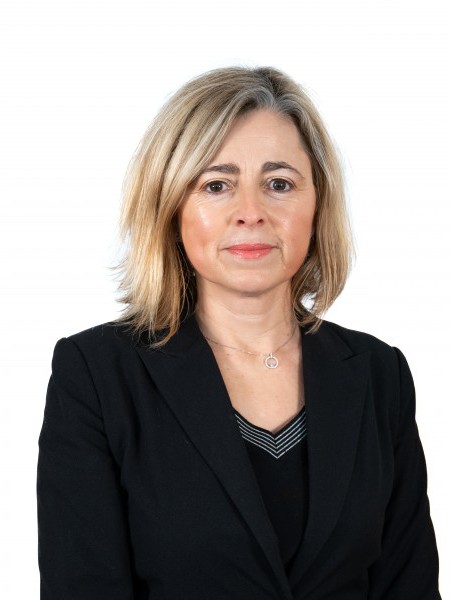
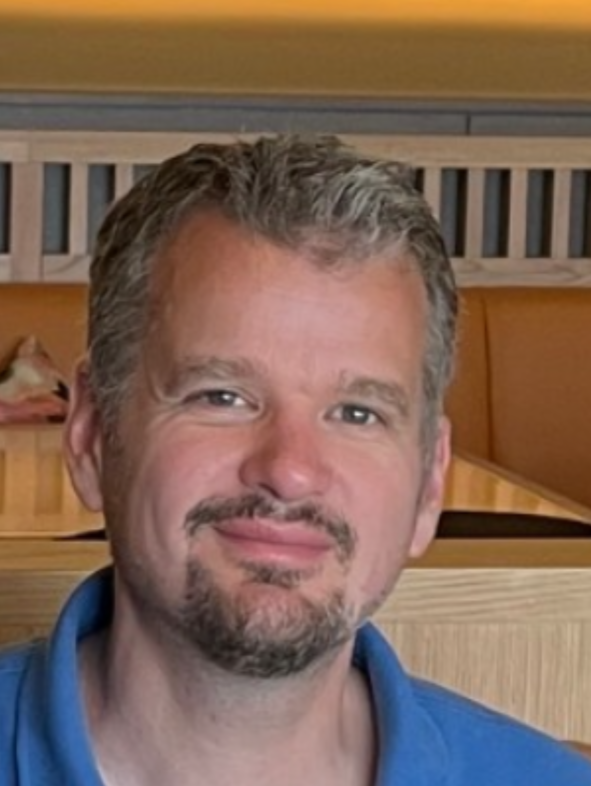
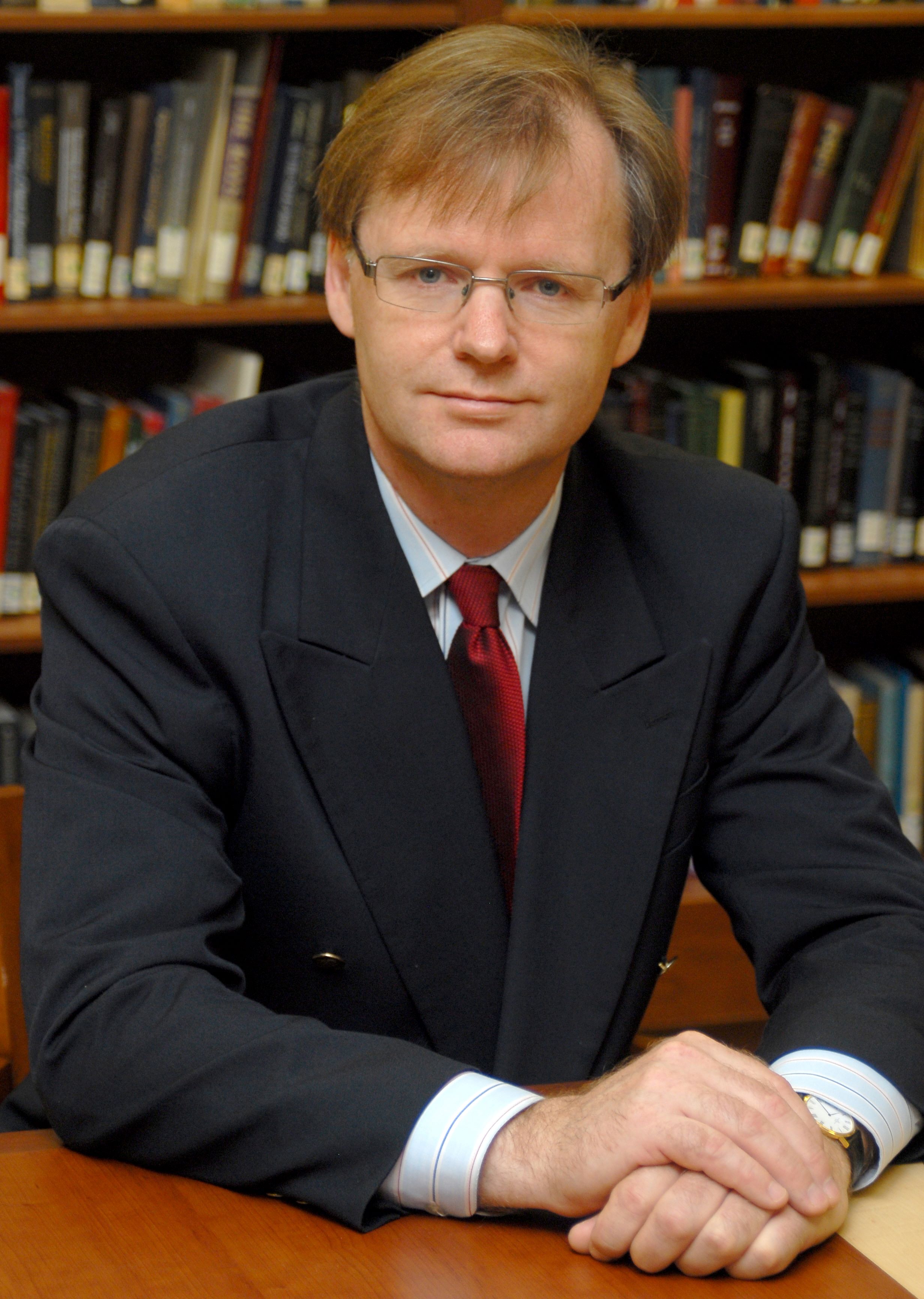
Anabela A. Valente is Principal Researcher at CICECO-Aveiro Institute of Materials, University of Aveiro, where she leads research on catalytic biomass valorization and sustainable materials. Her team develops heterogeneous catalysts for converting renewable feedstocks into chemicals. Recent publications focus on niobium catalysts for furanics valorization and molybdenum systems for olefin epoxidation. Chemistry Europe Fellow (2020/2021) Supervises PhD and MSc students in catalysis and materials science. Coordinates the Central Laboratory of Analysis and maintains industry collaborations with Merck KGaA and Bosch.
Daria Camilla Boffito is a Full Professor in the Department of Chemical Engineering at Polytechnique Montréal , holding the Tier-2 Canada Research Chair in Intensified Mechano-chemical Processes for Sustainable Biomass Conversion. Her research spans process intensification , catalysis , sonochemistry , photocatalysis , and metal extraction , with a focus on sustainability. Education: B.Sc. and Ph.D. in Industrial Chemistry from the University of Milan, M.Sc. in Industrial Chemistry and Management Current Research: Developing ultrasound-assisted extraction , CO2 conversion , and floating photocatalysts for wastewater treatment Collaborations: Works with Canadian and international companies on sustainable chemical processes Scientific Awards include the Canada Research Chair Tier-2 (2016-2021), NSERC Banting Postdoctoral Fellowship (2013-2016), and FRQNT PBEEE Postdoctoral Fellowship (2013-2016). Advising has seen 5 Ph.D. and 9 Master's students graduate. She leads the Engineering Process Intensification and Catalysis (EPIC) Laboratory and is a member of the Institut de génie biomédical .
Professor George Jackson, FRS, holds the position of Professor of Chemical Physics at the Department of Chemical Engineering, Imperial College London (since 2001), and has affiliations with multiple institutions including the University of Sheffield and Cornell University. His academic career spans roles from Lecturer (1989–1994) to Reader (1994–2001) in Physical Chemistry and Chemical Physics. He leads the Molecular Systems Engineering group and chairs the journal Molecular Physics . Research focuses on theoretical and computational chemistry, thermodynamics, and fluid phase equilibria. Key contributions include the SAFT (Statistical Associating Fluid Theory) equation of state, applied to CO2 capture, polymer physics, and pharmaceutical processes. He has pioneered models for electrolytes, solvents, and complex fluids, emphasizing sustainability and industrial applications. Notable accolades include the Rossini Award (2023), Fellowship of the Royal Society (2020), and the Bakhuis Roozeboom Medal (2019). His work has been recognized through Imperial College's President's Medal (2016), the Guggenheim Medal (2014), and over 400 citations in Google Scholar. Collaborations span institutions globally, including the Sargent Centre for Process Systems Engineering and the Thomas Young Centre. Current initiatives include the HiRECORD project for CO2 capture technology scaling and the development of phase-change solvents. His research integrates molecular simulation, process design, and sustainability assessment, addressing challenges in energy, environment, and pharmaceuticals.
Dr. Johannes Dahl is an Associate Professor in the Department of Geosciences at Texas Tech University. His research focuses on the dynamics of convective storms, particularly supercells and tornado formation. He leads a research group using numerical simulations and mobile observational platforms like TTU Ka-band radars to study tornado vorticity origins and storm-environment interactions. Education: M.Sc. Atmospheric Science (Free University of Berlin, 2007); Ph.D. Atmospheric Science (Ludwig Maximilian University, Munich, 2010). Research Interests: Tornadogenesis mechanisms, storm-scale vorticity dynamics, and cloud-scale numerical modeling. His work addresses critical questions such as whether tornado rotation is generated internally or imported from the environment. The group employs idealized simulations, theoretical frameworks, and field observations to advance understanding of severe weather processes. Recent publications emphasize vortex dynamics, numerical model validation, and environmental influences on tornado formation. He teaches courses in atmospheric science fundamentals, synoptic/mesoscale dynamics, and geophysical fluid dynamics. Labs/Teams: Active participant in VORTEX-SE field campaigns and collaborates with Texas Tech’s radar teams. His group integrates observational data with high-resolution simulations to improve storm prediction models.
Michael Organ is a Full Professor at the University of Ottawa's Department of Chemistry and Biomolecular Sciences, affiliated with the Faculty of Science. He also serves as Director of the Centre for Research and Innovation in Catalysis. His research focuses on catalysis, flow chemistry, and medicinal chemistry, emphasizing sustainable and efficient synthesis methods. Organ has held adjunct roles at the University of Toronto and has extensive industry collaborations, including with GlaxoSmithKline and Abbvie. Education: PhD (University of Guelph, 1992), MSc (University of Guelph, 1988), Hons. BSc (University of Guelph, 1986). Research Interests: Catalysis, microwave-assisted continuous synthesis, reactive intermediates in flow systems, and drug discovery methodologies. His work bridges organic chemistry with engineering, developing scalable and green processes. Publications & Impact: Over 200 publications, including seminal works in Journal of the American Chemical Society and Chemistry – A European Journal . Key contributions include the Pd-PEPPSI-IPent catalyst and the MACOS flow chemistry platform. Awards: NSERC John C. Polanyi Award (2018), Encyclopedia of Reagents Best Reagent Award (2017), Raymond Lemieux Award (2016). Recognized internationally for catalytic innovations. Grants & Funding: Over $45M in research funding, including NSERC Discovery Grants and industry partnerships. Notable projects include CFI JELF grants for sustainable manufacturing and pandemic-related flow chemistry for SARS-CoV-2 diagnostics. Labs & Teams: Leads the Organ Group, collaborating with chemical engineers and industry partners. Specializes in reactor design, catalyst development, and continuous processing systems.
Prof. Dr. Sven Panke is a Full Professor and Head of the Department of Biosystems Science and Engineering at ETH Zürich. His research focuses on bioprocess engineering, synthetic biology, and enzymatic process development. Key areas include miniaturized bioreactor systems, microbial engineering for novel metabolite production, and high-throughput screening methodologies. Education: Studied Biotechnology at TU Braunschweig, with postgraduate research at the German National Research Center for Biotechnology and ETH Zurich. Transitioned from industry (DSM) to academia in 2001 as an Assistant Professor, progressing to Associate Professor (2007-2009) before leading the BSS department. Research interests emphasize directed evolution of enzymes, metabolic pathway engineering, and systems biology approaches to optimize microbial production systems. Current projects include bio-indigo synthesis, antimicrobial peptide discovery, and synthetic biology tools for cellular engineering. Labs/Teams: Leads the Bioprocess Engineering Lab at ETH Zurich, collaborating on projects like the E. coli import system design and γ-glutamyltransferase engineering. Active in developing microfluidics platforms for parallel reaction analysis. Grants/Advising: Funded by initiatives in sustainable biomanufacturing and synthetic biology. Supervises graduate students in bioprocess design and microbial systems engineering.
Pedro Carlos De Barros Fernandes is an Associate Professor at Universidade Lusófona , Deputy Director of the 1st cycle in Biotechnology, and an integrated researcher at the Institute of Bioengineering and Biosciences (iBB-IST). He holds a PhD in Biotechnology (1999) and a Master in Biotechnology/Biochemical Engineering (1994) from Universidade Técnica de Lisboa (IST), along with a Chemical Engineering degree from IST (1989). A member of the Order of Engineers (ID 24667), he co-founded Biotrend, a Portuguese bioprocess development company. Education PhD in Biotechnology (1999), Universidade Técnica de Lisboa MSc in Biotechnology (1994), Instituto Superior Técnico BSc in Chemical Engineering (1989), Instituto Superior Técnico Research Interests span biocatalysis, enzyme immobilization for food and pharmaceutical applications, marine biotechnology, microfluidic device development for biosensing, and steroid bioconversions using mycobacterial systems. His work integrates process engineering principles with sustainable bioprocessing techniques. Publication Trends show a focus on microreactor technology, enzyme stabilization in non-conventional media, marine-derived biocatalysts, and food waste valorization. Key themes include biocatalytic process intensification, aqueous two-phase systems for biomolecule purification, and sustainable carbon sources for biopolymer production. Scientific Awards UTL/Santander Totta Scientific Award in Biological Engineering (2011) Advising has included supervision of 5 doctoral theses and over 32 master’s theses. His expertise extends to peer-reviewing scientific articles and evaluating R&D projects. Labs & Teams are associated with iBB-IST (Institute of Bioengineering and Biosciences) and BioRG (Universidade Lusófona), with contributions to the Ciência Viva program for science dissemination.
Carsten Sievers serves as Adjunct Professor in the Department of Chemical and Biomolecular Engineering at Georgia Institute of Technology, where he leads research in sustainable catalytic processes for fuel and chemical production from alternative resources. His work bridges fundamental spectroscopy with industrial reactor design to address petroleum dependence. Education: Diploma, Technical University of Munich, Germany (2003) D.Sc., Technical University of Munich, Germany (2006) Research Focus: Sievers' program integrates fundamental studies using IR, NMR, XAS, and Raman spectroscopy to probe catalyst structure-reactivity relationships with applied research on flow reactor systems for biomass conversion (hydrodeoxygenation, sugar upgrading) and mechanocatalytic polymer depolymerization. Key initiatives target CO 2 -neutral chemical production from biomass and waste plastics, emphasizing catalyst stability and regeneration. Publication Trends: Recent work (2023-2025) reveals a strategic pivot toward mechanocatalysis for plastic recycling (polyethylene, polystyrene) and ammonia synthesis, while maintaining expertise in hydrocarbon catalysis. Dominant themes include reaction environment engineering in ball mills, metastable surface characterization, and process intensification for CO 2 electrolysis. Scientific Recognition: 2012 Young Scientist Award, International Congress on Catalysis 2023 ACS Fellow designation Academic Leadership: As Director and Past President of the Southeastern Catalysis Society, former ACS Division Director, and Editor of Applied Catalysis A: General , Sievers shapes catalysis research direction. His Sievers Group has secured competitive fellowships for students like Yuchen George Change (Eastman Chemical Fellowship) and Victor Brandão (Ziegler Award), reflecting strong mentorship in sustainable reaction engineering. Research Infrastructure: The group operates advanced flow reactors, spectroscopic characterization suites, and mechanochemical systems for in-situ catalyst analysis, supporting collaborations with industry partners on technology translation.
Alois Jungbauer is a full Professor and Head of the Institute of Biochemical Engineering at the University of Natural Resources and Life Sciences Vienna (BOKU), within the Department für Biotechnologie und Lebensmittelwissenschaften. He is a leading expert in bioprocess engineering, with a focus on downstream processing, continuous manufacturing, and sustainable biopharmaceutical production. Doctorate, University of Natural Resources and Life Sciences Vienna Habilitation, 1991 His research interests center on advanced purification technologies for biologics, including monoclonal antibodies, viral vectors, virus-like particles (VLPs), and gene therapy products. He is a pioneer in continuous integrated biomanufacturing, real-time process monitoring, and the development of platform processes for non-mAb proteins. His work integrates computational modeling, digital twins, and process intensification to improve efficiency and reduce environmental impact. He has made significant contributions to affinity chromatography, membrane adsorbers, and non-chromatographic separation methods. Recent publications highlight trends in continuous downstream processing, water conservation, in-situ buffer preparation, and the purification of complex biomolecules like secretory IgA and VLPs. His work spans both fundamental biophysical studies and industrial applications, reflecting a strong industry-academia interface. His scientific awards include: ISMR Thermo Fischer Award for Affinity Technologies (2011) Bia Separations Award (2000) Fulbright Award, Austrian-American Fulbright Commission (1996) Award of Japanese Society for Promotion of Science (1994) Golden Award 93 Professor Jungbauer actively supervises university theses and leads a dynamic research group. He has delivered numerous lectures and keynotes worldwide, indicating active engagement in knowledge transfer. His research is supported by ongoing projects and collaborations, with a strong emphasis on environmental and economic modeling of bioprocesses. He is affiliated with the Institute of Biochemical Engineering at BOKU, a hub for innovation in bioprocessing and industrial biotechnology.
Ulrich Tallarek serves as Professor of Analytical Chemistry in the Faculty of Chemistry at Philipps University of Marburg, where he has held a W3 professorship since 2011. He also serves on the Board of Directors for the Materials Science Center at the university, a position he has held since 2007. His research group focuses on the fundamental understanding of transport phenomena in porous media with applications spanning chromatography, battery technology, and microfluidic systems. The group maintains strong collaborations with institutions worldwide and secures substantial research funding for advanced computational and experimental work. Professor Tallarek's research interests center on functional porous solids, with specific focus on morphology-transport-performance relationships. His work bridges multiple scales from molecular dynamics simulations of solute behavior in nanopores to macroscopic transport in chromatographic columns and battery electrodes. Key research areas include diffusion in hierarchical porous media, electrokinetic phenomena in microfluidic systems, molecular simulation of chromatographic processes, and advanced characterization of porous materials using tomography and other techniques. His group has pioneered multiscale simulation approaches that connect molecular-level surface chemistry to macroscopic transport properties. The research output demonstrates consistent focus on understanding fundamental transport mechanisms in porous systems, with recent publications emphasizing multiscale simulation techniques, molecular dynamics studies of solvent effects in chromatography, advanced characterization of mesoporous structures, and applications to separation science and energy storage. The work shows strong integration of computational modeling with experimental validation across multiple length scales. 2003: Desty Memorial Prize for Innovation in Separation Science, The Royal Institution of Great Britain, London 2006: Young Scientist Award from DECHEMA e.V. 2011: Named Discussion Leader at the 2011 Gordon Research Conference on Physics & Chemistry of Microfluidics 2011–2012: Chairman of the German Chemical Society (GDCh), Marburg 2013: Finalist, World Technology Awards, for category Environment 2013: Named as one of the 100 most influential analytical scientists in the world (The Analytical Scientist Power List) 2017: Recipient of the Silver Jubilee Medal 2017, The Chromatographic Society, UK Professor Tallarek's research has been supported by numerous grants enabling high-performance computing resources, advanced instrumentation, and international collaborations. His group maintains strong ties with industry partners in separation science and analytical instrumentation. The Tallarek Research Group includes postdoctoral researchers, PhD students, and technical staff working across experimental and computational domains. Current projects focus on molecular simulation of chromatographic processes, advanced characterization of porous battery electrodes, and development of novel separation methodologies. The Tallarek Research Group operates state-of-the-art facilities for computational modeling, including access to high-performance computing resources at Forschungszentrum Jülich. The group also maintains experimental capabilities for chromatographic analysis, materials characterization, and microfluidic device development. Their work on physically reconstructed porous media has established new standards for connecting microstructure to transport properties in complex materials systems.
Christoph Müller is a Full Professor of Energy Science and Engineering at ETH Zürich's Department of Mechanical and Process Engineering. He leads the Laboratory of Energy Science and Engineering, focusing on sustainable energy generation, heterogeneous catalysis, and granular systems. His research integrates experimental methods like Magnetic Resonance Imaging (MRI) and Discrete Element Modelling (DEM) with mathematical modeling to address industrial energy challenges. Education: Dipl.-Ing. from Technical University of Munich (2004), PhD in Chemical Engineering from the University of Cambridge (2008). Notable awards include the Danckwerts-Pergamon Prize (2009) and DAAD Scholarship (2005). He teaches courses such as Thermodynamics I and Thermo- and Fluid Dynamics. Research interests span CO₂ capture via chemical looping, catalytic hydrogenation, and granular flow dynamics. Recent work explores catalyst design for propane dehydrogenation, MXene-based ammonia synthesis, and MgO-based CO₂ sorbents. His lab employs advanced techniques like operando X-ray absorption spectroscopy to study catalyst behavior under reaction conditions. Key achievements include developing stable PtGa propane dehydrogenation catalysts and advancing understanding of Na₂CO₃-promoted CO₂ sorbents. His work on fluidized bed hydrodynamics via MRI contributes to reactor design optimization. Müller's interdisciplinary approach bridges fundamental science and industrial application, addressing global energy sustainability challenges.
Richard P. Allan is a Professor of Climate Science in the Department of Meteorology at the University of Reading, United Kingdom. He is affiliated with the National Centre for Earth Observation (NCEO) and the Walker Institute, and has previously worked at NCAS Climate and the Met Office. He served as a lead author for the Intergovernmental Panel on Climate Change (IPCC) Sixth Assessment Report. His research focuses on Earth's energy budget, climate change, and the global water cycle, utilizing Earth Observation data to assess climate models and understand atmospheric processes. Key areas include radiative forcing, cloud dynamics, precipitation extremes, and ocean warming. He has led significant projects such as the NERC DEEP-C consortium. The 15 most recent publications highlight sustained contributions to understanding climate system responses, particularly in energy imbalance, water vapor trends, aerosol-cloud interactions, and precipitation variability. Articles appear in high-impact journals like Nature , Science , and Geophysical Research Letters , reflecting broad expertise in climate modeling, satellite remote sensing, and hydrological impacts. Lead Author, Intergovernmental Panel on Climate Change (IPCC) Sixth Assessment Report Richard P. Allan has supervised numerous PhD and Master’s students, though specific names are not listed in the provided texts. He has secured major research grants, including from NERC, and leads collaborative projects involving climate modeling and satellite data analysis. His work is instrumental in linking observations to climate predictions and policy-relevant science. He is affiliated with the National Centre for Earth Observation, the Walker Institute, and has been Principal Investigator on projects including NERC DEEP-C, DACCIWA, SMURPHS, and SINATRA, focusing on climate extremes, African weather systems, and Earth’s energy budget.
Michael Tsapatsis is the 36th Bloomberg Distinguished Professor at Johns Hopkins University in the Whiting School of Engineering. He leads cutting-edge research in sustainable chemical engineering with focus on energy-efficient materials and processes. Education: Engineering Diploma (1988), University of Patras, Greece M.S. (1991), California Institute of Technology Ph.D. (1994), California Institute of Technology Postdoctoral Fellow, California Institute of Technology (1993-1994) Professor Tsapatsis pioneers hierarchical porous materials design for molecular separation and catalysis. His work integrates reaction engineering, mathematical modeling, and materials science to develop ultra-thin zeolite nanosheets and metal-organic frameworks that enable unprecedented selectivity in separation membranes and catalytic processes. The research group focuses on industrial scalability of these materials for cleaner chemical production. His publication trajectory reveals consistent innovation in nanomaterials for sustainable engineering, with landmark papers in Science and Nature demonstrating breakthroughs in membrane technology and catalytic conversion. These works establish foundational principles for molecular-sieving materials that balance selectivity, flux, and industrial viability. Major Honors: Alpha Chi Sigma Award for Chemical Engineering Research (AIChE) Breck Award (International Zeolite Association) Charles M.A. Stine Award (AIChE) David and Lucile Packard Foundation Fellowship National Science Foundation CAREER Award Camille Dreyfus Teacher-Scholar Award North American Membrane Society Fellowship Fellow, American Association for the Advancement of Science (2011) Member, National Academy of Engineering (2015) He directs a highly collaborative research program with extensive industrial partnerships and multiple patents. Current initiatives include the "Greener Skies Ahead" sustainable jet fuel project with the University of Alabama and Oak Ridge National Laboratory, and the DARPA-funded "Cornucopia" program developing air-to-food conversion technology with Johns Hopkins APL. His group trains students in molecular sieve membrane synthesis while advancing process intensification for decarbonization. The Tsapatsis Research Group operates at the forefront of materials-driven chemical engineering, translating fundamental discoveries in nucleation control and crystal growth into scalable separation and catalytic technologies for industrial applications.
Ceri Hammond is a Senior Lecturer and Reader in Catalysis at Imperial College London's Department of Chemical Engineering, Faculty of Engineering. He leads the Hammond Lab, focusing on catalytic processes, biomedical engineering, and sustainable chemistry. His research integrates materials design, in situ spectroscopy, and reaction engineering. Key areas include biomass upgrading, C1 chemistry, and nanotechnology-driven cancer therapies. Education: PhD from Cardiff Catalysis Institute under Prof. Graham J. Hutchings. Postdoctoral work at ETH Zürich and Stanford University. Affiliations: Hammond Lab, Institute for Molecular Science and Engineering. Funding: Royal Society, Leverhulme Trust, RSC, EPSRC, and industry partners. Research Interests: Catalysis: Development of heterogeneous catalysts for biomass conversion, CO 2 methanation, and C1 chemistry. Innovations in catalyst stability and process intensification. Bio-medical Engineering: Nanoparticle-based targeted cancer therapies, leveraging expertise in nanotechnology. Publications: Over 50 peer-reviewed articles, with notable work on Sn-Beta catalysts, methane oxidation, and photocatalytic fluorination. Recent trends emphasize sustainable catalytic processes and biomedical applications. Awards: Harrison-Meldola Memorial Award, Royal Society University Research Fellowship. Lab Team: 1 PI, 2 PDRA, 7 PhD students, and undergraduate researchers. Labs/Teams: Hammond Lab at Imperial's South Kensington Campus, collaborating with multidisciplinary groups like the Institute for Molecular Science and Engineering.
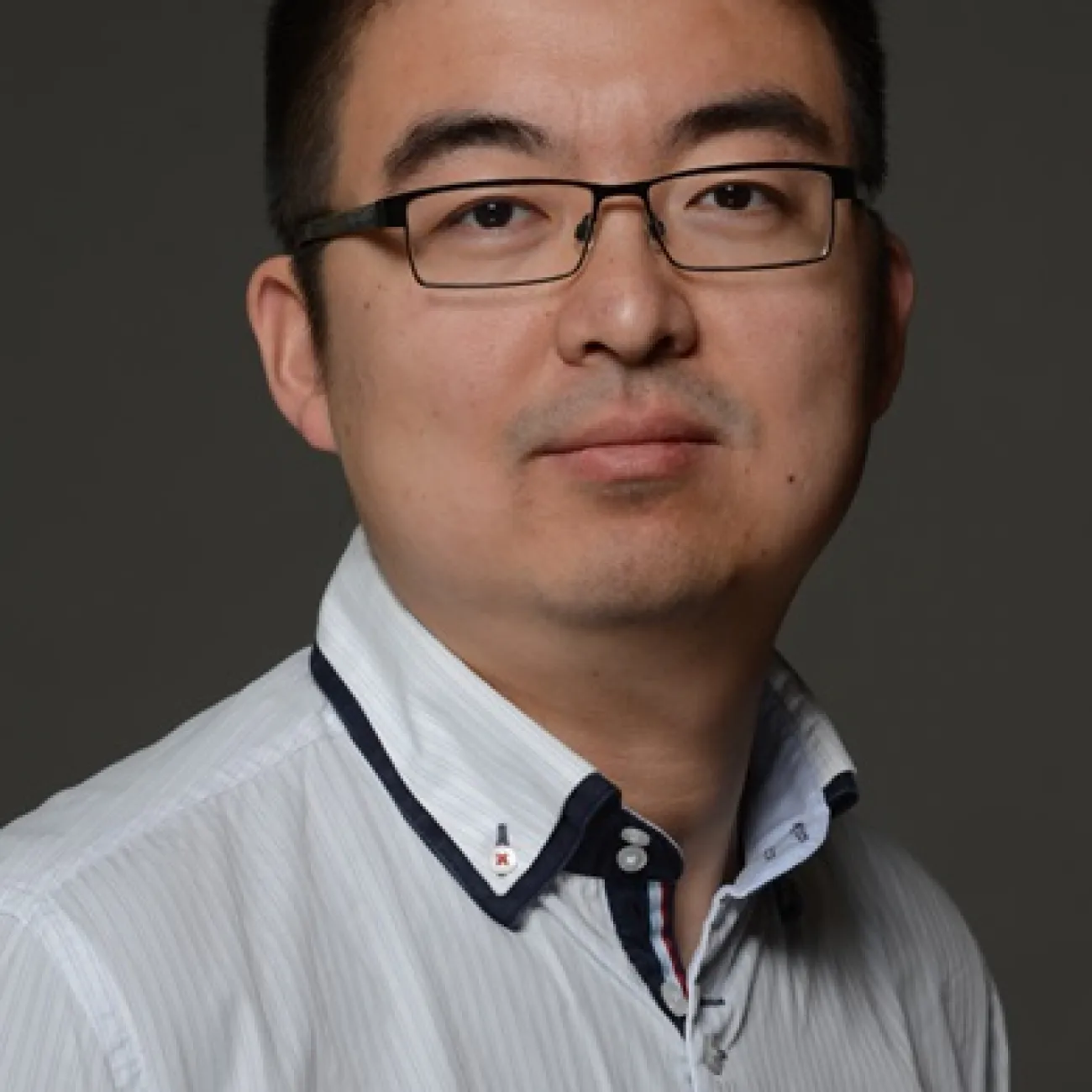
Dr. Xi Yu is a Lecturer in Chemical Engineering at the University of Southampton, affiliated with the Faculty of Engineering and the Environment. He holds a Bachelor's from Tianjin University and a Ph.D. from the University of Sheffield. His research focuses on low carbon fuels, granulation techniques, and computational fluid dynamics. He has supervised PhD students such as Jerin Jacob and is currently accepting new PhD applicants in these areas. Dr. Yu's educational background includes degrees in Chemical Engineering and prior academic roles at Aston University and the Energy and Bioproducts Research Institute (EBRI). His work spans bioenergy systems, particle technology, and multi-physics modeling. Key research projects include advancements in biomass gasification, biofuel production, and sustainable energy systems. His publications emphasize computational modeling, fluid dynamics, and biomass utilization. Recent articles explore topics like absorption chiller systems, fluidization validation, and bio-oil aging strategies. He contributes to teaching modules such as CHEG3000 and CHEG3004, reflecting his commitment to both research and education.