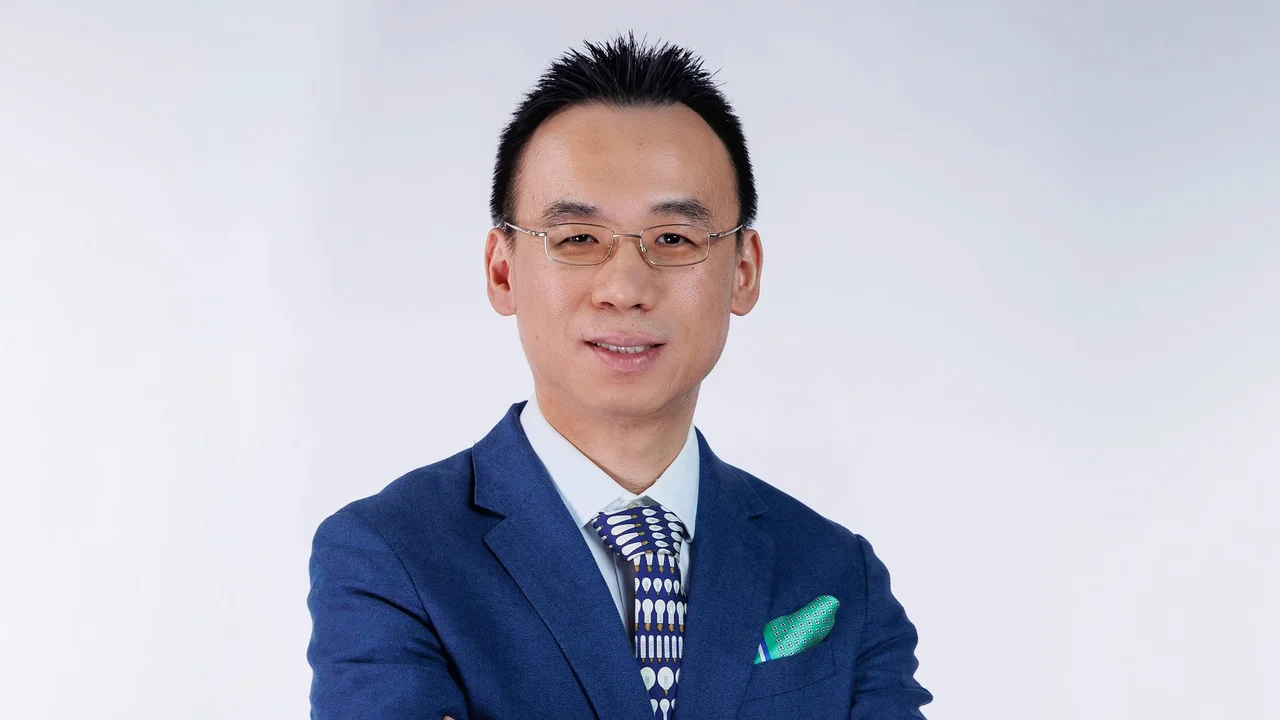
Xiaohang Li is an Associate Professor in the Department of Electrical and Computer Engineering at the King Abdullah University of Science and Technology (KAUST) , where he serves as Principal Investigator of the Advanced Semiconductor Laboratory (ASL) . He holds a Ph.D. (2015), M.S. (2011), and B.S. (2008) in Electrical Engineering and Applied Physics from Georgia Institute of Technology, Lehigh University, and Huazhong University of Science and Technology, respectively. Research Focus: Professor Li specializes in (ultra)wide bandgap semiconductors (III-nitrides, III-oxides) for next-generation devices, including LEDs, lasers, transistors, and sensors. His work spans materials growth, simulation, fabrication, and characterization, targeting applications in energy, communications, and biomedical industries. Key Trends in Publications: Recent articles highlight advancements in InGaN micro-LED fabrication, β-Ga2O3 flexible transistors, AlN MOSFETs, and machine learning-optimized plasmonic structures. Themes include wide bandgap materials , 3D integration , thermal management , and flexible electronics . Scientific Awards: Harold M. Manasevit Young Investigator Award (2018) IEEE North Jersey Section ED/CAS MTT/AP Chapters Award (2019) Georgia Tech representative, Global Young Scientist Summit (2015) IEEE Photonics Society Graduate Student Fellowship (2014) D. J. Lovell Scholarship (2013) Mentorship: Since joining KAUST, Li has advised over 100 students and leads the ASL team in pioneering semiconductor research. His group focuses on fundamental and applied studies of wide bandgap materials to drive innovations in energy and health sectors.
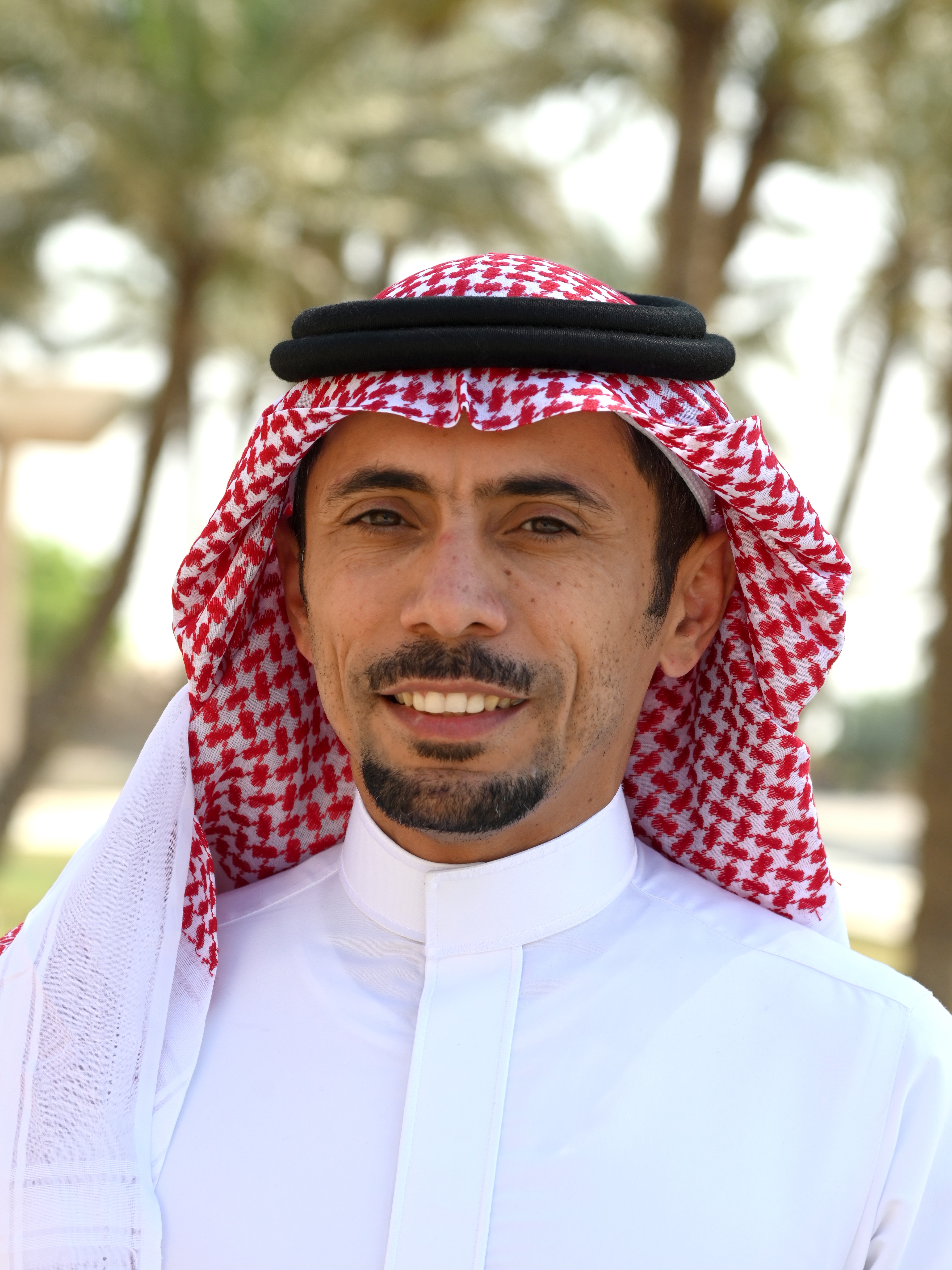
Dr. Hassan M. Baaqeel is an Assistant Professor and Dean of the College of Chemicals and Materials at King Fahd University of Petroleum & Minerals (KFUPM), with a focus on integrating sustainability, reliability, and safety in chemical process design using advanced tools like process integration, simulation, and optimization. Ph.D., Texas A&M University, USA (2018) MSc., Chemical Engineering, University of Manchester, UK (2010) BSc., Chemical Engineering, University of Alabama (2001) His research spans desalination, process intensification, and the water-energy-food nexus, contributing to Saudi Arabia’s sustainable development goals. Recent articles highlight solar-assisted desalination, gas hydrate modeling, and hybrid desalination systems. Dr. Baaqeel leads projects in sustainable process design and collaborates with interdisciplinary centers at KFUPM.
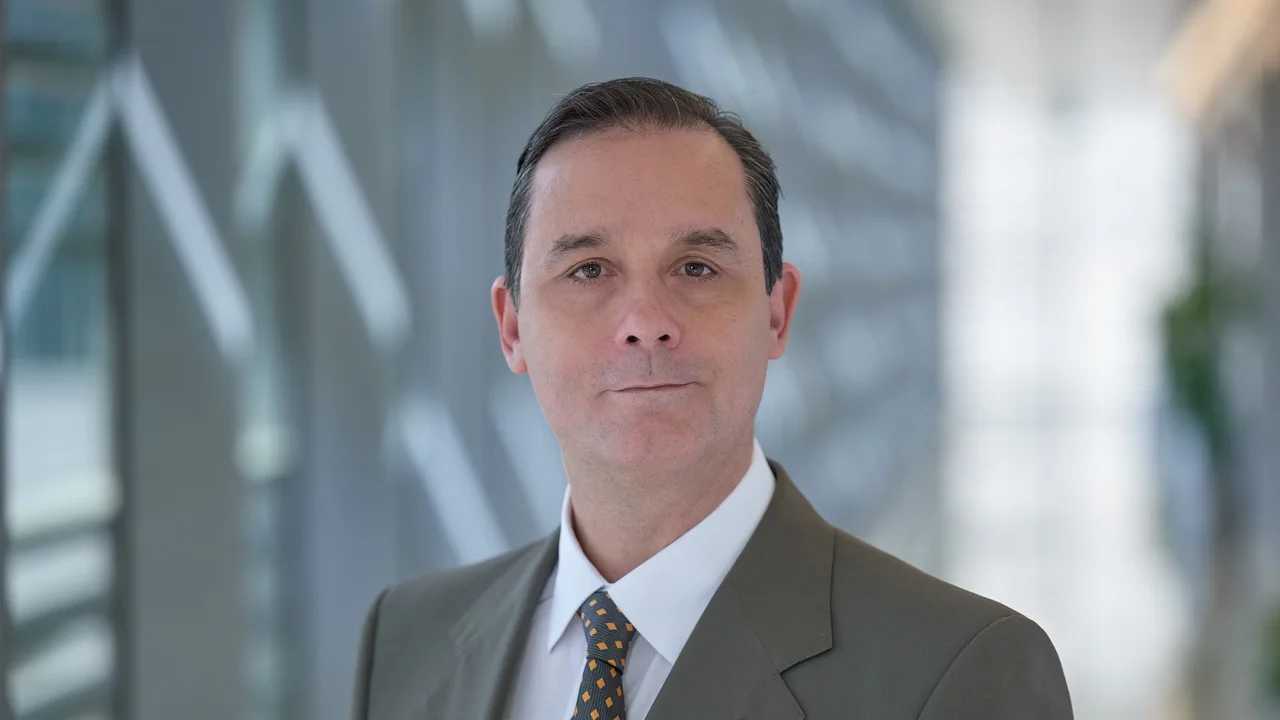
Professor Raul Tempone is a distinguished faculty member at King Abdullah University of Science and Technology (KAUST), holding the position of Professor in the Department of Applied Mathematics and Computational Science within the Computer, Electrical and Mathematical Sciences and Engineering division. He serves as Principal Investigator of the Stochastic Numerics Research Group and has made significant contributions to numerical analysis and uncertainty quantification, aligning with KAUST's mission and Saudi Arabia's Vision 2030 goals through advancements in computational science that drive technological innovation and sustainability. Professor Tempone's academic foundation includes: Ph.D. in Numerical Analysis from the Royal Institute of Technology (KTH), Sweden (2002) M.S. in Engineering Mathematics from Universidad de la República, Uruguay (1999) B.S. in Industrial and Mechanical Engineering from Universidad de la República, Uruguay (1995) Professor Tempone's research focuses on the mathematical foundations of computational science and engineering, with particular emphasis on uncertainty quantification, stochastic differential equations, and numerical methods. His work bridges theoretical mathematics with practical applications across multiple domains including computational mechanics, quantitative finance, biological and chemical modeling, and wireless communications. He has pioneered advancements in adaptive algorithms, Bayesian inverse problems, and scientific machine learning, driving innovation in computational efficiency and accuracy for solving complex real-world problems. His recent publications demonstrate a strong trend toward integrating uncertainty quantification with machine learning approaches and addressing complex optimization problems under uncertainty. The research spans diverse applications from wireless network performance analysis to medical imaging and sustainable energy systems, reflecting his commitment to solving real-world challenges through advanced computational methods that combine theoretical rigor with practical applicability. Professor Tempone's scientific achievements have been recognized through numerous prestigious awards: Alexander von Humboldt professorship (2018-2025) ISI Highly Cited Researcher (2016) Elected Program Director of the SIAM Uncertainty Quantification Activity Group (2013-2014) Fellow of the Deutsche Forschungsgemeinschaft Priority Program (2014) First Dahlquist Fellowship at the Royal Institute of Technology, Sweden (2007-2008) As an academic advisor, Professor Tempone has successfully supervised ten PhD students to completion. His research has attracted significant funding, including the Alexander von Humboldt professorship grant worth up to 5 million euros. He has directed the KAUST Strategic Research Initiative in Uncertainty Quantification (2012-2016) and collaborated extensively with industry partners including Saudi Aramco. His research group has placed numerous members in academic positions worldwide and in leading companies such as Bain & Company, Baker Hughes, Enel Group, G-Research, Honeywell, McKinsey & Company, and Saudi Aramco. Professor Tempone leads the Stochastic Numerics Research Group at KAUST, which focuses on developing and analyzing numerical methods for stochastic and deterministic problems. The group's work encompasses a posteriori error approximation, data assimilation, hierarchical and sparse approximation, optimal control, and optimal experimental design. Through strategic collaborations and interdisciplinary approaches, the research group continues to push the boundaries of computational science and its applications to real-world challenges across engineering, finance, biology, and energy sectors.