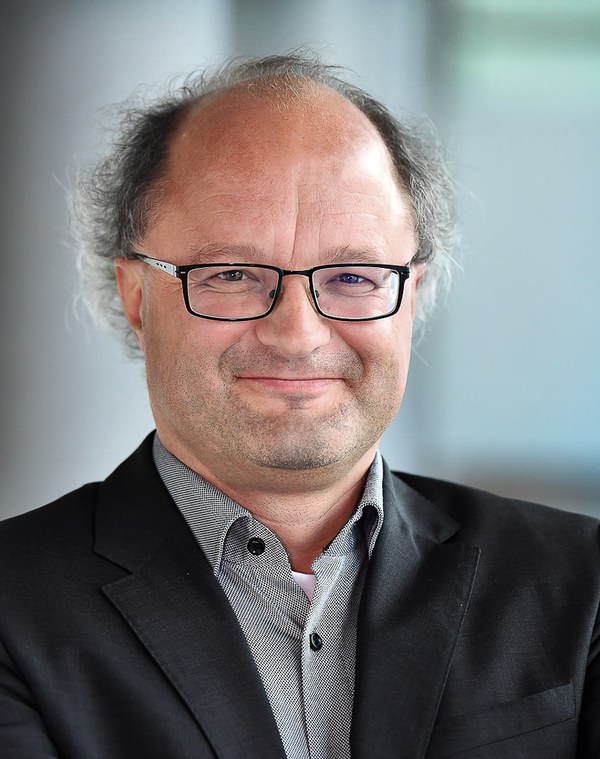
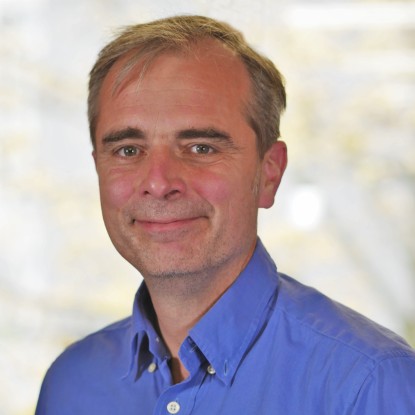
Prof. Dr. Peter Wasserscheid serves as Director and Head of the Research Department Chemical Hydrogen Storage at the Helmholtz-Institut Erlangen-Nürnberg (HI ERN), a joint institute of Friedrich Alexander University Erlangen-Nuremberg and Forschungszentrum Jülich. His leadership spans critical energy research domains including hydrogen infrastructure development and sustainable storage solutions. His primary research focuses on Liquid Organic Hydrogen Carriers (LOHC) with expertise in power density devices for material hydrogen storage, process design and intensification, active coatings and catalyst technologies, autothermal LOHC dehydration, and LOHC process engineering. This work addresses fundamental challenges in hydrogen economy deployment through innovations in catalytic systems, interfacial engineering, and energy-dense storage methodologies. His department integrates electrocatalysis, complex fluid dynamics, and high-throughput methods to advance hydrogen storage efficiency and safety. As Director of HI ERN, Prof. Wasserscheid oversees comprehensive research programs across electrocatalytic interfacial process engineering, membrane synthesis, and sustainable photovoltaics. His strategic direction encompasses catalyst development, composite membrane analysis, and water electrolysis technologies, positioning the institute at the forefront of renewable energy conversion and storage research.
Dr. Sofia Angeli is a Group Leader at the Institute of Catalysis Research and Technology (IKFT), Karlsruhe Institute of Technology (KIT), Germany, since March 2024. Previously, she held roles as Senior Scientist/Group Leader (2021–2024) and Postdoctoral Researcher (2017–2019) at KIT. Her research focuses on catalysis for energy transition, CO₂ valorization, kinetic modeling, and digitalization of catalytic processes. She leads interdisciplinary projects integrating experimental and computational methods to advance sustainable chemical processes. PhD in Chemical Engineering (2016): Aristotle University of Thessaloniki, Greece. Thesis: Hydrogen production via intensified methane steam reforming processes. M.Sc. in Advanced Materials (2012): Aristotle University of Thessaloniki. Diploma in Chemical Engineering (2009): Aristotle University of Thessaloniki. Research Interests : Sofia’s work spans kinetic modeling, CO₂ conversion, catalytic pollutant removal, and digital tools for catalysis research. She develops novel catalysts for methane reforming and designs data management systems like Adacta and CaRMeN to streamline reaction mechanism analysis. Her projects often address industrial challenges in emissions reduction and renewable energy. Her recent publications emphasize catalytic processes for energy sustainability (e.g., methane oxidative coupling) and automated modeling frameworks. She collaborates widely, contributing to journals like Chemical Engineering Journal and ACS Catalysis . Advising & Teams : As a Group Leader, she oversees researchers in catalysis and data-driven processes. Her team works on cutting-edge projects supported by KIT’s infrastructure and interdisciplinary networks. Labs/Teams : Active in the IKFT and the Deutschmann Group, focusing on catalyst design and process intensification.
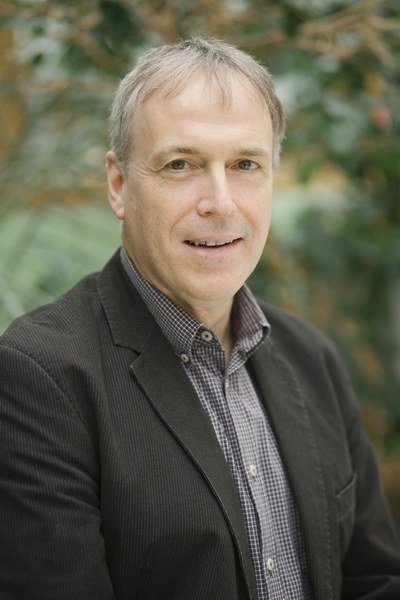
Prof. Sven Steinigeweg is a Professor of Environmental Technology and Process Automation at the University of Applied Sciences Emden/Leer, affiliated with the School of Natural Science and Technology. His work focuses on sustainable energy systems, particularly biogas production optimization, CO2 capture, and hydrogen technology. He leads projects like H2Watt (Hydrogen on North Sea Islands) and Smart-RLT (Energy Efficiency in Air Handling Devices), funded by Interreg, the German Federal Environmental Foundation, and the EU. Research interests include flexible biogas plant operation, power-to-gas systems, and eco-efficient energy processes. Notable contributions address residual load management, anaerobic digestion modeling, microbial community dynamics, and life cycle assessment of technical processes. He collaborates on EU-funded initiatives such as HPEM2GAS (cost-effective PEM electrolysis) and Power2Flex (flexible renewable energy use). His publications span 2014–2019, emphasizing biogas flexibility, environmental impact analysis, and process automation. Key projects include Synflex (synergy effects in biogas plants) and Biomasstec-Raman (Raman spectroscopy for biogas monitoring). Prof. Steinigeweg’s research integrates modeling, experimental validation, and interdisciplinary approaches to advance sustainable energy solutions, with a focus on grid balancing, carbon utilization, and renewable integration.
Dr. Jose M. Alcaraz serves as a Research Fellow at Munich Business School (MBS) in Munich, Germany. His academic career spans international institutions including ESDES Lyon Business School (France), Raffles Design Institute (Shanghai), University of Dubai, Leicester University (Dubai campus), Barna Management School (Santo Domingo), and Murdoch University (Perth). Holding a PhD in Digitalization of Human Capital Management, he has directed multiple global MBA programs and maintains industry ties through prior software leadership roles and collaboration with The RBL Group on HR transformation initiatives. His research centers on Human Resource Management, Sustainability, and Business Ethics, with recent focus on science fiction's capacity to envision socio-technical futures. In partnership with SciFutures (dubbed "the coolest company in the world" by Fast Company), he explores sci-fi storytelling for business scenario-building and innovation. This interdisciplinary approach bridges critical management studies with creative foresight methodologies. Dr. Alcaraz's publication portfolio demonstrates consistent output across top-tier journals like Work, Employment and Society and Organization & Environment , with recurring themes in teleworking dynamics, gender equity, planetary boundaries, and sustainability education. His work increasingly integrates narrative techniques from science fiction into management scholarship, reflecting evolving research trajectories toward imaginative scenario planning. At MBS, he teaches Bachelor International Business, Master International Business, Master Sports Business and Communication, and MBA General Management courses. His industry background informs practical applications in classroom instruction, particularly regarding HR transformation and sustainability implementation challenges faced by global organizations.
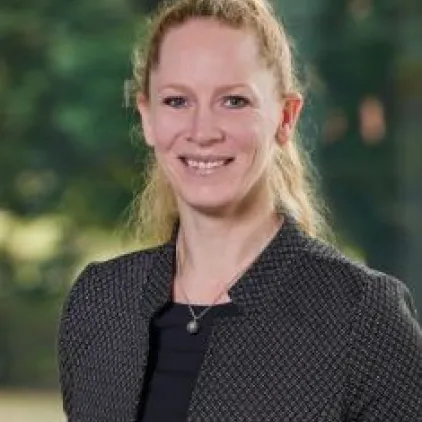
Prof. Katrin Rosenthal is an Assistant Professor of Biotechnology at the School of Science, Constructor University Bremen. Her research focuses on bioprocess engineering, enzyme cascades, and sustainable bioprocess design. She leads a team of PhD students and postdocs, including Siranjeevi Balakrishnan and Martin Becker, and has secured grants from DFG and BMWK-AiF-ZIM. Notable achievements include the Teacher of the Year Award (2024) and contributions to STRENDA Biocatalysis Guidelines. Her work bridges biocatalysis with environmental sustainability, leveraging cell-free systems and microfluidics. Education: Dr.-Ing (Engineering Doctorate) in Biotechnology Research Interests include: - Cell-free protein synthesis for biocatalysis - Kinetic modeling of enzyme cascades - Microfluidic systems for bioprocess intensification - Early-stage sustainability analysis of bioprocesses Publications highlight innovations in enzyme cascade optimization, biocatalytic screening, and data integration frameworks. Current projects include DFG-funded studies on enzyme stability and ZIM-funded enzymatic synthesis platforms for cGAMP derivatives. Grants/Projects: DFG (Liquid-phase design), BMWK-AiF-ZIM (cGAS-cGAMP platform) Teaching includes courses on Bioprocess Engineering and Biotechnology Lab Techniques. She actively contributes to DECHEMA's Zukunftsforum Biotechnologie and the COZYME COST Action.
Prof. Dr.-Ing. habil. Anja Drews is a Professor for Process Engineering in Life Science Engineering at HTW Berlin - University of Applied Sciences. She specializes in membrane processes , bioprocess engineering , and interfacial catalysis within liquid multiphase systems. Education: Dipl.-Ing. (1997), Dr.-Ing. (2004) in Process Engineering from TU Berlin Academic Career: Research Assistant at TU Berlin (2004-2008), Departmental Lecturer at University of Oxford (2009), Habilitation in Process Engineering (2010) Her research focuses on: Multiphase Reaction Engineering - Pickering emulsions Mechanistic Modeling - Filtration kinetics Membrane Bioreactors - Fouling mitigation Fluid Dynamics - Bubble-induced shear stress Biocatalytic Process Design - Enzymatic membrane reactors Carbon Capture - Direct air capture technologies Recent publications highlight trends in: Interfacial enzyme catalysis within Pickering emulsions Quantitative analysis of multiphase systems Membrane fouling mechanisms in bioreactors Process intensification through colloidal stabilization Temperature effects on nanofiltration performance Integration of reaction and separation processes
Dr. Nodir Djanibekov is a Researcher at the Leibniz Institute of Agricultural Development in Central and Eastern Europe (IAMO) , serving as Deputy Head of the Agricultural Policy Department since 2012. He leads the CARe research group on rural community resilience and acts as IAMO's contact for Central Asia international collaboration . Doctorate from University of Bonn's Center for Development Research (ZEF) Specializes in Central Asian agriculture , focusing on: Land and water governance Behavioral economics in farming Institutional analysis of agricultural reforms Climate change adaptation strategies His recent publications focus on water governance challenges (2025), economic integration impacts (2025), and adoption of sustainable practices (2024-2025). Research employs experimental economics and bio-economic modeling across Kazakhstan, Uzbekistan, and Kyrgyzstan. Key projects include: UzFarmBarometer - Understanding sustainable practice adoption AGRIWANET - Climate change and water scarcity CAWAMNET - Water conflicts and migration SUSADICA - Doctoral program on sustainable agriculture
Christoph Müller is a Professor of Experimental Plant Ecology at Justus Liebig University Giessen (since 2009) and a Visiting Professor at University College Dublin's School of Biology and Environmental Science (since 2007). His work bridges soil science, plant ecology, and climate change biogeochemistry. PhD in Soil Science (Lincoln University, NZ, 1995) MSc in Soil Water Management (University of Reading, 1991) Diploma in Horticulture (FH, 1990) Research centers on climate change impacts on terrestrial ecosystems , focusing on elemental cycles and trace gas production in soils. He pioneered 15N/13C isotope tracing to quantify gross nitrogen transformations and developed Ntrace software for analyzing these processes. His landmark Giessen FACE experiment (20+ years) demonstrates how elevated CO2 alters rhizosphere microbiomes and nutrient dynamics. Recent publications (2021-2023) reveal mechanisms linking soil clay minerals to nitrogen cycling, quantify DNRA patterns across ecosystems, and explore biochar-nitrapyrin synergies for emission reduction. Grants from EPA Ireland and Department of Agriculture Ireland support his work on greenhouse gas mitigation and sustainable fertilization . Collaborations span institutions like UCD, with co-authors including Gerald Moser , Daniela Senkbeil , and Lea Meng . Current editorial roles involve European Journal of Soil Science and Frontiers in Terrestrial Microbiology . His methodology integrates stable isotope tracing , metabarcoding , and process-based modeling to unravel soil-plant-microbe interactions.
Professor Zhixiong Guo is a distinguished faculty member in the Department of Mechanical and Aerospace Engineering at Rutgers, The State University of New Jersey. He serves as Editor-in-Chief for the Journal of Enhanced Heat Transfer and Heat Transfer Research, and has made significant contributions to thermal sciences and engineering. His research spans multiple domains including radiative heat transfer, ultrafast laser-tissue interactions, and nanoscale thermal phenomena. Professor Guo received his educational foundation at Tsinghua University in Beijing, China, where he earned a B.S., M.S., and Dr. Eng. in Engineering Physics. His academic excellence was evident as he graduated first in his class (1/28) for his B.S. and completed his M.S. one year ahead of schedule. He then pursued and completed his Ph.D. in Mechanical Engineering from Polytechnic University (now Polytechnic School of Engineering, New York University) in just two years. Professor Guo's research interests center on advanced heat transfer phenomena, with particular expertise in radiative transfer in participating media, ultrafast laser-tissue interactions, and nanoscale thermal transport. His work bridges theoretical modeling with practical applications in energy systems, biomedical engineering, and materials science. He has pioneered computational methods for solving complex radiation transfer problems and developed innovative optical sensing techniques using whispering-gallery mode resonators. Analysis of Professor Guo's recent publications reveals a strong focus on emerging thermal technologies, including machine learning applications in heat transfer prediction, nanofluid thermal properties, and advanced materials for thermal management. His work demonstrates a clear trajectory from fundamental radiative transfer research toward practical applications in energy efficiency, biomedical diagnostics, and advanced manufacturing. Professor Guo has received numerous prestigious honors including: Fellow of the American Society of Mechanical Engineers (ASME), 2011 Fellow of the American Society of Thermal and Fluids Engineers (ASTFE), 2021 Rutgers, The Board of Trustees Award for Excellence in Research, 2018 As Editor-in-Chief of two leading journals in the field, Professor Guo has significantly shaped the direction of thermal sciences research. His laboratory at Rutgers focuses on cutting-edge research in optical thermal sensing, ultrafast radiation phenomena, and advanced computational methods for heat transfer analysis. Current research directions include machine learning applications in thermal systems and novel approaches to energy conversion and storage.
Nico Blüthgen is a Professor in Ecological Networks at Technische Universität Darmstadt. His research focuses on understanding complex species interactions, biodiversity dynamics, and the impacts of anthropogenic disturbances on tropical and temperate ecosystems. He employs network theory, field experiments, and remote sensing techniques to study ecological resilience and ecosystem services. Role: Professor, Ecological Networks University: Technische Universität Darmstadt Contact: bluethgen@bio.tu-darmstadt.de Blüthgen's research emphasizes ecological networks and land-use impacts , particularly in tropical forests. His recent work examines mutualistic interactions, dung beetle-mediated ecosystem processes, and acoustic monitoring of biodiversity recovery. Key themes include functional trait variation , successional dynamics , and agrochemical effects . His latest publications (2025) address mutualistic network stability , forest regeneration , dung beetle ecology , and acoustic biodiversity monitoring . Methodologies span DNA gut-content analysis, stable isotope tracking, and SAR remote sensing applications.
Prof. Malte Jochum is an Assistant Professor in the Department of Global Change Ecology at the University of Würzburg. His research focuses on understanding how global environmental changes affect ecological communities, particularly in soil systems and multitrophic interactions. He holds a Ph.D. from the University of Göttingen (2016) and has conducted postdoctoral research at institutions in Leipzig, Bern, and Göttingen. His work bridges theory and application in biodiversity-ecosystem functioning, energy flux modeling, and invasive species impacts. Education: 2012–2016: Ph.D. in Biology, University of Göttingen (summa cum laude) 2007–2012: B.Sc./M.Sc. in Biology, TU Darmstadt Research Interests: Prof. Jochum investigates how climate change, land-use intensification, and biological invasions disrupt ecosystem processes. His key areas include: Energy flux dynamics in above- and belowground communities Effects of earthworm invasions on soil biodiversity Quantitative approaches to biodiversity-ecosystem functions Global datasets on elemental stoichiometry and community traits He has contributed to influential studies like the StoichLife dataset and pioneered energy flux methodologies in food webs. Publications Trends: His recent work emphasizes global-scale patterns (e.g., springtail metabolism, Baltic Sea food webs) and applied challenges like sustainable land use. He frequently collaborates on datasets linking plant-animal stoichiometry and climate impacts. Grants & Teams: Leads the Junior Professorship at Würzburg and collaborates with teams like the iDiv Halle-Jena-Leipzig. He advises student assistants and coordinates international projects on soil biodiversity communication (e.g., Communicating Soil Biodiversity Research to Kids ). Labs/Teams: Active in the Department’s research groups focusing on global change ecology, with links to the Jena Experiment and tropical land-use networks in Indonesia.
Ingolf Steffan-Dewenter is Professor and Chair of the Department of Animal Ecology and Tropical Biology (Zoology III) at the Biocenter of the University of Würzburg, Germany. With over two decades of academic leadership, he directs a research group focused on understanding ecological processes across multiple scales, from local habitat management to global environmental change. His work bridges fundamental ecological research with practical applications for sustainable land use and biodiversity conservation. Dr. Steffan-Dewenter's research spans animal ecology, population and community dynamics, agroecology, and tropical landscape ecology. His work examines how habitat fragmentation, land use intensification, climate change, and invasive species affect insect diversity and their biotic interactions, particularly focusing on plant-pollinator relationships. He investigates biodiversity-ecosystem functioning relationships across spatial and temporal scales, with special emphasis on pollination services, biological pest control, and sustainable agricultural practices. His research combines field experiments, long-term monitoring, and advanced statistical modeling to address critical questions in conservation biology and ecosystem management. Analysis of Steffan-Dewenter's recent publications reveals a strong focus on pollinator conservation under global change, with particular attention to climate change impacts on pollinator communities, landscape management for biodiversity conservation, and sustainable agricultural systems that support both production and ecological integrity. His work increasingly integrates multi-trophic perspectives, examining how changes at one trophic level cascade through ecosystems. The research demonstrates a shift toward more interdisciplinary approaches, combining ecological field studies with social science components to develop practical conservation strategies. Professor Steffan-Dewenter leads multiple significant research initiatives including BetaFor (forest biodiversity), ANDIV (Andean insect diversity), SAFEGUARD (wild pollinator conservation), BeeConnected (honeybee colony monitoring), BayÖkotox (ecotoxicology), UPSCALE (sustainable agriculture in Africa), VILLAGES BEES (pollinator promotion), DIFFCacao (cacao diversification), FARMS4Biodiversity (agroecological research), and LANDKLIF (climate change effects). These projects involve extensive international collaborations across Europe, Africa, and South America, securing substantial research funding from various national and international sources. His laboratory operates within the Department of Animal Ecology and Tropical Biology at the University of Würzburg's Biocenter, featuring state-of-the-art facilities for ecological research. The department maintains long-term research sites across Germany, Tanzania (Mount Kilimanjaro), and Peru, enabling comparative studies across different biomes and climate zones. The research group includes numerous PhD students, postdoctoral researchers, and technical staff working on diverse aspects of insect ecology, landscape ecology, and conservation biology.
Dr. Jörg Schaller serves as Adjunct Professor and Head of the Working Group Silicon Biogeochemistry at the Leibniz Centre for Agricultural Landscape Research (ZALF) in Müncheberg, Germany. His research focuses on silicon's critical role in agricultural systems, particularly its effects on soil phosphorus availability, water retention capacity, and global carbon cycling within terrestrial ecosystems. His primary research domains include: Silicon biogeochemical cycling in agricultural landscapes Mechanisms of silicon-enhanced phosphorus availability Silicon-mediated soil water holding capacity improvements Silicon's contribution to carbon sequestration processes Development of silicon-based sustainable crop production systems Analysis of his 2023-2025 publications reveals a strong emphasis on silicon's practical applications for climate-resilient agriculture. Key findings demonstrate silicon amendments significantly improving barley yields in Kenyan acidic soils, reducing N2O emissions in arable systems, and enhancing drought resilience through improved soil-plant-water relations. His work integrates Arctic permafrost studies with tropical agricultural systems, establishing silicon as a cross-ecosystem regulator of nutrient cycling and greenhouse gas dynamics. Scientific Awards: No specific awards were documented in the source materials. Advising and Grants: Student mentorship details and grant funding information were not provided in available documentation. Dr. Schaller leads the Silicon Biogeochemistry working group within ZALF's Research Area 1 "Landscape Functioning," where his team investigates fundamental silicon processes and develops sustainable soil management strategies through field experiments, laboratory analyses, and modeling approaches across diverse global ecosystems.
Ro'ee Levy is a Senior Lecturer at Tel Aviv University School of Economics and Research Fellow at CEPR Political Economy, with an upcoming visiting appointment at CESifo (Munich) from May 25-31, 2025, focusing on news slant dynamics. His educational background includes a PhD from Yale University and post-doctoral research at MIT. Professor Levy's research centers on political economy of social media, investigating how algorithmic curation and online news ecosystems create ideological echo chambers. He examines the mechanisms driving selective exposure to like-minded content and analyzes resulting societal consequences including polarization intensification, reality perception distortion, and democratic process vulnerabilities. His scientific recognition includes: ERC Start Grant Israel Science Foundation Grant Professor Levy's work demonstrates substantial policy impact through citations in the U.S. Surgeon General's Advisory on Social Media and consecutive Economic Reports of the President (2023, 2024). His publications in premier journals like the American Economic Review establish him as a leading scholar in digital media economics, with active international collaborations spanning European and American institutions.
Prof. Dr. Alexander Haumann is a leading climate scientist at the Alfred Wegener Institute (AWI) and a Professor for Physical Geography with Focus on Oceanography at Ludwig-Maximilians-Universität München (LMU). His research explores Southern Ocean dynamics, freshwater fluxes, sea ice impacts, and their roles in global climate systems. Appointments: Leader of ERC Starting Grant VERTEXSO (2023–present) Leader of Helmholtz Young Investigator Group SOS-iClimate (2023–present) Co-leader of AWI-LMU Southern Ocean-Climate Interactions (SO-CLIM) (2024–present) Research: Focuses on Southern Ocean freshening, ice-ocean interactions, carbon cycle feedbacks, and climate modeling. Key projects: VERTEXSO, SOS-iClimate, SOFIA. Education: PhD in Environmental Systems Science from ETH Zurich (2017), Master in Physics and Climate Science from Utrecht University (2011), and Bachelor in Geosciences from the University of Basel (2009). His work spans oceanography, glaciology, and biogeochemical modeling. Publications & Collaborations: Authored 60+ works, including high-impact studies in Nature , Science , and AGU Advances . Collaborates with institutions like Princeton University, British Antarctic Survey, and ETH Zurich. Tools & Observatories: Utilizes satellite data, autonomous floats, and ship-based measurements to study polar systems. Affiliated with observatories like FRAM and HAUSGARTEN.