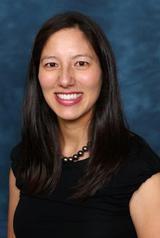
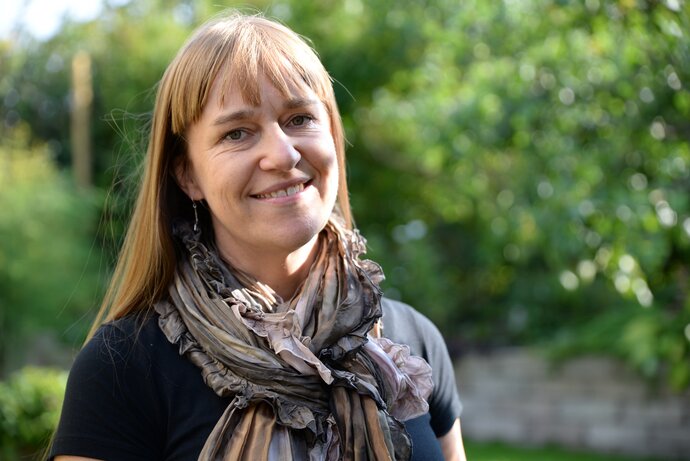
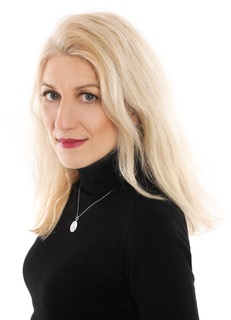
Heather A Ballard, MD is an Associate Professor at Northwestern University Feinberg School of Medicine , holding appointments in both the Department of Anesthesiology (Pediatric Anesthesiology) and Medical Education . Board-certified in Anesthesiology and Pediatric Anesthesiology, her clinical work involves affiliations with Ann & Robert H. Lurie Children's Hospital of Chicago and Northwestern Memorial Hospital . MD: Northwestern University Feinberg School of Medicine (2006) Intern: Saint Francis Hospital, Evanston (2007) Resident: Beth Israel Deaconess Medical Center (2010) Fellow: Boston Children's Hospital (2011) Her research spans Anesthesiology , Medical Education , and AI applications in clinical communication. Recent publications examine burnout in healthcare , incivility in surgical reviews , and AI-driven empathy training . She specializes in pediatric anesthesiology and ultrasound-guided vascular access techniques. As a faculty member, she contributes to Northwestern University Clinical and Translational Sciences Institute (NUCATS) and maintains active clinical and teaching roles. Disclosures note industry relationships related to medical record consultation and expert testimony.
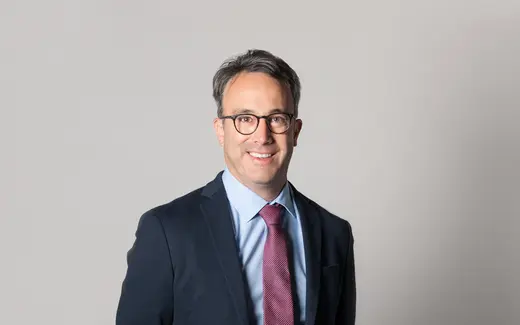
Mohammed S Alghoul, MD, is an Adjunct Assistant Professor in the Department of Surgery (Plastic Surgery) at Northwestern University's Feinberg School of Medicine. He is affiliated with Northwestern Memorial Hospital and the Northwestern University Clinical and Translational Sciences Institute (NUCATS). His academic and clinical focus centers on plastic and aesthetic surgery, with a specialization in facial rejuvenation techniques and reconstructive procedures. Education: MD from Jordan University (1999). Training: Intern in General Surgery at Cleveland Clinic (2005), Resident in Plastic Surgery at Cleveland Clinic (2011), Fellow at Milwaukee Medical College (2011). Dr. Alghoul's research interests include facial aesthetics, innovative surgical techniques, and anthropometric studies related to cultural beauty standards. Recent publications highlight advancements in procedures like the Triple Arc Lift, OnabotulinumtoxinA injection techniques, and midface rejuvenation methods. His work, often published in journals such as Clinical Plastic Surgery and Plastic and Reconstructive Surgery , emphasizes clinical outcomes and structural approaches in cosmetic surgery. He contributes to translational research through his affiliation with NUCATS.
Joaquin C Brieva, MD is an Associate Professor in the Department of Dermatology at Northwestern University's Feinberg School of Medicine, specializing in Medical Dermatology with clinical expertise in complex dermatological cases, autoimmune bullous disorders, and hospital-based dermatology services. His educational background includes: MD from University of the North (1982) Rotating Internship at Hospitals of the Social Security, Colombia (1983) Internal Medicine Residency at University of Illinois Hospital (1993) Dermatology Residency at University of Illinois Hospital (1996) Dr. Brieva's research centers on autoimmune bullous disorders and neutrophilic conditions, with significant contributions to understanding cutaneous infectious diseases and hospital dermatology. His work bridges clinical practice and academic investigation, particularly in managing complex in-patient dermatological cases requiring multidisciplinary approaches. Recent publications demonstrate evolving focus from drug-induced skin reactions and parasitic infections to procedural standardization and targeted cancer therapies, reflecting his dual commitment to clinical problem-solving and advancing dermatological methodology. Professional recognition includes: Alpha Omega Alpha Honor Medical Society (2020) Chicago Dermatological Society Practitioner of the Year (2015) Best Doctors in America designation (2009) Department of Dermatology Faculty Member of the Year (2008) Feinberg School of Medicine Dean's Award for Teaching Excellence (2007) As an active Fellow of the American Academy of Dermatology since 1996 and member of the Chicago Dermatological Society, he contributes to the Skin Biology and Diseases Resource-Based Center while maintaining clinical practice at Northwestern Memorial Hospital's Arkes Family Pavilion.
Arnav Jhala is an Adjunct Associate Professor in Engineering Graduate and Professional Programs at Duke University , with a research focus on Artificial Intelligence , Narrative Planning , and Interactive Digital Entertainment . He holds an A.B. from Gujarat University (India) (2001), M.S. (2004), and Ph.D. (2009) from North Carolina State University . Research Interests: AI-driven narrative systems, computational creativity, camera control in games, and interdisciplinary applications of AI in education and health. Notable Contributions: Pioneering work in procedural narrative generation, affective game design, and visual analytics for storytelling. Recent Publications: Focus on reward shaping for autonomous agents, collaborative creative systems, and urban space perception analysis. His collaborations span institutions like Duke University, North Carolina State University, and industry partners in game development. Current work explores real-time strategy game AI, narrative comprehension models, and adaptive educational technologies.
Erik Stomrud is an active researcher at Lund University's Faculty of Medicine, Department of Clinical Sciences, holding a dual PhD and MD qualification. He serves as a Clinical Memory Research Researcher and is affiliated with MultiPark, a multidisciplinary research initiative focused on Parkinson's disease. As a Profile Area member of LU's Proactive Ageing initiative, his work contributes to UN Sustainable Development Goals related to health and well-being. Dr. Stomrud's research primarily focuses on Alzheimer's disease biomarkers, with significant contributions to understanding tau pathology, amyloid-beta interactions, and diagnostic methodologies. His expertise spans cerebrospinal fluid analysis, PET and MRI neuroimaging, and blood-based biomarker development. He specializes in preclinical Alzheimer's disease detection and the relationship between various biomarkers and cognitive decline in neurodegenerative disorders. Analysis of his recent publications reveals a strong trend toward developing practical diagnostic tools for clinical settings, particularly blood-based biomarkers that can reduce reliance on more invasive or expensive procedures like PET scans. His work increasingly incorporates machine learning approaches to integrate multiple data sources for improved diagnostic accuracy in Alzheimer's disease. The research shows a progression from basic biomarker discovery toward clinical implementation and workflow optimization. Dr. Stomrud actively supervises research through his role as Assistant Supervisor on the project 'Associations between brain pathologies, regional atrophy, and cognition in Alzheimer's disease and other neurodegenerative disorders.' He serves as Principal Investigator for the 'Utvärdering av substanser för Alzheimer drug discovery' project and contributes as a Researcher to multiple major initiatives including the Swedish BioFINDER study and the EDAP project focused on early diagnostics of Alzheimer's disease. His research receives funding from diverse sources including Hjärnfonden, European Commission FP7, Alzheimerfonden, MultiPark, and The Royal Physiographic Society in Lund. His laboratory work is centered around the Swedish BioFINDER study, a long-term research initiative running from 2010 to 2027 that investigates biomarkers for neurodegenerative diseases. As part of MultiPark, he collaborates with multidisciplinary teams focused on Parkinson's disease research, demonstrating his cross-disease expertise in neurodegenerative conditions. His current projects indicate ongoing work toward developing more accessible diagnostic tools for memory clinics and advancing our understanding of the complex relationships between different pathological processes in Alzheimer's disease.
Prof. Dr. Tülay Baran is a distinguished Professor at Yeditepe University's Faculty of Arts and Sciences, where she serves in the Atatürk's Principles and Revolution History Institute. With a career spanning over three decades since her appointment as Professor in 2004, she has held significant administrative roles including Vice Rector (2017) and Director of the Atatürk's Principles and Revolution History Institute (2014, 2016). Her academic journey began with undergraduate studies at Atatürk University's Faculty of Arts and Sciences, Department of History, followed by Master's and Doctoral degrees from Dokuz Eylül University's Atatürk's Principles and Revolution History Institute. PhD (1990-1994): 'Development and settlement of Izmir (1923-1958)' Master's (1987-1989): 'Izmir According to the Local Press Between the End of the Balkan Wars and the First World War' Undergraduate (1982-1986): History of the Republic of Türkiye Prof. Baran's research spans multiple dimensions of Turkish history with particular emphasis on the Republican era, Ottoman Empire transition, İzmir's urban development, population exchanges, and women's roles in Turkish history. Her scholarly work demonstrates exceptional breadth across diplomatic history, migration studies, national identity formation, and Atatürk's principles. She has made significant contributions to understanding the socio-political transformation of Turkey through meticulous archival research and interdisciplinary approaches. Her extensive publication record, particularly the surge of works commemorating the 100th anniversary of the Turkish Republic (2023-2024), reveals a research trajectory deeply engaged with national identity, historical memory, and the evolution of Turkish statehood. These works collectively form a comprehensive scholarly examination of Turkey's journey from empire to republic, with special attention to local histories, diplomatic milestones like the Treaty of Lausanne, and the experiences of marginalized communities. Throughout her career, Prof. Baran has been actively involved in academic service, contributing to encyclopedia projects through the Atatürk Research Center and participating in numerous national and international symposiums on Turkish history and culture. As a dedicated educator and mentor, she has supervised over thirty graduate theses across multiple institutions, guiding research on diverse topics ranging from political history to social transformations in Turkey. Her teaching portfolio includes core courses in Atatürk's Principles and Revolution History at undergraduate, master's, and doctoral levels, reflecting her commitment to historical education and critical thinking.
Adriaan Lanni serves as the Touroff-Glueck Professor of Law at Harvard Law School, where she has taught since 2005. She teaches Criminal Law, Criminal Adjudication, Restorative Justice, the Criminal Justice Workshop, and Ancient Law. Her academic journey includes being a junior fellow at the Harvard Society of Fellows and clerking for Judge Stephen Reinhardt of the Ninth Circuit Court of Appeals and Justice Dana Fabe of the Alaska Supreme Court. B.A., summa cum laude, Yale University M.Phil. in Classics, Cambridge University (Marshall Scholar) J.D., Yale Law School Ph.D. in History, University of Michigan Lanni's research bridges ancient law and society with modern criminal justice reform, with particular emphasis on restorative justice. She explores what community-centered justice might look like, its limits, and how far contemporary systems have moved from democratic adjudication methods. Her work examines both ancient Athenian legal systems and contemporary approaches to criminal justice, seeking connections between historical practices and modern reform possibilities. She has served as a volunteer facilitator and case coordinator with Communities for Restorative Justice from 2018-2023. Lanni's publications demonstrate a consistent focus on the intersection of historical legal systems and contemporary justice reform. Her recent work increasingly emphasizes practical applications of restorative justice within the American criminal justice system, while maintaining her scholarly expertise in ancient Athenian law. The trend shows a growing emphasis on actionable reform proposals alongside rigorous historical analysis, reflecting her commitment to using historical insights to inform present-day justice challenges. Guggenheim Fellowship (2017) Fellowship from the Radcliffe Institute for Advanced Study Fellowship from the Loeb Classical Library Foundation Marshall Scholar Lanni has been instrumental in developing restorative justice initiatives at Harvard Law School and in the broader community. She co-authored the White Paper of Democratic Criminal Justice, proposing reforms to democratize the criminal justice system. Her work with Communities for Restorative Justice demonstrates her commitment to practical implementation of theoretical frameworks. She has received significant grant support for her research from prestigious institutions, reflecting the importance of her interdisciplinary approach that bridges law, history, and social justice. Lanni directs the Criminal Justice Workshop at Harvard Law School and has established herself as a leading voice in both ancient legal history and contemporary criminal justice reform. Her work connects historical scholarship with practical justice initiatives, creating a unique bridge between academic research and real-world application. She has built collaborative relationships with community organizations focused on restorative justice, creating spaces for dialogue between legal scholars, practitioners, and community members affected by the justice system.
Abraham Mathew, MD is a Professor of Medicine in the Department of Medicine, Division of Gastroenterology and Hepatology at Penn State Cancer Institute and Penn State Health Milton S. Hershey Medical Center. He specializes in advanced endoscopic procedures including ERCP, EUS, and natural orifice transluminal endoscopic surgery for the treatment of pancreatic diseases, gastrointestinal disorders, and cancer. Dr. Mathew's educational background includes: Medical School: Mahatma Gandhi Institute of Medical Sciences (1994) Residency: Internal Medicine, Abington Memorial Hospital (1998) Fellowship: Gastroenterology, Milton S. Hershey Medical Center (2001) M.S. in Health Evaluation Sciences, Penn State University (2002) Dr. Mathew's research focuses on advanced endoscopic techniques, particularly natural orifice transluminal endoscopic surgery. His work addresses aggressive endoscopic procedures including treatment of pancreatic abscess or necrosis, removal of small tumors and early cancer, and removal of large colon polyps. He has made significant contributions to endoscopic ultrasound (EUS)-guided procedures, ERCP techniques, and minimally invasive treatments for gastrointestinal diseases. His publication record shows a consistent focus on translational research with clinical applications, particularly in EUS-guided interventions, pancreatic disease management, and advanced endoscopic resection techniques. Recent work emphasizes multicenter collaborations studying both benign and malignant gastrointestinal conditions, with publications spanning from technical innovations to large-scale clinical trials. Dr. Mathew has received recognition for his contributions to medical education: Dean's Award for Excellence in Teaching (2024) As Principal Investigator, Dr. Mathew led the NIH-funded project "Endoluminal Pancreatic Duct Lidocaine for Prevention of Post-ERCP Pancreatitis" from 2010-2013. His research has resulted in 69 publications with 1,281 citations and an h-index of 19, demonstrating significant impact in the field of gastroenterology. He has been actively involved in numerous multicenter studies and clinical trials advancing endoscopic techniques. Dr. Mathew is actively involved in clinical research through Penn State Cancer Institute and collaborates internationally on advanced endoscopic techniques and their applications in cancer treatment and palliation. His work contributes to UN Sustainable Development Goals related to good health and well-being through innovative approaches to gastrointestinal disease management.
Jean-Louis Dessalles is a Lecturer at Télécom Paris within the Information Processing and Communication Laboratory (LTCI) and Data, Intelligence and Graphs (DIG) research team. His work bridges Artificial Intelligence , Cognitive Science , and Evolutionary Biology , focusing on modeling human communication through his Simplicité Theory (Simplicity Theory). This framework explains narrative interest and argumentative relevance via complexity drops, serving as a foundation for understanding language evolution as a social signaling game . Education : École Polytechnique (1976), Télécom Paris diploma (1981), Doctorate (1993), and Habilitation (2008) from Université Paris-Sorbonne. His research spans causal learning in cyber-physical systems, argumentation modeling through conflict-abduction-negation (CAN) procedures, and evolutionary origins of language . Recent work includes decentralized XAI architectures for smart homes and non-Euclidean analogy frameworks. He has authored seminal books like Why We Talk (Oxford, 2007) and Des intelligences TRÈS artificielles (Odile Jacob, 2019). Scientific Contributions : Causal Modeling : Developed scalable Bayesian network learning via interventions in smart home systems. Simplicity Theory : Demonstrated how unexpectedness drives narrative interest and communication relevance. Human-AI Interaction : Proposed decentralized architectures for explainable AI in multi-agent environments.
Professor Martin Zinkernagel serves as Full Professor of Ophthalmology at the University of Bern and holds dual leadership positions as Director and Chief Physician of the University Clinic for Ophthalmology at Inselspital Bern since 2023, and Director of the Bern Photographic Reading Center. Previously, he was Co-Director and Chief Physician of the clinic from 2020-2023. His clinical expertise spans multiple ophthalmological specialties including retinal surgery, cataract surgery, glaucoma treatment, and management of age-related macular degeneration. Zinkernagel completed his medical doctorate at the University of Zurich in 2001 followed by specialist training in ophthalmology in St. Gallen and Zurich (2001-2008), with advanced surgical training in retinal and cataract procedures at Oxford Eye Hospital and institutions in Western Australia. Research interests are prominently featured across multiple specialized laboratories including Ocular Immunology Retinal remodeling Ophthalmogenetics Microbiome research Ocular Fibrosis Physiology of Light Perception Laboratory His work demonstrates particular focus on retinal diseases, with leadership roles in the EVICR Expert Committee for Age-related Macular Degeneration. Professional affiliations include key memberships in: Swiss Society of Ophthalmology Club Jules Gonin EURETINA (serving on the Board) American Academy of Ophthalmology European Society of Cataract and Refractive Surgery Association for Vision and Research in Ophthalmology Zinkernagel maintains significant administrative responsibilities as President of multiple foundations including the Hans Goldmann Foundation, Hans Feller Foundation, and Peter Mayor Memorial Foundation. He also serves as President of the Dissertation Committee for the Medical Faculty at the University of Bern and holds board positions with the Swiss Vitreoretinal Group and Genaxen Foundation.
Kerstin Bergman is a Researcher in Comparative Literature at the Centre for Languages and Literature , Lund University , Sweden. Her primary focus is on contemporary Swedish crime fiction, particularly its cultural and narrative dimensions. Education: PhD in Comparative Literature (2003), BA in Comparative Literature and Art History (1995) Positions: Senior Research Fellow (2008-2012), Researcher at Humanistiska fakulteten (2003-2005) Research Interests: Contemporary Swedish crime fiction Nordic Noir genre analysis Memory and identity in crime narratives Reader reception Gender representation in detective fiction Adaptation studies Recent Publications: Focus on police thrillers, Lisbeth Salander's symbolism, and genre evolution in Nordic Noir. Her 2023 book Ekarvet continues her work on the Iris Bure series. Projects: Led the Science in the Crime Genre project (2008-2012) and participated in FOLIO - Forum för litteraturens offentligheter . Activities: Served as external reviewer for PhD theses, delivered invited talks on Swedish crime fiction, and conducted peer reviews for Clues: A Journal of Detection .
Krista Tuohimaa is a Lecturer in Logopedics at the University of Oulu's Faculty of Humanities, specializing in speech, language, and social communication development in children with hearing impairments. She maintains a dual role as part-time speech-language therapist at Oulu University Hospital and private practice, with active research contributions since 2022. Primary affiliation: Research Unit of Logopedics, University of Oulu Research domains: Hearing-impaired child development, Social-pragmatic communication, Reading/writing acquisition Methodological focus: Longitudinal studies, Multicenter collaborations, Standardized assessments Her work examines speech perception-production dynamics across hearing conditions, social-pragmatic understanding in preschoolers, and literacy development in hearing-impaired populations. Current projects analyze nonword repetition skills and social communication factors using advanced statistical models. Professional network includes collaborations with Oulu University Hospital and multidisciplinary research teams. She employs mixed-methods approaches combining clinical observations with educational interventions.
Katharina Wojciech , Senior Lecturer and researcher at the Institute of History, Julius-Maximilians-University Würzburg , specializes in Ancient History, Gender History, Epigraphics, and Prosopography. Her current DFG-funded project, " Justinian und die Frauen. Kaiserrecht in Genderperspektive ", explores gender dynamics in imperial law. Born: 1975 in Katowice/PL Education: MA in Ancient and Modern History, University of Cologne (2002); PhD in Ancient History, University of Cologne (2009); Habilitation, University of Freiburg (2016) Research spans Athenian memory culture, hellenistic priestly sales, Roman administration in Late Antiquity, and gender roles in the Eastern Roman Empire. Her work integrates epigraphic and prosopographic analysis to uncover socio-political dynamics. Recent publications focus on Athenian rhetorical topoi, late antique legal cultures, and Corinthian inscriptions. She is co-editor of the 2018 volume on Roman municipal administration. Scientific Awards : Gerhard-Ritter-Preis (2017) for her habilitation work. Grants : Feodor-Lynen Fellowship (2015–2016), DFG research grants. International Roles : Guest Professor at Humboldt University Berlin (2023–2024), jury member for Bordeaux thesis awards (2016).
Renato Saltz serves as an Adjunct Professor in the Division of Plastic & Reconstructive Surgery within the Department of Surgery at the University of Utah School of Medicine. Board certified by the American Board of Plastic Surgery, he maintains clinical and academic activities in surgical specialties. His educational foundation includes: MD from Universidade Do Rio Grande Do Norte Fellowship training at University of Alabama Residency programs at University of Alabama and Jackson Memorial Hospital Internship at Jackson Memorial Hospital Dr. Saltz's clinical expertise spans Plastic Surgery, Reconstructive Surgery, and Aesthetic Surgery with emphasis on complex tissue repair and cosmetic procedures. His practice integrates advanced surgical techniques for trauma reconstruction, congenital deformities, and elective aesthetic enhancements. Fluency in English and Spanish supports comprehensive patient care across diverse populations. While no formal advisees are documented, his academic role involves clinical instruction within surgical training programs. Professional engagement focuses on maintaining board certification standards and advancing surgical outcomes through clinical practice.
Valerie Burstein, MD, is a Clinical Assistant Professor in the Department of Family & Preventive Medicine at the University of Utah's School of Medicine. She provides comprehensive primary care for patients of all ages, from newborns to centenarians, with a focus on family-centered medicine. Education: Bachelor’s degree from UC Davis, MD from The Ohio State University, Family Medicine residency at Long Beach Memorial Her clinical interests span women’s health, office procedures, LGBTQ care, and mental health. She is currently pursuing specialized training in Child and Adolescent Psychiatry at UC Irvine, emphasizing ADHD and pediatric anxiety/depression management. Dr. Burstein is fluent in English and conversational in Spanish, with a patient rating of 4.9/5 based on 81 reviews. She practices at the Centerville Health Center and prioritizes patient comfort through thorough communication and personalized care.