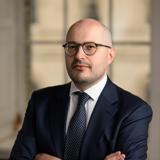
Niccolò Ridi is Senior Lecturer in Public International Law and Associate Director of the Centre for International Governance and Dispute Resolution (CIGAD) at King's College London's Dickson Poon School of Law. He joined King's in 2021 after roles at Liverpool University, Copenhagen University, and the Graduate Institute of International and Development Studies. He holds a PhD from King's, an LLM from Cambridge, and an LLB/MA from Florence. His research focuses on international law (public/private), dispute settlement, and empirical methodologies including data mining/social network analysis. He is finalizing books on international adjudication precedent and comity principles (with Thomas Schultz). He serves as Assistant Editor of the Journal of International Dispute Settlement and is affiliated with leading legal societies. Key research areas include judicial behavior analysis, international court performance, and legal communities' practices. His recent work employs scientometrics to study legal idea propagation and network analysis of scholarly collaboration. He co-leads interdisciplinary initiatives like the Centre for Data Futures, exploring data-driven legal tools. His 2020s research emphasizes ICJ dynamics, Security Council resolution impacts, and investment arbitration innovations. He has supervised 1 PhD student and participates in global legal forums.
Lerrel Pinto is an Assistant Professor of Computer Science at New York University's Courant Institute, where he leads the General-purpose Robotics and AI Lab (GRAIL). His research focuses on enabling robots to generalize and adapt in unstructured environments through advancements in robot learning, decision making, and multimodal sensing. Before joining NYU, he completed a postdoc at UC Berkeley, a PhD in Robotics at Carnegie Mellon University, and an undergraduate degree in Mechanical Engineering at IIT Guwahati. Key research areas include large-scale robot learning, representation learning for sensory data, reinforcement learning for adaptability, and open-source robotics hardware. Notable achievements include the Sloan Fellowship (2025), NSF CAREER Award (2024), and Best Paper Awards at multiple robotics conferences. Pinto's lab has developed influential systems such as the AnySkin tactile sensing framework and the OPEN TEACH teleoperation system. Education highlights include a PhD from CMU (2019) under Abhinav Gupta, a postdoctoral stint with Alexei Efros and Pieter Abbeel at Berkeley, and undergraduate studies at IIT Guwahati. He has authored over 65 publications in top conferences like ICRA, NeurIPS, and CVPR. Pinto teaches courses on robotics, reinforcement learning, and AI at NYU. His service contributions include roles on program committees for ICML, NeurIPS, and IROS, as well as organizing workshops on topics like Dexterous Manipulation and Vision-Language Models for Robotics. His team actively collaborates through the GRAIL lab, with current projects exploring tactile sensing, zero-shot policy deployment, and multimodal robot learning systems. Ongoing research emphasizes bridging the gap between human and robotic dexterity through novel reward structures and adaptive control frameworks.
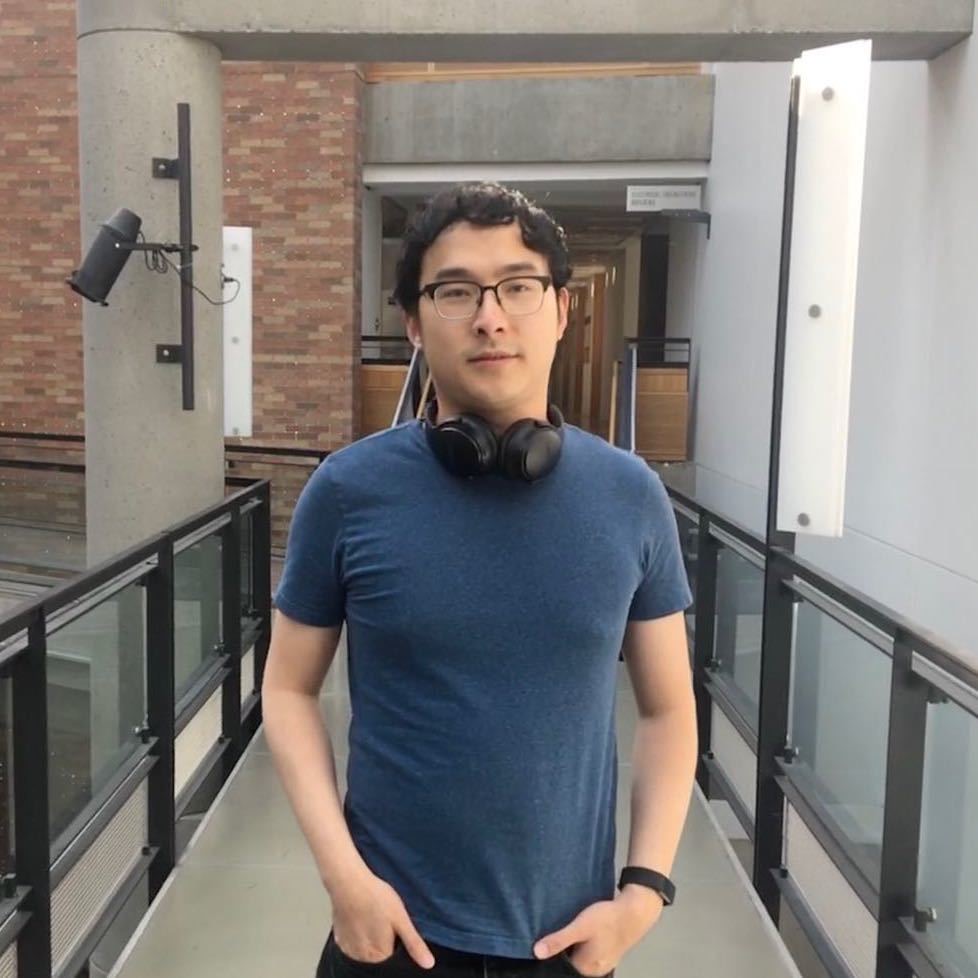
Danyang Zhuo is an Assistant Professor of Computer Science at Duke University, Trinity College of Arts & Sciences, with expertise in datacenter/cloud computing and machine learning systems. He joined Duke in 2020 after postdoctoral research at UC Berkeley under Ion Stoica and a PhD at the University of Washington advised by Tom Anderson and Arvind Krishnamurthy. Education: PhD in Computer Science (University of Washington, 2019) His research focuses on improving cloud infrastructure through systems like Phoenix (application-level abstractions) and Phantora (GPU cluster simulation). Recent work explores LLM verification, tensor compression via video codecs, and fairness in LLM serving. His 15 most recent publications span operating systems, machine learning, and networked systems conferences like HOTOS, NSDI, SIGCOMM, and OSDI. Scientific honors include NSF CAREER Award (2023), USENIX Security Distinguished Paper (2023), and multiple industry research awards. He has secured major NSF grants for projects including "OS-Managed Remote Procedure Call" and "Campus-level RDMA Networking." At Duke, he advises PhD students and teaches courses such as Introduction to Operating Systems (CompSci 310) and Systems for Machine Learning (CompSci 590.05). His work appears in leading conferences and journals, with collaborations across institutions including UC Berkeley, University of Washington, and industry partners.
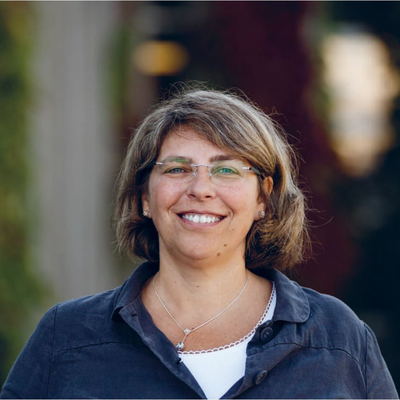
Barbara Bombi is a Professor of Medieval History at the University of Kent's School of History. She holds a PhD from the Catholic University of Milan (2000) and has held research positions at the German Historical Institute in Rome, University of Padua, and Corpus Christi College, Oxford. Her research focuses on the High Middle Ages (1200-1450), specializing in the medieval papacy, canon law, crusades, and the Teutonic Order. She leads the Leverhulme/British Academy-funded 'Diplomacy and the Making of Europe' project. Elected Fellow of the British Academy (2022) and member of the Royal Historical Society Council (2019), she also serves as General Editor of the Canterbury and York Society and on the Internationale Historische Kommission. Teaching spans later medieval Europe, religious history, and canon law. Education: PhD in Medieval History, Catholic University of Milan (2000) Research Fellowships: German Historical Institute Rome (2001), University of Padua (2002–2004) Research Interests: Her work examines papal diplomacy, Anglo-papal relations (as seen in her 2019 OUP monograph), and the Teutonic Order's archival practices. She analyzes the Baltic Crusades' role in European identity formation and medieval diplomatic practices' impact on state-building. Current projects include compiling a catalog of manuscripts of the Liber Extra. Publications Trends: Her articles and books explore papal elections, curial administration, and military orders' archival strategies. Recent works emphasize diplomatic networks and their role in shaping late medieval Europe's political landscape. Awards/Grants: British Academy Fellowship (2022) Leverhulme/BA Small Grant (2018–present) Labs/Teams: Directs the 'Making of Europe' international research network through the Centre for Medieval and Early Modern Studies (MEMS).
Dr. Anna Bobak is a Senior Lecturer in Psychology at the University of Stirling, UK. She holds a PhD from Bournemouth University (2016) and joined Stirling as a Research Assistant on an EPSRC project under Peter Hancock before transitioning to her current role. Her primary research focuses on individual differences in unfamiliar face recognition, particularly developmental prosopagnosia, and the reliability of face-processing assessments. She also investigates neurodiversity in women, emphasizing lived experiences of autism and ADHD, including camouflaging behaviors and societal awareness. Research Interests: Face Recognition: Examines perceptual strategies, diagnostic criteria (e.g., Balanced Integration Score), and technological applications in forensic contexts. Neurodiversity: Explores gender-specific manifestations of autism and ADHD, societal perceptions, and support mechanisms. Cognitive Methodology: Advances psychometric rigor in face-processing studies and critiques measurement validity. Her work bridges theoretical research and real-world applications, such as evaluating automated face recognition technology’s biases and collaborating on initiatives like #ScienceForUkraine to aid displaced academics. She is affiliated with the Cognition in Complex Environments research group and contributes to global security and resilience themes at Stirling.
Dr. Regina Y. Baker is a Clinical Associate Professor of Surgery in the Division of Plastic and Reconstructive Surgery at the Keck School of Medicine of USC. She holds faculty positions at USC University Hospital, USC/Norris Comprehensive Cancer Center, LAC-USC Medical Center, Huntington Memorial Hospital, and Childrens Hospital of Los Angeles. Her clinical expertise spans breast reconstruction, adolescent breast surgery, body contouring, complex reconstructive surgery, and aesthetic surgery, with a focus on women’s health. She founded the Adolescent Breast Center (ABC) at Childrens Hospital of Los Angeles, addressing congenital and adolescent breast disorders, and leads burn reconstruction efforts at the Southern California Regional Burn Center. Education: MD from Keck School of Medicine, followed by plastic surgery residency at USC. Teaching: Actively involved in mentoring medical students and residents. Her research interests include surgical innovations in reconstructive procedures, wound healing, and regenerative medicine. Dr. Baker’s publications reflect her contributions to breast surgery techniques, stem cell applications, and laser technology in medicine. Awards: Recognized as one of Pasadena Magazine’s Top Doctors in 2010. She collaborates with USC bariatric surgeons to offer post-weight loss body contouring and maintains affiliations across multiple top-tier medical institutions.
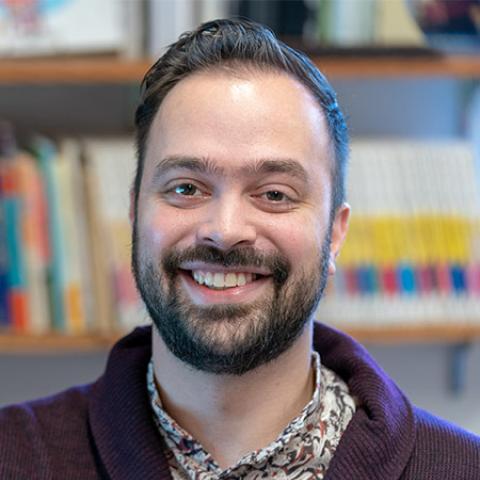
Andrew Campana is an Assistant Professor of Asian Studies at Cornell University's College of Arts and Sciences, specializing in modern and contemporary Japanese literature and media. His research explores the possibilities and limitations of expression during media transitions, with particular focus on poetry, digital media, and disability studies. His academic journey includes a Ph.D. in East Asian Languages and Civilizations from Harvard University and an Honors B.A. in East Asian Studies from the University of Toronto. Campana's first book, Expanding Verse: Japanese Poetry at the Edge of Media , published by the University of California Press in 2024 as an open access work, examines Japanese poetic practice from the 1920s to the present as poets engaged with evolving media technologies including film, tape recording, television, and the internet. As a researcher, Campana's work bridges literary studies, media studies, game studies, and disability studies, with current projects exploring how poetry became a key site of digital experimentation in Japan. His research methodology combines traditional literary analysis with hands-on creative practice, informed by his experiences at MIT's Trope Tank laboratory. His scholarly interests span Japanese media history, disability representation in literature and gaming, digital poetics, and gender studies. His research has received significant media attention, including features in the Cornell Chronicle ('Poets in Japan Experiment at the Edge of Media' and 'Japanese Poets Open New Ways of Thinking About Media'), The Statesman, and interviews on NPR's Academic Minute and the Curiosity Daily podcast discussing his work on gaming and accessibility. As an educator, Campana teaches courses including 'Introduction to Japan,' 'Japanese Poetry,' and 'The Glitch: Errors, Disability, and the Edges of Digital Media' (ASIAN 4703/6703), guiding students through interdisciplinary explorations of Japanese literature, media, and digital culture. His teaching reflects his commitment to understanding media transitions through both theoretical and practical lenses.
Grant E. O'Keefe, M.D., M.P.H., serves as Professor of Surgery at the University of Washington School of Medicine and holds adjunct appointments in Neurological Surgery, Orthopedics and Sports Medicine. Based at Harborview Medical Center in Seattle, he provides surgical and intensive care services for emergency and complex gastrointestinal conditions, emphasizing patient-centered decision-making in critical scenarios. His educational background includes: Medical Doctorate (M.D.) from University of Alberta Faculty of Medicine (1988) Master of Public Health (M.P.H.) from University of Washington General Surgery Residency at University of Alberta Faculty of Medicine General Surgery Fellowship at University of Washington Internship at Memorial University of Newfoundland Dr. O'Keefe's research focuses on trauma outcomes, critical care metabolism, and genetic determinants of sepsis recovery. He investigates nutritional interventions in critically ill patients, ventilator-associated complications, and biomarkers for predicting mortality in trauma cases. His work frequently employs metabolomics and genetic association studies to understand individual variations in treatment response. Analysis of his 2013-2018 publications reveals consistent emphasis on critical care and trauma, with studies examining respiratory failure duration, nutritional support efficacy, and genetic polymorphisms affecting sepsis outcomes. His research often utilizes large collaborative datasets from the NIH-funded Inflammation and Host Response to Injury program, highlighting translational approaches to improve trauma resuscitation and ICU management. Professional recognition includes: Fellow of the American College of Surgeons Board-certified in Surgery and Surgical Critical Care by the American Board of Surgery, Dr. O'Keefe has contributed significantly to the Inflammation and Host Response to Injury Collaborative Research Program, developing standard operating procedures for trauma nutrition and venous thromboembolism prophylaxis. While specific grant amounts aren't detailed, this multi-institutional NIH initiative represents substantial research funding. He mentors surgical trainees within UW's residency programs, though individual advisees aren't listed in available records. At Harborview Medical Center, Dr. O'Keefe operates within the General Surgery Clinic and surgical ICU, collaborating with multidisciplinary teams including trauma surgeons, critical care specialists, and nutrition support services. His clinical practice integrates research insights into trauma resuscitation protocols and complex abdominal surgery, with patient reviews highlighting both efficient communication and occasional concerns about bedside manner.
Zsofia Zavecz is a Research Associate at the University of Cambridge Department of Psychology. Her work focuses on the neurophysiological mechanisms underlying sleep and memory consolidation, with particular emphasis on electrophysiological correlates of lucid dreaming and sleep-dependent learning. Research highlights include: Investigation of EEG functional connectivity during statistical learning Study of transcranial stimulation effects on probabilistic learning Analysis of sleep restriction impacts on hormonal regulation Exploration of cognitive reserve mechanisms in sleep disorders Her neuroscientific investigations span procedural memory systems, neural oscillations, and cross-population studies in both healthy individuals and pediatric sleep-disordered breathing patients.
Professor Gail S. Goodman, a Distinguished Professor of Psychology at the University of California, Davis, is a pioneering scholar in developmental psychology and psychology-law intersections. She directs the Center for Public Policy Research and has established foundational research in children's eyewitness memory and child victims' experiences in legal contexts. Ph.D., M.A., B.A. in Psychology from the University of California, Los Angeles Her research focuses on memory development and children's roles as witnesses, examining trauma-memory relationships, attachment influences, emotional regulation, and forensic interview techniques. Her work has informed legal policies and been cited in U.S. Supreme Court decisions. Key trends in her recent publications include trauma's impact on memory accuracy, false memory balancing, and courtroom dynamics for child witnesses. Her studies span developmental psychology, forensic science, and trauma recovery. 2017 APSAC Handbook chapter on child interview techniques 2017 American Psychologist review on trauma memory and counseling 2016 chapters on memory development and trauma psychopathology Professor Goodman has received numerous accolades, including APA's Urie Bronfenbrenner Award, APS's James McKeen Cattell Award, and an Honorary Doctorate from the University of Oslo. She has also earned teaching and mentoring awards at UC Davis. As Director of UC Davis's Center for Public Policy Research, she consults with global agencies on child maltreatment policies and leads interdisciplinary teams studying memory, trauma, and legal systems. Her work bridges academic research with practical applications in law and child welfare.
Peter Alvaro is an Assistant Professor in the Department of Computer Science and Engineering at the Baskin School of Engineering, University of California, Santa Cruz. He joined the faculty in 2015 after earning his PhD from UC Berkeley under Professor Joe Hellerstein. His research lies at the intersection of databases, distributed systems, and programming languages , with a strong emphasis on data-centric approaches to building robust, scalable, and predictable distributed systems. He is the creator of the Dedalus language and co-creator of the Bloom language, both designed to simplify reasoning about distributed computation. Peter's recent work focuses on non-volatile memory (NVM) , computational storage , and data-centric operating systems , as seen in the Twizzler OS project. His publications span top venues such as USENIX ATC, HotNets, and Communications of the ACM, showing trends toward system resilience, efficient data management, and novel abstractions for modern hardware. Best Presentation award at USENIX ATC 2020 Peter advises graduate students, including Daniel Bittman, and is a key contributor to the Storage Systems Research Center (SSRC), now succeeded by the Center for Research in Storage Systems (CRSS). His work is supported by ongoing collaborations with researchers at UC Santa Cruz and beyond, particularly in the areas of storage, operating systems, and distributed computing.
Ken Koedinger is a University Professor at Carnegie Mellon University (CMU), holding appointments in the School of Computer Science (Human-Computer Interaction Institute) and the Dietrich College of Humanities and Social Sciences (Department of Psychology). He is the co-founder of Carnegie Learning, Inc., and directs the LearnLab, now the scientific arm of CMU’s Simon Initiative. His research focuses on cognitive modeling, intelligent tutoring systems, and the science of learning. Dr. Koedinger has over 250 peer-reviewed publications and has been awarded prestigious titles such as the Hillman Professorship of Computer Science and Fellow of the Cognitive Science Society. Education: Ph.D. in Cognitive Psychology (CMU, 1990), M.S. in Computer Science (University of Wisconsin, 1986). Prior to academia, he taught in an urban high school, informing his interdisciplinary approach to education research. Research Interests: Cognitive modeling, educational technology, learning analytics, and the integration of AI into learning systems. Key projects include Cognitive Tutors, LearnLab, and the Pittsburgh Science of Learning Center. Awards: Over 30 grants from NSF, Department of Education, and private foundations, including major contributions to K-12 math education and AI-driven personalized learning. Advising: Supervised over 30 graduate students, many now leading roles in academia and industry. Current students focus on AI ethics, scalable education, and mixed-reality learning.
Sebastian Risi is a Professor at the IT University of Copenhagen , where he directs the Creative AI Lab and co-directs the Robotics, Evolution and Art Lab (REAL) . His work bridges computational evolution, deep learning, and collective intelligence for applications in robotics, art, and video game design. His research focuses on self-organizing AI systems that grow or assemble through local interactions, inspired by biological development. Key areas include neuroevolution , neural cellular automata , and generative modeling , with applications in adaptive robotics, game content creation, and damage-resilient AI. Recent publications highlight trends in self-assembling neural architectures (NDPs) and 3D functional machine generation (Minecraft experiments). Awards include ERC Consolidator Grant (2022), Best Paper at FDG’21 , and Google Faculty Award (2019). Scientific Awards : ERC Consolidator Grant (GROW-AI), Best Paper FDG’21, Runner-Up IEEE Games’20, GECCO 2017 Competition Winner, Sapere Aude Grant, Amazon/Google Faculty Awards He advises on projects like GROW-AI (EU-funded), AI-TESTER (game testing), and C2SIM (military systems). Media coverage includes Science , Wired , and Popular Science .
Adam T. Smith is Distinguished Professor of Arts and Sciences in Anthropology at Cornell University, where he has been faculty since 2011. He is a leading scholar in Eurasian archaeology with a focus on the South Caucasus, particularly Armenia. Smith co-founded Project ArAGATS, a long-term archaeological program in Armenia, and co-directs the Aragats Foundation and Caucasus Heritage Watch, organizations dedicated to heritage preservation in the region. His educational background includes: Ph.D. (1996) in Anthropology from the University of Arizona M.A. (1993) in Anthropology from the University of Arizona M.Phil. (1991) in Social and Political Science from the University of Cambridge B.A. (1990) in Anthropology and Political Science from Brown University Smith's research centers on the role of material culture in political life, examining how objects, landscapes, and built environments shape political procedures and values. His work spans archaeological theory, political anthropology, and heritage studies, with a particular focus on the South Caucasus region. He investigates the long-term social and political dynamics from the Bronze Age to contemporary times, exploring themes of sovereignty, heritage preservation, and the political dimensions of material culture. His approach integrates theoretical frameworks with empirical fieldwork to understand political power through material evidence. His recent publications demonstrate a consistent focus on the archaeology of power and politics in Eurasia, with increasing attention to contemporary heritage issues. Smith's work bridges theoretical frameworks with empirical research, particularly through his long-term fieldwork in Armenia and the Caucasus region. His scholarship shows a progression from studies of ancient political systems to contemporary issues of cultural heritage and political violence, with a strong emphasis on ethical engagement with archaeological practice and heritage management. Smith has received numerous prestigious awards including: 2023-2025 Fellow, Milstein Program in Technology and Humanity, Cornell University 2023 Finalist, Falling Walls Science Breakthrough of the Year, Social Sciences and Humanities 2023 Certificate of Communal Partnership, St. James AME Zion Church, Ithaca NY 2010-2011 John Simon Guggenheim Memorial Foundation Fellow 2010-2011 Fellow, Cornell University Society for the Humanities 2006-2007 Fellow, Howard Foundation Smith has directed multiple field seasons and collaborative research projects in Armenia, involving both American and Armenian scholars. His work with Project ArAGATS has received continuous support over two decades, while Caucasus Heritage Watch represents a newer initiative addressing urgent heritage preservation needs through satellite monitoring. He has supervised numerous graduate students and secured significant research funding for his projects, demonstrating strong leadership in both academic and community-engaged research contexts. Smith leads several research initiatives including Project ArAGATS, the Aragats Foundation, and Caucasus Heritage Watch. His Landscapes and Objects Laboratory at Cornell serves as a hub for material culture studies, while his work with the St. James AME Zion Community Excavations demonstrates his commitment to community-engaged archaeology. These teams bring together interdisciplinary scholars to address complex questions about political power, material culture, and heritage preservation across time, with particular attention to how archaeological practice can engage with contemporary political issues and community needs.
Daniele Loiacono is an Associate Professor at Politecnico di Milano's Department of Electronics, Information, and Bioengineering (DEIB), affiliated with the Artificial Intelligence and Robotics Lab (AIRLab). His research focuses on interdisciplinary applications of Artificial Intelligence, Machine Learning, and Deep Learning in medical imaging, radiation therapy, and procedural content generation for games. He leads projects in synthetic image generation for radiotherapy quality assurance, automated treatment planning, and bias analysis in medical AI systems. Key research areas include medical image synthesis using GANs, radiation therapy optimization, and algorithmic game design. His contributions span clinical applications such as total marrow irradiation (TMI) planning and lymph-node segmentation, alongside innovations in shader generation and interactive evolutionary tools for game development. Loiacono collaborates on multi-center studies to validate AI-driven workflows in healthcare and has pioneered methods combining lean Six Sigma with machine learning for treatment process improvement. His work bridges clinical medicine and computer science, addressing challenges in radiation oncology, anatomical imaging, and procedural content automation. The AIRLab serves as a hub for his research, integrating AI advancements into real-world medical and engineering solutions.