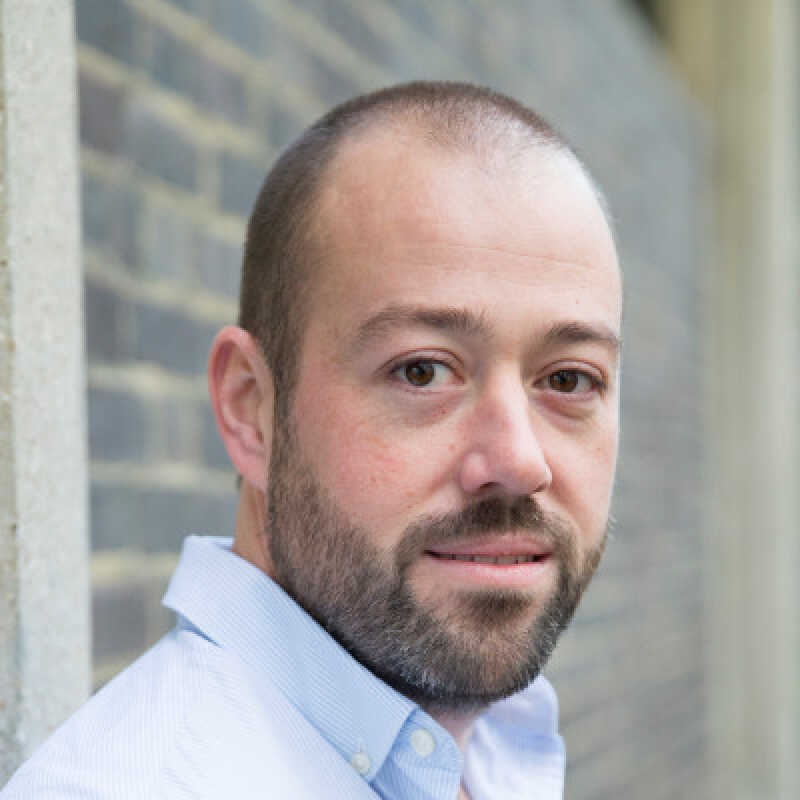
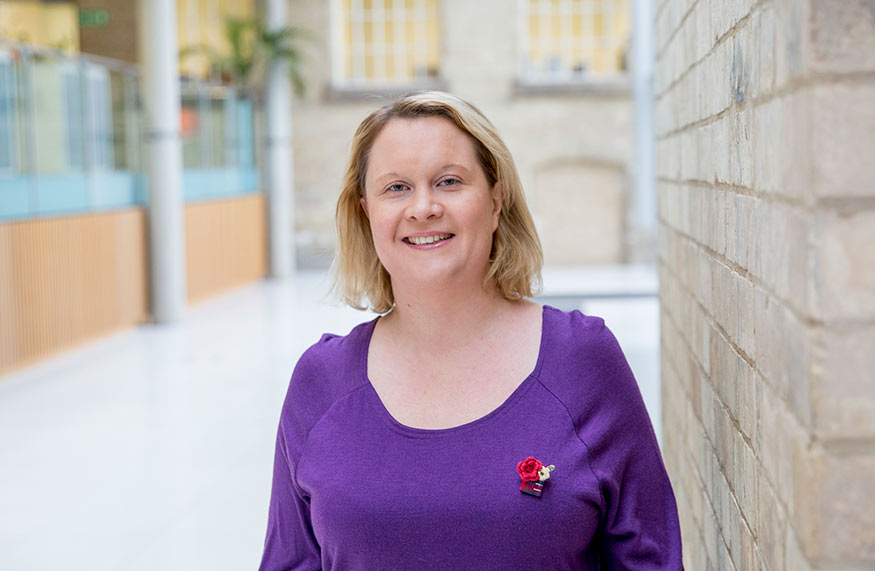
Professor Jonathan Herring serves at the Faculty of Law, University of Oxford with a focus on Medical Law and Ethics, Family Law, Criminal Law, and Vulnerability Theory . His work bridges feminist ethics of care with legal frameworks, challenging traditional individualistic approaches. DM Wolfe-Clarendon Fellow, Exeter College Editorial Board: Child and Family Law Quarterly Research Interests He investigates law's interaction with human relationships , emphasizing areas like domestic abuse as human rights violation , pregnancy regulation , mental capacity ethics , and dementia-related legal reforms . His Law Through the Life Course (2021) examines age-based legal assumptions. Publication Trends Recent works focus on obstetric violence (with Pickles), fragile X syndrome ethics (with Johnson), and revising sexual offense consent models . Articles span 2017-2025 , showing sustained engagement with vulnerability theory and relational legal philosophy . Teaching Contributions He instructs Criminal Law , Family Law , and Medical Law and Ethics for Oxford's BA Jurisprudence, plus Medical and Family Law BCL courses. Supervises DPhil topics across domestic abuse , obstetric violence , and trans parenthood .
David Bickham is a health communication researcher at Boston Children's Hospital, where he serves as an Instructor of Pediatrics in the Division of Adolescent Medicine and as a Research Scientist at the Center on Media and Child Health (CMCH). His work focuses on the impact of media on children’s physical, psychological, and social well-being. Research Interests: Dr. Bickham investigates how digital media influences adolescent health, particularly in areas such as obesity, mental health, and risky behaviors. His research spans media literacy, digital food advertising, problematic media use, and the interplay between screen time and depression or anxiety. He employs both quantitative and qualitative methods to understand the context, content, and form of media exposure. Publication Trends: His recent publications reflect a strong focus on social media, mental health, and behavioral interventions in youth. Themes include internet addiction, media reduction strategies, and the psychological effects of digital media, often using cohort studies and clinical samples. Scientific Awards: No awards mentioned in the text. Advising and Grants: While specific students or grants are not listed, Dr. Bickham leads and contributes to multiple research initiatives related to media and child health, suggesting active involvement in mentoring and project leadership. His work often involves school-based and clinical interventions. Labs and Teams: He is a key member of the Center on Media and Child Health (CMCH) at Boston Children’s Hospital, a multidisciplinary research group dedicated to studying the effects of media on children and families.
Dr. Caoilte Ó Ciardha is a Senior Lecturer in Forensic Psychology and Deputy Head of School at the University of Kent's School of Psychology. He serves as Head of Undergraduate Recruitment and Student Experience and is a member of the UG Outreach Team. Dr. Ó Ciardha is affiliated with the Centre of Research and Education in Forensic Psychology (CORE-FP) and holds editorial positions with journals including Sexual Abuse and Psychology, Crime & Law . He also serves on the research committee of the Association for the Treatment of Sexual Abusers (ATSA). Dr. Ó Ciardha obtained his PhD from Trinity College Dublin (Ireland) in 2010. His doctoral research examined the use of indirect/implicit cognitive measures in the assessment of individuals who had sexually offended. Following his PhD, he joined the University of Kent in 2011 as a postdoctoral research associate working on an ESRC funded project to develop a psychological treatment programme for adults who had engaged in deliberate firesetting. Dr. Ó Ciardha's research focuses on the aetiology of offending behaviour, as well as on the assessment and treatment of factors that are causally related to offending. His work primarily concerns sexual offending against children and adults and firesetting. His research draws on theory and methods across forensic psychology, social psychology, cognitive psychology and social cognition, employing approaches including reaction time measures, eye-movements, brain stimulation, questionnaires, and qualitative methods to understand criminogenic psychological factors such as problematic sexual interest, cognitive distortions, maladaptive coping, and the psychological consequences of childhood adversity. Analysis of Dr. Ó Ciardha's recent publications reveals a consistent focus on understanding sexual offending and firesetting through innovative assessment methods. His work frequently employs physiological measures like pupillometry to assess sexual interest, examines cognitive distortions in offenders, and evaluates treatment approaches. Recent work has expanded into areas including online communities (incel phenomenon), dark web analysis, and theory of mind deficits in offenders. His research demonstrates an interdisciplinary approach combining forensic, cognitive, and clinical psychology perspectives. Dr. Ó Ciardha serves as associate editor for the journals Sexual Abuse and Psychology, Crime & Law and reviews for over 20 other journals. He is a member of the research committee of the Association for the Treatment of Sexual Abusers (ATSA). His editorial work represents significant recognition of his expertise in the field of forensic psychology and sexual offending. Dr. Ó Ciardha actively supervises PhD students, with current research focusing on topics including childhood adversity and sexual behavior, implicit theories in sexual offending, theory of mind in child sexual abuse, and cognitive schemas in sexual assault cases. His grant history includes projects funded by the Police and Crime Commissioner for Cumbria (evaluating polygraph use for managing sexual offenders) and the National Organisation for the Treatment of Abusers (comparing indirect measures of sexual interest). These grants demonstrate his ability to secure external research funding for applied forensic psychology projects. Dr. Ó Ciardha leads research within the Centre of Research and Education in Forensic Psychology (CORE-FP) at the University of Kent. His lab employs diverse methodologies including reaction time measures, eye-tracking, pupillometry, and qualitative approaches to investigate criminogenic factors. His team collaborates with researchers internationally and works closely with practitioners in the field to ensure research has practical applications for assessment and treatment of offenders.
Marc Tourigny is a Professor at Université de Sherbrooke specializing in psychoeducation and child maltreatment research. His work focuses on childhood sexual abuse, problematic sexual behaviors in children, and intergenerational trauma cycles. PhD in Psychology (1997), Université du Québec à Montréal Postdoctoral Fellowship in Social Work (1999), University of Toronto Research interests include: Child maltreatment epidemiology Evaluation of intervention programs Psychosocial consequences of abuse Intergenerational transmission of trauma Sexual behavior typologies in children Mental health outcomes for victims Recent publications (2013–2018) demonstrate focus on: Intergenerational trauma (4 papers) Problematic sexual behavior (6 papers) Therapeutic alliance effectiveness (3 papers) Long-term mental health impacts (5 papers) Abuse disclosure consequences (2 papers) Program evaluation (4 papers)
Sarah Buglass is a Senior Lecturer in the Department of Psychology at Nottingham Trent University (NTU), leading efforts in digital enhancement of teaching and learning. She teaches undergraduate and postgraduate courses including Social Development of Children and Adolescents, Cyberpsychology, and Research Methods in Cyberpsychology. Her research focuses on digital technology use, problematic online behavior, FOMO, and banter dynamics in online/offline contexts, with affiliations to NTU’s Bullying and Aggressive Behaviour research group. Education includes a BSc in Computer Science, AI, and Psychology (University of Nottingham, 2001), a PGCE in Secondary ICT (King’s College London, 2004), an MSc in Psychology (NTU, 2013), and a PhD (NTU, 2018) exploring online risks in social network sites. Previously a secondary school ICT Head of Department, she transitioned to academia in 2016. Her research interests span cyberpsychology, social media behavior, educational technology applications, and the psychological impacts of digital interactions. Recent work examines banter’s role in social contexts, online vulnerability, and FOMO’s effects on relational aggression. Publications highlight themes like online risk perceptions, distance education adaptations during the pandemic, and banter’s cultural and psychological dimensions. She serves on the editorial board of QWERTY , a journal on technology, culture, and education. Teaching and research emphasize bridging digital technology’s educational potential while addressing its societal challenges, including cyberbullying and online safety.
Maria Valero De Vicente is a Tenured Contract Senior Lecturer at the University of the Balearic Islands within the Department of Pedagogy and Specific Didactics. She holds a PhD in Education (2019) from the University of the Balearic Islands, a Degree in Psychology (2011), a Master of Psychological Intervention in clinical and social fields (2013), and a Master in General Health Psychology (2018), all from the University of Almeria. Her primary research interests include: Evidence-based prevention programs and family competences Prevention of drug use and risk behaviors in children and adolescents Youth development and promotion of prosocial behavior Family dynamics in prevention contexts Dr. Valero actively contributes to the field through her membership in the GIFES research team (Educational and Social Research and Training Group), a Consolidated R+D+I Group at her institution. Her teaching portfolio includes Data Analysis in Educational Research, Social-Educational Intervention with Family, and Social-Educational Intervention Techniques for the Degree in Social Education, as well as Society, Family and Education for the Master's Degree in Teacher Training. Analysis of her publication trends reveals a strong focus on evidence-based family prevention programs with particular attention to: Family dynamics and program adherence Technology-based parenting interventions Youth as active agents in prevention initiatives Gender differences in prevention outcomes Cultural adaptation of international programs Problematic internet use among vulnerable adolescents Dr. Valero has established productive collaborations with researchers including Carmen Orte, Lluís Ballester Brage, and Joan Amer, contributing to numerous publications and research projects focused on family competence programs and youth development. She actively mentors students through final degree projects and master's theses in socio-educational intervention, guiding the next generation of professionals in evidence-based prevention approaches.
Julia Kobulsky is an Assistant Professor in the School of Social Work at Temple University's College of Public Health. Her academic work centers on child maltreatment, particularly child neglect, and its long-term impacts on adolescent and young adult health. She is committed to improving child welfare systems through research that informs policy and practice. Her educational background includes a PhD from Case Western Reserve University, an MA in Sociology from the University of Illinois at Chicago, and a BA in Anthropology from Loyola University Chicago. She completed postdoctoral training at the University of Maryland School of Social Work and was a doctoral fellow with the Administration on Children, Youth and Families. Dr. Kobulsky’s research focuses on the developmental timing, severity, and types of child maltreatment, with a strong emphasis on fathers as both risk and protective factors. She employs longitudinal modeling, psychometrics, and community-engaged methods. Her work aims to refine the conceptualization and measurement of child neglect, contributing to more effective interventions. Her recent publications reveal a consistent focus on the health consequences of child maltreatment, including obesity, substance use, and mental health. The research often explores protective factors such as housing and food security, and she leads the Child Maltreatment Prevention Lab at Temple University. Dr. Kobulsky has received federal funding for her research and collaborates with agencies such as the Philadelphia Children’s Alliance and the Philadelphia Department of Human Services. She teaches courses in child welfare policy and social work research at both undergraduate and graduate levels. Her scientific contributions are recognized through numerous peer-reviewed publications in high-impact journals. While no formal awards are listed, her ongoing projects and leadership in prevention science highlight her growing influence in the field. She advises on child welfare practice improvement and workforce development, including the use of virtual coaching tools. She leads a research lab and collaborates with interdisciplinary teams to prevent child sexual abuse recurrence and strengthen family resilience.
Dr. Maria Brodzikowska serves as a Lecturer in the Institute of Social Sciences at the Faculty of Physical Education and Sport, University School of Physical Education in Krakow. She teaches specialized courses in Pedagogy and Pedagogy in Physical Culture, integrating her extensive clinical experience with academic rigor. Her position bridges theoretical education and practical application in social sciences within a physical education context. Her educational foundation includes a PhD in Social Sciences (Pedagogy) from Jagiellonian University (2014), preceded by Master's (2006) and Bachelor's (2004) degrees in Pedagogy with resocialization specialization. Complementing her academic credentials, she completed four-year systemic family psychotherapy training (2015-2019), EMDR therapy certification (2024), and specialized HIV/AIDS counseling credentials including the National AIDS Center certification (2013). Dr. Brodzikowska's research critically examines HIV/AIDS prevention, Chemsex phenomena, and trauma-informed care, with particular focus on marginalized populations. Her work reveals evolving trends from early stigma analysis (2011-2013) toward contemporary Chemsex interventions (2021-2023), demonstrating consistent commitment to translating research into practical therapeutic frameworks. Recent publications emphasize family-centered approaches, maternal health, and culturally competent messaging for MSM communities. Laureate of the national 'Red Ribbon' award for contributions to improving quality of life for people living with HIV Recognized for significant impact on HIV/AIDS prevention strategies in Poland As active Chairperson of the Health Prevention Association 'Jeden Świat', she develops training programs while maintaining clinical practice at Parasol Therapy Center specializing in Chemsex interventions. Her dual academic-practitioner role enables direct application of research findings through therapeutic groups including Poland's first psychotherapeutic program for men with problematic Chemsex (2023). Affiliated with seven professional societies including the Polish EMDR Therapy Society and Polish AIDS Scientific Society, she bridges clinical practice, academic research, and public health advocacy.
Dr. Brian Allen is a Professor at Pennsylvania State University, holding dual appointments in the Department of Pediatrics and Department of Psychiatry and Behavioral Health. He serves as Director of Mental Health Services at Penn State Children’s Hospital’s Center for the Protection of Children. His research focuses on improving developmental outcomes for maltreated and adopted children, including leading the Pennsylvania Adoptees Longitudinal Study (PALS). His clinical expertise centers on trauma-focused cognitive behavioral therapy (TF-CBT) and addressing problematic sexual behavior in children. He has secured funding from the National Institute of Child Health and Human Development (NICHD) for projects like integrating animal-assisted therapy into TF-CBT and studying adoptee development. Dr. Allen is also involved in editorial roles for multiple journals and contributes to UN Sustainable Development Goals related to child welfare. Recent work includes meta-analyses on child behavior problems linked to maltreatment and physiological markers predicting TF-CBT outcomes. He collaborates widely on initiatives such as the Child Maltreatment Solutions Network.
David L. Delmonico serves as a Professor at Duquesne University's School of Education in Pittsburgh, Pennsylvania, where he directs the Online Behavior Research and Education Center (OBREC) and acts as Associate Editor for the Sexual Addiction & Compulsivity Journal. His academic credentials include: Ph.D. in Counselor Education from Kent State University (1997) M.Ed. in Community Counseling from Kent State University (1991) B.S. in Psychology from Kent State University (1989) Dr. Delmonico specializes in the psychological dimensions of digital environments, with research focusing on cyber-behavior patterns, online risk assessment, and intervention strategies for problematic internet use. His work bridges clinical psychology with practical safety frameworks, particularly for vulnerable populations like children. He has co-authored three authoritative texts and delivers national training for probation officers, schools, and mental health professionals on mitigating digital threats through evidence-based protocols. As Director of OBREC, he oversees interdisciplinary initiatives examining behavioral addictions in digital contexts and develops prevention curricula adopted by educational institutions nationwide. The center functions as a nexus for translating research into community safety practices.
Professor Deborah Cobb-Clark is a faculty member at the School of Economics, University of Sydney, where she serves as Deputy Head (Research). She is also Deputy Director of the ARC Centre of Excellence for Children and Families Over the Life Course, an Officer of the Order of Australia (AO), a Fellow of the Academy of Social Sciences in Australia (FASSA), and a Distinguished Fellow of the Economic Society of Australia. Prior to joining the University of Sydney, she held prominent roles at the University of Melbourne, including Ronald Henderson Professor and Director of the Melbourne Institute of Applied Economics and Social Research. Her research focuses on the intersection of economic and social policy with human development, mental health, intergenerational disadvantage, sexual and racial harassment, health economics, old-age support, education, immigration, and youth transitions. Recent publications highlight themes in self-control , mental health , labor economics , and intergenerational policy impacts . Professor Cobb-Clark has received numerous accolades, including: Officer of the Order of Australia (AO) Fellow of the Academy of Social Sciences in Australia (FASSA) Distinguished Fellow of the Economic Society of Australia She has secured significant grants, such as the ARC Centre of Excellence for Children and Families over the Life Course and the International Center for Responsible Gaming Grant , and contributes to policy discussions on gambling regulation and social welfare programs. Her work is affiliated with the University of Sydney's Brain and Mind Centre and Charles Perkins Centre .
Erik Benau serves as an Assistant Professor of Psychology in the Department of Psychology within the School of Arts and Sciences at the State University of New York College at Old Westbury. His academic journey includes a Ph.D. in Clinical Psychology from the University of Kansas, an M.S. in Clinical Health Psychology from the University of the Sciences in Philadelphia, and a B.A. in Cognitive Science from Hampshire College. He completed a prestigious T32 Postdoctoral Fellowship at Columbia University Irving Medical Center and is a licensed psychologist in New York State. 2018-2020: T32 Postdoctoral Fellowship, Division of Child and Adolescent Psychiatry, Columbia University Irving Medical Center 2018: Ph.D. Clinical Psychology, University of Kansas 2012: M.S. Clinical Health Psychology, University of the Sciences, Philadelphia 2007: B.A. Cognitive Science, Hampshire College Dr. Benau's research primarily focuses on the interaction of cognition and emotion, investigating how these processes influence each other and contribute to problematic thoughts, feelings, and behaviors. He employs psychophysiological methodologies, particularly Event-Related Potentials (ERPs), to examine the mechanisms underlying emotions and clinical disorders such as depression and anxiety. His secondary research interest lies in health psychology, with particular attention to the physical and mental health of underrepresented populations, including studies on self-harm, eating behaviors, and addictive behaviors. An analysis of his recent publications reveals a strong focus on suicide risk factors across diverse populations, particularly LGBTQ+ individuals and bisexual+ young adults. His work demonstrates expertise in psychophysiological methods to study emotion-cognition interactions, with recurring themes of interoception, implicit bias, and the mind-body connection. Recent publications also show his expanding research into cultural factors affecting mental health, including racism-related trauma in children and acculturation effects on eating disorders. T32 Postdoctoral Fellowship from the National Institutes of Health Dr. Benau serves as Chair of the Institutional Review Board and is actively involved in mentoring undergraduate and graduate students, as evidenced by numerous publications with student co-authors from SUNY Old Westbury. His teaching responsibilities include advanced courses in research methods, clinical psychology, cognitive psychology, and neuropsychology. His research program appears to be well-funded through various sources that support his psychophysiological investigations of emotion and cognition. While specific laboratory information isn't detailed in the provided text, Dr. Benau's extensive use of psychophysiological methodologies suggests he maintains a research lab equipped for ERP studies and other cognitive neuroscience investigations. His collaborative work with researchers at multiple institutions indicates an active research network focused on clinical and cognitive psychology questions.
Kristīne Ozoliņa is an Acting Lecturer at the Institute of Public Health and a Ph.D. student specializing in adolescent behavioral health. Her work bridges digital behavior, substance use, and mental health, with active participation in EU research programs. Acting Lecturer, Institute of Public Health Ph.D. Student, Institute of Public Health ORCID: 0000-0002-9951-7055 Research focuses on problematic gaming, social media use, and gambling, particularly their associations with substance use and mental health comorbidities among Latvian adolescents. She contributes to EU projects like Horizon Europe's EUVABECO and national tobacco control initiatives. Recent publications highlight cross-cultural studies in Europe, Central Asia, and Canada through the Health Behaviour in School-aged Children (HBSC) survey. Her methodological work addresses statistical power in behavioral research. Awards 2025: 1st place award for oral presentation in Public & Global Health / Occupational Medicine / Nutrition / Digital Medicine Active in academic presentations, including poster sessions on socioeconomic factors affecting substance use. Collaborates internationally with researchers in Cyprus, Czechia, and Canada.
Brian Allen, PsyD is a Professor in both the Department of Pediatrics and Department of Psychiatry and Behavioral Health at Penn State College of Medicine. He serves as the director of mental health services at Penn State Children's Hospital's Center for the Protection of Children and maintains affiliations with the Social Science Research Institute (SSRI) and Child Maltreatment Solutions Network. Dr. Allen's research focuses on child maltreatment, trauma treatment for maltreated children, problematic sexual behaviors in preteens, and adoption outcomes. His current work centers on improving development for adopted children through the Pennsylvania Adoptees Longitudinal Study (PALS), for which he serves as Principal Investigator. His research has been funded by the National Institute of Child Health and Human Development/National Institutes of Health and Children's Miracle Network. His recent publication record demonstrates ongoing scholarly activity through 2025, with meta-analyses examining problematic sexual behavior among preteen children, child behavior problems related to maltreatment exposure, and physiological predictors of trauma therapy outcomes. His work shows particular emphasis on trauma-focused cognitive behavioral therapy (TF-CBT) effectiveness and integration of animal-assisted therapy approaches. Dr. Allen has published numerous scientific papers and book chapters with significant scholarly impact (1,199 citations, h-index 20). His research contributes to UN Sustainable Development Goals related to child protection and well-being. As a clinical psychologist, Dr. Allen directs mental health services at the Center for the Protection of Children, implementing evidence-based treatments for maltreated children while conducting research to advance the field. His dual appointments reflect the interdisciplinary nature of his work bridging pediatrics and mental health.
Stéphanie Chouinard-Thivierge serves as an Assistant Professor at the School of Criminology, Faculty of Arts and Sciences, University of Montreal, where she contributes to undergraduate education across Criminology, Social Sciences, and Intervention programs. As a member of the International Centre for Comparative Criminology (CICC), she engages in collaborative research examining developmental pathways in criminal behavior with particular emphasis on juvenile sexual offending. Her research expertise spans Developmental Criminology , Sexual Offending in adolescent and child populations, Adversity and its intergenerational transmission, Antisocial Behaviors , and Life Trajectory analysis. She employs longitudinal methodologies and meta-analytic techniques to investigate recidivism patterns, therapeutic efficacy for problematic sexual behaviors, and desistance processes during emerging adulthood, with recent publications demonstrating strong international research collaborations. Professor Chouinard-Thivierge maintains active scholarly engagement through regular presentations at premier international conferences including the American Society of Criminology and Association for the Treatment of Sexual Abusers. Her teaching portfolio includes Psychocriminology (CRI1100) across multiple undergraduate streams, reflecting her commitment to foundational criminological education at the University of Montreal.