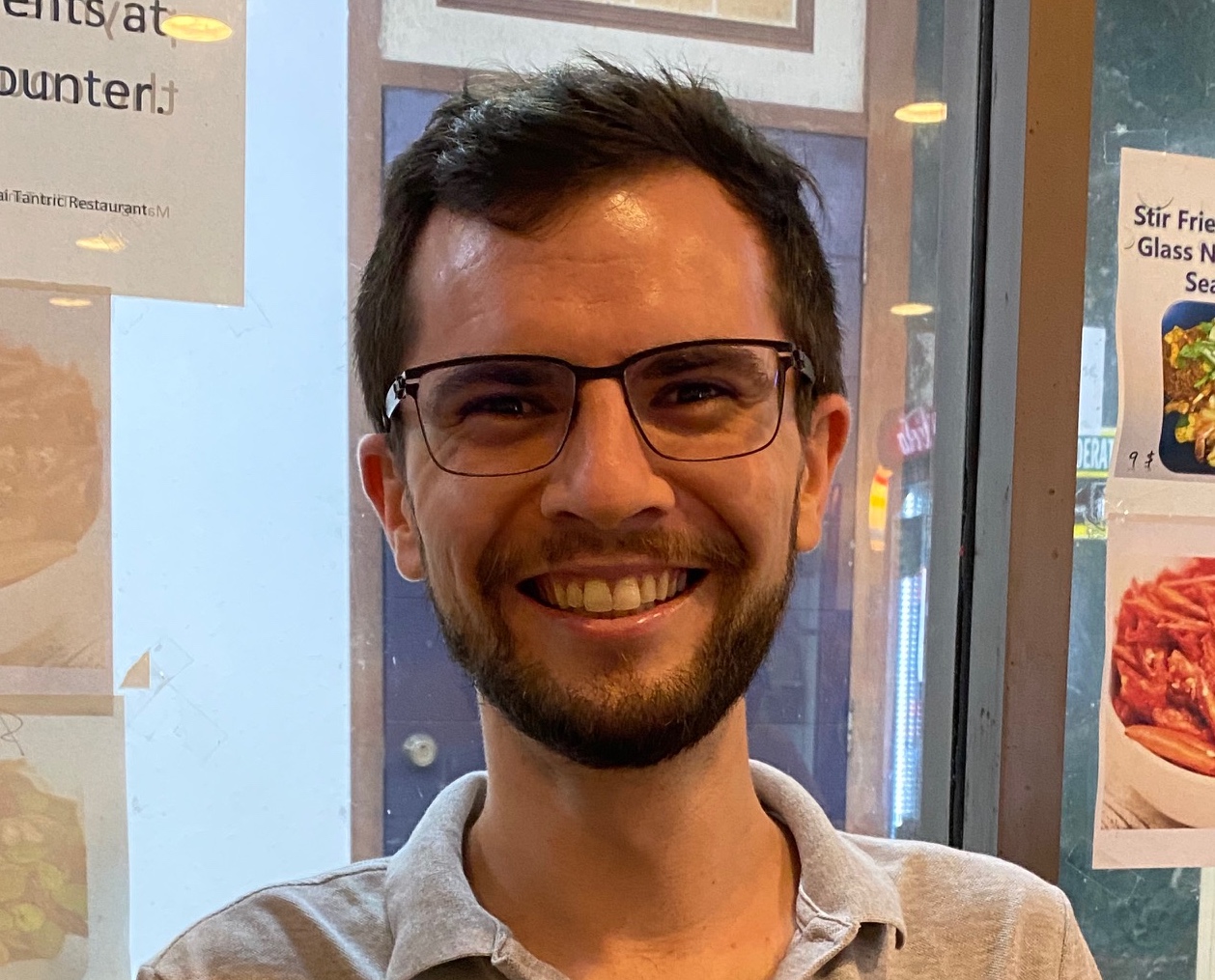
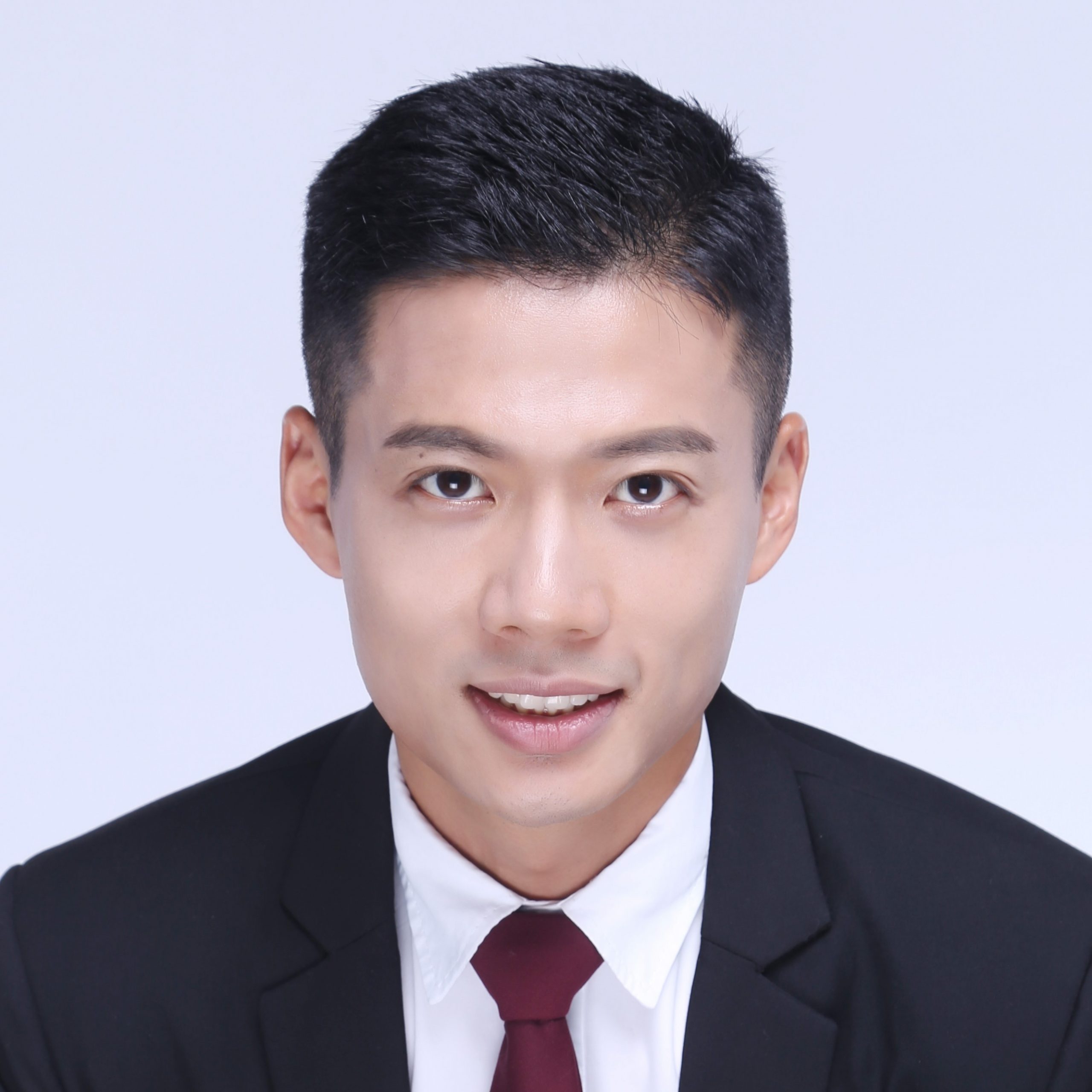
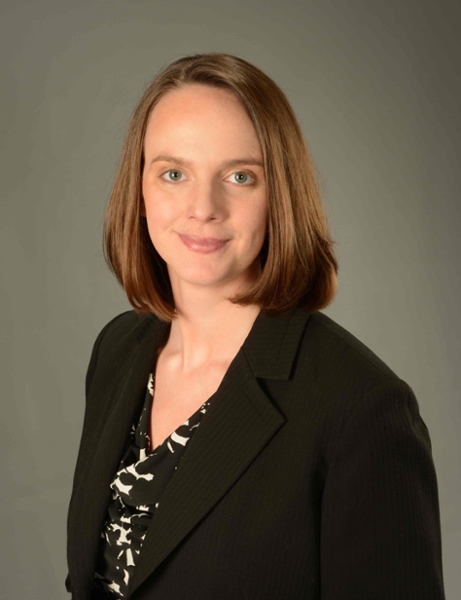
Tim Leijnse is a part-time PhD Candidate in the department of Water and Climate Risk at the Institute for Environmental Studies (IVM), Vrije Universiteit Amsterdam. He is also a coastal engineer at Deltares, where he has worked since 2018, focusing on coastal modeling and compound flooding research. Education : MSc in Hydraulic Engineering (TU Delft, 2018) BSc in Civil Engineering (TU Delft, 2015) Research Interests : Coastal hazards, compound flood modeling, tropical cyclones, storm surges, and wave propagation. His work emphasizes improving large-scale coastal flood risk assessments by integrating wave-driven components using models like Delft3D, SFINCS, and XBeach. Key Research Contributions : His publications address the role of waves in coastal flooding, probabilistic flood modeling, and uncertainty analysis in tropical cyclone forecasting. These studies highlight advancements in computational efficiency and coupled modeling techniques. Awards & Grants : No scientific awards listed. Active in the COASTMOVE project under Prof. Jeroen Aerts and Dr. Sanne Muis, focusing on coastal hazard mitigation. Labs & Collaborations : Collaborates with IVM, Deltares, and international partners (e.g., Australia, Bangladesh, Caribbean, EU). His work bridges academia and applied coastal engineering.
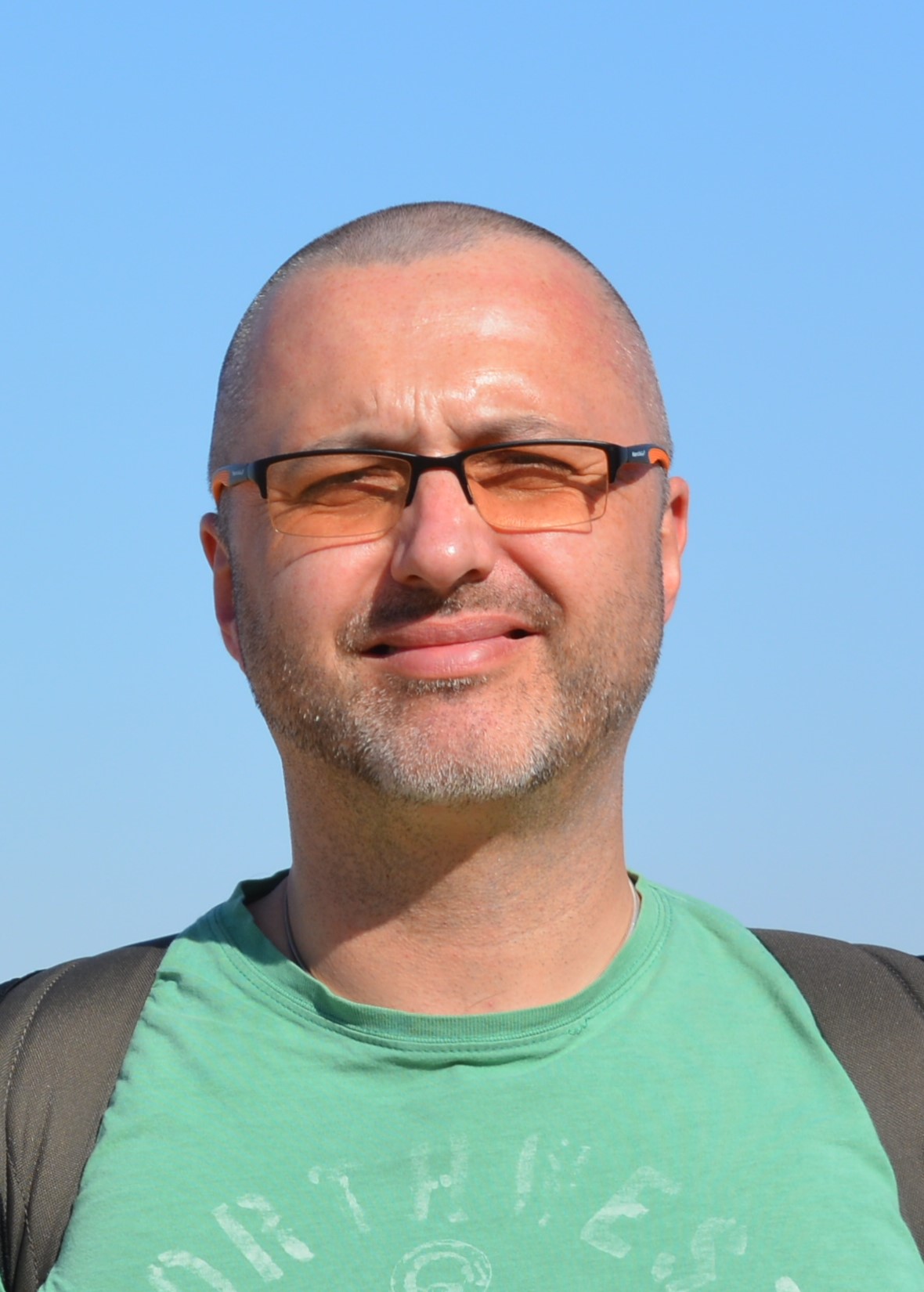
Lars Rosen is a Professor in the Department of Geology and Geotechnology at Chalmers University of Technology, where he leads the Technical Geology research group. He serves as the responsible person for the Forum for Risk Investigation and Sustainable Technology (FRIST) competence center and works as a supervisor and specialist in risk management within the DRICKS research program. Professor Rosen's research spans hydrogeology and environmental engineering, with a primary focus on vulnerability assessments, risk assessment, and decision-making methodological support for water protection and remediation of contaminated soil, groundwater, and drinking water. His work integrates technical, economic, and environmental perspectives to develop practical solutions for complex water resource challenges. Analysis of his recent publications reveals a strong emphasis on risk-based decision support systems, particularly for hydrogeological risks in underground construction, contaminated site remediation, and drinking water protection. His research increasingly incorporates sustainability assessment frameworks, cost-benefit analysis, and ecosystem service valuation into traditional engineering approaches. Professor Rosen actively leads and participates in numerous research projects, including FRIST, DRICKS, and several EU-funded initiatives focused on risk assessment, sustainable remediation, and water resource management. His work demonstrates strong collaboration with researchers across multiple disciplines and institutions. His research group, Technical Geology, focuses on applying geological knowledge to engineering problems, particularly those related to groundwater, soil contamination, and risk assessment. The group works closely with industry and government agencies to translate research findings into practical applications for environmental protection and sustainable development.
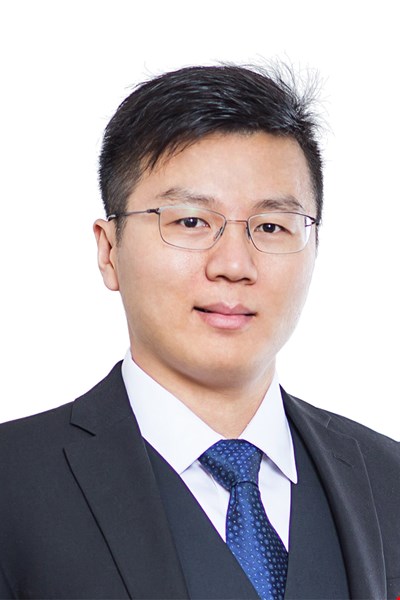
Chris Poskitt is an Associate Professor of Computer Science (Education) at the School of Computing and Information Systems (SCIS) at Singapore Management University (SMU). He also serves as Director of the BSc (IS) Smart-City Management & Technology Major and Director of Undergraduate Administration at SCIS. Dr. Poskitt is an active member of the System Analysis and Verification (SAV) research group within SCIS. Dr. Poskitt completed his PhD in 2014 at the University of York (UK) under the supervision of Detlef Plump. Prior to joining SMU, he was a postdoctoral researcher for three years at ETH Zürich, where he worked with Bertrand Meyer. His academic journey reflects a strong foundation in formal methods and software engineering principles. Dr. Poskitt's research broadly addresses the problem of engineering correct and secure software and systems. His work spans several key areas including software engineering, formal methods, cybersecurity, and computer science education. He has developed innovative techniques for testing and defending cyber-physical systems using fuzzing and machine learning, tools for analyzing execution models of concurrency APIs, and logics for reasoning about the correctness of graph-rewriting programs. His research projects include AI agent safety, autonomous vehicle testing, critical infrastructure security, defending cyber-physical systems, analyzing actor-like concurrency models, verifying graph programs, and software engineering education. Dr. Poskitt's recent publications (2024-2026) demonstrate a strong focus on safety and security of autonomous systems, particularly autonomous vehicles and LLM agents. His work combines formal methods with practical applications, addressing challenges in runtime enforcement, causality analysis, and automatic repair of system behaviors. There's a clear progression from foundational work on graph transformation and formal verification toward applied research on cyber-physical systems and AI safety, with an increasing emphasis on real-world impact. Dr. Poskitt serves as research advisor to students including Huang Shaofei, WANG Haoyu, and ZHAO Lu. His research has been supported by various grants that have enabled publications across top software engineering and security venues including ICSE, FSE, ASE, and IEEE Transactions. He has served on numerous prestigious program committees including ICSE, FSE, ASE, and ICGT, indicating recognition by his peers in the software engineering community. Dr. Poskitt is part of the System Analysis and Verification (SAV) group at SMU's School of Computing and Information Systems. This research group focuses on formal methods and verification techniques for software systems, with particular emphasis on safety and security properties. His work often involves collaboration with researchers at institutions including ETH Zürich and other international partners.
Georgios Balomenos is an Adjunct Assistant Professor in Civil Engineering at McMaster University. His academic work focuses on structural reliability, infrastructure resilience, and probabilistic modeling of structural systems under extreme loads. With over 50 publications in the last decade, he maintains an active research profile in civil engineering mechanics. Dr. Balomenos's research interests span several key areas of structural engineering: Earthquake engineering and seismic vulnerability assessment Bridge safety and infrastructure durability modeling Probabilistic analysis of structural systems Multi-hazard impact assessment Structural component behavior under extreme loads Infrastructure management using advanced computational methods His work consistently addresses complex challenges in structural reliability through innovative analytical frameworks. Analysis of Dr. Balomenos's recent publications reveals a strong focus on developing computational frameworks for infrastructure vulnerability assessment. His work frequently employs probabilistic methods, finite element analysis, and machine learning techniques to model structural behavior under diverse hazard scenarios including earthquakes, blasts, fires, and coastal hazards. The publications demonstrate consistent application of fragility modeling across different infrastructure systems. In teaching, Dr. Balomenos has instructed several core civil engineering courses including: Engineering Risk and Reliability (CIVENG 707, 2020-2022) Engineering Mechanics: Dynamics (CIVENG 2Q03, 2020-2022) Structural Dynamics and Seismic Design (CIVENG 4DD4, 2021-2022) Specialized Studies in Civil Engineering (CIVENG 704, 2020) Seismic Design of Structures (CIVENG 4ED4, 2019) This demonstrates substantial involvement in both fundamental mechanics and specialized structural engineering instruction.
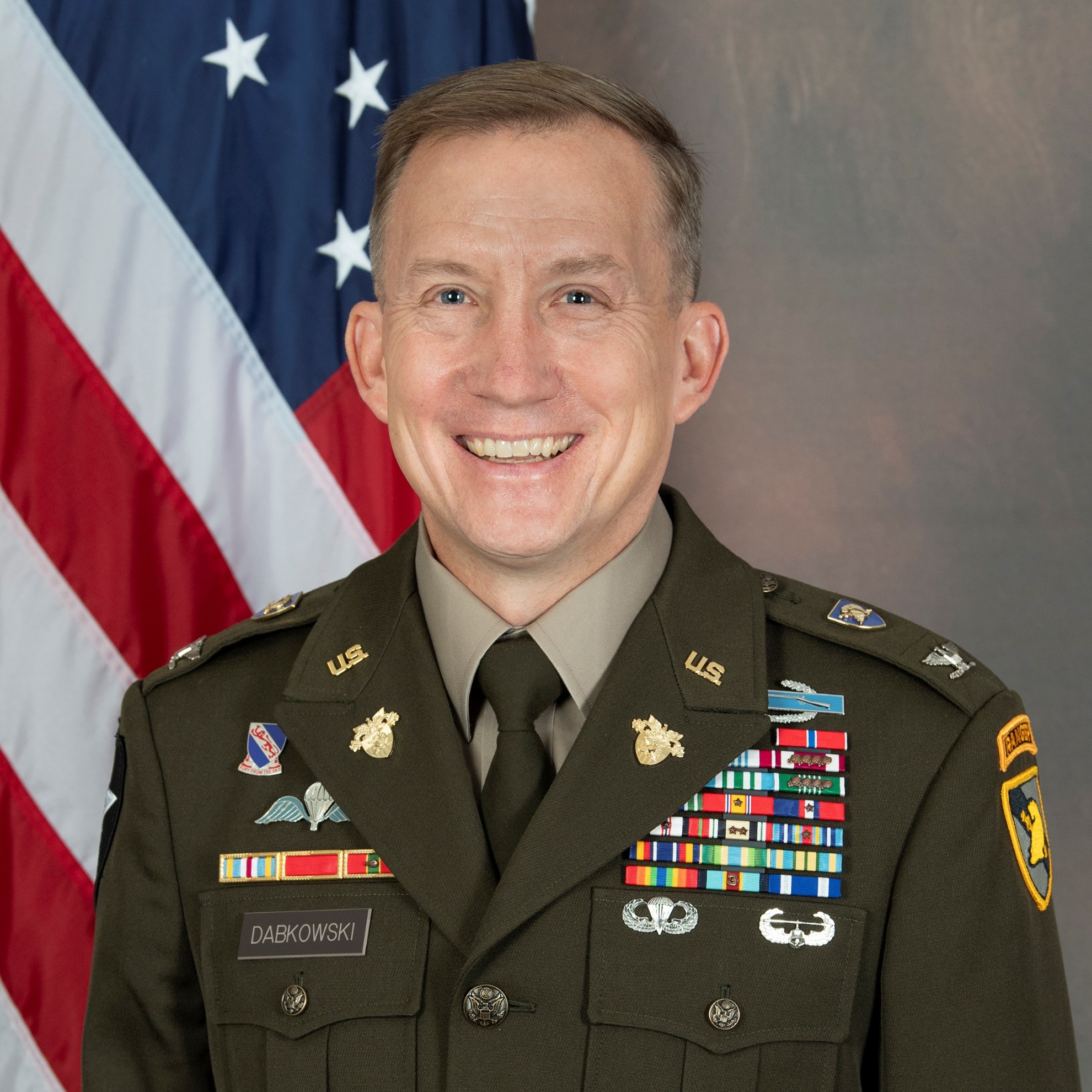
COL Matthew Dabkowski is the Deputy Department Head of the United States Military Academy's Department of Systems Engineering. A 1997 graduate of the United States Military Academy, he earned an MS in Systems Engineering (2007) and a PhD in Systems and Industrial Engineering (2016) from the University of Arizona. His academic career includes roles as an instructor and assistant professor at USMA, with research focusing on systems engineering, decision analysis, and network science. Ph.D. in Systems and Industrial Engineering - University of Arizona (2016) M.S. in Systems Engineering - University of Arizona (2007) B.S. in Operations Research - United States Military Academy (1997) Dabkowski's research spans systems engineering, decision analysis, and network science, with applications in military operations, technical communication pedagogy, and biostatistics. His work develops methodologies for equitable student group assignments, stochastic tradeoff analysis, uncertainty reporting in usability metrics, and social network modeling. Recent publications highlight interdisciplinary collaborations across computer science, engineering education, optometry, and operations research. Key trends include integrating data-driven decision tools into educational frameworks and applying network analysis to deterministic systems with structural equivalence. Scientific Awards: Army Dr. Wilbur B. Payne Award TRAC LTC Paul J. Finken Memorial Award MORS Wayne P. Hughes Junior Analyst Award MORS David Rist Prize Army Operational Analysis Award COL Dabkowski's military service includes combat deployments in Operation IRAQI FREEDOM and leadership roles in data analysis during Operation ENDURING FREEDOM and Operation FREEDOM’S SENTINEL. He continues to contribute to systems engineering education and operational research.
Dr James Bennett serves as a Principal Statistician at the School of Public Health within Imperial College London's Faculty of Medicine, specializing in advanced statistical methodologies for public health research. His work bridges epidemiology, environmental health, and geospatial analysis with a focus on global health disparities. His academic foundation includes a BSc in Applied Mathematics from the University of Warwick followed by a PhD in Statistics at Imperial College London under Professor Jon Wakefield. His doctoral research, sponsored by Glaxo Plc, investigated 'Bayesian Analysis of Population Pharmacokinetic Models,' establishing his expertise in Bayesian statistical frameworks. Dr Bennett's research concentrates on environmental epidemiology, small area health statistics, Bayesian hierarchical modeling, and exposure assessment. He employs sophisticated spatial and temporal analytical techniques to examine health-environment interactions, particularly in urban settings across diverse global contexts. His methodological innovations enable precise mapping of health risks at granular geographic scales. Analysis of his recent publications (2023-2025) reveals a dominant focus on geospatial modeling of environmental stressors in sub-Saharan African cities, especially Accra, Ghana. His work integrates street-view imagery, deep learning, and sensor data to quantify air/noise pollution and urban vitality. Concurrently, he contributes to large-scale pooled analyses tracking global trends in diabetes, obesity, and hypertension across hundreds of population studies. No specific scientific awards are documented in available sources. While formal student advising isn't explicitly referenced, Dr Bennett's research involves extensive collaboration with international teams through Imperial College's public health initiatives. His current projects appear funded by urban health and environmental monitoring grants, continuing his long-standing engagement with population-level health data systems. His work with the GARFIELD-AF registry indicates ongoing involvement in cardiovascular outcomes research. His research operates within Imperial College's School of Public Health infrastructure, leveraging partnerships with global health consortia and environmental monitoring networks. Recent work emphasizes interdisciplinary collaboration between statisticians, epidemiologists, urban planners, and environmental scientists to address health inequities in rapidly urbanizing regions.
Dr. Yurui Fan is a Senior Lecturer in Flood and Coastal Engineering at Brunel University's Civil and Environmental Engineering department within the College of Engineering, Design and Physical Sciences . His work bridges cutting-edge hydroinformatics with climate change adaptation strategies. Key Affiliations: Brunel University, Royal Society-funded projects, Canadian institutions (University of Regina, NSERC, CFI) Research Interests focus on four core areas: Water and environmental systems analysis using advanced computational models Hydroclimatic extremes through compound risk assessment frameworks Hydroinformatics integrating machine learning and copula methods Climate change impacts on water resources and infrastructure Publication Trends show a strong emphasis on climate-water-energy-food nexus systems (7/15 articles), machine learning applications in hydrology (5/15), and copula-based uncertainty quantification (4/15). Recent work explores Bayesian Vine Copula approaches and multi-criteria optimization under dual uncertainties. Awards & Grants include a Royal Society International Exchanges grant (2020-2022, £11.5k) and multiple Canadian funding sources like NSERC, CFI, and provincial ministries.
Mihoc T. D. serves as a Lecturer at Babeș-Bolyai University in Cluj Napoca, Romania, teaching Artificial Intelligence, Computer Graphics, and Quantum Computing. He earned his Ph.D. in Computer Science from the same institution in 2011 with a dissertation on evolutionary approaches to game-theoretic equilibria under Prof. D. Dumitrescu. His academic career includes prior service as an Assistant Professor (2012-2017) and foundational experience as a Mathematics and Computer Science Teacher (2000-2008). His educational background features: Ph.D. in Computer Science, Babeș-Bolyai University (2011) Research centers on optimization and game theory, with evolutionary algorithms for Nash equilibrium detection in large-scale games. His work extends to quantum computing implementations, computer graphics applications, and human-computer interaction systems for education and healthcare. Recent publications demonstrate a strategic pivot toward educational technology, examining student perceptions of AI ethics and learning behavior analytics in computer science education. Publication trends reveal a clear evolution: 2010-2017 focused on computational game theory foundations (Cournot oligopolies, equilibrium refinements), while 2023-2025 articles emphasize AI education (ethics perception, assessment techniques, entrepreneurship training). This trajectory shows deliberate expansion from theoretical game theory to applied educational technology solutions. No scientific awards were documented in available sources. Information regarding student advising, research grants, and laboratory affiliations was not provided in the source material. His current teaching responsibilities include course delivery, seminars, and laboratory sessions across three advanced computing domains.
Dr Adam Cotterill is a Lecturer in Volcanology and GIS/Remote Sensing at the Department of Earth Sciences, University College London. His research focuses on volcanic emissions, thermal degassing, and remote sensing techniques, including drone-based gas sampling. He is affiliated with the UCL Hazard Centre and contributes to courses such as Volcanoes, Society and the Environment, and Geographical Information Systems and Remote Sensing. His research examines processes sustaining open-vent volcanism, using satellite-based thermal/SO2 monitoring and probabilistic hazard modeling. He investigates magma column dynamics via thermal remote sensing and assesses volcanic risk through tephra deposition models. Current projects include studying excess degassing at open-vent volcanoes and magma recharge processes at Papua New Guinea's Manam volcano. Adam's work spans field-based observations and computational modeling, with recent studies on Icelandic and Italian volcanic systems. His methodologies integrate drone and satellite data for compositional analysis of volcanic plumes, advancing understanding of volcanic gas dynamics and eruption impacts.
Shenhao Wang is an Assistant Professor in Artificial Intelligence at the University of Florida and the Director of the Urban Artificial Intelligence (AI) Lab. His work bridges urban science and computer science to address challenges in resilient urban systems, travel behavior modeling, and generative AI-driven urban design. Education Ph.D. in Computer and Urban Science, Massachusetts Institute of Technology (2020) M.S. in Transportation and City Planning, MIT (2017) B.A. in Economics, Peking University (2014) B.A. in Architecture and Law, Tsinghua University (2012) Research Interests Dr. Wang focuses on three core themes: Resilient and Equitable Urban Systems : Using network theory and deep learning to model city dynamics and design equitable infrastructure. Travel Behavior Analysis : Integrating choice models with deep learning to predict mobility patterns and urban activity decisions. Generative AI in Urban Design : Automating urban planning tasks (e.g., land use, mobility patterns) using diffusion models and multimodal AI. His research has been funded by the Department of Energy (DOE), Singapore-MIT Alliance for Research and Technology (SMART), and industry partners. Grants & Labs He leads the Urban AI Lab at the University of Florida, advancing interdisciplinary projects at the intersection of AI and urban systems. Current grants include DOE-funded studies on energy transition impacts and equitable urban prediction models.
Dr. Ekin Ozer is an Assistant Professor at University College Dublin's School of Civil Engineering. His research focuses on vibration-based structural health monitoring (SHM), earthquake engineering, and mobile sensor technologies. He holds a PhD from Columbia University (2016) and has prior experience in academia (Middle East Technical University) and industry (Novum Structures). His work emphasizes smartphone and participatory sensing for bridge and building monitoring, with contributions to Bayesian risk assessment and machine learning applications. Education: BSc/MSc in Civil Engineering from Bogazici University, MPhil/PhD from Columbia University. Grants include the FLAME project (UCD SATLE) for 3D learning tools and transnational university initiatives. Key research trends in his articles include smartphone-driven SHM innovations, seismic risk assessment frameworks, and integration of cyber-physical systems for infrastructure resilience. He actively supervises PhD students and teaches modules like Structural Analysis, Bridge Engineering, and Case Studies in Infrastructure Design.
Nigel B. Kaye is a Professor of Civil Engineering at Clemson University , within the College of Engineering, Computing and Applied Sciences (CECAS) . His expertise lies in environmental fluid mechanics, wildfire dynamics, and heat/mass transport phenomena, with applications spanning from urban environments to wildland fire safety. Education: B.E. (1994) – University of New South Wales, Sydney, Australia Ph.D. (1998) – University of Cambridge, Cambridge, United Kingdom Research Focus: Nigel's work integrates theoretical fluid mechanics with practical environmental challenges. His primary areas include: Environmental Fluid Mechanics: Studying pollutant dispersion and heat transfer in buildings and urban canopies. Wildfire Dynamics: Investigating firebrand transport mechanisms and mitigation strategies using sprays. Stratified Flows: Analyzing mixing processes in buoyancy-driven flows. Publications Trends: His recent publications (2016–2020) emphasize interdisciplinary approaches, combining experimental wind-tunnel studies with numerical modeling. Key themes include green infrastructure (green roofs), wildfire safety, and lake thermal dynamics, reflecting a commitment to both environmental sustainability and hazard mitigation. Professional Memberships: American Society of Civil Engineers (ASCE) American Physical Society (APS) Americas Association for Wind Engineering International Association for Fire Safety Science Teaching & Engagement: Nigel teaches undergraduate and graduate courses in fluid mechanics and stormwater management, fostering engineering identity through integrated communication curricula. His office is located in 218 Lowry Hall , Clemson University.
Andrea Hupman is an Associate Professor in the Department of Supply Chain & Analytics at the University of Missouri–St. Louis's College of Business Administration. She teaches business analytics, decision analysis, and predictive modeling, earning the 2017 Gitner Excellence in Teaching Award. Research Focus: Hupman develops decision-analytic frameworks for operations management, including risk-averse classification algorithms, drone logistics optimization, and behavioral modeling of supply chain decisions. Her work integrates predictive analytics with economic and psychological insights. Awards: IEEE Systems Journal Best Paper Award (2019) William A. Chittenden Award (2016) INFORMS New Faculty Colloquium Participant (2015) Doctoral Advising: Has supervised PhD dissertations on vaccine supply chain optimization, software effort estimation, and maintenance scheduling.
Leonidas Fegaras is an Associate Professor in the Computer Science and Engineering Department at the University of Texas at Arlington's College of Engineering, where he has been employed since 1996, initially as Assistant Professor until 2002 when he was promoted to Associate Professor. His academic journey began with a BEE in Engineering from the National Technical University (1902), followed by an MS in Electrical & Computer Engineering from the University of Massachusetts Amherst (1903), and culminated with a PhD in Computer Science from the same institution in 1992. His educational background includes: PhD in Computer Science, University of Massachusetts Amherst, 1992 MS in Electrical & Computer Engineering, University of Massachusetts Amherst, 1903 BEE in Engineering, National Technical University, 1902 Fegaras's research spans multiple domains within computer science, with a strong emphasis on database systems and big data analytics. His work focuses on developing innovative frameworks for processing large-scale data, particularly in XML, array-based computations, and graph analytics. He has pioneered approaches for query optimization in distributed environments, stream processing, and translation of high-level programming constructs to efficient distributed execution. More recently, his research has expanded into healthcare applications, applying data analytics techniques to clinical data for improved patient outcomes and healthcare decision-making. His interdisciplinary work bridges computer science with healthcare, criminal justice, and environmental science domains. Analysis of his recent publications reveals a clear evolution in his research focus from traditional database systems and XML processing toward modern big data analytics frameworks. His work now heavily emphasizes distributed computing models, particularly leveraging Spark and SQL-based distributed processing. A significant portion of his recent work applies these techniques to healthcare analytics, demonstrating his ability to translate theoretical database concepts into practical applications that address real-world problems in medicine and social sciences. His research shows consistent innovation in query processing techniques across evolving data paradigms. Fegaras has been actively involved in mentoring the next generation of computer scientists, serving as dissertation committee chair for numerous PhD students and supervising many master's theses. His research has been supported by substantial funding from federal agencies including the National Science Foundation and the U.S. Department of Education, with projects totaling over $2 million. Notable grants include the GAANN Doctoral Fellowships in Computer Science and Engineering and several NSF-funded projects focused on big data analytics and database systems. As an educator, Fegaras teaches advanced courses in compilers, web data management, and cloud computing & big data. He has held significant administrative roles including Chairperson of the CSE Graduate Studies Committee since 2009 and membership on the University Graduate Curriculum Committee. His service extends to professional program committees and conference organization, demonstrating his active engagement with the broader computer science research community.
Fatih Kurugollu is an Associate Lecturer in Cyber Security at the University of Derby's College of Science and Engineering. His research focuses on Cyber Security, Deep Learning, and IoT applications, particularly in vehicular networks and multimedia analysis. He has contributed to advancements in trust management for connected vehicles, blockchain integration in smart grids, and explainable AI frameworks. Research interests include cybersecurity for smart infrastructure, AI-driven biometric systems, and secure communication protocols. His work often bridges theoretical advancements with real-world applications in transportation and agriculture sectors. Recent publications highlight trends in gait recognition using deep learning, synthetic data labeling for violence detection, and probabilistic AI model interpretation. His interdisciplinary approach spans computer vision, network security, and IoT trust frameworks. Key contributions: Hybrid trust models for vehicle networks, encryption methodologies for smart grids, and blockchain-enabled UAV systems. No scientific awards are explicitly mentioned in the provided text. Advising and grant details are not detailed here. He has been actively involved in collaborative research projects with institutions globally, focusing on vehicular sensor networks and multimedia forensics.