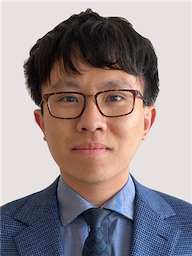
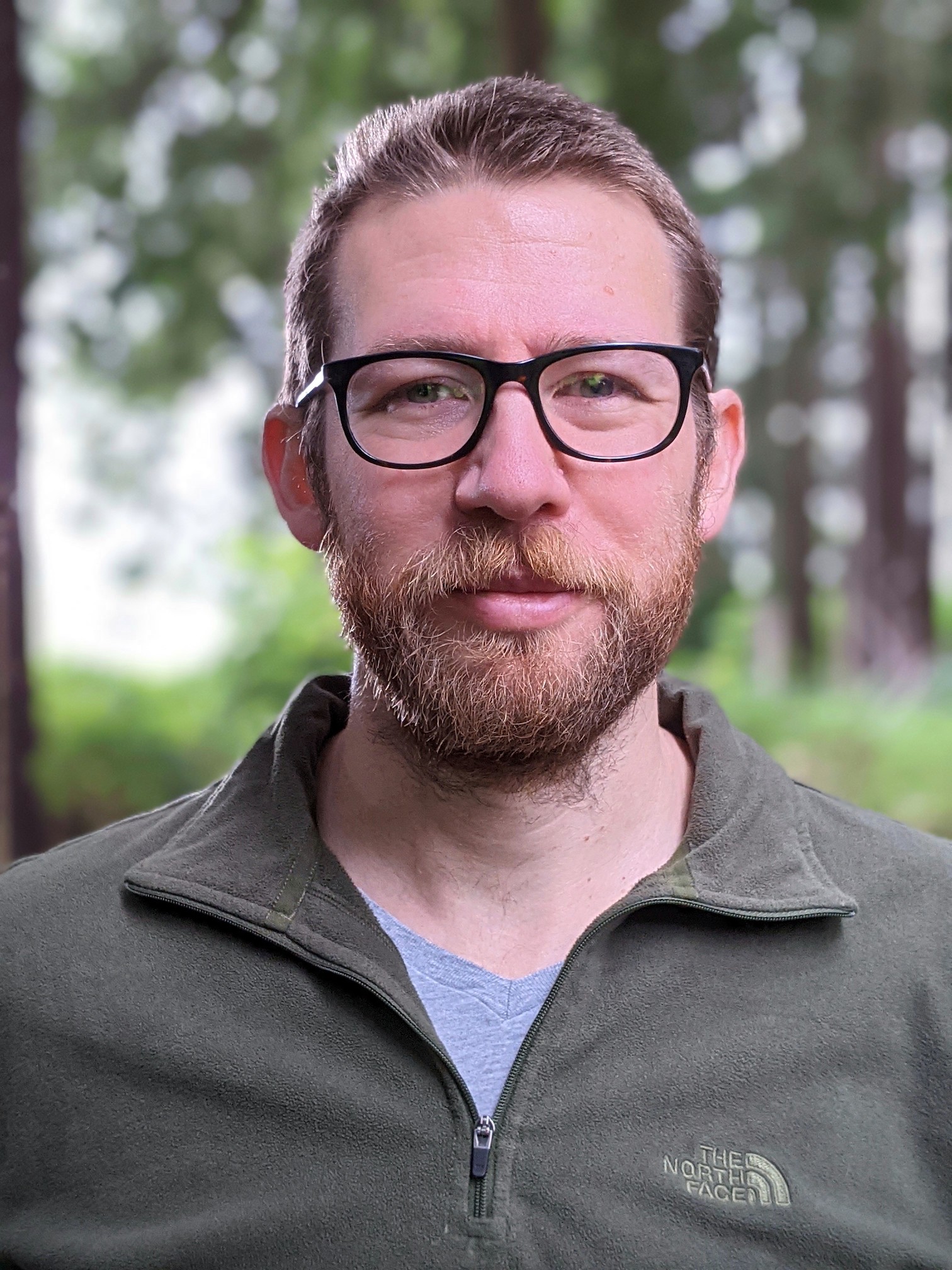
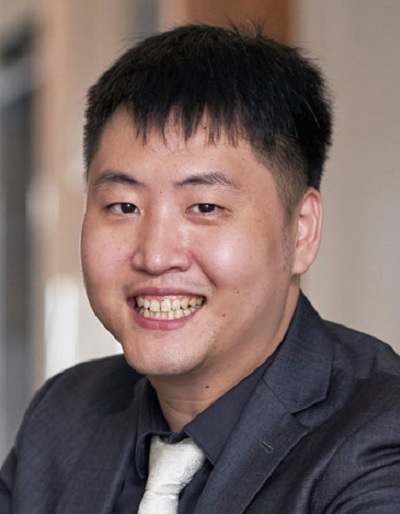
Tim RocktaschelView profile
Professor
Tim Rocktaschel is a Professor of Artificial Intelligence in the Department of Computer Science at University College London (UCL), where he has been working since 2018. He was promoted to Professor in October 2023, having previously served as an Associate Professor (2021-2023) and Lecturer (2018-2021) at the same institution. His educational background includes a Doctorat from University College London (2017) and a Diplom Informatiker from Humboldt-Universitat Berlin (2012). Rocktaschel's research focuses on the cutting edge of artificial intelligence, with particular emphasis on reinforcement learning, evolutionary computation, and open-ended learning systems. His work explores how AI systems can learn more efficiently through better exploration strategies, environment design, and the integration of language models with reinforcement learning frameworks. His recent publications reveal a strong trend toward developing more efficient and generalizable AI systems. The research spans unsupervised environment design, prompt engineering for self-improving systems, exploration strategies in reinforcement learning, and the application of language models to enhance policy learning. His work often bridges theoretical AI concepts with practical implementations, as evidenced by tools like GriddlyJS for reinforcement learning development. Rocktaschel maintains an active presence in the AI research community with numerous publications in top venues including NeurIPS, ICML, and the Journal of Artificial Intelligence Research. His work on zero-shot generalization, pragmatic understanding in language models, and open-ended learning environments has garnered significant attention in the field. He is actively involved in developing tools and datasets for the AI community, such as the large-scale NetHack dataset, which provides a complex environment for testing reinforcement learning algorithms. His research continues to push the boundaries of what's possible in artificial intelligence, particularly in creating systems that can learn and adapt in complex, open-ended environments.