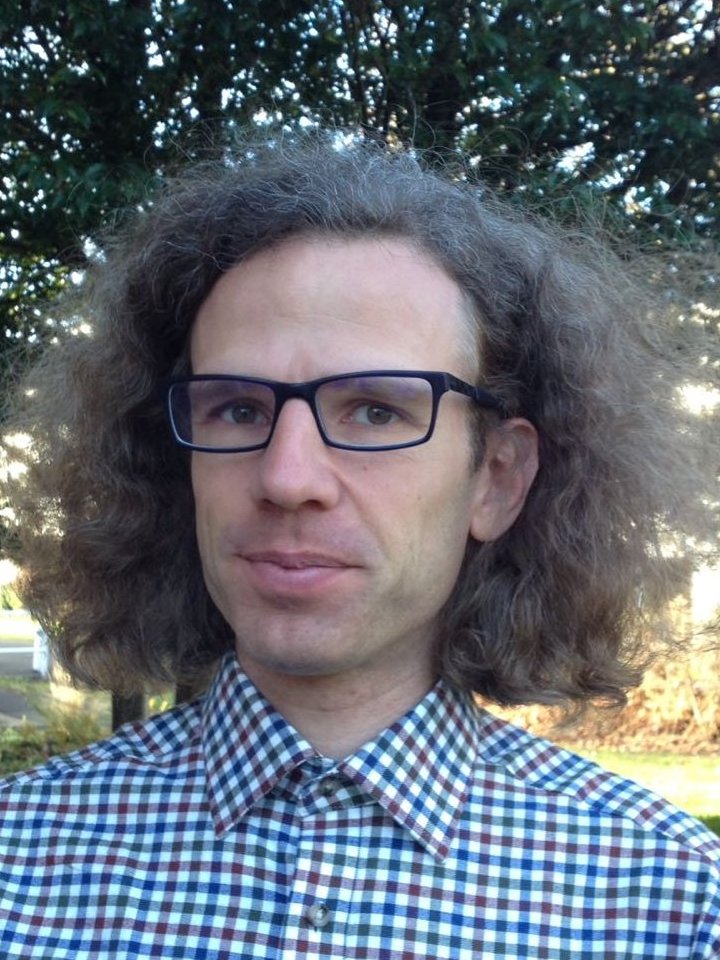
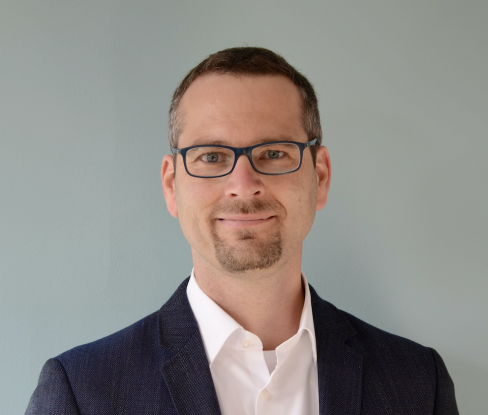
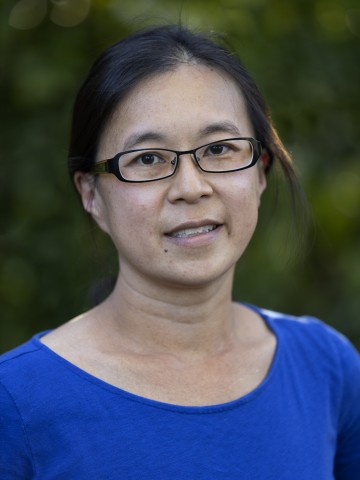
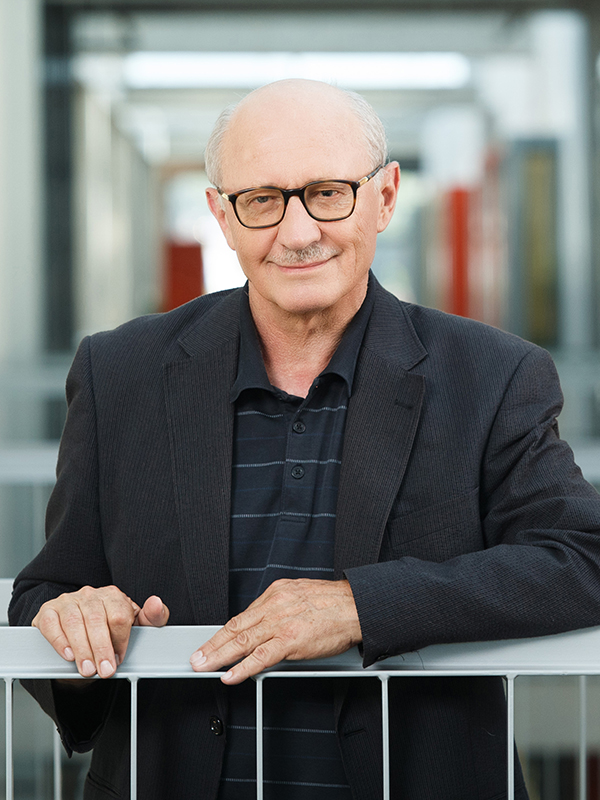
Giulio Franzese is an Assistant Professor in the Data Science department at EURECOM. His research focuses on generative models, information theory, deep learning, and their applications in telecommunications and AI-driven networks. He has contributed to advancements in diffusion processes, multi-modal data alignment, and 6G network architectures. Notable projects include the ADROIT6G initiative for next-generation networks and methodologies like INFO-SEDD for scalable information metric estimation. His work spans theoretical foundations (e.g., infinite-dimensional generative models) and applied systems (e.g., GNSS for rail transportation). His publications reflect interdisciplinary strengths in machine learning, statistical theory, and engineering applications. He holds a robust publication record with over 30 articles since 2014, including impactful works on uncertainty quantification in deep learning and entropy-based optimization. Key Research Themes: Generative Diffusion Models Information-Theoretic Metrics AI for 6G Networks Selected Projects: ADROIT6G: Distributed AI-Driven 6G Architecture RFMI: Text-to-Image Alignment Framework
Noémie Elhadad is an Associate Professor in the Department of Biomedical Informatics at Columbia University, affiliated with the Data Science Institute and Computer Science. She leads research at the intersection of machine learning, natural language processing, and healthcare, focusing on deriving insights from clinical and patient-generated data. Her work includes developing systems like HARVEST for patient record summarization and the Citizen Endo project for endometriosis phenotyping. She holds the role of Graduate Program Director in DBMI and has mentored numerous students and postdocs. Education: Ph.D. in Computer Science (Columbia University, 2006) Affiliations: Vagelos College of Physicians & Surgeons, Columbia University Irving Medical Center Her research emphasizes actionable knowledge extraction from electronic health records (EHRs) and online health communities. Key projects include probabilistic phenotyping models (Phenome) and mHealth applications for chronic disease management. She has secured grants from NSF, NIH, and NLM, and her work has been recognized with the ACMI Fellowship (2016). Publications span over 100 peer-reviewed articles, focusing on clinical NLP, predictive modeling, and participatory health research. Current initiatives explore AI-driven solutions for endometriosis and maternal health using wearable and self-tracking data.
Tianbai Xiao is a Researcher at the Karlsruhe Institute of Technology (KIT) within the Department of Mathematics and Steinbuch Centre for Computing. His work spans mesoscopic science , uncertainty quantification , and scientific machine learning , focusing on multi-scale, multi-physics problems in flow transport. His research in kinetic theory addresses nonlinear partial differential equations, hyperbolic conservation laws, and the unified modeling of continuum/rarefied flows. He develops high-performance numerical algorithms like the Unified Gas-Kinetic Scheme (UGKS) and Kinetic.jl (a finite volume toolbox for scientific computing). Current projects include mesoscopic science , stochastic data science , and physics-informed neural networks . He contributes to open-source tools including FluxReconstruction.jl for advection-diffusion methods and Langevin.jl for stochastic kinetic modeling. Publications cover Journal of Computational Physics , Engineering Fracture Mechanics , and Entropy , with preprints on arXiv in 2025 addressing force-driven flows and hybrid peridynamics. Teaching activities include the Introduction to Kinetic Theory lecture at KIT, and mentoring in the CAMMP (Computational and Mathematical Modeling Program) to develop problem-solving skills through real-world modeling tasks. He advocates for problem-based learning where students translate non-mathematical problems into mathematical language.
PD Dr. Daniel Werner Meyer-Massetti is a Privatdozent (Part-Time Lecturer) at the Department of Mechanical and Process Engineering , ETH Zürich. His research focuses on stochastic methods for fluid dynamics and multiphase transport problems in complex systems. Primary Affiliation: ETH Zürich, Department of Mechanical and Process Engineering Email: meyerda@ethz.ch His work bridges theoretical and applied research in turbulence, porous media, and combustion. Key contributions include: Stochastic particle-based frameworks for fractured subsurface flows Turbulence modulation in droplet-laden flows Uncertainty quantification in heterogeneous reservoirs Computational tools like the Netflow Python library His recent publications demonstrate methodological advancements in: Modeling inertial particle clustering in turbulence Simulating evaporation dynamics in reactive flows Developing non-local transport formulations Quantifying dispersion mechanisms in porous media Validating kinematic turbulence models Creating adaptive simulation strategies He collaborates with research groups including the Coletti Group , Jenny Group , and Supponen Group , while maintaining connections to the Haller Group and Noiray People as a former member.
Thomas Eggert is an Associate Professor at the Department of Neurology, Ludwig Maximilian University of Munich. His research focuses on sensorimotor control, particularly the stochastic nature of motor variability and adaptation. Primary research area: Behavioral & Cognitive Neuroscience Secondary focus: Theoretical Neuroscience & Technical Applications Key topics: Motor control, eye/hand movements, sensorimotor feedback loops, efference copies, trial-to-trial variability His publications analyze motor control strategies in response to random/systematic errors, emphasizing the role of internal memory states and active variability control. Articles include computational models of saccade variability and studies on joint angle dynamics.
Laurent Doyen is a CNRS Researcher at the Laboratoire Méthodes Formelles (LMF), ENS Paris-Saclay. He holds a PhD from the Université Libre de Bruxelles (2006) and an HDR from ENS Cachan (2012). His research focuses on formal methods, game theory, automata, and verification of quantitative and probabilistic systems. PhD: Université Libre de Bruxelles, 2006 HDR: ENS Cachan, 2012 Research Interests: Laurent's work centers on algorithms and tools for the verification and synthesis of reliable software, hardware, and embedded systems. His primary areas include game and automata theory, with a focus on discrete quantitative and probabilistic systems, timed and hybrid systems. He investigates synchronization, mean-payoff objectives, and imperfect information in games, contributing significantly to theoretical foundations and practical tools. The recent publications highlight a strong trend in stochastic games, synchronization in Markov decision processes, and quantitative verification. His work spans theoretical computer science, formal methods, and practical applications in system design, often appearing in top venues like LICS, ICALP, and CONCUR. Scientific Awards: No specific awards mentioned in the provided text. Advising and Grants: Laurent has advised several PhD students including Mahsa Shirmohammadi, Julien Reichert, Thomas Soullard, and Pranshu Gaba. He leads and participates in multiple research projects such as QuaVerif (PI), IFCPAR SMILeS (coPI), Cassting, ARiSE, and Quasimodo. He has been a Rutherford Visiting Fellow at the University of Warwick and is involved in various academic communities like GAMES, CFV, and GDR-IM. Labs and Teams: He is a key member of the Laboratoire Méthodes Formelles (LMF) at ENS Paris-Saclay and has been associated with the LSV (Laboratoire Spécification et Vérification) in the past. He contributes to the development of tools like Alaska and Alpaga for automata analysis and model checking.
Luis Antonio Belanche Muñoz is a Professor at the Department of Computer Science , Faculty of Informatics of Barcelona (FIB) , Universitat Politècnica de Catalunya (UPC) . He is affiliated with research groups SOCO - Soft Computing and IDEAI-UPC - Intelligent Data Science and Artificial Intelligence Research Group . His career spans over 25 years, with 216 documented activities. His research focuses on Machine Learning , Kernel Methods , and Neural Networks . He has pioneered techniques in feature selection, similarity measures, and hybrid models connecting deep learning with kernel methods. His work applies to diverse domains including finance, microbiology, cancer diagnostics, and environmental engineering. Recent publications highlight trends in kernel matrix analysis using entropy, microbiome data integration , and drug resistance prediction in HIV. Earlier work includes knowledge-based systems for wastewater treatment diagnostics and educational technologies for MOOC environments. He has collaborated with 75+ researchers across UPC's research network, contributing to projects funded under Spain's State Research Plans and Catalonia's RIS3CAT strategy. His 2011 thesis on Feature selection in brain tumor MRS data demonstrates interdisciplinary applications.
Wojciech Matysiak is an Assistant Professor in the Faculty of Mathematics and Information Science at Warsaw University of Technology. His research lies at the intersection of probability theory, quantum stochastic processes, and algebraic structures in mathematics. Institution: Warsaw University of Technology School: Faculty of Mathematics and Information Science Position: Assistant Professor of Mathematics Email: matysiak@mini.pw.edu.pl Office: 439, Mathematics Building, ul. Koszykowa 75, Warsaw, Poland His primary research interests include Probability Theory , Quantum Stochastic Processes , Orthogonal Polynomials , and Noncommutative Probability . He investigates structures such as quadratic harnesses, quantum Bessel processes, and random fields with linear regressions, often using operator-theoretic and algebraic methods. The analysis of his recent publications reveals a strong focus on the interplay between algebra and probability, particularly through q-commutation relations, martingale polynomials, and generalized stochastic processes. His work spans pure mathematics with applications in mathematical physics and has extended into interdisciplinary domains such as soil science and oncology. Wojciech Matysiak has published in prestigious journals including Transactions of the American Mathematical Society , Stochastic Processes and their Applications , and Journal of Theoretical Probability . His recent work continues to explore deep connections between algebraic identities and probabilistic models. He collaborates with researchers such as Włodzimierz Bryc, Jacek Wesołowski, and Marcin Świeca. He is involved in the Probability Seminar at his institution and contributes to teaching materials for mathematics and engineering students. No scientific awards or grants are mentioned in the provided texts. He maintains a research webpage and is actively publishing, indicating ongoing scholarly activity in mathematical probability and its applications.
Prof. Dr. Florian Steinke is a Professor and Head of the Energy Information Networks and Systems Department at Technische Universität Darmstadt. His academic career spans roles at Siemens Corporate Technology (2009–2016) and a PhD in machine learning at the Max Planck Institute for Intelligent Systems (2006–2008). His research focuses on algorithmic energy management, distributed control systems, machine learning applications in energy grids, and resilient smart grid design. Education: PhD in Machine Learning (Max Planck Institute for Intelligent Systems, 2006–2008) Diplom in Computational Physics (University of Tübingen & University of Washington, 1999–2005) Research Interests: Development of cyber-physical systems for energy grids Optimization of thermal-electric systems using game theory and stochastic control Integration of social media data for demand forecasting Cybersecurity measures against adversarial attacks on grids Recent work emphasizes probabilistic grid modeling, resilient energy market design, and AI-driven control strategies for Fourth Generation district heating grids. His platform ecosystem research aims to support the energy transition through data-driven solutions. Labs/Teams: Leads the Energy Information Networks and Systems research group, focusing on interdisciplinary projects combining automation, data science, and energy systems engineering.
Dr. David Croft is a Research Fellow at De Montfort University, affiliated with the Faculty of Arts, Design and Humanities and the School of Design. His work bridges computer science and digital humanities, focusing on advanced data integration techniques for cultural archives. Research Fellow, School of Design, De Montfort University Member, Knowledge Media Design Research Group Dr. Croft's research expertise lies in co-reference identification , record linkage , and semantic similarity in short texts, particularly applied to museum and photohistory collections. His technical approaches include Fuzzy Logic , Clustering , and Term Comparison . He also explores Computer Vision and Robot Navigation , demonstrating a broad engagement with intelligent systems. His publications reflect a consistent focus on improving data matching in uncertain and heterogeneous historical datasets. Key themes include hybrid co-reference systems, efficient semantic metrics, and the application of color-based FIRE algorithms in robotics. These works span disciplines such as digital humanities, artificial intelligence, and information retrieval. Dr. Croft has taught C++ Programming and holds advanced degrees in computer science and robotics. He is actively contributing to interdisciplinary research that enhances access to and integration of cultural heritage data.
Helen Wong is a Professor of Mathematics in the Department of Mathematical Sciences. Her research focuses on quantum topology, hyperbolic geometry, and applications of topology to molecular biology, data analysis, and quantum computation. Education: BA from Pomona College; PhD from Yale University. She has held notable fellowships including the Simons Fellowship (2021-22), Joan and Joseph Birman Fellowship (2021-22), and von Neumann Fellowship (2017-18). She also received the Prize Teaching Award at Yale University and a Fulbright Research Award in Budapest. Her research explores quantum invariants' connections with hyperbolic geometry, applications in molecular biology (e.g., protein folding), and quantum computing. Recent work includes studies on skein algebras, knot theory in 3D manifolds, and topological models for biopolymers. Helen has secured multiple NSF grants: RUI: Pure and Applied Knot Theory (2023-2026) RUI: Knots in Three-Dimensional Manifolds (2019-2023) RUI: Skeins on Surfaces (2015-2019) Her work bridges pure mathematics with interdisciplinary applications, particularly in biology and quantum technologies.
Bing Liu serves as Director of Applied Research at Scale AI and Adjunct Professor in the Computer Science and Engineering department at the University of California, Santa Cruz. Previously, he held leadership roles at Meta (GenAI and Reality Labs), Google Research, and Capio.ai (acquired by Twilio), with expertise spanning generative AI, NLP, and spoken dialogue systems. His educational background includes: Ph.D. in Electrical and Computer Engineering from Carnegie Mellon University B.Eng in Electrical and Electronic Engineering (First Class Honors) from Nanyang Technological University, Singapore Exchange studies at KTH Royal Institute of Technology, Sweden Liu's research focuses on advancing large language models, dialogue systems, and reinforcement learning for conversational AI. His work bridges theoretical innovation with industrial-scale applications, particularly in zero-shot learning, multilingual capabilities, and evaluation frameworks for generative AI. He has pioneered techniques in dialogue state tracking, knowledge-enriched task-oriented systems, and continual learning to address catastrophic forgetting in neural dialogue models. Analysis of his 15 most recent publications reveals a clear trajectory toward industrial-scale generative AI: early work (2018-2021) established foundational methods in task-oriented dialogue systems, while recent publications (2022-2024) focus on LLM post-training, multimodal integration, and evaluation benchmarks like Humanity's Last Exam. Key thematic clusters include cross-lingual transfer, knowledge grounding in dialogue, and robust evaluation frameworks for frontier models. As an educator, Liu guides graduate research at UC Santa Cruz in LLM and multimodal AI while serving in critical conference roles including Publication Chair for ACL 2024 and Area Chair for ACL 2023's Large Language Models track. His industry leadership includes building Scale AI's 40+ member research team and driving Meta's Llama3 development, managing multimillion-dollar data roadmaps that scaled the Meta AI Assistant to 700M MAU. Liu directs Scale AI's applied research lab focused on GenAI data and evaluation, having previously built Meta's NLU team for AR/VR voice assistants deployed across Portal, Oculus, and Ray-Ban Smart Glasses. His current work centers on creating evaluation leaderboards adopted by top AI labs and developing the data engine for next-generation generative models.
Josh Baker is a Professor and Associate Vice President for Research at the University of Nevada, Reno, affiliated with the University of Nevada School of Medicine's Department of Pharmacology. His research focuses on the thermodynamics of muscle contraction, quantum heat engines, and entropic stability of biological systems. Ph.D. in Biochemistry, Biophysics, and Molecular Biology (University of Minnesota, 1999) B.S. in Physics (Hamline University, 1987) Research interests span muscle thermodynamics, mechanochemical coupling, and multiscale modeling of biological systems. His work explores the intersection of physics and biology to understand fundamental cellular processes. Current research trends examine quantum thermodynamics in muscle systems, entropic forces in cellular stability, and multiscale modeling approaches. Publications analyze phenomena from single molecule dynamics to whole-cell behaviors. Notable roles include Director of NIH NV INBRE since 2016 and leadership in research innovation at the University of Nevada. His work bridges experimental and theoretical approaches in biophysics.
Dr. Teresa Katthagen serves as a Postdoctoral Research Fellow and Psychologist within the Department of Psychiatry and Neurosciences at Charité – University Medicine Berlin's Campus Charité Mitte. Based in Ward 154T and actively contributing to the Research Group Learning and Cognition, her clinical and research activities center on understanding the pathophysiology of schizophrenia and related psychotic disorders through advanced neuroimaging and computational methodologies. Her research program critically examines the neural substrates of motivation deficits (apathy), reward processing abnormalities, and belief formation in psychosis. Utilizing functional MRI, computational modeling of decision-making, and longitudinal study designs, she investigates how striatal-cerebellar circuits, dopamine signaling, and uncertainty processing contribute to symptom dimensions such as negative symptoms and delusions. This work bridges cognitive neuroscience with clinical psychiatry to identify transdiagnostic mechanisms. Recent publication trends demonstrate a sustained focus on schizophrenia spectrum disorders, particularly the computational and neurobiological basis of apathy and negative symptoms. Her work frequently employs fMRI to study striatal prediction error signaling, cerebellar-ventral tegmental area connectivity, and the impact of stress on cognitive flexibility. A notable emphasis exists on methodological rigor through longitudinal designs, multi-site validation, and reproducibility frameworks. Scientific awards and honors were not documented in the provided materials. Details regarding graduate student mentorship and externally funded research grants are not specified in the available information. As a key member of the Learning and Cognition Research Group, Dr. Katthagen collaborates within a multidisciplinary team that integrates computational psychiatry, cognitive neuroscience, and clinical research. The group maintains strong methodological expertise in fMRI data acquisition and analysis, computational modeling of behavioral tasks, and longitudinal study design to advance mechanistic understanding of psychiatric disorders.
Ivan Bratko is a Professor of Computer Science at the University of Ljubljana's Faculty of Computer and Information Science. He founded the Artificial Intelligence Laboratory in 1985 and served as its head until 2017, remaining an active member. Until 2002, he also directed the AI group at the Jožef Stefan Institute. His academic journey includes B.Sc., M.Sc., and Ph.D. degrees in electrical engineering and computer science, all from the University of Ljubljana. Bratko's research spans machine learning, knowledge-based systems, qualitative modeling, intelligent robotics, heuristic programming, and computer chess. His work focuses on learning from noisy data, combining learning with qualitative reasoning, constructive induction, Inductive Logic Programming, and applications in medicine and dynamic system control. He has authored over 200 scientific papers and influential books including Prolog Programming for Artificial Intelligence (third edition, 2001), KARDIO: A Study in Deep and Qualitative Knowledge for Expert Systems (MIT Press, 1989), and Machine Learning and Data Mining: Methods and Applications (Wiley, 1998). His publication portfolio demonstrates consistent contributions to AI, with recent work emphasizing argument-based machine learning, qualitative modeling applications, and medical AI systems. These publications reveal strong interdisciplinary connections between theoretical AI and practical applications in environmental science, healthcare, and robotics. Fellow of the European Coordinating Committee for Artificial Intelligence (ECCAI) Member of the Slovene Academy of Arts and Sciences (SAZU) Former editorial board member of Artificial Intelligence , Machine Learning , Journal of AI Research , and other leading journals Co-founder and first chairman of the Slovenian AI Society (SLAIS) Bratko has secured numerous research projects including ARRS programs on artificial intelligence (2009-2020), the PARKINSCHECK project for Parkinson's disease detection, and European projects like X-MEDIA and XPERO. His laboratory serves as the central hub for AI research at the University of Ljubljana, fostering collaborations across medical, environmental, and industrial domains. He has mentored numerous researchers and maintained active collaborations through visiting positions at institutions including Edinburgh University, University of New South Wales, and Delft University of Technology.