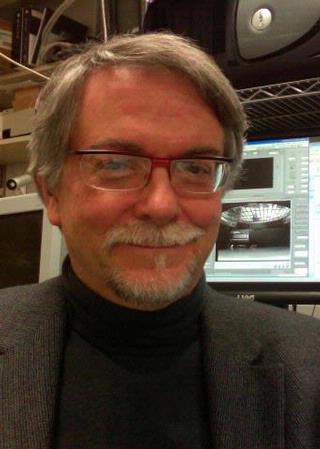
Christopher Buckley is the Kennedy Professor of Translational Rheumatology and Director of Clinical Research at the Kennedy Institute of Rheumatology, University of Oxford. He holds concurrent roles as Director of NIHR Infrastructure for Birmingham Health Partners. His research focuses on fibroblast biology in rheumatoid arthritis (RA), stromal cell interactions, and translational medicine approaches to stratified therapy. He leads the Arthritis Therapy Acceleration Programme (A-TAP), advancing precision medicine strategies for immune-mediated inflammatory diseases. Educations: BSc Biochemistry, University of Oxford (1985) MBBS Medicine, Royal Free Hospital, London (1990) DPhil in Molecular Medicine (Wellcome Trust Fellowship) under Prof. John Bell (Oxford) Research Interests: Pathogenic fibroblast subpopulations in RA and systemic sclerosis Tissue-resident memory T cells in chronic inflammation Spatial transcriptomics of synovial and tendon tissues Pro-resolving fibroblast networks during inflammation resolution Development of biomarkers for disease flare/remission Awards & Leadership: MRC Senior Clinical Fellowship (2001) Arthritis Research UK Professorship (2002) Director, Birmingham NIHR Clinical Research Facility (2012-2017) Key Projects: Leading A-TAP's stratified pathology approach for drug development Investigating Wnt signaling in stromal inflammation Developing cellular atlases of joints using spatial transcriptomics
Trond Vidar Hansen is a Professor at the Department of Pharmacy, University of Oslo , and leads the LIPCHEM research group . He collaborates with institutions including the University of Bergen and Vestlandets Innovasjonsselskap through the VITADEL project, which recently received NOK 5,000,000 in verification support from the Research Council of Norway. His research focuses on the synthesis and biological evaluation of specialized pro-resolving lipid mediators derived from omega-3 fatty acids, with applications in inflammation resolution, neuroinflammation, and drug development. University : University of Oslo Department : Department of Pharmacy Research Group : LIPCHEM Collaborations : University of Bergen, Vestlandets Innovasjonsselskap Research Interests : H Hansen's work centers on the organic synthesis of bioactive lipid derivatives, particularly pro-resolving mediators from omega-3 polyunsaturated fatty acids. His team investigates their roles in inflammatory disease models , neuroinflammation , and PPAR receptor activation , aiming to develop therapeutic agents for conditions like chronic pain, diabetes, and neurodegenerative disorders. The research integrates stereoselective chemistry , biochemical profiling , and pharmacological evaluation to validate these mediators' clinical potential. Recent Awards : 2025: NOK 2,000,000 verification support from Research Council of Norway 2025: Co-leader of NOK 5,000,000 VITADEL project Publications : His articles (2015–2024) reveal a focus on stereoselective synthesis of resolvins, protectins, and maresins, with applications in anti-inflammatory and neuroprotective therapies . Key subfields include omega-3 metabolite profiling , PPAR agonist design , and biosynthetic pathway elucidation , often utilizing human cell models and mouse disease models . Collaborative projects emphasize commercialization of academic research and translational medicine .
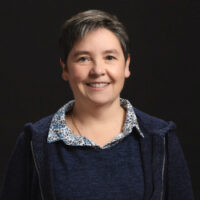
Sophie Lanone is a researcher and team leader of the Genetic-environment Interactions in COPD, Cystic Fibrosis, and Respiratory Pathologies (GEIC2O) team at the Mondor Institute of Biomedical Research (IMRB), affiliated with Université Paris-Est Créteil. Her work focuses on understanding the interplay between genetic and environmental factors in respiratory diseases, particularly COPD, cystic fibrosis, and surfactant-related pathologies. She leads a multidisciplinary team of clinicians and scientists investigating molecular mechanisms, inflammation resolution, and environmental impacts on pulmonary health. Key research themes include the molecular basis of cigarette smoke-induced COPD, genetic and cellular aspects of cystic fibrosis, and the role of specialized pro-resolving mediators in disease. Funding sources include EU programs (e.g., H2020 REMEDIA), ANR, and patient associations like Vaincre la Mucoviscidose. Recent advances include identifying lipid mediator defects in CF patients and demonstrating resolvin E1’s efficacy in correcting ciliary dysfunction. Team members have received awards, such as Khadeeja Adam Sy’s 2024 prize for active participation in CF research. Collaborations span in vitro/ex vivo models, patient cohort studies, and translational approaches toward personalized therapies. The team also explores environmental exposures (e.g., asbestos, nanoparticles) and their long-term respiratory health impacts.
Nicole A Hawkins is a Research Associate Professor in the Department of Pharmacology at the Feinberg School of Medicine, Northwestern University. Her work focuses on understanding the molecular and neural circuit mechanisms underlying neurological disorders such as autism spectrum disorders, schizophrenia, and epilepsy. PhD: Vanderbilt University School of Medicine (2013) Her research explores the intersection of pharmacology and neuroscience, particularly in the context of seizure-related disorders and neurogenetic conditions. Key areas include: Development of mouse models for rare neurological syndromes Antiseizure drug mechanisms and interactions Neuroinflammatory responses in epilepsy Genetic subtypes of autism and schizophrenia Neurobiological basis of social deficits and seizures Recent publications highlight her contributions to elucidating drug interactions, seizure burden effects, and disease-specific models. She has no external professional relationships reported for 2024, emphasizing adherence to academic integrity policies. Contact details include Searle Building Room 8-510, 320 E Superior, Chicago, Illinois 60611.
Prof Conrad Bessant is a Professor of Bioinformatics at Queen Mary University of London (QMUL), affiliated with the School of Biological and Behavioural Sciences. He leads the MSc Bioinformatics program and is academic lead of the UKRI AI for Drug Discovery Doctoral Training Programme. His research focuses on automating scientific discovery in biomedicine using AI, machine learning, and network science. Key areas include drug response prediction, kinase networks, and health data analytics from online forums. Research interests span data science, computational biology, and AI applications in healthcare. He has contributed to projects on tumor microenvironment analysis, proteomics, and biomarker discovery in rheumatoid arthritis. His work integrates multi-omics data with machine learning to identify therapeutic targets and predict drug responses. Recent grants include AI-driven omics data integration (BBSRC), biomarker studies in ALS (Barts Charity), and collaborations with pharmaceutical companies like Exscientia and Merck. Publications highlight contributions to automated cell identification, kinase network modeling, and health informatics. He has pioneered tools like MRMaid for proteomics and Galaxy workflows for transcriptomics-informed analyses.
Prof. Dr. Christa Müller leads research at the Pharmazeutisches Institut, University of Bonn, focusing on medicinal chemistry and receptor pharmacology. Her work spans neuropharmacology, molecular imaging, and targeted drug development. Key research areas include purinergic signaling (P2X/P2Y receptors), CD73 inhibition for cancer immunotherapy, and antiviral agents against SARS-CoV-2. Recent publications highlight radiotracer design, GPCR antagonists, and structure-based drug discovery. Collaborative projects integrate structural biology, preclinical models, and clinical translation. Contributions to neurotechEU and TRA Life and Health align with interdisciplinary approaches to neurological and inflammatory disorders.
Jesmond Dalli is Professor in Molecular Pharmacology at the William Harvey Research Institute , part of Queen Mary University of London , where he has served as Lipid Mediator Unit Director since 2015. His research focuses on lipid mediator biology , particularly specialized pro-resolving mediators (SPMs) in inflammation, with applications spanning cardiovascular disease , arthritis , neuroinflammation , and HIV . Education : PhD in Biochemical Pharmacology (2005-2009), Queen Mary University of London His work systematically explores pro-resolving pharmacology across acute and chronic inflammation models, including diabetes , obesity , and traumatic brain injury . Articles demonstrate expertise in LC-MS/MS lipid mediator profiling , immune cell metabolism , and translational immunology . Scientific Awards : Sir Henry Dale Fellowship (Royal Society & Wellcome Trust) As Lipid Mediator Unit Director , he leads multidisciplinary studies integrating mass spectrometry platforms , cellular models , and animal models to dissect lipid mediator pathways in disease contexts.
Charles Parkos, MD, PhD is the Carl V. Weller Professor and Chair of the Department of Pathology at the University of Michigan Medical School. He trained at University of California at San Diego/Scripps Research Institute (MD/PhD, 1987), Brigham and Women’s Hospital (Pathology residency/fellowship), and Harvard Medical School before joining Emory University (1997–2014), where he served as Director of Experimental Pathology and full Professor. Research Focus : Dr. Parkos investigates Mucosal inflammation mechanisms in inflammatory bowel disease (IBD) Neutrophil trafficking across intestinal epithelium Epithelial barrier dysfunction and repair Role of CD11b/CD18, CD47, SIRPα, and JAM family proteins Molecular regulation of leukocyte-epithelial interactions In vivo/ex vivo inflammation models Scientific Contributions : His work has been instrumental in defining leukocyte migration dynamics across mucosal barriers, with over 189 publications in top journals (Nature, Cell, J Exp Med). He has held continuous NIH R01 funding since 1995 and served as President of the American Society for Investigative Pathology (2010–2011). Mentorship & Leadership : Dr. Parkos has trained numerous graduate students and postdocs, many of whom hold prominent academic positions. He directed Emory’s Medical Scientist Training Program (2001–2014), expanding it to 88 students, and chairs grant review committees for the Crohn’s and Colitis Foundation of America.
Professor Valerie O'Donnell is a distinguished academic at Cardiff University's School of Medicine, where she serves as Professor of Biochemistry and Co-Director of the Systems Immunity Research Institute (SIURI), established in 2016 with £4.5M funding. She leads the internationally recognized LIPID MAPS project (www.lipidmaps.org) and Cardiff Lipidomic Facility, positioning her at the forefront of lipidomics research. With over two decades of academic leadership, she previously served as Director of the Division of Infection and Immunity (2017-2020) and Dean of Research for the School of Medicine (2012-2014). Professor O'Donnell earned her Ph.D. in Biochemistry from the University of Bristol (1990-1993) working with Prof. OTG Jones and Dr. PJ England of SmithKline Beecham Pharmaceuticals, following her B.Sc. in Human Nutrition & Dietetics (Hons. 2.1) from University of Dublin, Trinity College, Ireland (1985-1989). Her academic journey includes prestigious fellowships at the University of Alabama at Birmingham and University of Bern, Switzerland, before establishing her career at Cardiff University. Her research focuses on using mass spectrometry to discover and characterize bioactive lipids made by circulating vascular cells that regulate immune defense and blood clotting. Over the past 20 years, her lab discovered large families of enzymatically-oxidized phospholipids (eoxPL) and has worked extensively on their structures, signaling actions in thrombosis and innate immunity. Current research examines the role of bioactive lipids in vascular inflammation including abdominal aortic aneurysm, cardiovascular disease, dementia and wound healing. Analysis of her recent publications reveals a strong emphasis on lipidomics methodology development, clinical applications of lipid research, and the role of specific lipids in disease mechanisms. Her work spans analytical chemistry, cardiovascular biology, immunology, and clinical translation, with particular focus on procoagulant lipids, oxylipins, and specialized pro-resolving mediators. The research demonstrates increasing interdisciplinary collaboration and methodological standardization efforts in the lipidomics field. Professor O'Donnell's scientific achievements have been recognized with numerous prestigious awards: 2023: Honorary Officer of the Order of the British Empire (OBE) for services to biochemical research 2020: Fellow of the Academy of Medical Sciences 2019: Journal of Lipid Research Lectureship Award 2016: Wolfson Research Merit Award, Royal Society 2015: Fellow of the Learned Society of Wales 2013: Fellow of the Royal Society of Biology She currently serves as Principal Investigator for British Heart Foundation and Wellcome Trust funding, while also participating as co-Investigator for Medical Research Council (MRC), EU (Marie Curie ITN), and Welsh Government projects. Her panel memberships include Population Systems Medicine Board (MRC) and Biomedical Resources Committee (Wellcome Trust). With a Google Scholar H-index of 52, she has been included in UK national research assessments RAE2002, RAE2008, and REF2014. Professor O'Donnell leads the Systems Immunity Research Institute, a strategic research institute at Cardiff University, and directs the Cardiff Lipidomic Facility as part of the LIPID MAPS consortium. Her laboratory continues to make significant contributions to understanding how bioactive lipids regulate vascular inflammation and coagulation, with recent work focusing on the role of specific phospholipids in conditions ranging from cardiovascular disease to SARS-CoV-2 infection. In 2024, LIPID MAPS became an ELIXIR Core Data Resource and a member of the Global Biodata Coalition, with an MRC Partnership Grant commencing funding.
Tommaso Angelone is a Full Professor of Physiology at the University of Calabria (UNICAL), affiliated with the Department of Biology, Ecology and Earth Sciences. He serves as Scientific Director of the Laboratory of Cellular and Molecular Cardiovascular Patho-Physiology and leads a dynamic research team. His academic roles include Coordinator of the Doctorate Fellowship in Life Sciences and Technology and President of the Italian Society of Cardiovascular Research (SIRC) since 2020. Dr. Angelone's research focuses on the neurohumoral regulation of cardiac function, particularly cardioprotection in ischemia/reperfusion injury and heart failure. His work investigates the roles of chromogranin-A derived peptides, selenoprotein T, nitric oxide, and nutrition-related hormones such as nesfatin-1 and phoenixin. Utilizing advanced techniques like Langendorff perfusion, molecular biology, and mass spectrometry, his lab studies experimental models of obesity, hypertension, and chemotherapy-induced cardiotoxicity. The analysis of his recent publications reveals a strong trend toward understanding oxidative stress, inflammation, and redox signaling in cardiovascular aging and disease. His work increasingly explores therapeutic applications, including natural compounds, peptide-based cardioprotection, and personalized medicine approaches in cardiovascular health. SIRC Award 2015 SIRC Award 2013 Italian Society of Physiology Award 2012 Italian Society for Cardiovascular Research Award 2011 Italian Society for Cardiovascular Research Award 2010 Italian Institute for Cardiovascular Research Award 2005 Interuniversity Consortium for Cardiovascular Research Award 2003 Angelone actively mentors PhD students and postdoctoral researchers. He has coordinated major international research projects, including the Galileo and Vinci programs, and secured funding from national and international bodies. He serves as Section Editor for the Journal of Translational Medicine and Associate Editor for multiple Frontiers journals, reflecting his significant editorial contributions. His laboratory, an operative unit of the National Institute of Cardiovascular Research (INRC), fosters collaborations with leading institutions in France (INSERM, Rouen), the USA (NIH, UC San Diego), and Italy (San Raffaele Institute, University of Turin), advancing translational cardiovascular research.
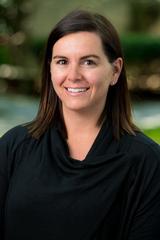
Amalie Føreid Reinertsen is a Research Fellow at the Department of Pharmacy , University of Oslo, specializing in Medicinal Chemistry and Synthetic Organic Chemistry . Her work focuses on the synthesis and biological evaluation of bioactive compounds, particularly specialized pro-resolving mediators derived from n-3 fatty acids. Reinertsen earned her PhD in Medicinal Chemistry (2024) and Master of Pharmacy (2019) from the University of Oslo. She contributes to teaching courses such as FARM1100 - Pharmaceutical Chemistry , FARM1130 - Pharmaceutically Oriented Organic Chemistry , and FARM5190 - Organic Synthesis of Bioactive Compounds . Her research (as seen in publications in Molecules , ACS Pharmacology & Translational Science , and Journal of Organic Chemistry ) emphasizes stereoselective synthesis, structural confirmation of lipid mediators, and their anti-inflammatory and pro-resolution mechanisms. Key subfields include total synthesis of complex lipids, configurational assignment, and biological evaluation in neutrophil models. Reinertsen is affiliated with the LIPCHEM Research Group and holds a board member role at the Norwegian Pharmaceutical Association (2022-2024). Her work bridges chemical synthesis with pharmacological applications to develop novel anti-inflammatory therapeutics.
Dr. David M. Mutch is a Professor in the Department of Human Health & Nutritional Sciences at the University of Guelph, Canada. His nutrigenomics research program focuses on diet-gene interactions regulating lipid metabolism in metabolic tissues like adipose tissue and liver, with implications for cardiometabolic health. Education: B.Sc. from Queen's University (Canada), Ph.D. from University of Lausanne (Switzerland) Post-Doctoral Experience: The Scripps Research Institute (USA), INSERM (France) Research interests address: Genetic and nutritional regulation of fatty acid desaturases Omega-3 fatty acid impacts on adipose-liver axis Adipogenesis, lipogenesis, and lipolysis mechanisms Translational applications in obesity and type 2 diabetes Recent publications demonstrate expertise in: Lipid metabolism regulation via omega-3 pathways Adipokine signaling mechanisms in metabolic disease Genomic approaches to personalized nutrition Translational studies bridging animal models to human outcomes His lab actively recruits graduate students in: MSc and PhD positions in nutritional science Interdisciplinary bioinformatics and molecular biology Mouse models of metabolic disease Research funded by: Natural Sciences and Engineering Research Council (NSERC) Canadian Institutes of Health Research (CIHR) Ontario Ministry of Agriculture, Food and Rural Affairs (OMAFRA) Canada Foundation for Innovation (CFI) Industry partners: Dairy Farmers of Canada, Canola Council of Canada
Ala F. Nassar, PhD, is a Senior Research Scientist and faculty member at Yale University's School of Medicine. With over 25 years of experience in drug metabolism and preclinical drug development, he has held leadership roles in academia and industry. His expertise spans ADME-Tox studies, mass spectrometry, and bioanalytical chemistry. Nassar leads the Chen Lab, focusing on advancing drug design through structural modifications and leveraging cutting-edge technologies like mass cytometry for single-cell analysis in cancer research. Education: Postdoctoral training at UCONN in Pharmacology, PhD in Bioanalytical/Drug Metabolism from UCONN, and Visiting Scientist roles at Kyushu and Nagasaki Universities. He has taught advanced courses in mass spectrometry and drug metabolism at institutions like Brandeis University and the University of Connecticut. Research Interests: His work emphasizes optimizing drug candidates' pharmacokinetic parameters, minimizing toxicity via structural alerts, and applying mass spectrometry for metabolite identification. Current projects include lipid metabolism in cancer, immune cell subset analysis, and developing clinical tools for cellular profiling using mass cytometry. Key Achievements: Editor of major drug metabolism handbooks, guest editor for Metabolites , and inventor with over 100 peer-reviewed articles and patents. His Laromustine ADME-Tox studies significantly advanced clinical understanding of this anticancer agent. Awards include the Battelle R&D Fellowship and the Nat & Frances Sadow Scholarship. Professional Contributions: Serves on editorial boards, including Journal of Drug Metabolism Letters and Metabolites . Active in public service as a science fair judge and collaborates with industry on drug development.
Dr. Ronald W. Wood is a part-time Research Associate Professor at the University of Rochester, affiliated with the Department of Obstetrics and Gynecology , Department of Neuroscience , and Department of Urology (joint appointments). His career spans over four decades, with early work in behavioral pharmacology and toxicology of abused inhalants, followed by a shift to urogynecologic disorders, voiding dysfunction, and pelvic pain. He has contributed to medical imaging techniques and lymphatic system research. Education : B.A. in Psychology (1968, Grinnell College); M.A. (1974) and Ph.D. (1975) in Psychology (University of Rochester). Dr. Wood's research focuses on urogynecologic disorders , lymphatic function in arthritis , and medical imaging . He pioneered studies linking behavioral pharmacology to clinical applications, particularly in bladder diseases and pelvic pain . His recent work explores lymphatic drainage , inflammatory biomarkers , and sex-dependent arthritis pathology . His publications span 15 recent years , with a focus on lymphatic system dynamics , urology , arthritis , and medical imaging . Key trends include murine models for inflammatory diseases, anti-TNF therapy , and multi-omics approaches to biomarker discovery. Scientific awards include: Best Scientific Paper (2006) Centennial Award for Early Career Contribution to the Science Directorate (1992) Karl F. Heiser Presidential Award for Advocacy (1992) NIDA Research Scientist Development Award (1987-1992) Dr. Wood holds patents for antimuscarinic compounds and urologic imaging devices . His work bridges basic science and clinical applications , with grants from the NIH and collaborations across urology , rheumatology , and medical imaging . He has contributed to animal models of drug self-administration and toxicokinetics of industrial chemicals.
Jianwei He is an Associate Research Scientist at the Yale School of Medicine , Yale University. His research focuses on cancer biology, immunology, lipid metabolism, and the role of regulatory T cells in immune regulation. His work intersects with inflammation and therapeutic strategies in cancer treatment. Key research areas include lipid metabolism in cancer progression, specialized pro-resolving mediators' role in inflammation, and the PD-1H pathway's impact on regulatory T cell populations. He has published studies on immunological mechanisms with potential translational implications for cancer therapy. No awards or grants are explicitly listed in the provided materials. His email is jianwei.he@yale.edu .