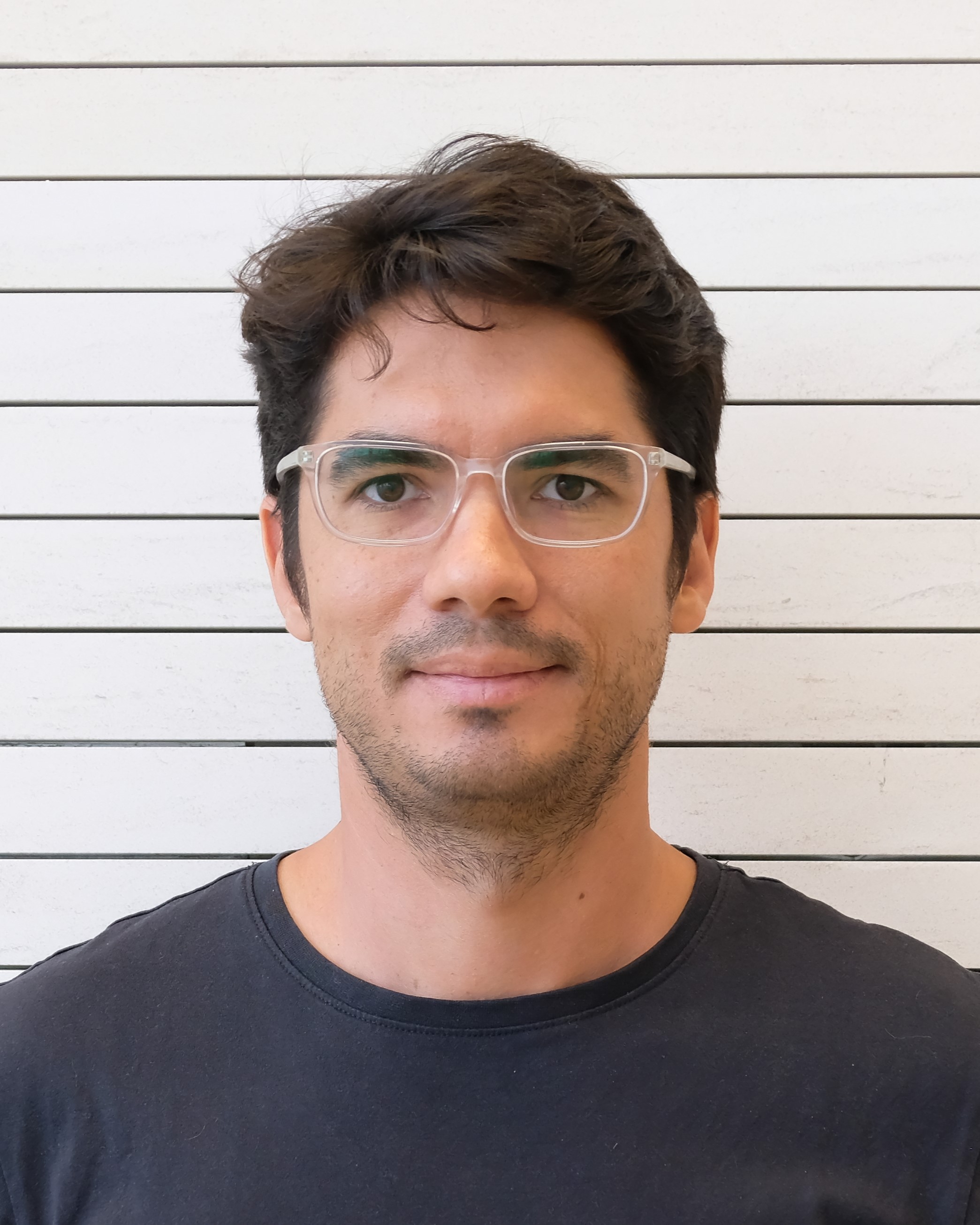
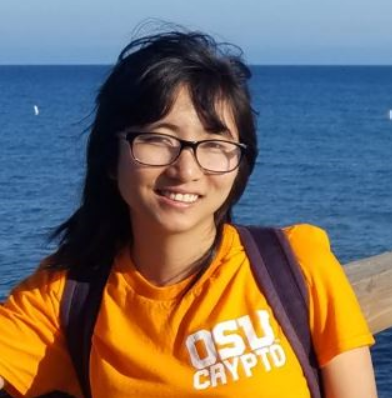
R K Shyamasundar is a Professor at the Department of Computer Science, Indian Institute of Technology Bombay , where he also holds the INAE Distinguished Professor title. He is an Adjunct Professor at NITIE, Mumbai , and has served as a visiting faculty at institutions including UIUC, UCSD, IBM Research, Max Planck Institute, and the School of Computing at NUS, Singapore. He directs the Information Security Research and Development Centre (ISRDC) sponsored by MeitY, India, and the Centre of Excellence in Blockchains sponsored by Ripple at IIT Bombay. Research Interests : His work focuses on Information security and decentralized systems Blockchain technology and smart contract vulnerabilities Data privacy in public datasets and statistical databases Secure information flow control Threat modeling and vulnerability analysis Multi-level secure databases Scientific Awards and Recognitions : SN Mitra Award (2014) ACM Fellow (2010) IEEE Life Fellow Multiple fellowships from TWAS, Indian National Academy of Engineering, Indian Academy of Sciences, and British Blockchain Association Diamond Jubilee Medal from IETE Leadership and Editorial Roles : He has served on DST, MeitY, and UGC committees, chaired the IEEE Computer Society Mumbai section, and is Editor-in-Chief for Sadhana-Journal of Engineering Sciences and Subject-Area Editor for IET Blockchain Journal . Labs and Centers : He leads ISRDC and the MeitY-sponsored Centre of Excellence in Blockchains at IIT Bombay.
Dr. Gregor Urbas is an Adjunct Professor at the Centre for Law and Justice , Charles Sturt University. As a legal academic, barrister, and Special Magistrate in the Australian Capital Territory , he specializes in Criminal Law and Procedure , Evidence Law , Cybercrime , and Forensic Procedures . Key Affiliations : Australian Judicial Officers Association Australian Academy of Forensic Sciences Research Focus : Balancing security imperatives with individual rights in digital age legal frameworks. His work spans biometric identification , AI in criminal justice , and social media regulation , with empirical analyses of fingerprint/DNA systems and facial recognition databases globally. Publications include foundational texts on Cybercrime Legislation (LexisNexis, 2023) and Biometrics, Crime and Security (Routledge, 2018).
Professor Monika Janda is a NHMRC Leadership Fellow (2025-2029) and serves as the Director of the Centre for Health Services Research at the University of Queensland's Faculty of Health, Medicine and Behavioural Sciences. She is also an Affiliate of the Queensland Digital Health Centre and the Dermatology Research Centre. As a Professor in Behavioural Science, she leads the NHMRC Centre for Research Excellence in Skin Imaging and Precision Diagnosis (2021-2025) and the NHMRC funded Synergy Roadmap Towards Melanoma Screening (2022-2026). Professor Janda trained as a health psychologist and has established herself as a leading behavioural scientist with expertise in cancer prevention and quality of life research. Her work focuses on applied health and clinical research problems, with particular emphasis on making a difference to cancer prevention, early detection and treatment outcomes. She has strong clinical collaborations and a passion for consumer-centered digital interventions that make self-management of health-related issues easier for people. Her research portfolio demonstrates remarkable consistency in three interconnected areas: prevention and early detection of cancer (particularly melanoma), improving clinical and supportive care for cancer patients (particularly gynaecological cancers), and innovative methods of health services delivery through digital interventions. Recent publications show a strong focus on leveraging digital technologies like 3D total-body photography, artificial intelligence, and mobile health applications to improve melanoma detection and patient outcomes. Professor Janda has received significant recognition through multiple NHMRC fellowships including a Leadership Fellowship (2025-2029), Translating Research into Practice Fellowship (2018-2020), Career Development Fellowship Level II (2013-2017), Career Development Fellowship I (2009-2012), and Early Career Fellowship (2004-2008). With extensive supervision experience having guided 24 postgraduate students to completion, she remains actively engaged in mentoring the next generation of researchers. Her substantial grant portfolio includes current funding for projects such as the Centre of Research Excellence to Improve the QuALIty of SurVival in Gynaecological Cancer PatiEnts (ALIVE WELL), Evidence generation for a national melanoma prevention strategy, and 3D total skin imaging for melanoma early detection in regional Australia. Professor Janda previously led the Health Determinants and Health Systems Theme at The Institute of Health and Biomedical Innovation at Queensland University of Technology until 2017, establishing a strong foundation for her current impactful work in digital health and cancer prevention.
Central Queensland University (CQUniversity Australia)Australia
Alexandra McEwan is a Senior Lecturer in Law at Central Queensland University's School of Business and Law, combining legal expertise with anthropology and health disciplines. She leads innovative projects like the New Colombo Plan-funded Vietnam wildlife law study tour and serves as Learning and Teaching Coordinator at CQU's College of Law, Criminology and Justice. PhD (ANU), Grad Dip Legal Practice (ANU), LLB (JCU), BA Anthropology (Uni Sydney) Accredited supervisor in Law (4899), Anthropology (4401), and Law in Context (4804) Full member of CQUniversity's Jawun Research Centre for First Nations self-determination Her cross-disciplinary research explores: Wildlife trafficking and protection (Vietnam, Australia) Transformative learning in legal education Animal law and multispecies justice Environmental law theory and policy Health-justice intersections Recent publications focus on koala conservation strategies, wildlife trafficking analysis, and digital learning challenges. Awards include: 2011 APA Scholarship 2009 Marylyn Mayo Medal 2016 ANU Media and Outreach Prize Highly Commended She supervises research projects on topics like Bhutan’s wildlife trade frameworks and Australian wildlife licensing regimes, with ongoing consultancy work in policy analysis and animal law advocacy.
Dr. Kenan Degirmenci is a Lecturer in Information Systems at Queensland University of Technology's School of Information Systems, Faculty of Science. He serves as Course Coordinator for the Master of Information Technology (Online) and Bachelor of Information Technology programs, and as Deputy Academic Lead in Learning & Teaching. His research focuses on digital innovation, behavioral economics, and sustainable technology adoption, particularly examining how AI, blockchain, and IoT transform organizational decision-making for sustainability. Dr. Degirmenci earned his Doctor of Economics (Dr. rer. pol.) from Leibniz University Hannover in Germany. His academic journey includes postdoctoral research and industry collaborations with organizations including Volkswagen during his doctoral studies. His research spans four interconnected areas: (1) business analysis and decision modeling for organizational transformation, (2) quantitative and qualitative methods for evaluating decision-making processes, (3) digital solutions for sustainable behavior change, and (4) psychometric analysis for information security and privacy decisions. He integrates behavioral economics with information systems to develop user-centered technologies that address sustainability challenges in energy markets, smart cities, and environmental management. Analysis of his recent publications reveals a strong focus on sustainable technology adoption, particularly electric vehicles and smart city applications. His work bridges technical innovation with human behavior, examining how cognitive computing, gamification, and IoT can drive eco-efficient practices. Key themes include urban resilience, AI governance, energy informatics, and privacy concerns in digital transformation. Vice Chancellor's Award for Excellence (Information Systems Learning & Teaching Team, 2021) Australian Computer Society Reaccreditation Excellence (Team, 2021) Colleague of the Year, School of Information Systems (2021) Secretary of SIG Green, Association for Information Systems (2024) Early Career Editorial Board, Journal of Strategic Information Systems (2022) Dr. Degirmenci actively supervises PhD students researching sustainable energy systems, privacy-preserving tools, and electric mobility. His current research is supported by Queensland Government funding for local climate research, with previous projects funded by ARC Discovery Grants, COALAR, and the German Federal Ministry. As Head of the Behavioural Energy Analytics & Modelling (BEAM) research group and Deputy Program Lead at the Centre for Behavioural Economics, Society and Technology, he leads interdisciplinary collaborations addressing urban sustainability challenges. He is a core member of QUT's Smart City Lab and Urban AI Hub, contributing to initiatives like the Australia-Brazil Smart City Research and Practice Forum and IoT-based environmental monitoring projects for urban heat mitigation. His work connects academic research with practical applications for sustainable development.
Sacha Molitorisz is a Senior Lecturer at the Faculty of Law, University of Technology Sydney (UTS), where he has been employed since 2018. He is affiliated with the Centre for Media Transition (CMT) at UTS and serves as a Committee Member of the Human Research Ethics Committee since 2022. Molitorisz also teaches Global Media at NYU Sydney since 2012. His academic career follows nearly two decades of professional journalism experience at The Sydney Morning Herald, where he worked as a reporter, blogger, editor, and senior features writer. Molitorisz holds a PhD in Philosophy from Macquarie University (completed 2017), an LLB from UNSW Australia, and a BA (Hons) in English Literature from UNSW Australia. His doctoral research applied Kantian ethics to digital privacy, which formed the basis of his 2020 book "Net Privacy, How we can be free in an age of surveillance" published by New South Books and McGill-Queen's University Publishing. Dr. Molitorisz's research focuses on the intersection of media, law, and ethics in the digital age. His primary areas of interest include media and communication law, privacy and data rights, journalism studies, and applied ethics. He examines how legal frameworks can address contemporary challenges such as misinformation, algorithmic regulation, digital privacy, and the sustainability of public interest journalism. His work often blends journalism, philosophy and law scholarship to propose regulatory solutions that balance freedom of expression with platform accountability while protecting democratic values. Analysis of Molitorisz's recent publications reveals a consistent focus on media regulation in the digital ecosystem, particularly regarding platform accountability, news industry sustainability, and privacy protection. His work demonstrates interdisciplinary approaches combining law, philosophy, and media studies to address complex challenges like algorithmic transparency and the impact of digital platforms on journalism. A recurring theme is the tension between freedom of expression and the need for platform accountability, with Molitorisz advocating for nuanced regulatory approaches that protect democratic values while addressing power imbalances between platforms and news organizations. Dr. Molitorisz has received positive recognition for his book "Net Privacy," with endorsements from notable figures including Shaun Micallef, Julia Baird, and Robbie Buck, as well as academics from institutions worldwide. His research has been cited in multiple scholarly publications and picked up by numerous news outlets, demonstrating its impact on both academic and public discourse. As an educator, Molitorisz has taught media, ethics, and law courses at UTS, UNSW, Macquarie University, and NYU Sydney since 2011. At UTS, he teaches Media Law and Accountability and Ethics, Law and Justice. His prior professional journalism experience provides a practical dimension to his academic teaching, allowing him to blend "the nimbleness of journalism with the rigour of academia." He has contributed to research supervision through the Centre for Media Transition, focusing on contemporary media law and journalism challenges. Dr. Molitorisz is actively involved with the Centre for Media Transition (CMT) at UTS, a collaborative initiative examining the future of journalism and media in the digital age. Through the CMT, he contributes to research projects addressing media sustainability, platform regulation, and journalistic ethics. His work often involves collaboration with interdisciplinary teams across Australia and internationally, focusing on practical solutions to the complex challenges facing contemporary media ecosystems.
Suneel Jethani is Senior Lecturer in Digital and Social Media at the University of Technology Sydney's School of Communication. His work interrogates the complex integration of digital technologies into everyday life, focusing on spatial transformations, data ethics, and the political implications of technological systems. PhD and MA in Media & Communication from University of Melbourne Grad Dip in Marketing from Monash University BSc in Computer Science from University of Melbourne Research interests span three main areas: Critical analysis of digital/data technologies' integration into daily life Emerging risk discourses around generative AI and knowledge workers Rhythm as analytical framework for understanding technology-mediated practices Recent publications examine: Data provenance as ethical methodology Surveillance capitalism's impact on leisure (2023 Griffith Review essay) Critical technopolitics frameworks Domestic deployment of punitive monitoring systems Rhythmanalytical approaches to technology studies He previously worked in open data policy reform for Victorian Government (2017-2020) and co-authored Openness in Practice (2021). His methodological approach combines: Technopolitical analysis Critical data studies Embodied computing critique Rhythmanalytical frameworks Decolonial design considerations Interdisciplinary ethical inquiry
Dr. Kirsty Young is a Senior Lecturer in the Faculty of Arts and Social Sciences at the University of Technology Sydney (UTS), where she has been active since 2005. She specializes in special and inclusive education, with a PhD from UTS completed between 2002-2005. Kirsty leads the UTS Children's and Parents' Inclusive Research Panel and co-leads the UTS Disability Research Network, facilitating interdisciplinary collaborations across education and health disciplines. Her research focuses on: Developing inclusive educational practices for students with disabilities Transition programs for youth entering employment Technology integration in special education Co-design methodologies with disability communities Educational responses to disruptive events (e.g., pandemic adaptations) AI applications in literacy development Kirsty's publications demonstrate consistent focus on disability inclusion, educational technology, and employment transitions, with recent work exploring AI applications. She currently leads projects funded by the National Disability Insurance Agency, NSW Department of Education, and Limb Family Foundation. Her academic leadership includes: Overseeing UTS special and inclusive education programs Developing industry-relevant short courses Supervising pre-service teacher preparation Building international research collaborations
Vanessa Cooper is a Professor in the Department of Accounting, Information Systems & Supply Chain at RMIT University. Her research focuses on the intersection of information systems with environmental sustainability, emergency management, and the future of work. She co-leads the 'Digital Work and Society' research program at the Centre for People, Organisation and Work (CPOW), addressing digital ethics, flexible work models, and underrepresentation in the IT industry. Senior Fellow of AdvancedHE Current teaching: ISYS3300 Business Ethics for a Digital Society Vanessa’s research has attracted over AUD $1.5M in funding and includes partnerships with the Bushfire CRC, Emergency Management Victoria, and the Australian Library and Information Association. She developed the first 'G-readiness' model for organizational sustainability, adopted in global ICT benchmarks. Co-authored 2025 paper on organizational agility 2024 work on social media and workplace transformation 2022-2021 studies on digital literacy programs 2019-2020 disaster management research Her scientific awards include best paper recognitions from international conferences and the Australian Computer Society, alongside prestigious teaching accolades like the RMIT Vice Chancellor’s Distinguished Teaching Award and Australian Government citations. Vanessa actively supervises Masters and PhD research, focusing on themes like digital citizenry, e-commerce user experience, and energy management systems. She brings industry experience as a Systems Engineer in finance and insurance (Australia/UK) to her academic practice.
Dr. Sebastiano Barbieri is an Associate Professor and Principal Research Fellow at the Queensland Digital Health Centre , University of Queensland (UQ), and an Adjunct Associate Professor at the Centre for Big Data Research in Health , University of New South Wales (UNSW). His work lies at the intersection of machine learning and healthcare , focusing on innovative computational methods to address pressing medical challenges. Research interests include: Risk prediction using electronic medical records Medical image processing techniques Responsible AI integration in clinical decision-making Synthetic data generation for privacy-preserving healthcare analytics Federated learning applications in distributed health data Contact: s.barbieri@uq.edu.au
Michael Guihot is an Associate Professor at the Faculty of Business & Law, Queensland University of Technology (QUT). His work bridges Artificial Intelligence and Legal Studies , focusing on AI's impact on legal institutions, governance, and privacy rights. He actively integrates generative AI into teaching, emphasizing ethical considerations and critical analysis. Research Themes : AI regulation, power dynamics in technology adoption, legal innovation, and consumer protection in informational capitalism. Teaching : Courses on Artificial Intelligence, Robots and the Law and Competition Law , with a focus on practical AI exploration. Publications : 15+ works on AI governance, technology law coherence, and legal profession disruption (2013–2025). Contact: michael.guihot@qut.edu.au
Catherine Brown is a Senior Lecturer in the School of Law within the Faculty of Business and Law at Queensland University of Technology (QUT). With extensive professional experience spanning both government sectors (Queensland and NSW) as an accountant and policy advisor, as well as private sector work in taxation law, she brings practical insights to her academic role. She is an active member of the Australian Centre for Health Law Research and the Humans Technology Law Centre, contributing to interdisciplinary legal scholarship. Doctor of Juridical Science (Queensland University of Technology) Master of Laws (Queensland University of Technology) Bachelor of Laws (Honours) (Southern Cross University) Bachelor of Business (Honours) (Southern Cross University) Dr. Brown's research focuses on the critical intersection of insolvency and taxation laws, traditional insolvency and bankruptcy law, the transformative impact of technology on legal practice, and innovative approaches to legal education. Her work explores how legal frameworks can better address financial hardship in contemporary economic contexts, with particular attention to how AI and automation are reshaping insolvency practice and the ethical implications of systems like Robodebt. She examines theoretical aspects through Dworkinian legal philosophy while maintaining practical relevance to real-world legal challenges. Analysis of Dr. Brown's publications reveals a consistent focus on practical legal issues affecting individuals and businesses in financial distress. Her recent work demonstrates increasing engagement with technology-law intersections, including submissions to government inquiries on personal insolvency reform and pandemic-related bankruptcy impacts. She skillfully blends theoretical legal philosophy with practical case studies on flood risk disclosure, superannuation in bankruptcy, and automated debt collection systems, creating a research profile that bridges academic scholarship and policy relevance. Certified Practising Accountant - CPA Australia Chartered Tax Advisor (CTA) - Tax Institute of Australia Academic member of INSOL Academic member of Australian Restructuring Insolvency & Turnaround Association (ARITA) Dr. Brown actively contributes to legal education through curriculum development projects and policy engagement. Her numerous submissions to government inquiries, including the Robodebt Royal Commission and Attorney-General's Department consultations, demonstrate successful translation of academic research into policy impact. While specific student supervision details aren't provided, her collaborative publications and educational research suggest active mentoring of junior researchers and engagement with legal education reform initiatives. As a member of both the Australian Centre for Health Law Research and the Humans Technology Law Centre, Dr. Brown participates in interdisciplinary research environments that support her investigations into technology's impact on legal practice and procedural justice. These centers provide platforms for collaborative research that connects legal scholarship with broader societal challenges in health, technology, and social justice.
Rongmao Chen is a Professor at the College of Computer Science and Technology , National University of Defense Technology , China. He earned his Ph.D. from University of Wollongong, Australia (2016), following B.Eng and M.Eng at NUDT (2011, 2013). As a visiting researcher at COSIC, KU Leuven (2019-2020), he collaborated with Prof. Bart Preneel . Research Focus: Public-key cryptography, network security, and privacy-preserving protocols Key Contributions: Subversion-resilient encryption, reverse firewalls, and leakage-resilient key exchange Editorial Roles: IEEE TDSC (2024-), IACR Communications in Cryptology (2025), JCST Young Editorial Board (2023-) His recent works explore quantum-resistant cryptography (CRYPTO 2025, ASIACRYPT 2024), privacy-preserving machine learning (S&P 2025), and blockchain security (IEEE TIFS 2025). He serves on program committees of ACM CCS , PKC , and CT-RSA conferences. Awards & Recognitions: NSFC Excellent Young Scholar (2021) ACM SIGSAC China Rising Star (2020) Best Student Paper Award, ACISP 2018 Outstanding Advisor (National College Student Information Security Contest, 2017 & 2023) Young Elite Scientists Sponsorship, CAST (2018)
Ni Trieu is an Assistant Professor of Computer Science at Arizona State University, specializing in cryptography and security with a focus on secure computation and its applications. Her research has significant implications for privacy-preserving technologies in various domains including healthcare, data sharing, and machine learning. Dr. Trieu received her PhD and Master's degrees from Oregon State University under the supervision of Professor Mike Rosulek, followed by a postdoctoral position at UC Berkeley with Professor Dawn Song. During her graduate studies, she gained industry experience through research internships at Bell Labs, Visa Research, and Google. She completed her undergraduate education at St. Petersburg State Polytechnic University. Her research interests center around cryptography and security , with specific expertise in secure computation and its practical applications including private set intersection, private database queries, and privacy-preserving machine learning. Her work bridges theoretical cryptography with real-world security challenges, developing protocols that balance security guarantees with computational efficiency. Dr. Trieu has maintained an impressive publication record in top-tier security conferences including CCS, PETS, EuroS&P, and CRYPTO. Her recent work shows a clear trajectory toward more complex and practical secure computation scenarios, with increasing focus on multi-party settings, efficiency improvements, and applications to real-world problems like genomic privacy, contact tracing, and machine learning. The publications demonstrate consistent innovation in secure computation techniques while addressing practical constraints of real implementations. Dr. Trieu actively contributes to the academic community through conference service, having served on program committees for major security conferences and participated in NSF panel reviews. Her recent news indicates she's been invited to speak at prestigious venues including Simons Institute, VIASM, and NIST.
Tonya Joy Rooney is a Senior Lecturer in the School of Education within the Faculty of Education and Arts. Her research focuses on environmental education, early childhood pedagogies, and the intersection of technology with learning environments. Rooney explores how digital tools reshape educators' practices and children's engagements with their surroundings. Her work emphasizes climate change education through weather-based learning, advocating for embodied and sensorial approaches to understanding ecological systems. She critically examines surveillance technologies' impacts on childhood experiences and spatial dynamics in educational settings. Key research themes include: environmental pedagogies, material culture in early childhood, digital documentation ethics, and temporal awareness in posthuman contexts. Rooney's methodologies often blend artistic practices with ethnographic inquiry to highlight marginalized narratives in education. Her publications demonstrate a commitment to interdisciplinary scholarship, bridging environmental humanities, childhood studies, and educational theory. Current projects explore weather as a pedagogical medium and the ethics of digital documentation in early years education.