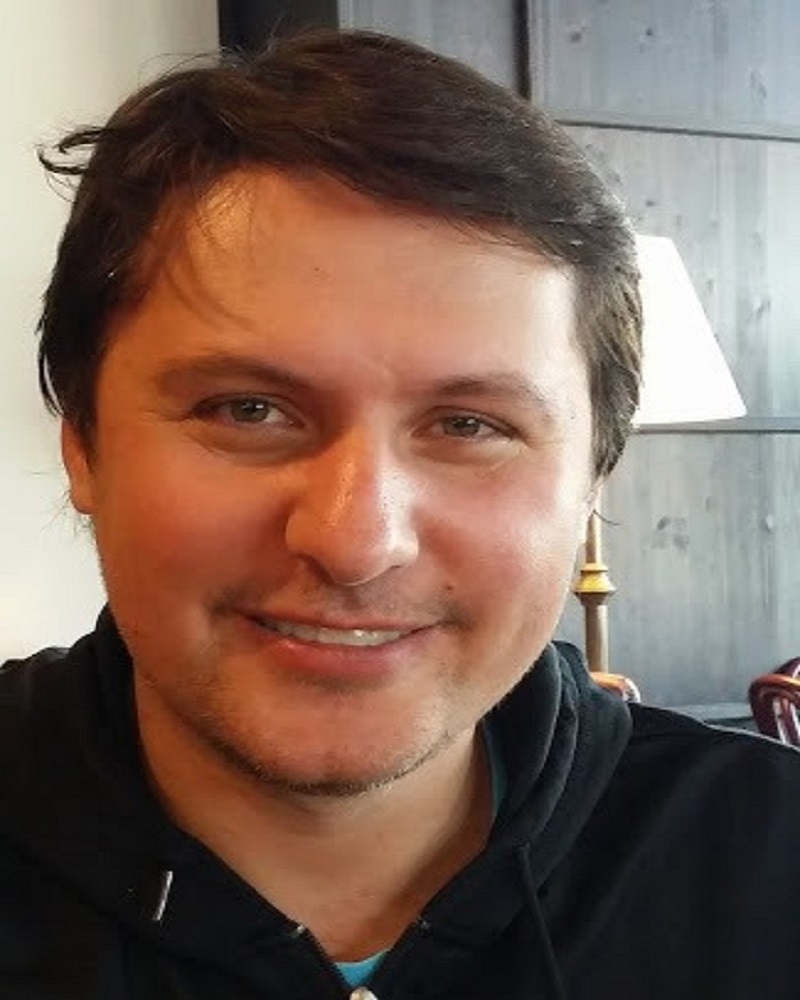
Luca CaviglioneView profile
Researcher
Luca Caviglione is a prominent cybersecurity researcher at the National Research Council of Italy (CNR), specializing in steganography, covert channels, and network security. With over 140 publications spanning from 2015 to 2025, he has established himself as a leading expert in information hiding techniques and their security implications. His research bridges theoretical foundations with practical applications in IoT, cloud computing, and mobile security environments. Dr. Caviglione's primary research interests focus on steganography and covert communication channels , particularly their application in modern computing environments. He investigates how data can be hidden within network protocols, mobile applications, and cloud infrastructures, while simultaneously developing detection methodologies. His work extends to IoT security , where he examines vulnerabilities in constrained devices and develops AI-based approaches for threat detection. Additional research areas include container security, malware analysis (particularly stegomalware), and security protocol analysis. Caviglione's publication record reveals a clear evolution toward applying machine learning and artificial intelligence to detect sophisticated threats like stegomalware. His recent work increasingly addresses container security, DDoS protection in microservices, and post-quantum security challenges, reflecting the evolving threat landscape. He frequently collaborates with international researchers, notably Wojciech Mazurczyk (46 co-authored papers) and Steffen Wendzel (31 co-authored papers), forming a productive research network in information hiding. As an active contributor to the cybersecurity research ecosystem, Caviglione serves on editorial boards and has organized special issues focused on information security methodology and replication studies. His leadership in developing taxonomies for steganography methods demonstrates his influence in shaping research directions in this specialized field. His work has practical implications for securing modern computing environments against increasingly sophisticated hidden communication channels.
.jpg?sfvrsn=dc825c8d_5)