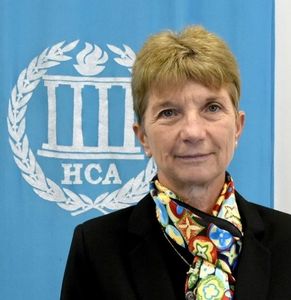
Prof. Eva Thomann is a Professor of Public Administration at the Department of Politics and Public Administration, University of Konstanz , and Principal Investigator at the Cluster of Excellence The Politics of Inequality . She founded the Konstanz Methods Excellence Workshops (KOMEX) for global empirical research training. Education : Licentiate in Political Science (University of Zurich), Doctorate in Public Administration (University of Bern) Previous Positions : Researcher at Universities of Bern, Mannheim, Heidelberg, Exeter, and European University Institute Her research focuses on contemporary public administration challenges at the intersection of democracy and society, including administrative inequality, public sector corruption, bureaucratic overload, and politicization . She employs international comparative approaches and qualitative comparative analysis (QCA) to study policy implementation in multilevel systems. Recent publication trends highlight her work on: Corruption models (Hexagon framework for procurement risks) EU policy customization (Fiscal Compact and environmental directives) Behavioral governance (heuristics, biases, and accountability in frontline work) Implementation under crisis (pandemic procurement, populist governance) Methodological innovation (QCA theory-building, empirical rigor) She serves on advisory boards of Regulation & Governance , COMPASSS , and Netherlands Institute of Governance , and previously co-edited Regulation & Governance (2019-2024). Her research spans collaborations with international networks and method schools.
Carlijn Bouten is a Professor of Cell-Matrix Interactions in Cardiovascular Regeneration at Eindhoven University of Technology (TU/e), where she leads the research group 'Soft Tissue Engineering & Mechanobiology' within the Department of Biomedical Engineering. She also holds a position in the Electrical Engineering department and is affiliated with the Institute for Complex Molecular Systems. Bouten serves as the coordinator of the national Gravitation program Materials-Driven Regeneration, a major research consortium involving multiple Dutch universities. Her research focuses on the interplay between living cells and their mechanical environment during tissue growth, adaptation, degeneration, and regeneration. She develops living model systems across multiple length scales to quantify these interactions in real-time. Her work has led to innovative approaches for regenerating living tissues, most notably the development of synthetic, biodegradable heart valve prostheses that stimulate the body to create new living heart valves at the implantation site. She is currently exploring hybrid implantable organs, minimally invasive regenerative approaches, and the concept of remote cardiac tissue engineering. Analysis of her recent publications reveals a strong focus on cardiovascular tissue engineering, with particular emphasis on heart valve regeneration, biomaterial design, and the mechanobiological cues that drive cellular responses. Her work spans fundamental cell biology investigations to preclinical animal studies, demonstrating a translational research approach from bench to bedside. Key themes include scaffold design, calcification risk assessment, cellular mechanotransduction, and the development of advanced in vitro models that better predict in vivo outcomes. Aspasia Career Development award of the Dutch Science Foundation NWO (2002) VICI grant for established researchers (2003) ERC Advanced grant from the European Research Council (2022) Member of the Royal Netherlands Academy of Arts and Sciences (KNAW) (2017) Member of AcademiaNet for Outstanding Female Scientists and Scholars in Europe Founding fellow of the European Alliance for Medical and Biological Engineering and Science Prof. Bouten leads a research team of approximately 40 scientists at TU/e and has supervised numerous PhD students throughout her career. She has secured substantial research funding, including coordination of the €18.8 million Gravitation program Materials-Driven Regeneration. Her collaborative approach extends to numerous national and international consortia, including the SUMMIT program 'DRIVE-RM', RegMed-XB's Cardiac Moonshot, and the FET-OPEN 'Hybrid Heart' project. She maintains strong industry connections through medtech spin-offs and collaborates extensively with clinicians to ensure clinical relevance of her research. As director of the Research Center for Materials-Driven Regeneration (MDR), Bouten oversees a partnership between Eindhoven University of Technology, Maastricht University, and Utrecht University with University Medical Center Utrecht and the Hubrecht Institute. The MDR consortium focuses on developing intelligent materials that stimulate tissue and organ regeneration, organized around three research flagships addressing materials at different structural complexity levels.
Prof. Daniela Dasheva is a Full Professor at the National Sports Academy (NSA) in Sofia, Bulgaria, affiliated with the Faculty of Sport and Department of Theory of Sport Training. She has served as Vice-Rector of International Relations and European Integration since 2007 and heads the Department of Theory and Methodology of Training. Her career includes roles as a basketball coach, teacher, and international lecturer in Algeria, Serbia, France, and Macedonia. Education: 1983: Graduated from the Higher Institute of Physical Education ‘Georgi Dimitrov’ as a Physical Education teacher and basketball coach. 1991: Awarded a Ph.D. 1994–1995: Master’s in Physical Education and Sport Psychology from the Catholic University of Leuven, Belgium. 2004: Earned a D.Sc. in Sports Training and Adaptation from NSA. Her research explores sports training methodologies, physiological adaptation in extreme conditions, sport psychology, and social integration through physical activity. She emphasizes empirical studies on stress management, athlete performance optimization, and inclusive sport frameworks. Prof. Dasheva has supervised over 15 Ph.D. students and managed European projects, including the EC’s intensive program for Training and Coaching in Elite Sport with the University Paris 12. She coordinates the NSA’s Erasmus mobility program and has contributed to curriculum development for Master’s degrees. She is fluent in French, Spanish, English, and Russian, with memberships in FIEP, Euroscience, and the National Scientific Association Stress, Sport, Adaptation.
Abdel Karim Sabri, PhD, is a Professor at the Lewis Katz School of Medicine at Temple University, with primary appointments in the Department of Cardiovascular Sciences. He also holds professorial positions at the Alzheimer's Center at Temple, the Center for Metabolic Disease Research, the Sol Sherry Thrombosis Research Center, and the Biomedical Education and Data Science department. His research program focuses on the molecular and cellular mechanisms underlying heart failure. PhD in Cell Biology from Rene Descartes University, Paris, France BS in Cell Biology from Rennes I University, Rennes, France Dr. Sabri's research primarily investigates the role of inflammatory mediators and innate immunity in the progression of heart failure, with particular emphasis on inflammatory serine proteases (ISPs) and protease-activated receptors (PARs). His laboratory examines how these molecular pathways regulate pathological cardiomyocyte growth, programmed cell death, and contribute to cardiac hypertrophy, cardiomyopathy, and heart failure. Using both in vitro cell culture systems and in vivo transgenic mouse models, his team explores potential therapeutic targets for heart disease. An analysis of Dr. Sabri's recent publications reveals a consistent focus on inflammatory pathways in cardiac disease, particularly the role of serine proteases, PARs, and G protein-coupled receptors in cardiac remodeling after injury. His work spans basic molecular mechanisms to translational applications, including the development of nanocarrier systems to target therapies to injured myocardium. While specific grant funding details aren't provided in the available information, Dr. Sabri's extensive publication record spanning multiple decades demonstrates sustained research activity and significant contributions to the field of cardiovascular biology. His work often involves collaborations with researchers across multiple institutions and disciplines. Dr. Sabri's laboratory appears to focus on the molecular mechanisms of cardiac remodeling, with particular attention to inflammatory pathways following myocardial injury. His research bridges basic science and potential clinical applications, seeking to develop novel therapies for heart failure based on understanding fundamental molecular pathways.
Dr. Richard T. Lee is a Professor at Harvard University (Department of Stem Cell and Regenerative Biology) and Harvard Medical School (Department of Medicine). He leads the Cardiovascular Diseases Program at the Harvard Stem Cell Institute and serves as a Senior Physician at Brigham and Women’s Hospital. His work bridges regenerative biology, cardiovascular medicine, and metabolic research, with over 270 peer-reviewed publications. Education : Harvard College (Biochemical Sciences, 1979), Cornell University Medical College (M.D., 1983) Clinical Training : Residency (1986), Cardiology Fellowship (1989) at Brigham and Women’s Hospital Dr. Lee’s research focuses on heart regeneration , mechanisms of cardiomyocyte proliferation, and metabolic regulators like TXNIP in diabetes. His lab explores GDF11/8 signaling , complement system roles in regeneration, and mitochondrial genetics in multisystem dysfunction. Recent publications highlight cardiomyocyte engineering , aging biology , and metabolic inflammation . His team investigates spatial transcriptomics and AI-driven organoid maturation , alongside clinical trials for complement inhibitors like KP104.
Sihem Boudina is a Professor of Nutrition and Integrative Physiology, with adjunct appointments as Associate Professor of Biochemistry and Internal Medicine at the University of Utah. She directs the Metabolic Phenotyping Core Facility, focusing on translational research into cardiometabolic diseases, mitochondrial energetics, and autophagy. B.S. from University of Science and Technology, Algeria M.S. and Ph.D. from University of Bordeaux 2, France Her research explores molecular mechanisms driving obesity, cardiometabolic disease, and cardiomyopathy, emphasizing mitochondrial dysfunction and autophagy. Recent work investigates how mitochondrial uncoupling, antioxidant therapies, and metabolic signaling influence disease progression in preclinical models. Key trends in her publications include obesity-related metabolic adaptations, cardiac insulin resistance, and the role of oxidative stress in cardiovascular and metabolic disorders. Her studies span molecular biology, physiology, and pharmacology, with a focus on therapeutic strategies for cardiometabolic diseases. She actively contributes to graduate education and research infrastructure through her directorship at the Metabolic Phenotyping Core Facility. The lab's outputs highlight collaborations in mitochondrial biology, diabetes, and adipose tissue research, though no specific scientific awards are noted in the provided text.
Mathis Korseberg Stokke is a Professor at the Institute for Experimental Medical Research (University of Oslo), leading Norway's largest translational heart research environment. He serves as Senior Consultant at the Department of Cardiology, Rikshospitalet , and directs the national research school NORHEART . His work bridges laboratory animal models with patient data to understand cardiac function and arrhythmias. Academic Leadership: Deputy Director of NORHEART, former Center for Heart Failure Research Director (2018-2019) Teaching: Organizes/teaches MED 3006, MED 3060, and developed an ECG e-learning course Research Focus: Translational cardiac electrophysiology and arrhythmology, emphasizing heart failure mechanisms, syndecan proteoglycans, and calcium signaling pathways. His group investigates how mechanical load affects t-tubule structure and explores novel biomarkers like secretoneurin for acute dyspnea. Publication Trends: Recent work spans Heart failure biomarker validation ECM proteoglycan dynamics T-tubule remodeling in disease Novel therapeutic targets (ADAMTS4, AKAP18δ) Sex-specific cardiac signaling High-altitude cardiac adaptation
Christen Peder Dahl is an Associate Professor at the Department of Clinical Medicine, UiT The Arctic University of Norway. His work focuses on cardiovascular research, particularly in heart failure and extracellular matrix dynamics. Cardiology Molecular Biology Extracellular Matrix Research Interests: Dr. Dahl investigates how mechanical load and proteoglycans influence cardiomyocyte structure, calcium homeostasis, and cardiac fibrosis. His studies on ADAMTSL proteins, TGFβ signaling, and Wnt pathways aim to uncover novel therapeutic targets for heart failure. Publications: His research spans cardiac fibrosis, t-tubule remodeling, and inflammatory mechanisms in heart failure, with recent work on ADAMTS4 inhibition and NLRP3 inflammasome roles in myocardial infarction. Collaborations: He collaborates with multidisciplinary teams including researchers like Lars Gullestad, Pål Aukrust, and Thor Ueland, and is part of the Cardiovascular Research Group at IKM.
Eric M. Small, Ph.D. is Associate Professor of Medicine at the University of Rochester School of Medicine and Dentistry, with secondary appointments in Biomedical Engineering and Pharmacology and Physiology. He directs the Small Lab at the Aab Cardiovascular Research Institute, where his research focuses on transcriptional regulation of cardiac development, disease mechanisms, and regenerative potential. Dr. Small received his formal education through: B.S. in Cellular and Molecular Biology from the University of Michigan (1995) Ph.D. in Molecular Biology from the University of Texas at Austin under Dr. Paul Krieg (2003) Postdoctoral training at UT Southwestern Medical Center with Dr. Eric Olson (2005-2011) Additional postdoctoral work at Hospital for Sick Children, Toronto with Dr. Benoit Bruneau (2004-2005) His laboratory investigates two primary research themes: (1) cardiac fibroblast plasticity and pathological fibrosis development following cardiac injury, using gene expression profiling in animal models and human samples to identify novel fibrosis regulators; and (2) epicardium-derived progenitor cell mobilization during development and potential regenerative applications, with focus on mechanosensitive gene programs essential for cell migration and differentiation. The lab employs mouse genetics, cell biology, advanced imaging, and bioinformatic approaches to develop therapeutic strategies targeting cardiac scarring and heart failure progression. Analysis of Dr. Small's recent publications reveals strong focus on transcriptional regulation of fibrosis, cardiac remodeling mechanisms, and novel therapeutic targets. His work spans molecular mechanisms of fibroblast activation, nuclear envelope integrity in cardiomyopathies, and high-throughput screening for antifibrotic compounds, demonstrating consistent trajectory toward understanding and intervening in pathological cardiac remodeling processes. Scientific Recognition Established Investigator Award (2023) Excellence in Postdoctoral Mentoring Award (2013) Scientist Development Grant (2010-2014) Ruth L. Kirschstein NRSA Post-Doctoral Fellowship (2004-2007) Best Poster Presentation Award (2002) Dr. Small has successfully mentored numerous graduate students and postdoctoral scholars, many of whom now hold faculty positions or industry roles. His laboratory receives support from multiple NIH training grants including T32 programs in Cellular, Biochemical & Molecular Sciences and Immunology. Current research directions include exercise-induced cardioprotection, PKP2-related arrhythmogenic cardiomyopathy mechanisms, and Sprr2b regulation of fibroblast plasticity. The Small Lab maintains active collaborations within the University of Rochester Medical Center and with external institutions, operating within the Aab Cardiovascular Research Institute infrastructure with access to advanced imaging, genomics, and preclinical testing facilities. The lab's research directly contributes to understanding fundamental cardiac biology while developing translational approaches for treating heart failure and fibrosis.
Karoline Bjarnesdatter Rypdal is a Research Fellow at the University of Oslo, affiliated with the Division of Medicine and Laboratory Sciences within the Faculty of Medicine. Her research focuses on cardiovascular disease mechanisms, particularly cardiac fibrosis, extracellular matrix regulation, and molecular pathways in heart failure. She is part of the Cardiovascular Research Group (CRG) and the Oslo-CCHR Lab at Ullevål Hospital. Her work integrates molecular biology, genetics, and translational medicine to study diseases like cardiomyopathy and hereditary connective tissue disorders. Key interests include the roles of ADAMTS-like proteins, proteoglycans (e.g., fibromodulin), and syndecan-4 in fibrotic processes, as well as diagnostic applications of next-generation sequencing. Recent publications highlight her contributions to understanding heart failure pathogenesis, genetic causes of cardiomyopathies, and the anti-fibrotic potentials of specific extracellular matrix components. Research often involves mouse models to study protein knockouts and signaling pathways like TGFβ. She collaborates extensively, with contributions to studies on inherited disorders and biomarker identification. Her work bridges basic science and clinical applications, aiming to improve diagnostics and therapies for cardiovascular and genetic conditions.
Jørgen Gravning is a Professor at the Institute of Clinical Medicine, Faculty of Medicine, University of Oslo, and Senior Consultant at the Department of Cardiology, Oslo University Hospital, Ullevål. He also serves as Head of the Section for Echocardiography and has held roles like Head of Section for Resident Fellows. His academic journey includes an M.D. (2005) and Ph.D. (2013) from the University of Oslo, with research focused on cardiac imaging, biomarkers, and translational cardiovascular science. Education: M.D. (Cand. Med.), Faculty of Medicine, University of Oslo (2005) Ph.D. in Medicine (2013), Thesis: "Cardioprotective Mechanisms in Ischemia-Reperfusion Injury and Heart Failure" Research Interests: His work integrates clinical and translational research, emphasizing biomarker development (e.g., troponin T, NT-proBNP), echocardiography advancements, and mechanisms of heart failure. Notable areas include obesity paradox analysis, myocardial ischemia-reperfusion injury, and therapeutic targets like CTGF/CCN2. Publications: Gravning’s articles span biomarker prognostication, echocardiographic techniques, and translational studies. Recent trends focus on multimarker strategies, obesity-cardiac interactions, and molecular mechanisms in cardiac dysfunction. Over 20 peer-reviewed papers highlight his contributions to heart failure diagnostics and treatment. Lab & Collaborations: He leads the Oslo-CCHR Lab , collaborating on clinical cardiology projects. His work bridges basic science and clinical practice, with affiliations at Oslo University Hospital and international collaborations in biomarker research.
Thierry van den Bosch is an Assistant Professor at the Department of Pathology, Erasmus MC, Erasmus University Rotterdam. His research focuses on immunology, oncology, and regenerative medicine with a strong emphasis on translational applications in transplantation and cancer biology. He is affiliated with Erasmus MC, a leading academic medical center in the Netherlands. His research interests include tumor immunology, glial cell biology in neurological disorders, and mechanisms of organ rejection in transplantation. He also explores molecular pathways in cardiovascular diseases and regenerative strategies using organoid models. Recent publications highlight interdisciplinary work in astrocytoma immunotherapy, enteric glial diversity in gastrointestinal disorders, kidney transplant rejection biomarkers, and cardiac fibrosis mechanisms. These studies bridge basic science with clinical applications in oncology, nephrology, and cardiology. No scientific awards are explicitly listed in the provided text. His research activities involve collaborations across multiple departments and institutions, as indicated by his network visualizations.
Dr. Ioannis Smyrnias is a Senior Lecturer in Cardiovascular Sciences at the University of Surrey. He holds a BSc (Hons), MRes, and PhD from the University of Cambridge, where his thesis focused on hormonal regulation of calcium signaling in cardiomyocytes. His postdoctoral research at King’s College London explored mitochondrial stress responses, particularly the protective role of ATF5-dependent UPRmt in the heart. He joined Surrey in 2020 to investigate mechanisms maintaining mitochondrial homeostasis under stress, with a focus on MQC pathways like mitophagy and stress granule formation. His work integrates signaling events regulated by ATF5, NRF2, and PGAM5 to identify cardioprotective therapies. Dr. Smyrnias’ research is supported by grants from the British Heart Foundation (BHF project grant) and MRC (Capital Equipment award). He mentors PhD students exploring SGs within the UPRmt axis and links between mitochondrial dysfunction and cardiac arrhythmias. His lab’s findings have been published in journals like JACC , Cardiovascular Research , and Journal of Molecular and Cellular Cardiology , advancing understanding of mitochondrial stress responses in heart disease. Key areas of focus include mitochondrial unfolded protein response (UPRmt), mitochondrial quality control (MQC), and the interplay between MQC and stress granules. His recent studies highlight the role of NRF2 in metabolic reprogramming and the protective effects of UPRmt activation during cardiac stress. Ongoing projects aim to translate these insights into novel therapeutic strategies for heart failure and mitochondrial dysfunction-related disorders.
Elizabeth Cartwright is a Professor and Head of the Division of Cardiovascular Sciences at the University of Manchester. Her research focuses on molecular mechanisms underlying left ventricular dysfunction and heart failure, with a particular emphasis on the role of plasma membrane calcium pumps (PMCA). She leads the British Heart Foundation 4-year PhD program and the MRes in Cardiovascular Sciences, supervising numerous graduate students. Cartwright holds a PhD from the University of Manchester (1995) and has held academic positions at the University of Leeds and Manchester since 1994. Education: PhD in Cardiovascular Sciences, University of Manchester (1995) Research Fellow, University of Leeds (1994–2002) Lecturer to Professor, University of Manchester (2002–present) Research Interests: Her work investigates novel genes linked to heart failure, PMCA isoforms’ roles in cardiac physiology, and translational approaches to drug development. Key contributions include discoveries about PMCA4’s role in hypertension and PMCA1’s involvement in heart failure with preserved ejection fraction (HFpEF). Teaching & Leadership: Academic Lead for pre-medical/dental programs, PBL tutor for MBChB students, and supervisor for bioscience projects. She directs funded PhD programs and collaborates on projects like the BHF Centre for Research Excellence. Grants & Labs: Principal or co-investigator on grants totaling £multi-million, including projects on Hippo pathway inhibition and miRNA-based therapies. Her lab is part of the Manchester Regenerative Medicine Network and Christabel Pankhurst Institute.
Lindsey Miller is an Associate Professor of Physiology and Director of Research at the Dental College of Medicine (DCOM) Knoxville, Lincoln Memorial University. Her research focuses on cardiovascular health, exercise physiology, and molecular mechanisms underlying inflammation and oxidative stress. She investigates the effects of dietary supplements like methylsulfonylmethane (MSM) and flavanols, as well as environmental factors such as temperature and altitude on human physiology. Her work integrates clinical trials, animal models, and molecular biology techniques to explore topics including ischemia-reperfusion injury, exercise-induced cardioprotection pathways involving δ-opioid receptors and KATP channels, and the role of autophagy in cardiac health. She has also examined lifestyle factors impacting healthcare professionals during pandemics and the influence of Western diets on gene expression in mouse hearts. Key research trends include: Exploring nutritional interventions for cardiometabolic health Understanding exercise’s dual role in stress adaptation and cardioprotection Studying environmental stressors (temperature, altitude) on blood biomarkers No awards or grants are explicitly listed in the provided text. Her lab focuses on translational research bridging basic science and clinical applications in cardiology and exercise physiology.