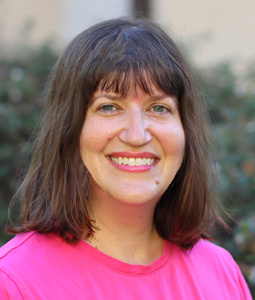
Lydia Matesic is an Associate Professor in the Department of Biological Sciences at the University of South Carolina , affiliated with the McCausland College of Arts and Sciences. Her research focuses on the functional roles of ubiquitin ligases ITCH and WWP1 in maintaining cellular homeostasis under stress conditions, with implications in autoimmunity, inflammation, cancer, and cardiovascular biology. Expertise in Stem Cells & Developmental Biology Specialized in Biology of Cellular Stress and ubiquitin-mediated signaling Leadership as Director of the Cardiovascular Technology Program Her research explores how ITCH and WWP1 regulate protein turnover in immune cells and cardiac tissues, contributing to diseases like inflammatory bowel disease, cancer, and cardiac arrhythmias. Key findings include ITCH's role in inflammatory barrier maintenance and WWP1's involvement in age-associated cardiac dysfunction. Recent publications highlight investigations into: WWP1's role in myocardial aging and breast cancer therapy ITCH's regulation of hematopoietic stem cells and intestinal epithelial homeostasis Modulation of inflammatory signaling pathways via ubiquitin-editing enzymes Development of fetal lung organoid models for interstitial lung disease Lydia's work bridges molecular mechanisms with translational applications in chronic diseases, though no scientific awards or student advisement details are explicitly listed.
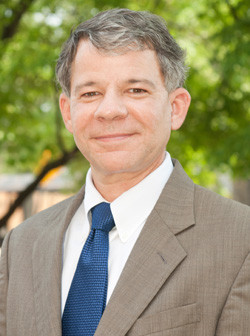
Dr. Diane Wagner is an Associate Professor of Mechanical Engineering in the Purdue College of Engineering, based in Indianapolis with a courtesy appointment in West Lafayette. Her research focuses on orthopaedic biomechanics, soft tissue mechanics, and computational modeling of regenerative therapies. She holds a BS from the University of Michigan and a PhD from UC Berkeley, both in Mechanical Engineering. Dr. Wagner’s research spans mechanobiology, stem cell differentiation, and musculoskeletal repair. Her work combines experimental and computational approaches to address challenges in cartilage wear mechanisms, tissue engineering scaffolds, and bioprinting. Recent studies include photochemical crosslinking of cartilage and CaMKK2 signaling in osteoarthritis prevention. Her articles explore topics like articular cartilage mechanics, stem cell behavior under mechanical stimuli, and scaffold design for bone regeneration. While no awards are listed here, her contributions bridge engineering and medicine through interdisciplinary collaboration. As an academic leader, she advises graduate students on biomechanics and tissue engineering projects. Her lab focuses on translational research, including bioprinting innovations and preclinical models for musculoskeletal disorders.
Francis G. Spinale is a Professor in the Department of Cell Biology & Anatomy at the University of South Carolina School of Medicine, with concurrent appointments at the Medical University of South Carolina (MUSC) in Surgery, Physiology, Anesthesiology, and Pediatrics since 1996. He serves as Director of the Cardiovascular Translational Research Center and practices as a physician at the WJB Dorn VA Medical Center. His academic credentials include: Ph.D. in Pathology from the Medical University of South Carolina (1985) M.D. from the Medical University of South Carolina (1993) Dr. Spinale's research fundamentally centers on cardiovascular remodeling mechanisms in heart failure, with particular emphasis on matrix metalloproteinases and their tissue inhibitors. His work bridges molecular biology, translational engineering, and clinical applications, pioneering biomaterial-based interventions like biocomposite injections and bioresponsive hydrogels to modulate post-infarction remodeling and cardiac function. This interdisciplinary approach integrates cardiovascular physiology with biomedical engineering to develop novel therapeutic strategies. Analysis of his 2014 publications reveals a cohesive research trajectory targeting extracellular matrix dynamics in heart disease, with consistent focus on left ventricular remodeling after myocardial infarction and pressure overload. His studies strategically combine molecular manipulation of matrix metalloproteinases with advanced biomaterial delivery systems, establishing a translational pipeline from bench to bedside for heart failure therapeutics. His scientific recognition includes: Breakthrough Leadership in Research Award from the University of South Carolina (2014) Fellowship in the American Heart Association Fellowship in the American College of Cardiology Dr. Spinale has secured significant research funding including an NIH Small Business Technology Transfer grant for cardiac microdialysis/microfluidics systems, holds multiple patents, and maintains over 400 peer-reviewed publications. He serves on seven editorial boards and consults for pharmaceutical/biotechnology firms while mentoring researchers through his extensive publication record and leadership roles. He directs the Cardiovascular Translational Research Center, driving collaborations between the School of Medicine and VA systems to advance cardiac research through integrated basic science and clinical investigations.
Dr. Donald Grandis is a Volunteer Clinical Professor in the Division of Cardiology within the School of Medicine at the University of California, San Francisco (UCSF). He holds an MD from Virginia Commonwealth University and a BA in Philosophy from the University of Virginia, with clinical training completed at the University of Pittsburgh Medical Center. His clinical expertise lies in general cardiology, with specific skills in interpreting stress tests and nuclear cardiac images. His research is dedicated to reducing cardiovascular disease risk, with a significant recent focus on Long COVID, cardiopulmonary exercise testing, and innovations in cardiac rehabilitation, including virtual and app-based models. The publication trends over the past five years show a strong emphasis on the cardiovascular impacts of Long COVID, the efficacy of modern cardiac rehabilitation delivery methods, and the use of advanced diagnostics like CPET. This reflects a research trajectory centered on contemporary public health challenges and the integration of technology into cardiovascular care. UCSF Master Clinician (2022) Edward and Pearl Fein Endowed Professorship in Cardiology (2019) Dr. Grandis has been a principal or co-investigator on numerous clinical studies, collaborating with key UCSF researchers like Dr. Priscilla Hsue and Dr. Alexis Beatty. His work on physical activity during environmental disasters and rare pathogens like Bergeyella cardium demonstrates a broad investigative scope. He is actively involved in academic service, including participation in the Clinical Trials and Academic Senate Committee Service at UCSF.
Hendrikus L Granzier is a Professor of Physiology at the University of Arizona, with a secondary affiliation at Washington State University (1993–2007). His research focuses on cardiac and skeletal muscle mechanics, particularly the role of titin and nebulin proteins in health and disease. He holds a Ph.D. in Bioengineering from the University of Washington, Seattle. Research interests include: 1) Titin's role in heart function and disease (HFpEF, cardiomyopathy), 2) Mechanotransduction pathways, 3) Genetic disorders like nemaline myopathy, and 4) Myofilament dysfunction in heart failure. His work spans basic science (mouse/zebrafish models) to clinical translation (drug screening for OM therapy). Recent articles emphasize disease mechanisms (e.g., TTN mutations in skeletal myopathy), therapeutic strategies (myostatin inhibition, RBM20 targeting), and novel models (CRISPR-edited nebulin mice). Awards include Honorary Doctorate from Semmelweis University (2022) and NIH SMEP study section membership. He teaches advanced courses like 'Cardio Muscle Bio & Disease' across multiple departments (BME, PSIO, MCB). Grants and lab activities include NIH-funded mechanotransduction studies, AHA-supported projects on HFpEF, and collaborative work with institutions like Semmelweis University. Future directions include CRISPR-based therapies for titinopathies and biomaterials for disease modeling.
Sakari Kauppinen is a Professor at the Department of Clinical Medicine, Faculty of Medicine, Aalborg University. His research focuses on microRNA biology, therapeutic applications, and their roles in diseases such as cancer, neurodegeneration, and metabolic disorders. He leads projects like the 2024 initiative exploring microRNA-22’s role in Duchenne Muscular Dystrophy. Notable contributions include pioneering microRNA-targeted drugs and advancing antisense oligonucleotide technologies. His work spans from basic RNA mechanisms to clinical translation, with collaborations in drug development and biomarker discovery. Kauppinen’s team is part of the Center for RNA Medicine, emphasizing interdisciplinary research in RNA-based therapies. Education details are not explicitly stated, but his career reflects advanced expertise in molecular biology and pharmacology. Key research interests include RNA interference mechanisms, microRNA regulatory pathways, and their modulation in disease contexts. He has authored over 70 publications, including seminal reviews on microRNA therapeutics and patents for innovative nucleic acid compounds. Media highlights include discussions on RNA medicine’s potential post-Nobel recognition and contributions to grants like the Novo Nordisk Foundation funding. Labs/Teams: Active member of the Center for RNA Medicine at Aalborg University. Collaborative projects involve institutions globally, focusing on translational RNA research.
PD Dr. Christina Katharina Weisheit is a Consultant Anesthesiologist and Principal Investigator at the Department of Anesthesiology and Intensive Care Medicine, Medical Faculty, University of Bonn, and will move to the University Hospital Cologne in February 2025. She leads the Weisheit Research Group and is a co-Principal Investigator in the SFB TRR259 project. She is a member of the Excellence Cluster Immunosensation2 and the ACCENT Program for Advanced Clinician Scientists. Research Interests: Her research focuses on elucidating the immunological and molecular mechanisms underlying aortic valve stenosis, left ventricular hypertrophy, and infective endocarditis. She investigates the roles of aging, the gut microbiome, and epigenetic modifications in immune dysfunction during critical illness. Her group employs advanced techniques including multiparameter FACS, immunofluorescence microscopy, and molecular biology. A key translational goal is the development of nanoparticle-based drug delivery systems for targeted therapy in cardiovascular diseases and the identification of novel biomarkers for early detection and treatment. Publication Trends: Her recent publications span from basic immunology (e.g., neutrophil function, macrophage subsets) to clinical-translational research (e.g., anesthetic management in aortic stenosis, sustainability in surgery). A strong theme is the interplay between immunity and cardiovascular pathology, with increasing focus on microbiome influences, aging, and epigenetic regulation in sepsis and cardiac remodeling. Her work bridges experimental models with human patient samples. Scientific Awards and Memberships: Member, Excellence Cluster Immunosensation2 Member, ACCENT Program Bonn for Advanced Clinician Scientists Advising and Grants: She mentors a diverse team including doctoral candidates, master's students, and medical researchers. Her research is supported by competitive third-party funding, including a DFG individual grant (Project Number: 535107899), a subproject in SFB TRR259 (Project A01), and funding from DLR for the CovidDataNet.NRW project at the Bonn site. Labs and Teams: She leads the AG Weisheit research group at the University Hospital Bonn, which is embedded within the Institute for Experimental Immunology and Molecular Medicine. Her team collaborates extensively with cardiology, microbiology, and immunology experts across Bonn, Cologne, and internationally (e.g., Harvard Medical School). Her lab focuses on translational cardiovascular immunology and is part of a larger interdisciplinary network investigating aortic diseases.
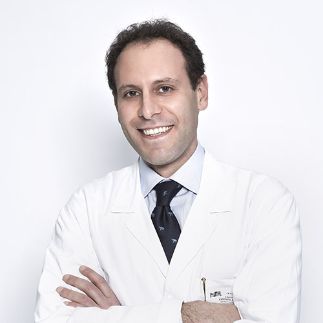
Antonio Esposito serves as Full Professor of Radiology at Vita-Salute San Raffaele University in Milan, Italy, holding multiple leadership positions at IRCCS Ospedale San Raffaele including Scientific Director of Clinical Trial Center and Deputy Scientific Director IRCCS. With over 250 peer-reviewed publications, his academic career spans from Researcher positions to his current professorship, demonstrating continuous advancement in the field of medical imaging. MD degree (summa cum Laude), 1997-2003, Vita-Salute San Raffaele University Specialization Degree in Radiology (summa cum Laude), 2003-2007, Vita-Salute San Raffaele University Professor Esposito maintains extensive expertise in cardiovascular and oncological applications of advanced imaging technologies, particularly MRI and CT. His research focuses on clinical and preclinical imaging, with specialization in cardiovascular MRI studies and CT examinations. He leads the Preclinical Imaging Facility equipped with high-resolution CT, 7T MRI, Optical, US, and Photoacoustic imaging technologies for experimental disease modeling. His work bridges clinical practice with cutting-edge research methodologies, emphasizing translational applications of imaging technologies in cardiovascular medicine. His recent publications reveal a strong emphasis on cardiac imaging applications, particularly in valvular heart disease, cardiomyopathies, and the integration of machine learning with radiomics. The research demonstrates sophisticated analysis of left ventricular outflow tract dynamics, novel diagnostic approaches for cardiac sarcoidosis, and genetic markers associated with cardiomyopathy. His work consistently combines clinical insights with advanced imaging techniques to address complex cardiovascular conditions. President of the Italian College of Cardiac Radiology by SIRM (2019, 2021) Board member of European Society of Cardiac Radiology Scientific Committee (2017-2020) National Scientific Qualification for Full Professor of Radiology (2017) National Scientific Qualification for Associate Professor of Radiology (2014) Best scientific presentation at National Meeting of Thoracic and Cardiac Imaging (2005) Professor Esposito actively contributes to doctoral education across multiple programs including Molecular Medicine and Cognitive Neuroscience at UNISR. His research leadership extends to directing the Strategic Programme Cardiovascular Radiology and Preventive Imaging, overseeing more than 1,000 cardiovascular MRI studies and 4,000 CT examinations annually. He serves as reviewer for prestigious journals including JACC: Cardiovascular Imaging, European Radiology, and European Heart Journal, demonstrating his standing in the international imaging community. He leads the Preclinical Imaging Facility at IRCCS San Raffaele Hospital, a comprehensive research center equipped with high-resolution CT, 7T MRI, Optical, US, and Photoacoustic imaging technologies dedicated to experimental disease modeling in small animals. Additionally, he directs the Cardiovascular Imaging Functional Unit, providing extensive clinical imaging services while advancing research in cardiovascular applications of medical imaging.
Sara Lu Riggs is an Associate Professor at the University of Virginia, based in Olsson Hall with a dedicated lab in Olsson Hall 002A. Her research focuses on human factors in complex environments, including aviation, healthcare, and manufacturing, addressing challenges like task sharing, attention management, and interruption management through cognitive ergonomics and systems engineering. She explores multimodal displays to mitigate data overload, adaptive interfaces responsive to user needs, and cognitive limitations such as change blindness. Her work has been funded by the National Science Foundation (NSF), Agency for Healthcare Research and Quality (AHRQ), Air Force Office of Scientific Research, and NIH, totaling over $6 million in grants. Notable achievements include the NSF CAREER Award and the 2016 APA Briggs Dissertation Award. Recent research emphasizes tactile displays, real-time gaze sharing in UAV teams, and AI-driven decision support systems. Her lab develops tools like the MoiréTag for tangible interactions and GUIs to streamline eye-tracking data analysis. Key contributions include advancing adaptive display designs, quantifying collaborative strategies in UAV operations, and improving healthcare workflows through human-centric technologies. She actively investigates how workload transitions affect team performance and situational awareness, with applications in both industrial and medical settings.
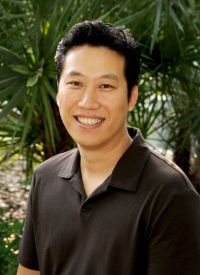
Dr. Kisuk Min is an Assistant Professor in the Department of Kinesiology at the University of Texas at El Paso. His research focuses on molecular mechanisms underlying muscle and cardiac adaptations to injury, disease, and exercise. He earned his Ph.D. in Exercise Physiology from the University of Florida and completed postdoctoral training at Yale University School of Medicine. Dr. Min's work investigates signaling pathways involved in skeletal and cardiac muscle protection, particularly targeting mitochondrial function, MAPK regulation, and doxorubicin cardiotoxicity. His studies use mouse models and cell cultures to explore exercise-induced therapeutic interventions for muscle atrophy, dystrophy, and metabolic disorders. Recent research highlights include exploring neuromuscular electrical stimulation for glycemic control, MKP phosphatase roles in metabolic and cardiac adaptations, and mechanistic links between exercise and chemotherapy-induced cardiotoxicity prevention. His studies frequently intersect muscle metabolism, cellular stress responses, and translational medicine applications. Education: PhD in Exercise Physiology, University of Florida Postdoctoral Training: Yale University School of Medicine Key research themes include: Muscle disease mechanisms and therapies Mitochondrial signaling in metabolic disorders Exercise interventions for cardioprotection MAP kinase phosphatase signaling networks His funded projects examine how cellular signaling pathways modulate skeletal/cardiac muscle responses to stressors like chemotherapy, mechanical ventilation, and disuse atrophy. Current work explores novel therapeutic targets for cardiomyopathy and metabolic syndrome.
Aisah Aubdool is a Lecturer in Cardiovascular Pharmacology at the William Harvey Research Institute, Queen Mary University of London. She holds affiliations within the Faculty of Medicine and Dentistry and the Translational Medicine and Therapeutics Centre. Her research focuses on cardiovascular disease mechanisms, particularly aortic aneurysm pathophysiology and the role of natriuretic peptides. She has received prestigious awards including the BBSRC Sparking Impact Award (2015), BPS Bill Bowman Award (2017), and EPHAR Award (2022). Dr. Aubdool completed her BSc in Pharmacology at King’s College London (2009), followed by an MRes in Integrative Biomedicine and a PhD under Prof. Susan D Brain. Her postdoctoral work at QMUL and collaborations with Novo Nordisk identified TRPA1’s role in vascular cold sensing and CNP’s pro-angiogenic properties. She teaches across BSc, MBBS, and MRes programs and mentors in the WHRI BAME scheme. Her research interests include C-type natriuretic peptide (CNP) signaling in vascular remodeling, TRPA1 channel biology, and translational cardiovascular therapeutics. She serves as BPS ambassador coordinator, IUPHAR ECR Committee Chair (2018-2022), and Senior Editor for Pharmacology Matters. Collaborators include Prof. Adrian Hobbs (QMUL), Prof. Alan Daugherty (University of Kentucky), and Dr. Hong Lu (University of Kentucky). Key research areas include: Pathophysiology of thoracic and abdominal aortic aneurysms Role of natriuretic peptides in metabolic homeostasis and liver disease CNP’s anti-inflammatory and pro-angiogenic properties TRPA1-mediated cold sensing and vascular responses Her work bridges basic science and clinical applications, with recent studies on CNP’s protective effects in myocardial ischemia and pulmonary hypertension. She advocates for early-career pharmacologists through leadership roles in professional societies.
Ognjen Gajic, M.D., M.Sc. , is a Professor of Medicine at the Mayo Clinic College of Medicine and Science in Rochester, Minnesota. He holds primary and joint appointments in the Division of Pulmonary and Critical Care Medicine , Department of Physiology & Biomedical Engineering , and Division of Health Care Policy & Research . His clinical and research expertise lies in critical care medicine, with a focus on acute respiratory distress syndrome (ARDS), mechanical ventilation, and clinical informatics. Education: M.D., University of Sarajevo (1987) Resident, Pediatric Surgery, Sarajevo University Clinical Center Visiting Fellow, Pediatric Surgery, Brown University Medical School Resident & Chief Resident, Internal Medicine, New York Methodist Hospital Fellow, Critical Care & Pulmonary Critical Care, Mayo Clinic College of Medicine and Science M.Sc., Clinical Research, Mayo Clinic College of Medicine and Science Research Fellowship, Department of Internal Medicine, Mayo Clinic Research Interests: Dr. Gajic's research centers on the epidemiology, pathophysiology, and management of critical care syndromes , particularly acute lung injury, ARDS, and multiorgan dysfunction. He leverages clinical informatics, simulation modeling, and implementation science to improve health care delivery and patient outcomes. His METRIC-ePM Laboratory (Multidisciplinary Epidemiology and Translational Research in Intensive Care, Emergency, and Perioperative Medicine) is dedicated to evaluating critical illness trajectories and implementing best practices globally. He has led major international initiatives such as the CERTAIN (Checklist for Early Recognition and Treatment of Acute Illness and iNjury) and VIRUS (Viral Infection and Respiratory Illness Universal Study) projects, which aim to standardize and improve critical care processes worldwide. Scientific Awards & Honors: CHEST 2021 Roger C. Bone Memorial Lecture in Critical Care Mayo Clinic School of Continuous Professional Development Outstanding International Faculty Award (2020) SCCM Star Research Achievement Award (2019) SCCM Presidential Citation (2018) Distinguished Scholar, The CHEST Foundation (2015) Fellow, American College of Critical Care Medicine (2012) Outstanding Investigator, Department of Internal Medicine (2012) Distinguished Mentor Award, Mayo Clinic Center for Translational Science Activities (2008) Best Abstract Award, International Symposium on Intensive Care and Emergency Medicine (2007) Hasan Brkic Award for Outstanding Achievement in Medical School (1987) Leadership & Service: Dr. Gajic has held numerous leadership roles, including Chair of the Discovery, Critical Care Research Network for the Society of Critical Care Medicine (2017–2019), Director of the US Critical Illness and Injury Trials Group (NIH), and member of steering committees for ARDS Network and SCCM. He is a Fellow of the American College of Chest Physicians (FCCP) and the American College of Critical Care Medicine (FCCM). Grants & Funding: He has been a principal or co-principal investigator on major NIH and NSF grants, including: ARREST Pneumonia (NHLBI): Investigating beta-agonists for pneumonia-related respiratory failure PROOFCheck (NHLBI): Preventing severe acute respiratory failure Causal AI Digital Twin Framework (NSF): Transforming ICU care delivery using AI Laboratory & Team: Dr. Gajic leads the METRIC-ePM Laboratory at Mayo Clinic, which integrates data science, clinical informatics, and translational research to improve critical care outcomes. The lab collaborates globally and has developed decision-support tools implemented in hospitals worldwide.
Paweł Korpal is an Assistant Professor at the Department of Translation Studies, Faculty of English, Adam Mickiewicz University in Poznań. His interdisciplinary research bridges psycholinguistics, conference interpreting, and emotional language processing, employing psychophysiological methods like galvanic skin response (GSR), eye-tracking, and heart rate monitoring. BA in English (2010) and Danish (2012), Adam Mickiewicz University MA in Conference Interpreting (2012), Scandinavian Studies (2014), and Psychology (2017), Adam Mickiewicz University Ph.D. in English Linguistics (2016) and D.Litt. in Linguistics (2023), Adam Mickiewicz University His research focuses on stress and emotion in simultaneous and community interpreting, particularly how traumatic content affects interpreters' mental well-being and how psychophysiological indicators (e.g., stress, emotional arousal) correlate with performance. He investigates numerical data processing, coping strategies, and the impact of remote interpreting settings through grants like the National Science Centre's 'The compassionate interpreter' (2021–2024) and AIIC Research Grant (2021–2022). The 15 most recent publications highlight trends in cognitive load during simultaneous interpreting, bilingual emotional processing, and methodological advancements in eye-tracking and physiological measurement. These works span journals like Perspectives , Target , and Polish Psychological Bulletin , reflecting his expertise in stress indicators, interpreter training, and emotional contagion. START scholarship (2018) Ministry of Science and Higher Education scholarship (2019) Fulbright Senior Award (2020/21) POLITYKA Science Awards finalist (2022) Korpal actively participates in academic outreach, organizing thematic panels at conferences (e.g., IATIS 2021, 10th EST Congress 2022) and serving on the Young Academy of Europe's board (2019–2022). He peer-reviews for journals such as The Interpreter and Translator Trainer and Translation Research and Practice .
Christopher Almond is a Professor at Stanford University, specializing in Pediatrics - Cardiology . He is affiliated with the Cardiovascular Institute and the Maternal & Child Health Research Institute (MCHRI) . His clinical focus includes Heart Failure , Ventricular Assist Devices , and Heart Transplantation . Almond's research addresses critical issues in pediatric heart transplantation, including surrogate endpoints for clinical trials functional status outcomes hemodynamic risk stratification device-based circulatory support . Key publications analyze the MATE score, Berlin Heart EXCOR outcomes, and ECMO efficacy. His work has influenced pediatric transplant allocation policies and device innovation. He teaches courses like Directed Reading in Pediatrics and mentors students through clinical research projects.
Roles and Affiliations: Professor at the University of Oslo's Institute for Experimental Medical Research, part of the Faculty of Medicine. Focuses on cardiovascular research, particularly heart failure, hypertension, and biomarker development. Collaborates internationally on translational studies involving microRNAs, spectroscopic techniques, and novel therapeutic compounds. Research Interests: Alessandro Cataliotti specializes in cardiac physiology and pathophysiology, with emphasis on heart failure mechanisms, diagnostic biomarkers (especially microRNAs), and the application of vibrational spectroscopy (FTIR/Raman) for early disease detection. His work also explores therapies targeting hypertension and end-organ damage, including novel compounds like proANP31-67. Publications: Recent studies highlight advancements in multi-microRNA diagnostic panels for heart failure subtypes, the efficacy of sacubitril/valsartan in cardiac repair, and the role of caloric restriction in skeletal muscle recovery. His research bridges molecular biology, clinical cardiology, and biomedical engineering. Labs/Teams: Leads interdisciplinary teams at the Institute for Experimental Medical Research, collaborating with institutions globally on projects combining experimental medicine and translational science.