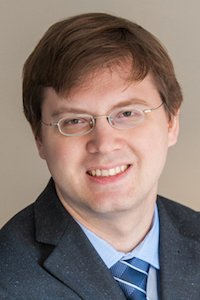
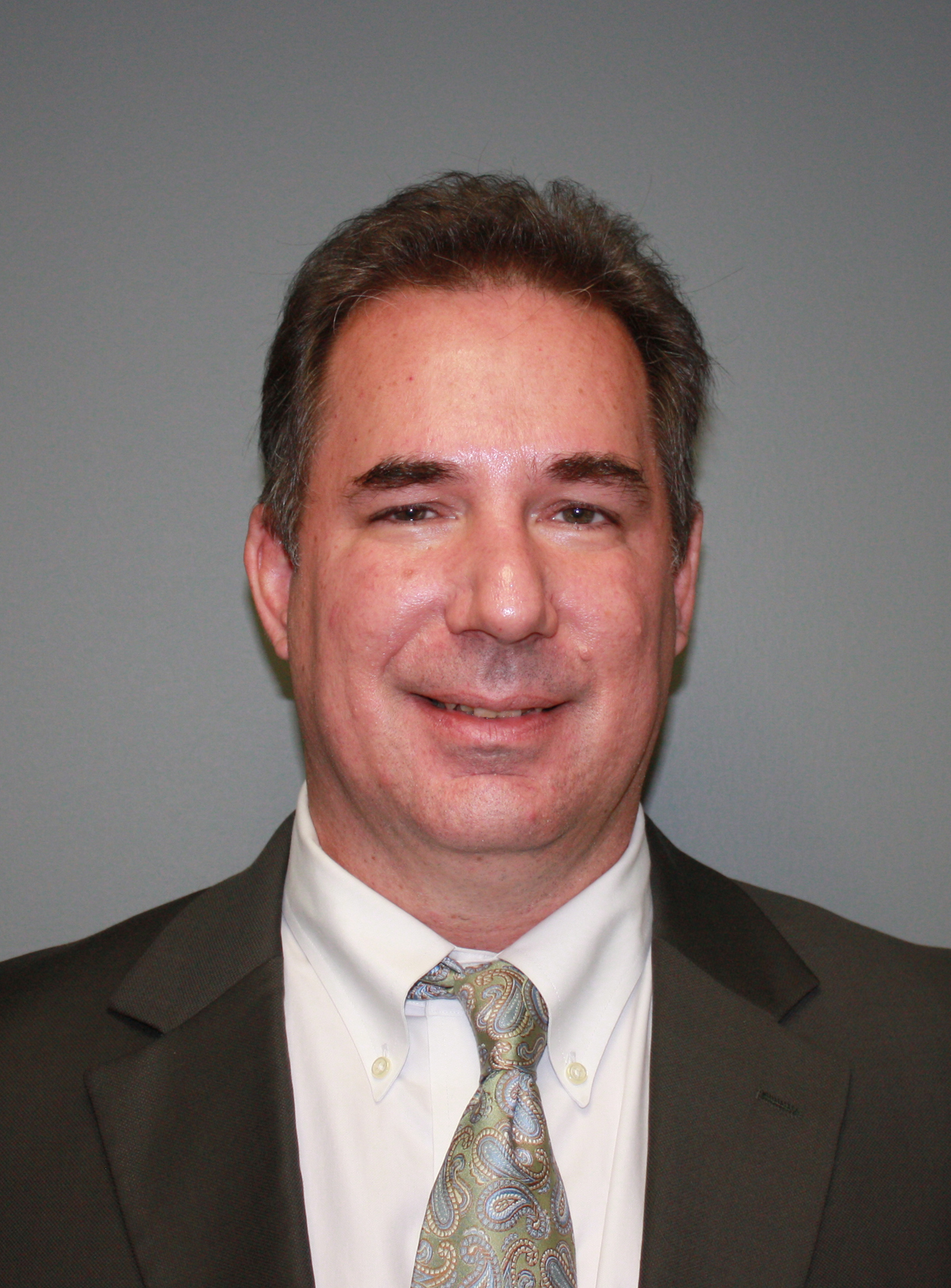
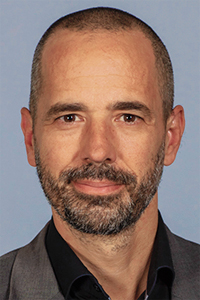
Professor Michael Anderson is a Programme Leader at the MRC Cognition and Brain Sciences Unit within the University of Cambridge . His research focuses on the interplay between memory, attention, and cognitive control, particularly how the brain suppresses distracting or unwanted memories through inhibitory mechanisms. Research Themes: Adaptive Brain Computations, Neurons/Circuits/Networks Methodologies: Behavioral studies, fMRI, EEG Anderson's work explores the role of frontally-mediated inhibitory control in both incidental and motivated forgetting, with translational applications to conditions like post-traumatic stress disorder (PTSD). His recent studies investigate domain-general inhibitory processes in the prefrontal cortex and their implications for memory detection tests. Key publication trends reveal sustained focus on memory suppression mechanisms (2013-2022), utilizing neuroimaging to bridge basic neuroscience and clinical applications. Collaborative work spans disciplines including cognitive neuroscience, psychiatry, and neurotechnology.
Camilo Libedinsky serves as Associate Professor and Deputy Director of Research at the National University of Singapore (NUS), holding a Ph.D. from Harvard University and a B.S. from Chile. His educational background includes: Ph.D. in Cognitive Neuroscience from Harvard University Bachelor of Science from Chile Dr. Libedinsky's research centers on cognitive neuroscience using human and non-human primate models to investigate perception, working memory, attention, and decision-making mechanisms. His lab pioneers neurotechnology development through engineering collaborations, focusing on motor brain-machine interfaces and sensory feedback devices. Key methodologies include non-human primate neurophysiology, human psychophysics, and network-level analysis of cognitive phenomena. Analysis of his 2017-2020 publications in Nature Neuroscience, Nature Communications, and eLife reveals a cohesive research trajectory examining prefrontal cortex dynamics during working memory tasks. His work consistently explores how neural populations maintain stable representations through mixed selectivity, code-morphing, and dimensionality reduction, bridging computational neuroscience with experimental neurophysiology to decode cognitive stability mechanisms. Dr. Libedinsky leads the Libedinsky Lab, an interdisciplinary research unit combining neuroscience and engineering to develop novel neurotechnologies. The lab maintains active collaborations with engineering teams on brain-machine interface development while conducting fundamental research on neural coding principles. No information regarding student advising or research grants was provided in the source material.
Alexander Opitz serves as an Associate Professor in the Department of Biomedical Engineering at the University of Minnesota, where he leads innovative research in non-invasive brain stimulation technologies. His laboratory focuses on developing computational models to estimate electric field distributions during transcranial magnetic stimulation (TMS) and transcranial electric stimulation (TES), integrating these with neuronavigation systems to improve targeting of specific brain circuits. Opitz's research bridges engineering principles with neuroscience to address neurological and psychiatric disorders through personalized neuromodulation approaches. Opitz's primary research interests center on the biophysical and physiological foundations of non-invasive brain stimulation (NIBS). His lab develops advanced computational tools like SimNIBS for electric field simulation and NeMo-TMS for multi-scale neuron modeling, enabling precise prediction of stimulation effects from whole-brain to single-neuron levels. Current projects include closed-loop real-time TMS-EEG systems that align stimulation pulses with ongoing brain activity phases, deep-learning-based modeling for rapid TMS field estimation, and personalized rehabilitation protocols for stroke recovery in children. His work emphasizes translating improved understanding of brain physiology into clinical applications for conditions like depression and stroke. The research trends in Opitz's 15 most recent publications reveal a strong focus on personalization and precision in brain stimulation. Key themes include individual anatomical and functional predictors for NIBS response, real-time brain state-dependent stimulation, cross-species modeling frameworks, and meta-analyses of electric field effects in clinical populations. His work increasingly integrates machine learning with traditional computational methods while expanding applications to psychiatric disorders and pediatric populations, demonstrating a clear trajectory toward clinically viable personalized neuromodulation therapies. Opitz actively contributes to the scientific community through his lab's extensive resource sharing. He maintains the SimNIBS software platform for electric field simulation, develops the NeMo-TMS toolbox for neuron modeling, and hosts annual workshops on non-invasive brain stimulation methods. His lab's GitHub repository provides open access to published code, while their YouTube channel 'Brain Stimulation Science' disseminates educational content and seminar recordings. These resources support global researchers in advancing NIBS technologies and methodologies.
Jan Wikgren is a Senior Lecturer and Vice Head of the Department of Psychology within the Faculty of Education and Psychology. His research bridges psychophysiology, neuroscience, and behavioral conditioning, with a specialized focus on sensory gating mechanisms and cardiorespiratory influences on learning. He investigates neurocognitive processes using methods like transcranial stimulation (tDCS/tRNS) and classical conditioning paradigms. Research interests center on: Psychophysiological interactions between cardiac cycles and cognition Disgust conditioning in clinical populations (e.g., OCD) Exercise-derived neuroplasticity across lifespan Sensory gating and startle reflex modulation Non-invasive neuromodulation techniques Publication trends (2021–2025) reveal interdisciplinary work combining neuroimaging, genetic models, and physiological monitoring. Dominant themes include: hippocampal plasticity influenced by aerobic fitness, interoceptive learning modulated by cardiac rhythms, and clinical applications of brain stimulation for behavioral disorders. Research utilizes both human cohorts and rodent models. No awards or student advisories are documented. Collaborative projects include sensory gating studies and cardiac-cycle-dependent learning mechanisms.
Roger P. Woods is a Professor-in-Residence in the Neurology department at the University of California, Los Angeles (UCLA) School of Medicine . His research focuses on neuroimaging , brain connectivity , and biomarker development for psychiatric and neurological disorders. NIH-funded projects include Mapping the Human Connectome During Typical Aging and Postnatal Development of Cortical Receptors Key methodologies: diffusion tensor imaging , functional MRI , brain atlas construction , and machine learning in neuroimaging Active collaborations with Katherine Narr , Shantanu Joshi , and Arthur Toga His 2023-2024 studies explore ketamine's impact on habenular connectivity , sleep deprivation effects on white matter , and neurodevelopmental consequences of prenatal alcohol exposure . Recent work emphasizes precision psychiatry through functional and structural connectivity analysis in depression and schizophrenia. Woods leads NIH R01 grants on cortical development and computational neuroimaging infrastructure , while contributing to Alzheimer's disease and nonhuman primate models of brain aging and genetic liability.
Timothy Buschman is a Professor at the Princeton Neuroscience Institute, Princeton University, where he leads the Buschman Lab. His research focuses on understanding the neural mechanisms of executive control - our ability to internally guide actions toward goals. His work centers on three key brain regions: prefrontal cortex, parietal cortex, and basal ganglia. Dr. Buschman received his Ph.D. from the Massachusetts Institute of Technology. His laboratory employs a multidisciplinary approach using cutting-edge techniques in non-human primate and rodent models, including large-scale multiple-electrode electrophysiology and optogenetic control of neural circuits. His primary research interests include Cognitive Control, Working Memory, Attention, Cognitive Flexibility, Neural Oscillations, and Brain Stimulation. His lab investigates how cognition arises from neural activity patterns and seeks to understand disruptions of these processes in neuropsychiatric disorders like autism, schizophrenia, and Parkinson's disease. Analysis of his recent publications reveals a strong focus on low-dimensional neural dynamics, working memory mechanisms, and the shared neural substrates underlying cognitive control processes. His work increasingly integrates computational approaches with experimental neuroscience to develop unified theories of cognitive function. Dr. Buschman was awarded the 2023 Troland Research Award, recognizing his significant contributions to basic research in psychology. His research program includes multiple interconnected projects: Working Memory mechanisms, Cognitive Flexibility (how behavior changes based on context), Attention filtering, Synchronous Oscillations in neural processing, Brain Stimulation technologies, and Categorization processes. The Buschman Lab combines experimental and theoretical approaches to understand how cognition emerges from neural activity, with implications for both artificial intelligence and treatment of neural disorders.
Ken Norman is the Huo Professor in Computational and Theoretical Neuroscience at Princeton University, with affiliations at the Princeton Neuroscience Institute and the Department of Psychology. He employs computational modeling and neuroimaging techniques to investigate the neural mechanisms underlying learning and memory. PhD: Harvard University Research Interests focus on decoding neural activity patterns through fMRI and EEG, developing machine learning algorithms for data mining neural signatures, and exploring real-time neurofeedback methods. His work bridges computational neuroscience, cognitive psychology, and artificial intelligence, with specific attention to memory consolidation during sleep, event boundary detection in narratives, and cross-modal memory representations. Scientific Contributions include the development of the Princeton Computational Memory Lab, which investigates learning rules, memory timestamping, and intentional forgetting mechanisms. Articles published between 2021-2025 reveal trends in episodic memory modeling, REM sleep effects, and neurofeedback applications for depression treatment. Psychonomic Society Mid-Career Award Graduate Mentoring Award Advising includes mentoring PhD students like Cody Dong and Ariadne Letrou, who explore questions about neural learning rules and sleep-memory interactions. His research has been supported by grants including a $16M Princeton-Rutgers collaboration on mental illness.
Professor Michael Brecht holds a faculty position at the Institute of Biology, Humboldt University Berlin , where he leads research on cellular mechanisms in sensorimotor integration using rodents and elephants as model systems. His work combines in vivo whole-cell recordings , neuroanatomical reconstructions , and behavioral analyses to study active touch , social behavior , and structure-function relationships in the brain. Education & Career : Diploma in Biology, University of Tuebingen PhD with Wolf Singer, Max Planck Institute for Brain Research Postdoc with Bert Sakmann, Max Planck Institute for Medical Research Assistant Professor at Erasmus University Rotterdam (2005-2009) Full Professor at Humboldt University Berlin (2009-present) Research Interests : Brecht's lab focuses on sensorimotor processing , neural coding of tactile perception , and evolutionary neuroanatomy . Key projects include: Structure-Function Relationships : Studying how brain architecture enables tactile object recognition and motor control Elephant Trunk Neurobiology : Mapping the neural basis of trunk motor control and sensory specialization NeuroCure Initiative : Bridging basic and clinical neuroscience for memory consolidation research DFG SFB 1315 : Comparative memory consolidation mechanisms across species Scientific Contributions : Recent publications highlight his work on elephant brain evolution , whisker-based wind sensing , and social play neurochemistry . His lab developed DiL-CT for bimodal neural tracing and pioneered whole-cell recordings in freely moving animals . Awards & Funding : ERC Synergy Grant (2019-2026) DFG Clusters of Excellence (NeuroCure) SFB 1315 (2022-2026) Collaborations : Works with the Leibniz Institute for Zoo and Wildlife Research, Berlin Zoo, and international consortia on comparative neuroanatomy and translational neuroscience .
Pascal Pas is a Researcher at the Helmholtz Institute , affiliated with the Faculty of Social and Behavioural Sciences at Utrecht University . His work focuses on neuroscience , experimental psychology , and data management , with a particular interest in self-regulation , response inhibition , and neuroimaging techniques like fMRI . PhD in Experimental Neuroscience (research on behavioral control in the brain) His research spans developmental cognitive neuroscience , HIV-related neurocognitive effects , and PTSD symptom development . He has contributed to longitudinal studies like the YOUth cohort , exploring self-regulation and social competence in preadolescents. Pascal also serves as an ICT Data Steward and Privacy Officer for the faculty, and is a member of the Faculty Integrity Policy Committee and Faculty Ethics Review Board .
F. Scott Hall, Ph.D. , is a Professor and Associate Vice President for Research at the University of Toledo , where he leads the Hall Laboratory in the Department of Pharmacology and Experimental Therapeutics. His research spans addiction, psychiatric disorders, and neurodevelopmental models. Education: Ph.D. in Neurobiology, University of Cambridge (1994); B.A. in Psychology, Harvard College (1987) Research focuses on: Genetic contributions to addiction liability using transgenic mice Lethal effects of synthetic psychoactive cathinones ("bath salts") DAT KO mouse models for ADHD Neurodevelopmental impacts of social isolation Recent work explores epigenetic mechanisms and cell adhesion molecules in addiction. Awards include: Sigma Phi Sigma Pharmaceutical Sciences Honor Society (2017) IBNS President (2017-2019) Editorial roles in Pharmacology Biochemistry and Behavior and Brain Sciences Labs/teams: Maintains zebrafish, mouse, and cell culture facilities at the Frederic and Mary Wolfe Center.
Alessandro Bertolino is a Full Professor and Department Director at the Department of Translational Biomedicine and Neuroscience (DiBraiN) , University of Bari. His research focuses on neuroimaging, schizophrenia, depression, and cognitive neuroscience, with extensive collaborations in international consortia like PRONIA and ENIGMA. Academic Rank: Full Professor Department: Department of Translational Biomedicine and Neuroscience (DiBraiN) University: University of Bari His research spans: Neuroimaging biomarkers for psychosis and depression Genetic and neurochemical underpinnings of schizophrenia Cognitive and socio-cognitive dysfunction in mental disorders Neuroimmune interactions in transdiagnostic phenotypes Machine learning for psychiatric prognosis Translational neuroscience from lab to clinical applications Recent publications highlight applications of structural covariance networks, resting-state fMRI, and polygenic scores in understanding schizophrenia and affective disorders. He also explores environmental risk factors, including social defeat and adverse life events. Contact: alessandro.bertolino@uniba.it
Malin Gingnell is a Researcher at Uppsala University with dual appointments at the Department of Medical Sciences (Experimental Cognitive and Affective Neuroscience - ECAN) and the Department of Psychology (Emotion Psychology). She co-leads the Experimental Cognitive and Affective Neuroscience Lab alongside Andreas Frick, bringing together expertise from neuroimaging, psychology, and medicine to investigate neural processing related to affective stimuli and cognitive tasks. Dr. Gingnell's research program focuses on the interplay between emotions and ovarian steroid hormones, particularly how hormonal changes during puberty interact with anxiety levels. Her work examines how physiological alterations (during hypoglycemia or blood flow changes) and subtle manipulations (like caffeine intake) affect affective symptoms and brain function. She conducts in-depth studies on treatment mechanisms, including pharmaceutical treatments (SSRIs), brain stimulation techniques (ECT, TMS), and therapeutic interventions (CBT), with special attention to fear extinction learning processes that serve as proxies for exposure therapy mechanisms. Additional research lines explore placebo effects in affective disorders and the neurobiological underpinnings of curiosity and grief. Analysis of Dr. Gingnell's recent publications reveals a strong interdisciplinary trajectory spanning cognitive neuroscience, clinical psychology, and neuroendocrinology. Her work consistently bridges basic neuroscience with clinical applications, particularly in anxiety disorders across developmental stages and hormonal influences on brain function. The research demonstrates methodological innovation through combined use of fMRI, PET, EEG, fNIRS, and psychophysiological measurements, often in collaborative international studies. As co-leader of the ECAN lab, Dr. Gingnell mentors a substantial research team including multiple postdocs (Johanna Mottilla-Hoppe, Johan Vegelius), PhD students, lab manager (Hampus Berg), and lab assistants. Her research is conducted through extensive collaborations with RE-MEND, UPIC, WOMHER, CIRCUS, and CMH research centers, and she coordinates activity in an interdisciplinary anxiety research network at Uppsala University.
Prof. Dr. Moritz Daum is a Professor for Developmental Psychology at the Department of Psychology, University of Zurich, Switzerland. He has held this position since August 2012 and serves as a prominent researcher in the field of infant and child cognitive development. His work focuses on understanding the complex interplay between cognitive processes and sensorimotor development during early childhood. His academic background includes: Licentiate degree (Master) in Psychology (2001) at the Faculty of Arts, University of Zürich, Switzerland PhD in Psychology (2005) at the Faculty of Arts, University of Zurich, Switzerland Habilitation (2011) at the Faculty of Biosciences, Pharmaceutics, and Psychology, University of Leipzig, Germany Prof. Daum's research centers on cognitive development in infants and children, with particular emphasis on the interaction of cognitive and sensorimotor processes in development. His work explores the interrelation of action understanding and action performance, mechanisms of selective imitation, neurophysiological bases of early cognitive development, and the development of intuitive knowledge about physics and causality. His laboratory investigates how infants perceive and understand the physical world and social interactions around them, using a combination of behavioral and neurophysiological methods. His recent publications demonstrate a strong focus on infant cognition, language development, social evaluation, and the impact of environmental factors on child development. The research spans multiple disciplines including developmental psychology, cognitive science, neuroscience, and educational psychology, with an increasing emphasis on multi-lab collaborations and methodological rigor in infancy research. Prof. Daum has led the Developmental Psychology research group at the University of Zurich since 2012, following his role as Head of the Research Group "Infant Cognition and Action" at the Max Planck Institute for Human Cognitive and Brain Sciences from 2010-2012. His work has been supported by various research grants that have enabled longitudinal studies of infant development and cross-cultural comparisons of cognitive processes. His laboratory, the Developmental Psychology: Infancy and Childhood Team at the University of Zurich, conducts cutting-edge research using a variety of methodologies including eye-tracking, EEG, behavioral observation, and experimental paradigms designed specifically for infants and young children. The team has developed innovative tools like the "kleineWeltentdecker App" - a smartphone-based developmental diary for tracking infant development.
Professor Albrecht Stroh is a Professor of Physiology and Director of the Institute of Physiology I at University Hospital Münster (UKM). He also serves as Research Group Leader and Head of the Mainz Animal Imaging Center (MAIC) at the Leibniz Institute for Resilience Research (LIR) in Mainz, Germany, and holds a Tenured Associate Professor position (W2) of Molecular Imaging and Optogenetics at the Institute of Pathophysiology, University Medical Center of the Johannes Gutenberg University Mainz. Professor Stroh's educational background includes: PhD studies (2002-2005) at Charité University Medicine Berlin Diploma in Biophysics (2001) from Humboldt University Berlin Studies in Biology (1994-1996) at Free University Berlin His research focuses on understanding the neural basis of resilient behavior in mouse models, particularly examining how neural networks adapt and maintain functionality despite pathological changes. His work primarily investigates the initial processing of sensory afferents in the cortex, local representation, and cortico-cortical processing in relation to resilient versus susceptible behavior. A key emphasis is placed on slow network oscillations and their role in resilience. His publications demonstrate a consistent focus on neural network dynamics, imaging techniques, and the relationship between molecular/cellular changes and functional outcomes. Professor Stroh has received numerous scientific awards and funding, including: The Kurt-Decker-Award from the German Society for Neuroradiology (DGNR) Significant DFG funding for advanced imaging equipment including a 9.4 T small animal MRI (2 M EUR) and two-photon microscopes (1.54 M EUR) A Young Investigators Award from the Roland-Ernst-Foundation A Certificate of Merit from ESMRMB 2009 His research group collaborates extensively with international partners including Stanford University, University of Washington, and Seattle Children's Research Institute. Current projects include 'Learning Resilience,' investigating neural excitability regulation, studying brain-wide resting networks in relation to resilience, and examining the role of spontaneous activity in mesoprefrontal circuits.
Dr. Lei Zhang serves as Associate Professor of Psychiatry and Neuroscience at the Uniformed Services University of the Health Sciences (USU) in Bethesda, MD, holding primary appointment in the Department of Psychiatry within the School of Medicine. His research focuses on molecular mechanisms underlying stress-related disorders in military populations, with emphasis on biomarker discovery for PTSD and TBI. Education: 1976: M.D. from Shanghai Medical University 1977-1980: Psychiatry residency at Shanghai Medical University 1992-2000: Senior Staff Fellow at National Institute of Mental Health (NIMH), NIH Dr. Zhang's research centers on molecular and cellular mechanisms of PTSD and TBI, investigating genes including p11 (S100A10), BDNF, and mitochondria-related pathways. His work demonstrates p11's role as a PTSD biomarker in peripheral blood, BDNF's association with suicidal ideation in service members, and FKBP5 genetic variants as PTSD risk factors. He examines telomere dynamics and stress response pathways through cross-species translational studies. Analysis of his 15 most recent publications (2008-2023) reveals consistent focus on military-relevant PTSD biomarkers, with increasing integration of multi-omics approaches. Key themes include glucocorticoid-mediated gene regulation, mitochondrial dysfunction in stress response, and genetic predictors of PTSD susceptibility. His work bridges rodent stress models with human military cohorts to identify diagnostic tools and therapeutic targets. No scientific awards were explicitly mentioned in the source material. Dr. Zhang leads collaborative research through the Biomarker Study Group and Traumatic Stress Brain Study Group, securing NIH and military funding for large-scale PTSD investigations in US service members. His mentorship is evidenced through co-authorship with junior researchers on translational projects, though specific students aren't listed. Current work focuses on chemokine biomarkers and mitochondrial pathways for PTSD diagnostics. His laboratory at USU maintains active collaborations with the National Capital Consortium, employing multidisciplinary teams of neuroscientists, geneticists, and military medical personnel to advance stress disorder research through integrated molecular, genetic, and clinical approaches.