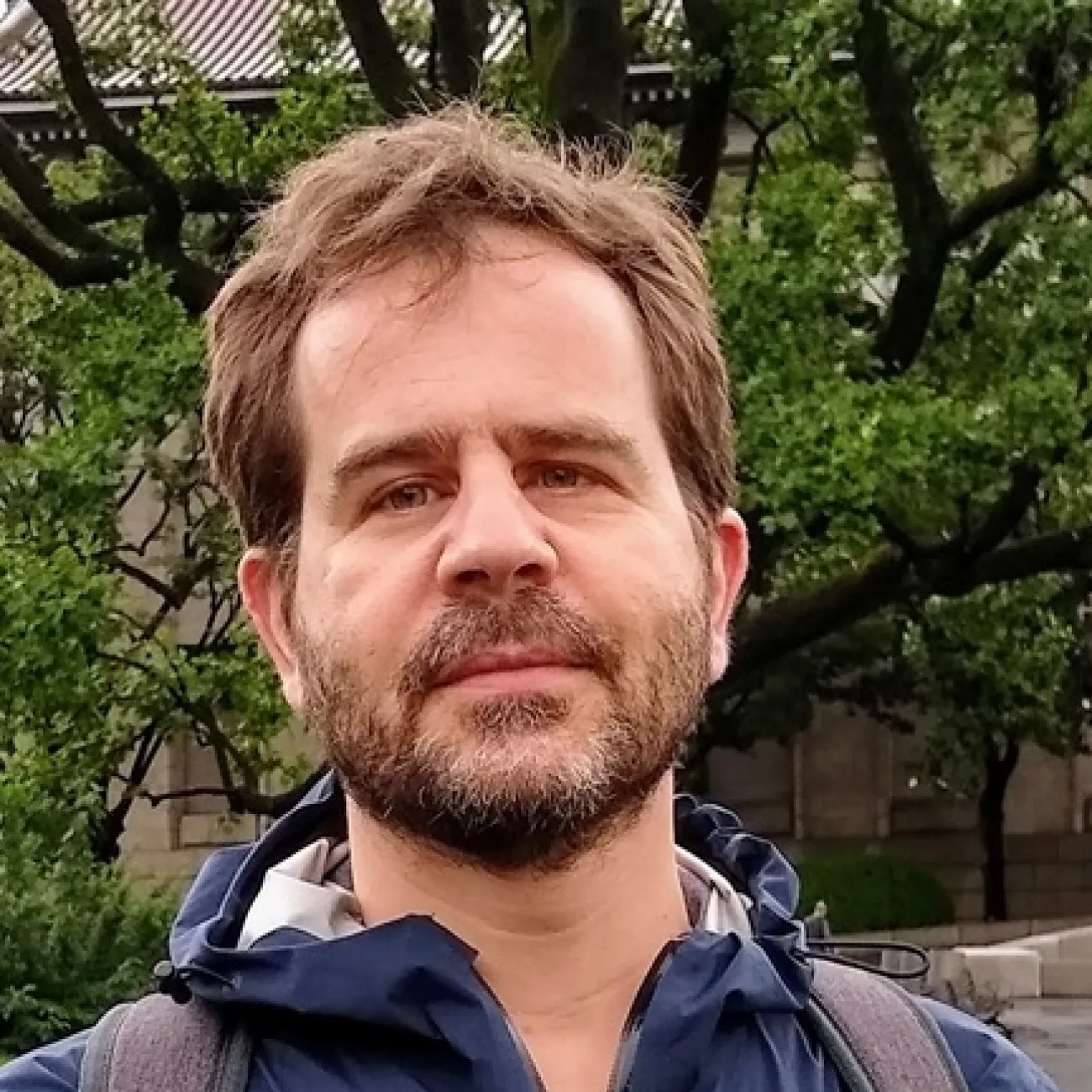
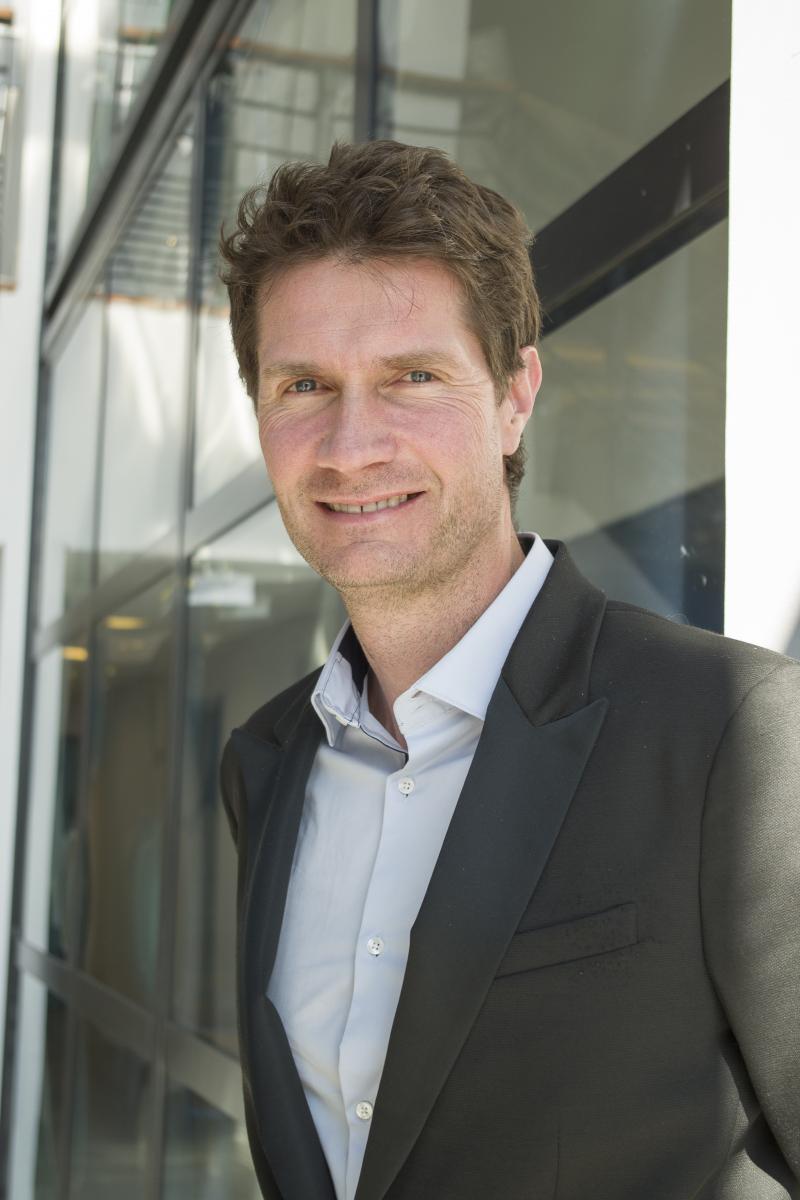
Brian Hie is an Assistant Professor of Chemical Engineering at Stanford University , a Dieter Schwarz Foundation Stanford Data Science Faculty Fellow , and an Innovation Investigator at Arc Institute . He leads the Laboratory of Evolutionary Design , focusing on the intersection of biology and machine learning . His prior roles include a Stanford Science Fellow in the Stanford University School of Medicine and a Visiting Researcher at Meta AI . Education: Ph.D. , Electrical Engineering and Computer Science , Massachusetts Institute of Technology (2021) Bachelor’s Degree , Stanford University Research Interests: Brian’s work bridges machine learning and computational biology , with a focus on protein engineering , single-cell RNA sequencing , and viral evolution . His Evolutionary velocity framework predicts protein evolutionary dynamics across timescales, while his Scanorama algorithm enables efficient integration of heterogeneous single-cell datasets. He also develops structure-informed language models for antibody optimization and uncertainty-aware ML for biological discovery. Publication Trends: His recent work (2023) emphasizes structure-based inverse folding for antibody evolution, evolutionary scale modeling , and unsupervised optimization . Earlier studies (2022-2021) cover evolutionary velocity , multi-modal single-cell analysis , and viral escape prediction using natural language analogies. Scientific Awards: Stanford Science Fellow (2021) National Defense Science and Engineering Graduate Fellowship (2019) Advising: He mentors doctoral students including Brandon Ameglio , Garyk Brixi , and Chang M. Yun , with a focus on biological design and computational methods . Labs & Collaborations: His lab collaborates with Bio-X and the Institute for Human-Centered Artificial Intelligence (HAI) , and he maintains affiliations with Sarafan ChEM-H and Stanford Data Science .
Jignesh M. Patel is a Professor in the Computer Science Department at Carnegie Mellon University , focusing on Data Management , System Efficiency (e.g., Scalable Data Platforms), and Human Efficiency (e.g., LLM-Based Query Interfaces). His work bridges Database Systems , Machine Learning , and Human-Computer Interaction . Co-founder of four startups: Paradise (1997), Locomatix (2007), Quickstep (2015), and DataChat (2017). Member of SIGMOD 2025 (AE) , CIDR 2024 (Co-Chair) , and other program committees. Research Interests include efficient data analysis algorithms , LLM-based data interaction , and systems security . His group develops platforms combining scalability and user productivity . Scientific Awards include Best Paper Awards at SIGMOD and VLDB, and Fellowships from AAAS, ACM, and IEEE. He also received Teaching Awards at CMU. Professional Activities feature co-founding startups , serving on program committees , and teaching courses like Database Systems and Advanced Database Systems at CMU.
Dr. Zara Ersozlu is a Senior Lecturer in Mathematics Education within the School of Education at the University of Newcastle, Australia. With a distinguished international career spanning multiple continents, she has held academic positions at prestigious institutions including North Carolina State University (USA), Gazi and Gaziosmanpasa Universities (Turkey), National Taiwan Normal University (Taiwan), The University of Western Australia, Murdoch University, and Deakin University. Her academic journey includes tenured positions as an Associate Professor and leadership roles as Department Head and Chair in teacher education disciplines. Currently, she teaches undergraduate and postgraduate courses in mathematics education, including Effective Pedagogies in Primary Mathematics, K-6 Mathematics, K-6 Numeracy, and Digitally Supported Learning. Dr. Ersozlu earned her Doctor of Philosophy from Firat University in Turkey and her Master of Art from Sakarya University. Her extensive academic preparation is complemented by five years of practical teaching experience in public schools prior to entering academia. This blend of theoretical knowledge and practical classroom experience informs her approach to teacher education and educational research. At the broadest level, Dr. Ersozlu's research investigates solutions to real-life problems impacting people's well-being, success, and capacity to achieve. Her scholarly work spans primary and secondary mathematics education, the psychology of mathematics (including metacognition, self-regulation, and anxiety), cross-cultural educational studies, teacher education, virtual simulated learning environments, and educational assessment. She has increasingly focused on the transformative potential of AI and machine learning in education, exploring how these technologies alter teaching, learning, and research processes. Her methodological expertise encompasses both quantitative and qualitative approaches, allowing her to effectively analyze both small and large educational datasets. Analysis of Dr. Ersozlu's recent publications reveals a strong emphasis on mathematics anxiety, teacher education, and the integration of technology in learning environments. Her work demonstrates a consistent focus on practical applications of educational research to address real-world challenges in mathematics education. The interdisciplinary nature of her research connects educational psychology, technology integration, and cross-cultural perspectives, with particular attention to how these elements intersect in teacher preparation and student learning outcomes. 2023 ATEA Research Recognition Award from the Australian Teacher Education Association 2021 Fellow of the Higher Education Academy (Advance HE, UK) 2010 Fellowship Program for Postdoctoral Researchers from the Council of Higher Education of Turkey Dr. Ersozlu is deeply committed to mentoring the next generation of scholars, currently supervising four PhD students and having successfully guided ten students to completion. Her grant portfolio includes significant funding for projects such as Best Practice Guidelines for RPL in Initial Teacher Education Programs ($60,000), Exploring the Reciprocal Relationship Between Mathematics Anxiety and Mathematical Resilience ($2,599), and multiple conference travel awards. She serves as an Associate Editor for several prominent journals including the International Electronic Journal of Mathematics Education and as Editor for Interdisciplinary STEM Education. Her editorial work reflects her standing as a respected voice in mathematics education research. Dr. Ersozlu's academic leadership extends to her role in developing innovative teaching approaches that integrate virtual simulation technology and learning analytics. Her work with TeachLivE™, a mixed-reality classroom simulation platform, demonstrates her commitment to creating authentic learning experiences for teacher education students. Through these initiatives, she bridges the gap between educational theory and classroom practice, preparing future educators to effectively implement evidence-based teaching strategies in diverse learning environments.
Andrew Friend is a Researcher at the University of Cambridge , affiliated with the Department of Geography . His work focuses on terrestrial ecosystem dynamics, particularly the interplay between vegetation, carbon fluxes, and climate systems. He develops process-based computer models to simulate vegetation growth, competition, and carbon cycle responses, while also conducting experimental and field studies in collaboration with institutions like the Sainsbury Laboratory, NIAB, and Forestry England. Friend’s research integrates plant physiological knowledge with global vegetation modeling . Key interests include source-sink carbon interactions, physiological diversity in ecosystems, and the impact of climate extremes on forest resilience. His models address challenges such as drought, temperature changes, and deforestation, with applications in predicting future carbon balances and informing climate mitigation strategies. The 15 most recent articles highlight his contributions to understanding Amazon deforestation tipping points , wood formation mechanisms , and fire/disturbance impacts on ecosystems . These works span climate science , forest ecology , and biogeochemical cycles , emphasizing multi-scale approaches from cellular processes to global systems. Friend collaborates with institutions like Forestry England (Thetford Forest studies), Sainsbury Laboratory , and the C-CLEAR Doctoral Training Partnership . His work bridges computational modeling, experimental validation, and field data to advance terrestrial carbon cycle science.
Professor Omer Rana serves as Professor of Performance Engineering and International Dean for the Middle East at Cardiff University's School of Computer Science and Informatics. He also holds the prestigious position of Cross-Council Research Director for the UK National Edge AI Hub, demonstrating his leadership in national research initiatives. Previously, he led the Complex Systems research group and served as Dean of International for the Physical Sciences and Engineering College at Cardiff University. Professor Rana is a Fellow of both the Learned Society of Wales and the Higher Education Academy, and serves on the Advisory Board of the Welsh Ethnic Minority Professors Initiative (WEMPI). His research expertise centers on the intersection of intelligent systems and high performance distributed computing, with particular focus on applying intelligent techniques to resource management in distributed systems. His scholarly contributions span edge computing, cloud computing, Internet of Things (IoT), artificial intelligence, cybersecurity, federated learning, privacy-preserving systems, and sustainable computing. Professor Rana has published extensively in top-tier journals and conferences, with recent work emphasizing practical applications in industrial automation, smart buildings, and sustainable computing solutions. Professor Rana's publication record demonstrates consistent leadership in edge computing and distributed systems research, with a growing emphasis on practical implementations across diverse application domains. His work bridges theoretical computer science with real-world technological challenges, particularly in industrial automation, smart environments, and sustainable infrastructure. Fellow of the Learned Society of Wales Fellow of the Higher Education Academy Professor Rana actively supervises postgraduate students and has secured significant research funding for projects related to edge computing, IoT, and distributed systems. His international collaborations span Europe, Asia, and the Middle East, reflecting his global influence in the field. He serves as a sought-after keynote speaker, workshop chair, and panel moderator at major international conferences including IEEE/ACM Utility and Cloud Computing (UCC) and IEEE Edge Computing. He leads multiple research initiatives, most notably as Cross-Council Research Director for the UK National Edge AI Hub, where he shapes national research directions in edge computing and AI. His work has practical applications across industrial automation, smart building management, electric vehicle infrastructure, and sustainable computing solutions.
Keely Dugan serves as an Assistant Professor in the Department of Psychology at the University of Missouri, directing the Personality, Attachment, and Change (PAC) Lab in McReynolds Hall. She holds a PhD in Social/Personality Psychology from the University of Illinois at Urbana-Champaign (2023) and completed an NIMH T32 Postdoctoral Fellowship at the University of Minnesota (2024). Her research investigates dynamic changes in personality traits and attachment styles across time, life experiences, and social contexts. Using advanced statistical methodologies, she examines how individual differences manifest in everyday environments, emphasizing how cumulative "little moments" shape long-term development. This work bridges personality psychology, attachment theory, and contextual behavioral science. Recent 2024 publications reveal three interconnected research strands: quantifying life events' impact on personality trajectories, testing attachment theory's canalization hypothesis through within-subject variations, and conducting systematic reviews of queer/minority identities in relationship science. These studies demonstrate her interdisciplinary approach combining longitudinal analysis, computational modeling, and inclusive relationship research. Dr. Dugan's scientific recognition includes: NIMH T32 Postdoctoral Fellowship (2024) She actively recruits graduate students for Fall 2025 and teaches PSYCH 9330 (Graduate Research Methods), PSYCH 8620 (Graduate Seminar in Personality Psychology), and PSYCH 2320 (Introduction to Personality Psychology). Current projects include NIH-funded personality-environment interaction studies and development of AI-assisted coding methodologies for behavioral research. The PAC Lab, located in McReynolds Hall's Lower Level, currently spearheads a groundbreaking project analyzing 3D living room scans to predict personality traits through environmental cues. This initiative employs both human coders and machine learning algorithms to examine how physical spaces reflect and influence individual differences in attachment and personality expression.
Lars Engstrand is a Professor in infection control at Karolinska Institutet, heading the Translational Microbiome Research and Pandemic Preparedness group within the Department of Microbiology, Tumor and Cell Biology. His research spans multiple disciplines with a focus on translational microbiome research and pandemic preparedness. Engstrand's research interests center on understanding the human microbiome's role in health and disease, particularly in women's reproductive health and gastroenterology. His group has established multiple large-scale clinical studies including SweMaMi (Swedish Maternal Microbiome project), BASIC (associations between microbiota and preterm birth), VaMiGyn (Vaginal Microbiota in Gynaecological health), and several others investigating the vaginal microbiome's relationship to pregnancy outcomes, HPV infection, and cervical cancer. His team also conducts significant research on gut microbiome in inflammatory bowel disease and colorectal conditions through projects like PopCol and KOLBIBAKT. Analysis of Engstrand's most recent publications reveals a strong focus on the relationship between microbiome composition and women's health outcomes. His research consistently examines how vaginal, gut, and oral microbiomes influence pregnancy complications, preterm birth, HPV infection, and mental health during pregnancy. The work often employs large cohort studies with comprehensive sampling strategies across multiple body sites and time points, providing robust data for understanding microbiome dynamics in health and disease. Engstrand leads the Microbiome Exploration and Development for Intervention (MEDI) initiative and the National Pandemic Center (NPC) at Karolinska Institutet. The NPC conducted large-scale sequencing during the COVID-19 pandemic and has amassed over 1.5 million samples. His research group includes multiple specialized teams focusing on culturomics, bioinformatics, labcore operations, women's health research, and pandemic preparedness.
Rahul Mangharam is a Professor in the Department of Electrical and Systems Engineering at the University of Pennsylvania's School of Engineering and Applied Science, with a secondary appointment in Computer and Information Science. He directs the Safe Autonomous Systems Lab (mLAB) and is a founding member of the PRECISE Center. Mangharam serves as Penn Director for the Safety21 DoT National University Transportation Center ($20MM), Director of the Autoware Center of Excellence, and leads the F1Tenth Autonomous Racing Community. Education: Ph.D. in Electrical & Computer Engineering, Carnegie Mellon University M.S. in Electrical & Computer Engineering, Carnegie Mellon University B.S. in Electrical & Computer Engineering, Carnegie Mellon University His research bridges formal methods, machine learning, and control systems with applications in medical devices, autonomous systems, and energy-efficient buildings. Key focus areas include safety verification for autonomous vehicles, real-time control systems, and patient-specific cardiac modeling for clinical applications. Recent work explores conformal prediction for safe perception, differentiable control barrier functions, and explainable autonomous systems. Mangharam's publication trends show strong emphasis on autonomous systems safety (control synthesis, uncertainty quantification) and biomedical applications (cardiac modeling, clinical decision support). His 2022-2023 publications demonstrate cross-disciplinary approaches combining control theory, machine learning, and formal methods for robust autonomous systems. Awards and Honors: Presidential Early Career Award (PECASE) 2016 IEEE Benjamin Franklin Key Award 2014 NSF CAREER Award 2013 Intel Early Faculty Career Award 2012 National Academy of Engineers US Frontiers of Engineering (2012, 2018) Stephen J. Angelo Term Chair (2008-2013) He leads multiple major grants including NSF CAREER, DoT Safety21 Center ($20MM), DoE Energy-Efficient Building Hub ($160MM), and DARPA HACMS. Current PhD students include Zirui Zang. Mangharam founded the F1Tenth autonomous racing platform used globally for education and hosts international competitions through the Autoware Center of Excellence.
Dr. Andrea Lecchini Visintini is an Associate Professor at the School of Electronics and Computer Science , University of Southampton. He specializes in systems modelling and control with applications in aerospace engineering and biomedical domains, utilizing Monte Carlo methods for stochastic optimization. Cyber-Physical Systems Research Group Institute for Life Sciences Research Focus: His work bridges computational methods with practical applications in: Neurovascular coupling and brain tissue pulsation analysis Advanced control strategies for aerospace systems Stochastic optimization in machine learning and fault detection Medical imaging and diagnostic protocol development Publication Trends: Recent work emphasizes interdisciplinary approaches combining computational neuroscience with engineering, focusing on brain hemodynamics, MIMO system control, and data augmentation techniques for imbalanced datasets. Supervision: Currently supervising PhD student Xuankun Cai in Computer Science.
Zion Zibly, MD, MBA is an Associate Professor in the Department of Neurosurgery at Yale School of Medicine . He holds multiple leadership roles including Director of the Center of Neuromodulation , Director of the Center of Neurosurgical Cancer Pain , and Head of Stereotactic & Functional Neurosurgery and the Focused Ultrasound Institute . Previously served as Chair of Neurosurgery at Sheba Medical Center after graduating from Technion’s Faculty of Medicine (MD) and Coller School of Management (MBA). Research Interests: Specializes in Neuromodulation for movement disorders (Parkinson’s, tremors, dystonia), Deep Brain Stimulation , Gene Therapy for pediatric neurodegenerative conditions, Oncological Neurosurgery , and Neurological Pain Management . Combines Functional Neurosurgery with Focused Ultrasound technology. Scientific Contributions: Participated in pioneering Alzheimer’s brain stimulator procedures and Gene Therapy applications. Active member of the North American Association of Functional Neurosurgery and Israeli Neurosurgical Society . Clinical Expertise: Implantation of electrostimulators for Parkinson’s and essential tremor, treatment of Benign/Malignant CNS Tumors , and management of Neurological Pain Conditions . Affiliated with Yale Cancer Center and Center for Brain & Mind Health .
Du Changwen is a Researcher (Professor) at the Nanjing Institute of Soil Science, Chinese Academy of Sciences, serving as Deputy Director of the National Engineering Laboratory for Soil Nutrient Management. He supervises doctoral and master's students in soil science and agricultural technology development. His academic journey includes: Bachelor's degree from Huazhong Agricultural University's College of Resources and Environmental Science (1997) Master's degree from Huazhong Agricultural University's Trace Element Laboratory (2000) PhD from Nanjing Institute of Soil Science, Chinese Academy of Sciences (joint program with Technion - Israel Institute of Technology) (2003) Dr. Du's pioneering research focuses on precision fertilization technologies, particularly polymer-coated controlled-release fertilizers developed through model membrane and water-based reaction film-forming techniques. His work integrates Fourier Transform Infrared spectroscopy (ATR and PAS modes) with engineering mathematics to monitor nutrient release dynamics, soil chemistry processes, and plant nutrition in real-time. This interdisciplinary approach bridges agricultural chemistry, materials science, and environmental engineering to optimize fertilizer efficiency while minimizing ecological impact. Analysis of his 2015-2017 publications reveals a consistent emphasis on spectroscopic methods for soil-plant system analysis, with dominant themes in controlled-release fertilizer development, soil organic matter characterization, and in-situ nutrient monitoring. His work demonstrates strong cross-disciplinary integration between agricultural technology, analytical chemistry, and environmental science. His scientific recognition includes: Special Award of the First China Agricultural Science and Technology Innovation and Entrepreneurship Competition First Prize of Jiangsu Science and Technology Award First Jiangsu Youth Entrepreneurship Award Second Prize of Chinese Academy of Sciences Science and Technology Contribution Award First Prize of China Agricultural Science and Technology Award Dr. Du has secured major research funding including National Natural Science Foundation projects (key, general, youth), National '973' Basic Research Program, '13th Five-Year' R&D Plan sub-projects, '863' High-tech Program sub-projects, and Jiangsu Provincial Science and Technology Support Plan initiatives. His leadership in the National Engineering Laboratory for Soil Nutrient Management drives innovation in fertilizer technology, with significant outputs including 198 academic papers (89 SCI, 35 EI), 6 monographs, 1 international patent, 8 national patents, and 2 software copyrights. His laboratory specializes in advanced spectral analysis of soil-plant systems, utilizing FTIR-ATR and FTIR-PAS technologies for real-time monitoring of nutrient dynamics and polymer membrane reactions. Current research focuses on next-generation controlled-release fertilizers, machine learning-enhanced spectral analysis, and precision nutrient management systems for sustainable agriculture.
Matthieu Cord is a Professor at Sorbonne University and Scientific Director of valeo.ai, leading research in computer vision, deep learning, and computational cooking. He heads the MLIA team at ISIR Lab, focusing on multimodal models, transformers, and efficient architectures. Research areas include computer vision, large language models with vision, and AI-driven food analytics. Key projects: VISA-DEEP AI chair, Foundation VaViM models, and SmolVLA collaboration with Hugging Face. His recent work examines scalable multimodal models , trajectory prediction , and diffusion-based segmentation , with studies on in-context learning and biased shortcut learning in visual question answering. Articles highlight DeiT variants , fishr for OoD generalization , and STEEX for counterfactual explanations . Scientific awards include IUF Honorary Membership (2009), BMVC 2017 Best Paper, and ICIP 2018 Best Paper. As an advisor, he supervised PhD theses on topics like GAN editing , semantic segmentation , and multimodal retrieval . Current roles involve mentoring the 'Research Band' at MLIA and leading EU-funded initiatives like SCAPE. His work bridges theoretical AI exploration with practical applications in autonomous driving and food technology.
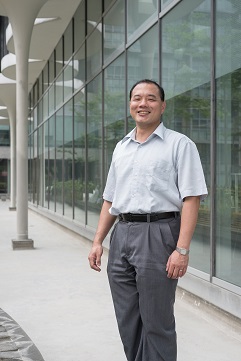
Joseph Tao-yi Wang is a Distinguished Professor in the Department of Economics at National Taiwan University (NTU). He holds a PhD from UCLA and previously served as a Postdoctoral Scholar and Visiting Associate at Caltech. His research spans experimental economics, neuroeconomics, game theory, and behavioral economics, with a focus on strategic decision-making, market design, and learning in games. Wang directs the Taiwan Social Sciences Experimental Laboratory (TASSEL), which hosts large-scale experimental research and conferences like the 2017 APESA. His work integrates eye-tracking, pupillometry, and machine learning to study cognitive processes in economic decisions. Wang is also active in educational innovation, developing flipped classroom models with experiments for economics courses. His publications consistently explore behavioral deviations from game-theoretic predictions, such as overcommunication in sender-receiver games and learning patterns in auctions. Recent work emphasizes reproducibility in management science and AI applications in education. Wang’s research uses diverse methodologies—from neuroimaging to field experiments—to test economic theories in real-world contexts. Wang mentors through NTU’s Berkeley Economics Student Assistant Program (BESAP) and organizes mini-courses for high school students. He has not received scientific awards per the available data.
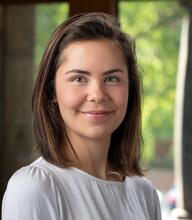
Ramina Sotoudeh is an Assistant Professor of Sociology at Yale University with a secondary appointment in Statistics & Data Science. Her research bridges sociogenomics, the sociology of culture, and social inequality, focusing on how genetic and social environments interact to shape human behavior. Education : BA in Social Research and Public Policy from NYU Abu Dhabi, PhD in Sociology from Princeton University Postdoctoral Experience : Fellow at Nuffield College, University of Oxford Ramina’s work in sociogenomics examines how institutional, relational, and genetic contexts influence health outcomes, such as smoking behavior and peer interactions. Her sociology of culture projects use relational methods to explore cultural frameworks underlying attitudes toward science, religion, politics, and marriage. She also investigates health disparities and inequality through interdisciplinary lenses. Her most recent publications analyze genomic population structure, behavioral plasticity, and computational approaches to algorithm selection. Earlier works focus on cultural attitudes, behavioral diffusion in networks, and genetic correlations with education and longevity. These studies span journals like American Sociological Review , PNAS , and Demography .
David Gesbert serves as Professor and Director of EURECOM, a leading research institution in Sophia Antipolis, France, specializing in digital sciences. Previously heading the Communications Systems Department, he now directs EURECOM while leading the Foundations & Algorithms research group within the Communication Systems Department. His leadership spans institutional administration and cutting-edge research supervision. Dr. Gesbert's research portfolio demonstrates exceptional depth across communications theory and wireless networking: Communication theory and information theory fundamentals Signal processing for wireless networks with emphasis on robustness Machine learning applications for decentralized network optimization Connected robotics and UAV-enabled flying radio access networks 6G wireless architecture with focus on AI integration Distributed decision making under information uncertainties His publication trajectory reveals a strategic evolution from classical communication theory toward AI-integrated wireless systems, particularly focusing on UAV-aided networks and connected robotics for 6G. Recent work emphasizes learning-based approaches for network optimization under asymmetric information conditions, with growing emphasis on sustainability and green communications. Dr. Gesbert's scientific recognition includes: Fellow of IEEE (2011) and Asia Pacific Artificial Intelligence Association (2021) Thomson-Reuters List of Highly Cited Researchers in Computer Science Multiple Best Paper Awards at IEEE conferences (EW 2017, ICC 2019) ERC Advanced Grant recipient for the PERFUME project on Smart Device Communications 3IA Chair funding for AI for future IoT Networks 2019 Winner of 'Fundamental research project of the year' by French SCS He actively mentors PhD students and researchers, welcoming collaboration in his research domains. His group secures substantial research funding including ERC grants, 3IA Chairs, and participation in major European projects like the WINDMILL ITN Marie Curie project on Machine Learning in Wireless Communications. Dr. Gesbert serves on editorial boards and regularly delivers keynotes at premier international conferences, establishing himself as a thought leader in next-generation wireless communications.