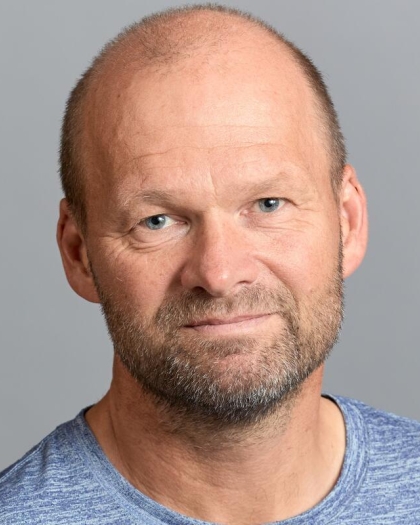
Mark MeekanView profile
Research Fellow
Dr Mark Meekan is an Adjunct Senior Research Fellow at the UWA Oceans Institute, The University of Western Australia. He holds a PhD in Environmental Sciences from Griffith University (1993), focusing on coral reef fish population dynamics. With over 30 years of expertise, his research spans tropical marine ecosystems, elasmobranch ecology, and coral reef conservation. He supervises post-doctoral and PhD students globally, contributing to projects on sharks and reef fish across the Indian and Pacific Oceans. His research interests include elasmobranch population dynamics, behavioral ecology, and threatened species conservation. He serves as Chief Specialist Editor for Frontiers in Marine Science’s Marine Megafauna section. Key areas of focus are predator-prey interactions, coral reef health, and the ecological impacts of climate change. He has authored over 300 peer-reviewed articles and led collaborative projects on marine megafauna movement, anthropogenic threats, and ecosystem resilience. Recent work highlights include studies on whale shark habitat connectivity, tiger shark distribution drivers, and the ecological consequences of predator removals on coral reefs. He actively engages in global marine conservation initiatives, emphasizing the need for evidence-based management strategies to protect marine biodiversity. His contributions extend to acoustic telemetry networks and large-scale experiments assessing seismic survey impacts on marine life. Dr Meekan collaborates internationally, with projects in Australia, Seychelles, and the Red Sea. His work addresses Sustainable Development Goals related to life below water (SDG 14), particularly marine ecosystem preservation and sustainable fisheries. Grants include studies on shark population dynamics and marine reserve effectiveness, funded by institutions like the Minderoo Foundation and WA Department of Environment. He leads datasets and projects on manta ray behavior, coral reef recovery, and whale shark collision risks with shipping. His research underscores the critical role of marine megafauna in maintaining healthy ecosystems, advocating for integrated conservation approaches to mitigate human-induced environmental changes.