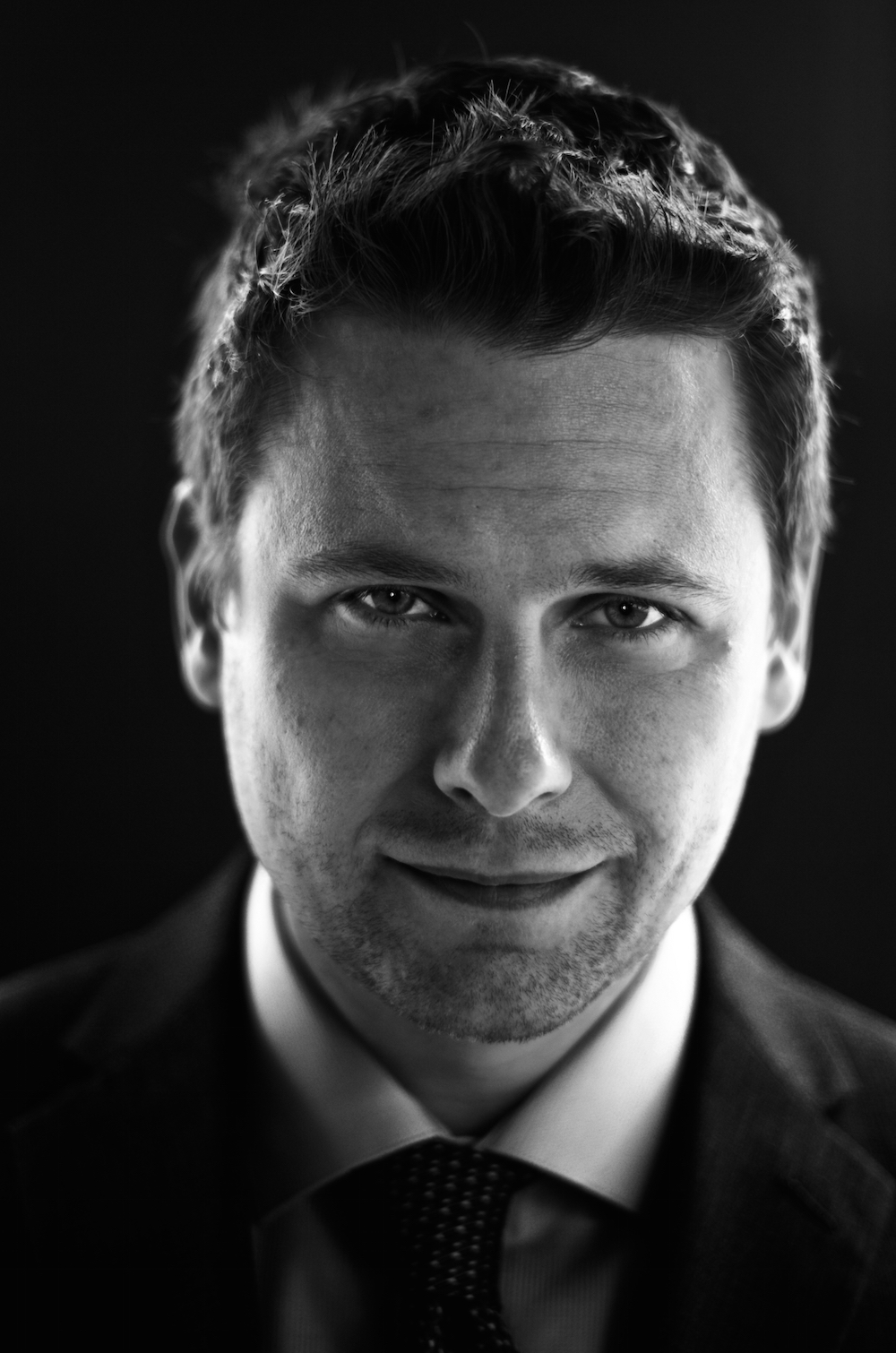
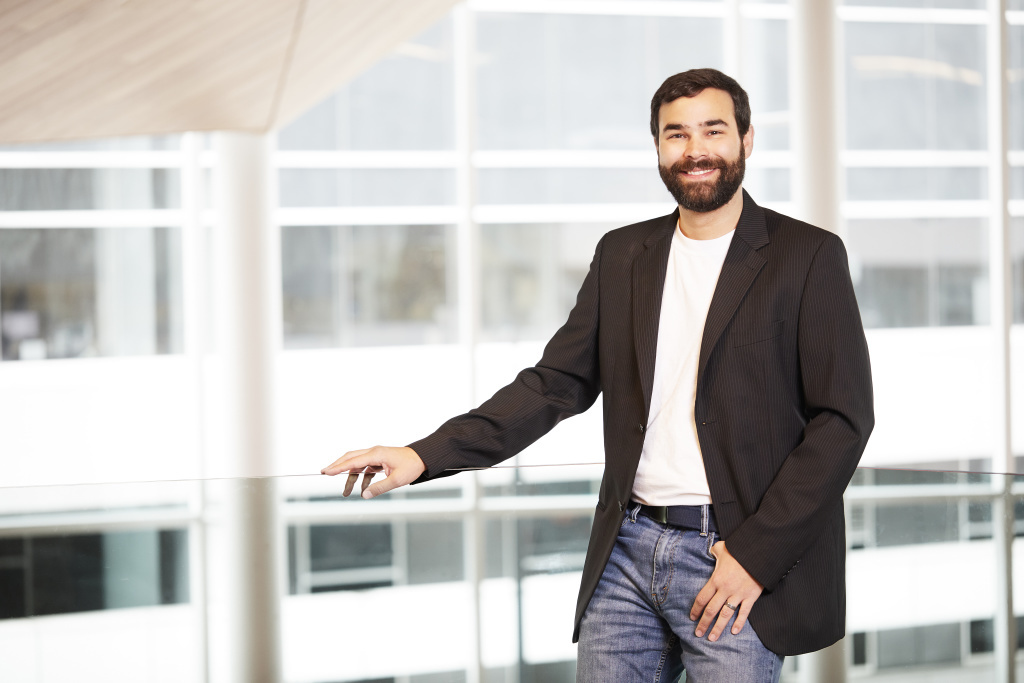
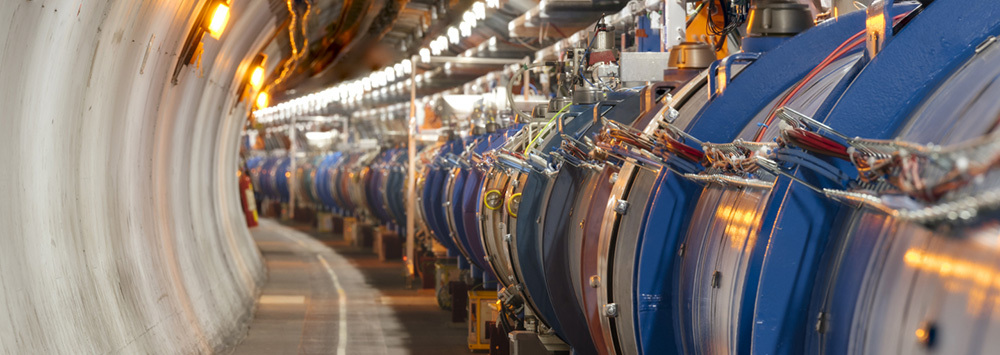
Rodrigo González is an Assistant Professor at the Department of Mechanical Engineering, Eindhoven University of Technology, since 2022. His research focuses on data-driven modeling, estimation, and control methods for high-tech precision systems, with applications in motion control and continuous-time system identification. Education: Ph.D. in Electrical Engineering (KTH Royal Institute of Technology, 2022) M.Sc. in Electronic Engineering (Universidad Técnica Federico Santa María, 2016) His work emphasizes continuous-time system identification, state-space modeling, and Bayesian estimation techniques. Key research themes include motion control tuning, multivariable systems, and noise/disturbance modeling in precision engineering applications. Rodrigo has received the Best Electronic Engineering Student Award (2016) and Best Thesis Award from Universidad Técnica Federico Santa María. He has active collaborations with institutions like Universidad Técnica Federico Santa María through visiting researcher appointments. Scientific awards include: Best Electronic Engineering Student Award (2016) Best Thesis Award (Universidad Técnica Federico Santa María)
Richard Bachmann is an Associate Professor in the Department of Mechanical and Aerospace Engineering at Case School of Engineering, Case Western Reserve University. His research focuses on biologically inspired robotics, particularly soft robotics and compliant mechanisms for improved robot mobility and agility. Education: PhD in Mechanical Engineering from Case Western Reserve University (2009) His work explores modular robotic systems, such as mesh-based worm robots, emphasizing precision movement, material compliance, and friction optimization. Recent publications highlight advancements in peristaltic locomotion and bio-inspired design principles. Bachmann holds patents pending for compliant orthotic devices and collaborates with researchers like Roger Quinn and Ronald Triolo on biomechanically driven robotics projects.
Professor Tanja Mehlstäubler holds multiple significant positions at Leibniz University Hannover within the Faculty of Mathematics and Physics. She serves on the Executive Board of the Institute of Quantum Optics, is a member of the Laboratory of Nano and Quantum Engineering, and participates in Task Group M6: Photonics and Electronics Integration. Additionally, she is affiliated with PhoenixD: Photonics, Optics, and Engineering - Innovation Across Disciplines as an Associate. Her research focuses on cutting-edge quantum technologies and precision measurement. Professor Mehlstäubler's work centers on quantum optics and quantum metrology, exploring the fundamental limits of measurement precision and developing novel quantum-based measurement techniques. Her research bridges theoretical quantum physics with practical applications in precision engineering and photonics. Professor Mehlstäubler maintains active laboratory affiliations through the Laboratory of Nano and Quantum Engineering and the PhoenixD Cluster of Excellence. Her work appears to be closely connected with the QUEST research focus (Quantum Engineering and Space-Time Research) at Leibniz University Hannover, which involves over 350 researchers working at the interface of light and gravity, space, time, and matter.
Travis L. Nicholson is an Assistant Professor of Physics at Duke University with a secondary appointment in Electrical and Computer Engineering and membership in the Duke Quantum Center. His research pioneers quantum science experiments with ultracold neutral atoms, particularly Group III elements. Education: M.S. in Physics, University of Colorado, Boulder (2011) Ph.D. in Physics, University of Colorado, Boulder (2015) Dr. Nicholson's work focuses on cooling atoms near absolute zero, optical trapping, and quantum state manipulation. His team achieved the first laser cooling of Group III atoms (indium), enabling novel quantum many-body states, quantum computing architectures, and atomic clocks with unprecedented accuracy. He also develops quantum sensors and explores theoretical proposals for novel lasers. Analysis of his 15 most recent publications (2022-2010) reveals three dominant themes: advancing optical lattice clock precision to 10 -18 levels, pioneering quantum simulation with triel atoms, and developing superradiant lasers for quantum metrology. His Group III atom research has established new quantum control paradigms. Scientific Awards: 2022 NUS Physics Breakthrough Prize for realizing the first indium magneto-optical trap Dr. Nicholson actively mentors graduate students including PhD candidates Connor Bowerman and Jinchao (recently defended), and Master's graduate Desiree Lim (now at PASQAL). His research is supported by Duke Quantum Center collaborations and industry partnerships, notably as scientific advisor to PlanQC, a leading neutral atom quantum computing company. Nicholson Labs operates within the Duke Quantum Center's Chesterfield Building, focusing on quantum computing, simulation, and metrology. The group recently relocated from NUS and maintains an active culture including university events like Duke basketball games, with ongoing recruitment for new research members.
François Pomerleau is a full-time Professor at the Department of Computer Science and Software Engineering at Université Laval since 2017. His research focuses on 3D environment reconstruction , autonomous navigation , search-and-rescue robotics , and scientific methodology in robotics . He has held postdoctoral fellowships at the University of Toronto and Université Laval, with technology transfer experience at Alstom Inspection Robotics and Robotiq. Ph.D. in Mechanical Engineering (2013) from ETH Zurich M.Sc. in Electrical Engineering (2009) and B.Ing. in Computer Engineering (2006) from Université de Sherbrooke His research integrates robotics , computer science , and environmental monitoring , with a focus on point cloud registration , Lidar-based SLAM , and trajectory planning for unstructured environments. Recent work includes UAV-assisted terrain awareness , exposure time emulation for vision algorithms , and multi-season datasets for autonomous navigation . François’s recent publications emphasize 3D mapping , SLAM robustness , and environmental adaptation across forestry, subarctic, and alpine domains. His team develops tools for autonomous vehicles , search-and-rescue , and industry 4.0 . Scientific awards include Best Robotic Vision Paper Awards at CRV 2016 and 2020, a Best Paper Award at the ICRA 2024 Workshop, and recognition as a Distal Fellow of the NSERC Canadian Robotics Network (NCRN). He collaborates with industry partners like Robotiq and serves as Associate Editor for IEEE Robotics and Automation Letters , Frontiers in Robotics and AI , and IROS , while contributing to international program committees for robotics conferences.
Arnab Nandi is a Professor of Computer Science and Engineering at The Ohio State University, with a courtesy appointment in Biomedical Informatics. He holds leadership roles including Steering Committee Member for the Human-in-the-Loop Data Analytics (HILDA) Workshop and has served as Workshops co-chair for SIGMOD 2025-26 and Demonstrations co-chair for SIGMOD 2024. His research focuses on bridging human interaction and data infrastructure, spanning database systems, human-in-the-loop data analytics, and next-generation query interfaces. Nandi's work emphasizes interactive data exploration through projects like DICE (Distributed Interactive Cube Exploration), GestureDB (Querying Beyond Keyboards), and Omni (Multimodal Data Exploration). His recent research explores integrating LLMs into database education, augmented reality interfaces for data analytics, and multimodal approaches to video querying. Nandi has received numerous honors including the NSF CAREER Award, Google Faculty Research Award, IEEE TCDE Early Career Award, and the University's Alumni Award for Distinguished Teaching. He was also named to Columbus Business First's '40 under 40' and became an ACM Distinguished Member in 2024. As an educator, he teaches courses including CSE 3241 (Introduction to Database Systems), CSE 5242 (Advanced Database Systems), and CSE 5251 (Introduction to Software Startups). His educational innovations include DBTutor, which integrates LLMs into database systems education. At Ohio State, Nandi co-founded the OHI/O Program, which fosters tech culture through hackathons, and The STEAM Factory, an interdisciplinary research collaboration network. Prior to academia, he was founder and CEO of Mobikit, a connected vehicles data analytics startup acquired by Azuga Inc. (a Bridgestone company). His research has been supported by the NSF and industry partnerships, with applications spanning precision agriculture (CropFusion), clinical data pipelines (ICARUS), and interactive visualization systems (Perceptvis).
Marta Halina is a University Associate Professor in the Philosophy of Cognitive Science at the University of Cambridge, affiliated with the Department of History and Philosophy of Science. She serves as a Senior Research Fellow at the Leverhulme Centre for the Future of Intelligence and is a Fellow of Selwyn College. Her academic journey began with a PhD in Philosophy and Science Studies from the University of California, San Diego in 2013, followed by a McDonnell Postdoctoral Fellowship in the Philosophy-Neuroscience-Psychology Program at Washington University in St. Louis before joining Cambridge in 2014. Halina's educational background includes a PhD from UC San Diego (2013) and postdoctoral training at Washington University in St. Louis. Her academic trajectory reflects a strong interdisciplinary foundation bridging philosophy, cognitive science, and neuroscience. Her research focuses on nonhuman animal cognition, mechanistic explanation, and artificial intelligence, with particular emphasis on comparative cognition and the philosophical foundations of cognitive science. Halina investigates how researchers design studies to address complex questions about animal minds, arguing that current methods in comparative cognition often face challenges with hypothesis underdetermination by empirical evidence. She advocates for additional behavioral constraints on theorizing, known as 'signature testing,' while emphasizing the need to incorporate neuroscience and biology more substantially into animal cognition research. Her work on major transitions in cognitive evolution proposes treating the evolution of cognition as a series of major evolutionary transitions to better comprehend cognitive complexity across species. Analysis of Halina's recent publications reveals a clear trajectory toward computational comparative cognition. Her work increasingly integrates AI and machine learning techniques with traditional comparative cognition approaches, exemplified by her development of the Animal-AI Testbed. This platform allows for direct comparison between AI systems, humans, and animals on cognitive tasks, revealing that while AI and children perform similarly on basic navigational tasks, children outperform AI on more complex cognitive tests requiring object permanence. Her research demonstrates how computational modeling can generate novel hypotheses about animal behavior that generate precise, testable predictions beyond what traditional experimental methods alone can achieve. McDonnell Postdoctoral Fellowship Halina directs research initiatives at the Leverhulme Centre for the Future of Intelligence, particularly focusing on the intersection of AI and animal cognition. Her work on the Animal-AI Environment has received significant funding and collaborative support, enabling interdisciplinary research that bridges computer science, cognitive science, and biology. She actively collaborates with researchers across multiple institutions to develop computational frameworks for understanding nonhuman animal cognition. Halina leads significant research initiatives through the Leverhulme Centre for the Future of Intelligence, where she develops the Animal-AI Environment—a research platform for conducting cognitive experiments with artificial agents, humans, and nonhuman animals in directly comparable, ecologically valid contexts. This environment facilitates interdisciplinary collaboration between computer scientists, engineers, biologists, and cognitive scientists, reducing the 'language barrier' between these fields and enabling cross-pollination of ideas and methodologies.
Ricardo Zednik is a Professor at the Department of Mechanical Engineering, École de Technologie Supérieure (ÉTS) in Montreal. Holding degrees from Rice University (BA, BS) and Stanford University (MS, PhD), he specializes in piezoelectric materials, fracture mechanics, and microelectronic systems. His research focuses on sensors, innovative materials, and health technologies. Fields of Interest: Piezoelectricity, Fracture Mechanics, MEMS, Smart Materials, Crystallography With over 36 peer-reviewed publications and extensive supervision of graduate research (including 15+ co-directed theses and projects since 2016), Zednik contributes to applied research in materials science and biomedical engineering. He collaborates with LaCIME and PULÉTS laboratories on cutting-edge projects involving ultrasonic transducers, flexible sensors, and high-temperature material characterization. Current courses include Materials Technology (MEC200) and advanced research topics in Functional and Smart Materials (SYS877). His students explore applications like terahertz quality control, piezoelectric earcanal sensors, and Kirigami techniques for wearable electronics.
Luigi Bruno is an Associate Professor of Machine Design at the Department of Mechanical, Energy and Management Engineering (DIMEG), University of Calabria. He has held this position since 2014, following 12 years as an Assistant Professor at the same institution and Visiting Professorships at IIT Gandhinagar (2012), University of Alabama at Birmingham (2013-2017), and Free University of Bozen-Bolzano (2021). 1999 : Master's in Mechanical Engineering, University of Calabria (110/110 cum laude) 2003 : PhD in Mechanical Engineering, University of Pisa His research interests span: Experimental Mechanics : Pioneering speckle interferometry for micro-displacement measurement and residual stress analysis. Materials Science : Elastic characterization of anisotropic materials, biomedical applications of soft substrates, and 3D-printed composites. Biomedical Engineering : Mechanical behavior of biological tissues, ocular biomechanics, and dental implant material testing. Recent research trends focus on: Integrating artificial muscles into rehabilitation devices Advancing full-field optical measurement via microCT/DVC Optimizing 3D printed polymer adhesion for industrial components Exploring neuronal biomechanics on soft surfaces Scientific contributions include: CS2007A00010 patent for dual-focus speckle interferometers Deputy Editor of Optics and Lasers in Engineering (2019-present) Guest Editor for special issues on optical methods in experimental mechanics and nanobiotechnology Academic leadership extends to coordinating Mechanical Engineering committees (2021-present), serving on editorial boards, and organizing international conferences like AIAS National Conference (2018). He has secured multiple MIUR research grants and industry collaborations with Alfagomma, 3DNA, and Ferrovie della Calabria. His laboratory, Mechanics of Materials and Structures , supports both research and teaching activities with advanced optical measurement systems and computational tools for mechanical design.
James Abbas serves as Professor of Biomedical Engineering at the University of Arkansas College of Engineering, where he develops neural engineering solutions for medical rehabilitation and exercise. His work integrates neurotechnology design, computational modeling, and human subject experimentation to advance rehabilitation systems. His academic background includes: B.S. in Bioelectrical Engineering from Brown University M.S. and Ph.D. in Biomedical Engineering from Case Western Reserve University Postdoctoral Fellowship at Shriners Hospital in Philadelphia, PA Dr. Abbas' research centers on neural engineering for rehabilitation , with expertise in neurotechnology development , computational modeling of neuromuscular systems , and experimental evaluation of rehabilitation technologies . His work bridges engineering innovation with clinical applications, particularly for Parkinson's disease and spinal cord injury rehabilitation. Key methodologies include intrafascicular electrode design, stimulation waveform optimization, and haptic feedback systems for prosthetic control. Analysis of his 2021-2025 publications reveals dominant trends in selective peripheral nerve stimulation , neural interface engineering , and personalized rehabilitation robotics . His work consistently addresses clinical translation challenges, with increasing focus on wearable military rehabilitation systems and AI-driven personalization of neurorehabilitation protocols. Professional recognition includes: Senior Member of the National Academy of Inventors Senior Member of IEEE Dr. Abbas maintains significant editorial leadership as Associate Editor for IEEE EMBS and Neural Engineering Conferences, while serving on the Editorial Boards of the Journal of Neuroengineering and Rehabilitation and Frontiers in Neuroengineering. He contributes to national initiatives as a Steering Committee member for the NIH SPARC Initiative's Data Resource Center. Though specific grant details aren't provided, his active research program and editorial roles indicate substantial funding and collaborative networks. No student advisees are listed in the source material. His research operates at the intersection of the Biomedical Engineering department and clinical rehabilitation partners, with emphasis on translating neural engineering innovations into practical rehabilitation solutions through interdisciplinary teams.
Professor Carsten Welsch is a leading physicist in accelerator science and technology at the University of Liverpool. He founded the QUASAR Group in 2008 and served as Head of the Physics Department from 2016 to 2023. His work bridges cutting-edge research in antimatter physics, beam diagnostics, and innovative accelerator design with strategic leadership in education and international collaboration. PhD in Accelerator Physics, University of Frankfurt Postdoc, Max Planck Institute for Nuclear Physics CERN Fellow (2005) His research focuses on low-energy antimatter physics , plasma wakefield acceleration , and dielectric laser accelerators , with applications in medicine and global challenges. Recent publications highlight advancements in betatron radiation modeling, positronium cooling, and plasma-driven acceleration techniques. He has secured over 25M€ in EU funding for networks like AVA and EuPRAXIA, trained 100+ Marie Curie Fellows, and founded D-Beam Ltd for beam instrumentation. Awards include the Viddy Platinum Award (2022) and Helmholtz-University YIG Award (2006). As Director of the LIV.INNO Center for Doctoral Training, he champions data-intensive science education. His outreach efforts have impacted millions globally, emphasizing discovery science and accelerator technology's societal benefits.
Dr. Carsten Flake is a researcher at the Institute of Energy and Process Engineering at ETH Zurich, where he joined the Energy and Process Systems Engineering Group led by Professor André Bardow in 2021. His work focuses on developing advanced measurement techniques for thermophysical properties using Raman spectroscopy approaches. Previously, he completed his PhD at RWTH Aachen University in Germany under the supervision of Professor André Bardow. Dr. Flake's educational background includes: Mechanical Engineering with a major in Chemical Engineering at RWTH Aachen University, Germany PhD completed in 2021 for dissertation titled 'Automated Measurement, Modeling and Interpretation of Diffusion Coefficients in Aqueous Multicomponent Mixtures' Dr. Flake's research primarily centers on leveraging Raman spectroscopy to measure thermophysical properties in chemical engineering applications. His work involves developing automated platforms for measuring vapor-liquid equilibrium, liquid-liquid equilibrium, and diffusion coefficients in multicomponent systems. He has made significant contributions to process analytical technology, particularly for bioprocess monitoring and chemical process engineering applications. An analysis of Dr. Flake's publications reveals a consistent focus on the application of Raman spectroscopy for thermophysical property measurements. His work spans from fundamental studies of diffusion phenomena to practical applications in bioprocessing and refrigeration systems. The research demonstrates a progression toward more automated and integrated measurement systems, often incorporating microfluidic technologies for improved precision and efficiency in characterizing complex chemical mixtures. At ETH Zurich, Dr. Flake has contributed significantly to planning and establishing experimental laboratories, overseeing their startup and implementation. His work supports the Energy and Process Systems Engineering Group's mission to advance sustainable process engineering solutions through innovative measurement and modeling approaches.
Molly S. Shoichet serves as a University Professor at the University of Toronto's Faculty of Applied Science and Engineering, holding the Pamela and Paul Austin Chair in Precision and Regenerative Medicine and previously the Michael E. Charles Chair in Chemical Engineering. She leads the Shoichet Laboratory (Room 514, 160 College Street) focused on biomaterials-driven solutions for regenerative medicine and drug delivery challenges. Her educational foundation includes a B.Sc. from MIT and M.Sc./Ph.D. from the University of Massachusetts. This training underpins her cross-disciplinary approach integrating engineering, chemistry, and biology to address unmet medical needs. Shoichet's research centers on four synergistic pillars: (1) Targeted cancer delivery using colloidal drug aggregates for breast, brain, lung, and lymphoma; (2) Injectable hydrogels enabling sustained biomolecule release to the CNS for spinal cord/retinal repair; (3) 3D biomimetic scaffolds modeling disease microenvironments for drug screening; and (4) Cell delivery systems enhancing stem cell survival in blindness/stroke applications. Her lab emphasizes translational impact through commercialization efforts like AmacaThera. Analysis of her 2021-2025 publications reveals accelerating innovation in RNA delivery platforms, neural repair strategies, and disease-specific hydrogel systems, with strong emphasis on pulmonary delivery, stroke recovery mechanisms, and ocular therapeutics. These works bridge nanomedicine, regenerative biology, and clinical translation across cancer and neurological disorders. Her exceptional contributions are recognized through over 30 major honors including: Gerhard Herzberg Canada Gold Medal (2020) Killam Prize in Engineering (2017) Foreign Membership in US National Academy of Engineering (2016) Fellowship in The Royal Society (2019) Officer of the Order of Canada (2018) L’Oréal-UNESCO For Women in Science Laureate (2015) Shoichet actively mentors graduate students (including OGS/QEII scholars Chris Ling, Nadiyah Khan, and Riley Li) and secures major funding from Natural Sciences and Engineering Research Council (NSERC), Canadian Institutes of Health Research (CIHR), Canada First Research Excellence Fund (Medicine by Design), Krembil Foundation, and McEwen Foundation. Her lab operates as a multidisciplinary hub collaborating with stem cell biologists, neurosurgeons, and cancer researchers to advance therapeutic pipelines. The Shoichet Lab maintains state-of-the-art facilities for polymer synthesis, cell culture, and in vivo testing, with current projects focused on RNA delivery stabilization, glaucoma treatment systems, and stroke recovery mechanisms. Her TERMIS-Americas leadership and commercialization initiatives demonstrate commitment to translating biomaterials innovations into clinical impact.
Timothy D. O'Brien is a Professor and Division Head of Comparative Pathology in the Department of Veterinary Population Medicine at the University of Minnesota College of Veterinary Medicine. He holds multiple affiliations including the Stem Cell Institute, Masonic Cancer Center, and Institute for Engineering in Medicine. Dr. O'Brien also serves as faculty for the Masters Program in Stem Cell Biology. Dr. O'Brien earned his BS, DVM, and PhD degrees from the University of Minnesota in 1976, 1978, and 1985 respectively. He is a Diplomate of the American College of Veterinary Pathologists (Anatomic Pathology, 1984). His research spans veterinary pathology, transplantation biology, stem cell research, and cancer biology with a focus on comparative pathology models. He has made significant contributions to understanding interspecies organogenesis, islet xenotransplantation, and animal models for human diseases. His work bridges veterinary and human medicine, exploring translational applications of findings from animal models to human conditions. Recent publications highlight innovative approaches to transplantation without long-term immunosuppression and studies on hemangiosarcoma biology. Dr. O'Brien's publication record demonstrates expertise across multiple disciplines including diabetes research using feline models, lung cancer heterogeneity, and innovative transplantation techniques. His work frequently involves interdisciplinary collaborations across veterinary medicine, engineering, and human medical specialties, reflecting the integrative nature of modern biomedical research. His research program involves extensive collaborations across the University of Minnesota and beyond, working on projects related to stem cell biology, cancer research, and transplantation medicine. As Division Head of Comparative Pathology, he oversees diagnostic pathology services while maintaining an active research program that contributes to advancing our understanding of disease mechanisms through comparative approaches.
Anuj Pathania serves as an Assistant Professor in the Parallel Computing Systems (PCS) group within the Informatics Institute at the University of Amsterdam's Faculty of Science. His research pioneers sustainable computing systems operating under severe power, thermal, and reliability constraints, with significant contributions to energy-efficient hardware design and embedded systems. Education: PhD in Computer Science (2018), Karlsruhe Institute of Technology MSc in Computer Science (2012), National University of Singapore B.Tech in Computer Science (2009), Maharaja Agrasen Institute of Technology Pathania's research centers on low-power design and sustainable systems for constrained environments, with particular expertise in thermal management of 3D-stacked architectures and energy-efficient machine learning inference . His work bridges electronic design automation with real-world reliability challenges, developing novel power budgeting techniques like T-TSP that incorporate transient temperature effects ignored by conventional methods. Current projects include EU-funded initiatives on energy labeling for digital services, addressing ecological impacts through technological, behavioral, and legal frameworks. His publication trajectory reveals a strategic evolution toward zero-waste computing , with recent work (2023-2025) focusing on hardware-software co-design for edge AI, energy modeling across computing continua, and parameter-efficient neural adaptation. Key themes include thermal-aware scheduling for S-NUCA many-cores, cooperative processor utilization in heterogeneous systems, and sustainability metrics for digital services. Scientific Recognition: Best Paper Award Nomination at IEEE Computer Society Annual Symposium on VLSI 2023 for 3D-TTP power budgeting technique Pathania actively mentors 4 PhD students (Ehsan Aghapour, Saeedeh Baneshi, Sudam Wasala, Yixian Shen) and has successfully supervised 5 Master's theses (including Cum Laude defenses by Joris op ten Berg and Jurre Wolff). His research is supported by major grants including Energy Labels for Ecologically Sustainable Digital Services (2023-2024) and Towards Zero-Waste Computing (2021-2025), developing simulation frameworks like HotSniper and CoMeT for thermal analysis. The PCS group maintains strong industry collaborations with ARM and NVIDIA, particularly through tools like ARM-CO-UP for heterogeneous processor utilization.