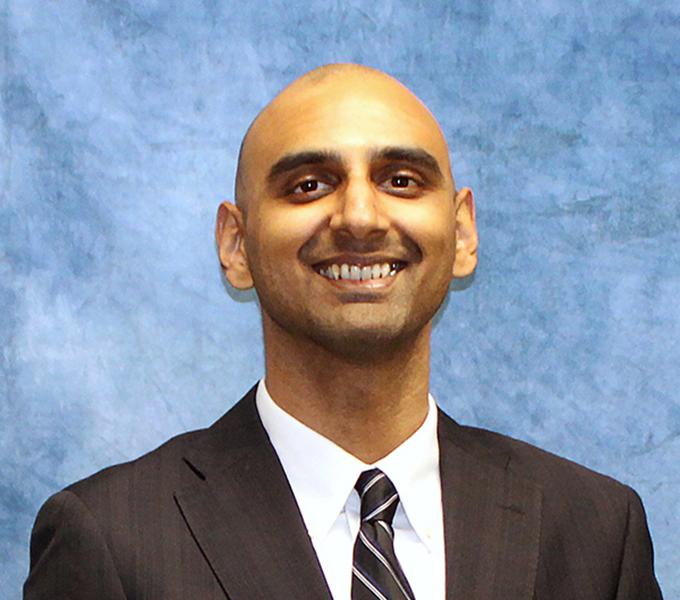
Michael S Argenyi is an Assistant Professor at UMass Chan Medical School in the Department of Family Medicine and Community Health. With a background in history (BA from Seattle University), public health (MPH from Boston University), social work (MSW from Boston University), and medicine (MD from Creighton University), his work bridges clinical practice with public health research. His focus areas include health disparities among sexual and gender minority populations, substance use disorders, HIV/AIDS, and accessibility for the Deaf community. Education: BA, MPH, MSW, MD Dr. Argenyi's research examines intersections between disability status and health outcomes, particularly in LGBTQ+ youth and college students. He investigates naloxone implementation, STI prevention, and ethical standards for Deaf medical learners. His publications span journals in public health, toxicology, emergency medicine, and medical ethics, with recent work on HIV care continuum gaps and mental health disparities. His work highlights the importance of communication access for Deaf individuals in healthcare settings and integrates social media analysis for HIV screening trends. While no formal awards are listed, his collaborations (e.g., with Melissa Anderson) and cross-disciplinary networks reflect broad impact.
LaRon E. Nelson is the Independence Foundation Associate Professor of Nursing and Associate Dean of Global Health & Equity at Yale University. He holds affiliations with the Yale Institute of Global Health and serves as a scientist at the MAP Centre for Urban Health Solutions in Toronto. He is the inaugural OHTN Research Chair in Implementation Science with Black Communities in Canada. PhD in Nursing, University of Rochester (2009) MS in Primary Care of Families, University of Rochester (2004) BS in Nursing, University of Rochester (2002) As an American Academy of Nursing Fellow , his work focuses on reducing race/sexuality-based HIV disparities through multi-level interventions. He co-founded the Central and West Africa Implementation Science Alliance (CAWISA) and leads projects addressing intersectional stigma in Canada and the U.S. His research employs Self-Determination Theory to enhance HIV care and prevention. Recent publications emphasize digital health tools (AI chatbots, mobile apps) for HIV testing/prevention, structural barriers in vaccine equity, and intersectional stigma measurement. His 2025 articles examine PrEP access in Southern U.S., augmented reality for Cameroonian youth, and racial disparities in Canadian PrEP uptake. Excellence in HIV Prevention Award (ANAC) President’s Trailblazer Award (NBNA) Nelson collaborates with institutions across the U.S., Canada, Ghana, and Tanzania . His clinical practice includes public health nursing and family nurse practitioner work in New York. Current grants include funding from NINR, NIMH, CIHR, and Grand Challenges Canada.
Dr. Sheela Shenoi is a Yale University Faculty Member with dual appointments in the Section of Infectious Diseases (Department of Medicine) and the Yale School of Public Health 's Epidemiology of Microbial Diseases department. She serves as Associate Director of Global Health at Yale Medicine and South Africa Site Director for the Global Health Scholars Program. MD from University of Connecticut MPH from Tulane University Residency/Fellowship at Yale Her research focuses on HIV/Tuberculosis prevention in resource-limited settings across South Africa, Ukraine, and Malaysia , emphasizing implementation science for real-world public health solutions. Recent studies examine: Methadone therapy in prisons and HIV care continuity Mobile pharmacy clinics for HIV/HCV testing Alcohol venue structural risks for HIV transmission Community knowledge gaps in TB prevention Older adult HIV care in conflict zones Dr. Shenoi has received national honors including the Fulbright Scholar award and NIH Fogarty International Fellowship , with additional recognition from Yale's Macmillan Center and Global Health Institute. Her clinical practice involves managing complex infectious disease cases while leading the Infectious Diseases Program at Yale Medicine.
Angela Bazzi is a Professor at the Herbert Wertheim School of Public Health & Human Longevity Science at UC San Diego. Her research focuses on HIV prevention, substance use, and implementation science, with an emphasis on marginalized populations such as people who use drugs and justice-involved individuals. She holds multiple NIH grants, including roles as Principal Investigator (PI), Co-Investigator, and MPI in studies addressing PrEP implementation, overdose prevention, and healthcare access disparities. Dr. Bazzi’s education includes a PhD in Global Health from UC San Diego, an MPH in Public Health from Johns Hopkins, and a BA in International Relations from USC. Her work spans qualitative and quantitative methods, with a focus on translating research into actionable public health policies and programs. Key areas of expertise include syringe services programs, telemedicine adaptations during pandemics, and structural barriers to healthcare. She has published extensively on overdose prevention strategies, stigma reduction, and the intersection of substance use and HIV risk. Her grants include studies on peer-led interventions for drug checking services, HIV self-testing, and optimizing PrEP delivery in syringe programs. She collaborates with institutions like the Altman Clinical and Translational Research Institute and the CDC’s HEALing Communities Study.
Shanna K. Kattari is an Associate Professor at the University of Michigan's School of Social Work with a courtesy appointment in the Department of Women’s and Gender Studies. They direct the [Sexuality|Relationships|Gender] Research Collective and identify as a white, Jewish, nonbinary, disabled, chronically ill, neurodivergent (AuDHD), polyamorous, queer fat Femme academic. As a board-certified sexologist and social justice activist, their research spans three key areas: Disability and ableism (including neurodivergence and disability justice) Sexuality and sexual health (reproductive justice, kink/BDSM, non-monogamy) Queer and trans-affirming practice in health spaces Their recent work combines community-based participatory research with arts-based methods to examine health disparities among trans/nonbinary communities across physical, behavioral, and sexual health. They also investigate weight stigma, anti-carceral pedagogy, and institutional ableism in social work education. Scientific recognition includes: 2025 : CSWE Disability Manuscript Award 2024 : AAECT Book Award for their work on trans health Kattari champions translational research that directly benefits communities and advocates for accessible academic practices. They serve on the Council on Social Work Education’s Council on Disability and Persons with Disabilities and previously co-chaired the CSWE Council on Sexual Orientation and Gender Identity and Expression.
Dr. Man E. Charurat is a Professor at the University of Maryland School of Medicine with primary appointment in the Department of Medicine and secondary appointment in the Department of Epidemiology and Public Health. He serves as the Division Director for Global Health Sciences, Global Director of the Center for International Health, Education, and Biosecurity (Ciheb), and Division Head of both Global Health Sciences within the Department of Epidemiology and Public Health and Epidemiology and Prevention at the Institute of Human Virology (IHV). Dr. Charurat earned his BS in Biochemistry and Molecular Biology from the University of Washington, followed by an MHS in Infectious Disease Epidemiology and PhD in International Health from Johns Hopkins University. His academic progression at the University of Maryland includes Assistant Professor (2004-2010) and Associate Professor (2010-2016) appointments in both Medicine and Epidemiology, before becoming a tenured Professor of Medicine in 2016. Dr. Charurat's research focuses on critical areas of HIV/AIDS, including maternal-infant HIV transmission, key and vulnerable populations, implementation science, HIV surveillance, and transmission dynamics. His work extends to HIV program implementation, health systems strengthening, and the intersection of HIV with other conditions such as non-communicable diseases. As a global health leader, he has established vibrant centers of excellence across Nigeria, Kenya, Zambia, Botswana, and Tanzania that conduct public health implementation and clinical research in infectious diseases and cancer control. Analysis of Dr. Charurat's recent publications reveals a strong emphasis on HIV prevention strategies among key populations in Africa, particularly sexual and gender minorities in Nigeria. His work spans epidemiological studies, implementation science, and health systems research, with a growing focus on the intersection of HIV with non-communicable diseases and mental health. Notably, his research increasingly addresses health disparities, stigma, and social determinants of health that impact HIV outcomes in sub-Saharan Africa. Dr. Charurat serves on numerous national and international committees including the NIH AIDS and Clinical and Epidemiology Review Panel, the World Bank-funded Center of Excellence in Public Health and Maternal-child Health, and the International AIDS Society. His contributions to the field have positioned him as a leading expert in HIV implementation research in resource-limited settings. As a mentor, Dr. Charurat has guided many African researchers who now hold important positions in universities and government agencies across Africa. He is Principal Investigator for over $200 million in grant funding from the U.S. NIH and CDC for research and training in sub-Saharan Africa. His current major grants include the NIH UG1HD113162 RISE Clinical Research Center, NIH U01CA275048 Botswana Smoking Abstinence Trial, and NIH D43TW012274 Integrated Networks of Scholars in Global Health Research Training. Through the Center for International Health, Education, and Biosecurity (Ciheb) and the Institute of Human Virology, Dr. Charurat leads multidisciplinary teams conducting impactful research across Africa. His centers of excellence model has proven effective in building sustainable research capacity while addressing pressing public health challenges related to HIV, infectious diseases, and health systems strengthening.
Jessica Sales is a Professor in the Department of Behavioral, Social, and Health Education Sciences at Emory University's Rollins School of Public Health. She holds affiliations as Co-Director of the Prevention and Implementation Sciences Core of Emory's Center for AIDS Research (CFAR) and Director of the Emory CFAR Implementation Science Hub. Her work focuses on HIV prevention, trauma-informed care, and implementation science in clinical settings, particularly targeting women and girls in the U.S. South. She also leads the RSPH Maternal and Child Health Certificate Program. Education: Dr. Sales earned her PhD and MA from Emory University and a BS from the University of Iowa. Research Interests: Her research integrates behavioral science with public health interventions, emphasizing dissemination strategies for HIV prevention (e.g., PrEP implementation in Title X clinics) and trauma-informed practices in HIV care. She has pioneered studies on clinical improvements to enhance patient outcomes, including dual protection strategies for contraception and STI/HIV prevention. Grants & Awards: She has secured funding from NIMH, CDC, and Ryan White programs, leading studies on trauma-informed HIV care adoption and clinic-based interventions. Over 200 peer-reviewed manuscripts and book chapters reflect her prolific contribution to public health literature. Labs/Teams: She directs teams at Emory CFAR and collaborates with the Committee on Psychology and AIDS (APA), contributing to policy and clinical practice guidelines.
Sean Travis Allen, DrPH, MPH, is an Associate Professor in the Department of Health, Behavior and Society at the Bloomberg School of Public Health, Johns Hopkins University. His research focuses on structural drivers of public health among marginalized populations, particularly people who use drugs. He is actively engaged in advancing harm reduction, rural health equity, and drug policy reform. Education: DrPH from The George Washington University (2015), MPH and BS from University of Kentucky (2012, 2010) Postdoctoral Training: Johns Hopkins University, Drug Dependence Epidemiology Training Program Professional Experience: Former Senior Policy Advisor, White House Office of National Drug Control Policy Dr. Allen’s research interests span rural health, HIV prevention, harm reduction, drug policy, injection drug use, overdose prevention, geospatial analyses, and epidemiology. His work emphasizes structural interventions and policy change as tools for reducing health disparities. The recent publications reflect a strong trend in harm reduction research, particularly around syringe services programs, public health vending machines, fentanyl test strips, and PrEP access among people who inject drugs. His studies frequently employ mixed methods, combining quantitative modeling with qualitative insights, and focus on underserved rural communities in Appalachia and the Midwest. Geospatial analysis is a key methodological strength in assessing healthcare access disparities. Dr. Allen has no listed scientific awards in the provided text. He has advised or collaborated with numerous researchers and institutions, though specific student names are not listed. His work is supported by active research projects, including adapting HIV prevention interventions for rural populations and implementing syringe services in Indigenous communities. He has been involved in national policy discussions, including during his tenure at the White House ONDCP. Dr. Allen leads or contributes to innovative projects such as public health vending machines and network-oriented HIV prevention, particularly in rural and Indigenous settings. His research often involves community-based participatory approaches and policy evaluation.
Nancy S. Goldstein is an Assistant Professor at the Johns Hopkins School of Nursing, with clinical practice roles at the Broadway Center for Addiction in the Department of Medicine and Psychiatry at Johns Hopkins Medical Institute. She holds credentials including DNP, MS, RN APN-BC, APRN, CNE, and RNC, and is actively involved in advancing nursing practice through education and clinical innovation. Education: Doctor of Nursing Practice (DNP) Master of Science (MS) Registered Nurse (RN), Advanced Practice Nurse - Board Certified (APN-BC), Certified Nurse Educator (CNE) Dr. Goldstein’s research and practice focus on substance use/addiction, mental health, and quality improvement in nursing care. She has pioneered work in telemedicine for addiction treatment, HIV prevention in substance use populations, and non-pharmacological pain management strategies. Her expertise spans interprofessional collaboration, simulation-based education, and women’s health. Dr. Goldstein’s recent publications highlight trends in telemedicine adaptation for substance use disorders, regulatory frameworks for mental health access, and resilience-based approaches in adolescent pregnancy and addiction. Her work demonstrates a commitment to evidence-based practice and public health innovation. Scientific Awards: MNA Superhero Award (2021) The Daily Record 2021 Health Care Heroes – NP of the Year (2021) New Nurse Faculty Fellowship (2018–2022) Stierle Exemplary Service Award (2020) Miller Coulson Clinical Excellence Award (2018) Best Conference Poster Award, ANAC 2018 Conference (2018) New Nurse Faculty Fellowship (2018–2021) Dr. Goldstein serves in leadership roles within the American Nurses Association and Sigma Theta Tau International, and her affiliations include the Johns Hopkins School of Nursing and Broadway Center for Addiction. She has contributed to nursing education through simulation design and mentorship in clinical excellence.
David Keene serves as the Kadoorie Professor of Trauma Rehabilitation at the University of Oxford and holds a Senior Research Fellowship at Lincoln College. He is also a Clinical Specialist Physiotherapist at the Royal United Hospitals Bath NHS Foundation Trust, bridging academic research with clinical practice. His work focuses on developing and evaluating complex interventions for musculoskeletal injuries, particularly in trauma rehabilitation. Professor Keene specializes in trauma rehabilitation with particular expertise in musculoskeletal injury management, clinical trial design, and complex intervention development. His research spans orthopaedic rehabilitation across diverse populations including geriatric patients, children with cerebral palsy, and athletes with sports injuries. He has developed numerous rehabilitation protocols for conditions including ankle fractures, patellar dislocations, rotator cuff disorders, and post-surgical recovery. His publication record demonstrates expertise across multiple domains including geriatric orthopaedics, pediatric rehabilitation, sports medicine, and digital health interventions. Recent work focuses on developing targeted rehabilitation protocols for specific populations and conditions, with increasing emphasis on digital health applications and personalized rehabilitation approaches. National Institute for Health and Care Research (NIHR) Postdoctoral Fellowship recipient NIHR Developing Skills Enhancement Award holder Current Chief or co-Investigator on multiple NIHR-funded multicentre clinical trials Professor Keene leads or contributes to numerous research groups including AFTER Feasibility Study, AIM Centre for Rehabilitation Research, GRASP, HIPCARE, PATH-2, PRePPeD, and SPRAINED. His work has been published in high-impact journals including Lancet, JAMA, and BMJ, with recent publications focusing on digital health applications, geriatric fracture care, and pediatric rehabilitation protocols.
Michelle A Lally is an Associate Professor of Medicine and Associate Professor of Health Services, Policy and Practice at Brown University. She is also the Director of the Brown University AIDS Program (BRUNAP) and the Associate Chief of the Medical Specialty Service at the Providence Veteran Affairs Medical Center. Her clinical expertise focuses on HIV care and immunizations, with a research emphasis on HIV prevention among youth, biomedical prevention strategies like PrEP, and HIV testing innovations. She leads key initiatives such as the Community Prevention Leadership Group within the NIH-supported Adolescent Medicine Trials Network (ATN) and co-chairs the Prevention Science Core of the Lifespan/Tufts/Brown Center for AIDS Research (CFAR). Dr. Lally earned her MD from the University of Virginia and an MSc in Epidemiology from Harvard University. Her career spans academic teaching, clinical practice, and leadership in HIV-related research. She has held significant roles in clinical trials networks, including the HIV Vaccine Trials Network (HVTN) and the IMPAACT Group. Her honors include multiple Dean's Teaching Excellence Awards from Brown University for her contributions to medical education. Her research spans HIV prevention trials, vaccine development, and policy-driven interventions to reduce health disparities. Notable collaborations include work with institutions like The Miriam Hospital and Rhode Island Hospital. Dr. Lally’s work integrates clinical care, education, and research to address HIV/AIDS across diverse populations, particularly focusing on adolescents and marginalized communities.
Dr. Tyler Wray is an Associate Professor of Behavioral and Social Sciences at Brown University's School of Public Health. His work focuses on leveraging technology to drive health behavior change, particularly in addiction and HIV prevention. He has secured over $9 million in NIH funding and teaches courses like Technology and Health Behavior Change (PHP1690) and Designing and Evaluating Public Health Interventions (PHP2355). Education: PhD from the University of South Dakota (2013). Research Interests: Digital health interventions, mobile health (mHealth), HIV/STI prevention, alcohol misuse reduction, and user-centered design. His lab develops software and devices like eTEST (a smart home HIV self-testing kit) and explores geofencing, wearables, and virtual reality for health interventions. Funded Research: Supported by the National Institute on Alcohol Abuse and Alcoholism (NIAAA) and National Institute on Mental Health (NIMH). Notable studies include pragmatic trials of HIV self-testing programs and behavioral interventions for sexual minority men. Teaching & Mentorship: Advises students in public health and technology-driven behavioral interventions. Collaborates with colleagues across departments including Medicine, Psychiatry, and Engineering. Labs/Teams: Active in the Brown-Lifespan Center for Digital Health, focusing on scalable solutions for high-risk populations through tech innovation.
Farzana Kapadia is Professor of Epidemiology and Population Health at NYU School of Global Public Health and NYU Grossman School of Medicine. Her research examines social and structural determinants of HIV/STIs and reproductive health outcomes in marginalized populations, with 20+ years' experience designing observational studies and intervention trials in urban settings globally. As Director of Undergraduate Programs, she teaches core Epidemiology courses and champions inclusive public health solutions. Her extensive publication record addresses health disparities, PrEP implementation, mental health in minority populations, and public health policy impacts. She serves as Deputy Editor for the American Journal of Public Health. Professor Kapadia's work emphasizes community-engaged research with underserved populations in both US and African contexts (Ghana, Kenya).
Dr. Aaron S Devanathan is an Assistant Professor in the Department of Pharmacy and Therapeutics at the University of Pittsburgh School of Pharmacy. He leads the Certara Academic Center of Excellence program and holds affiliations with the Clinical Pharmaceutical Sciences Center. His research focuses on antiretroviral pharmacology, HIV-associated comorbidities, and drug disposition in biological matrices to understand interactions between antiretroviral therapies and inflammatory processes. Education: PharmD, University of Pittsburgh PGY1 Pharmacy Practice Residency, UNC Hospitals PhD in Pharmaceutical Sciences Postdoctoral Training: UNC-Duke Collaborative Clinical Pharmacology T32 Program Research Interests: Antiretroviral penetration in viral reservoirs (spleen, CNS, etc.) Pharmacokinetic modeling of long-acting HIV drugs Development of adherence monitoring algorithms using dried blood spots Drug-drug interactions in HIV treatment Publications reflect expertise in: Quantitative imaging of HIV viral reservoirs LC-MS/MS methods for antiretroviral quantification Pharmacology of HIV cure strategies Grants/Advising: Actively involved in translational research bridging preclinical models and clinical applications, with a focus on optimizing antiretroviral therapies for hard-to-reach tissues. Labs/Teams: Directs the Devanathan Laboratory, collaborating with the Kashuba Lab at UNC on HIV pharmacology projects.
Yzette Lanier, PhD, is an Assistant Professor at New York University's Rory Meyers College of Nursing. Her research focuses on health promotion and disease prevention in communities of color, particularly among African American adolescents, with an emphasis on preventing HIV/STIs and unintended pregnancy. She employs health equity and strengths-based frameworks to examine how individual, social, and cultural factors shape adolescent sexual decision-making, especially within romantic relationships. Her educational background includes a PhD and MS in Developmental Psychology from Howard University, followed by postdoctoral training at the University of Pennsylvania’s Center for Health Equity Research and the Centers for Disease Control and Prevention in HIV prevention for communities of color. Lanier’s research spans adolescent sexual health, family functioning during pregnancy, depression care disparities, and couple-based HIV prevention. Her recent publications highlight qualitative and mixed-methods approaches to understanding relationship dynamics, community engagement, and intervention development. She has secured significant funding, including a $1.2 million CDC award, and her work often involves human-centered design and community-based participatory research. She is an active contributor to public discourse, with media appearances in outlets like Newsweek. Her scholarly contributions are centered on reducing health disparities through culturally tailored, developmentally appropriate interventions. American Psychological Association American Public Health Association Association of Black Psychologists Society for Research on Adolescence Lanier has been recognized with honors including a Visiting Scholar position at the Center for Interdisciplinary Research on AIDS at Yale University. She is actively involved in mentoring and training, and she accepts PhD students, indicating her commitment to developing the next generation of public health researchers. Her current active project is the Development and Pilot-testing of a Couple-focused HIV Behavioral Intervention , reflecting her focus on dyadic approaches to sexual health promotion.