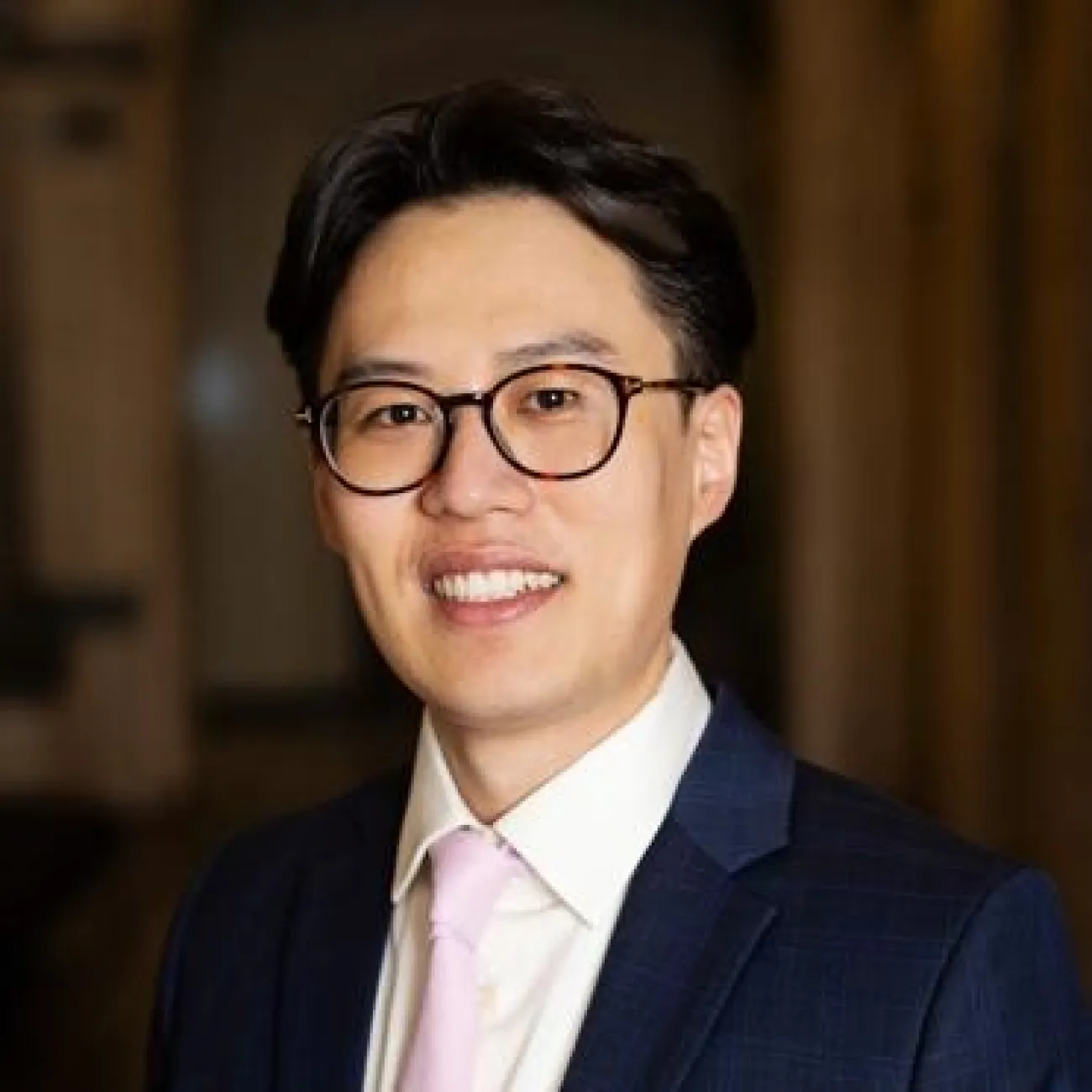
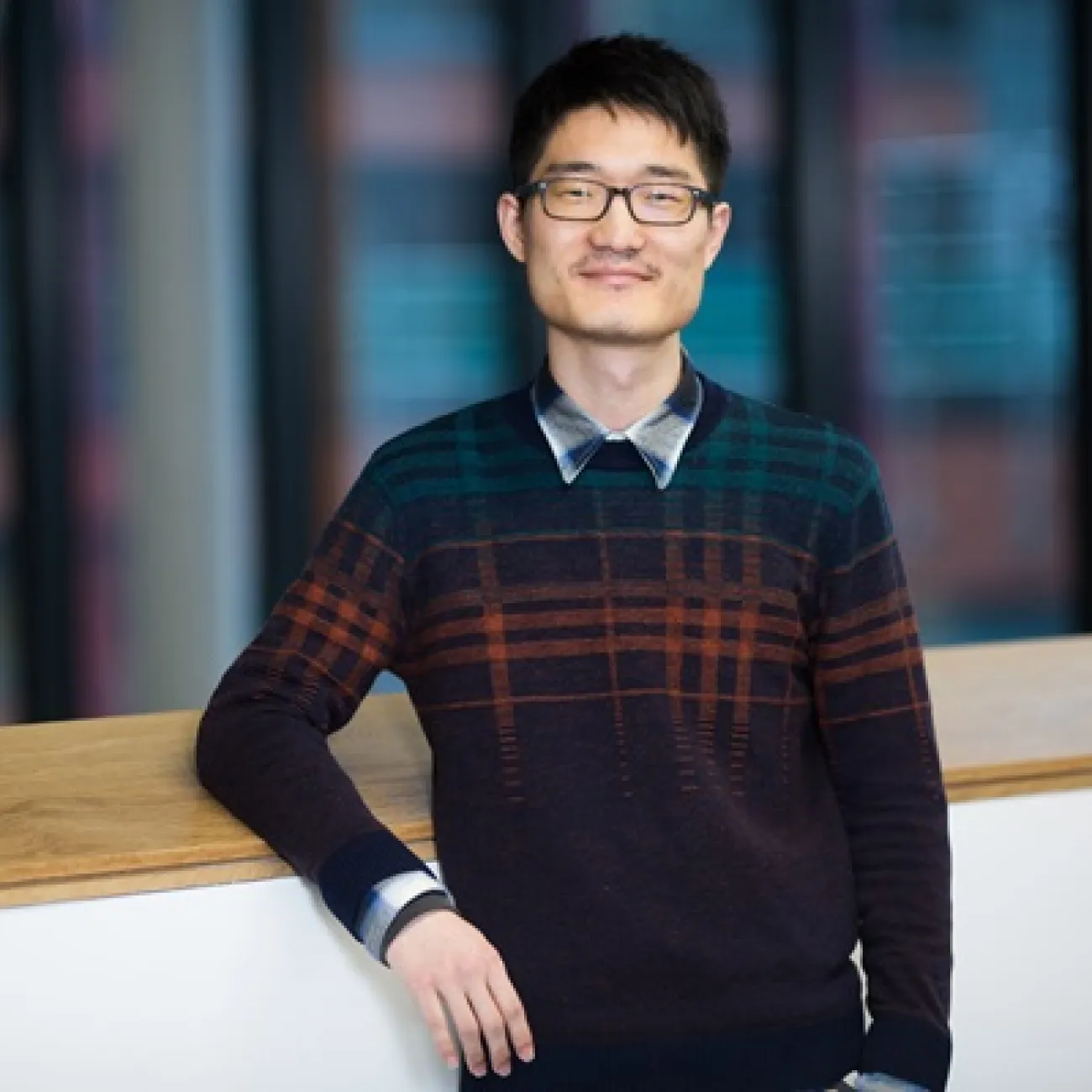
Dr Hongyu Zhang is a Lecturer in Optimization for Machine Learning and AI at the School of Mathematical Sciences, University of Southampton. His expertise spans operational research and energy systems optimization, with a focus on stochastic programming and quantum computing applications. PhD Operational Research, NTNU MSc Operational Research with Data Science, University of Edinburgh BSc Mathematics and Applied Mathematics, Huaqiao University His research develops optimization models and algorithms for large-scale energy system planning, integrating machine learning, artificial intelligence, and quantum computing tools to address complexities in energy transition and policy-making. Key areas include multi-timescale uncertainty analysis, decomposition methods, and offshore energy hub modelling. Recent publications show strong trends in energy systems optimization (7 papers), algorithm development for stochastic programming (4 papers), and quantum computing applications (2 papers). His work addresses European energy security, hydrogen infrastructure development, and carbon capture technologies. Currently accepting PhD applications, Dr Zhang contributes to academic supervision and teaches optimization methods at the university. He is affiliated with the Operational Research group and CORMSIS center.
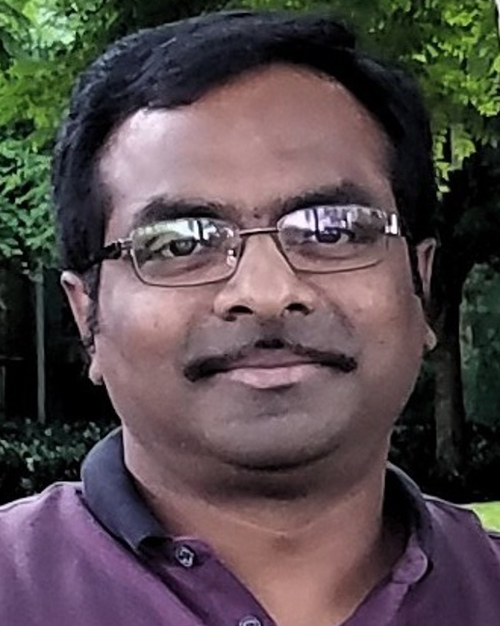
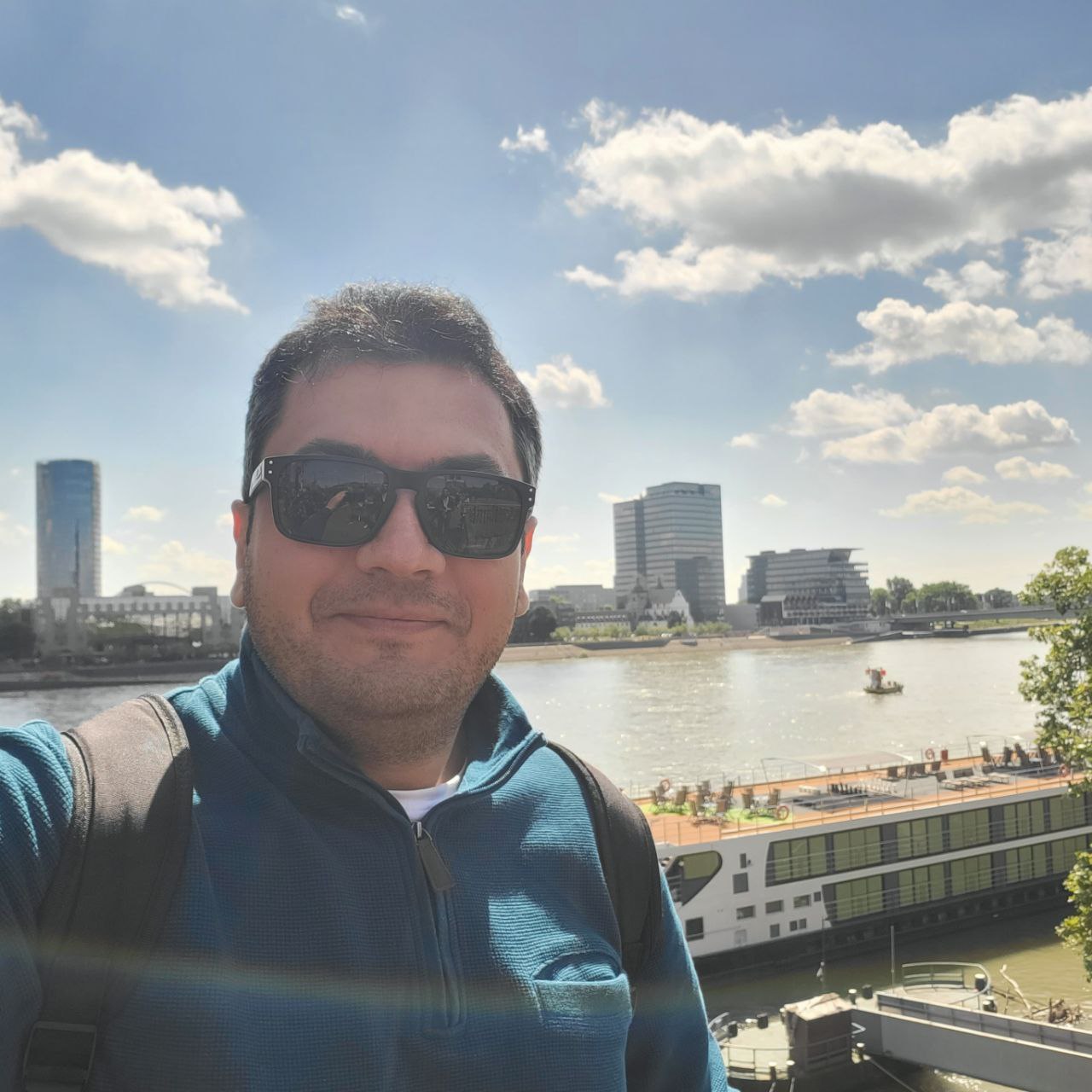
Gurunath Gurrala serves as an Associate Professor in the Department of Electrical Engineering at the Indian Institute of Science (IISc), Bangalore. His research focuses on power systems dynamics, high-performance computing applications, and renewable energy integration. He maintains active collaborations with international institutions including Oak Ridge National Lab and Texas A&M University. His research interests center on Power Systems Analysis and Control , with specialization in High Performance Computing Applications, Nonlinear and Intelligent Control, Weak Grid Integration of Renewables, Microgrid Protection, and Smart Grid Stability. His work bridges theoretical control systems with practical power grid challenges, particularly for renewable-rich grids. His recent publications demonstrate a strong interdisciplinary trend, spanning power systems (35%), control theory (25%), renewable integration (20%), and emerging applications in biomedical engineering and environmental systems (20%). Key recurring themes include grid stability under high renewable penetration, advanced protection schemes for microgrids, and computational methods for power system analysis. IEEE Power and Energy Society (PES) Outstanding Engineer Award 2018 Young Engineer Award 2015, Indian National Academy Engineers Best Conference Paper, IEEE PES General Meeting 2015 Best Ph.D Thesis Award (Prof.D.J.Badkas Medal) 2010 Elevated to Senior Member IEEE (2016) Professor Gurrala has secured competitive research funding including the Young Scientist Grant from DST (2015) and International Travel Support from SERB (2017). He actively mentors students through PhD and Master's programs while teaching advanced courses including Power System Dynamics and Control (E4 231), Computer Control of Power Systems (E4 233), and Selected Topics in Integrated Power Systems (E4 237). His research group collaborates with power utilities and international research labs on grid modernization challenges.
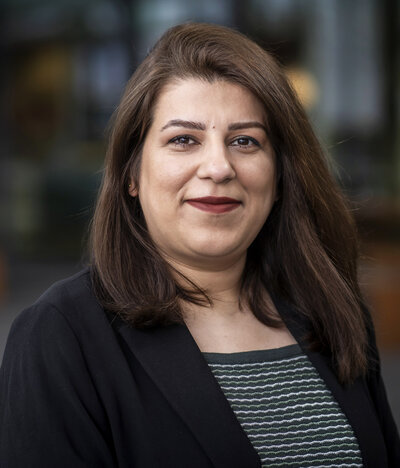
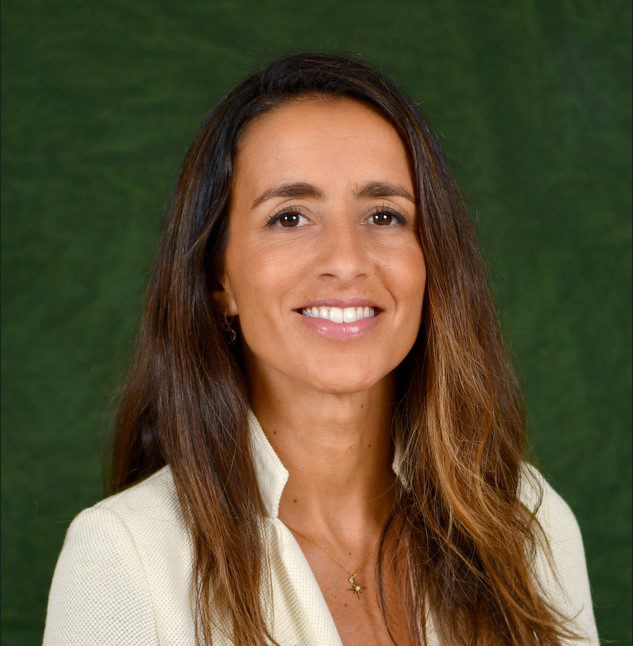
Nilufar Neyestani is an Assistant Professor in the Electrical Engineering department at Eindhoven University of Technology (TU/e), where she joined in 2023. She is affiliated with the Integrated Energy Systems team within the Electrical Engineering Systems (EES) group, focusing on multi-energy carrier perspectives of energy systems with emerging technologies and sector coupling. Her academic background includes: MSc in Electrical Engineering (Power System Studies) from Iran University of Science and Technology PhD completed in 2016 in Portugal Neyestani's research focuses on the integration of multi-energy systems, examining how different energy carriers can work together to create more resilient and efficient energy networks. Her work particularly addresses the challenges of renewable energy integration, with emphasis on wind power variability mitigation and the role of sector coupling in enhancing system flexibility. She investigates market mechanisms for multi-energy systems and the operational impacts of emerging technologies like plug-in electric vehicles on power distribution networks. Her publication record demonstrates consistent focus on energy system optimization across multiple sectors. The research shows evolution from analyzing PEV impacts on distribution networks (2018), to strategic market participation of multi-energy aggregators (2019), to wind variability mitigation using multi-energy systems (2020), indicating growing sophistication in modeling complex energy system interactions. Neyestani has held research positions at INESC TEC in Portugal, where she was promoted to senior researcher after six months, and at VITO in Belgium as a senior researcher (2021-2023) before joining TU/e. Her work has been supported by Portuguese funding agency FCT and European Regional Development Fund through the COMPETE 2020 Programme. She is actively involved in teaching Power System Analysis and Optimization and System Integration Project courses at TU/e and is a member of the Intelligent Energy Systems group and the Electrical Energy Systems (EIRES) research team.
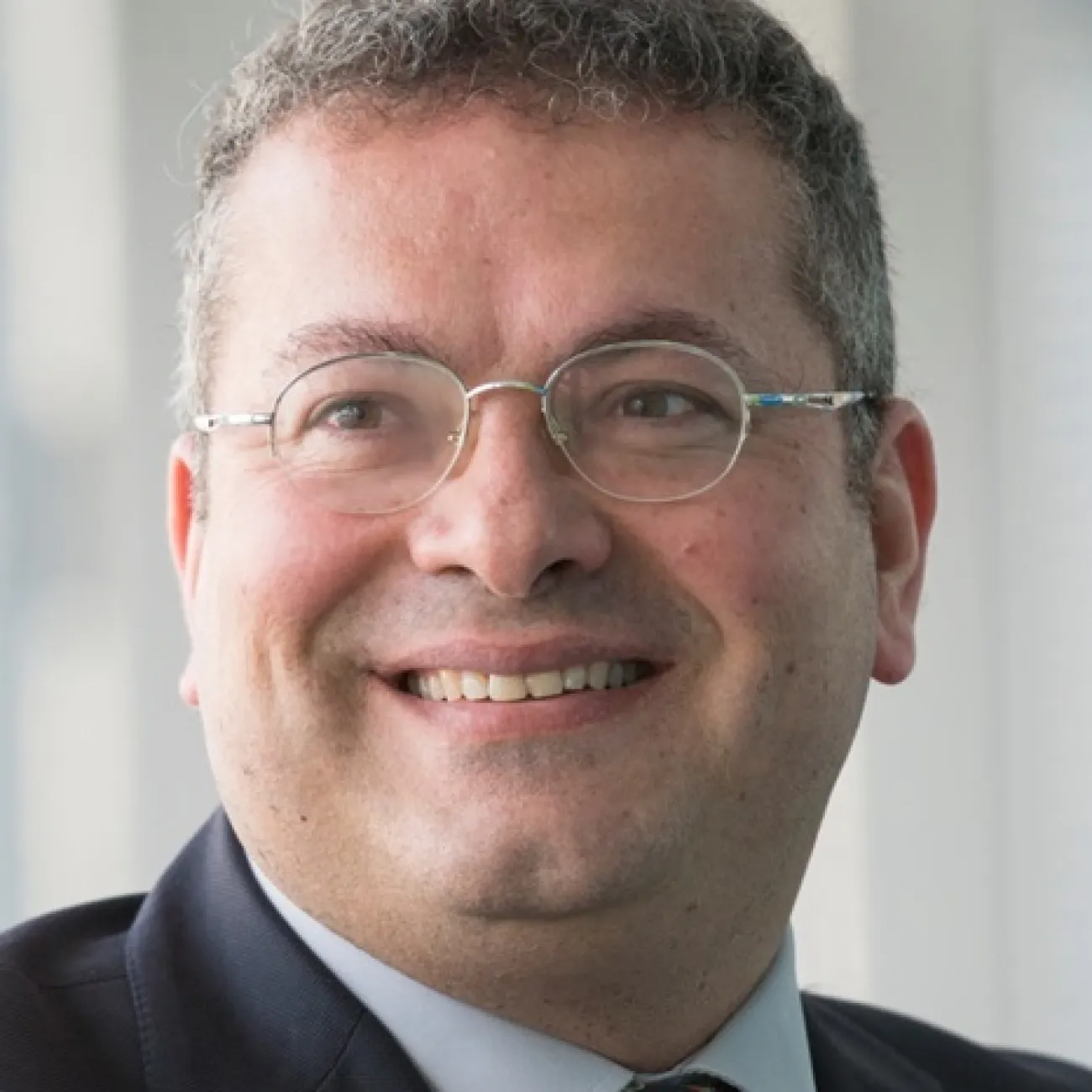
Nikolaos Paterakis is an Assistant Professor of Power System Optimization and Electricity Markets with the Electrical Energy Systems research group at the Department of Electrical Engineering, Eindhoven University of Technology (TU/e). He is the founder and principal investigator of the Electricity Markets & Power System Optimization Laboratory (EMPSOLab) established in 2019, and a member of the Cyber-Physical Systems Center Eindhoven (CPSe). His research focuses on applying optimization and machine learning techniques to power system and electricity market problems, particularly regarding renewable energy integration and smart grid technologies. Dr. Paterakis received his Dipl.Eng. from Aristotle University of Thessaloniki in 2013, followed by a PhD in Industrial Engineering and Management (cum laude) from the University of Beira Interior in 2015. After serving as a post-doctoral fellow at TU/e from 2015-2017 and working as a consultant for the Energy Market Regulatory Authority of Turkey, he was appointed Assistant Professor at TU/e in April 2017. His research spans power system optimization, electricity market design, renewable energy integration, and the application of machine learning techniques to grid management problems. Recent work emphasizes distributed energy resource integration, local electricity markets, congestion management in low-voltage grids, and real-time grid control using advanced optimization techniques. His publications demonstrate a clear trajectory toward increasingly sophisticated methods for managing grid constraints while enabling market participation of distributed energy resources. Dr. Paterakis has received several prestigious awards including IEEE SEGE'15, SEST 2019, and SEST 2020 Best Paper Awards, and recognition as a Best Reviewer for IEEE Transactions on Smart Grid (2015, 2017) and IEEE Transactions on Sustainable Energy (2016). He serves as Associate Editor for multiple journals including IET Renewable Power Generation, IEEE Systems Journal, IEEE Transactions on Intelligent Transportation Systems, and Elsevier's e-Prime. He leads multiple research projects including MEGAMIND (NWO-funded), P2P-TALES (NWO-funded), and the Electricity Markets Game series (TU/e BOOST!-program). His educational contributions include teaching courses on power system analysis and optimization, electricity markets modeling, and developing innovative educational tools for power systems education. In 2021, he was elevated to Senior Member of the IEEE Power & Energy Society.
Suleiman Sharkh is Professor of Electrical Machines and Drives at the University of Southampton within the Faculty of Engineering and Physical Sciences. His primary affiliation is with the Department of Electrical and Electronic Engineering, where he leads research in critical energy technologies. His work spans multiple interdisciplinary groups including Mechatronics Southampton, the Southampton Marine and Maritime Institute, Ocean Energy research, and Maritime Decarbonisation initiatives. Professor Sharkh's research focuses on electric machines, power electronics, and microgrids , with specialized expertise in battery management systems, energy harvesting, and electromagnetic field effects on aquatic life. His current projects investigate novel power electronic converters for grid-battery interfaces, hybrid dual-chemistry battery characterization, multi-degree-of-freedom actuators for vibration control, and electromagnetic guidance systems for fish migration. His work bridges theoretical innovation with commercial applications in marine propulsion, renewable energy integration, and electric vehicle infrastructure. Analysis of his recent publications reveals strong trends in electrification of marine systems (rim-driven thrusters, tidal turbines), advanced battery-grid interfaces (electrochemical impedance spectroscopy, hybrid chemistries), and bioelectromagnetic applications (fish behavior studies). His work consistently addresses real-world challenges in energy security, system reliability, and environmental sustainability through rigorous experimental validation. Scientific Awards The Engineer Energy Innovation and Technology Award (2008) for rim-driven marine thrusters Royal Academy of Engineering ExxonMobil Teaching Excellence Award (2013) Professor Sharkh actively supervises five PhD students while leading major research projects funded by EPSRC, Innovate UK, and industry partners. His current grants include the FEVER project on electric vehicle networks, Shark S research exchanges with China/India, and investigations into electromagnetic effects on eel migration. His laboratory work focuses on high-speed electrical machines, battery characterization rigs, and electromagnetic field exposure systems for biological studies. Future work emphasizes maritime decarbonization through integrated power electronics and machine design for zero-emission vessels.
Kevin Hughes is a Senior Lecturer in the Energy Engineering Group at the Department of Mechanical Engineering, School of Mechanical, Aerospace and Civil Engineering, University of Sheffield. He holds a PhD and first degree in Chemistry from the University of Leicester (1987) and focuses on fuel combustion, fuel cells, and process modelling in carbon capture and storage (CCS) systems. His research combines experimental and theoretical approaches, including planar laser diagnostics, quantum chemistry, and CFD simulations. Education: PhD and BSc in Chemistry from University of Leicester. Research Interests: Fuel combustion, pollutant chemistry, PEM fuel cells, CCS process modelling, catalyst development, and combustion in supercritical CO2. Grant Projects: FP7-ENERGY-2010-2 (RELCOM), Gas-FACTS (EPSRC), EP/J020788/1, EP/M001482/1 (Selective EGR), TEABPP (Energy Technology Institute). Scientific Contributions Publications: Over 50 papers on fuel combustion mechanisms, fuel cell optimization, CCS systems, and alternative fuels. Collaborations: Regular work with M. Pourkashanian, D.B. Ingham, S. Michailos, and M.S. Ismail. Technical Expertise Chemical Kinetics Validation Quantum Chemistry Applications Gas Diffusion Layer Analysis Surrogate Fuel Development Supercritical Combustion
Simon J. Watson is a Professor in the Faculty of Aerospace Engineering at Delft University of Technology, specializing in Wind Energy through the TU Delft Wind Energy Institute (DUWIND). His work focuses on advancing wind turbine technology, wind farm optimization, and renewable energy integration within the university's aerospace framework. His research spans wind turbine engineering, condition monitoring systems, atmospheric effects on energy production, and wind farm design. Key investigations include damage detection in turbine components (blades, drivetrains), simulation of atmospheric gravity waves for improved energy forecasting, and hybrid wind-storage systems for grid stability. Recent work emphasizes machine learning applications for predictive maintenance and high-fidelity modeling of boundary layer conditions. Professor Watson's 2025 publications reveal a strong trend toward AI-driven condition monitoring and refined atmospheric simulations, with consistent focus on operational reliability and damage detection across wind energy systems. His work bridges computational fluid dynamics, structural health monitoring, and energy storage integration. He actively supervises students and leads the €4.2M MERIDIONAL project (2022-2026) on multiscale wind farm modeling, developing advanced toolchains for performance assessment and load prediction. This EU-funded initiative involves collaboration with Siemens Gamesa, Vestas, and ENEL. As a core member of DUWIND, he co-develops industry partnerships and experimental facilities including wind tunnel testing and field monitoring systems for offshore wind farms. His team maintains close ties with the Netherlands Wind Energy Association and European Wind Energy Technology Platform.
Pawan Sharma is an Associate Professor at the Department of Electrical Engineering, Faculty of Engineering Science and Technology, UiT The Arctic University of Norway (Narvik Campus). He is affiliated with the Electromechanical Systems research group and the ARC research center. His research focuses on: Power system dynamics and control Distributed generation integration Microgrid optimization Smart grid technologies Reactive power control Electric vehicle-grid interaction Key research trends observed in his publications include: Hybrid microgrid control frameworks Cyber-physical co-simulation for grid applications Machine learning approaches for power optimization Integration of renewable energy sources Advanced converter control techniques Voltage stability and reactive power management He serves on the editorial boards of: International Transactions on Electrical Energy Systems Designs (MDPI) Electrical Engineering (Springer) Teaching responsibilities: Master's course: Power System Fundamentals (10 credits) Special PhD course: Distributed Energy Resources Integration (10 ECTS) Distributed Generation & Microgrids: Role and Concepts (5 credits) Research projects include: Cooperative Isolated Renewable Energy Systems (rural reliability) Hybrid Renewable Energy Micro Grid development Smart Solar PV Control Technology in Arctic regions arcICE, Arctic Energy, nICE initiatives
Dr. Paola Falugi is a Senior Lecturer in Electro-Mechanical Engineering at the University of East London and holds an honorary visiting researcher position at Imperial College London. Her expertise spans predictive control systems, data-driven modeling, and energy network optimization under uncertainty. Senior Lecturer, Department of Engineering & Construction, School of Architecture, Computing and Engineering, University of East London Honorary Visiting Researcher, Imperial College London Research focuses on: Predictive control strategies for uncertain systems Data-driven modeling for control applications Optimization methods in energy network expansion Energy management under stochastic conditions Control systems for robotics and mechatronics Recent publications highlight her contributions to: Robust co-design frameworks for building energy systems Machine learning integration in transmission expansion planning Automated scenario generation for optimal control Control strategies for residential buildings with energy storage Her work bridges theoretical advancements in control theory with practical applications in energy systems and building automation.
Maarten Blommaert is an Assistant Professor at the Department of Mechanical Engineering, Faculty of Engineering Technology at KU Leuven. He leads the Applied Mechanics and Energy conversion (TME) unit at the Geel Campus and heads the Subdivisie EnergyVille TME. His research focuses on numerical optimization of thermal systems, particularly district heating networks, additive manufactured heat exchangers, and plasma-facing components for nuclear fusion reactors. Assistant Professor, KU Leuven Head, Subdivisie EnergyVille TME Member, KIES Institute Member, Leuven.AM Institute Member, EnergyVille Blommaert's research explores three main areas: heat network optimization through automated design tools like PATHOPT, additive manufacturing of high-performance heat exchangers, and thermally resistant wall modules for nuclear fusion reactors. His work combines computational modeling with advanced manufacturing techniques to enhance energy efficiency and reduce carbon emissions. Scientific awards include collaborative research contributions in: Optimizing district heating networks for renewable energy integration Developing next-generation heat exchangers Advancing nuclear fusion reactor technology Blommaert actively supervises research projects in thermal-fluid systems and collaborates with institutions like VITO and EnergyVille. His research team IDEAL (Innovative Design for Energy Applications Lab) specializes in free-shape and topology optimization techniques for energy components and systems.
Hakan Ergun serves as an Associate Professor at KU Leuven's Faculty of Engineering Science within the Department of Electrical Engineering (ESAT). He leads the Subdivisie EnergyVille Electa - Ergun and holds key roles in EnergyVille initiatives, including membership in the Division EnergyVille and the Council of the Faculty of Engineering Science. His research focuses on power systems engineering with specialization in HVDC grid technology, renewable energy integration, and stochastic optimization. Current projects include predictive maintenance for wind farms, congestion management for offshore HVDC grids, and development of hybrid AC/DC grid software tools. His work addresses critical challenges in grid resilience, uncertainty modeling, and multi-national offshore grid coordination. Recent publications demonstrate strong trends in hybrid AC/DC grid optimization under uncertainty, with emphasis on stochastic programming, polynomial chaos expansion, and risk-based operational models. Key themes include offshore grid protection, frequency stability with energy storage, and spatio-temporal variability in power system planning. Ergun actively supervises doctoral candidates including K. Phillips and C.K. Jat. His research portfolio includes significant EU-funded projects such as CROCODILE (Cross-border Coordination of Offshore Grids) and advanced HVDC grid development initiatives with multi-year funding through 2028-2029. He directs the EnergyVille Electa subdivision focused on electrical energy systems applications, collaborating with industry partners on real-world grid implementation challenges. Current work emphasizes practical solutions for multi-GW offshore energy hubs and resilient power systems leveraging HVDC transmission flexibility.
Sajjad Fattaheian Dehkordi is a Postdoctoral Researcher in the Department of Electrical Engineering and Automation at Aalto University, Espoo, Finland. His research focuses on advanced energy management systems for modern power grids, with emphasis on distributed and transactive control approaches for resilient and efficient grid operations. His core research interests include: Power system resilience under high renewable penetration Microgrid and energy community optimization Distributed energy resource integration Electric vehicle-grid interaction and V2G systems Real-time congestion and ramping management Analysis of his 2022-2024 publications reveals a dominant trend toward multi-agent transactive frameworks addressing grid stability challenges. His work consistently targets voltage regulation, asymmetrical power flows, and ramping events in distribution systems, leveraging optimization techniques like MILP while incorporating flexibility concepts for renewable integration. Key innovations include distance-driven P2P/P2G transactions and incentive-based congestion management. No scientific awards are documented in the available records. Information regarding student advising, research grants, or leadership roles is not provided in current documentation.
Dr. Zixu Liu is a Lecturer in Decision Analytics and Risk at Southampton Business School, University of Southampton. He focuses on applying machine learning and optimization techniques to business analytics problems, particularly in decision-making, smart grids, and industrial systems. PhD in Computer Science, University of Manchester (2013-2017) MSc in Computation and Game Theory, University of Liverpool (2012-2013) BSc in Computer Science and Technology, Jilin University (2007-2011) His research integrates advanced algorithms with cloud/web-based information systems to solve real-world challenges in multicriteria decision-making, electricity market pricing, and computer vision applications. Current projects emphasize industry transferability through API-driven solutions. Recent publications highlight diverse applications including: Smart grid optimization and demand response Hesitant fuzzy linguistic decision models Industry 4.0 collaboration platforms Deep learning benchmarks for object counting Wireless mesh network architecture He actively supervises PhD students and teaches undergraduate courses on spreadsheets, databases, algorithmic thinking, and data visualization.
Valentina Cecchi is Associate Professor of Electrical and Computer Engineering and Associate Director of the same department at the University of North Carolina at Charlotte (UNC Charlotte), where she has been a faculty member since 2010. She previously served as Graduate Program Director and Associate Chair of the department from 2019 to 2024. Education background: Ph.D. in Electrical Engineering, Drexel University, Philadelphia, PA Research interests center on electric power systems modeling and analysis, with particular emphasis on optimization of transmission and distribution system planning and operation, grid-enhancing technologies, dynamic line rating of transmission lines, and the integration of renewable and distributed energy resources. Her work spans power system protection, resilience, data-driven analytics, and pedagogical innovation in power engineering education. A consistent thread in her recent publications (2023-2025) is the application of advanced analytics and machine learning to improve real-time monitoring, protection, and restoration of active distribution networks. A complementary focus is the development and evaluation of modern educational methodologies to prepare students for emerging challenges in power and energy systems. Scientific awards: William States Lee College of Engineering Graduate Teaching Excellence Award (2022) Advising & grants narrative: While specific PhD/Master’s students are not listed in the provided text, Dr. Cecchi’s service as Graduate Program Director and her active publication record with student co-authors suggest significant mentoring activity. She has led NSF-supported curriculum updates and educational research efforts, and her work on distribution system resilience, renewable integration, and protection coordination has been funded by multiple agencies and industry partners. Laboratory & teams: Dr. Cecchi is affiliated with the EPIC building (Energy Production and Infrastructure Center) at UNC Charlotte, specifically office 1224, and contributes to the university’s power and energy systems research infrastructure.
Professor Vassilios Angelidis is a distinguished academic in the field of Electrical Engineering, currently serving as a Professor at the Department of Electrical and Computer Engineering of Democritus University of Thrace. He joined the university in June 2024, bringing with him extensive international experience from prestigious institutions including the University of Glasgow, University of Sydney, University of New South Wales (UNSW), and the Technical University of Denmark. Professor Angelidis received his educational foundation with a degree in Electrical Engineering from Democritus University of Thrace, followed by a Master of Applied Science from Concordia University in Canada, and a PhD from Curtin University in Western Australia. He further enhanced his expertise with an MBA from Curtin Graduate School of Business. His research interests span Power Electronics, Renewable Energy Sources, Electrical Power Systems, and Autonomous Electricity Networks. Professor Angelidis has made significant contributions to the development of advanced power conversion techniques, grid integration of renewable energy sources, and the application of artificial intelligence in power system analysis and prediction. His work has been instrumental in advancing the field of smart grid technologies and sustainable energy systems. An analysis of his recent publications reveals a strong focus on power electronics applications in renewable energy integration, particularly in photovoltaic systems and electric vehicle charging infrastructure. His research demonstrates expertise in developing advanced algorithms for power system monitoring and control, with particular emphasis on frequency estimation, phase angle calculation, and power quality enhancement in modern grids with high penetration of distributed energy resources. Among his notable scientific achievements, Professor Angelidis has been recognized as an IEEE Fellow for his significant contributions to power electronics and the conversion and integration of renewable energy sources into power grids. He has also received the prestigious Advanced Research Fellowship for young researchers from the Engineering and Natural Sciences Council of the United Kingdom. Throughout his career, Professor Angelidis has secured research funding from various organizations across Australia, the United Kingdom, Denmark, China, India, and Malaysia, as well as industry partners with global reach. He has served on the International Councils of Beijing Jiaotong University and Universiti Tenaga Nasional (UNITEN), and currently holds the position of Vice President-elect of the IEEE Power Electronics Community. At Democritus University of Thrace, Professor Angelidis is affiliated with the Electrical Machines Laboratory within the Energy Systems Sector, where he leads research on Control and Diagnostic Methods of Electrical Machines. His current work focuses on advancing the integration of renewable energy sources into electrical power systems while maintaining grid stability and reliability.