Vera Popovich is a researcher in the Department of Mechanical Engineering at Delft University of Technology and a member of Team Vera Popovich. Her work focuses on advanced manufacturing techniques and material behavior analysis. Education: MSc in Engineering (implied PhD) Her research spans additive manufacturing, microstructure engineering, and material degradation mechanisms: Specializes in additive manufacturing processes and their impact on material microstructure. Investigates hydrogen embrittlement in high-strength steels. Pioneers texture control for corrosion resistance in NiTi alloys. Studies fatigue crack propagation in bi-material systems. Recent publications highlight computational modeling of grain structures, interface mechanics in wire-arc additive manufacturing, and advanced characterization techniques for material degradation. She contributes to editorial activities as an editor for Applied Sciences . Scientific Awards: 2012 Poster Prize: X-ray diffraction stress analysis in silicon solar cells She collaborates on projects like the Rhizome initiative (2021-2022) for off-Earth habitat robotics and participates in public engagement, including a 2023 media feature on Delft's 3D-printing lab.
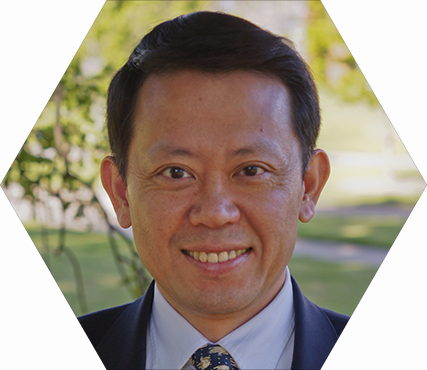
Steven Y. Liang , Regents' Professor at the Georgia Institute of Technology 's Woodruff School of Mechanical Engineering, focuses on precision manufacturing , additive manufacturing , and materials-driven process optimization . His research program bridges materials science and computational mechanics to develop predictive models for advanced manufacturing systems. Ph.D., University of California, Berkeley (1987) M.S., Michigan State University (1984) B.S., National Cheng-Kung University, Taiwan (1980) Dr. Liang's work emphasizes physics-based modeling of thermal-mechanical interactions in machining and additive manufacturing, particularly for Ti6Al4V and Inconel 718 alloys. Recent publications highlight tool wear prediction , laser-assisted micro-milling , and residual stress modeling using machine learning and analytical mechanics. His research has been recognized with the ASME Milton C. Shaw Manufacturing Research Medal (2016) , SME Gold Medal (2021) , and Outstanding Lifetime Service Award of NAMRI/SME (2021) , among others. Funded by federal agencies and aerospace/automotive industries, his work provides scientific foundations for process planning and optimization.
Dr. Daniel Weber is an Assistant Professor in the Department of Chemistry and Chemical Engineering at Chalmers University of Technology, specializing in Energy and Materials. His research focuses on synthesizing novel inorganic layered materials for energy storage/conversion applications, including electrocatalysts and quantum materials. He leads the Daniel Weber Research Group, which combines high-temperature and soft-chemistry synthesis techniques with advanced characterization methods like X-ray diffraction. Dr. Weber earned his PhD from the Max-Planck-Institute for Solid State Research in Stuttgart, followed by postdoctoral work at Ohio State University (USA) and a research associate position at the Karlsruhe Institute of Technology. In September 2023, he established his independent research group at Chalmers, supported by a fellowship from the Wallenberg Initiative for Materials Science for Sustainability. His research interests span layered bulk materials, 2D magnets, water oxidation catalysts, CO₂ utilization systems, and ionic conductors. Recent work emphasizes defect engineering in cathode materials and strain-tuning of magnetic properties in 2D systems. Key achievements include contributions to LiNiO₂ cathode optimization, W-doping strategies, and magnetic behavior analysis in twisted bilayer CrI₃. His publications reflect expertise in materials synthesis, electrochemistry, and quantum phenomena. Dr. Weber collaborates actively on thesis projects and industrial partnerships, offering supervision opportunities at all academic levels. His group's lab facilities include specialized equipment for operando X-ray diffraction and advanced materials characterization.
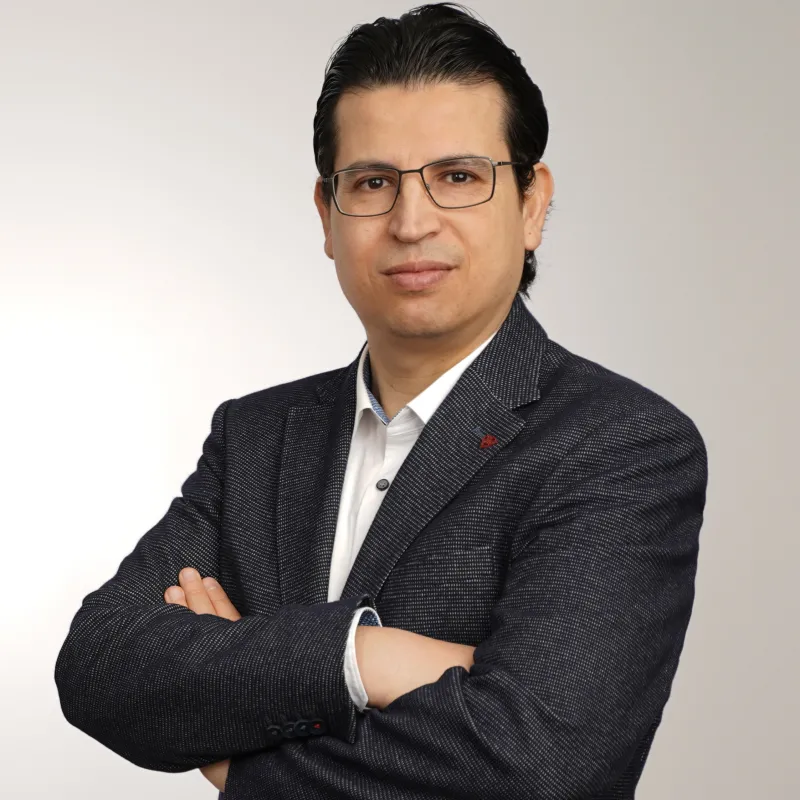
Alborz Shokrani Chaharsooghi is a Professor at the University of Bath's Department of Mechanical Engineering. He leads research in advanced manufacturing technologies, with a focus on sustainable and circular manufacturing, innovative machining processes, and digital manufacturing systems. He is actively involved in projects funded by EPSRC, Innovate UK, and EU Horizon, including initiatives like the Made Smarter Innovation Centre for People-Led Digitalisation and the I-Break ATI with Airbus collaboration. Education: Doctor of Philosophy in Mechanical Engineering (University of Bath, 2014) Research Interests: His work bridges traditional manufacturing with emerging technologies, emphasizing cryogenic machining of titanium alloys, additive manufacturing optimization, and machine learning applications in intelligent manufacturing. Recent projects explore energy-efficient processes and data analytics for process monitoring. Grants & Projects: EPSRC-funded research on additive layer manufacturing of high-performance alloys Horizon Europe-funded Twinning IZTECH in Robotics Manufacturing Systems Innovate UK project on cost modeling for additive manufacturing Teaching: Specializes in manufacturing processes, discrete event simulation, and optimization techniques for engineering systems.
Professor Christopher Berndt is a Distinguished Professor in Surface Science and Engineering at the School of Engineering, Swinburne University of Technology, where he joined in 2008 as the founding professor of this discipline. He previously held founding professorships at James Cook University and was a tenured professor at Stony Brook University, USA, where he remains an Adjunct Professor. He also served as a Fellow at NASA-Lewis Research Center, working on thermal barrier coatings. His leadership in professional societies includes serving as President of the Thermal Spray Society (ASM) and being inducted into the Thermal Spray Hall of Fame in 2007. His research interests center on materials engineering , particularly surface science , thermal spray technologies , high-entropy alloys , and coatings for extreme environments . He also contributes significantly to biomedical engineering through bioactive coatings and clean energy via advanced materials for batteries and hydrogen technologies. His work bridges fundamental materials science with industrial applications in aerospace, energy, and manufacturing. The recent publications reveal a strong focus on advanced thermal spray techniques such as HVOF and HVAF, development of high-entropy and medium-entropy alloys, and innovative coating applications in energy storage, corrosion resistance, and high-temperature protection. His research consistently emphasizes microstructural control, phase stability, and mechanical performance under extreme conditions. Inducted into the Thermal Spray Hall of Fame (2007) Fellow of the Australian Institution of Engineers Fellow of ASM International Fellow of The Institution of Metallurgists (UK) Fellow of ASME, ACS, and ACerS Chartered Engineer (UK) Professional Engineer (Australia) Member of the College of Bioengineers (Australia) Professor Berndt actively supervises numerous PhD students, with current projects on high-entropy alloys, internal pipe coatings, and biomedical surface engineering. He has secured extensive research funding from organizations including the Australian Research Council (ARC), Department of Defence, Office of Naval Research (US), and industry partners such as Entromat and Amaero Engineering. He leads major initiatives such as the ARC Training Centre in Surface Engineering for Advanced Materials (SEAM) and has contributed to commercialization projects in space vehicle manufacturing. He is the Founding Editor and now Editor Emeritus of the Journal of Thermal Spray Technology and has edited over 10 conference proceedings. His research network spans across Australia, the USA, and Thailand, reflecting a strong international collaborative footprint in advanced materials research.
Claire Gaiani is a full Professor at the University of Lorraine, leading the Laboratoire d'Ingénierie des Biomolécules (LIBio). With an ORCID iD: 0000-0003-0434-8453 , she focuses on sustainable food ingredient development from agroresources and food-waste, specializing in the formulation of bioactive compounds (probiotics, glycans, PUFA, flavonoids) into functional powders through industrial-academic collaborations. Habilitation to supervise research (2012, University of Lorraine) PhD in Food Science (2006, University of Lorraine) Engineer (M.Sc.) from ENSAIA (2002, University of Lorraine) Her research combines atomic force microscopy (AFM), XPS analysis, and industrial partnerships (Nestle, Arla Foods) to optimize dairy and plant-based powder properties. Recent work explores cryogel monoliths for probiotic delivery, plant seed gums as structuring agents, and maltodextrin surface characterization. Key scientific contributions include: Over 140 peer-reviewed papers (90% Q1 Food Science/Chemistry/Biophysics) 2 book editions ( Engineering Plant-Based Food Systems , 2023; Atomic Force Microscopy for Food Research , 2023) 10 book chapters 2 patents (FR2807932A1, FR2112358A) 65 international lectures (17 invited) Honors include: 2023 Grand Prix en Sciences Lorraine-Luxembourg 2015 IUF junior member (5-year term) 2011 Marcel Loncin Prize 2014 NIZO Dairy Conference keynote She supervises 9 postdocs and 15 PhD students, and serves on the European Bioencapsulation Research Group board. Her work drives innovations in powder rehydration, probiotic encapsulation, and sustainable food systems through the Agria Grand Est association.
Cecilia Persson is a Professor at Uppsala University in the Department of Materials Science and Engineering; Biomedical Engineering. She leads the BioMaterial Systems (BMS) research group within the Division of Biomedical Engineering, focusing on the development of new biomaterials through additive manufacturing. She also directs a Competence Centre in Additive Manufacturing for the Life Sciences and the national Research Technology Platform WISE Additive. 2018, Professor in Materials Science, Uppsala University 2015, Docent (Assoc. Prof.) in Engineering Science with Specialization in Materials Science, Uppsala University 2009, PhD in Mechanical Engineering, University of Leeds 2004, MSc in Materials Engineering, European degree (EEIGM) with triple diploma Persson's research focuses on biomaterials, biomechanics, materials science, and additive manufacturing. Her work takes an integrated approach to solving clinical and sustainability problems, combining materials science, mechanical and biological engineering with new technologies like 3D printing and machine learning. Key research areas include magnesium-based alloys for bone substitutes, titanium-based alloys for permanent implants, and machine learning methods to enhance manufacturing efficiency. Analysis of her recent publications shows a strong emphasis on additive manufacturing of biomaterials, particularly magnesium and titanium alloys. Her work explores microstructure control, mechanical properties optimization, antibacterial properties, and patient-specific implant design. The research demonstrates a clear trajectory toward more sustainable, patient-adapted medical solutions using advanced manufacturing techniques. Persson has received funding from prestigious organizations including the Swedish Research Council (VR), the Knut and Alice Wallenberg Foundation (KAW), the Swedish Foundation for Strategic Research (SSF), Sweden's Innovation Agency (VINNOVA), and the EU. As an academic leader, Persson has served as Section Dean of Engineering (2020-2023), President of the Scandinavian Society of Biomaterials (2019-2023), and Coordinator of EU Innovative Training Network NU-SPINE (2019-2023). Her BioMaterial Systems research group takes an integrated approach to solving clinical and sustainability problems, bridging fundamental scientific mechanisms with high societal relevance.
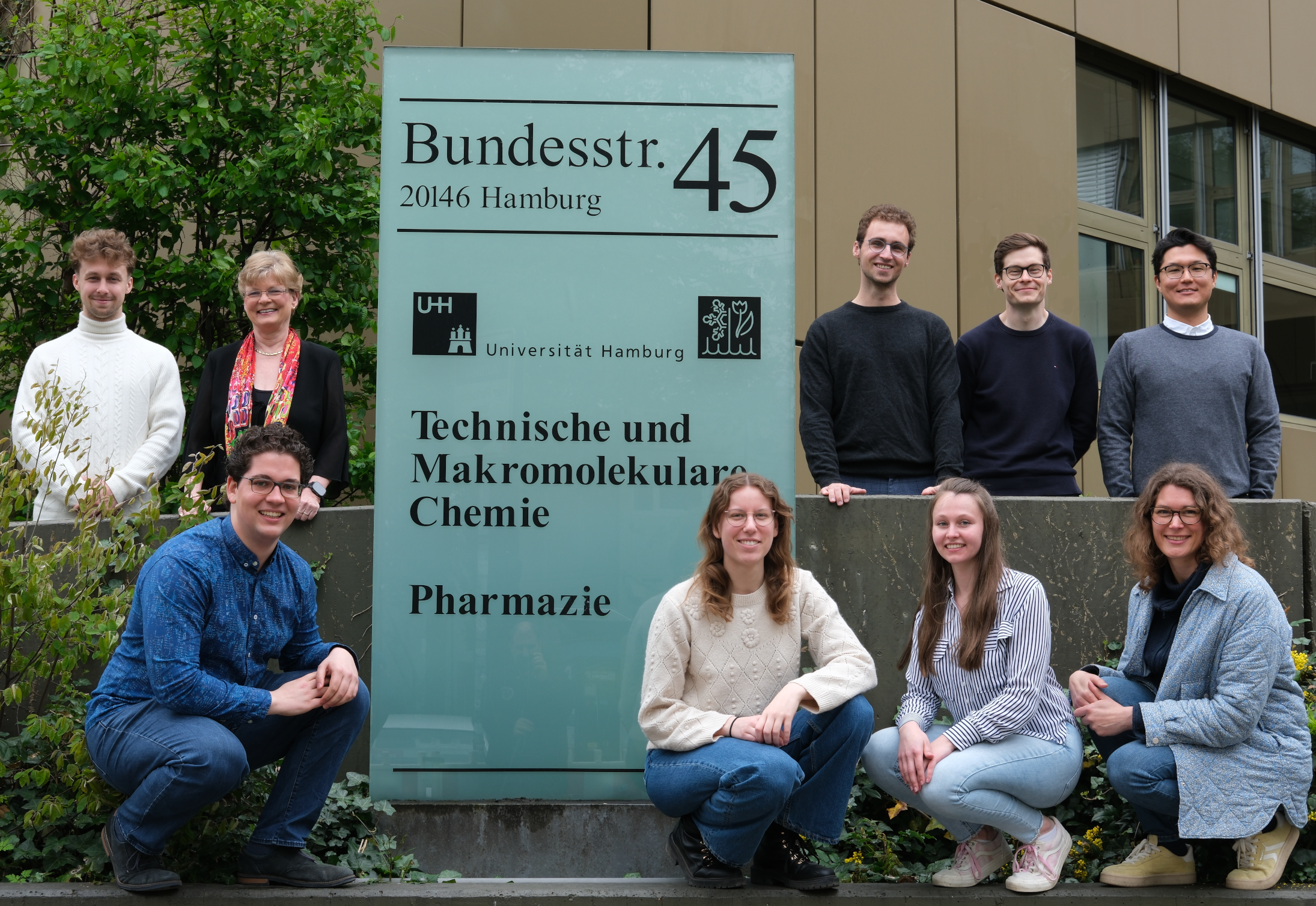
Professor Claudia S. Leopold serves as Professor and Head of the Institute of Pharmacy within the Department of Chemistry at the University of Hamburg's MIN Faculty. With over 35 years of academic experience, she leads the Pharmaceutical Technology Department and maintains an active research program focused on advanced pharmaceutical manufacturing processes and drug delivery systems. Her educational background includes a pharmacy degree from Heinrich-Heine-University Düsseldorf (1981-1985), followed by pharmacist certification in 1987. She completed her doctoral research in 1992 on skin penetration enhancement, conducted postdoctoral research at Stanford Research Institute and UC San Francisco, and achieved her habilitation in pharmaceutical technology in 1999. Her academic progression includes professorial positions at Leipzig University (2000-2005) before joining the University of Hamburg in 2005. Prof. Leopold's research program centers on pharmaceutical technology innovations, particularly in tablet formulation and manufacturing processes. Her laboratory investigates optimization of process flows during tableting, use of co-processed excipients, characterization of dustiness within containment systems, control of drug release through polymer interactions, and improving water solubility of active ingredients through co-amorphization techniques. Her work bridges fundamental pharmaceutical science with practical manufacturing applications, addressing critical challenges in modern pharmaceutical production. Her recent publications (2022-2025) demonstrate a strong focus on continuous manufacturing technologies, co-amorphous drug systems, and advanced process analytical techniques. These works reveal trends toward real-time monitoring of pharmaceutical processes, spatial analysis of powder behavior, and sophisticated approaches to enhancing drug solubility and stability. Her research group has made significant contributions to understanding powder flow dynamics, tablet coating mechanics, and the application of novel spectroscopic methods in pharmaceutical manufacturing. Habilitations-Förderpreis der Deutschen Pharmazeutischen Gesellschaft (1997) Ehrendoktorwürde (Dr. h.c.) (2020) Prof. Leopold has supervised over 25 doctoral students throughout her career, with recent dissertations focusing on powder characteristics, co-amorphous systems, continuous manufacturing optimization, and advanced tablet technologies. Her laboratory maintains strong industry connections through contract research in formulation development, tableting process optimization, drug release measurements, and expert consultation on pharmaceutical-technological issues. The research group operates specialized equipment for pharmaceutical technology studies and collaborates with international partners in continuous manufacturing and drug delivery research. The Leopold research group (AG Leopold) operates within the Institute of Pharmacy at the University of Hamburg, maintaining a comprehensive suite of equipment for pharmaceutical technology research. The team includes multiple scientific associates, research assistants, technical staff, and visiting scientists working collaboratively on various aspects of pharmaceutical development and manufacturing. The laboratory environment supports both fundamental research and applied contract work for industry partners, with particular expertise in tableting processes, drug delivery systems, and analytical method development for pharmaceutical applications.
Leijun Li, PhD, P.Eng., is a Professor in the Department of Chemical and Materials Engineering at the University of Alberta, where he also serves as Chair. With a career spanning institutions including Rensselaer Polytechnic Institute, University of Northern Iowa, and Utah State University, he specializes in physical metallurgy , welding metallurgy , and additive manufacturing . His research focuses on microstructure characterization, mechanical properties, and modeling of non-equilibrium phase transformations during welding and AM processes. Current affiliations: University of Alberta, American Welding Society, ASM International Research themes: Additive manufacturing of alloys, Corrosion science, Pipeline metallurgy, Phase transformations, Welding robotics He has received multiple AWS Hobart Awards (4 times) and Savage Awards (2 times) for his work on pipeline welding and metallurgy. His group has published extensively on topics including delta-ferrite retention in Grade 91 steel, inverse bainite transformations , and welding defect analysis . Recent projects include NSERC Alliance Missions Grant for rare earth mineral recovery and Alberta Innovates Ecosystem Program for advanced manufacturing. Key collaborators: Dr. Tom Lienert, Dr. Xiaoying Fang, Dr. P-Q Xu Labs: Rooms 2-158/3-133 (CME Building), Office 12th Floor DICE Building
Falah Alobaid is a Full Professor (Tenured) at LUT School of Energy Systems, LUT University, specializing in energy systems engineering. He holds a Ph.D. from the Technical University of Darmstadt (2013), recognized with the university's Energy Special Prize (2014), and completed habilitation in Energy Systems (2018) with the title of Privatdozent (2019). His research focuses on power plant technologies, including combustion, gasification, and CO₂ capture, with expertise in modeling, simulation, and pilot-scale experimentation. Education: Ph.D. (Energy Systems), Technical University of Darmstadt, Germany (2013) Habilitation (Energy Systems), Technical University of Darmstadt, Germany (2018) Research interests emphasize sustainable energy solutions: Fluidized bed combustion and gasification CO₂ capture and storage technologies Renewable energy integration Process simulation and dynamic modeling of power systems Thermal energy storage systems His work bridges experimental and computational approaches, with contributions to EU projects such as SCARLET and OptiMaDyn. Publications reflect advancements in fluidized bed systems, CFD-DEM modeling, and operational flexibility of thermal power plants. Recent trends include integrating artificial intelligence for process optimization and exploring novel materials for carbon capture. Awards include the Energy Special Prize (2014) and recognition for his habilitation work. He leads the Institute of Energy Systems and Technology research group, focusing on bioenergy, waste-to-energy systems, and low-carbon technologies. Grants and collaborations span EU-funded initiatives and national projects. Advising focuses on graduate students in energy systems, though no specific names are listed. Laboratory work includes managing the Institute of Energy Systems and Technology, where experimental setups for fluidized beds and solar thermal systems are developed. Future research targets net-negative CO₂ emissions via chemical looping gasification and enhanced renewable energy storage.
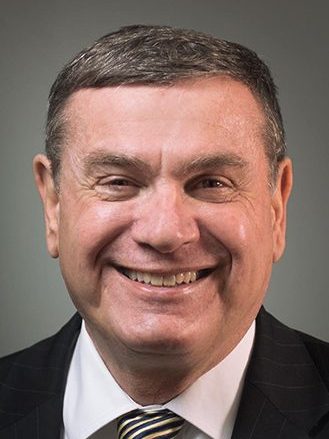
Dr. Richard Billo is a Distinguished Professor in the Department of Mechanical and Aerospace Engineering at Missouri University of Science and Technology (Missouri S&T) and serves as the founding director of the Kummer Institute Center for Advanced Manufacturing and director of the Missouri Protoplex. His roles focus on advancing manufacturing research and economic development through collaborations with industry. He previously held leadership positions at the University of Notre Dame, University of Texas at Arlington, and Oregon State University, including roles as associate vice president for research and department head of Industrial and Manufacturing Engineering. Dr. Billo holds a Ph.D. in Industrial Engineering (Arizona State University, 1989), an M.S. in Industrial Engineering (Arizona State University, 1985), an M.S. in Psychology (University of the Pacific, 1985), and a B.S. in Psychology (West Virginia University, 1978). His research interests center on advanced manufacturing processes, industrial information systems, metallurgy, and liquid fuels production. Notable contributions include pioneering work on additive manufacturing thermal modeling, distortion prediction, and material characterization. He has authored over 100 research articles and holds five patents licensed to industry. Dr. Billo has been honored with the Outstanding Faculty Award and Whiteford Faculty Fellowship. His leadership extends to editorial roles for journals such as the Journal of Manufacturing Processes and Journal of Manufacturing Systems . His work bridges academic research with industrial applications, emphasizing sustainable manufacturing practices and technological innovation.
Dr. Moray Newlands is a Reader in Civil Engineering and Associate Dean for Enterprise and Economic Transformation at the University of Dundee's School of Science and Engineering. He holds a PhD in Concrete Technology from the same institution. His research focuses on low-carbon concrete, sustainable materials, and renewable energy infrastructure, with an emphasis on reducing construction costs through innovative methods like additive manufacturing. He leads European standardization efforts for concrete durability testing and organizes the Dundee Concrete Conference. Newlands has secured funding from UK Research Councils, Innovate UK, and industry partners, contributing to over 65 publications and two key awards. Education: Doctor of Philosophy (2001), University of Dundee Master of Science (1996), University of Dundee Bachelor of Engineering (1996), University of Dundee Research Interests: Concrete sustainability, recycled materials, durability assessment methods, marine energy systems, and infrastructure benchmarking. His work aligns with UN SDGs on climate action and affordable clean energy. Awards: Magazine of Concrete Research Paper of the Year (2012) Scottish Knowledge Exchange Award (2018) Enterprise & Grants: Leads KTP projects on construction innovation and offshore wind infrastructure. Oversees industry partnerships through the School’s Enterprise & Economic Transformation strategy. Labs & Networks: Conducts research in the Concrete Technology Unit, collaborates with European standards committees (CEN TC51), and chairs international conferences. Active in Horizon Europe-funded low-carbon initiatives.
Ruben Snellings is a Professor at the KU Leuven , affiliated with the Institute for Sustainable Metals and Minerals and the Division of Geology . His research focuses on sustainable cementitious materials, mineral carbonation, and valorization of industrial by-products in construction. He actively contributes to RILEM technical committees, including TC 309-MCP and TC 267-TRM, establishing terminology and testing protocols for carbonation-based construction products. Research Highlights Advancing low-carbon binders through co-calcination of waste materials Investigating hydration kinetics and reactivity of supplementary cementitious materials (SCMs) Developing CO2 mineralization techniques for sustainable construction Technical Contributions Co-developing standardized R3 reactivity tests for SCMs Leading interlaboratory validation studies for binder performance Environmental Focus Reducing environmental leaching via carbonation of metallurgical slags Optimizing circular economy approaches for concrete recycling
Professor Allan Rennie serves as Professor in Manufacturing Engineering at Lancaster University's School of Engineering and holds the administrative position of Associate Dean for Engagement within the Faculty of Science and Technology. With a career spanning over 30 years since initiating work in additive manufacturing during the mid-1990s, he has established himself as a leading figure in industrial applications of advanced manufacturing technologies across diverse sectors. His research expertise centers on Additive Manufacturing , Engineering Design , and Manufacturing Process Optimization , with current specializations including design for additive manufacturing (as co-leader of the UK's EPSRC DfAM Network), industrial digitalisation of manufacturing processes, and innovative tooling development using metallic and hybrid approaches. Rennie has significantly contributed to Engineering Education , particularly examining the integration of business and management principles into engineering curricula and analyzing the impacts of online/hybrid delivery modes on student engagement and graduate employability following the COVID-19 pandemic. Recent publication trends reveal Rennie's dual focus on practical manufacturing applications and scholarly analysis of technological evolution. His 2025 bibliometric study maps a decade of Design for Additive Manufacturing research, while his structural analysis of musical instruments demonstrates cross-disciplinary applications of manufacturing techniques. These works reflect his commitment to both advancing manufacturing technology and documenting its academic trajectory through rigorous analysis. Professor Rennie actively supervises PhD candidates including Jenny Roberts, Eunike Sembiring, and Joe Taylor while leading substantial research projects such as the EPSRC DfAM Network (2020-2023), Automating Design for Additive Manufacture with AI (2023-2024), and multiple Engineers in Business Competitions. His extensive grant portfolio spans industrial digitalization, sustainable manufacturing, and educational innovation, with notable projects including RENDER (powder recycling), TecHnology and EntrepreneUrship Education, and Production Capable Additive Manufacturing of Polymers. Rennie contributes to Lancaster's research ecosystem through affiliations with the Centre for Global Eco-innovation, Energy Lancaster initiative, and the Lancaster Product Development Unit. These platforms enable him to bridge academic research with industrial applications across multiple sectors, particularly supporting his work on sustainable manufacturing practices, technology commercialization, and industry engagement strategies that translate research into real-world impact.
Zeynep Atamer is an Assistant Professor at Oregon State University's Food Science and Technology Department, affiliated with the Food Innovation Center in Portland, OR. Her research focuses on dairy science and technology, particularly bacteriophage dynamics, spore inactivation, milk protein behavior, membrane processing, and food safety optimization. Primary affiliation: Oregon State University, Food Innovation Center Department: Food Science and Technology Research interests include: Dairy bacteriophages and their thermal/non-thermal inactivation Spore-forming bacteria in dairy processing Milk protein fractionation and functional properties Membrane separation technologies for dairy applications Cheese and fermentation process optimization Development of phage-free dairy products and sensitive detection systems Recent publications highlight advancements in UV-C/phage reduction strategies, casein-based material development, bitter peptide characterization in cheese, and encapsulation technologies for microbial control. Key subfields include dairy processing stressors, whey protein stability, and gut microbiota modulation via phage delivery. Her work integrates industrial-scale validation with lab-to-commercial translation, addressing critical challenges in dairy safety and functionality through interdisciplinary approaches spanning microbiology, biochemistry, and food engineering.