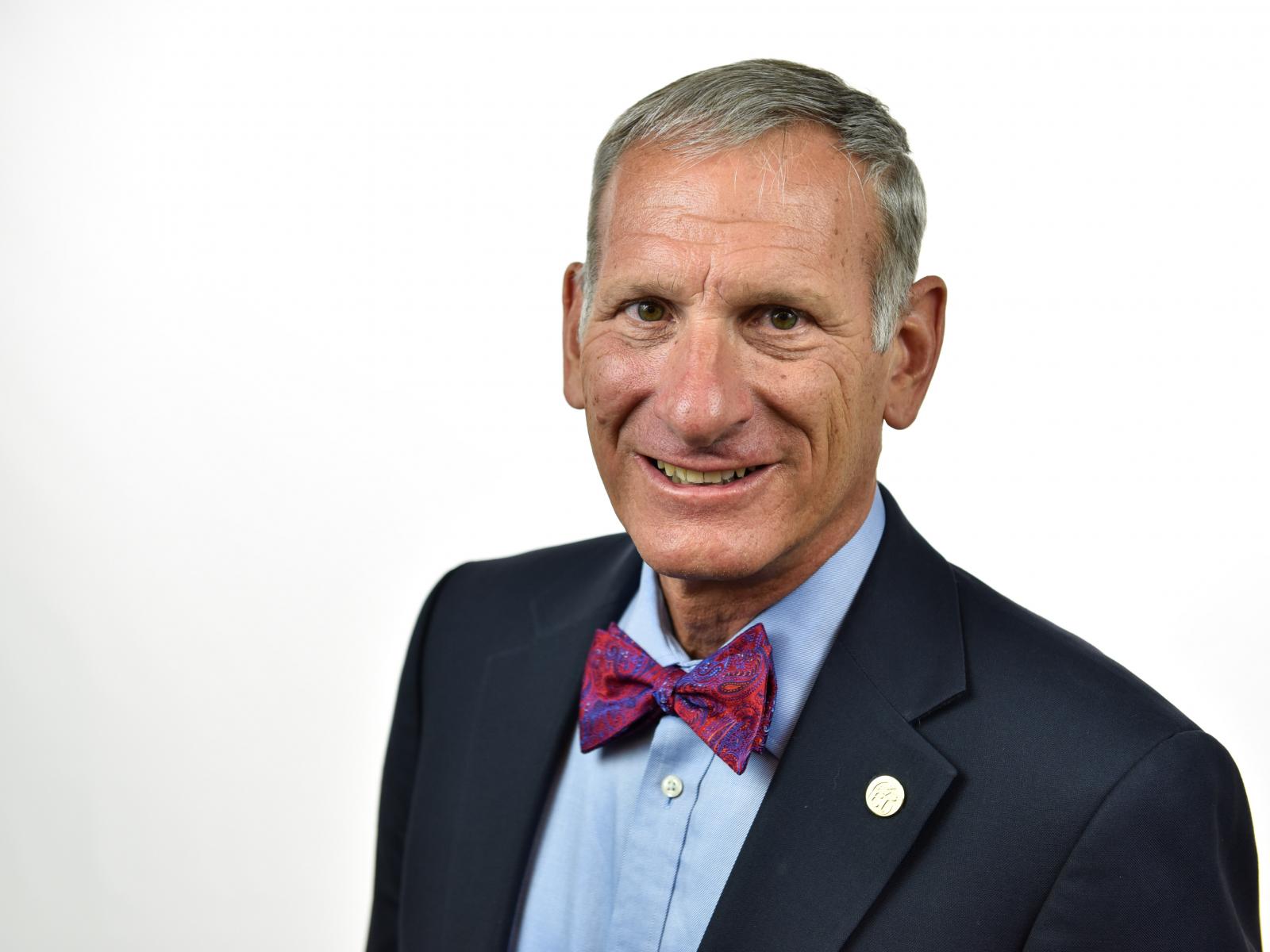
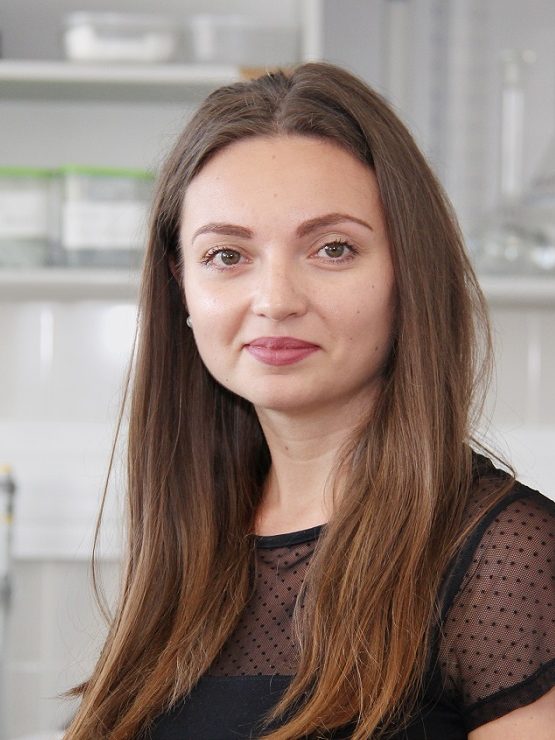
Grzegorz Cempura serves as a Lecturer at the Department of Metal Science and Powder Metallurgy within the Faculty of Metals Engineering and Industrial Computer Science at AGH University of Science and Technology in Kraków, Poland. His academic position places him within the institutional group of assistant professors, reflecting his active teaching and research role in the university's metals engineering division. His research focuses on fundamental and applied aspects of Materials Science, with specialized expertise in Metallurgy, Powder Metallurgy, and Metal Science. These disciplines form the core of the department's mission to advance metal processing technologies, material characterization, and industrial applications of powder-based metallurgical techniques. No scientific awards or honors were documented in the source material. Similarly, information regarding graduate student mentorship, research grants, laboratory facilities, or collaborative teams was not provided in the available institutional profile.
Gift Aydın is an Associate Professor at the Department of Metallurgical and Materials Engineering, Faculty of Engineering, Kutahya Dumlupınar University. Her primary research areas include Composite Materials , Ceramic Materials , and Powder Metallurgy , with a focus on synthesis, characterization, and application of advanced materials. Her recent publications highlight innovations in Cryogenic treatment for enhancing tool steel wear resistance Mechanochemical synthesis of ceramic composites Development of nanofibers and non-enzymatic biosensors Optimization of metal matrix composites Scientific recognition includes the Turquoise Achievement Award (2020) from Kutahya Dumlupınar University. She teaches graduate courses in Advanced Composites , Inorganic-Based Composites , and Material Production Technologies . Contact: hediye.aydin@dpu.edu.tr
Howard Kuhn is an Adjunct Professor in the Department of Industrial Engineering at the Swanson School of Engineering, University of Pittsburgh. He holds a PhD in Mechanical Engineering from Carnegie-Mellon University (1966), along with prior degrees from the same institution (MS, 1963; BS, 1962). His research focuses on 3D Printing Additive Manufacturing Fracture Mechanics Mechanical Behavior of Materials Workability Analysis Powder Metallurgy .
Julian Quodbach is an Assistant Professor at the Division of Pharmaceutics , Utrecht Institute for Pharmaceutical Sciences ( Utrecht University ). He specializes in additive manufacturing (3D printing) for personalized medication and tablet disintegration phenomena . Education: PhD from Heinrich Heine University Düsseldorf Prior Positions: Postdoc at Uppsala University, research roles at Düsseldorf His research focuses on 3D printing for individual/small-batch medications , addressing challenges in process understanding , drug release , and clinical translation . He investigates tablet disintegration and pharmaceutical process optimization for personalized therapies . Recent publications analyze 3D printing applications across inflammatory bowel disease , parkinson's disease , and pediatric formulations , exploring machine learning and material science . Collaborations span Sweden , Germany , and Netherlands . He leads the Task Force Additive Manufacturing for APV e.V. and the Pharma3DPI workstream . His work addresses real-world challenges like process fluctuations , batch traceability , and tablet quality in additive manufacturing .
Professor Iain Todd is a Professor of Metallurgy and Materials Processing at the University of Sheffield's School of Chemical, Materials and Biological Engineering, where he also serves as Director of the Materials Made Smarter Research Centre. With over two decades of experience in materials science and additive manufacturing, he has established himself as a leading researcher in metal processing technologies. Professor Todd received his BEng in Metallurgy and PhD in Solidification from the University of Sheffield. Following industrial R&D at T&N Technology, he conducted postdoctoral research at TU-Delft and CENIM in Madrid before returning to Sheffield in 2003 as a Lecturer. His academic journey has been marked by significant contributions to the field of additive manufacturing. Professor Todd's research lies at the interface between manufacturing technology and materials processing science, focusing on developing fundamental understanding of physical principles to better control material form, integrity, and function. His work emphasizes close collaboration with industry and appropriate scale for rapid transition of laboratory discoveries into industrial practice. Key research interests include Additive Manufacture of metals and alloys, Powder-based manufacturing technologies, Digitalisation of Materials Processing, and Advanced Manufacturing for Aerospace/Space applications. His innovative approaches to controlling microstructure and properties in additively manufactured components have led to numerous breakthroughs in the field. His extensive publication record demonstrates consistent focus on improving the quality and performance of additively manufactured metallic components. Recent work shows increasing emphasis on in situ process monitoring, grain structure control, and the application of additive manufacturing to specialized areas including magnetic components, aerospace materials, and even space exploration through lunar regolith processing. His research bridges fundamental materials science with practical industrial applications. Professor Todd has received significant recognition for his contributions to engineering: Elected Fellow of the Royal Academy of Engineering (2023) Fellow of the Institute of Materials, Minerals and Mining (FIMMM) As Director of the Materials Made Smarter Research Centre, Professor Todd leads a multidisciplinary team focused on advancing materials processing technologies. His work has been supported by numerous research grants from UK research councils and industry partners, enabling the development of state-of-the-art facilities for metal additive manufacturing research. He actively collaborates with aerospace, automotive, and energy sector companies to translate research findings into commercial applications.
Calum Hicks is a Researcher at the National Manufacturing Institute Scotland (NMIS), part of the University of Strathclyde, specializing in advanced manufacturing and materials engineering. He holds a PhD and actively accepts PhD students while contributing to cutting-edge industrial research projects. His research spans Material Science, Laser Metal Deposition, and Aerospace Engineering with focused expertise in microstructure optimization of metallic components. Key interests include titanium alloy processing, heat treatment effects, and powder feed rate dynamics in additive manufacturing systems for aerospace applications. Recent publications demonstrate strong trends in hybrid manufacturing techniques combining wire arc additive manufacturing (WAAM) with forging for critical aerospace components, alongside certification methodologies for high-value manufacturing processes. This work directly supports sustainable manufacturing and remanufacturing initiatives. Dr. Hicks currently leads research activities in the ReMake Glasgow Innovation Accelerator project (Innovate UK) and the AFRC microstructure optimization project, securing external funding while collaborating with industrial partners across the UK manufacturing sector. He operates within the National Manufacturing Institute Scotland ecosystem, leveraging state-of-the-art facilities at the Advanced Forming Research Centre for metal deposition research and industrial technology transfer.
Hosam ElRakayby is a Researcher at the National Manufacturing Institute Scotland, affiliated with the University of Strathclyde. He specializes in advanced manufacturing techniques including superplastic forming, powder metallurgy, and finite element analysis. His work focuses on optimizing forming processes for metal alloys like Ti-6Al-4V, with significant contributions to thermal process modeling and computational simulations. Current active projects: DIGF-CRAD-06736 (Researcher, ongoing), MSA-DIRF-07174 (Co-investigator, 2025) His research output includes 77 publications, with recent work examining electrically actuated SPF machine feasibility and FEA validation of SPF processes. Key collaborations span multiple countries and institutions. Scientific Awards: University of Strathclyde Medal (2022)
Dr. Jyrki Tapio Heinämäki is a Professor of Pharmaceutical Nanotechnology and Program Director of the doctoral program in pharmacy at the University of Tartu , Institute of Pharmacy. He holds a permanent honorary Visiting Professor position at the University of Havana, Cuba, since 2008. His academic career spans institutions in Finland and Estonia, with appointments including Associate Professor at the University of Helsinki (1995) and a five-year term as Professor of Medical Technology at the University of Tartu (2010–2015). Dr. Heinämäki's research focuses on pharmaceutical nanotechnology and oral solid dosage forms , particularly powder technology , nanofiber fabrication , granulation , tableting , polymer coatings , and surface treatment of solid drug substances . His group develops nanotechnology-based solutions for improving solubility of poorly water-soluble drugs, multifunctional nanofibrous drugs for wound healing, electrospinning techniques , printed nanomaterial substrates for personalized pharmacotherapy, and formulations for natural products . They also advance Process Analytical Technologies (PAT) for pharmaceutical nanotechnology. With over 125 peer-reviewed articles (category 1.1) and 25 conference abstracts , Dr. Heinämäki has supervised or co-supervised 20 doctoral theses . His work bridges academic research and industrial pharmacy, including consultancy on drug marketing authorization applications. Formal details of his CV and publications are available via the Estonian Research Information System (ETIS).
Dr. Adel Abdelwahab is an Associate Professor of Mechanical Engineering and Head of Quality Assurance at the University of Birmingham Dubai Campus. He holds a PhD in Mechanical Engineering from Loughborough University (2011) and has extensive academic and professional experience across the UK, Saudi Arabia, and UAE. PhD: Loughborough University, UK (2011) MSc: Alexandria University (2006) BSc: Alexandria University (2002) PGCAP: University of the West of Scotland (2019) His research focuses on experimental and numerical analysis of deformation/fracture in advanced materials , including biomaterials, composites, and magnetorheological fluids. Applications include additive manufacturing, biomedical devices, and AI-driven material optimization . Recent work spans laser powder bed fusion (L-PBF), nano-reinforced superalloys, and reconfigurable forming techniques. Research trends include additive manufacturing for biomedical applications , multi-scale damage analysis , and smart material integration in orthopedic tools. Publications emphasize powder morphology effects , microstructural evolution , and process parameter optimization in advanced manufacturing. Scientific distinctions include: Chartered Engineer (CEng), UK Fellow of the Institution of Mechanical Engineers (FIMechE), UK Senior Fellow of the Higher Education Academy (SFHEA), UK He has contributed to KTP projects with Innovate UK (e.g., touch-less hygiene systems) and EU-funded initiatives like TAMER (Trans-Atlantic Micromechanics Research). His teaching credentials include a Postgraduate Certificate in Academic Practice (PGCAP) from the University of the West of Scotland (2019).
Dr. Julia Ivanisenko serves as Principal Investigator and Group Leader for the Nanostructured Materials research unit at Karlsruhe Institute of Technology's (KIT) Institute of Nanotechnology. With over 30 years of specialized experience in nanomaterials research, she directs investigations into mechanical synthesis and properties of nanostructured systems using advanced deformation techniques. Education Diploma in Engineering, Ufa State Aviation Technical University, Russia (1990) PhD in Physics, Institute for Metals Superplasticity Problems, Ufa, Russia (1997) Research Focus Her work centers on severe plastic deformation mechanisms, mechanical behavior of nanocrystalline materials, nanoglass deformation, and pressure-induced phase transformations. Through high pressure torsion processing and in situ mechanical testing, her group studies fundamental deformation processes at the nanoscale to develop advanced materials with enhanced mechanical properties for engineering applications. Publication Trends Analysis of her 2008-2014 publications reveals consistent investigation of nanocrystalline palladium alloys, deformation mechanisms under extreme conditions, and shear band formation. Her research frequently employs in situ characterization to observe real-time microstructural evolution during mechanical testing, with strong emphasis on the relationship between processing parameters and mechanical performance in nanostructured metals. Awards & Recognition Alexander von Humboldt Postdoctoral Fellowship (2001-2002) DAAD Scholarship (1999) Research Leadership As Principal Investigator since 2008, Dr. Ivanisenko maintains continuous research funding and international collaborations. Her lab provides graduate students with access to state-of-the-art deformation processing equipment and characterization facilities, fostering research in nanomaterials mechanics and processing. Research Unit She leads the Nanostructured Materials group within KIT's Institute of Nanotechnology, focusing on mechanical synthesis routes for nanomaterials and their fundamental deformation behavior. The group maintains strong connections with Russian research institutions and German academic partners through ongoing collaborative projects.
Professor Fang S. Lai is a distinguished faculty member in the Department of Plastics Engineering at the University of Massachusetts Lowell's Francis College of Engineering. With expertise spanning plastics processing, process control instrumentation, and computer-aided engineering, he maintains an active research program focused on medical device innovation and manufacturing optimization. His research interests center on plastics processing with specialized focus on process control and instrumentation , powder technology , industrial hazard assessment , and statistical quality/process control methods . Recent work emphasizes medical applications, particularly computer-aided design of ocular inserts for glaucoma management. His publication record demonstrates consistent contributions to injection molding innovations, thermoforming simulation, and recycled material processing. Professor Lai's research shows clear evolution from fundamental polymer processing studies toward applied medical device development. His 15 most recent publications reveal strong emphasis on simulation validation (60%), medical applications (20%), and recycling technologies (20%), with consistent application of statistical methods throughout his career. The work demonstrates increasing industry collaboration, particularly with medical device manufacturers. As Principal Investigator, Professor Lai has secured significant research funding including: NIH-NATL EYE INSTITUTE contract (2010) for ocular insert production systems Vista Scientific LLC grant (2009) for glaucoma device development NIH-NATL EYE INSTITUTE funding (2009) through ARRAS Flow Through Funds His advisory role focuses on graduate research in plastics engineering, with particular emphasis on students pursuing medical device manufacturing and process control specializations. Professor Lai maintains active industry consulting relationships that inform both his research and teaching. Professor Lai conducts research through the university's Combustion Lab facility, where his team develops advanced simulation protocols and experimental validation methods for plastics processing. The lab serves as a bridge between theoretical modeling and industrial application, with current projects focused on precision manufacturing for ophthalmic devices.
Stefan Michalik is a Beamline Scientist at Diamond Light Source, UK, working on the I12 beamline since 2018. He joined Diamond in 2015 as a Postdoctoral Research Associate after research roles at the Institute of Physics ASCR in Prague (2013-2015) and Pavol Jozef Šafárik University in Košice (2012). He earned his PhD in Condensed Matter Physics from Pavol Jozef Šafárik University in Košice in 2011. His research centers on structural studies of disordered systems, particularly metallic glasses, using synchrotron and neutron scattering combined with Reverse Monte Carlo simulations. Expertise includes X-ray pair distribution functions, in situ devitrification studies, powder diffraction, and computational modeling of atomic structures. Recent publications demonstrate interdisciplinary work in metallurgy, glass science, and environmental applications, employing advanced X-ray techniques to analyze microstructure evolution and develop novel materials for industrial and ecological uses. As part of the I12 beamline (JEEP) team at Diamond, he supports high-energy X-ray imaging and microtomography for engineering, environmental, and materials science research.
Dr. Gregory J Exarhos serves as a Lab Fellow and Associate Director within the Chemical and Materials Sciences Division at Pacific Northwest National Laboratory (PNNL), where he leads the Materials Sciences group. He also holds an Adjunct Professor position in Physics at Washington State University (WSU) in Pullman, WA, and serves on the Board of Visitors for the College of Sciences and Engineering at WSU. Dr. Exarhos earned his Ph.D. in Physical Chemistry from Brown University and his A.B. in Chemistry, magna cum laude (with a Physics minor), from Lawrence University. His academic background forms the foundation for his extensive research career in advanced materials science. Dr. Exarhos specializes in developing innovative approaches for the deposition and modification of dielectric films, with particular expertise in structure/property relationships in transparent conducting oxides. His research encompasses inorganic polymer design, synthesis, and characterization, as well as the preparation of molecularly architectured nanocomposite materials. His pioneering materials processing approaches have been internationally recognized and have opened new avenues in optical coatings, nano-architectured materials, multifunctional ceramics, and hybrid polymer composites. Analysis of Dr. Exarhos's recent publications reveals a strong focus on advanced materials for energy applications, particularly battery technologies (lithium-sulfur and sodium-ion systems), novel nanocomposites, and optical materials. His research demonstrates expertise in characterization techniques including NMR spectroscopy and in situ Raman studies, with applications spanning energy storage, optical coatings, and porous materials. R&D100 award (1992) Federal Laboratory Consortium award (1993) R.F. Bunshah Award from Advanced Surface Engineering Division, AVS (2002) Eight patents in ceramic oxide powders and thin film technology Fellow of American Vacuum Society Fellow of American Ceramic Society Fellow of American Association for the Advancement of Science Dr. Exarhos has served in numerous leadership roles including President of the American Vacuum Society (2008-2010), Chair of the Long-Range Planning Committee for AVS, and service on the AVS Board of Directors. He has been instrumental in scientific community development, launching the BIOINTERPHASES journal for AVS and serving as North American Editor for the journal VACUUM. At PNNL, he coordinates fundamental materials sciences projects funded through the U.S. Department of Energy Office of Science, Basic Energy Sciences, Division of Materials Sciences and Engineering. As Laboratory Coordinator for DOE-funded materials science projects, Dr. Exarhos leads research programs dealing with defects in TCO films, growth of hierarchically ordered composite materials, in situ Raman studies of materials under extreme conditions, nonlinear optical materials, and studies of pulsed laser-solid interactions. His work bridges fundamental science with practical applications, particularly in energy-related technologies.
Beáta Pecušová, PhD is a Researcher at the Joint Glass Centre (Vitrum Laugaricio - VILA) at Alexander Dubček University of Trenčín. With expertise in thermal analysis techniques and materials characterization, she contributes significantly to the university's research initiatives in glass and ceramic materials science. Her educational background includes: PhD (2015-2019): "The influence of aluminum silicate and modified forms on the properties of composite materials" from the Faculty of Industrial Technologies in Púchov Engineering degree (2013-2015): "Influence of modified clay minerals on the curing characteristics of polymer blends and physical-mechanical properties of prepared vulcanizates" Bachelor degree (2010-2013): "Ecologization of polymeric materials using modified clay minerals" Dr. Pecušová's research spans multiple domains of materials science with particular focus on the thermal behavior and properties of glass-ceramic systems. Her work involves preparation and characterization of composite materials, detailed thermal analysis using DSC, DTA and TG techniques, and investigation of thermo-mechanical properties of advanced glass and ceramic materials. She has developed significant expertise in Bioglass 45S5 compositions and their modifications for biomedical applications, as well as bismuth-doped calcium aluminate silicate systems. Her research bridges fundamental materials science with practical applications in biomedical devices and advanced ceramics. Analysis of Dr. Pecušová's publication record reveals a strong emphasis on crystallization processes in doped glass systems, thermal properties characterization, and structure-property relationships in glass-ceramic materials. Her work demonstrates consistent progression from fundamental thermal analysis to applied research with biomedical and industrial relevance. The publications show increasing sophistication in materials design, particularly in rare-earth doped systems for photoluminescence applications and modified Bioglass compositions for improved biocompatibility. Dr. Pecušová is an active contributor to multiple significant research initiatives including the FunGlass project (Horizon 2020, 2017-2024), which focuses on functional and surface functionalized glass. She also participates in national projects studying corrosion effects on biomedical glasses (VEGA 1/0021/23), reference glasses for strategic raw materials analysis (APVV-22-0062), and functional glass development (CEGLASS, 2019-2023). As part of her academic responsibilities, Dr. Pecušová teaches "Inorganic technologies and materials II" and "Thermal analysis I" for doctoral students, sharing her specialized knowledge in materials characterization techniques. Her laboratory work is conducted at office number 311 at Alexander Dubček University of Trenčín, where she collaborates with international partners including Friedrich-Alexander Universität Erlangen-Nürnberg, Friedrich-Schiller-Universität Jena, Consejo Superior de Investigaciones Científicas, and Università degli Studi di Padova.
Sandra Lenihan is a Lecturer in Chemical and Biopharmaceutical Engineering at Munster Technological University (MTU), where she has been faculty since 2009. She leads the Process innovation Engineering Research Group (PiERG) and serves as a Principal Investigator with the Pharmaceutical Manufacturing Technology Centre (PMTC) hosted at University of Limerick. Dr. Lenihan has established herself as a key researcher in pharmaceutical process engineering with strong industry connections. Her research focuses on developing predictive modeling for solid dosage pharmaceutical processes, particularly powder modeling for tablet processing and continuous manufacturing. She specializes in computational approaches using tools like Dynochem and finite element analysis to model unit operations including mixing, bioreactors, and filtration. Her work bridges academic research with industrial applications, resulting in numerous collaborations with pharmaceutical companies. Pharma Awards, Partnership Alliance WINNER (2018) Bridge Network Nomination for Invention of the Year (2018) Pharma Awards, 2nd Place: Education and Training Category (2020) Educational Awards, Best Student Experience Category Finalist (2020) Educational Awards, Career Impact Category Finalist (2020) Pharma Awards, Education and Training Category Finalist (2017) Dr. Lenihan supervises Capstone Final Engineering Research and Design Projects and has been instrumental in developing industry-academic partnerships. She previously served as Placement Manager for the Chemical Engineering Programme (2012-2020) and has secured significant funding through Springboard programs and Enterprise Ireland projects. Her teaching includes Process Engineering, Biopharmaceutical Engineering, and Pharmaceutical Applications, where she integrates practical industry experience with academic theory. She leads the PiERG research group, which provides solutions to the Pharma Engineering sector through expertise in predictive modeling and industrial pharma processing. Her current research includes an Enterprise Ireland IPP project in Tabletting and Coating (2022-2024) involving two postdocs working with Dr. Alexander Krok.





_rdax_230x340s.jpg)