Catherine Laws is a Professor of Music at the University of York, affiliated with the School of Arts and Creative Technologies. She holds a dual role as a musicologist and pianist specializing in contemporary music, with particular focus on interdisciplinary performance practices and the relationship between music and language. Her research explores collaboration, embodiment, and subjectivity in performance, alongside studies of Samuel Beckett’s musical intermediality. Laws maintains a Senior Artistic Research Fellowship at the Orpheus Institute in Ghent, leading the 'Performance, Subjectivity, and Experimentation' research cluster. Education: PhD in Music (University of York, 1996), MA and BA in Music (University of York) Her research spans two core areas: 1) performance-based studies examining performer agency, embodiment, and interdisciplinary collaboration through works like the multimedia Player Piano ; and 2) investigations into composers’ responses to literary texts, notably Beckett’s works. Key outputs include co-authored Voices, Bodies, Practices (2019) and edited Performance, Subjectivity, and Experimentation (2020). Her recent projects with filmmaker Minyung Im reimagine piano performances through film, blending sound, visual, and spatial elements. Publications reflect her dual focus: experimental music performance, Beckett studies, and collaborative art practices. Her work often bridges theory and practice, integrating compositional, performative, and audiovisual mediums.
Naz Yeni is a Lecturer at the Cambridge School of Creative Industries within Anglia Ruskin University. With expertise in theatre-making, physical theatre, and community arts engagement, she teaches modules such as Acting (Musical Theatre), Applied Drama, and Workshop Facilitation. Her research spans dramaturgy, performer training, and the intersection of language practices with performance. Academic Background: PhD in Theatre Studies (Anglia Ruskin University), MEd (University of Cambridge), MA in Applied Linguistics (King’s College London), and specialized certifications in Laban Movement Dance and Michael Chekhov Acting Technique. Research Focus: Explores postdramatic theatre, semiotics, aesthetics, and the application of Mary Overlie’s Six Viewpoints and Eugenio Barba’s third theatre principles. Supervision: Available for drama and performance projects in artistic and applied contexts, including acting, directing, and wellbeing-focused theatre practices. Recent Conferences: Presented on migrant identities at Bahcesehir University (2024), co-convened a symposium on Migrant Shakespeare (2021), and discussed cultural memory at Hacettepe University (2020).
Dr. Freya Vass is a Lecturer in Drama and Theatre at the University of Kent, specializing in dance, physical theatre, and interdisciplinary cognitive studies. She previously taught at institutions including the University of California Riverside and Frankfurt University of Music and Performing Arts. Her research explores intersections between postdramatic dance, cognitive science, and sensory perception. BA in Linguistics & Cognitive Science (UCLA) PhD in Dance History and Theory (UC Riverside) Her research focuses on cognitive approaches to dance-theatre, visuo-sonority in contemporary performance, and the metacritical dialogue between dance and scientific research. She founded the Kent Embodied Research Collective to foster cross-disciplinary collaboration. Her publications examine William Forsythe’s choreographic methodology, dance aging, and somatic dramaturgy. She emphasizes choreographic literacy and audience cognitive engagement in postdramatic works. Barbara Morris Prize for Learning Support (2016) Senior Fellow of the Higher Education Academy (SFHEA) She has co-supervised PhD projects on Sanford Meisner’s actor training, somatics in early modern texts, and affective dramaturgy. She collaborates with choreographers like David Dawson and the Corpus experimental ensemble.
Dr. Mark Taylor is a Research Fellow at the University of Leeds' School of Design, part of the Faculty of Arts, Humanities and Cultures. His expertise spans clothing comfort, protective clothing design, fashion technology, sustainability, and biomimetic textiles. Previously working in IT, he transitioned to academia via a Sports Science degree (1996–1999) and a PhD on climbing helmet impact absorption mechanisms. Research focuses include extreme environment clothing systems, textile-based protection from falls, and microfibre release mitigation through his work with the Microfibre Consortium. He developed miniature data logging sensors for shoe microclimate measurement and a novel moisture vapour transmission testing system. Current projects address environmental impacts of laundry-induced textile fibre release. Teaching contributions include core modules in Fashion Technology and optional courses on performance clothing at undergraduate and postgraduate levels. Supervised PhDs include work on gecko-inspired adhesion and textile testing methodologies. His publications explore Harold Pinter's theatrical works, examining themes like power dynamics, Holocaust influence, and postdramatic form across over 20 academic articles since 2001. Grants include EPSRC funding for textile measurement innovation. Collaborations involve interdisciplinary teams addressing both technical textile challenges and literary analysis of modern drama. Ongoing sensor development aims to eliminate wired systems for more accurate environmental data collection. Labs/Teams: Part of the School of Design's Textiles and Technical Textiles research clusters, contributing to both applied textile engineering and cultural studies through theatre scholarship.
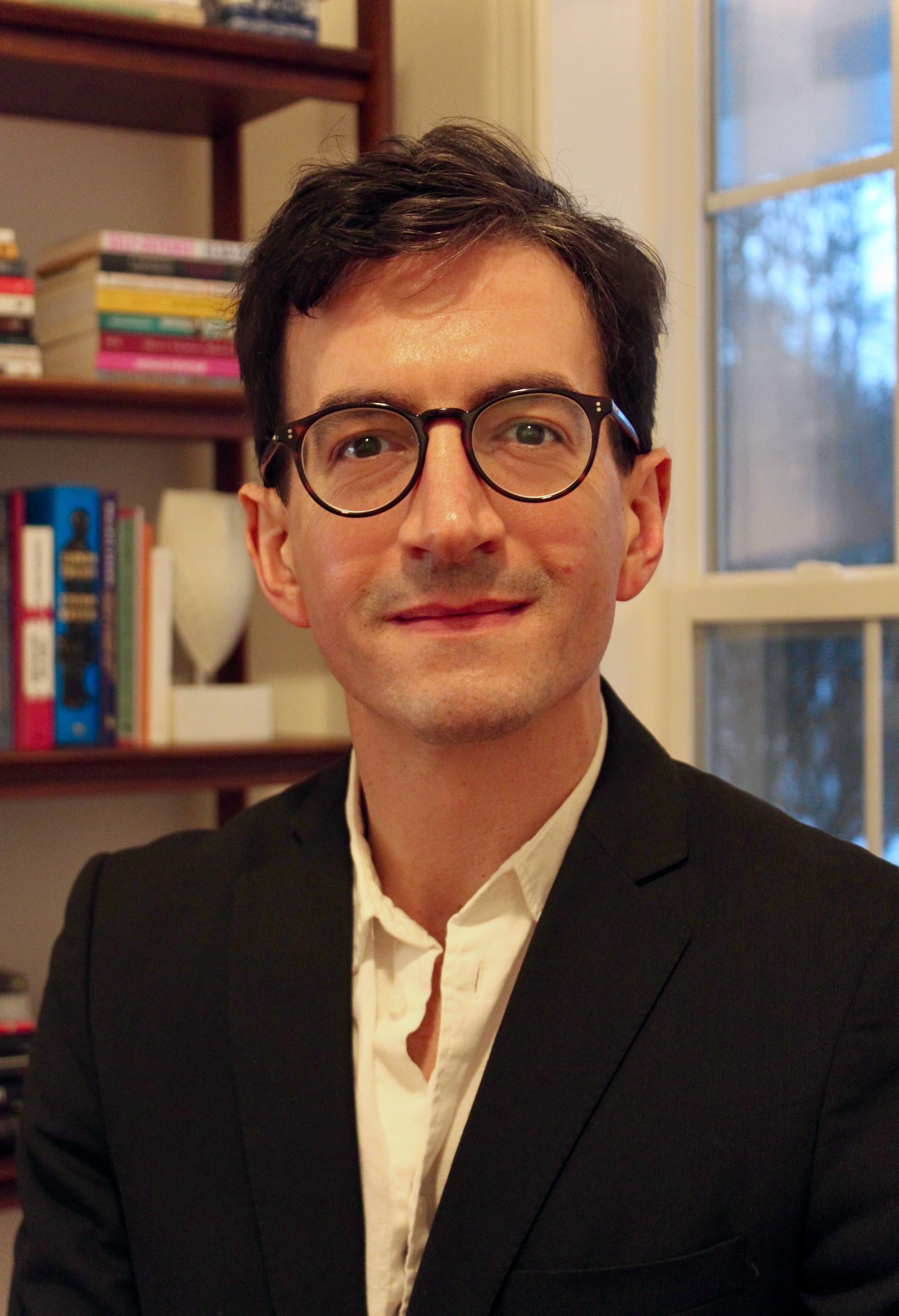
Joseph Cermatori is an Associate Professor and Director of Periclean Honors Forum in the English Department at Skidmore College. He holds an A.B. from Princeton University, an M.F.A. from Yale University, and a Ph.D. from Columbia University, establishing a robust foundation spanning literary studies, creative writing, and critical theory. Dr. Cermatori's educational trajectory reflects his interdisciplinary approach: A.B., Princeton University M.F.A., Yale University Ph.D., Columbia University His scholarly work centers on the philosophical dimensions of theatrical and literary forms, with research interests spanning Comparative Literature, Philosophy, Aesthetics, and Critical Theory , alongside Modern and Contemporary Drama, Shakespeare and Early Modern Drama, Opera and Music-Theatre, Media and Performance Studies, and Queer Theory and Gender Studies . Cermatori's approach consistently bridges historical periods, connecting early modern theatrical practices with contemporary performance innovations while maintaining critical engagement with questions of spectatorship, media, and political dimensions of performance. His scholarship demonstrates a unique ability to synthesize complex theoretical frameworks with close analysis of theatrical and literary works. Cermatori's recent publications reveal a sustained trajectory exploring the philosophical underpinnings of theatrical practice. His 2024 article "On Criticism: Seven Meditations" continues his longstanding engagement with critical theory, while his 2023 pieces on Walter Benjamin and Hans-Thies Lehmann demonstrate his deep connection to foundational theoretical frameworks in performance studies. His book "Baroque Modernity: An Aesthetics of Theater" (2021) represents a significant contribution connecting historical theatrical aesthetics with modern practice. His scholarship appears consistently across prestigious venues including CoSMO, Salmagundi, PMLA, and PAJ, reflecting his standing in both literary and performance studies communities. His scholarly recognition includes: Anna Balakian First Book Prize honorable mention, International Comparative Literature Association, 2022 Summer Research Fellowship, Yale University Beinecke Rare Book and Manuscript Library, 2022 Helen Tartar First Book Award and Subvention, American Comparative Literature Association, 2021 Multiple Faculty Development Grants from Skidmore College (2017, 2019, 2020, 2021) As Director of the Periclean Honors Forum, Cermatori plays a pivotal role in mentoring high-achieving students through interdisciplinary honors programs that connect academic work with social engagement. His extensive teaching portfolio spans foundational writing seminars to advanced courses in drama, Shakespeare, queer theory, and literature and philosophy. His critical work published in The New York Times and PAJ: A Journal of Performance and Art demonstrates his commitment to bridging scholarly and public discourse on contemporary performance.
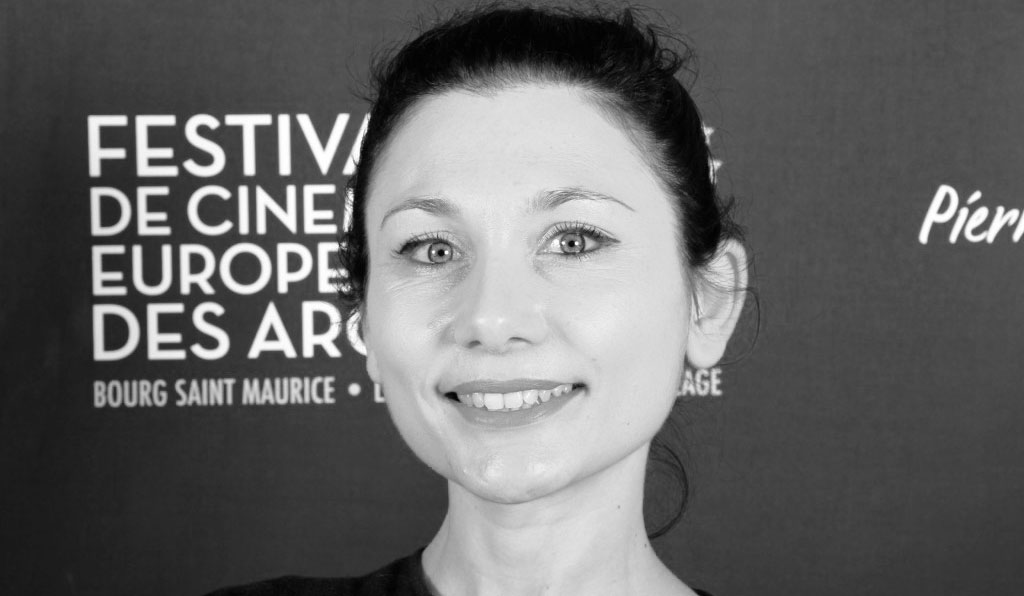
Chiara D'Anna is a Lecturer in Theatre Arts at the School of Art, Architecture and Design, London Metropolitan University, where she conducts research on Commedia dell'Arte's legacy in contemporary performance while maintaining an active career as an actress and director. Her educational background includes: BSc and MSc in Geology, University of Turin MA in Physical Theatre, Royal Holloway University, London PhD in Performing Arts, London Metropolitan University Her research pioneers the 'Experiential Mask' methodology, reimagining Commedia dell'Arte principles for 21st-century devised theatre through autobiographical material and actor-centered creation. This work bridges physical theatre, movement spirituality, and screen acting techniques, challenging traditional masked performance while emphasizing ensemble collaboration and postdramatic innovation. She has received significant recognition for screen work including the Los Angeles Film Award for 'Inspiring Woman in a Film' and Toronto International Film Festival accolades highlighting her among '13 Actors to watch out for'. Professional engagements span teaching at Goldsmiths University, RADA, and Royal Central School of Speech and Drama alongside artistic direction of Panta Rei Theatre. Her productions—from Pleasance Theatre to Teatro Stabile di Torino—explore grotesque and surrealist aesthetics through immersive installations and Commedia-inspired performances, complemented by film roles in Berberian Sound Studio (2012) and The Duke of Burgundy (2014).
Neil Mackenzie is a Senior Lecturer at the Manchester School of Theatre , Manchester Metropolitan University , with a career spanning performance creation, curation, and academic research. He founded the performance collective Plane Performance in 1992 and serves as Artistic Director of the Flare International Festival of New Theatre , which he has directed since 2011. Education: MA in Contemporary Theatre Practice from Lancaster University BA (Hons) in English and Drama from Leicester University Research Interests: Deconstructive strategies in contemporary theatre Performance curation and avant-garde theatre trends Relationship between canonical texts and live performance Audience reception and shared physical experience Re-contextualization of dance/music in theatre Curatorial platforms for performance research Article Trends: His work focuses on experimental theatre, including text deconstruction, festival curation, and audience interaction. Publications often explore postdramatic performance, technological integration, and the theoretical underpinn'their impact on theatrical experiences. Professional Networks: Board member of Reckless Sleepers performance company Member of Live Art North West (LANWest) Associate Member of Live Art UK Key collaborator with Axis Arts Centre and HOME Manchester Teaching: He leads undergraduate and postgraduate programs in Drama and Contemporary Performance , emphasizing artistic practice, academic inquiry, and professional development. Supervised Jason Crouch's PhD on digital communication and performance.
Daniel Mroz serves as an Assistant Professor in the Department of Theatre at the University of Ottawa . His academic work bridges physical theatre practices with martial arts traditions, focusing on embodied approaches to performance creation and actor training. Academic Affiliation: Faculty of Arts, University of Ottawa Email: dmroz@uOttawa.ca Research interests include: Devised Physical Theatre Martial Arts Integration in Performance Embodied Cognition for Performers Cross-Cultural Training Methodologies His 15 most recent publications examine intersections between: Chinese martial traditions and Western theatre practices Visceral language in performance Cosmological frameworks in actor training Memory and creative processes
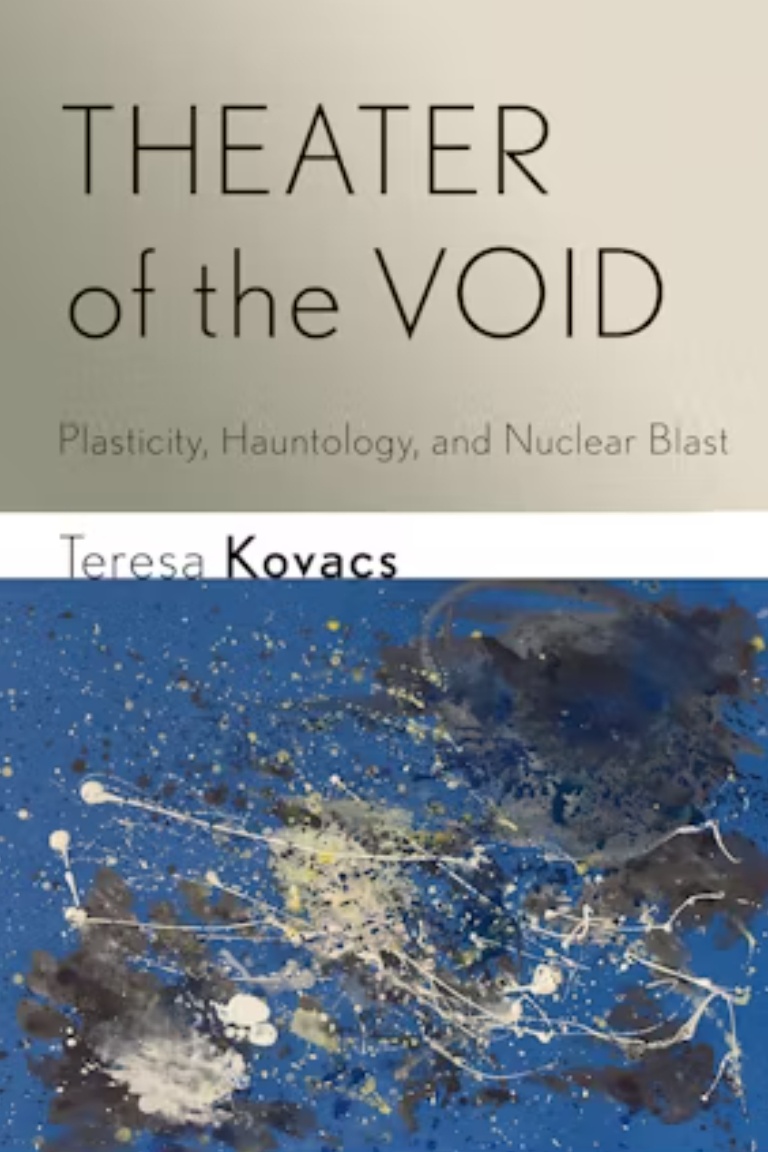
Teresa Kovacs is an Assistant Professor of Germanic Studies at Indiana University Bloomington, where she also serves as Director of the Institute of German Studies. She holds affiliate faculty positions in Cultural Studies and Environmental Futures, and is an Adjunct Assistant Professor in Theatre, Drama and Contemporary Dance. Her academic work bridges multiple disciplines with a focus on contemporary German-language theater and performance studies. Education: Ph.D. from University of Vienna Teresa Kovacs is a scholar trained in literature, theater, film, and media studies with expertise in theater theory, the politics of aesthetics, the comedic, theater and the sciences, transcultural theater, and questions of aesthetics for/of the (post-)Anthropocene. Her research predominantly focuses on German-language theatre in the 20th and 21st century. She explores how theatrical forms investigate the groundlessness of being as revealed in our techno-scientific age, particularly examining concepts like the void to describe theater that generates energy from the absence of determinate being. Her work challenges traditional understandings of postdramatic theater by connecting it to scientific thinking and environmental concerns. Her publications reveal a strong focus on contemporary German theater, particularly examining works by Heiner Müller, Elfriede Jelinek, Christoph Schlingensief, and René Pollesch. Kovacs demonstrates how contemporary German theater has remained entangled with scientific thinking about quantum physics, biology, and the environment, investigating how theatrical forms transform fundamental categories of time, space, and causality in light of the ontological and epistemological shifts of the nuclear age and the Anthropocene. Her work positions theater as a vital space for reimagining possibilities in an age of ecological crisis. Professional Activities: Director of the Institute of German Studies Organizes conferences and workshops at IU Bloomington and beyond (e.g., 'Diffractive World-Making') Brings guest artists and scholars to IU Bloomington (e.g., Berlin-based director Jürgen Kuttner) Maintains dialogue with directors and authors (e.g., conversation with German director Thomas Oberender) Supports student participation in conferences and workshops in the US and abroad Hosts a weekly Colloquium connecting graduate students and faculty from German Studies, Comparative Literature, English, and the Media School Teresa Kovacs is deeply committed to mentoring graduate and undergraduate students working in theater, performance, dance, 20th and 21st century literature, film, media, environmental humanities, and theories of the Anthropocene. She has chaired PhD theses on theater and migration, theater and the commons, theater and/as assembly, madness and drama, and theater in the Anthropocene. She conceives academic work as a collective, collaborative practice and actively supports students in creating their scholarly networks and publication projects beyond conventional academic outlets.
Hans Henriksen is a Professor of Directing at the Academy of Theatre within the Oslo National Academy of the Arts. He holds an MA in Stage Directing from the St. Petersburg State Academy of Theatre Arts. With over 20 years of experience as a theatre educator, he specializes in Russian pedagogical methods, particularly those of Georgy Tovstanogov, implemented through his mentor Irina Malochevskaja. Key affiliations include leadership roles at Norway's National Academy of Arts and Copenhagen's State Theatre Academy. His research focuses on directing methodologies, cultural policy, and institutional challenges in performing arts. Notable works include Amadeus (2023) and critical analyses on theatre privatization trends (2023). Teaching spans all educational stages, emphasizing physical action analysis and action methodology. His artistic research explores immersive theatre, political critique, and environmental narratives. Advising and grant activities are not explicitly detailed, but his extensive performance productions (over 30 across Norway/Denmark) highlight practical contributions to the field.
Alicia Jane Turner is a Teaching Associate in Drama at Queen Mary University of London's School of English and Drama. She is a multidisciplinary artist specializing in sound design, composition, and performance across contemporary theatre, experimental music, and live art. Her practice is guided by an intersectional feminist and queer lens , emphasizing embodied experience and sensory engagement. Her research explores how sound and light create visceral, immersive experiences in performance, informed by phenomenological and feminist methodologies. Notable projects include NYX: Electronic Drone Choir (premiered at Dark Mofo, Tasmania) and collaborations with institutions like the London Sinfonietta and National Sawdust (New York). She has held prestigious fellowships, including the Bang on a Can Composer Fellowship (2018) and the London Sinfonietta Writing The Future residency (2020–2022) . Turner’s work has been performed at venues such as the Barbican, Southbank Centre, and Battersea Arts Centre , blending experimental music with theatrical narratives. Her compositions often address themes of queer identity, environmental crisis, and bodily politics through innovative use of sound and light design.
Jason Benson is a Lecturer in Performing Arts at De Montfort University, affiliated with the School of Humanities and Performing Arts within the Faculty of Arts, Design and Humanities. He joined DMU in January 2020, bringing extensive professional experience as a theatre actor and director into his academic role. Education: BA(Hons) Theatre – Bretton Hall College PGCE – University of Huddersfield MA Advanced Theatre Practice (Directing) – Central School of Speech & Drama His teaching philosophy centers on using drama and performance to empower students to explore identity and societal issues. He specializes in physical theatre approaches such as Gaulier, SITI (Suzuki & Viewpoints), Grotowski, and Stanislavski techniques, integrating them into both pedagogy and research. His expertise lies in contemporary performance practices, particularly postdramatic and devised theatre. Jason is currently a PhD candidate at Aberystwyth University, where his research examines the Volcano Theatre Company’s engagement with political aesthetics and Frankfurt School theory. This scholarly focus bridges performance practice with critical theory, reflecting a deep commitment to reflexive and philosophically informed pedagogy. He teaches across undergraduate and postgraduate programs, including modules such as Deconstruction, Physical Theatre, Contemporary Music Theatre, and Performance Making. Professional Recognition: Fellow of the Higher Education Academy Jason remains actively involved in professional actor training, continually enhancing his practice and informing his academic work. While there is no public list of publications or students advised, his research trajectory suggests ongoing contributions to performance studies and critical theory in theatre education.
Anneli Saro is a Professor of Theatre Studies at the University of Tartu (since 2014) and has held various administrative roles including Vice Rector for Academic Affairs (2017–2018) and Vice Dean of the Faculty of Arts and Humanities (2020–present). She holds a PhD in Estonian Literature and Theatre Research (2004) and has extensive international collaboration experience, notably as an Extraordinary Lecturer at the University of Helsinki (2010–2014). Her research focuses on Estonian theatre history, theatre systems, and performance theory, with notable projects on audience engagement, cross-cultural theatre relations (especially Finnish-Estonian), and the role of theatre in socio-political contexts. She has led over 14 research projects, including the Estonian Theatre Systems Analysis (2006–2010) and initiatives exploring cultural sustainability in community spaces. Saro has supervised 24 dissertations, guiding research on topics like postdramatic theatre, physical theatre, and the dynamics of theatrical events. She serves on editorial boards of journals like Nordic Theatre Studies and chairs organizations such as the Union of Estonian Theatre Researchers and Critics. Her work bridges academic inquiry with practical theatre development, emphasizing interdisciplinary approaches and international scholarly networks.
Bernadette Cronin is a Lecturer in Drama & Theatre Studies at the School of Music and Theatre , University College Cork . With academic qualifications including a PhD in Drama and Theatre (University of Exeter), MA in Adaptation (UCC), and Diploma in Acting (London Academy of Music and Dramatic Art), she bridges scholarly and practical theatre domains. A designated Linklater Voice Teacher and qualified yoga instructor , she integrates somatic practices into actor training.
Prof. Dr. Annemarie Matzke is Professor for Experimental Forms of Contemporary Theatre at the Institute for Media, Theatre and Popular Culture within the Cultural Studies & Aesthetic Communication faculty at the University of Hildesheim. She has held this position since October 2009 and has been deputy spokesperson of the DFG Research Training Group 'Aesthetic Practice' at the University since 2019. Previously, she served as president of the Society for Theatre Studies from 2016 to 2019. Her academic journey began with studies in Applied Theatre Studies at Justus Liebig University in Giessen. From 1998-2001, she received a DFG doctoral scholarship at the University of Hildesheim's graduate school 'Authenticity as Representation,' completing her dissertation on 'Forms of Self-Drama in Contemporary Theatre.' She then worked as a research associate at the University of Hildesheim (2001-2004) and the Free University of Berlin (2004-2009), where she received her habilitation in 2009 with a dissertation on 'Working in the Theatre: A Discourse History of Rehearsal.' Matzke's research focuses on theatre rehearsal history and theory, institutional criticism in theatre, 20th and 21st century theatre and performance art, postdramatic theatre, gender performances, theatrical spatial concepts, and contemporary performance practices. Her work bridges academic research with practical artistic engagement, particularly through her long-standing membership in the performance collective She She Pop since 1994. An analysis of her recent publications reveals a consistent focus on the epistemological dimensions of theatrical practice, particularly how knowledge is generated through rehearsal processes and performance creation. Her work demonstrates a strong interest in the relationship between media technology and performance, the professional identity of contemporary performers, and the material exploration in theatrical practice. She consistently examines theatrical work through the lens of contingency, planning, and collective creation. Friedrich Luft Prize (2011) for 'She She Pop and her fathers: Testament' Wild Card/Ruhr from the Favoriten Theater Festival (2010) George Tabori Prize (2016) for She She Pop Berlin Theater Prize (2019) for She She Pop War Blinded Radio Play Prize (2012) for 'Testament' radio play Matzke maintains an active relationship between academic research and artistic practice through her ongoing collaboration with She She Pop, which has produced internationally recognized works including 'She She Pop:Live' (1999), 'Bad' (2002), 'Why don't you dance?' (2004), 'The relevance show' (2007), 'Testament' (2010), 'Oratorium' (2018), and 'Hexploitation' (2020). These productions have been invited to prestigious festivals including Theatertreffen and Impulse Festival. Her scholarly work is deeply informed by this practical engagement, creating a productive dialogue between theory and practice in contemporary theatre.