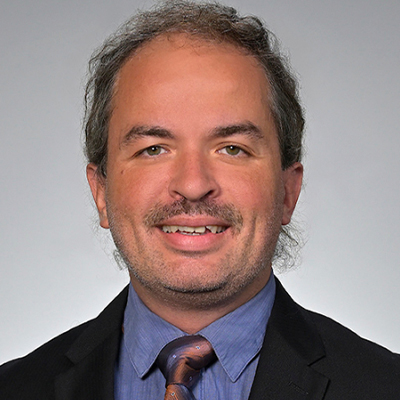
Pavel P. Kuksa is a Research Assistant Professor in the Department of Pathology and Laboratory Medicine, specializing in bioinformatics, computer science, and functional genomics. His work focuses on high-throughput sequencing analysis, chromatin interaction data, and developing scalable software platforms for genomics research.
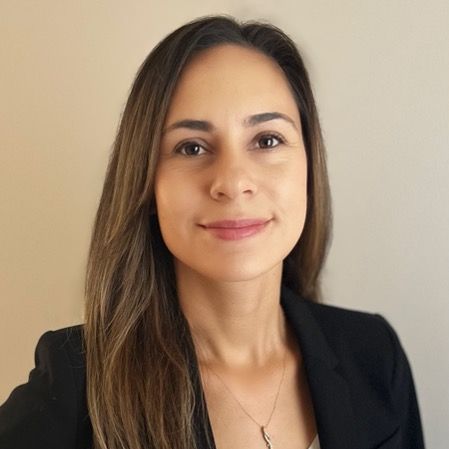
Leanna Hernandez, Ph.D., is Assistant Professor-in-Residence in the Department of Psychiatry and Biobehavioral Sciences at the David Geffen School of Medicine, University of California, Los Angeles. She directs the Hernandez Lab and can be reached at leannahernandez@ucla.edu . Her research integrates multimodal neuroimaging with large-scale genetics to uncover mechanisms underlying autism spectrum disorders, sex differences in brain development, and the role of immune–neurodevelopment pathways such as the complement system. Core themes include: Mapping how common genetic variation shapes brain structure and function across development. Identifying neural signatures that explain the female protective effect in ASD. Elucidating interactions between sleep physiology and brain maturation in youth. Across more than 40 peer-reviewed publications (2012-2023) she has leveraged data from the Adolescent Brain Cognitive Development (ABCD) Study, the GENDAAR Consortium, and multiple international biobanks, generating insights into white-matter microstructure, functional connectivity, and transcriptomic correlates of psychiatric traits. Scientific collaborations span UCLA, UC San Diego, University of Queensland, and the Busselton Health Study, reflecting an interdisciplinary approach that combines neuroimaging, genomics, lipidomics, and behavioral phenotyping. Dr. Hernandez’s laboratory website ( hernandezlabucla.org ) provides further resources, although specific trainees, grants, and awards are not detailed in the supplied text.
Frédéric Calon is a Full Professor in the Faculty of Pharmacy at Université Laval, where he leads a prominent research program focused on neurodegenerative disorders, particularly Alzheimer’s and Parkinson’s diseases. His work bridges molecular neuroscience, nutritional interventions, and blood-brain barrier drug delivery, using both animal models and human post-mortem studies. He is actively involved in training graduate students and postdoctoral fellows and maintains international collaborations, including the LIA OptiNutriBrain with Bordeaux. B.Sc. in Biochemistry, Université Laval (1989–1992) M.Sc. in Pharmacy, Université Laval (1992–1995) B.Pharm., Université Laval (1994–1998) Ph.D. in Pharmacy, Université Laval (1998–2001) Postdoctoral Training, University of California, Los Angeles (UCLA), Dept. of Medicine (2001–2003) Dr. Calon’s research centers on three main axes: (1) the role of nutrition—especially omega-3 fatty acids—in neurodegeneration; (2) synaptic and molecular pathology in Alzheimer’s and Parkinson’s diseases; and (3) the interplay between peripheral metabolic disorders and brain health, including insulin signaling and thermoregulation. He also investigates the blood-brain barrier as a therapeutic gateway for drug delivery. His recent publications reflect a strong focus on Alzheimer’s disease mechanisms, including tau phosphorylation, amyloid-beta pathology, synaptic dysfunction, and the impact of diet and metabolism. He has also made key contributions to understanding essential tremor through post-mortem brain studies. His work frequently involves transgenic mouse models, such as the 3xTg-AD, and integrates behavioral, biochemical, and imaging techniques. Dr. Calon’s research is supported by major grants from CIHR and the Alzheimer Society of Canada. He mentors a large team of doctoral, master’s, and postdoctoral researchers, many of whom are supported by competitive scholarships. His lab has developed unique expertise in in situ brain perfusion and quantitative BBB transport analysis. He leads studies on novel therapeutic strategies, including repurposing beta-3 adrenergic agonists, optimizing nutraceutical formulations, and enhancing brain delivery of biologics via transferrin receptor-targeted vectors. His work on essential tremor has identified GABA receptor deficits and amyloid-beta accumulation in the cerebellum, suggesting a neurodegenerative basis for the disorder.
Yasser Iturria Medina is an Assistant Professor at the Montreal Neurological Institute (MNI) , McGill University, within the Department of Neurology and Neurosurgery . He is an associate member of the Ludmer Centre for Neuroinformatics and Mental Health and the McConnell Brain Imaging Centre . Academic Rank: Assistant Professor Key Affiliations: MNI, Ludmer Centre, McConnell Brain Imaging Centre His educational background includes: Undergraduate: Nuclear Engineering (2004), Higher Institute for Nuclear Sciences and Technology, Cuba MSc: Neurophysics and Neuroengineering (2006), Cuban Neuroscience Center PhD: Neuroimaging and Neuroinformatics (2013), National Center for Scientific Research and Havana’s University of Medical Science His research focuses on neuroinformatics for precision medicine , particularly in neurodegenerative diseases like Alzheimer's and Parkinson's. His lab develops multiscale brain models integrating molecular, imaging, and cognitive data to characterize pathogenic mechanisms and identify personalized interventions. Key research areas include: Neurodegeneration modeling Neurovascular interactions in Alzheimer's Multi-omics integration for disease subtyping Neuroimaging biomarkers across neurodegenerative spectra Computational modeling of amyloid-beta and tau propagation The article analysis reveals his emphasis on: Alzheimer's disease mechanisms (45% of recent works) Multi-omics and transcriptomic modeling (30%) Neurovascular and white matter pathology (20%) Machine learning applications in neuroimaging (15%) Development of tools like NeuroPM-box and MVComp toolbox His lab has been instrumental in creating NeuroPM-box , a software platform for integrating molecular, neuroimaging, and clinical data to characterize neurodegenerative progression and heterogeneity. He has also contributed to CAPTURE ALS , a comprehensive analysis platform for amyotrophic lateral sclerosis.
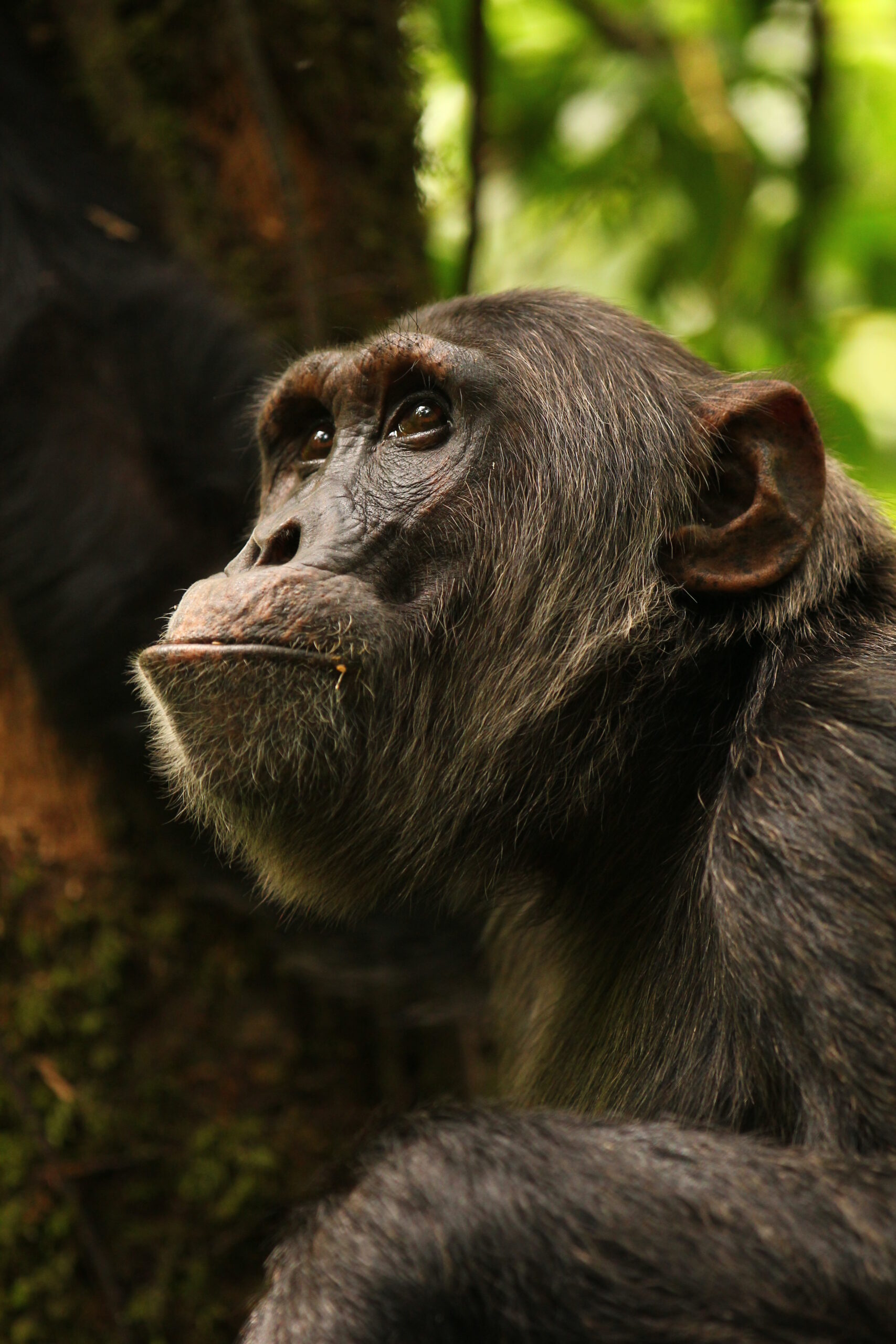
Dr. Kevin Langergraber is an Associate Professor at Arizona State University's School of Human Evolution and Social Change. His research focuses on primate behavior, conservation biology, and evolutionary anthropology, particularly through his leadership in the Ngogo Chimpanzee Project in Uganda's Kibale National Park. This long-term study examines chimpanzee social structures, health dynamics, and ecological interactions, with a strong emphasis on conservation strategies against poaching and disease transmission. Key research interests include genetic adaptation in primates, the impact of human activities on wildlife communities, and behavioral ecology across varying environmental conditions. He has pioneered methods combining genomic analysis, field observations, and machine learning to study ape behavior and biodiversity monitoring. His work integrates socioecological data with physiological measurements to understand aging patterns, reproductive strategies, and disease epidemiology in wild populations. Recent publications highlight advancements in wildlife conservation protocols, primate menopause studies, and innovative datasets for behavior recognition. Collaborations span global institutions to address challenges in primate conservation and evolutionary biology. Dr. Langergraber also engages in public outreach through documentaries and crowdfunding initiatives to fund anti-poaching patrols and support chimpanzee research.
Associate Professor Rachel Tan is an academic affiliated with the University of Sydney's School of Medical Sciences (Neuroscience), and a member of The Centre for Drug Discovery Innovation and the Brain and Mind Centre. Her research focuses on neurodegenerative diseases including dementia, motor neuron disease, and nervous system disorders, with an emphasis on pathogenesis, translational research, and proteinopathies like TDP-43 and tauopathies. She has contributed to over 50 peer-reviewed publications since 2012, exploring topics such as ALS-FTD clinical-pathologic overlaps, biomarker development, and therapeutic strategies. Her work frequently involves post-mortem neuropathological studies and correlates clinical phenotypes with molecular pathology. Education and Affiliations University of Sydney - School of Medical Sciences Affiliated with Brain and Mind Centre and Centre for Drug Discovery Innovation Research Interests Frontotemporal dementia (FTD) and ALS clinical-pathologic subtypes TDP-43 and tau protein aggregation mechanisms Neurodegenerative disease biomarkers Neuropathological classification systems Motor neuron disease therapeutics Recent Article Trends Her 2023-2024 work emphasizes ALS drug efficacy evaluations (e.g., riluzole effects), survival biomarkers (p62 spinal cord burden), and dementia policy in the Western Pacific region. Earlier studies (2017-2019) revealed insights into dual pathologies (Lewy body coexistence with ALS/FTD) and genetic heritability in PPA-ALS subtypes. Translational research includes CuATSM copper compound trials and cerebellar atrophy meta-analyses. Grants and Funding FightMND Mid-Career Research Fellowship (2023) Motor Neurone Disease Research Institute of Australia grants (2023, 2019) NHMRC Dementia Research Fellowships (2015) Labs/Teams Collaborates with multidisciplinary teams at the Brain and Mind Centre, focusing on neurodegenerative disease mechanisms and precision medicine initiatives targeting TDP-43 pathobiology.
Harald E. Möller is a Professor and Head of the Nuclear Magnetic Resonance Research and Development Unit at the Max Planck Institute for Human Cognitive and Brain Sciences in Leipzig. With a career spanning over four decades, he has held academic positions including Honorary Professor at the University of Leipzig and leadership roles in institutions like Duke University Medical Center and the University of Münster. His research focuses on advancing MRI methodologies, biophysical imaging principles, and their applications in neurology and neuroscience. Education: 1979-1985: Chemistry & Physics studies at Universities of Dortmund and Münster 1985: M.Sc. (Diploma) in Chemistry 1988: PhD in Physical Chemistry (summa cum laude) 2000: Habilitation in Physical Chemistry 2002: Habilitation in Biophysical Chemistry Research Interests: Development of novel MRI methods Quantitative tissue characterization Myelin sheath imaging Cerebral blood flow dynamics High-field MRI hardware
Nancy M. Bonini, Ph.D., is the Florence R.C. Murray Professor of Biology in the School of Arts and Sciences at the University of Pennsylvania , an Investigator of the Howard Hughes Medical Institute , and holds secondary appointments in Cell & Developmental Biology and Neuroscience at the Perelman School of Medicine . Education: A.B. Biology, Princeton University, 1981 Ph.D. Neuroscience, University of Wisconsin-Madison, 1987 Postdoctoral Fellow, California Institute of Technology (Neurogenetics), 1988–1994 Research Focus: The Bonini laboratory exploits the power of Drosophila melanogaster genetics to identify conserved genes and pathways that protect the nervous system from degeneration. By introducing human disease genes into flies, the lab replicates late-onset, progressive neurodegeneration seen in Alzheimer’s, Parkinson’s, Huntington’s, ALS/FTD and age-related cognitive decline. Central themes include: Molecular chaperones and protein-folding pathways that mitigate toxic protein aggregation. microRNA-mediated gene regulation in aging and neurodegeneration. Epigenetic dysregulation in Alzheimer’s disease and its intersection with normal aging. RNA toxicity and repeat-associated non-ATG translation in CAG/polyQ disorders. Metabolic and sleep disturbances linked to TDP-43 and Ataxin-2 dysfunction. Axonal injury responses and the role of Nmnat in maintaining neuronal integrity. Publication Landscape: Across 139 peer-reviewed publications (1986–2024), Bonini’s work spans high-impact journals such as Nature , Science , Cell , Nature Genetics , PNAS and Nature Neuroscience . Early papers established Drosophila polyQ models and identified Hsp70 as a potent suppressor of neural degeneration. Mid-career studies broadened to Parkinson’s α-synuclein toxicity, RNA toxicity in spinocerebellar ataxia, and CREB-binding protein effects on repeat instability. Recent output integrates multi-omics, single-cell and epigenomic approaches to dissect Alzheimer’s disease, glial senescence, m6A/m1A RNA modifications and metabolic dysfunction in sleep. Scientific Honors & Awards: NIH R35 Outstanding Investigator Award (2016) Glenn Award for Research in the Biological Mechanisms of Aging (2015) Member, American Academy of Arts and Sciences (2014) Member, National Academy of Medicine (2012) Member, National Academy of Sciences (2012) Member, American Association for the Advancement of Science (2012) Ellison Medical Foundation Senior Scholar Award in Aging Research (2009) NIH EUREKA Award (2009) David & Lucile Packard Fellowship for Science & Engineering (1997) Basil O’Connor Starter Scholar Award, March of Dimes (1996) John Merck Scholars Award in the Biology of Developmental Disabilities in Children (1995) Funding & Mentorship: Bonini has sustained continuous NIH and private foundation support for over three decades. Her lab has trained a large cohort of graduate students and postdocs who have gone on to independent positions in academia and industry. She teaches advanced courses in Molecular Biology & Genetics (BIOL 221) and Molecular Genetics of Neurological Diseases (BIOL 466), integrating cutting-edge research into graduate and undergraduate curricula. Laboratory & Resources: The Bonini Lab is housed in the Carolyn Lynch and Leidy Laboratories at the University of Pennsylvania, equipped with state-of-the-art Drosophila genetics, molecular biology, imaging and multi-omics platforms. The group maintains extensive fly stocks, transgenic lines and genomic datasets that are shared with the broader scientific community. Collaborative networks span Penn’s Perelman School of Medicine, the Mahoney Institute of Neurological Sciences, and numerous national and international consortia focused on neurodegeneration.
Marco Pizzolato is an Associate Professor in the Department of Applied Mathematics and Computer Science at the Technical University of Denmark (DTU), specializing in Visual Computing with a focus on Magnetic Resonance Imaging (MRI), particularly diffusion MRI and biophysical modeling. He is also affiliated with the inter-departmental Microstructure & Plasticity (MAP) research group and has held visiting positions at the University of Verona, EPFL, and DRCMR. His educational background includes a PhD in Signal and Image Processing from INRIA Sophia Antipolis, a Master’s in Bioengineering from the University of Padua, and a Bachelor’s in Biomedical Engineering from the same institution. He previously served as an Assistant Professor at DTU and was a postdoctoral researcher under the Marie Curie COFUND Eurotech programme. Dr. Pizzolato's research centers on image and signal denoising, inverse problems, optimization, diffusion MRI, tractography, and Monte Carlo simulations. He actively contributes to the development of microstructural models for brain imaging, with applications in neurodegenerative diseases and brain connectivity. His work aligns with UN Sustainable Development Goals, particularly in advancing education and health through imaging technology. The recent publications reflect a strong trend in advancing diffusion MRI techniques, including ACID imaging, microscopic propagator modeling, myelin integrity mapping, and multi-scale white matter organization. These works emphasize biophysical accuracy, model validation, and integration across imaging modalities and species. Magna Cum Laude , ISMRM 2020 Magna Cum Laude , ISMRM 2022 First Place , Macaque Validation Challenge at ISBI 2018 First Place (Overall and HCP) , IronTrack Challenge 2019 (MICCAI) MICCAI Student Travel Award 2015 He has supervised PhD students such as Thøgersen, T. L. and Corral Bolaños, M. in projects related to microstructure MR imaging and myelin mapping. He has also been involved in significant grants and collaborative projects, including the Multimodal Microstructure-Informed Connectivity (MMINCARAV) initiative between Inria and EPFL, and the Sinergia consortium for Brain Communication Pathways . He co-organized multiple international events, including the MICCAI CDMRI workshops and challenges (2019–2021), and the ESMRMB Leaps in Microstructure Imaging workshop (2024). Dr. Pizzolato is an active member of the scientific community, serving as an editor for MICCAI workshop proceedings, a reviewer for major journals and conferences, and an invited speaker at ISMRM 2025. He leads and participates in several ongoing research projects at DTU focused on quantitative imaging, myelin mapping, and MRI-based connectivity, demonstrating sustained research leadership and external funding success.
Martin Parent is a Full Professor in the Department of Psychiatry and Neuroscience at the Faculty of Medicine, Laval University. His research focuses on neural circuits within the basal ganglia and their alterations in Parkinson's and Huntington's diseases. Based at the CERVO Brain Research Centre, he leads a research team that utilizes both animal models and post-mortem human brain tissue to understand neurodegenerative processes and develop potential treatments, with particular emphasis on deep brain stimulation and L-Dopa therapy mechanisms. Dr. Parent's research interests center around the anatomical and functional organization of the basal ganglia in rodents, humans, and non-human primates. His team investigates alterations in neuronal circuits that occur in Parkinson's disease and Huntington's chorea, employing a wide array of methodological approaches including in vivo electrophysiological recordings, tracer injections, three-dimensional neuron reconstructions, electron microscopy, neurotransmitter localization, and analysis of post-mortem human brain tissue. A key focus of his work is understanding how the brain adapts to the loss of dopamine neurons in Parkinson's disease, which explains the onset of dyskinesias following L-Dopa treatment. His research has highlighted the remarkable adaptability of the brain in response to neurodegeneration. Analysis of Dr. Parent's recent publications (2024-2025) reveals a strong focus on developing and applying advanced imaging techniques for deep brain stimulation surgery and neurodegenerative disease research. His work spans multiple disciplines including neuroscience, medical imaging, and biomedical engineering, with particular emphasis on Parkinson's disease mechanisms and treatments. Key trends include the application of optical imaging techniques (polarimetric imaging, Raman spectroscopy, optical coherence tomography) for brain tissue identification during neurosurgery, investigation of serotonin and other neurotransmitter systems in parkinsonian models, and exploration of neuroplasticity and cellular stress responses in neurodegenerative conditions. Dr. Parent leads the Parent Lab (http://www.parentlab.ca/), which maintains a strong collaborative network with researchers specializing in optical imaging, neurosurgery, and neurodegenerative diseases. His lab works closely with the CERVO Brain Research Centre's brain bank, an exceptional resource for studying post-mortem human brain tissue from individuals who suffered from neurodegenerative diseases. The lab's interdisciplinary approach combines expertise in neuroanatomy, electrophysiology, molecular biology, and advanced imaging techniques to address fundamental questions about basal ganglia function and dysfunction, with direct applications to improving neurosurgical procedures and developing better treatments for movement disorders.
Karla Miller is a Professor of Biomedical Engineering at the University of Oxford , where she serves as Director of the Oxford Centre for Integrative Neuroimaging (OxCIN) and leads the MRI Physics Group . Her research focuses on advancing MRI technology to study tissue microstructure, brain connectivity, and neuronal health, with applications in UK Biobank harmonization and post-mortem imaging validation.
Malcolm Clench is Professor of Mass Spectrometry in the Department of Biosciences and Chemistry at Sheffield Hallam University, where he has been a key figure since 2007. His work bridges analytical chemistry, biomedical research, and forensic science through advanced mass spectrometry imaging techniques. BSc(Hons) Applied Chemistry, Sheffield City Polytechnic (1977–1981) PhD in Peptide and Protein Sequencing by Fast Atom Bombardment Mass Spectrometry, Manchester Polytechnic/UMIST (1982–1985) His research focuses on the development and application of mass spectrometry imaging (MSI), particularly MALDI-MSI, for spatially resolved molecular analysis in diverse contexts. Key areas include biomedical imaging (cancer, brain lipids, drug distribution), forensic science (fingermark analysis, condom detection, blood identification), and plant biochemistry (herbicide translocation, nitrogen cycling). He also investigates pharmacokinetics and toxicology , using MSI to study drug metabolism and tissue responses. The recent publications highlight a strong trend toward clinical translation of MSI, with applications in malignant mesothelioma, lung imaging, and skin models. Innovations in sample preparation , ionization methods , and multimodal imaging demonstrate technical leadership. His work frequently involves collaborative, interdisciplinary teams and addresses both fundamental biochemical questions and practical diagnostic or forensic challenges. While no formal awards are listed, his sustained high-impact output in journals like Analytical Chemistry and PNAS indicates significant recognition in the field. Malcolm Clench has mentored or collaborated extensively with researchers such as Laura M. Cole, Simona Francese, and Sarah L. Haywood-Small. He has contributed to major projects in drug development , cancer research , and forensic methodology . His peer review activities for journals like Analytical Chemistry and Journal of the American Society for Mass Spectrometry reflect his role as a scientific gatekeeper. He leads or contributes to a dynamic research environment focused on pushing the boundaries of mass spectrometry imaging in both clinical and non-clinical settings, with ongoing work in 3D imaging, quantitative analysis, and novel matrix applications.
Paul Salama is a Professor of Electrical and Computer Engineering at the Elmore Family School of Electrical and Computer Engineering, Purdue University, Indianapolis. He holds a Ph.D. in Electrical Engineering from Purdue University (1999), an M.S. from the same institution (1993), and a B.S. from the University of Khartoum (1991). His research focuses on Medical Image Analysis, Statistical Signal Processing, Machine Learning, and Biomedical Data, with a particular emphasis on applications in neuroscience, neurodegenerative diseases, and medical diagnostics. Key research interests include imaging security, sensor fusion, and pattern recognition, with cross-disciplinary work in communications and networking. Recent publications highlight advancements in Alzheimer’s disease diagnosis, generative models for medical imaging, and distributed image analysis systems. Salama’s work often integrates multi-omic data and deep learning techniques to address complex biomedical challenges. His contributions span algorithm development for image segmentation, 3D microscopy analysis, and systems biology, with applications in precision medicine and disease biomarker discovery.
Jorge A. Trejo-Lopez, M.D. is an Assistant Professor in the Department of Laboratory Medicine and Pathology at Mayo Clinic in Rochester, Minnesota, specializing in Neuropathology. His clinical work focuses on Anatomic Pathology with expertise in brain tumor diagnostics and neurodegenerative disease pathology. Dr. Trejo-Lopez completed his medical training at the University of Florida College of Medicine (M.D. 2014), followed by Anatomic and Clinical Pathology Residency (2018) and Neuropathology Fellowship (2020). He served as Chief Resident during his residency program and maintains active certification in both Anatomic & Clinical Pathology and Neuropathology through the American Board of Pathology. 2020: Neuropathology Fellowship, University of Florida College of Medicine 2018: Anatomic and Clinical Pathology Residency, University of Florida College of Medicine 2014: M.D., University of Florida College of Medicine 2010: B.A. in Philosophy and Pre-Professional Studies, University of Notre Dame His research spans neurodegenerative diseases (particularly Alzheimer's pathology), brain tumor genomics, and diagnostic neuropathology. Recent publications demonstrate expertise in glioma molecular diagnostics, amyloid plaque characterization, and neuroinfectious disease mechanisms. The 15 most recent articles reveal strong emphasis on molecular neuropathology, with recurring themes in TERT mutations, EGFR variants in glioblastoma, and proteomic analysis of neurodegenerative disorders. Dr. Trejo-Lopez has received multiple teaching and humanism awards including the University of Florida Gold Humanism Honor Society Fellowship and Outstanding Resident Instructor Award. His professional activities include serving as Chair of the Clinical Competency Committee in the Department of Laboratory Medicine & Pathology and active participation in the American Association of Neuropathologists. Fellow Teaching Award (2019-2020) AANP Neurodegenerative Disease Scholar Gold Humanism Honor Society Fellowship Outstanding Resident Instructor Award Best Quality Improvement Project Award (2019) His clinical and research work integrates advanced molecular diagnostics with traditional neuropathology, contributing significantly to the understanding of CNS tumor classification and neurodegenerative disease mechanisms. Current projects involve biomarker development for multiple system atrophy and molecular characterization of rare CNS tumors.
Dr. Maura Malpetti is a Senior Research Associate and Race Against Dementia Alzheimer’s Research UK Fellow at the University of Cambridge, Department of Clinical Neurosciences. She earned her PhD as a Cambridge Trust & Sidney Sussex College scholar and holds a BSc and MSc in Cognitive Neurosciences from Italy. Education: BSc in Psychology, MSc in Cognitive Neurosciences (Italy); PhD in Clinical Neurosciences (University of Cambridge) Research Interests: Neurodegenerative diseases (Alzheimer’s, frontotemporal dementia, tauopathies), biomarker development, neuroinflammation, synaptic loss, and tau pathology using multimodal imaging (PET, MRI) and fluid markers. Her work integrates advanced imaging techniques like [11C]UCB-J PET for synaptic density and TSPO PET for microglial activation with post-mortem pathology to identify early diagnostic and prognostic markers. She has collaborated with institutions including the University of California San Francisco and Ludwig Maximilian University of Munich. Scientific Awards Race Against Dementia Alzheimer’s Research UK Fellow Cambridge Trust Scholar Sidney Sussex College Scholar Maura’s publications highlight interdisciplinary approaches to understanding disease mechanisms, with a focus on inflammation, tau spread, and synaptic loss. Her research has implications for personalized medicine and therapeutic strategies in dementia.