Norma FrizzellView profile
Professor
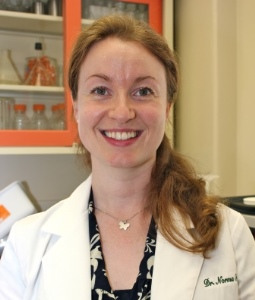
Norma Frizzell, Ph.D., is a Professor in the Department of Pharmacology, Physiology & Neuroscience at the University of South Carolina School of Medicine. Her research focuses on the chemical modification of proteins by mitochondrial metabolites, particularly the non-enzymatic succination of cysteine residues by fumarate. She has made significant contributions to understanding how metabolic alterations in mitochondrial disorders like Leigh Syndrome and in diabetes lead to pathological protein modifications. B.Sc. in Biochemistry, Queen's University of Belfast, Northern Ireland Ph.D. in Biochemistry, Queen's University of Belfast, Northern Ireland Postdoctoral Training, University of Ulster and University of South Carolina Her work investigates the role of fumarate and protein succination in mitochondrial encephalopathies and metabolic diseases. She was the first to document increased brainstem and olfactory bulb succination in a murine model of Leigh Syndrome and to study succination of adipocyte proteins in diabetes. Her research bridges redox biology, metabolism, and disease mechanisms, with implications for therapeutic interventions in neurodegenerative and metabolic disorders. Recent publications reveal her focus on mitochondrial stress, metabolic crosstalk, and the impact of oncometabolites. Her work spans proteomics, cell signaling, and disease models, with studies in diabetes, cancer, neuroinflammation, and infectious disease. She frequently collaborates on chemoproteomic and redox biology projects. Scientific contributions include: Pioneering research on protein succination in diabetes Discovery of mitochondrial-ER stress links via succination Elucidation of fumarate’s role in neurodegeneration and tumor suppression Development of chemoproteomic methods to profile oncometabolites Dr. Frizzell has mentored researchers such as Dr. Gerardo Piroli and collaborates with interdisciplinary teams. Her work is supported by ongoing publications in high-impact journals, indicating active research and funding. She has no listed awards in the provided text, but her publication record in journals like Nature , Redox Biology , and Cancer Research underscores her scientific impact. She leads a research laboratory focused on the succinated proteome and metabolic signaling, contributing to both basic science and translational applications in metabolic and neurological diseases.