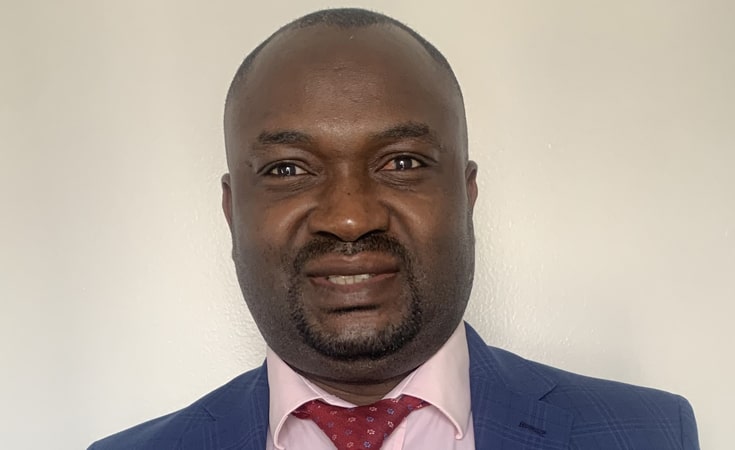
Professor Michael Pitt serves as the Director of Teaching and Learning at The Bartlett School of Sustainable Construction, University College London (UCL) . He is also a Professor of Facilities Management and has held academic positions at Liverpool John Moores University and Heriot Watt University. With over 200 publications, his work bridges academic research and industry applications in facilities management (FM) and sustainable construction. Academic Roles: Professor of Facilities Management (UCL), Reader, Lecturer International Collaborations: Visiting Professor at University of Malaya, Malaysia; partnerships with Malaysian Public Works Department (JKR) and CREAM (Malaysian Property Research Centre) Research Interests focus on facilities management, sustainability, and digital twin technology. Key areas include: Productivity and efficiency in workplace environments Sustainability strategies and performance measurement Digital twins for healthcare and infrastructure resilience Indoor environmental quality (IEQ) and occupant concentration Medical waste management in developing countries Climate-responsive building design for elderly populations Scientific Contributions include editorial leadership as Editor of the Journal of Facilities Management since 2001 and Fellow of the Royal Institution of Chartered Surveyors since 2000. His recent publications emphasize AI-driven asset management, blockchain-integrated healthcare systems, and climate adaptation strategies. Teaching encompasses modules on Service Operations Management and Principles of Facilities and Asset Management for the MSc in Digital Innovation in Built Asset Management at UCL.
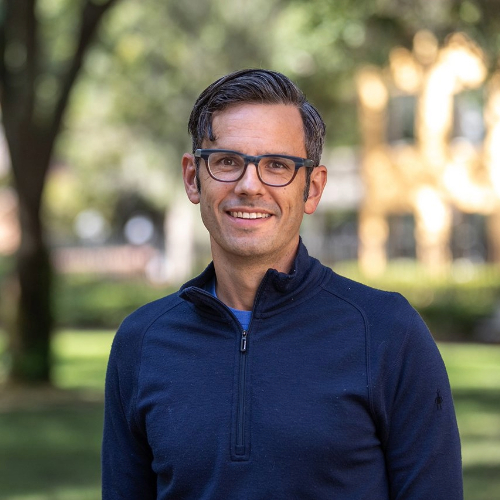
Vishal Shrivastav is an Assistant Professor of Electrical and Computer Engineering at Purdue University's Elmore Family School of Electrical and Computer Engineering. He is affiliated with Max W and Maileen Brown Family Hall in West Lafayette, Indiana. His research focuses on Computer Networking and Networked Systems , with a primary emphasis on Computer Engineering . His work spans areas including programmable switches, datacenter networks, and privacy-preserving reconfigurable systems. Shrivastav's recent research trends highlight advancements in ultra-low latency networking fabrics, scalable oblivious reconfiguration mechanisms, and machine learning-driven traffic analysis. His projects often involve hardware-software co-design for high-performance networked systems. He maintains an active research webpage at https://engineering.purdue.edu/~vshriva/ and collaborates with industry on real-time IoT analytics and next-generation network platforms. His office is located in BHEE 334B at the West Lafayette campus.
Alastair Moore is a Lecturer (Education) at the School of Management, University College London (UCL). He holds a PhD in Computer Science from UCL and has 10 years of experience in AI/ML, UX design, marketplaces, mobile tech, and early-stage innovation. He co-founded UCL spin-outs Satalia.com and Wearepopup.com, and played a key role in establishing the IDEALondon innovation centre with Cisco and DC Thomson. His current projects focus on 5G-enabled business models, Big Data support for SMEs, and smart city platforms using Semantic Web technology. Research interests span AI/ML applications in entrepreneurship ecosystems, innovation management, and emerging technologies like blockchain and smart contracts. He mentors at startup accelerators including Wayra Academy and Techstars London, and chairs the British Computer Society’s Special Group for Entrepreneurship. Professional activities include designing innovation support programs and commercialization frameworks for tech startups. Education: PhD in Computer Science (UCL) Affiliations: IDEALondon, UCL Centre for Entrepreneurship Key Projects: IDEALondon post-accelerator program, 5G SME innovation grants, smart cities semantic platforms His work bridges academic research with practical tech commercialization, focusing on how emerging technologies transform business models and regulatory frameworks. Current projects emphasize 5G applications, blockchain-based legal contracts, and sustainable tech ecosystems.
Edward M. Greitzer is the H. N. Slater Professor of Aeronautics and Astronautics at the Massachusetts Institute of Technology (MIT), where he has served in multiple leadership roles including Interim Department Head (2018), Founding MIT Pillar Head for the Engineering Product Development Pillar at Singapore University of Technology and Design (2009-2016), and Director of the Gas Turbine Laboratory (1986-1996). His research spans gas turbines, turbomachinery, propulsion system-airframe integration, active control of fluid systems, and vortex flows, with significant contributions to industry-university collaboration initiatives. Education: B.A. in Physics, Harvard College, 1962 M.S. in Engineering, Harvard University, 1964 Ph.D. in Mechanical Engineering, Harvard University, 1970 Dr. Greitzer's research focuses on fundamental and applied fluid dynamics in propulsion systems, particularly compressor instabilities (surge and rotating stall), boundary layer phenomena, and aeromechanical control systems. His work bridges theoretical fluid mechanics with practical engineering applications, emphasizing industry-academia partnerships. He pioneered research on active stall control, boundary layer ingestion for aircraft efficiency, and surface waviness effects on fan performance. His leadership in the Cambridge-MIT Silent Aircraft Initiative and NASA-sponsored D8 "double-bubble" aircraft project demonstrates his commitment to sustainable aviation solutions. The integration of experimental methods with computational modeling remains central to his approach, as reflected in his seminal textbook Internal Flow: Concepts and Applications . His publication record shows consistent focus on turbomachinery fundamentals evolving toward system-level integration and environmental impact reduction. Recent work (2015-2022) emphasizes boundary layer control, surface imperfection effects, and propulsion-airframe integration for next-generation aircraft, indicating sustained relevance in addressing aerospace efficiency challenges. Awards and Honors: National Academy of Engineering Member AIAA Honorary Fellow Royal Academy of Engineering International Fellow US Air Force Exceptional Civilian Service Award AIAA Reed Aeronautics Award ASME R. Tom Sawyer Award Four-time ASME Gas Turbine Award recipient MIT Everett Moore Baker Teaching Award ASME Freeman Scholar Award Dr. Greitzer has secured significant research funding through NASA-sponsored projects (including the D8 "double-bubble" aircraft) and industry partnerships via the Gas Turbine Laboratory. His advising philosophy emphasizes hands-on experimental projects and close mentorship, reflected in his two-time receipt of departmental teaching awards. He has trained numerous engineers through MIT's graduate programs and industry collaborations, with research supported by NASA, the US Air Force, and major aerospace corporations. His industry-university collaboration framework has become a model for technology transfer in propulsion research. He founded and directed MIT's Gas Turbine Laboratory, establishing it as a premier research hub for turbomachinery and propulsion systems. The lab fostered deep partnerships with Pratt & Whitney, Rolls-Royce, and other industry leaders, facilitating joint research on compressor stability, novel aircraft configurations, and sustainable propulsion technologies. His leadership in the Singapore University of Technology and Design initiative extended this collaborative model internationally.
Harry Moore is an Adjunct Research Fellow at the School of Agriculture and Environment, University of Western Australia. His work focuses on biodiversity conservation and wildlife ecology, particularly using camera traps and advanced tracking technologies. University of Western Australia, School of Agriculture and Environment Research Interests: Active in camera trap monitoring , endangered species conservation , and movement ecology . Key areas include: Temporal activity patterns in marsupial predators Post-wildfire habitat preferences GPS-based movement analysis in mining-impacted landscapes Publications: Recent works focus on continental-scale wildlife monitoring, bilby conservation in Western Australia, and behavioral adaptations of endangered species to environmental disturbances. Collaborations include researchers from biodiversity observatories and ecological monitoring networks. 5+ peer-reviewed articles in 2024 Dataset contributor to taxonomic revision studies
Barry P. Rand is Professor of Electrical and Computer Engineering and the Andlinger Center for Energy and the Environment at Princeton University, with additional affiliations at the Princeton Materials Institute (PMI) and High Meadows Environmental Institute (HMEI). His research program focuses on advancing thin-film electronic materials for energy conversion and optoelectronic applications, bridging electrical engineering, materials science, physics, and chemistry. His educational background includes a PhD in Electrical Engineering from Princeton University (2007) and a Bachelor of Engineering in Electrical Engineering from The Cooper Union (2001). This foundation supports his interdisciplinary approach to semiconductor research. Rand's work centers on emerging thin-film semiconductors—particularly organic, oxide, and metal-halide perovskites—for solar cells, LEDs, and transistors. He investigates fundamental optical/electrical properties, material processing techniques (both vacuum and solution-phase), and critical device stability challenges. His research emphasizes understanding degradation mechanisms while developing novel device architectures to improve efficiency and longevity in real-world conditions. Analysis of his recent publications reveals dominant themes in perovskite optoelectronics, with concentrated efforts on stability enhancement through interface engineering, halide chemistry control, and novel transport layers. Significant growth appears in machine learning applications for materials discovery (e.g., LLM-Prop) and expansion into neuromorphic photonics and terahertz modulation, indicating strategic diversification while maintaining core expertise in energy devices. His scientific recognition includes: Gordon and Betty Moore Foundation Experimental Physics Investigators Initiative award (2023) ONR Young Investigator Program Award (2016) DARPA Young Faculty Award (2015) DuPont Young Professor Award (2015) 3M Nontenured Faculty Award (2014) As Director of Graduate Studies and active mentor, Rand supervises a diverse cohort of graduate researchers across thin-film electronics topics. His lab operations are supported by substantial research funding from federal agencies (ONR, DARPA) and industry partnerships, enabling state-of-the-art thin-film fabrication and characterization facilities. The RandLab, established in 2013, serves as the operational hub for his research group, focusing on translating fundamental semiconductor discoveries into next-generation electronic and optoelectronic devices for computing, sensing, and renewable energy applications.
Michael Lam is an Associate Professor in the Department of Computer Science and Interim Assistant Dean of the College of Integrated Science & Engineering (CISE) at James Madison University (JMU). He holds a Ph.D. and M.S. in Computer Science from the University of Maryland (2014 and 2010, respectively), and a B.S. in Computer Science from JMU (2007). His research focuses on high-performance computing, scientific computing, and software engineering, with a particular emphasis on precision computing and algorithm optimization. Dr. Lam's work includes developing tools for mixed-precision analysis, such as HPC-MixPBench, and advancing techniques like ADAPT (Algorithmic Differentiation for Floating-Point Precision Tuning). His contributions span both computational theory and pedagogy, including innovative approaches to online systems education and curriculum design. He has held roles such as Post-doctoral Researcher at the University of Maryland and Graduate Research Intern at Lawrence Livermore National Lab. His research trends emphasize energy-efficient computing paradigms, automated precision tuning, and bridging the gap between theoretical algorithms and practical software implementation. While no awards are explicitly listed, his extensive publication record reflects sustained excellence in high-performance computing and educational innovation. As Interim Assistant Dean of CISE, Lam contributes to interdisciplinary initiatives and program development. His advising and grant activities are reflected in his scholarly work, though specific grant details are not provided here.
Antoine Kaufmann is a Tenure-Track Faculty Member (W2) at the Max Planck Institute for Software Systems (MPI-SWS) and serves as Adjunct Faculty at TU Munich's Chair of Distributed Systems and Operating Systems. He leads the operating systems research group focusing on post-Moore systems – specialized architectures integrating hardware and software components. Education includes a PhD from University of Washington's Allen School of Computer Science and Engineering, and Bachelor/Master degrees from ETH Zürich. His work bridges systems research and practical implementations, resulting in publications at top-tier venues including SOSP, OSDI, and EuroSys. Research Interests: Centers on the interplay of software and hardware in specialized systems. Key areas include network communication architectures, machine learning systems, and methodologies for efficient post-Moore systems with manageable complexity through reusable components. Publications: Focus on network systems, operating systems, and distributed computing, with recent work on simulation frameworks (SplitSim), virtualized network stacks (Virtuoso), and reconfigurable packet processing (Kugelblitz). Awards: Distinguished Artifact Award for Clockwork at OSDI 2020. Teaching & Service: Developed courses on Operating Systems and Accelerating Applications with Specialized Hardware. Regularly serves on program committees for EuroSys, MobiSys, and other top conferences.
Dr. Ivan Shorubalko serves as a Lecturer at ETH Zurich's Department of Information Technology and Electrical Engineering, based at EMPA's Transport at Nanoscale Interfaces group in Dübendorf, Switzerland. His work bridges academic instruction with applied materials science research at this national laboratory. His research centers on nanoscale failure mechanisms and reliability physics in electronic systems, with particular expertise in interfacial transport phenomena and post-Moore device architectures. Current investigations focus on degradation processes in nanoelectronics and novel circuit designs for computing paradigms beyond traditional scaling limits. Dr. Shorubalko teaches specialized courses including Physics of Failure and Reliability of Electronic Devices and Systems and Nanodevices and Circuits for the Beyond-Moore Era at ETH Zurich, emphasizing experimental methodologies for device characterization. He maintains active collaboration with EMPA's Transport at Nanoscale Interfaces research unit, where experimental facilities enable atomic-scale analysis of material interfaces under operational stress conditions.
Dr. Shideh Kabiri Ameri Abootorabi is an Assistant Professor in the Department of Electrical and Computer Engineering at Queen’s University. She holds a PhD in Electrical Engineering from Tufts University (2015) and completed a postdoctoral fellowship at the University of Texas at Austin (2015–2018). Her research focuses on 2D material-based electronic devices, wearables, bioelectronics, and human-machine interfaces (HMI), with applications in IoT and mobile healthcare. Dr. Ameri has authored over 40 journal articles and received the 2017 Rising Star in EECE award. Her work has been featured in media outlets like BBC, IEEE Spectrum, and Phys.Org. Education: PhD in Electrical Engineering (Tufts University, 2015), Postdoctoral Fellowship (University of Texas, 2015–2018), M.Sc. and B.Sc. in Physics (Solid State), and B.A.S. in Medical Laboratory Science. Research interests include wearable sensors, stretchable electronics, bio-signal processing, and graphene-based sensor systems. Notable contributions include tattoo-assisted optical sensors, hydrogel-based biosensors, and strain-mitigated 2D electronics. Awards: Rising Star in EECE 2017. Office: Walter Light, 601.
Dr. Anne Dubin is an Endowed Professor of Pediatrics and Chief of the Division of Pediatric Cardiology at Stanford University, leading the Betty Irene Moore Children’s Heart Center. She is a renowned clinician, educator, and researcher specializing in pediatric electrophysiology, particularly arrhythmias and cardiac resynchronization therapy in congenital heart disease. Her academic roles include membership in the Cardiovascular Institute and Maternal & Child Health Research Institute (MCHRI). Dr. Dubin holds an AB in Biochemistry from Mount Holyoke College and an MD from the University of Rochester. She completed her pediatric residency at Columbia-Presbyterian Medical Center and fellowships in Pediatric Cardiology at Children’s Hospital of Philadelphia and cardiac electrophysiology at Yale New Haven Hospital. She is board-certified in Pediatric Cardiology and Adult Congenital Heart Disease. Her research focuses on arrhythmia management, pacing strategies, and device therapies in pediatric and congenital heart populations. Notable contributions include studies on dual-chamber pacing in congenital heart block, ventricular arrhythmias post-pulmonary valve replacement, and the efficacy of cardiac resynchronization therapy. She has authored over 200 peer-reviewed articles and contributed to clinical guidelines in pediatric electrophysiology. Her work emphasizes patient-centered care, leveraging digital tools like smartwatches for arrhythmia detection and advocating for pediatric-specific cardiac devices. Dr. Dubin teaches courses in pediatric clinical research and mentors students in cardiology. She actively participates in clinical trials and collaborates globally to advance pediatric electrophysiology. Her leadership in academic medicine and dedication to improving outcomes for congenital heart disease patients make her a pivotal figure in the field.
Shawn W. Polson is a Professor in the Department of Computer & Information Sciences, Department of Plant & Soil Sciences, and Department of Biological Sciences at the University of Delaware. He serves as Associate Director of the Center for Bioinformatics and Computational Biology (CBCB), Director of the Bioinformatics Data Science Core Facility, and Director of the Data Science Core for Delaware INBRE. He is also Co-director of the CBB T32 Predoctoral Training Program and affiliated with multiple institutes including the Data Science Institute and the Delaware Environmental Institute. Dr. Polson earned his B.S. in Biology (Cell & Molecular) and Computer Science from the University of South Carolina Aiken, followed by an M.S. in Microbiology & Molecular Medicine from Clemson University, and a Ph.D. in Molecular & Cellular Biology & Pathobiology from the Medical University of South Carolina. He completed postdoctoral training in viral metagenomics at the University of Delaware. His research lies at the intersection of genomics and microbial ecology, focusing on how microorganisms and viruses interact with their environments—especially marine, soil, and extreme environments like hydrothermal vents. His work specializes in bioinformatics solutions for analyzing complex microbial community data. Current projects include studying viral infection dynamics, connecting genotype to phenotype in microbial viruses, optimizing biopharma manufacturing using omics, and developing the VIROME and MgOl platforms for viral and metagenomic data analysis. His recent publications highlight a strong emphasis on marine virology, metagenomics, microbial ecology, and bioinformatics tool development. Themes include viral diversity, gene annotation, microbial community dynamics, and environmental genomics across marine, soil, and engineered systems. Scientific awards include: Delaware Biotechnology Institute Symposium, Best Scientific Talk (May 2010) Sigma Xi Research Award (November 2006) Estuarine Research Federation Travel Award (October 2005) NOAA National Ocean Service Certificate of Achievement (July 2004) Dr. Polson has advised numerous students and researchers, including Daniel Nasko, Rachel Keown, Jessica Chopyk, and Eric Sakowski. He has received significant grant funding from the National Science Foundation, Gordon and Betty Moore Foundation, USDA, and NIH for projects such as VIROME, which supports viral metagenome analysis. He is actively involved in professional societies including the American Society for Microbiology, Association of Biomolecular Resource Facilities, and Sigma Xi. He leads the CBCB Bioinformatics Core, which provides scientific expertise and infrastructure support in bioinformatics and computational biology for researchers across Delaware. He also co-developed the VIROME platform, a key resource for viral metagenome exploration that enables classification of unknown viral sequences and supports global research in viral dark matter.
Raúl Aranovich is a Professor in the Department of Linguistics at the University of California, Davis, within the College of Letters and Science. He has been a faculty member at UC Davis since 2001 and previously held academic positions at Ohio State University and the University of Texas at San Antonio. He earned his Ph.D. in Linguistics from UC San Diego in 1996 under the supervision of Professors S.-Y. Kuroda and John Moore. His research centers on theoretical linguistics, particularly the interfaces between syntax, morphology, and semantics, with a focus on grammatical mismatches across these domains. He specializes in Romance languages—especially Spanish—and lesser-studied languages such as Fijian and Shona. His work increasingly integrates computational methods, including corpus linguistics, natural language processing, and knowledge representation via ontologies. He has also contributed to interdisciplinary research in cybersecurity communication and neural machine translation. The recent publications of Raúl Aranovich span a wide range of subfields, from historical linguistics and construction grammar to computational modeling and cross-linguistic typology. A strong trend in his work is the use of formal and empirical methods to analyze syntactic variation, auxiliary selection, impersonal constructions, and morphological complexity, often with a comparative approach across languages. His interdisciplinary collaborations, especially with computer scientists, reflect a growing interest in applying linguistic theory to real-world digital communication and security challenges. Fellow, Linguistic Society of America Raúl Aranovich has mentored numerous students and collaborators, though specific advisees are not listed in the provided text. He has secured research funding through collaborative projects, particularly in computational linguistics and cybersecurity, as evidenced by co-authored publications with researchers in computer science. His work on low-resource machine translation and semantic web applications suggests active grant-supported research. He is involved in modeling grammars using OWL ontologies and has explored language use in digital communities such as GitHub and cybersecurity forums. His research group likely includes students and postdocs working at the intersection of linguistics and computer science, particularly in NLP and knowledge representation.
Isaac Damoah serves as an Associate Professor of Management at Johnson & Wales University's Providence Campus since 2022. With over 16 years of prior experience, he held academic and consultancy roles in the UK and US, including lectureship and professorship positions. His expertise spans project management, operations, and sustainable business practices. His academic credentials include: Ph.D. in Business Management, Liverpool John Moores University Certificate in Social Enterprise, University of Pennsylvania MBA in Project Management, University of Wales, Cardiff, UK BA in Political Science with Philosophy, University of Ghana, Legon-Accra Dr. Damoah's research is centered on multi-disciplinary studies in project management performance, stakeholder engagement, and sustainable operations. Primary interests include program/project management and its impact on stakeholders, operations and supply chain management, and sustainable development. Secondary areas cover environmental accounting, entrepreneurship, and SMEs performance, addressing critical challenges in both public and private sectors. His recent publications reveal a focus on applying innovative solutions to real-world problems, particularly in humanitarian logistics, sustainable supply chains, and technology-driven environmental initiatives. Notable themes include AI in healthcare supply chains, disaster management, and the role of DIY laboratories in science and innovation. Dr. Damoah has been recognized with multiple awards for mentoring student teams to victory in regional and national competitions, as well as for successful consultancy and entrepreneurship projects. In terms of research funding, he secured a £100,000 UK government grant in 2019 for a carbon emission reduction technology developed with student Nirpaul Singh, and an internal £5,000 research grant at Bournemouth University in 2018. His advising includes guiding students in research and competition projects. He actively participates in professional organizations including the Project Management Institute (PMI), Association for Project Management (APM), and Higher Education Academy (HEA), and has served as a guest speaker for PMI since 2014. His leadership in student teams and industry collaboration underscores his commitment to experiential learning.
Christopher Korey serves as Professor and Associate Provost for Student Success at the College of Charleston, holding appointments in the Department of Biology within the School of Sciences and Mathematics. He actively contributes to the Neuroscience Program and Women’s and Gender Studies Program, teaching core biology courses and specialized seminars including international neuroscience studies in Germany. His educational background includes: Ph.D. from Harvard University B.S. from the University of Notre Dame Dr. Korey maintains dual research trajectories with significant scholarly impact. In higher education research , he investigates student academic and social transitions during college, particularly through the sophomore year, employing grounded theory methodologies. His neuroscience work utilizes invertebrate models—especially snapping shrimp and Drosophila —to examine neurodevelopment, neuroplasticity, and human disease mechanisms like Batten disease, with publications spanning crustacean autotomy/regeneration and genetic disease modeling. Analysis of his publication record reveals consistent interdisciplinary output since 2000, with recent emphasis on educational innovation (e.g., SEA-PHAGES program integration) and neurogenetic disease mechanisms. The work bridges marine biology, genetics, and pedagogy, demonstrating methodological versatility across field studies, molecular techniques, and qualitative education research. His scientific recognition includes: Gordon E. Jones Distinguished Achievement Award (School of Sciences and Mathematics) William V. Moore Distinguished Teacher-Scholar Award EU Erasmus Mundus Neurasmus Invited Scholar position at Charité – Universitätsmedizin Berlin Educator of the Year from the Faculty for Undergraduate Neuroscience As Associate Provost, Dr. Korey oversees institutional student success initiatives while maintaining active research mentorship. His leadership in the SEA-PHAGES program demonstrates successful grant management for large-scale undergraduate research integration, and his neuroscience study abroad course reflects innovative grant-funded international programming. Departmental records indicate consistent supervision of undergraduate research projects in both biology and education domains. His laboratory conducts comparative studies on snapping shrimp regeneration and Drosophila neurogenetics, collaborating with institutions like Charité – Universitätsmedizin Berlin. Within the Neuroscience Program, he co-develops cross-disciplinary curriculum and leads the international seminar component in Germany.