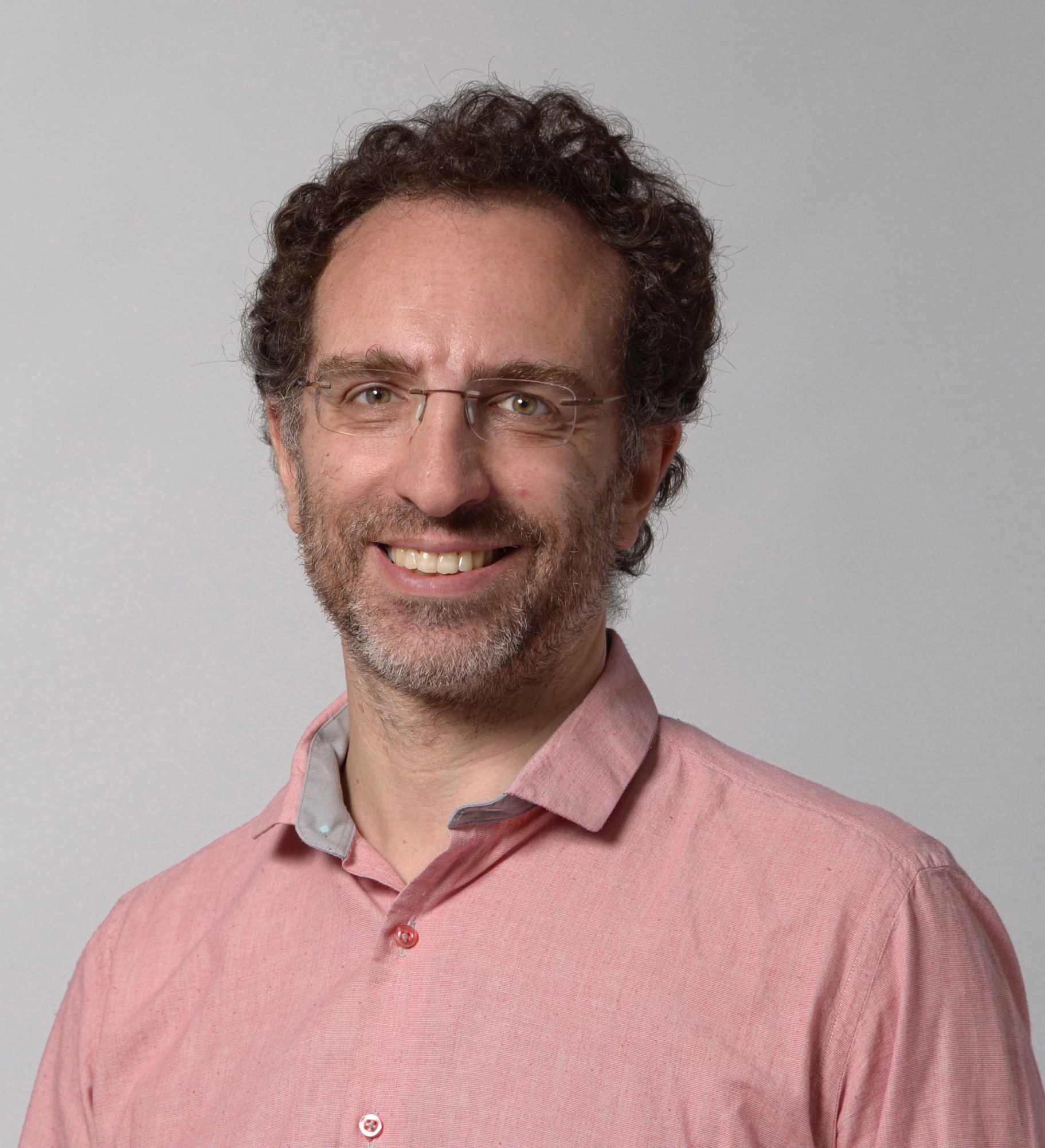
Dario CarugoView profile
Associate Professor
Dario Carugo is an Associate Professor of Biostimulation and Immunological Engineering at University College London (UCL), School of Pharmacy, Department of Pharmaceutics. Previously, he held positions at the University of Oxford (Botnar Research Centre) and University of Southampton. His academic foundation includes a BSc and MSc in Biomedical Engineering from Politecnico di Milano (specializing in Biological Fluid Dynamics & Bio-Machines), and a PhD in Bioengineering Sciences from the University of Southampton. His research spans acoustofluidics , microfluidic drug delivery systems , and biofilm eradication technologies . Key interests include ultrasound-activated drug carriers, mechanistic models for therapeutic physical stimuli, and nano/micro-scale systems for chronic wound treatment, implant infections, and musculoskeletal disorders. His work integrates computational fluid dynamics with experimental models to optimize interventional treatments. Recent publications (2023-2025) reveal a strong trend toward biofilm-targeted therapies using ultrasound-responsive carriers (microbubbles/nanodroplets), oxygen delivery systems for bone healing, and 3D-printed devices for precision drug delivery. Interdisciplinary collaborations span microbiology, urology, and tissue engineering, with emphasis on translating lab innovations to clinical applications for chronic wounds and implant-associated infections. Awards: Italian National Bioengineering Group award IMechE Biomedical Engineering Division award EPSRC Doctoral Prize award FP7 European project funding BBSRC award Junior Research Fellowship at Jesus College, Oxford Carugo teaches Biofluids (Engineering Science) and Micro- & nano-technologies for personalised medicine (MSc Pharmacology), alongside supervising MSc Musculoskeletal Sciences laboratory activities. His Botnar Research Centre lab pioneers vortical flow devices for ultrasound-activated drug delivery and high-speed imaging systems (>1 million fps) to quantify cellular responses to mechanical stimuli.