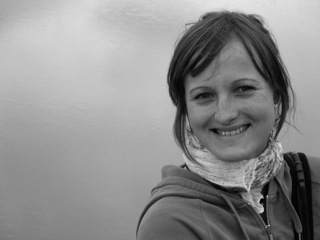
Julia M.I. Barth is a guest researcher at the University of Oslo, focusing on population genomics and conservation genetics. Her work emphasizes marine fish species, particularly Atlantic cod, and involves collaborations on projects like CodS (Interreg) and the Aqua Genome initiative. She holds an M.Sc. in developmental biology, a Ph.D. in genetics and cell biology, and postdoctoral training in evolutionary biology/ecology. Education: M.Sc. in Developmental Biology Ph.D. in Genetics and Cell Biology Her research spans population connectivity, adaptation, and demographic histories in marine species. Key themes include genomic divergence mechanisms in Atlantic cod and conservation strategies for threatened populations. Recent publications highlight topics like supergene dynamics, hybridization resilience in eels, and genomic tools for sustainable fisheries management. Collaborative projects include the CodS initiative to restore cod populations in the Skagerrak/Kattegat region and the Aqua Genome project dissecting genetic factors in fish adaptation. No formal student advisement roles are listed, but her work involves interdisciplinary teams addressing biodiversity and ecosystem challenges.
Rune Jonassen is a Professor at Oslo Metropolitan University's Faculty of Health Sciences, Department of Nursing and Health Promotion. His research focuses on clinical psychology and mental health, particularly stress-related disorders, attentional bias mechanisms, and self-medication practices in adolescents. Research Groups : ADvanced hEalth intelligence and brain-insPired Technologies (ADEPT) Projects : Sauna and cold baths for stress reduction; Pain, youth, and self-medication (SUS) Current studies analyze attentional bias modification techniques for depression, over-the-counter analgesic usage patterns, and chronic pain prediction via EEG-genomics integration. Recent articles examine stress-induced emotional reactivity, rumination's role in treatment outcomes, and network analysis of pain-anxiety-depression links. Email: rune.jonassen@oslomet.no
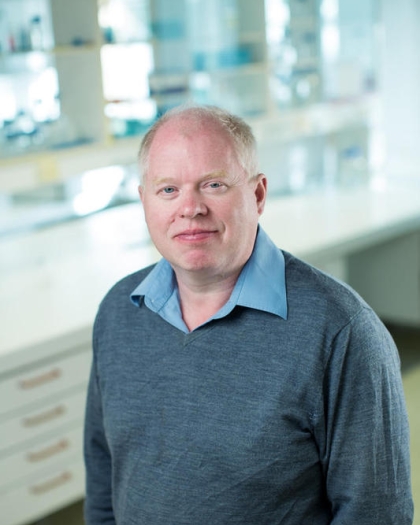
Frank Nilsen is a Professor at the University of Bergen's Department of Biological Sciences (BIO), specializing in marine parasitology with a focus on the salmon louse (Lepeophtheirus salmonis). His research addresses parasite adaptation, genomics, and environmental interactions, particularly in aquaculture contexts. He leads the Fish Disease Research Group (FDRG) and collaborates with institutions like the Institute of Marine Research. Research interests include parasite resistance mechanisms, molecular biology of reproduction and development, and the impact of environmental factors like salinity on parasite survival. Key contributions include studies on transcriptomic responses to low salinity, genetic basis of pyrethroid resistance, and chitin synthesis pathways in salmon lice. Recent work (2025) explores transcriptomic adaptations in sea lice, while earlier publications (2023–2018) address topics ranging from aquaculture-driven evolution of mtDNA to molecular components of egg strings. His research often involves genomic analysis, functional gene studies, and collaborations with industry stakeholders such as the Research Council of Norway and Bergen Research Foundation.
Norwegian University of Science And TechnologyNorway
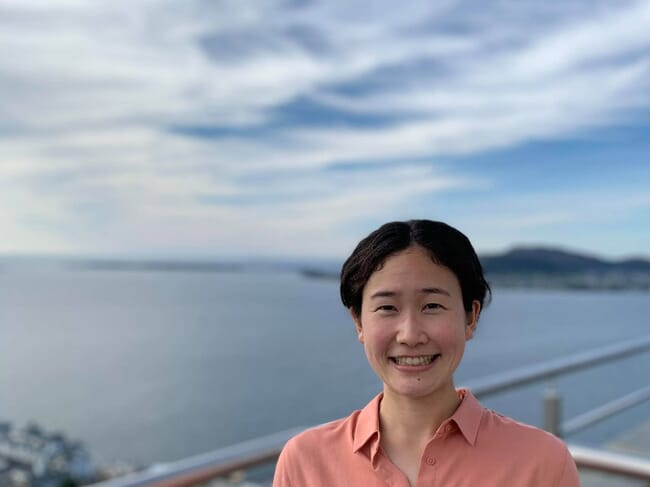
Kana Banno is a PhD Research Fellow at the Department of Biological Sciences Ålesund, Faculty of Natural Sciences at the Norwegian University of Science and Technology (NTNU). Her research focuses on salmon aquaculture, with particular emphasis on fish behavior and welfare in commercial sea cages. She utilizes advanced technologies including underwater cameras, ROVs, echosounders, and sonars for aquaculture monitoring. Banno earned her PhD in Biology from NTNU in 2025, following an MSc in Biology with a focus on aquaculture and genetics from UiT The Arctic University of Norway in 2019. Her educational background includes: PhD in Biology, NTNU (2025) MSc in Biology (Aquaculture & Genetics), UiT The Arctic University of Norway (2019) Banno's research interests center around understanding fish behavior as an indicator of welfare and health in aquaculture settings. She investigates how environmental factors affect the distribution and behavior of Atlantic salmon in commercial sea cages. Her work bridges biology and engineering through the integration of technology for monitoring purposes. She has particular expertise in using computer vision and artificial intelligence to identify growth-stunted salmon and monitor wild fish interactions around aquaculture sites. Her research contributes to developing more sustainable and welfare-conscious aquaculture practices. Analysis of her publication record reveals a strong focus on technological applications in aquaculture monitoring, with particular emphasis on computer vision, sonar technology, and multi-sensor integration. Her work spans both practical applications for the aquaculture industry and fundamental research on fish behavior. The publications show a progression from molecular genetics (her master's work on salmon lice) to more applied technological solutions for monitoring fish welfare in commercial settings. Her notable achievements include: Featured in 'Women in aquaculture' series by The Fish Site (2021) Research on AI for wild fish monitoring highlighted by Norwegian SciTech News (2021) Banno teaches BIA3003 Introduction to scientific method (2024 Autumn) and has been actively involved in the InnoSEA project (Innovations for Sustainable sEabased Aquaculture). Her fieldwork involves regular visits to salmon farms approximately 1.5 hours from her base, where she monitors salmon behavior using underwater cameras and remotely operated vehicles. She collaborates extensively with researchers from multiple countries including Argentina, China, Germany, Japan, and Norway. She maintains strong connections with the aquaculture industry, having previously worked at FRD Japan, a land-based RAS facility producing rainbow trout, where she gained practical experience in fish farming operations before transitioning to research.
Rune Andreassen is a Professor at the Faculty of Health Sciences , Department of Life Sciences and Health at OsloMet - Storbyuniversitetet. His research spans interdisciplinary domains including Genetics and Genomics, Forensic Genetics, miRNA regulation, and environmental stress responses in aquatic species like Atlantic salmon ( Salmo salar ). Specializes in method development for deep sequencing and characterization of genes. Active in studying epigenetic regulation by miRNAs in Atlantic salmon, particularly in disease response and osmotic stress adaptation. Collaborates on databases such as MicroSalmon , integrating miRNA target transcripts and cis-regulatory elements. Research Trends: Recent publications focus on miRNAome analysis, transcriptome profiling, and splice variants in salmonids. His work bridges molecular biology and aquaculture, with applications in fish health and conservation genetics. Education and Affiliations: Affiliated with OsloMet since at least 2002, Rune has contributed to projects involving CRISPR methodology, wildlife DNA sampling, and salmonid genomics.
Astrid Dalhaug serves as a University Lecturer at the Department of Clinical Medicine, Faculty of Health Sciences, UiT The Arctic University of Norway. Her academic work focuses on clinical oncology with particular emphasis on cancer treatment outcomes in rural healthcare settings across Northern Norway. Dr. Dalhaug's research interests center on oncology, specifically radiotherapy, palliative care, and survival prediction models for cancer patients. Her work frequently addresses the challenges of delivering quality cancer care in remote regions with scattered populations. She investigates prognostic factors in various cancer types including prostate cancer, lung cancer, and brain metastases, with special attention to biomarkers, treatment fractionation, and demographic variables that influence patient outcomes. Analysis of her publication record reveals a consistent focus on developing and validating practical prognostic tools for clinical use, particularly the LabPS and LabBM scores. Her research demonstrates how serum biomarkers can enhance survival prediction accuracy across different cancer types and metastatic presentations. A distinctive feature of her work is the examination of rural healthcare delivery challenges and their impact on cancer treatment outcomes in Northern Norway's unique geographical context. Dr. Dalhaug maintains a highly productive research collaboration, most notably with Carsten Nieder, with whom she has co-authored numerous studies across multiple cancer types and treatment modalities. Her work spans clinical trials, retrospective analyses, and validation studies that contribute significantly to evidence-based oncology practice, particularly in resource-limited or geographically isolated settings.
Victor Greiff is a Professor at the University of Oslo's Institute of Clinical Medicine , leading the Computational and Systems Immunology group. His research focuses on integrating high-throughput single-cell sequencing , artificial intelligence , and high-dimensional statistics to advance therapeutic antibody design, diagnostics, and vaccine development for infectious diseases, autoimmunity, and cancer. Key Research Areas : Computational immunology, adaptive immune receptor repertoires, machine learning in antibody discovery, bioinformatics, structural biology, and immune diagnostics. Funding : European Research Council (ERC) Grant AB-AG-INTERACT (Project ID: 101125630). Recent Publications highlight interdisciplinary work in: Machine learning for antibody design and immune repertoire classification . Structural analysis of antibody-antigen interactions and evolutionary immunogenetics . Development of bioinformatics tools (e.g., ExpoSeq, TCRpower, CompAIRR) for immune sequencing data analysis. Scientific Contributions include: Establishing computational frameworks for synthetic immune repertoire generation. Exploring genetic constraints on TCR and BCR diversity. Advancing AI-driven antibody engineering for improved therapeutic developability.
Mette Marianne Svenning is a Professor at the Department of Arctic and Marine Biology at UiT The Arctic University of Norway. Her research focuses on microbial communities in Arctic and high-latitude ecosystems, particularly methanotrophs and their roles in methane cycling, permafrost dynamics, and climate change feedbacks. She investigates microbial adaptations to extreme environments, including cold-adapted methanotrophs and their metabolic pathways. Her work integrates genomic, transcriptomic, and biogeochemical approaches to understand microbial contributions to global carbon cycles. Key research themes include methane oxidation mechanisms, microbial community responses to environmental changes, and symbiotic relationships in Arctic seep ecosystems. She has conducted extensive fieldwork in Svalbard and other Arctic regions, contributing to long-term ecological studies at Ny-Ålesund. Her research also explores applications in biotechnology, such as microbial consortia for methane conversion to industrial products. Dr. Svenning collaborates internationally on projects addressing permafrost thaw impacts, microbial biogeography, and the interplay between vegetation, herbivory, and soil microbiota. Her findings highlight the critical role of Arctic microorganisms in modulating greenhouse gas emissions under climate change scenarios.
Norwegian University of Science And TechnologyNorway
Kristian Hassel is a Professor and Head of Herbarium TRH at the NTNU University Museum (Norwegian University of Science and Technology). His research focuses on Arctic bryophyte ecology, biosystematics, and conservation, particularly Sphagnum species. He leads Norway's red list assessments for bryophytes and chairs the Nordic Bryological Society. His work combines field studies in Greenland and Svalbard with genomic approaches to study speciation and climate impacts. Affiliations: NTNU University Museum, Department of Natural History Roles: Professor, Herbarium TRH Director, Nordic Bryological Society President Key Projects: Norwegian Taxonomy Initiative, MIRACLE (Mires and Climate), Nordic bryophyte conservation networks Research emphasizes Arctic ecosystems' responses to climate change through metabarcoding, fossil pollen studies, and species distribution modeling. Recent work addresses Sphagnum peatmoss genetics and conservation of carbon-sequestering mires. Publications span 2018–2025, with contributions to New Phytologist , American Journal of Botany , and bryological journals. Active in red-listing assessments and policy advising on mire protection.
Norwegian University of Science and TechnologyNorway
Professor Dorthe Stensvold is a leading academic in exercise medicine at NTNU's Department of Circulation and Imaging within the Faculty of Medicine and Health Sciences. She leads the Exercise, Circulation and Respiration research group and serves as deputy head of the Cardiac Exercise Research Group (CERG). Her work focuses on aging populations, physical activity's role in healthy aging, and disease prevention through endurance training. Education: BSc in Exercise Physiology from University of Copenhagen, PhD in Clinical Medicine from NTNU. She teaches master's programs in Physical Activity & Health and Clinical Health Sciences at NTNU Medical School. Her landmark Generation 100 study (2009-ongoing) is a 10-year randomized controlled trial investigating long-term endurance training effects on disease risk and life expectancy in elderly Norwegians. Additional projects include post-COVID-19 exercise recovery and youth physical activity interventions. Key research areas span exercise physiology, aging mechanisms, cardiovascular health, and lifestyle disease prevention. Over 50 peer-reviewed publications since 2009 reflect her interdisciplinary approach, with emphasis on neurocognitive effects of exercise, cardiorespiratory fitness metrics, and population health outcomes. Laboratory affiliations include the AHL Center and CERG facilities. Active in public engagement through media appearances and educational initiatives promoting active aging strategies.
Norwegian University of Science and TechnologyNorway
Ingunn Mundal is a Professor of Nursing at Molde University College and holds a postdoctoral fellowship at NTNU (RKBU/NTNU) in the Department of Mental Health, Faculty of Medicine and Health Sciences. She completed a PhD in Clinical Medicine at NTNU in 2014 and a Master's in Health Management and Economics at the University of Bergen (UiB) in 2010. Her research focuses on ADHD, chronic pain, and patient involvement in healthcare, with ongoing projects investigating pain trajectories in ADHD populations and validating educational interventions for parents of children with ADHD. She supervises doctoral and master's programs in health and social sciences, and bachelor's nursing programs at Molde University College. Her research interests include mental/somatic health, behavioral disorders, healthcare service follow-up, and interprofessional communication. Recent work explores shared decision-making in mental health and AI applications in healthcare. She has published extensively on ADHD-pain comorbidity, psychometric validation of clinical tools, and nursing ethics in restraint use. Mundal's academic leadership includes roles in curriculum development and promoting evidence-based practices. She emphasizes bridging clinical practice with academic research, particularly in vulnerable patient populations and healthcare system modeling.
Oliver Sven Kersten is a Postdoctoral Research Fellow at the Centre for Ecological and Evolutionary Synthesis (CEES), University of Oslo. He is currently investigating the effects of marine exploitation on marine mammals and fish using ancient DNA from archaeological and museum specimens. His work combines palaeogenomics, ecology, and bioinformatics to study population genomics of marine species. Previously, he completed a PhD at CEES (2018–2023) on conservation genomics of the Atlantic Puffin and served as a laboratory technician and manager in the ancient DNA lab. He holds a M.Sc. in Marine Sciences and B.S. in Marine Biology from Hawaii Pacific University, with prior research on abyssal zooplankton using metabarcoding. Research interests span marine genomics, conservation biology, ancient DNA analysis, and population genomics. His work bridges disciplines to address ecological and evolutionary questions using genomic, isotopic, and zooarchaeological data. Key themes include climate change impacts on Arctic avian populations, historical population genetics of marine species, and deep-sea biodiversity studies using environmental DNA. Publications reflect a focus on integrating ancient DNA with modern ecological data to understand long-term population dynamics of marine organisms. Recent work highlights applications in conservation genetics, such as revealing hybridization patterns in puffins and demographic declines in bluefin tuna. His technical expertise includes aDNA lab management, whole-genome sequencing, and bioinformatics analysis of large-scale genomic datasets. Labs/Teams: On-site manager of the aDNA lab at CEES, contributing to multinational projects like the 4-Oceans H2020 initiative. His research also involves collaborations in the MedPlag group and MedPlag-associated projects.
Kenyon Mobley is an Associate Professor at the Norwegian Fisheries College, part of UiT The Arctic University of Norway. His research focuses on the interplay between evolutionary biology, ecology, and genetic architecture in marine organisms. Key research areas: Genetics/Genomics, Marine Biology, Ecotoxicology, Parasitology, Reproduction, Fish Health Current emphasis on fish maturation and reproduction, particularly in Atlantic salmon Other interests: Local adaptation, ecological speciation, sexual selection, parental care, human-induced stressors His recent publications explore genotype-environment interactions in salmon maturation, sexual selection dynamics in marine fish, and phylogeographic patterns in Syngnathidae species. Collaborative work spans topics from nutritional ecology to population genetics. Teaching includes courses in aquatic biology and fish health. He collaborates with international researchers and participates in fieldwork involving marine ecosystems and wild population studies.
Leif Egil Loe is a Professor in the Department of Ecology and Natural Resource Management at the Norwegian University of Life Sciences. His research specializes in Arctic wildlife ecology and conservation, particularly focusing on ungulate behavior and climate change impacts. Research encompasses: Reindeer ecology in Arctic ecosystems Climate change adaptation in ungulates Wildlife health and parasitology Conservation genetics Publications feature advanced methodologies: Long-term population monitoring GPS tracking and movement analysis Gut microbiome sequencing Experimental stress physiology Genomic approaches
Norwegian University of Science And TechnologyNorway
Arnulf Langhammer is a **Professor** at NTNU's **Department of Public Health and Nursing** within the **Faculty of Medicine and Health Sciences**, engaged part-time since 1994. He leads the **HUNT Databank** and has co-led major studies like the **Osteoporosis Study** and **Lung Study** in the **HUNT Research Centre**. His work spans epidemiology of lung diseases, bone health, and primary care quality. Concurrently, he practices two days weekly as a general practitioner. **Research Focus**: Asthma epidemiology, osteoporosis risk factors, lung function decline, and occupational health impacts. His contributions include developing clinical guidelines for asthma management and analyzing longitudinal health data from the HUNT Study cohorts. **Key Projects**: Managed questionnaire groups for HUNT3/4, led HUNT Databank operations, and contributed to international studies on lung cancer screening and cardiovascular risk prediction. His publications emphasize biomarker discovery, genetic influences on lung health, and fracture risk modeling. **Collaborations**: Works with Nordic EpiLung consortium, MetKid consortium, and institutions like the University of Helsinki. His work bridges clinical practice and large-scale epidemiological research.