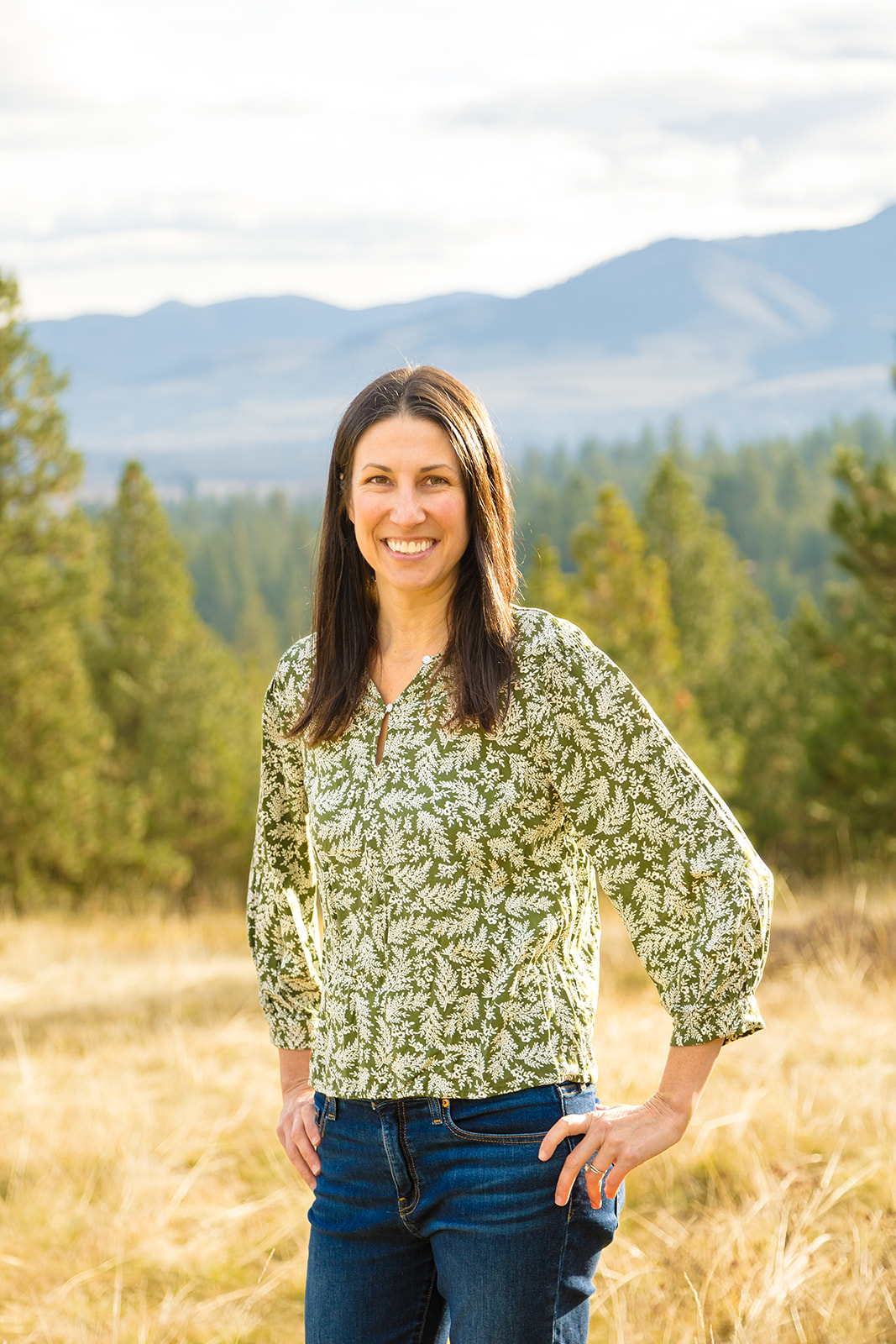
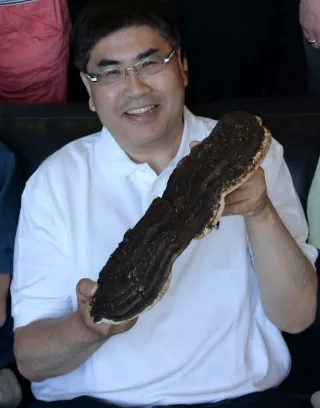
Associate Professor Rachel EE Pui Lai is affiliated with the Department of Pharmacy and Pharmaceutical Sciences at the National University of Singapore (NUS), part of the Faculty of Science. Her research focuses on cancer therapeutics, antimicrobial peptides, drug delivery systems, and regenerative medicine. She holds a BSc (Pharm) from NUS and a PhD from the University of Illinois at Chicago. Research Interests: Development of antimicrobial peptides and peptoids targeting drug-resistant bacteria and mycobacteria. Design of hydrogels for stem cell delivery, wound care, and bioprinting applications. Wnt signaling pathway modulation in cancer and neuroprotection. Her work emphasizes translational research, including collaborations with institutions like the University of Tromsø and the Max Planck Institute. Recent studies highlight innovations in peptide-based therapies and biomaterials for combating antibiotic resistance. Grants & Advising: Advises PhD and Master's students on projects involving antimicrobial nanonets, hydrogel engineering, and peptide design. Students have won awards such as the 'Best Poster' at the Amgen Scholars Asia Symposium and the Marie Skłodowska-Curie Fellowship. Lab Activities: The Ee Research Group focuses on pharmaceutical science innovations, including the development of anti-infective biomaterials and drug delivery systems. Hosts international conferences and collaborates globally through programs like the IPSF exchange.
Professor Neil Cameron is the Monash Warwick Alliance Professor of Polymer Materials, splitting his time between Monash University's Department of Materials Science and Engineering (Australia) and the University of Warwick's School of Engineering (UK). His research focuses on polymeric biomaterials for applications in tissue engineering, regenerative medicine, and drug delivery. He holds a PhD in Polymer Chemistry and a BSc in Chemistry from the University of Strathclyde. Key research themes include: New Tools for Biology: Scaffolds for 3D cell culture, glycopolymers, and polypeptides. New Tools for Chemistry: Supported catalysts and mass spectrometry methods for polymer sequencing. Materials for Medicine: Drug delivery systems targeting the eye, nanomedicine, and biodegradable scaffolds. Synthetic Biology: Polymersome-based protocells and glycosylated nanoparticles. His projects span interdisciplinary collaborations, including the development of biodegradable ligament scaffolds, functionalized cellulose materials, and novel mass spectrometry techniques. He leads or co-investigates grants such as the SURE-Poly project on recyclable polymers and the NHMRC Equipment Grant for UV lamp adaptors. Labs/Teams: Active in Monash’s Materials Science group and collaborates with Warwick researchers. His lab specializes in biomaterials design, with a focus on scalable production and clinical applications.
Michael Suits is an Associate Professor in the Department of Chemistry and Biochemistry at Wilfrid Laurier University. His research focuses on structural biology approaches to understanding carbohydrate recognition and processing in bacterial systems, particularly in oral microbiomes and biofilm formations. His research examines: Structural mechanisms of carbohydrate-active enzymes Microbial glycobiology in human pathogens X-ray crystallography of protein-carbohydrate complexes Bacterial polysaccharide degradation pathways Metabolic adaptations in gut and oral microbiota Analysis of his publication history shows consistent focus on enzyme mechanisms in carbohydrate metabolism across various bacterial systems, with recent emphasis on structural characterization of glycoside hydrolases and polysaccharide utilization in human microbiome pathogens. Dr. Suits maintains active research collaborations and directs laboratory investigations into microbial carbohydrate processing mechanisms at the atomic level.
Flora Meilleur serves as a Neutron Scattering Scientist at Oak Ridge National Laboratory (ORNL) working on the IMAGINE and MaNDi diffractometers (HFIR CG-4D and SNS BL-11B), and holds a joint appointment as Associate Professor in the Biochemistry Department at North Carolina State University since 2007. She joined ORNL in 2005 after completing her PhD and has been instrumental in developing neutron scattering capabilities for structural biology research. Dr. Meilleur earned her Ph.D. in Structural Biology from the European Molecular Biology Laboratory (EMBL) and Université Grenoble Alpes (Grenoble, France) in 2004. Prior to joining ORNL, she served as an instrument scientist at the Institut Laue Langevin (ILL) on the LADI diffractometer. She was promoted to Associate Professor at NCSU in 2015 and established a university consortium that secured NSF funding to build the IMAGINE instrument at HFIR in 2009, serving as lead scientist for this project from 2009-2017. Her research focuses on applying neutron scattering techniques to understand enzymatic mechanisms, particularly in cellulose-degrading enzymes including lytic polysaccharide monooxygenases. She leads projects on cellulose deconstruction for biofuel production, nylon depolymerization, and enzyme immobilization in biopolymer matrices. Her laboratory employs a multidisciplinary approach combining X-ray and neutron diffraction and scattering, DFT calculations, and isotopic labeling techniques to study protein structure, dynamics, and function. Current research includes characterizing nylon hydrolases in collaboration with Dr. Josh Michener and studying biopolymer matrices as part of the BIG collaboration funded by the Novo Nordisk Foundation. Analysis of Dr. Meilleur's recent publications reveals a consistent focus on advancing neutron scattering methodologies for structural biology, with particular emphasis on enzymatic mechanisms in biomass degradation. Her work spans fundamental method development (beamline instrumentation, sample environments) to biological applications (viral proteins, polymer-degrading enzymes). A notable trend is the expansion of neutron techniques to study challenging biological questions, including time-resolved studies and complex enzyme systems, with increasing applications to viral research as evidenced by her SARS-CoV-2 related publications. 2013 ORNL Significant Event Award (Team award for construction and commissioning of CG4-D beamline and IMAGINE instrument; Role: Science lead) Dr. Meilleur has mentored numerous graduate students and post-doctoral fellows who utilize small angle X-ray/neutron scattering, X-ray/neutron crystallography, and computational methods in their research. She serves as Editor for the Journal of Applied Crystallography (2015-present) and was appointed as a main editor in 2021. She also mentors for the IUCr Early Career Board (2025-present) and previously served as Secretary of the Neutron Scattering Society of America (2019-2022). She has organized and led the annual 'Neutrons in Structural Biology' workshop at ORNL since 2010, fostering community development in this specialized field. Dr. Meilleur leads the Meilleur lab at NC State which focuses on structural enzymology using neutron scattering techniques. Her laboratory collaborates extensively with researchers at ORNL's High Flux Isotope Reactor and Spallation Neutron Source facilities. She has served on multiple professional committees including the SNS/HFIR user committee (SHUG) from 2007-2009 and as a member-at-large of the NSSA between 2008-2012, demonstrating sustained leadership in the neutron scattering community.
Birgitte Zeuner is an Associate Professor at the Department of Biotechnology and Biomedicine , Technical University of Denmark, specializing in Protein Chemistry and Enzyme Technology . Her research focuses on Enzymatic Synthesis Technology with particular emphasis on carbohydrate-active enzymes. Active supervisor in Engineering alkenal reductase reversibility (2025-2028) Main supervisor in Regioselectivity in enzymatic carbohydrate synthesis (2024-2027) Supervisor in Enzymatic xyloglucan modification (2018-2022) Recent 54 publications highlight her work on glycosylation, human milk oligosaccharides, and transglycosylation. She has received significant attention in Mendeley readership and peer review platforms. Current projects explore: Enzyme engineering for biomass upgrading Sustainable biocatalytic processes using ionic liquids Gut microbiome interactions with plant-derived carbohydrates Her research aligns with UN Sustainable Development Goals for biocatalytic applications in health and sustainability.
Dr. Chang-Chun Ling is a Professor in the Department of Chemistry at the University of Calgary, affiliated with the Arnie Charbonneau Cancer Institute. He holds a PhD from the Université de Paris Sud (1991) and completed postdoctoral research in Dublin, Paris, and Edmonton. His research focuses on bioorganic chemistry, carbohydrate-based vaccines, glycosyltransferase inhibitors, and neuroinflammation modulation. He leads projects at the Alberta Glycomics Centre targeting infectious diseases and cancer. Education: B.S. Chemistry, University of Lanzhou, 1986 PhD Chemistry, Université de Paris Sud, 1991 Research interests include carbohydrate-protein interactions, synthetic carbohydrate chemistry, and glycoconjugate vaccines. His lab explores inhibitors for tumor-associated enzymes, conjugate vaccine design, and ECM-driven neuroinflammation in multiple sclerosis and stroke. Key achievements include developing fluorinated glycans for myelin regeneration and cyclodextrin-based liquid crystal electrolytes. Notable awards include the Alberta/Pfizer Translational Research Fund Award (2013) and Alberta Ingenuity New Faculty Award (2007). Current projects involve multidisciplinary approaches to combat multidrug-resistant infections and autoimmune conditions.
Gaston Courtade is an Associate Professor in Biopolymer Science at the Department of Biotechnology and Food Science, Faculty of Natural Sciences, Norwegian University of Science and Technology (NTNU). He leads research in protein dynamics and interactions between proteins and carbohydrates, focusing on lytic polysaccharide monooxygenases (LPMOs) and their structural-functional relationships. His research explores enzymatic mechanisms in biopolymer degradation, particularly through Characterization of LPMO activity on crystalline and non-crystalline substrates NMR and EPR spectroscopy for protein dynamics Role of carbohydrate-binding modules (CBMs) in enzyme efficiency Development of assays for plastic-degrading enzymes Redox chemistry in enzymatic catalysis His recent publications highlight trends in LPMO engineering , PET hydrolysis , protein expression systems , and oxidative stability of enzymes , with a strong emphasis on structural and functional analysis using advanced biophysical techniques.
Jens Dittmer is a Professor at Le Mans University, affiliated with the Institute of Molecules and Materials of Le Mans (IMMM). His research focuses on advanced solid-state NMR techniques for studying paramagnetic systems, ion conductors, hybrid perovskites, and polymer degradation. Key projects include developing NMR methods for paramagnetic materials, analyzing lithium garnets for battery applications, and collaborating with Pratt Institute on art conservation using NMR. Primary Affiliation: Institute of Molecules and Materials of Le Mans (IMMM), Le Mans University Research Highlights: Paramagnetic Solid-State NMR, Ion Mobility in Garnets, Hybrid Perovskite Photovoltaics, Polymer Degradation in Art Conservation His work bridges fundamental NMR physics with applied material science, particularly in energy and cultural heritage sectors. Collaborations span international institutions including University of Rennes, ParisTech, and Pratt Institute. Current projects emphasize sustainable material design and non-invasive analytical techniques.
Laura Jennings is an Assistant Professor in the Department of Microbiology & Cell Biology at Montana State University and a Faculty Affiliate of the Center for Biofilm Engineering. Her research focuses on bacterial pathogenesis, specifically exploring how biofilm polysaccharides and epigenetic mechanisms drive drug resistance and vaccine evasion. She holds a PhD in Civil & Environmental Engineering from Cornell University and a BS in Chemical & Biological Engineering from Montana State University. Dr. Jennings' professional background includes postdoctoral work at the University of Washington and a Research Assistant Professor role at the University of Montana. She has received prestigious awards such as the NSF GRFP Fellowship and Barry M. Goldwater Scholarship. Her lab investigates two primary areas: 1) the role of biofilm polysaccharides in host-pathogen interactions, and 2) epigenetic heterogeneity in bacterial populations. Her research has led to patents for antibacterial carbohydrate vaccines and collaborations on projects like the NIH ASCEND Innovation Award. Key grants include the Montana INBRE grant for epigenetic studies and funding from the UM Center for Translational Medicine for vaccine development. Dr. Jennings teaches courses such as Microbiology Senior Capstone (BIOM 494) and has mentored undergraduate researchers. Her lab, located in Lewis Hall, actively recruits students for projects in microbial genetics, biofilm engineering, and translational medicine.
Kevin Edgar is a Professor of Biomaterials and Bioprocessing and Director of the ICTAS Bio-Based Materials Center at Virginia Tech's College of Natural Resources and Environment, Department of Sustainable Biomaterials. With a Ph.D. in Organic Chemistry from Duke University (1979) and a B.S. in Chemistry from Bucknell University (1975), he has established himself as a leading researcher in polysaccharide chemistry and sustainable biomaterials. Dr. Edgar's research focuses on designing and creating derivatives of natural polysaccharides to address demanding performance requirements, exploring structure-property-performance relationships for applications including drug-delivery systems, tissue engineering, biodegradable plastics, polymer compatibilization, hydrogels, and block copolymers. His work specifically targets novel methods to control and utilize the nanostructure of polysaccharides, with emphasis on regioselective substitution reactions of complex polysaccharides. He investigates how to effectively utilize natural polysaccharides to address societal needs, leveraging their diverse natural functions from structural support to information storage. Analysis of his recent publications reveals a strong focus on hydrogel development, drug delivery systems, and polysaccharide modification techniques. His work spans fundamental chemistry of polysaccharides to applied pharmaceutical and medical applications, with particular emphasis on creating sustainable alternatives to fossil fuel-based materials. The research demonstrates consistent innovation in regioselective synthesis methods and structure-property relationships of polysaccharide derivatives. 2023 Appointed to Virginia Tech Academy of Faculty Leadership 2022 Virginia Tech College of Natural Resources and Environment Outstanding Graduate Student Mentor Award 2016 Anselme Payen Award for outstanding professional contributions to cellulose science 2010 Named Fellow of the ACS Division of Cellulose and Renewable Materials 2009 Named Fellow of ACS (inaugural class of ACS Fellows) Dr. Edgar has mentored numerous graduate students through their Ph.D. and Master's research, with many receiving prestigious awards including multiple Eastman Awards for outstanding graduate students. His research has been supported by significant grants from NSF, USDA NIFA, and other funding agencies. He leads the ICTAS Bio-Based Materials Center and co-directs the Infectious Disease Interdisciplinary Graduate Education Program, demonstrating strong leadership in interdisciplinary research. His lab actively develops sustainable biomaterials with applications in drug delivery, tissue engineering, and environmental health.
Andrey Pranovich is a faculty member at the Faculty of Natural Sciences and Engineering, where he leads the Laboratory of Natural Materials Technology focused on "Technologies for a sustainable future." His research spans multiple areas of wood chemistry, biomass utilization, and sustainable materials development. Dr. Pranovich's research interests center around natural materials, particularly focusing on: Lignin chemistry and applications Wood polysaccharides (especially xylan) Biomass fractionation and biorefinery processes Sustainable materials development Wood chemistry and characterization Nanocellulose and nanomaterials from biomass His recent publication record demonstrates significant contributions to the field of sustainable biomaterials, with particular emphasis on lignin-carbohydrate complexes, xylan-based hydrogels, and biobased materials for industrial applications. His work shows a strong trend toward developing environmentally friendly alternatives for industrial products while maximizing the utilization of biomass components. Notable scientific contributions include: Development of lignin-based CO2 capture materials Innovative extraction methods for wood components using green solvents Creation of xylan-based hydrogels for drug delivery applications Sustainable alternatives for road marking paints Advanced characterization of lignin-carbohydrate complexes Dr. Pranovich's research aligns with multiple UN Sustainable Development Goals, particularly those related to sustainable production and consumption, climate action, and responsible resource management. His work bridges fundamental wood chemistry with practical applications in materials science and environmental sustainability.
Dr. Chow Lee is a Professor in the Department of Biochemistry and Molecular Biology at the University of Northern British Columbia (UNBC). He holds a PhD from Flinders University and a BSc (Hons I) from the University of New South Wales. His research focuses on cancer biology, RNA biochemistry, natural products drug discovery, and polysaccharide science. He has pioneered biochemistry and molecular biology programs at UNBC and collaborates extensively on isolating bioactive compounds from BC’s fungal resources. Research Interests: Cancer biology and oncogenic RNA-protein interactions Discovery of medicinal compounds from BC mushrooms (e.g., anti-proliferative, immunostimulatory agents) Role of APE1 in RNA metabolism and DNA repair Zebrafish models for studying RNA granules and drug mechanisms Publications Trends: Over 50 peer-reviewed articles since 1998, with recent emphasis on natural products from fungi (e.g., Echinodontium tinctorium, Inonotus obliquus) and RNA-protein interactions in cancer pathways. Key contributions include identifying APE1’s role in RNA processing and discovering polysaccharide-based anti-inflammatory agents. Supervision & Grants: Actively mentors students in MSc/PhD programs in Biochemistry and Health Sciences. Served on grant review panels for national/international agencies. Collaborates with UNBC colleagues in cross-disciplinary drug discovery projects. Labs & Teams: Leads a research lab investigating RNA metabolism and natural product pharmacology. Engages with BC’s biodiversity to identify novel therapeutic compounds, particularly from northern BC mushrooms.
Dr. Julian McClements is a Distinguished Professor in the Department of Food Science at the University of Massachusetts Amherst. He also holds adjunct/visiting roles at Zhejiang Gongshang University (China), Harvard University, and King Abdulaziz University (Saudi Arabia). His research focuses on food biopolymers, colloids, and delivery systems for nutrients/nutraceuticals, with over 1,200 peer-reviewed articles and 12 patents. He has secured $11.5M in grants and authored seminal books like *Future Foods* and *Food Emulsions*. Awards include the Nicolas Appert Award (IFT’s highest honor) and multiple fellowships. Education : Ph.D. in Food Science (1989), University of Leeds, UK. Postdoctoral training at UC Davis, University College Cork, and Leeds. Research Interests : Designing plant-based foods, food nanotechnology, encapsulation systems, and gastrointestinal fate of nutrients. His lab explores emulsion stability, hydrogel matrices, and sustainable food architectures. Achievements : Top-cited author in Agricultural Sciences (ISI) Over 1200 publications (H-index 162) Recipient of 12 patents Editorial roles at *Annual Reviews in Food Science and Technology* and other journals Advising & Grants : Advised numerous students (not listed) and secured grants from USDA, NSF, NASA, and industry partners. Research emphasizes healthful, sustainable food systems. Labs/Teams : Leads the Biopolymer and Colloids Research Group, organizing international conferences on food colloids and delivery systems.
Devid Maniglio is an Associate Professor at the Department of Industrial Engineering, University of Trento. His research focuses on bioengineering, biomaterials, and tissue engineering, with a particular emphasis on bioprinting, surface modification, and functional materials. He has contributed to advancements in silk fibroin and hydrogel-based systems for medical applications. Research Interests Bioengineering for personalized medicine Biomaterials and surface engineering 3D bioprinting and tissue regeneration Molecular imprinting and biosensors Drug delivery and cell encapsulation Teaching Diagnostic and therapeutic technologies for personalized medicine Engineered materials for precision medicine Fundamentals of biomedical technologies Functional surfaces laboratory Labs & Collaborations Devid Maniglio is affiliated with the Functional Surfaces Laboratory at the University of Trento, collaborating with researchers such as Stefano Rossi and Flavio Deflorian. His work integrates interdisciplinary approaches in biomedical engineering and sustainable medical technologies.
Prof. Marc van der Maarel serves as Director of the School of Science and Engineering and holds a Professorship in the Faculty of Science and Engineering at the University of Groningen. His academic career includes roles as a University lecturer in Microbial Ecology (1995–1999), Senior scientist and project manager at TNO Quality of Life (1999–2008), and Manager Product and Application Development at AVEBE Food Innovation Center (2009–2011). He currently maintains affiliations as a visiting professor (2006–2011) and advisor to industrial entities like modAlgae BV and Imem Holding BV. Van der Maarel earned his M.Sc. in Applied Biology (microbiology and biochemistry) from Radboud University (1986–1991) and a Ph.D. in Microbiology from the University of Groningen (1991–1995), with a thesis titled “Anaerobic microbial degradation of methylated sulphur compounds” . He also attended the Summer School Microbial Diversity at the Marine Biological Laboratory in Woods Hole, USA (1994). His research focuses on carbohydrate bioprocessing , including glycogen structure and biosynthesis in microorganisms, starch modification via microbial enzymes, and applications of glycoside hydrolases. He explores enzyme engineering for industrial biocatalysis, functional food development, and sustainable biomass utilization. His work aligns with UN Sustainable Development Goals related to food security and innovation. Van der Maarel leads research projects on glycogen synthesis in red microalgae (Galdieria), synergistic enzyme systems in thermophiles, and Indonesian starch bioconversion. His publications emphasize enzymatic mechanisms, structural carbohydrate analysis, and industrial applications of microbial enzymes. He advises students such as PhD candidate C. Yang and collaborates with institutions like TNO and AVEBE. External roles include leadership in pharmacy and biology education boards and participation in academic committees (e.g., CCTO, ALAMY_6). His research portal highlights active engagement with enzyme characterization and microbial metabolism studies. Labs and teams: Directs the Bioproduct Engineering department and collaborates on the Centre for Carbohydrate Bioprocessing (UGR-TNO) and Carbohydrate Competence Centre. Maintains research ties with the AVEBE Food Innovation Center and modAlgae BV.