H. Frederik NijhoutView profile
Professor
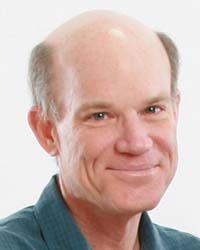
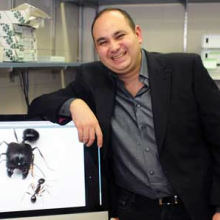
H. Frederik Nijhout holds dual appointments as the John Franklin Crowell Distinguished Professor of Biology and Professor of Biology at Duke University’s Trinity College of Arts & Sciences, where he has been a faculty member since 1977. His work bridges developmental physiology, evolutionary biology, and mathematical modeling, focusing on how genetic and environmental factors interact to shape complex traits such as insect metamorphosis, polyphenic development, and wing pattern evolution. Educated at Harvard University (Ph.D. Biology, 1974; M.A. Biology, 1972) and the University of Notre Dame (B.S., 1970), Nijhout has pioneered studies on butterfly wing patterns, revealing their underlying genetic and hormonal mechanisms. His research also examines metabolic pathways like one-carbon metabolism and neurotransmitter dynamics, with implications for human health issues such as Parkinson’s disease and acetaminophen toxicity. His research interests include understanding phenotypic plasticity, hormonal signaling (e.g., juvenile hormone, ecdysone), and the evolution of developmental processes. He advocates for systems biology approaches to integrate molecular, physiological, and environmental factors in studying complex traits, emphasizing the limitations of statistical gene-environment interaction frameworks. Recent publications highlight advancements in modeling melatonin synthesis, serotonin transporter modulation under inflammation, and the genetic basis of polyphenisms. His work underscores the importance of developmental mechanisms in enabling evolutionary adaptations to environmental challenges. Nijhout’s awards include the National Academy of Sciences membership (2025), the Kowalevsky Medal (2016), and fellowships from the American Academy of Arts and Sciences (2018) and the American Association for the Advancement of Science (1989). He has advised students like Yuichiro Suzuki and collaborates with mathematicians and clinicians to advance interdisciplinary research. His lab at Duke University studies insects such as Manduca sexta and Onthophagus beetles, and he maintains an artistic practice in pottery and painting, inspired by biological principles of pattern formation.