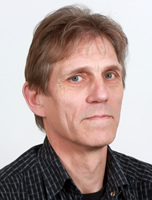
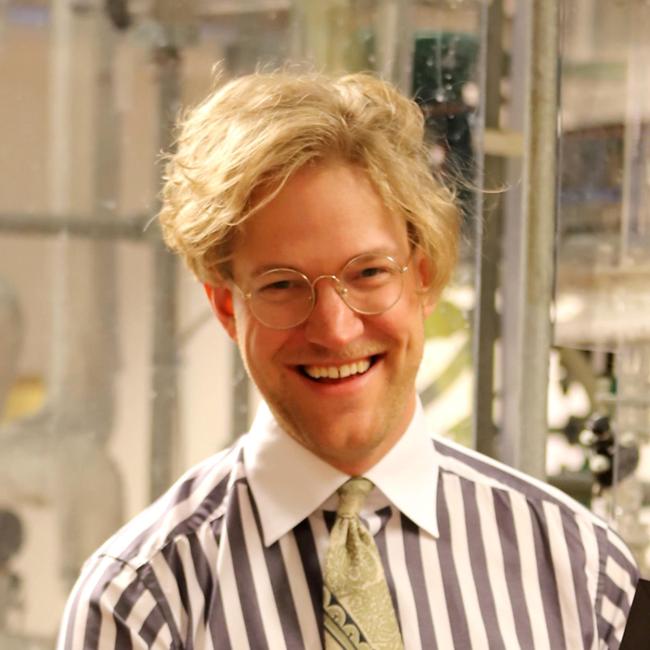
Harald Johan Walderhaug is a Professor of Environmental Sciences at the University of Oslo, affiliated with the Department of Chemistry under the Faculty of Mathematics and Natural Sciences. He holds a Ph.D. in Physical Chemistry from Lund University (1985) and has been a permanent faculty member since 1995. His research focuses on molecular dynamics and transport in organized fluid systems, with particular emphasis on NMR methods applied to polymers, colloids, gels, and microemulsions. He teaches courses such as KJM1130 (Physical Chemistry I), KJM5500 (Surface and Nanochemistry), and KJM-Mena3300 (Physical Chemistry III). His work spans over three decades, with publications analyzing polymer diffusion, surfactant behavior, and complex liquid structures using advanced NMR techniques. Notably, he has contributed to studies on block copolymer micelles, microemulsion systems, and polyurethane formulations for rocket propellants. Walderhaug serves as Secretary General of the Norwegian Chemical Society and has been a key contributor to understanding colloidal systems and molecular transport mechanisms. His research often bridges physical chemistry with applications in materials science and environmental chemistry.
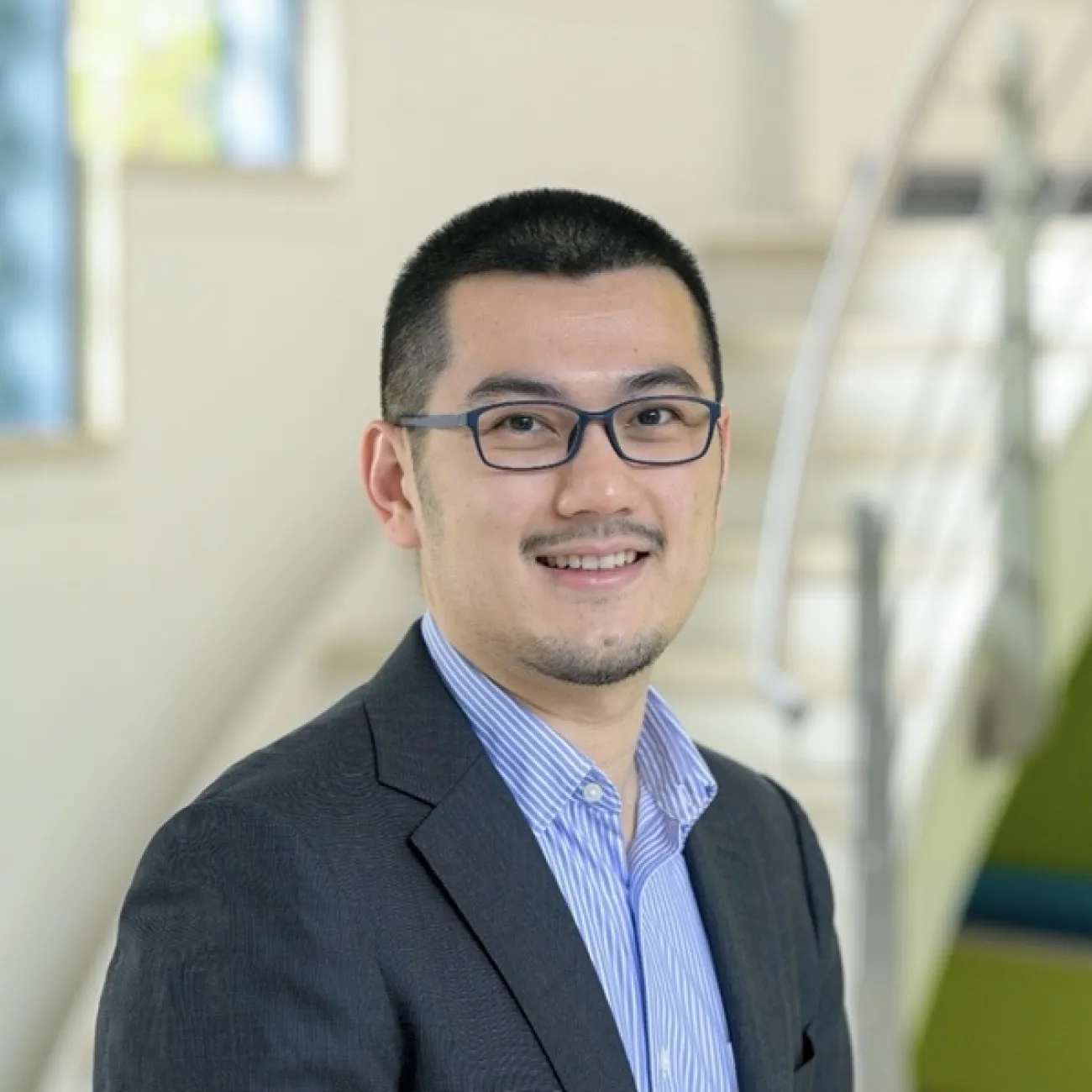
Jeng Yi Chong is a Lecturer in Chemical Engineering at the University of Southampton's School of Chemistry, joining in January 2024. His academic career focuses on innovating membrane technology for advanced separation processes and future sustainability solutions. His educational background includes: PhD in Chemical Engineering from Imperial College London, UK (2018) MSc (Research) in Chemical Engineering from the University of Alberta, Canada (2013) BEng (First Class Honours) in Chemical and Biomolecular Engineering from Nanyang Technological University (NTU), Singapore (2011) Dr. Chong's research centers on membrane technology development for molecular separation processes. His work spans creating novel membranes for challenging separations, designing functional nanoporous materials including polymeric thin films and porous-organic frameworks, and developing ion-selective membranes for energy applications. His research increasingly incorporates machine learning approaches to optimize membrane performance and predict separation outcomes. He also investigates nanostructured materials for energy storage applications, particularly for redox flow batteries and electrochemical separation systems. His publication record demonstrates consistent high-impact research in membrane science, with recent work focusing on polyamide-ceramic composites for high-temperature applications, covalent organic framework membranes, and machine learning applications in membrane performance prediction. His research bridges fundamental materials science with practical applications in water treatment and sustainable separation technologies. His notable recognition includes: NTU Presidential Postdoctoral Fellowship (2021) Dr. Chong actively supervises PhD students and teaches CHEG3004 - Chemical Engineering for the Pharmaceutical Sector. Prior to his position at Southampton, he was a postdoctoral researcher at Singapore Membrane Technology Centre, NTU (2018-2021), where he developed expertise in membrane fabrication and characterization. His current research program continues to push the boundaries of membrane technology for sustainable separation processes.
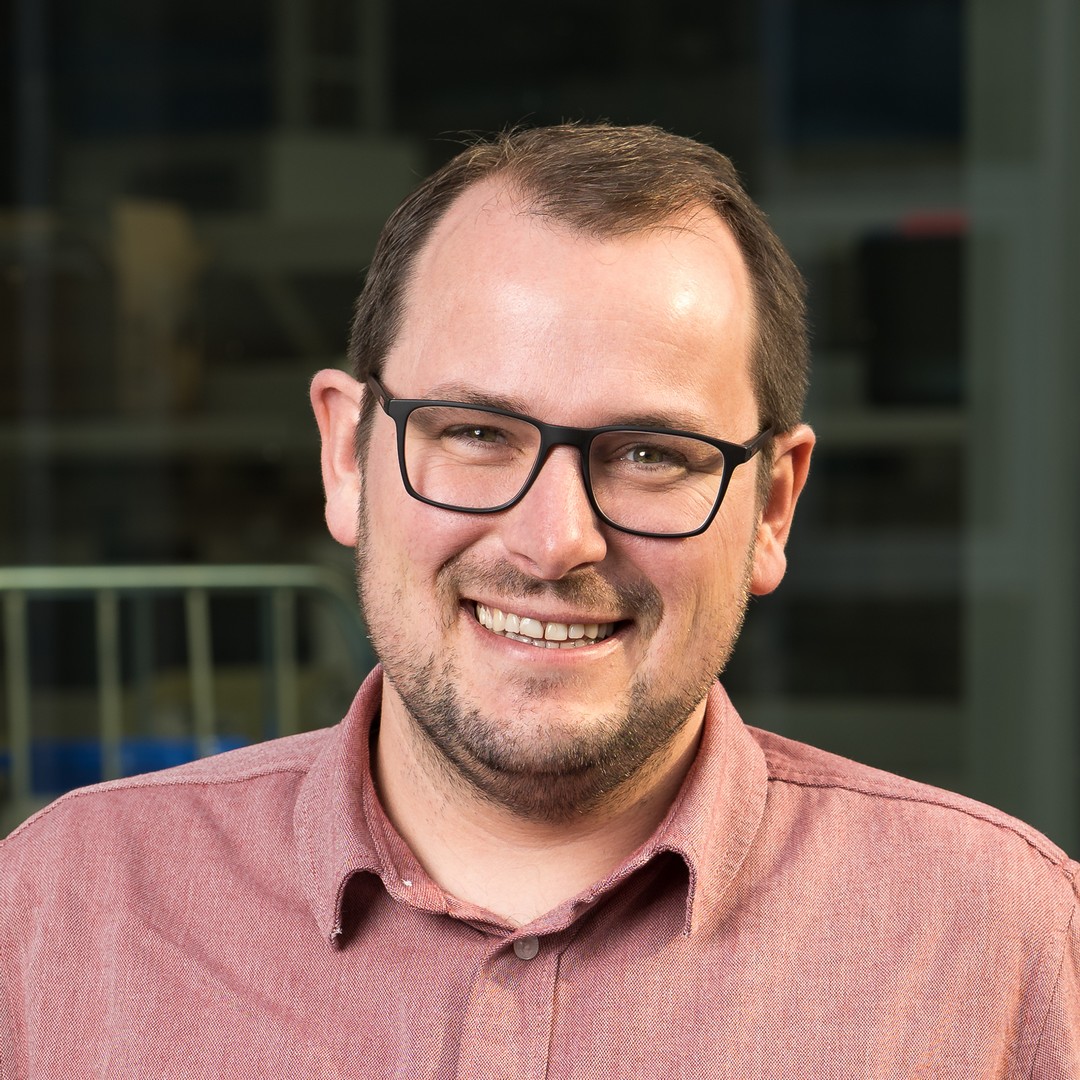
Dr. Felix Jakob is a Project Leader in the research group (RG/AG Pich) at RWTH Aachen University, focusing on biomaterials, biotechnology, and protein engineering. His work integrates interdisciplinary approaches to develop innovative materials for biomedical applications, sustainable agriculture, and textile engineering. Key research interests include antimicrobial peptides, surface functionalization, and bio-based delivery systems. Recent projects involve creating bioadhesives for medical devices, anti-bacterial coatings for implants, and eco-friendly textile treatments. His team collaborates on initiatives like EcoGuard (plant protection) and BioCoat (textile coatings). Over 12 peer-reviewed articles since 2022 reflect his contributions to materials science, biomedical engineering, and sustainable technologies. Leading projects: EcoGuard, PEBIOTE, Bio4MatPro Key collaborations: With Prof. Schwaneberg and interdisciplinary teams Focused on translating lab innovations into industrial applications
Claudia Formen serves as a Chemistry Laboratory Technician and Instructor at RWTH Aachen University within the Science Support Team, holding office in Room A 3.06. Her institutional contact number is +49 241 80-23393. Her research focuses on advanced material engineering with emphasis on sustainable textile applications. Key interests include polymer science for hydrophilic surface treatments, recombinant protein technologies, and eco-friendly textile finishing processes. Her work bridges chemistry, biotechnology, and industrial materials engineering to develop environmentally conscious textile solutions. Dr. Formen's recent publication in ACS Applied Engineering Materials demonstrates her expertise in applying bioengineered polypeptide systems to polyethylene terephthalate textiles. This research represents cutting-edge convergence of synthetic biology and materials engineering for sustainable manufacturing. While no formal awards are documented in available sources, her collaborative work with prominent researchers like U. Schwaneberg indicates active participation in high-impact interdisciplinary projects. As an instructor, she likely contributes to laboratory education within chemistry programs.
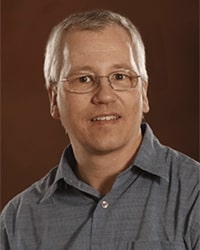
Axel Mellinger is a Professor in the Department of Physics at Central Michigan University, within the College of Science and Technology. His research focuses on electret polymers and ferroelectrets, with applications in sensors, actuators, and energy harvesting. He also maintains a strong interest in astrophotography, particularly wide-field panoramic imaging of the Milky Way. Habilitation, Department of Physics, University of Potsdam, 2005 Ph.D., Physics, Max-Planck Institut für extraterrestrische Physik, 1995 Physics Diploma, Technische Universität München, 1992 His research interests include ferroelectret polymers , non-destructive 3D space-charge and polarization tomography , polymer-dispersed liquid crystals , and microscopic charge storage mechanisms . His astrophotography work has been featured on NASA's Astronomy Picture of the Day and includes a published star atlas. The 15 most recent publications reflect a strong trend in materials science and polymer physics, with recurring themes in dielectric barrier discharges, space-charge mapping, and the development of novel ferroelectric and piezoelectric materials. His work bridges fundamental physics with practical applications in sensing and energy. Outstanding Service Award, College of Science and Technology, CMU (2011) IEEE Senior Member (2009) Best Paper Award, German IEEE Instrumentation and Measurements chapter (2006) ITG Award for review article (2004) Alfred Eisenstaedt Award Runner-Up (2000) DFG Fellowship (1996-1997) Studienstiftung des deutschen Volkes Scholarship (1987-1992) Mellinger has advised numerous students, evident from co-authorships on publications and conference presentations. He has secured research support for projects on ferroelectrets and space-charge tomography. He is a member of the PICUP community, integrating computational methods into undergraduate physics education using Jupyter tools. He leads the Mellinger Lab, focused on electret and ferroelectret research. His team employs techniques such as thermal pulse tomography, dielectric spectroscopy, and finite element modeling. He collaborates with researchers at the University of Potsdam and other institutions.
Björn Sjöstrand is an Associate Professor in Chemical Engineering at Karlstad University, Sweden. His research focuses on improving water efficiency in the manufacturing of forest-based biomaterials, particularly addressing energy consumption in dewatering processes. He investigates cellulose-water interactions at molecular and industrial scales to optimize water removal, enhancing sustainability in papermaking and packaging industries. Key research themes include pulp hornification mechanisms, additive development for improved dewatering, and energy-efficient tissue production. His work bridges laboratory-scale innovations with full-scale manufacturing applications. Awarded IVA's 100-list 2023 for energy-efficient biomaterial production. Recipient of Early Career Investigator Award 2022 (North Carolina State University). Heinzel Mondi Sappi Award 2022 for contributions to papermaking process research. Publications emphasize numerical modeling, process optimization, and material characterization. His studies often explore synergies between additives and pulp properties to improve recyclability and mechanical performance. Current efforts include advancing nanocellulose applications and evaluating lignin valorization challenges.
Kai Sandvold Beckwith is an Associate Professor at the Department of Biomedical Engineering, Faculty of Natural Sciences, Norwegian University of Science and Technology (NTNU). His research focuses on developing advanced microscopy techniques to study cellular processes, including mechanobiology , host-pathogen interactions , and genome organization . He previously worked as a Researcher at CEMIR (2023-2024), Postdoctoral Coordinator at Ellenberg Group (EMBL Heidelberg, 2019-2023), and Postdoc at Flo Group (NTNU, 2016-2019). He obtained his PhD in Biophysics (2015) and MSc in Bionanotechnology (2011) from NTNU. Research Interests include: Nanoscale DNA organization mechanisms Quantitative imaging of chromatin dynamics Pathogen-induced inflammasome activation Development of high-resolution microscopy tools Host-pathogen interaction at molecular level Genome architecture in cancer development Scientific Contributions reveal expertise in super-resolution microscopy, correlative imaging, and pathogen-host cell dynamics. His 2025 Cell and Journal of Cell Biology studies on DNA organization and loop extruders demonstrate cutting-edge work in chromosome structure analysis. Earlier publications span nanofabrication, tuberculosis infection mechanisms, and TLR8 immunology. Advising includes supervising doctoral and master's theses with students like Ragnhild Sofie Ragnhildstveit Sætra, Marit Bugge, and Anne Marstad. His work connects to collaborative teams at NTNU's CEMIR and EMBL Heidelberg, with frequent conference presentations at venues like EMBO and Frontiers in Immunology events.
Gerhard Sinn is a Researcher at the Institute of Agricultural Engineering , part of the University of Natural Resources and Life Sciences, Vienna (BOKU) . His work focuses on the mechanical properties of materials , particularly in woodworking technology and composite materials , with specialized expertise in fracture mechanics and surface properties . Sinn actively contributes to international conferences on wood machining and nanomaterials, including the International Wood Machining Seminar and NanoCarbon Annual Conference . Research Themes : Materials characterization, fracture mechanics, carbon nanotube composites, bio-inspired materials Key Collaborations : University of Vienna, Montanuniversität Leoben, international wood machining consortia Peer Review : Regularly serves as reviewer for journals like Engineering Fracture Mechanics , BioResources , and Wood Science and Technology His recent publications analyze spider silk biocompatibility , CNT-reinforced composites , and ultrasonic-assisted machining , reflecting interdisciplinary work between materials science and agricultural engineering . While no specific awards are listed, his 15+ years of conference participation and editorial reviewing demonstrate sustained academic engagement.
Wilfried Sailer-Kronlachner is a Researcher at the University of Natural Resources and Life Sciences, Vienna (BOKU) , affiliated with the Institute of Wood Technology and Renewable Resources under the Department of Biotechnology and Food Sciences. His work focuses on the development of sustainable, carbohydrate-based adhesives for wood composites, particularly utilizing hydroxymethylfurfural (HMF) and its derivatives. Education: Doctoral studies in Natural Sciences (2018–2023) Research Interests center on biobased adhesives, polymer chemistry, and chemical engineering for renewable materials. His studies explore the synthesis, stabilization, and performance optimization of HMF-based adhesives, emphasizing environmental sustainability and industrial applicability. Publication Trends highlight his contributions to wood science, including the role of HMF in enhancing adhesive reactivity, curing dynamics, and the challenges of scaling up production processes. His work bridges laboratory experiments with real-world applications in particleboard manufacturing. Scientific Awards Houska Prize (3rd place, 2023) ÖGUT Environmental Award (2022) tecnet/accent Innovation Award (2021) Community Engagement includes serving as a reviewer for journals like Cellulose , Monatshefte für Chemie , and Biomass Conversion and Biorefinery . He actively participates in international conferences, presenting both lectures and posters on biobased adhesive technologies.
Jean E. Schwarzbauer is the Eugene Higgins Professor of Molecular Biology at Princeton University, where she leads a research group focused on the extracellular matrix (ECM) and its role in cell function and disease. She is affiliated with the Department of Molecular Biology, the New Jersey Center for Biomaterials, and the Rutgers Cancer Institute of New Jersey. Education: B.S. in Chemistry, University of Wisconsin–Milwaukee Ph.D. in Molecular Biology, University of Wisconsin–Madison Postdoctoral Fellowship, MIT Her research centers on fibronectin and ECM assembly, with implications in tissue development, regeneration, fibrosis, and cancer. She investigates how ECM structure regulates cell behavior, with a focus on fibronectin matrix formation, integrin signaling, and the role of proteoglycans. Her work spans basic molecular mechanisms to translational applications in regenerative medicine. Recent publications highlight her lab's work on fibronectin-binding protein signatures in pulmonary fibrosis, glucose-induced ECM changes in diabetic complications, and the use of engineered ECM-synthetic scaffolds for nerve regeneration. Her studies integrate cell biology, biochemistry, and biomaterials to uncover fundamental principles of matrix biology. Scientific Awards: Peggy Wheelock Award for Excellence in Research, Mentoring, and Promotion of Women in Science Professor Schwarzbauer has served as Director of Graduate Studies in Molecular Biology and Associate Chair of the department. She is actively engaged in service, having led the American Society for Matrix Biology, served on NIH study sections, and held editorial roles at Molecular Biology of the Cell , Matrix Biology , and Journal of Cell Biology . She has organized major scientific conferences and advised national research programs. Her lab trains students and postdocs in cutting-edge techniques in cell and matrix biology. Laboratory and Research Teams: The Schwarzbauer Lab at Princeton uses cell culture models, molecular biology, and imaging to study ECM dynamics. The team collaborates with bioengineers and clinicians to develop biomaterials for tissue repair. Ongoing projects include ECM in skeletal development, fibrosis mechanisms, and synthetic ECM design for regenerative applications.
Tony Keene is an Associate Professor in the School of Chemistry at University College Dublin, specializing in molecular magnetism and functional coordination materials. With a strong background in crystallography and materials science, he leads research on coordination polymers and metal-organic frameworks (MOFs) for advanced applications in sensing and energy storage. 2002: BSc (Hons) in Chemistry, University of Southampton, UK 2007: PhD in Chemistry, University of Glasgow, UK Postdoctoral Fellow, Universität Bern, Switzerland 2009: Postdoctoral Fellow, University of Sydney, Australia 2012: Postdoctoral Fellow, University of Adelaide, Australia; Marie Curie Fellow, University of Southampton, UK 2014: Research Scientist, EPSRC National Crystallographic Service, University of Southampton, UK 2015: Lecturer in Inorganic Chemistry, University College Dublin, Ireland Professor Keene's research focuses on the rational design of coordination polymers and porous metal-organic frameworks (MOFs) to create materials that can detect chemical and physical changes through magnetometry. His work provides unique insights into absorption processes in MOFs that cannot be obtained through standard gas sorption analysis. He has a strong interest in developing separation techniques for insoluble materials, enabling the purification of product mixtures on a laboratory scale and allowing for better characterization of target compounds without interference from impurities. His research bridges the gap between molecular magnetism and functional materials design. Analysis of Professor Keene's recent publications reveals a strong focus on crystallography, molecular magnetism, and materials science. His work spans from fundamental structural studies of coordination compounds to applied research on energy storage materials like supercapacitors and battery cathodes. A recurring theme is the use of advanced characterization techniques, particularly X-ray crystallography and magnetic measurements, to understand structure-property relationships in novel materials. His research increasingly incorporates computational modeling to complement experimental findings. Member, Royal Society of Chemistry Member, British Crystallographic Association Professor Keene is actively involved in academic leadership and student engagement. He chairs the Graduate Studies Committee and the School of Chemistry Outreach and Recruitment Team. He coordinates multiple research projects for students and teaches courses ranging from introductory chemistry to specialized topics like computational X-ray crystallography. His outreach work brings chemistry to diverse audiences of all ages and interests through the School of Chemistry's enthusiastic outreach team. As head of the Outreach Team in the School of Chemistry, Professor Keene leads initiatives that bring chemistry to a wide range of audiences. His research group focuses on molecular magnetism and functional coordination materials, with particular expertise in crystallographic characterization and magnetic measurements of novel compounds.
Valentina Casalegno is an Associate Professor at the Department of Applied Science and Technology (DISAT) , Polytechnic University of Turin . She leads research in advanced materials with a focus on adhesive joints, ceramic matrix composites, and nuclear materials . Research Areas : Adhesive joints, Ceramic matrix composites, Surface modification, Joining technologies, Nuclear applications. Teaching Roles : Course instructor for Advanced materials for nuclear applications and Materials integration & joining technologies at the master's level, and teaching assistant for PhD-level courses on glass-ceramics. Research Projects : Scientific Director of CEM-WAVE (microwave-assisted composite production) and member of POC-ETCH Follow-on (fiber continuity in polymer composites). Her work spans materials engineering and mechanical testing , with applications in clean energy and industrial innovation . Recent publications highlight laser-assisted joining , high-entropy ceramics , and brazing alloys for extreme environments. She supervises PhD students like Alberto Cellai (biobased adhesives) and Carla Malinverni (glass-ceramics for composites), and contributes to FESEM Laboratory operations.
Dorian Dixon is a Senior Lecturer at the School of Engineering , Ulster University, and a member of the Engineering Research Institute . With over two decades of experience, he specializes in nanomaterials, medical polymers, and aerospace applications. Research Associate (2001): Polymers for medical packaging Research Fellow (2003): Medical device development Lecturer in Nanotechnology (2006) Senior Lecturer (2014–present) Education BEng Mechanical Engineering (1996), Queen’s University Belfast MSc Polymer Engineering and Science (1997), QUB & Ulster University PhD (2001), Queen’s University Belfast (industry-sponsored) Research Focus His work centers on functionalized gold nanoparticles for cancer therapeutics and advanced polymers in medical/aerospace sectors. Collaborations with over 25 industrial partners demonstrate his applied research emphasis. Publication Trends Recent outputs span polymer aging behavior, filtration simulation (CFD), biomedical implant materials (PEEK composites), and sustainable packaging solutions (PLA/PET). Keywords highlight intersections between polymer science and healthcare/environmental engineering. Leadership Course Director for MSc programs, teaching across undergraduate and postgraduate curricula. Active in commercial R&D and international conferences like PPS36 .
Marta Miola serves as Associate Professor at the Department of Applied Science and Technology (DISAT) within the School of Engineering at Polytechnic University of Turin. She is an active member of the Interdepartmental Center PolitoBIOMed Lab - Biomedical Engineering Lab and leads the GLANCE research group focused on glasses, ceramics, and composites. Her teaching responsibilities span multiple programs including Bioengineering and Medical-Surgical Sciences, Materials Engineering, and Energy Engineering, where she lectures on Advanced Therapies in Surgery, Materials for Bioengineering, and Advanced Ceramics. Her research centers on biomaterials development with emphasis on bioactive glasses , bioceramics , and antibacterial coatings for medical applications. Key research areas include the synthesis of magnetic and metal nanoparticles, ceramic composites, and surface modifications for enhanced bioactivity. Current projects include the PNRR-funded POTENTE initiative (2023-2025) developing plasma-treated biocompatible glasses with osteointegrative and antibacterial properties, where she serves as Scientific Director. Analysis of her recent publications (2023-2025) reveals a strong trend toward multifunctional biomaterials combining antibacterial properties with tissue regeneration capabilities. Her work increasingly integrates 3D printing technologies with bioactive glass composites, nanomedicine approaches, and green synthesis methods. The research shows particular focus on bone tissue engineering applications, antimicrobial medical devices, and sustainable material processing techniques. Miola actively supervises three PhD students (Kevin Pontillo, Matteo Bergoglio, and Francesca Gattucci) working on multifunctional bioactive materials, bioactive glass composites, and nanoparticle functionalization. She serves on multiple doctoral and degree program committees including Biomedical Engineering, Chemical and Materials Engineering, and Electrical and Energy Engineering. As principal investigator for the POTENTE project under Italy's PNRR Mission 4, she leads research on plasma-treated biocompatible glasses. Her laboratory work utilizes the Field-Emission Scanning Electron Microscopy Laboratory (FESEM) within DISAT. She has contributed to multiple patents including antibacterial coatings for ophthalmoplastic devices, biocompatible glasses releasing essential trace elements, and composite bone cements.
Zuzanna Bojarska, PhD, Eng., is a Researcher at the Faculty of Chemical and Process Engineering , Warsaw University of Technology , specializing in graphene and carbon nanomaterials for catalysis, fuel cells, and sustainable technologies. She works in the Graphene Laboratory under the Industrial Process Intensification Plant, focusing on nanoparticle synthesis, hybrid nanostructures, and their applications in hydrogen production, environmental protection, and biomedical engineering. Her research spans chemical engineering , materials science , and nanotechnology , with projects involving MoS2/ReS2 catalysts, 3D-printed fuel cell components, and advanced electrolyzer designs. She has contributed to studies on engine oil nanoadditives, oxygen evolution reactions, and tribological material properties, aligning with the Faculty's emphasis on industrial collaboration and sustainable development. Recent publications highlight innovations in low-temperature hydrogen generation, PEM electrolyzer efficiency, and hybrid nanomaterials for environmental and energy systems. Her work intersects with the Faculty's Certificate of Educational Excellence (2022) and collaborations in bioprocess engineering, nanodispersions, and biomedical surface modification.