Adrian Boyd is a Senior Lecturer at the School of Engineering, Ulster University, specializing in biomaterials and surface science. His research focuses on additive manufacturing of high-temperature thermoplastics, coating technologies, and resorbable magnesium alloys for medical applications. Faculty of Science (1996) and Faculty of Computing and Engineering (2000) at Ulster University Advanced Future Materials and Manufacturing Group Leadership roles in UK Society for Biomaterials, Royal Society of Chemistry, and Engineer’s Ireland Research Interests 3D printing of biomedical polymers and composites Surface science and spectroscopy techniques (XPS, Raman, FTIR, ToFSIMS) Calcium phosphate biomaterials for orthopedic implants Development of sustainable and resorbable medical devices Scientific Contributions Recipient of Andrew Sprowson Translational Research Award (2021) Ulster University Impact Excellence Award for Sustainability (2017) Funding from EPSRC, Royal Society, INTERREG VA, and industry partners His work contributes to UN Sustainable Development Goals through circular economy concrete and biodegradable implants. Current projects include 3D bioprinting for cardiac tissue and advanced coating technologies for orthopedic applications.
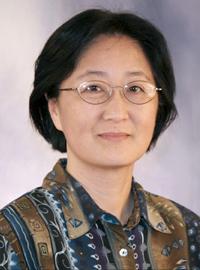
Prof. Dr. Gamze Köse is a prominent Turkish academic in the field of bioengineering and tissue engineering. Affiliated with Yeditepe University's Faculty of Engineering, Department of Genetics and Bioengineering, she has dedicated her career to advancing regenerative medicine through innovative biomaterials research. Education: PhD in Biotechnology (Middle East Technical University, 1996-2002) Master's in Biotechnology (Middle East Technical University, 1994-1996) BSc in Biological Sciences (Middle East Technical University, 1989-1994) Her research focuses on the development of advanced biomaterials for tissue regeneration, stem cell-based therapies, and surface modification of implant materials. With over 20 years of experience, she has pioneered techniques in cell encapsulation, scaffold design, and growth factor delivery systems. Recent publications highlight her expertise in bone regeneration, cartilage engineering, and vascularized tissue constructs. Her work demonstrates consistent innovation in polymer-based scaffolds, peptide functionalization, and multi-component biomaterial systems. Scientific Awards: 2011 L’Oreal Türkiye Young Scientist Award ODTÜ Best PhD Thesis Award Prof. Mustafa Parlar Foundation Best Master's Thesis Award Multiple Yeditepe University Faculty of Engineering Best Academician Awards Feyzi Akkaya (FABED) Outstanding Young Scientist Award Prof. Köse has supervised numerous PhD and Master's students in stem cell research, scaffold development, and regenerative medicine applications. Her extensive grant portfolio includes TÜBİTAK projects, European Commission funding, and industry collaborations. She leads cutting-edge research in the Center of Excellence for Biomaterials and Tissue Engineering, contributing to both fundamental science and clinical translation in regenerative medicine.
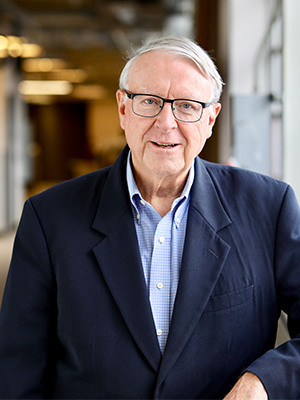
Dr. Sven G. Bilen is a Professor in the Department of Electrical Engineering and currently serves as Head of the School of Engineering Design and Innovation at Pennsylvania State University. His research spans multiple disciplines including electrical engineering, additive manufacturing, and space systems, with significant contributions to antenna design, energy conversion, and geophysical instrumentation. Active in NASA and NSF-funded projects like "Beamed Microwave Energy Propulsion" (2022–2026) Developed innovative 3D concrete printing techniques for formwork-free structures (2024) Conducted pioneering work on electrodynamic tethers for space applications (2024) His work aligns with UN Sustainable Development Goals through infrastructure systems and space resource utilization. With an h-index of 21 and over 2,110 citations, Bilen's research outputs show consistent contributions to power electronics, wireless communication, and thermal engineering since 1994. Collaborations include National Science Foundation grants on seismometer networks (2010–2015) and undergraduate research programs (2008–2011).
University of Illinois Urbana-ChampaignUnited States
Dr. Yumeng Li is an Assistant Professor at the University of Illinois at Urbana-Champaign, Department of Industrial and Enterprise Systems Engineering. Prior to this, he was an Assistant Professor at Wichita State University and a Postdoctoral Researcher at Vanderbilt University. Ph.D., Aerospace Engineering, Virginia Tech (2014) M.S., Naval Architecture and Ocean Engineering, Huazhong University of Science and Technology (2009) B.S., Naval Architecture and Ocean Engineering, Huazhong University of Science and Technology (2007) Dr. Li’s research focuses on uncertainty quantification in multiscale simulation, physics-based machine learning, surrogate modeling, and integrated computational material engineering. His work bridges computational modeling with experimental validation in material design and digital manufacturing. His publications span topics like corrosion modeling, additive manufacturing, battery systems, polymer crystallization, and life cycle assessment. Recent works emphasize multi-physics simulations, adaptive machine learning, and sustainable material design. Dr. Li teaches courses including SE 310 (Design of Structures & Mechanisms), SE 410 (Component Design), and SE 598 (Machine Learning in Material Design).
Professor Chris Chuck leads the Department of Chemical Engineering at the University of Bath. His multidisciplinary research focuses on renewable alternative fuels and bioproducts, particularly through sustainable biorefineries using photo-, mixo-, and heterotrophic microbes for lipid and higher-value product generation. He investigates biomass upgrading via chemical methods, lignin depolymerization, and applications in transportation and aviation biofuels, collaborating with Mechanical Engineering academics and industry leaders like EADS and Ford Motor Company. Research Interests: Chris's work addresses sustainability challenges by developing economically viable processes for fuels, chemicals, and animal feed without compromising food or water resources. Current projects explore microbial lipid production from non-food biomass, mechanochemical protein extraction, and SDG-aligned innovations in chemical technologies. Article Trends: His recent publications emphasize 2025: Protein and lipid production from grass using Metschnikowia pulcherrima 2025: Microwave-assisted levulinate synthesis 2024: Probiotic yeast applications in animal feed 2024: Seaweed-based hydrothermal processing for plant growth 2023: Zirconium catalysts for bioplastics 2022: Sawdust valorization via microwave and fermentation These span chemical engineering, biofuels, and sustainable food ingredients. Awards: Whorrod Research Fellowship in Sustainable Chemical Technologies (2011) Collaborations: His funded projects include partnerships with Biotechnology and Biological Sciences Research Council (BBSRC), Engineering and Physical Sciences Research Council (EPSRC), and Innovate UK, focusing on life cycle engineering, farm sustainability, and yeast technology scale-up.
Andrea Zille is an Associate Professor at the Textile Engineering Department of the University of Minho, with a career spanning biotechnology, nanotechnology, and textile engineering. They lead the investigation line in the nanomodification of fibrous materials for health applications and serve as Director of the Center for Textile Science and Technology (2C2T) since 2022. Their work bridges environmental biotechnology and advanced material science, focusing on sustainable textile processes and biomedical applications. Doctorate in Textile Engineering (2005), University of Minho Postdoctoral research at University of Minho (2006-2008) and IBMC (2008-2011) Member of Executive Council of IBMC (2009-2010) 2012-2016: FCT Ciência 2008 Assistant Researcher 2017-2022: FCT IF 2015 Principal Investigator Zille's research interests include bioremediation using cyanobacterial exopolysaccharides, enzymatic oxidation processes, atmospheric-pressure plasma deposition for antibacterial coatings, and sustainable textile technologies. Their work integrates green chemistry principles with nanomaterials to address environmental and biomedical challenges. Recent publications highlight advancements in plasma-assisted nanoparticle synthesis for antimicrobial textiles, halochromic dye development for pH-sensing fabrics, and sustainable wound dressings. Key keywords across these works include Nanotechnology , Textile Engineering , and Biomedical Applications . Scientific accolades include: World's Top 2% Scientists list (2021, 2022) Lead Author, IPCC Task Force on National Greenhouse Gas Inventories (2018-19) Multiple FCT-funded grants (individual and collaborative) Zille's affiliations encompass European FP5/FP6 projects, COST Actions, and international collaborations in bioremediation and textile innovation. Their leadership in 2C2T underscores their institutional impact.
Dr. Andrea Merenda is a Postdoctoral Research Associate at the School of Civil and Environmental Engineering, University of Technology Sydney (UTS). He is affiliated with the Centre for Technology in Water and Wastewater and the ARC Research Hub for Nutrients in a Circular Economy. With a PhD from Deakin University (2019), MSc in Chemical and Sustainable Engineering from Polytechnic of Turin (2015), and MSc in Chemistry and Chemical Engineering from ENSCM (2015), his work focuses on functional materials for sustainable applications. Education: PhD, Deakin University MSc Chemical & Sustainable Processes Engineering, Polytechnic of Turin MSc Chemical Engineering, ENSCM France Research Interests: Stimuli-responsive membrane reactors Functional materials for CO2 conversion Green chemistry in water remediation Atomic layer deposition for antimicrobial surfaces Service & Leadership: Board Director, Membrane Society of Australasia Member, Early Career Editorial Board (JWPE) Peer reviewer for Chemical Engineering Journal , Desalination , and ACS Applied Nano Materials Teaching: Teaching Assistant, Fluid Mechanics (UTS 2024)
Edwin L. Thomas is a Professor of Materials Science & Engineering at Texas A&M University, holding the Erle Nye ’59 Chair II. He is a Permanent Member of the Hagler Institute for Advanced Study and a Member of the National Academy of Engineering. His research focuses on polymer material physics and engineering, with particular emphasis on photonic/phononic crystals, metamaterials, and energy dissipation in nanocomposites. Ph.D., Materials Science, Cornell University B.S., Mechanical Engineering and Engineering Science, University of Massachusetts Thomas’s research explores the optical, mechanical, and electronic properties of block copolymers, liquid crystalline polymers, and hybrid organic-inorganic nanocomposites. Key areas include ballistic behavior of lightweight nanocomposites , 3D interference lithography , and self-assembled supramolecular networks . His work spans multiscale energy absorption, defect analysis in tubular networks, and symmetry control in triply-periodic assemblies. Recent publications highlight trends in gyroid metamaterials , high-strain-rate deformation , and mesoatomic distortions . Topics include supersonic impact resistance, ion-irradiated carbon mats, and advanced 3D-printed architectures for energy dissipation. Collaborative studies extend to microscopy of microalgae, though primarily focused on polymer systems. Member, National Academy of Engineering Erle Nye ’59 Chair II Permanent Member, Hagler Institute for Advanced Study EAGER Grant (Structures of Defects and Interfaces in Block Copolymer Materials) Thomas leads the Thomas Research Group , investigating polymer physics, metamaterials, and mechanical behavior of microtrusses. The group has received grants like the EAGER award and engages in interdisciplinary collaborations. They actively publish in top journals such as Nature , Science , and Advanced Science , with recent work on dynamic covalent networks and structural color sensing.
Jungkwun Kim is an Associate Professor in the Department of Electrical Engineering at the College of Engineering (CENG) . His research focuses on microfabrication , 3D lithography , and magnetic materials , with significant contributions to power electronics , MEMS , and nanotechnology . Research Interests: 3D Microfabrication: Development of advanced lithography techniques, including UV-LED-based and CNC-controlled systems. Magnetic Materials & Inductors: Design and fabrication of nanolaminated magnetic cores and high-performance microinductors. Biomedical Devices: Smart stents and wireless sensing applications for medical monitoring. Research Trends: His publications demonstrate a consistent trajectory in microscale 3D fabrication , leveraging UV-LED lithography and nanomaterial integration . Key applications include power conversion , wireless communication , and biomedical implants . Scientific Awards: No awards explicitly mentioned in the provided text. Advising & Grants: No student names or grant details were provided in the text. Labs & Teams: While no specific lab names are given, his work aligns with advanced microfabrication facilities specializing in lithography , magnetic materials processing , and biomedical device integration .
Thomas P. Beebe Jr. is a Professor of Chemistry and Biochemistry at the University of Delaware's College of Arts & Sciences, where he also serves as Director of the Surface Analysis Facility. He holds additional appointments as Adjunct Professor of Materials Science & Engineering at UD and Adjunct Professor at the University of Utah. His multidisciplinary research bridges chemistry, physics, and biology with applications in biomaterials and nanotechnology. Dr. Beebe earned his B.A. in Chemistry from Franklin & Marshall College (1982) and Ph.D. in Physical Chemistry from the University of Pittsburgh (1987), followed by postdoctoral work at Lawrence Berkeley and Livermore National Laboratories. Prior to joining UD in 2001, he progressed through the faculty ranks at the University of Utah from Assistant to Associate to full Professor. His research focuses on surface chemistry, biology, and physics of diverse systems including living neurons, graphite monolayers, air pollution particulates, and fuel cell membranes. He employs advanced analytical tools including STM, AFM, XPS, TOF-SIMS, and AES. Two signature research areas include molecule corrals (nanometer-sized pits on graphite) for templated nanostructures and ligand-receptor interactions for nerve regrowth applications, where his group developed a unique Poisson statistics-based force analysis method for measuring single-molecule bond ruptures. His publication record shows consistent high-impact research across surface science and nanotechnology, with recent work focusing on neurite outgrowth, micropatterning techniques, and air pollution characterization. His research has been supported by multiple grants including the Howard Hughes Summer Analytical Chemistry Program which he directs. NSF National Young Investigator (1993-1999) Camille Dreyfus Teacher-Scholar (1994-1999) Alfred P. Sloan Research Fellow (1996-1999) IUPAC Young Observer Recipient (1999) Robert W. Parry Departmental Teaching Award (1999) Dr. Beebe has mentored numerous students, many of whom co-authored publications with him. His Surface Analysis Facility provides state-of-the-art imaging capabilities for interdisciplinary research across multiple institutions. His work demonstrates how fundamental surface science can address practical challenges in biomaterials, environmental analysis, and nanotechnology.
University of North Carolina at Chapel HillUnited States
Ankit Malik is an Assistant Professor at the University of North Carolina (UNC) School of Medicine, affiliated with the Department of Microbiology and Immunology. His research focuses on mucosal immunity, specifically how immune responses at gastrointestinal surfaces distinguish between pathogens, commensals, and environmental antigens, and how dysregulation leads to inflammatory bowel diseases (IBD) and gastrointestinal cancers. His interdisciplinary work combines immunology, genetic engineering, microbiology, and bioinformatics. Research Focus Dr. Malik’s lab investigates intestinal immune homeostasis , immune tolerance breakdown in inflammatory diseases , and chronic inflammation-driven carcinogenesis . Key projects include: Mapping cellular pathways that maintain gut immune balance Elucidating mechanisms linking gut inflammation to cancer Developing translational models for IBD and sepsis Publications His work spans immune signaling (e.g., IFNγ, TNF/TNFR, SYK-CARD9), inflammasome biology , and microbiome research . Recent contributions include studies on: 2023 : Epithelial IFNγ signaling in gut immunity 2022 : Autoimmune neuropathy after Campylobacter infection 2020 : Microbiota restoration in sepsis
Javier Araujo Morera serves as an Assistant Professor within the Elastomer Technology and Engineering research group at the University of Twente's Faculty of Engineering Technology. His academic work focuses on advancing sustainable materials science through innovative elastomer technologies, particularly targeting tire industry applications with circular economy principles. His research program centers on self-healing rubber composites and sustainable tire development, investigating bio-based resins as alternatives to traditional plasticizers, recycled tire rubber integration, and performance optimization of eco-friendly tread compounds. Key interests include resolving the 'magic triangle' of tire performance (balancing abrasion resistance, rolling resistance, and wet grip) while incorporating circular economy strategies through repair, recycling, and material reduction approaches. His work bridges fundamental polymer science with industrial application requirements. Analysis of his publication record reveals a concentrated research trajectory toward sustainable elastomer systems, with increasing emphasis on life cycle assessment, bio-based material integration, and circular economy implementation since 2020. The majority of his work addresses critical industry challenges in tire sustainability through novel material formulations that maintain performance while reducing environmental impact. Dr. Araujo Morera operates within the internationally recognized Elastomer Technology and Engineering group, which specializes in rubber science and tire technology research. The group maintains strong industry collaborations focused on developing next-generation sustainable elastomer solutions, with particular expertise in self-healing materials and circular economy implementation for rubber products.
Mattia Biesuz is Associate Professor at the University of Trento , Department of Industrial Engineering, where he also obtained his B.Sc., M.Sc. (both 110/110 cum laude) and Ph.D. (Excellent cum laude, 2017). He teaches courses on Materials Science, Ceramic Materials, Materials for Energy and interdisciplinary laboratories, and has been teaching assistant continuously since 2014. Education: Ph.D. in Materials, Mechatronics and Systems Engineering, University of Trento, 2014-2017 M.Sc. in Materials Engineering, University of Trento, 2010-2013 B.Sc. in Industrial Engineering, University of Trento, 2007-2010 Research interests focus on advanced ceramic processing including flash sintering, cold sintering, ultra-fast high-temperature sintering (UHS), spark plasma sintering, entropy-stabilised ceramics, polymer-derived ceramics, field-assisted ion exchange and low-temperature ceramic joining. His group explores structure–property relationships in glasses and ceramics for energy, functional and structural applications. Recent publications (2023-2025) demonstrate a clear trend toward ultra-rapid sintering technologies (UHS, flash, cold sintering) combined with additive manufacturing , high-entropy ceramics , ceramic aerogels for thermal insulation and environmental remediation, and glass strengthening by field-assisted ion exchange. The work integrates fundamental science (diffusion, electromigration, nucleation) with technological demonstrators (batteries, thermal-barrier coatings, catalytic supports, space resources). Scientific awards & honours include the MRS Postdoctoral Award 2022 , two Pfeil Awards (2021 & 2022) from IOM3-UK, the Crystals 2022 Young Investigator Award , multiple Acta Journals Outstanding Reviewer distinctions, best-paper and travel awards from MDPI journals, and the Best Master Thesis Award of his Department in 2013. Funding & leadership: He coordinates/works in several EU and national projects on flash/cold sintering and high-entropy ceramics, serves as associate editor of the Journal of the American Ceramic Society and on the editorial boards of Materials and Frontiers in Materials , and regularly evaluates proposals for the Czech Science Foundation and ECerS. Labs & teams: He leads the “Field-Assisted Sintering & Advanced Ceramics” research line within the Industrial Engineering Department, hosting numerous international visitors (post-docs from Prague, Gdańsk, Izmir, Charles University) and coordinates shared labs equipped with flash-sintering rigs, UHS furnaces, SPS, DSC/TG-GC-MS, impedance analysers, and additive-manufacturing stations.
Mei Zhang is a Professor in the Industrial & Manufacturing Engineering and Materials Science & Engineering departments at the FAMU-FSU College of Engineering , affiliated with Florida A&M University and Florida State University. Her research focuses on nanomaterials processing and applications in energy, biomedical, and environmental domains. Ph.D., Osaka Prefecture University (1995) Email: mzhang@eng.famu.fsu.edu Office: Building A, Room A258 Her work spans nanomaterials for energy storage (e.g., lithium-sulfur batteries), photocatalysis (e.g., hydrogen evolution), and flexible electronics (e.g., supercapacitor electrodes). Recent publications highlight innovations in carbon nanotube foams, magnetorheological elastomers, and metal recovery techniques. Applications extend to biomedical research , including mitigating radiation-induced fibrosis. Key trends in her research include 3D nanomaterial architectures , enhanced electrochemical efficiency , and environmentally sustainable technologies . Collaborative efforts in thermoelectric composites and visible-light-responsive catalysts demonstrate interdisciplinary impact.
Yoon Hwa is an Assistant Professor at Arizona State University's School of Electrical, Computer and Energy Engineering (ECEE). He also serves as graduate faculty in ASU's Materials Science and Engineering Program and Chemical Engineering Program within the School for Engineering of Matter, Transport and Energy (SEMTE). Education: Ph.D. in Materials Science & Engineering (Seoul National University, 2013), B.S. in Materials Science and Engineering (Sungkyunkwan University, 2007) Postdoctoral Training: Lawrence Berkeley National Laboratory (2015-2018), UC Berkeley (2014) His research focuses on energy technologies through innovative material synthesis and micro-nano device architecture design. Key areas include: Advanced energy material development 3D manufacturing techniques Laser powder bed fusion Microstructural optimization for battery systems Recent research trends show expertise in: Sodium-ion battery anodes Lithium-sulfur cathode systems Nitrogen-doped carbon materials Flexible electrode design 3D-printed battery architectures Solid-state battery interfaces Research website: hwaresearchgroup.com