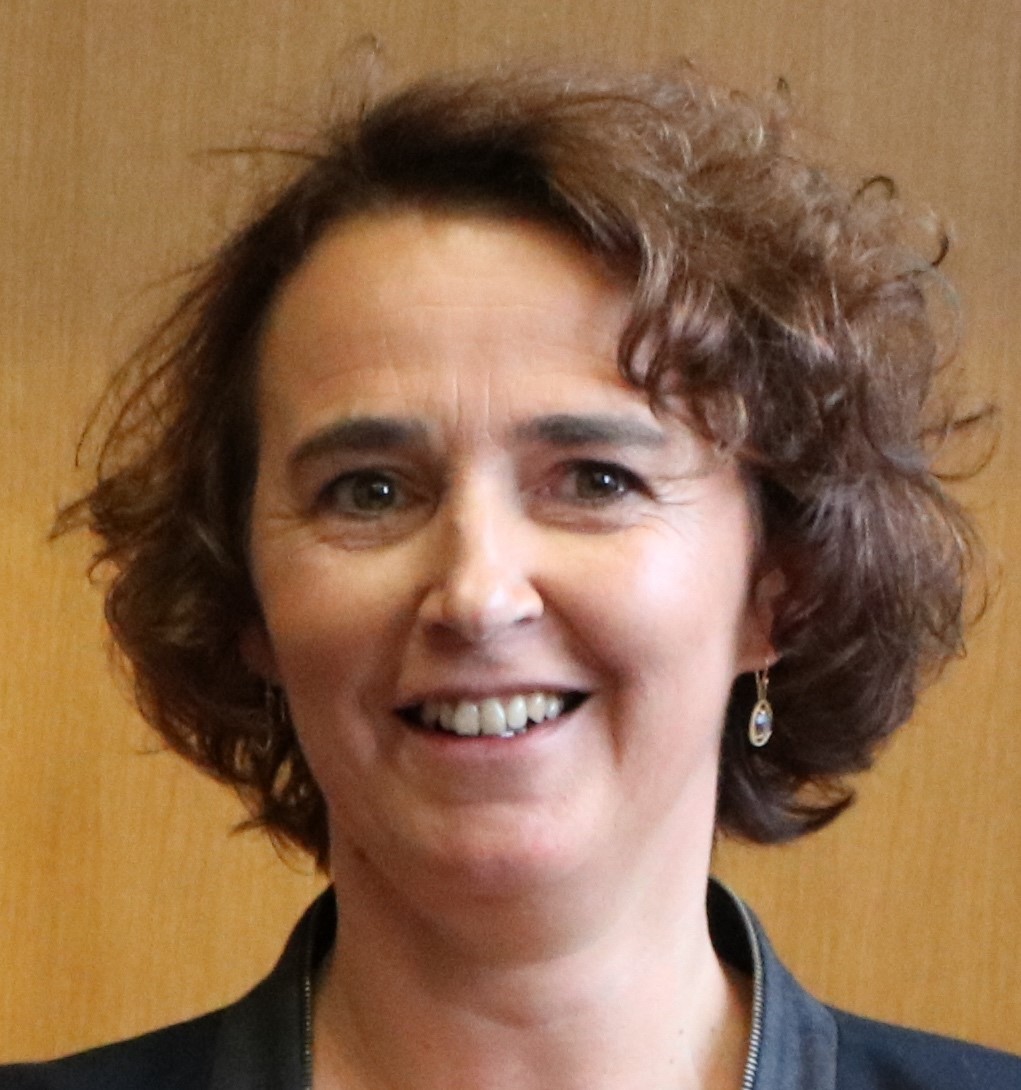
Anne BOUTIN is a Research Director at the French National Center for Scientific Research (CNRS) and Professor at the École Normale Supérieure (ENS) in Paris, France. She leads the Department of Chemistry at ENS, focusing on the thermodynamics of confined fluids and molecular simulations of porous materials like metal-organic frameworks (MIL-53, ZIF-8) and zeolites. Education: Habilitation (1999), PhD in Chemical Physics (1992), Graduate of École Normale Supérieure (1992), MSc (1990) – all from University of Paris XI, Orsay. Positions: CNRS Research Fellow (1994–2009, University of Paris XI; 2009–present, ENS), Visiting Scientist at UC Santa Barbara (1999), Postdoctoral at Imperial College London (1993–1994). Research spans thermodynamic modeling of adsorption-induced structural transitions, polarizable force fields for charged materials, fluid dynamics in nanopores, and stability analysis of flexible frameworks. Google Scholar highlights recent work on electrolyte intrusion (2023) and defect impacts in zeolites (2023). Publications emphasize computational approaches to water confinement , gas separation , and material flexibility . Her 41+ peer-reviewed articles reflect expertise in Monte Carlo , molecular dynamics , and force field development . Awards: Nathalie Demassieux PhD Award (1993) CNRS Bronze Medal (1999) Legion of Honor (2017) Teaching: Statistical thermodynamics. Students: Supervised 17 PhD/postdoc directions.
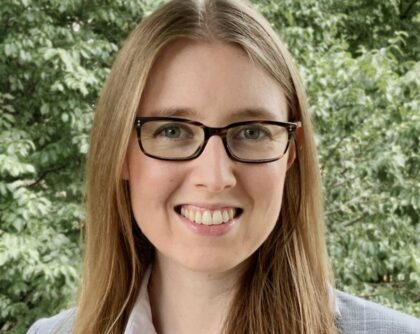
Phiala E. Shanahan is the Class of 1957 Career Development Associate Professor of Physics at the Massachusetts Institute of Technology (MIT). Her research focuses on theoretical nuclear and particle physics, particularly the structure of hadrons and nuclei from QCD. She integrates machine learning to overcome computational challenges in QCD studies, pioneering techniques for lattice gauge theory simulations. Affiliated with MIT's Center for Theoretical Physics, Laboratory for Nuclear Science, and the NSF AI Institute for Fundamental Interactions (IAIFI), she also collaborates with Jefferson Lab and the Electron-Ion Collider project. Education: BSc (2012) and PhD (2015) from the University of Adelaide. Career: Postdoctoral Associate at MIT (2015–2017), then joint position as Assistant Professor at College of William & Mary and Senior Staff Scientist at Jefferson Lab (2017–2018) before joining MIT in 2018. Research Interests: Gluon structure in nuclei, strange quarks in protons/nuclei, and machine learning applications. Her work predicts gluon distributions testable at Jefferson Lab and the Electron-Ion Collider, with implications for dark matter detection via precision calculations. She also explores nuclear forces and symmetry-breaking effects in QCD. Awards: 2023 South Australian Woman of the Year, 2022 Ruby Payne-Scott Medal, 2021 Maria Goeppert Mayer Award (APS), 2020 Kenneth G. Wilson Award, 2018 NSF CAREER Award, 2016 Bragg Gold Medal. Grants & Labs: DOE Early Career Award (2020), IAIFI affiliate, MIT Center for Theoretical Physics. Active in public engagement, including a Perimeter Institute lecture on 'The Building Blocks of the Universe.'
Enrico Bodo is a Full Professor of Physical Chemistry at the Department of Chemistry, Sapienza University of Rome. He holds a PhD in Chemical Sciences from Sapienza University (2002) and has held visiting positions at Harvard Smithsonian Center for Astrophysics and University of Paris Sud. His expertise spans material modeling, ab-initio molecular dynamics, ionic liquids, and computational spectroscopy. Education: BSc Chemistry, Sapienza University of Rome (1998) PhD in Chemical Sciences, Sapienza University of Rome (2002) Research Interests: Electrochemical systems and Li-ion batteries Protic ionic liquids and biocompatible solvents Computational studies of molecular dynamics and spectroscopy Grants & Leadership: Secured ~100 million EU computing hours for simulations Elected member of the Board of the Theoretical and Computational Chemistry Division of the Italian Chemical Society Advising: Supervised 10 PhD students, 4 postdocs, and 30 Master's students since 2014. Research groups focus on computational modeling of energy materials and electrolyte design. Labs/Teams: Leads research groups investigating molecular dynamics simulations and computational spectroscopy within the Department of Chemistry's advanced materials division.
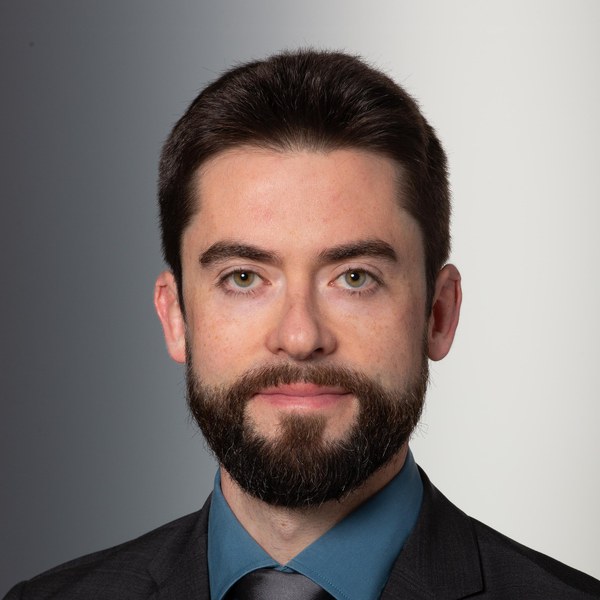
Dr. Tobias Binninger is a researcher at the Institute of Energy Technologies (IET) within Forschungszentrum Jülich GmbH, Germany. His work focuses on theoretical and computational modeling of materials for electrochemical energy systems , particularly in the context of catalysts and solid-state electrolytes. His research spans topics such as electrochemical interfaces , redox reactions , quantum capacitance , and nanoparticle stability , as reflected in his publications in high-impact journals. He has contributed significantly to understanding the Oxygen Evolution Reaction (OER) mechanisms and solid-state electrolyte materials through advanced computational methods like quantum annealing and density functional theory. Recent studies highlight his focus on electrolyte correlation effects , metal-support interactions , and co-electrolysis cell design for CO 2 reduction. Despite lacking explicit details on awards or mentoring, his work addresses critical challenges in energy storage , catalyst degradation , and quantum modeling of electrochemical systems .
Thomas Cheatham III is a Professor of Medicinal Chemistry in the College of Pharmacy and Adjunct Professor of Biomedical Engineering at the University of Utah, specializing in computational biomolecular simulation methodologies. His work bridges theoretical chemistry and biological applications through advanced molecular dynamics techniques. Education: B.A., Middlebury College Ph.D., University of California, San Francisco Research Focus: Dr. Cheatham pioneers molecular dynamics and free energy simulation methods (AMBER/CHARMM) for proteins, nucleic acids, and lipids. His group addresses critical challenges in environmental dependence of nucleic acid structure (ion/hydration effects on DNA), conformational transition pathways (e.g., B-DNA/Z-DNA junctions), and macromolecular flexibility beyond static experimental structures. Recent innovations target force field refinement for modified nucleic acids and polarizable models. Publication Trends: Analysis of his 2023-2025 publications reveals three dominant themes: (1) Nucleic acid force field optimization (60% of recent work), particularly RNA/DNA parameterization; (2) Development of simulation infrastructure including FAIR data principles and AmberTools; (3) Application-driven studies of therapeutic targets like Bcr-Abl inhibitors. His work increasingly integrates polarizable force fields and high-performance computing. Research Infrastructure: He leads the AMBER biomolecular simulation software development effort and maintains an active laboratory focused on methodological innovation. His group collaborates extensively with experimentalists to validate computational predictions and provides open-source tools (PTRAJ/CPPTRAJ) used globally. Current initiatives emphasize reproducibility through standardized simulation protocols and data sharing frameworks.
Carlos Silvera Batista is an Assistant Professor of Chemical and Biomolecular Engineering at Vanderbilt University’s School of Engineering. His research focuses on manipulating colloidal systems to design functional materials, emphasizing nanoscale interactions and electrokinetic phenomena. He holds a Ph.D. from the University of Florida and a B.E. from City College of New York. Education: Ph.D., Chemical Engineering, University of Florida B.E., Chemical Engineering, City College of New York Research Interests: Dr. Batista investigates the forces and flows governing colloidal assembly, with applications in nanomedicine, energy, and materials science. Key areas include solvation forces in nanoscale systems, electrokinetic transport of anisotropic colloids, and the directed assembly of reconfigurable materials. Techniques such as analytical ultracentrifugation and confocal microscopy are central to his work. Articles Trends: Recent work emphasizes electrodiffusiophoresis-driven colloidal dynamics, long-range transport of charged particles, and applications in CRISPR delivery and structural materials. His studies bridge fundamental physics with practical applications in biomedicine and nanotechnology. Awards: None explicitly listed. Advising & Grants: No advisees listed. Received the NSF CAREER Award (2023) for research on colloidal dynamics under electrodiffusiophoresis. Labs & Teams: Leads the Colloids & Interfacial Phenomena lab, part of Vanderbilt’s Nano Science and Technology intellectual neighborhood. Focus areas include colloidal dispersions, nanomaterials, and interfacial phenomena.
Valerie Welborn is an Assistant Professor in the Department of Chemistry within the College of Science at Virginia Tech. Her research program focuses on multiscale simulation of condensed phase systems, particularly examining the role of electric fields in biological interfaces and biological-like systems. She leads an active research group that bridges computational chemistry with experimental validation through multiple collaborations. Dr. Welborn's research interests span protein dynamics and function, characterization of structural and functional water, polysaccharides in solution, and polymer design for metal chelation. Her work combines morphological, structural, dynamic and electronic factors to develop new models of biological interfaces, with particular emphasis on how water interacts at a fundamental molecular level with biological entities such as proteins and bone tissues. She specializes in electric field calculations to understand protein flexibility in catalysis and ion transport, seeking to reconcile protein dynamics with electrostatic preorganization theory. Her recent publications demonstrate strong activity across multiple domains, with particular emphasis on electric field analysis in protein function, water dynamics at biological interfaces, and polymer design for metal chelation. Her work shows a consistent trajectory toward increasingly complex biological systems and more sophisticated computational approaches, including polarizable force field methods and multiscale modeling techniques. Centre for Doctoral Training (CDT) on Theory and Simulation of Materials (TSM) Ph.D. Prize for Research Excellence, 2014 Outstanding Contribution to Outreach and Public Engagement, CDT TSM, 2014 Engineering and Physical Sciences Research Council (EPSRC) fully-funded Ph.D. Fellowship, CDT TSM, 2011 Editor-selected as '2021 Hot PCCP article' Front cover article in Phys. Chem. Chem. Phys. Dr. Welborn actively mentors a diverse group of researchers, including multiple postdoctoral associates, graduate students across chemistry and related disciplines, and undergraduate researchers. Her lab participates in the NSF Materials Innovation Platform GlycoMIP (DMR-1933525), focusing on polysaccharide research. She collaborates extensively with experimental groups, particularly with Professor Michael Schulz on polymer design for metal chelation projects. Her lab develops computational tools like the ELECTRIC software package for electric field calculations in biomolecular systems. The Welborn group maintains active research programs in four main areas: protein dynamics and function, characterization of structural and functional water, polymer design for metal chelation, and polysaccharides in solution. Each program employs specialized computational approaches to address fundamental questions in biological chemistry, with particular emphasis on how electric fields govern molecular behavior at biological interfaces.
Luca Frediani is a Professor in Theoretical and Computational Chemistry at the Hylleraas Center, Department of Chemistry, UiT The Arctic University of Norway. His research focuses on advanced quantum chemistry methods, including density functional theory, multiwavelet basis sets, and solvation modeling. He actively develops computational tools like MRChem and VAMPyR for molecular electronic structure calculations. Current affiliation: UiT The Arctic University of Norway Research group: Theoretical and Computational Chemistry Teaching: KJE-2001 Theoretical Chemistry and Spectroscopy His work spans relativistic quantum chemistry, numerical methods for response properties, and benchmarking of basis set limits. Publications emphasize eliminating basis set errors, multiwavelet applications, and polarizable continuum models for solvation. He collaborates extensively on software development for quantum chemistry. Recent articles highlight multiwavelet-based DFT at the basis set limit, noise-tolerant force calculations, and relativistic effects in electronic structure. Sub-fields include scalar relativity, cavity-free solvation, and metal-ligand interaction accuracy.
Qiang Cui is a Professor of Computational Chemistry at Boston University, specializing in developing and applying advanced computational methods to study complex biomolecular systems. His research focuses on understanding mechanisms of enzymes, biomolecular machines, and bio-material interactions through multi-scale simulations, including quantum mechanical/molecular mechanical (QM/MM) approaches and coarse-grained models. Education: B.S., Chemical Physics, University of Science & Technology of China (1993) Ph.D., Physical Chemistry, Emory University (1997) Postdoctoral Associate, Harvard University (1998-2001) Research Interests: Development of novel computational techniques for simulating complex systems Study of energy transduction in molecular machines (e.g., myosin, DNA repair enzymes) Investigation of biomaterial interfaces and nanotechnology applications Protein allostery and mutational effects using machine learning Labs/Teams: The Cui Group at Boston University advances computational methodologies and collaborates on projects spanning biophysics, material science, and molecular biology.
Nisanth N. Nair is Professor of Chemistry at the Indian Institute of Technology Kanpur (IITK), India, holding the position since 2018. He obtained his PhD from the Universität Hannover, Germany (2004) after completing his MSc in Chemistry at IIT Madras (2001). His research group pioneers advanced computational-chemistry methods to address grand-challenge problems in energy, healthcare and materials science. Education PhD (2004), Universität Hannover, Germany MSc (2001), Chemistry, Indian Institute of Technology Madras Research Interests Professor Nair’s work is organized around five tightly linked thrusts: Method development: massively parallel QM/MM algorithms, polarizable force-fields, metadynamics and hybrid functionals for large-scale catalytic systems. Energy catalysis: computational design of Rh/Al₂O₃ and Rh/TaON catalysts for efficient water-splitting and H₂ production. Healthcare: molecular mechanisms behind antibiotic resistance in NDM-1 and Class-C β-lactamase enzymes, guiding de-novo inhibitor discovery. Aerospace materials: multi-scale modelling of thermo-oxidative degradation of high-temperature polymers in collaboration with Boeing. Heterogeneous catalysis: olefin hydrogenation on Rh/Y-zeolite and single-atom catalysis phenomena. Publications Trend His recent articles (2011–2013) highlight an integrative approach combining rigorous electronic-structure calculations with micro-kinetic modelling to unravel complex catalytic cycles, antibiotic-resistance pathways and support-effects in single-atom catalysts. Honours & Awards P. K. Kelkar Young Faculty Research Fellow, IIT Kanpur (2012–2015) Young Associate, Indian Academy of Sciences, Bangalore (2012–2015) Young Scientist Medal, Indian National Science Academy, New Delhi (2013) Contact & Resources Office: SL 302, Department of Chemistry, IIT Kanpur, Kanpur 208016, India Phone: +91 512 259 6311 Email: nnair@iitk.ac.in Web: http://home.iitk.ac.in/~nnair
Dr. Maxim Durach is an Associate Professor in the Department of Biochemistry, Chemistry and Physics at Georgia Southern University's College of Science and Mathematics, where he has been employed since 2011. He maintains affiliate positions with the Center for Advanced Materials Science and the Sustainable Fuels Research Network. His research focuses on theoretical and computational physics for nanotechnology applications, with specialized expertise in photonics, metamaterials, plasmonics, and optoelectronics. Durach's research investigates fundamental phenomena including quartic metamaterials, plasmon drag effects, momentum absorption of light and plasmons, optical forces, photonic integrals, nanorod metasurfaces, optical neutrality (invisibility) in metamaterials, and hyperbolic metasurface cavities. His work contributes to UN Sustainable Development Goals through advancements in materials science and nanotechnology. With an extensive publication record spanning electromagnetism, metamaterials, and nanophotonics, Durach's recent research (2020-2025) demonstrates strong focus on isotropy-broken media, surface electromagnetic phenomena, and advanced optical materials characterization. His theoretical frameworks explore novel beam propagation models, scattering mechanisms, and topological phases in complex media. Durach leads an active research group developing computational approaches for nanophotonics applications. His laboratory investigates plasmonic phenomena through both theoretical modeling and experimental validation, with work supported by consistent research output since 2007. Current projects explore inverse methods in electromagnetism, beam propagation in anisotropic media, and advanced metamaterial designs.
Kanu Sinha is an Assistant Professor of Optical Sciences and Physics at the University of Arizona, serving as Joint Faculty in the College of Optical Sciences. His research focuses on quantum fluctuation phenomena, cavity and waveguide quantum electrodynamics (QED), collective atom-field interactions, and non-Markovian open quantum systems. He leads the Quantum Optics and Open Quantum Systems Group, which explores applications in quantum information processing and quantum sensing. His work emphasizes engineering light-matter interfaces to study macroscopic quantum behaviors. Education: Ph.D. in AMO Physics from the University of Maryland, College Park (2015). Research interests include collective radiation dynamics, quantum Brownian motion, and decoherence mechanisms. Recent publications highlight advancements in quantum sensing, entanglement engineering, and non-Markovian systems. His group collaborates closely with experimental teams to bridge theoretical models with real-world applications. Key contributions include studies on vacuum-induced quantum beats, collective decay mechanisms, and Casimir-Polder interactions. Current projects explore quantum fluctuation forces in nanoscale systems and mechanical quantum sensing for dark matter detection.
J. Daniel Gezelter is a Professor and Chair of the Department of Chemistry & Biochemistry at the University of Notre Dame within the College of Science. His research focuses on theoretical and computational studies of complex condensed-matter systems, particularly using molecular dynamics simulations to understand emergent behavior at interfaces. Ph.D. in Chemistry, University of California, Berkeley (1995) CPS in Chemistry, University of Cambridge, UK (1990) B.S. in Chemistry & Philosophy, Duke University (1989) Gezelter's research interests lie at the intersection of physical chemistry, statistical mechanics, and computational science. His group develops novel algorithms for molecular dynamics simulations to study energy and mass transport across interfaces. Key areas include thermal transport in nanoparticles, enantiomeric separation via shear flow, electrostatic interactions in condensed phases, and dynamics at ice-water interfaces. The lab combines analytical theory with state-of-the-art simulations, often developing open-source software like OpenMD to advance the field. The most recent publications demonstrate a strong trend toward understanding interfacial transport phenomena—particularly thermal and momentum conductance—using reverse non-equilibrium molecular dynamics (RNEMD) methods. The work spans applications from gold nanoparticle heat dissipation to chiral molecule separation and ice surface physics, reflecting a unifying theme of emergent dynamics in complex systems. Methodological innovations in electrostatics (e.g., damped shifted force) and implicit solvent modeling (e.g., Langevin Hull) underpin these investigations. His scientific awards include: Provost's Award for Teaching Excellence in the Core Curriculum (2023) Shilts/Leonard Award for Outstanding Teaching (2020) Rev. Edmund P. Joyce Award (2013, 2020) National Science Foundation CAREER Award (2002) Camille and Henry Dreyfus New Faculty Award (1999) National Science Foundation Graduate Research Fellowship (1990–1993) Churchill Scholar (1989–1990) Gezelter advises graduate students and leads an active research group supported by the National Science Foundation, the Camille & Henry Dreyfus Foundation, the Alfred P. Sloan Foundation, and the University of Notre Dame. His lab emphasizes open science, making software and data freely available. He has held leadership roles including Associate Dean for Undergraduate Studies (2020–2023) and Senior Associate Dean for Education & Undergraduate Programs (2023–2025), underscoring his commitment to academic administration and education. The Gezelter Laboratory develops and maintains OpenMD , an open-source molecular dynamics engine, and contributed to the early development of Jmol , a widely used computational chemistry viewer. The lab collaborates with both experimental and theoretical groups and promotes inclusivity and diversity in science.
John Herbert is a Professor in the Department of Chemistry and Biochemistry at The Ohio State University, part of the College of Arts and Sciences. He holds a B.S. in Chemistry and Mathematics (Kansas State University, 1998) and a Ph.D. in Physical Chemistry (University of Wisconsin-Madison, 2003). His postdoctoral work included stints with Anne McCoy (Ohio State) and Martin Head-Gordon (UC Berkeley). He joined Ohio State's faculty in 2006 and has received prestigious awards such as the NSF CAREER Award and PECASE. His research focuses on electronic structure theory and quantum chemistry, particularly improving computational methods for large systems. Key areas include excited-state dynamics, hydrated electron spectroscopy, and noncovalent interactions. His group develops algorithms like fragment-based methods and continuum solvation models, contributing to software like Q-Chem. Recent work addresses condensed-phase spectroscopy, enzyme reaction mechanisms, and polarization effects in solvents. Notable achievements include groundbreaking studies on the hydrated electron’s structure and spectroscopy, and the development of novel density functional theory (DFT) methods. His work bridges theory and experiment, with applications in materials science and biochemistry. He emphasizes reproducibility and open-source software in computational chemistry. Scientific awards include the Sloan Fellowship, Camille Dreyfus Teacher-Scholar Award, and ACS Outstanding Junior Faculty Award. His research is supported by grants from NSF, DOE, and others. He advises graduate and undergraduate students, fostering interdisciplinary collaboration. His lab actively engages in software development and computational methodology, aiming to advance the frontiers of quantum chemistry.
Professor Toby Allen is a computational biophysicist at RMIT University (School of Science, City Campus Australia). His work focuses on membrane transport phenomena, ion channel mechanisms, and computational modeling of biological systems. He holds an ORCID 0000-0002-3521-7950 and is open to supervising Masters/PhD students. PhD, Australian National University (1998) Revson Fellow & Keck Fellow, Cornell University (2001-2004) Assistant Professor, UC Davis (2004-2009) Vice Chancellor’s Senior Research Fellow, RMIT University (2011-present) Research spans Biophysics , Computational Modeling , and Membrane Protein Dynamics . Key areas include: Ion channel selectivity mechanisms Membrane transport of charged molecules Computational pharmacology of ion channels Structural dynamics of ATPases Role of membrane electrostatics in transport Scientific contributions recognized through: Revson Fellowship , Cornell University Keck Fellowship , Cornell University NSF Career Award , UC Davis Chancellor’s Fellow , UC Davis His group receives funding from the Australian Research Council , NHMRC , NIH , and supercomputing agencies. Teaching responsibilities include Statistical Physics and Electromagnetism courses.