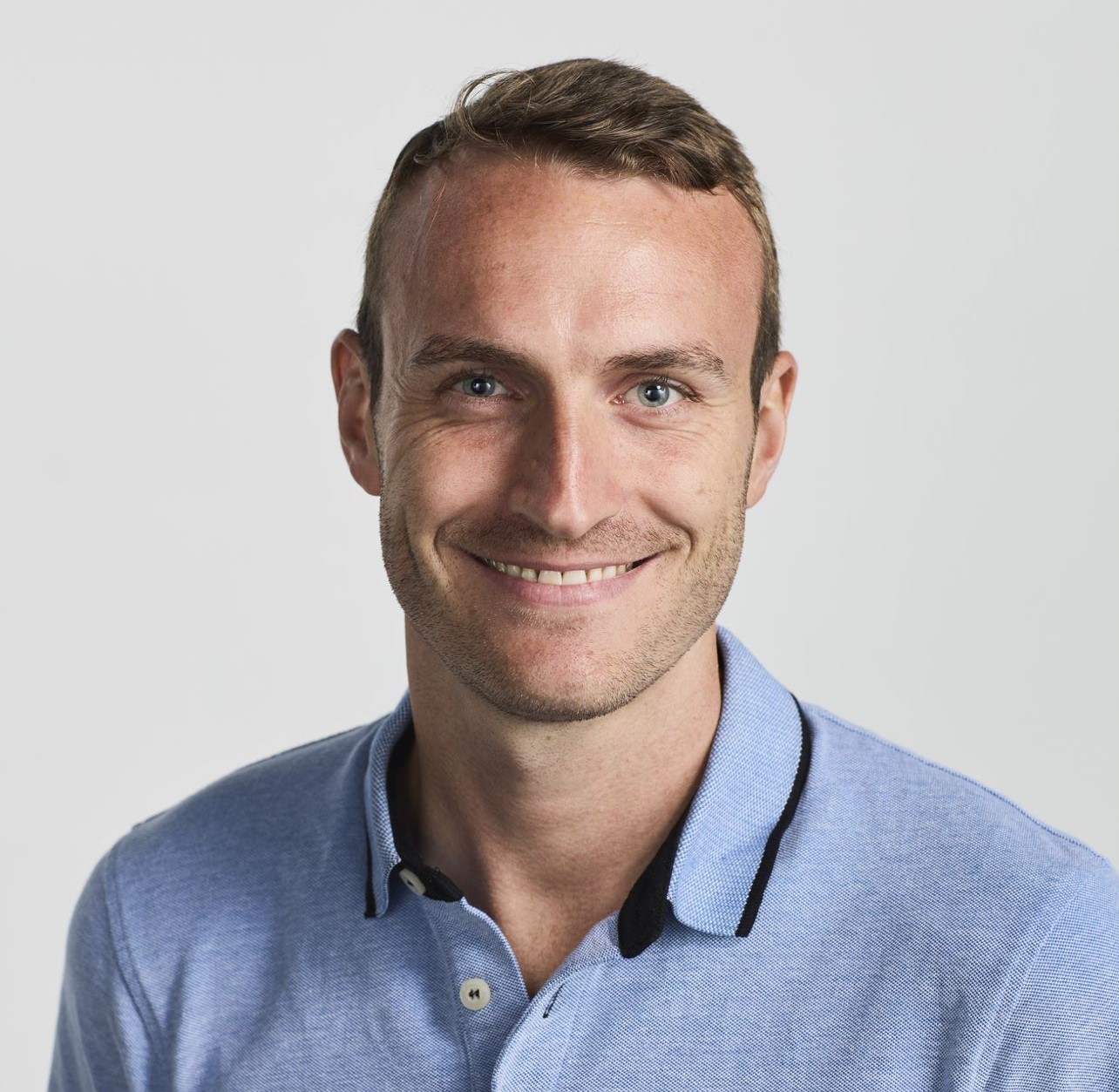
Dr. Saimunur Rahman is a Research Scientist at CSIRO Robotics, specializing in fundamental AI research with a focus on representation learning, 3D vision, and robotics. His work bridges theoretical innovation and practical applications in computer vision. Education: PhD in Representation Learning (University of Wollongong & CSIRO Data61), MSc in Computer Vision (Multimedia University) His research explores self-supervised learning, higher-order feature aggregation, and fine-grained visual categorization. Publications span top-tier venues like CVPR and ECCV, emphasizing LiDAR perception and robust image classification techniques. Recent work includes foundational advancements in point cloud learning and spatial representation for robotics. Earlier contributions addressed challenges in low-quality video action recognition and deep learning for medical diagnostics. Scientific Awards: CSIRO Early Career Research Fellowship Data61 PhD Scholarship University of Wollongong Postgraduate Award Centre of AI High Performing Student Award ICME Outstanding Reviewer (2020)
Assoc Prof Kaile Su is an Associate Professor at the School of Information and Communication Technology, Griffith University, with expertise in artificial intelligence, multi-agent systems, and deep learning. They hold an ORCID identifier (0000-0001-6741-9699) and have been affiliated with Griffith University since 2004. PhD in Computer Science from Nanjing University (1995) Postdoctoral work at Changsha Institute of Technology Their research spans combinatorial optimization, temporal logic verification, speech enhancement, and medical imaging applications. Recent work focuses on edge AI, federated learning, and neural network regularization techniques. Key funded projects include ARC Discovery Grants (DP150101618, DP120102489) and an ARC Future Fellowship (FT0991785). Awards include the NSFC Award for Distinguished Young Scholar (2007). Supervised 9 doctoral students at Griffith University Contributions to multi-agent coordination, CT reconstruction, and dialogue systems Active in software verification and sparse graph optimization
Dr. Dusan Matusica serves as a Senior Lecturer in Human Anatomy at Flinders University's College of Medicine and Public Health, where he is also a Full Member of the Flinders Health and Medical Research Institute. Appointed as a Lecturer in Anatomy & Histology and Research Associate in the Pain & Pulmonary Neurobiology Lab in 2014, he has established himself as a prominent researcher in neurobiology and pain mechanisms. His work bridges teaching responsibilities in medical education with cutting-edge research on neuronal injury and pain pathways. Dr. Matusica's academic journey began with undergraduate studies at Flinders University, majoring in Neuroscience and Biochemistry. He continued at Flinders to complete his Honours degree in Neurophysiology at the School of Medicine, followed by a PhD in Neurobiology awarded in 2008. Between 2010 and 2014, he served as a Postdoctoral Fellow at the Queensland Brain Institute, University of Queensland, where he focused on Alzheimer's disease research. Dr. Matusica's primary research focuses on understanding the cellular and molecular mechanisms of neuronal injury leading to pain and neurodegeneration. He specializes in neurotrophins (NTs), a family of proteins crucial for neuronal survival, growth, and function in both developing and central nervous systems. His laboratory investigates molecular mechanisms regulating neuronal trafficking and signaling pathways in central and peripheral neurons, with particular attention to how these processes become dysregulated in neurodegenerative conditions and chronic pain. His recent publications demonstrate a strong focus on microfluidic pain modeling ('Pain-on-a-Chip'), characterization of dorsal root ganglion components, and investigation of pain mechanisms in conditions like vestibulodynia. The research spans from basic cellular neuroscience to translational applications, with growing emphasis on microfluidic devices for pain modeling and immune cell contributions to pain sensitization. Dr. Matusica has received several prestigious awards recognizing his research excellence: The Australian Neuroscience Society Annual Meeting Postgraduate Student Prize (2008) The GlaxoSmithKline Victor MacFarlane Graduate Student Prize in Neurobiology (2006 and 2007) As an educator, Dr. Matusica serves as a Lecturer in Anatomy and Histology for GEMP Year 2 medical students. His teaching interests include macroscopical and microscopical human anatomy, anatomy and physiology of the musculoskeletal and nervous systems, cellular neurobiology, mechanisms regulating neuronal transport, pathophysiology of pain, neuroanatomy, and integrative brain function. He also serves as a Team Based Learning (TBL) Learning Coach for the MD program and lectures on various medical topics including Knowledge of Health and Illness 2, Pathophysiology for Medical Science, and Knowledge of Illness & Health. Beyond the university, Dr. Matusica actively engages with the community through regular lectures on Aging and Dementia for the University of Third Age and The Probus Association of Queensland. He has presented on topics including the "Amazing Brain" and "Music and the Brain" to bring scientific knowledge to the public. He also participates in the Australian Brain Bee Challenge as a demonstrator and guide, and regularly speaks for the Flinders Medical Centre Foundation.
Dr. Liang Wang is a Senior Research Fellow at the University of Newcastle's School of Environmental and Life Sciences. His work focuses on developing cutting-edge environmental assessment technologies for hydrocarbon contaminants, combining analytical sciences, chemometric methods, and computational modeling. Developed irCARE™ and probeCARE™ software for FTIR and ISE array analysis Led multiple CRC-funded projects totaling over $5.6M Expert in portable GC-MS and FTIR field applications Research Interests: Specializes in environmental analytical methods, with particular emphasis on: Rapid in-field contaminant assessment Artificial Intelligence for spectral data Mathematical modeling of environmental interactions Development of trademarked analytical products Publication Trends: Recent work demonstrates expertise in: FTIR-based contaminant analysis Portable sensor network integration Machine learning for environmental prediction Soil health assessment technologies Heavy metal and hydrocarbon remediation Smartphone-enabled field diagnostics Scientific Recognition: Recipient of two prestigious industry awards for analytical science innovation from PerkinElmer and Agilent Technologies. Holds multiple international patents including WO2021/035273 and US10761052B2.
Dr. Aniko Toth is a Research Fellow at the Centre for Ecosystem Science within the Faculty of Science at the University of New South Wales (UNSW), where she collaborates with Professor David Keith on Antarctic ecosystem risk assessment models. Previously, she completed her PhD at Macquarie University in 2019 and served as a research consultant at the Smithsonian US National Museum of Natural History for five years, contributing to the Evolution of Terrestrial Ecosystems program. Her research spans ecology, paleoecology, and climate change impacts, with focus areas including community assembly processes across geological timescales, ecosystem collapse risk assessment, and Antarctic/Alpine conservation. Current projects involve developing spatial risk models for ice-free Antarctic habitats and standardizing trait data for biodiversity monitoring. Recent publications reveal strong trends in Quaternary mammalian community dynamics, biotic homogenization under climate change, and methodological advances in spatial biodiversity analysis. Her work frequently employs large-scale collaborative frameworks addressing ecosystem vulnerability in polar and alpine regions. Scientific recognition includes: Science Achievement Award for Best Paper of 2019 (Smithsonian, 2020) Student Service Award for digital literacy promotion (Macquarie University, 2019) Science Achievement Award for Best Paper of 2016 (Smithsonian, 2017) Richard L. Hoffman Award for student presentation (Virginia Herpetological Society, 2010) Dr. Toth actively contributes to multiple high-impact research consortia without formal advising responsibilities documented in current sources. She co-leads the Australian Alpine Ecosystem risk assessment working group and participates in the Smithsonian's Evolution of Terrestrial Ecosystems program and iDiv's trait data initiative, focusing on translating paleoecological insights into contemporary conservation frameworks. Her laboratory collaborations span UNSW's Centre for Ecosystem Science, Macquarie University's paleoecology group, and international networks including the Antarctic Science Partnership. Current efforts prioritize operationalizing ecosystem collapse metrics for IUCN Red List of Ecosystems assessments under accelerating climate change.
Dr. Abdoulaye Diakite is a researcher at the University of New South Wales (UNSW), affiliated with the Arts, Design & Architecture faculty. He is a member of the Geospatial, Research, Innovation and Development (GRID) lab where he leads the Digital Twins R&D with a focus on 3D indoor modelling and navigation, and BIM/GIS integration. Dr. Diakite completed his MSc in Computer Sciences in 2012 from the University of Burgundy (France), followed by a PhD in computational geometry in 2015 at the LIRIS lab (University of Lyon 1, France). Prior to joining UNSW, he worked at Delft University of Technology (2015-2018) on the SIMs3D project for emergency responders' indoor navigation systems and the GeoBIM project for BIM and GIS integration. His research expertise spans across Smart Cities with a strong focus on 3D data technologies including 3D Digital Twins, 3D GIS, BIM/GIS integration, 3D indoor modelling and navigation, 3D analytics and visualization, and IoT Digital Twin integration. His work bridges computational geometry with practical applications in urban environments. As an active member of the Open Geospatial Consortium (OGC), Dr. Diakite co-leads the development of the IndoorGML standard, contributing significantly to international geospatial standards. His research has practical applications in emergency response systems, facility management, and urban planning, with a particular emphasis on creating seamless indoor/outdoor navigation experiences and integrating heterogeneous spatial data sources.
Professor Steven Sherwood is a leading climate scientist at the University of New South Wales , holding the rank of Professor in the Climate Change Research Centre. He contributes to the ARC Centre of Excellence for Climate Extremes through research programs on Attribution and Risk, and Weather and Climate Interactions. Education Bachelor of Science in Physics, Massachusetts Institute of Technology (1987) Master of Science in Engineering Physics, University of California (1991) PhD in Oceanography, Scripps Institution of Oceanography, University of California (1995) Research Interests focus on moisture-related atmospheric processes , climate sensitivity , convective feedback mechanisms , and human tolerance to heat stress . His work bridges observational analysis (e.g., weather balloon data), numerical modeling (cloud dynamics, wind gusts), and policy-relevant assessments (IPCC, World Climate Research Programme). Recent Research Trends highlight applications of artificial intelligence for climate downscaling, modeling tipping points in Earth systems, analyzing hail and wind hazards under climate change, and studying cloud albedo biases in high-latitude oceans. Scientific Awards National Science Foundation CAREER Award (2002) Clarence Leroy Meisinger Award, American Meteorological Society (2005) Eureka Prize Finalist (2014) ARC Laureate Fellowship (2015–2020) Leadership and Collaboration includes serving as a Lead Author for the IPCC 5th Assessment Report on Clouds and Aerosols, chairing the World Climate Research Programme’s Safe Landing Climates Lighthouse , and contributing to international climate sensitivity assessments. He also sits on the Science journal review board.
Professor Andrew Wood is a faculty member at the Research School of Finance, Actuarial Studies and Statistics, Australian National University. His research spans non-Euclidean statistics, theoretical statistics, computational methods, and applied statistics in sciences and medicine. Research Interests : Non-Euclidean statistics, directional statistics, statistical shape analysis, asymptotic theory, computational statistics, stochastic differential equations, and applications in science/medicine. Grants : Funded by Engineering and Physical Sciences Research Council (UK), Biotechnology and Biological Sciences Research Council (UK), and Australian Research Council Discovery Projects. Editorial Roles : Former Joint Editor of Journal of the Royal Statistical Society, Series B and current Associate Editor of Biometrika . Research Trends : Recent publications focus on robust statistical methods for non-Euclidean data, computational approaches for complex distributions, principal component analysis for high-dimensional datasets, and geometric inference on manifolds. Applications include microbiome analysis, surface fractal dimension estimation, and spherical regression models. Supervision & Collaboration : Registered as a supervisor at ANU, with collaborations across disciplines including molecular biology, environmental science, and computational mathematics.
Kaveh Mirzaei is a Lecturer in Construction Management at the School of Engineering and Technology , Central Queensland University (CQUniversity) . He holds a PhD in Civil Engineering from Monash University, an MSc in Construction Engineering and Management from University of Tehran, and a BSc in Civil Engineering from Mazandaran University. PhD: AI-based geometric quality inspection of construction projects with point clouds, Monash University MSc: Building energy retrofit framework minimizing life cycle costs and environmental impacts, University of Tehran BSc: Civil Engineering, Mazandaran University His research focuses on Artificial Intelligence , Computer Vision , and Digital Twin technologies to address productivity and sustainability challenges in construction. Recent projects include automating dimensional quality control, compliance inspection using point clouds, and multi-objective optimization for energy retrofit economics. Key trends in his publications include AI-driven construction automation , point cloud analytics , and remote inspection methodologies . His work bridges digital transformation and sustainable infrastructure through data science and machine learning. Scientific Awards Monash Co-Funded Graduate Scholarship for Exceptional Academic Achievements (2020) Building 4.0 CRC Merit-Based Top-up Scholarship (2021) He supervises candidates in Civil Engineering , Environmental Engineering , Building , Climate Change Adaptation , Artificial Intelligence , and Computer Vision . Previously taught Structural Mechanics and Building Regulations at Monash and Victoria University.
Dr. Mukesh Mohania serves as an Adjunct Professor at UNSW Canberra within the School of Business. His extensive academic career spans over three decades with continuous scholarly contributions from 1994 through 2025. His research bridges theoretical database systems with practical applications across multiple domains including educational technology, blockchain, and business intelligence. Professor Mohania's research interests demonstrate remarkable breadth and evolution over time. Beginning with foundational work in data warehousing and database systems, his research trajectory expanded into information integration, privacy management, and more recently, educational technology and blockchain applications. His scholarly work shows a consistent pattern of addressing emerging technological challenges while maintaining connections to core database principles. A distinctive characteristic of his research is the practical application of theoretical concepts to solve real-world business and educational problems. The analysis of his recent publications reveals a strong focus on educational technology applications, with approximately 40% of his 2022-2025 publications addressing AI-driven educational systems, question categorization, and learning analytics. Another significant portion (around 30%) focuses on security, privacy, and blockchain applications. The remaining publications continue his longstanding interest in database systems, data mining, and information integration. This distribution indicates a strategic pivot toward educational technology while maintaining expertise in his foundational areas. Professor Mohania has established a prolific publication record with over 100 scholarly contributions including book chapters, journal articles, and conference papers. His work appears in prestigious venues such as IEEE Transactions on Knowledge and Data Engineering, ACM conferences, and Springer publications. While specific awards aren't documented in the available information, his sustained publication record across multiple decades demonstrates significant scholarly impact. His research collaborations span numerous institutions and researchers globally, with frequent co-authorship patterns suggesting established research teams focused on educational technology and database systems. The consistent output across decades indicates successful grant funding and sustained research activity, though specific grant details aren't provided in the available information. Professor Mohania's work shows particular strength in translating database research into practical business and educational applications.
Sarat Moka is a Lecturer in the School of Mathematics & Statistics at The University of New South Wales and holds an Honorary Lecturer position at Macquarie University. His research spans Probability Theory, Data Science, Statistics, Deep Learning, and Monte Carlo Simulation. Education: PhD (Tata Institute of Fundamental Research, 2017), Master of Engineering (Indian Institute of Science, 2008), Bachelor of Engineering (Andhra University, 2006) Previous Roles: Research Fellow at Macquarie University (2021–2023), ACEMS Postdoctoral Research Fellow at The University of Queensland (2017–2021), Scientist at Indian Space Research Organization (2008–2010) His research integrates theoretical and applied approaches, focusing on rare event simulation, optimization algorithms, and statistical modeling. Recent publications emphasize continuous optimization for machine learning tasks (e.g., best subset selection, change point detection) and Monte Carlo methods. Scientific awards include the prestigious ACEMS Postdoctoral Research Fellowship. His collaborative work involves institutions like UNSW, Macquarie University, and The University of Queensland.
Dr. Gordana Popovic is a Senior Lecturer at the University of New South Wales (UNSW), affiliated with the Statistical Consulting Unit within the Research & Enterprise division. She specializes in statistical ecology, biostatistics, and computational modeling, providing methodological guidance and collaborative support to applied researchers. Her work spans ecological data analysis, clinical studies, and environmental monitoring. Her research focuses on developing and applying advanced statistical techniques, including copula models, spatial analysis, and longitudinal studies. Recent projects address wetland vegetation dynamics, cancer prognosis biomarkers, and antibody response modeling. She also teaches short courses in statistics using R and SPSS. Dr. Popovic has supervised research students such as Ben Maslen and contributed to interdisciplinary collaborations in fields like oncology, immunology, and conservation biology. Her publications emphasize methodological innovation and empirical applications in ecology and clinical research. Key journals where her work appears include Cancer , Methods in Ecology and Evolution , and PLOS Medicine . Her methodological expertise includes maximum likelihood estimation, graphical models, and design optimization for multivariate data collection.
Dr. Tom Stindl is a Lecturer at the School of Mathematics & Statistics , UNSW Sydney. His research focuses on statistical inference for self-exciting point processes, particularly the renewal Hawkes process and its marked/multivariate variants, with applications in finance, seismology, crime, and bushfire modeling. Core research areas: Hawkes Processes, Computational Statistics, and Spatiotemporal Modeling. Supervised PhD/MRes/Honours students including Jason Lambe, Zhe Han, and Toby Mufford. Developed R packages RHawkes and MRHawkes for statistical modeling. His recent publications (2017–2025) analyze Hawkes processes for earthquake declustering, financial risk forecasting, and Bayesian ETAS modeling. He received the Early Career Teaching Excellence award from UNSW's Faculty of Science for courses like MATH3821 and DATA3001 . A current Australian Research Council Discovery Project (2024–2026, $463,452) explores Hawkes processes with challenging data.
Professor Ashantha Goonetilleke is a leading academic in Water/Environmental Engineering at the Queensland University of Technology (QUT) , School of Civil & Environmental Engineering. With over 300 publications and $14M+ in research funding, his work focuses on climate change adaptation, integrated water resources management (IWRM), and sustainable urban water systems. Key roles: Technical Advisor to Brisbane Airport Corporation (10 years), Professorial Chair in Airport Innovation (5 years), Director for Infrastructure Research (QUT, 2005–2010), Discipline Leader for Civil Engineering (2017–2019) Research pillars: Water Quality Protection: Microplastics, PFAS, and urban pollutant dynamics Risk-Based Water Recycling: Decentralized systems and life-cycle analysis Infrastructure Resilience: Climate change impacts on water supply systems WASH Innovations: Decentralized sanitation and SDG6 implementation His 15 most recent articles (2023–2025) highlight expertise in nanotechnology for water purification, flood resilience strategies, and microplastics-heavy metal interactions. Awards include QUT's Vice-Chancellor's recognition for research-industry partnerships (2007, 2009). Supervised over 40 PhD students, with notable works on stormwater pollutant modeling and climate adaptation frameworks.
Dr. Pei Zhang is an Honorary Research Fellow at the School of Civil Engineering, Faculty of Engineering, Architecture and Information Technology at the University of Queensland. With expertise spanning computational fluid dynamics, particle-fluid interactions, and environmental engineering, Dr. Zhang contributes significantly to research in sediment transport, porous media flow, and microplastics research. Dr. Zhang's research focuses on the intersection of computational methods and environmental fluid mechanics, particularly in: Development and application of advanced computational models (Lattice Boltzmann Method, Discrete Element Method) Particle-fluid interactions with complex morphologies Microplastic transport and retention in porous media Constructed wetland systems for wastewater treatment Sediment-water interface processes and nutrient transport Analysis of Dr. Zhang's recent publications reveals a strong trend toward increasingly sophisticated computational methods for modeling fluid-particle systems. The research spans fundamental fluid mechanics of particle settling to applied environmental engineering problems like microplastic contamination and wastewater treatment. A notable pattern is the development of the "metaball" approach for handling complex particle shapes, which has been applied to various environmental systems with growing complexity from 2021 to 2025. Dr. Zhang is available for supervision of graduate students, indicating active involvement in mentoring the next generation of researchers in computational environmental engineering. The research appears to be conducted within collaborative frameworks involving multiple institutions, as evidenced by co-authorship patterns spanning Australian and Chinese research groups. Dr. Zhang's work is conducted within the computational and experimental facilities of the School of Civil Engineering at the University of Queensland, likely collaborating with research groups focused on environmental fluid mechanics, computational modeling, and water treatment technologies. The research has direct applications to contemporary environmental challenges including microplastic pollution mitigation and optimization of engineered water treatment systems.